Introduction to the San Siro Stadium
The San Siro Stadium, officially known as the Stadio Giuseppe Meazza, stands as a towering monument to football history and a cultural emblem of Milan. Its significance extends far beyond its role as a venue for matches; it is a living archive of the sport's evolution, a symbol of rivalry, and a testament to the enduring passion of Italian football. To understand the San Siro's place in the tapestry of football and Milanese culture, one must delve into its origins, its architectural uniqueness, and its dual identity as a shared home for two of Italy's most storied clubs—AC Milan and Inter Milan.
The stadium was inaugurated on September 19, 1926, initially built to serve as the home ground for AC Milan. Its construction reflected the growing importance of football in Italy during the early 20th century, a period when the sport began to transcend its recreational roots to become a professional and deeply ingrained cultural phenomenon. Designed by architect Stacchini, who also contributed to Milan's iconic Central Station, the San Siro was conceived as a modern arena capable of accommodating large crowds. Over the decades, the stadium underwent several expansions and renovations, particularly for the 1990 FIFA World Cup, which added its distinctive spiral ramp entrances and increased its capacity to over 80,000 spectators. These changes were not merely functional but symbolic of the stadium's adaptability to the demands of modern football and its status as a venue worthy of global attention.
The San Siro’s significance in football history is rooted in its role as a battleground for some of the most intense rivalries in the sport. Since 1947, when Inter Milan began sharing the stadium with AC Milan, the venue has become synonymous with the Derby della Madonnina, one of the most fiercely contested derbies in world football. This shared space is unique in global football; few stadiums host two top-tier clubs with such contrasting identities and fan bases. AC Milan, with its roots in English expatriates and a more cosmopolitan flair, contrasts sharply with Inter Milan's reputation as a club representing a broader, more eclectic Milanese identity. This duality infuses the San Siro with a tension and energy that elevates matches played there to something greater than sport—they become cultural events that encapsulate the city's soul.
Beyond its role in domestic football, the San Siro has been a stage for some of the most memorable moments in international football. It hosted matches during three FIFA World Cups (1934, 1990, and as a potential venue for 2032 considerations) and was the site of legendary performances by players like Diego Maradona, Zinedine Zidane, and Cristiano Ronaldo. These moments are etched into the collective memory of football fans worldwide, reinforcing the stadium’s reputation as a place where history is made. Moreover, the San Siro has been a crucible for some of Italy's most celebrated victories, including the Azzurri's triumphs in friendlies and qualifiers that have galvanized national pride.
The stadium’s architectural design also merits attention as a cultural landmark. Its towering tiers, exposed concrete, and open-air feel give it a raw, imposing presence that contrasts with the sleek, modern designs of newer stadiums. This aesthetic is not accidental; it reflects the industrial and pragmatic ethos of mid-20th-century Italy. The curva sud and curva nord, where the most ardent supporters of AC Milan and Inter Milan sit respectively, are more than seating areas—they are cauldrons of emotion, where chants, banners, and tifo displays create an atmosphere that is both intimidating and exhilarating. For many, the San Siro’s design embodies the idea that football is not a sanitized, commercialized product but a visceral experience rooted in community and tradition.
In Milan, the San Siro is more than a sports venue; it is a piece of the city's identity. Milan is a city renowned for its blend of historical grandeur and modern innovation, a duality reflected in the San Siro. The stadium sits in the San Siro district, a residential area that contrasts with the bustling city center, offering a quieter, more introspective view of Milanese life. Yet, on match days, the area transforms into a vibrant hub of activity, with fans from across Italy and beyond converging to celebrate their teams. This juxtaposition of tranquility and fervor mirrors Milan’s broader character as a city that thrives on contrasts—between high fashion and industrial pragmatism, between ancient cathedrals and contemporary skyscrapers.
The cultural significance of the San Siro extends into the realm of art and media. It has been featured in films, documentaries, and literature as a backdrop for stories of passion, rivalry, and human drama. Its iconic silhouette, with its layered stands and floodlights piercing the Milanese sky, has become a visual shorthand for Italian football. For locals and tourists alike, a visit to the San Siro is not merely about witnessing a match but about immersing oneself in the history and atmosphere of a place that has seen triumphs, heartbreaks, and everything in between.
The San Siro also serves as a bridge between generations. For older fans, it is a repository of memories—of legendary players like Paolo Maldini, Franco Baresi, and Javier Zanetti gracing its pitch. For younger fans, it is a living connection to the past, a place where they can touch the same seats and walk the same corridors as the heroes of yesteryear. This intergenerational appeal is rare in modern sports venues, many of which are built with short-term commercial goals rather than long-term cultural resonance.
However, the San Siro is not without its challenges. Discussions about its future, including potential replacement with a new stadium, have sparked debates about preservation versus progress. Critics argue that the stadium’s aging infrastructure and high maintenance costs make it unsustainable, while proponents emphasize its irreplaceable historical and emotional value. This tension underscores a broader question about how societies value their cultural landmarks—should they be preserved as relics of a bygone era, or adapted to meet contemporary needs?
In summary, the San Siro is not just a stadium; it is a microcosm of football's evolution and a reflection of Milan's identity. It represents the intersection of sport, history, and culture, standing as a monument to the moments that have shaped the game and the city. Whether through its role in epic derbies, its architectural uniqueness, or its place in the global football imagination, the San Siro remains a beacon of what football can mean to a city and its people. For those who walk its halls or sit in its stands, the experience is not just about the game—it is about participating in a tradition that is as enduring as the stadium itself.
- The San Siro is one of the few stadiums in the world shared by two major rival clubs.
- It has hosted matches in multiple FIFA World Cups, underscoring its global importance.
- The stadium’s design reflects the industrial pragmatism of mid-20th-century Italy.
- Its cultural significance extends into art, media, and the collective memory of football fans.
This blend of history, architecture, and cultural resonance makes the San Siro not just a venue but a living legacy—one that continues to inspire and captivate all who encounter it.
A Brief History of San Siro
The San Siro stadium, officially known as the Stadio Giuseppe Meazza, is one of the most iconic sports venues in the world. Located in Milan, Italy, it has been the stage for countless historic football matches, concerts, and events. To understand its global significance, we must delve into its origins, the story of its construction, and the key moments that transformed it into a symbol of sporting excellence.
The idea for San Siro was born in the early 20th century when the sport of football was rapidly gaining popularity in Italy. At the time, Milan’s two major football clubs—AC Milan and Inter Milan—played in smaller, less equipped venues. AC Milan, in particular, sought a dedicated stadium to accommodate its growing fan base and to establish a strong identity in the city. In 1925, the club’s president at the time, Piero Pirelli (also the heir to the Pirelli tire company), decided to commission the construction of a new stadium. This marked the beginning of San Siro’s legacy.
The stadium was designed by architect Stabilimento Tecnico Costruzioni Sportive, and its construction began in 1925. The location chosen was in the San Siro district of Milan, a relatively open area that provided ample space for a large structure. The design was ambitious for its time, featuring a horseshoe shape that allowed for excellent visibility from most seats. Unlike many contemporary stadiums, San Siro was built with a focus on spectator experience rather than simply maximizing capacity. This approach set it apart as a venue that valued both functionality and aesthetics. The stadium was completed in less than a year and inaugurated on 19 September 1926 with a match between AC Milan and Inter Milan, which AC Milan won 6-3. This opening game symbolized the birth of a venue destined for greatness.
Initially, San Siro was the exclusive home of AC Milan. However, in 1947, Inter Milan also began using the stadium as their home ground, making it one of the few venues in the world shared by two top-tier rival clubs. This cohabitation was not without its challenges, as the intense rivalry between the two clubs often spilled into debates over stadium management and upgrades. Despite this, the shared use of San Siro became a unique feature of Milanese football culture, reinforcing the stadium’s role as a unifying yet competitive space.
The stadium underwent its first major renovation in preparation for the 1934 FIFA World Cup, which Italy hosted. During this period, the capacity was increased, and additional facilities were added to meet international standards. However, the most significant transformation came in the 1950s. Following the devastation of World War II, Italy sought to rebuild and modernize its infrastructure, and San Siro was no exception. A second tier of seating was added, dramatically increasing its capacity and modernizing its appearance. These changes reflected not only the growing demand for football but also the post-war optimism and the desire to position Milan as a global city.
In the 1980s, San Siro underwent another pivotal evolution in preparation for the 1990 FIFA World Cup. This renovation was perhaps the most ambitious in its history. Three distinctive circular towers were added to support a new third tier of seating, giving the stadium its now-iconic layered look. The construction of a roof to partially cover the stands further enhanced its functionality and aesthetic appeal. These changes increased the capacity to over 80,000 spectators, solidifying San Siro as one of the largest stadiums in Europe. The 1990 World Cup also brought global attention to the venue, as it hosted the opening match between Argentina and Cameroon and several other high-profile games. This event elevated San Siro’s status from a regional landmark to a globally recognized sports arena.
The stadium’s name itself carries a layer of complexity. While it was originally named after the district in which it was built, in 1980, it was officially renamed Stadio Giuseppe Meazza in honor of the legendary Italian footballer who played for both AC Milan and Inter Milan. This dual association with the city’s rival clubs underscores the shared history and cultural significance of the venue. However, many fans still refer to it as San Siro, particularly when supporting AC Milan, while Inter Milan supporters often prefer the Meazza moniker. This duality in naming reflects the deep-rooted connection between the stadium and the identity of its host city.
What truly sets San Siro apart is not just its physical evolution but its role in shaping the narrative of Italian and European football. Over the decades, it has hosted some of the most memorable matches in football history, including UEFA Champions League finals, international friendlies, and domestic cup finals. Beyond football, the stadium has also become a venue for major concerts, hosting artists like Bob Marley, Madonna, and U2. These events showcase how San Siro has transcended its original purpose to become a multifaceted cultural hub.
The evolution of San Siro also mirrors broader trends in stadium design and sports infrastructure. In its early days, the focus was on simplicity and functionality. However, as sports became a global industry, stadiums were expected to offer not just seating but also modern amenities, advanced technology, and a sense of grandeur. San Siro adapted to these demands while retaining its historical essence. For instance, its open terraces and towering stands are a nod to traditional stadium architecture, even as newer facilities like retractable roofs and luxury boxes have become standard in modern venues.
One of the most fascinating aspects of San Siro’s history is its ability to remain relevant despite the emergence of newer, state-of-the-art stadiums across Europe. This is partly due to its rich history and partly because of the passionate fan bases of AC Milan and Inter Milan, who view the stadium as a sacred space. However, debates about its future have arisen in recent years. With discussions about building a new stadium to replace San Siro, there is a sense of nostalgia and urgency to preserve its legacy. For many, the stadium is more than a structure; it is a living archive of Milan’s sporting and cultural heritage.
In summary, the story of San Siro is one of ambition, adaptation, and endurance. From its humble beginnings as a project spearheaded by a visionary club president to its transformation into a world-famous venue, the stadium has continually evolved to meet the demands of its time. Its history is not just about bricks and mortar but about the people, the matches, and the moments that have defined it. Whether through the roar of the crowd during a derby match or the spectacle of a global event, San Siro stands as a testament to the enduring power of sport to unite and inspire.
- San Siro was inaugurated in 1926 with a match between AC Milan and Inter Milan.
- It has hosted multiple FIFA World Cups, including the 1934 and 1990 editions.
- The stadium’s name was officially changed to Stadio Giuseppe Meazza in 1980.
- Its distinctive three-tiered design was added in the 1980s for the 1990 World Cup.
These milestones not only highlight the physical transformation of the stadium but also its enduring impact on the global sports landscape.
What to Expect on a San Siro Tour
A San Siro tour is more than just a walk through one of the most iconic football stadiums in the world; it is an immersive experience that allows visitors to step into the heart of Italian football history. The **key features of the tour** are designed to provide a comprehensive look at the stadium's rich legacy, its architectural marvels, and the intimate spaces that have witnessed some of the most dramatic moments in sports. Here, we delve into what makes this tour a must-visit for football enthusiasts and casual visitors alike.
The tour begins with **access to the stadium's outer facade**, which itself is a striking symbol of Milan's modernist architecture. The towering ramps and the geometric design of the structure are not just functional but also an ode to the industrial and urban spirit of the city. As you approach, the scale of the stadium becomes apparent, with its capacity to hold over 80,000 spectators. This initial glimpse sets the tone for the grandeur that awaits inside.
One of the first stops on the tour is the **museum exhibit**, which serves as a treasure trove of football history. The museum is not merely a collection of artifacts but a carefully curated journey through the intertwined histories of AC Milan and Inter Milan, the two legendary clubs that call San Siro home. Visitors can explore jerseys worn by football legends like Paolo Maldini, Marco van Basten, and Ronaldo. These are not just shirts but symbols of eras defined by skill, passion, and rivalry. The museum also houses a vast array of trophies, including European Cups and Serie A titles, which are displayed with detailed explanations of the matches and seasons that led to their acquisition. Interactive screens allow visitors to watch video highlights of historic games, providing context to the items on display. This section of the tour is particularly impactful because it bridges the gap between the physical space of the stadium and the emotional weight of its legacy.

The next highlight of the tour is **access to the locker rooms**, a feature that offers a rare glimpse into the pre-match rituals of players. The locker rooms are designed with simplicity yet carry an aura of reverence. Each cubicle is personalized for players, and while these spaces are typically off-limits during match days, the tour provides a chance to imagine the atmosphere before a big game. The walls are adorned with motivational quotes, team logos, and sometimes even tactical diagrams left from previous matches. Guides often share anecdotes about how players prepare here, from the nervous energy of newcomers to the calm focus of seasoned veterans. This part of the tour underscores the human element of football, reminding visitors that even the most celebrated athletes are grounded in routines and camaraderie.
Following the locker rooms, the tour leads to the **players' tunnel**, a space charged with anticipation and adrenaline. Walking through this corridor, visitors can almost hear the echoes of crowds roaring and feel the weight of expectation that players carry as they step onto the pitch. The tunnel opens up to the **pitch view**, which is arguably the most breathtaking part of the tour. From the edge of the field, the sheer vastness of the stadium becomes apparent. The meticulously maintained grass, the towering stands, and the iconic red girders of the roof create a panorama that is both humbling and exhilarating. Guides often point out the unique acoustics of the stadium, explaining how the curved design amplifies crowd noise, making it one of the most intimidating venues for visiting teams. For many, standing on the sidelines offers a moment of reflection on the sheer scale of events that have unfolded here, from Champions League finals to derby matches that have split the city in two.
Another fascinating aspect of the tour is the **press box and VIP area access**. These spaces provide a different perspective on the stadium, emphasizing its role not just as a sports venue but also as a hub for media and high-profile guests. The press box offers an elevated view of the pitch, where journalists and commentators have analyzed countless matches. Here, visitors can understand how the stadium is also a stage for global broadcasting, with its design accommodating the needs of live television production. The VIP lounges, meanwhile, showcase the luxurious side of San Siro, where celebrities and dignitaries enjoy matches in comfort. These areas are often adorned with photographs of famous visitors, further cementing the stadium's status as a cultural landmark.
The **pitch-side benches** are another key feature of the tour. Sitting in the dugouts where coaches and substitutes sit during matches offers a visceral connection to the game. Visitors can imagine the tactical discussions, the frustration of a missed opportunity, or the elation of a last-minute goal. This proximity to the field allows for a deeper understanding of the strategic and emotional dynamics of football.
For those interested in the **architectural evolution of the stadium**, the tour also touches on the history of San Siro's construction and renovations. Originally built in 1926, the stadium has undergone several transformations to keep up with modern demands. Guides often explain how the addition of a third tier and the distinctive roof structure were not just functional upgrades but also symbolic of Milan's ambition to remain at the forefront of European football. This historical context adds depth to the experience, showing how the stadium has evolved alongside the sport itself.
A lesser-known but equally intriguing feature of the tour is the **focus on fan culture**. The San Siro is renowned for its passionate supporters, and the tour often includes insights into how fan sections like the Curva Sud (AC Milan) and Curva Nord (Inter Milan) contribute to the stadium's atmosphere. Guides might share stories of famous chants, tifo displays, and the unique rivalry between the two sets of fans, which adds an extra layer of vibrancy to the tour.
Finally, the tour often concludes with a visit to the **San Siro store**, where visitors can purchase memorabilia ranging from jerseys to limited-edition items. While this might seem like a commercial add-on, it is also an opportunity to take a piece of the experience home. For many, buying a memento here is not just about consumerism but about preserving the memory of a place that embodies so much history and passion.
In summary, a San Siro tour is a multi-faceted experience that goes beyond surface-level sightseeing. It offers deep access to spaces typically reserved for players and staff, combines this with rich historical and cultural context through the museum, and provides stunning views of one of football's most iconic venues. Whether you are a die-hard football fan or simply curious about the intersection of sport, architecture, and culture, the tour delivers an experience that is both educational and emotionally resonant. It is not just a tour; it is a journey through the soul of Italian football.
The Architecture and Design of San Siro
The San Siro stadium, officially known as the Stadio Giuseppe Meazza, is a marvel of architectural ingenuity that has stood as a symbol of Milan's sporting heritage since its inauguration in 1926. Its design is not merely functional but embodies a blend of historical evolution and modern sports venue innovation. To understand the unique architectural elements of San Siro and its impact on contemporary stadium design, one must delve into its structural features, the thought process behind its evolution, and how it has influenced the broader landscape of sports architecture.
One of the most striking aspects of San Siro is its **tiered construction**, which was not part of the original design. The stadium began as a simple, single-tier structure with a capacity of around 35,000 spectators. However, the post-war era saw significant expansions, including the addition of a second tier in the 1950s. This expansion was not just about increasing capacity but also about enhancing the viewing experience. The steep incline of the stands, a deliberate design choice, ensures that spectators are closer to the action, creating an intimate atmosphere despite the stadium's vast size. This approach to tiered seating has since become a benchmark for modern stadiums, where proximity to the field is a key consideration in maximizing fan engagement.
Another groundbreaking feature of San Siro is its **iconic spiral ramps**. These external ramps, which provide access to the upper tiers, are not just functional but are a visual signature of the stadium. Designed in the 1950s, these ramps were a solution to the challenge of moving large crowds efficiently in and out of the venue. Unlike traditional staircases or internal corridors, the ramps allow for a smoother flow of people and reduce bottlenecks. This design element was ahead of its time and has influenced the incorporation of external circulation systems in stadiums worldwide. For instance, modern venues like Wembley Stadium and the Allianz Arena have adopted similar external access solutions, albeit with more contemporary materials and aesthetics.
The **roof structure** of San Siro is another area where the stadium showcases its architectural uniqueness. Originally, the stadium had no roof, exposing spectators to the elements. However, in the 1980s, a partial roof was added as part of preparations for the 1990 FIFA World Cup. This roof, supported by a series of massive steel trusses, covers only the upper tiers of the stadium, leaving the lower tiers open. While this might seem like a compromise, it is a deliberate design choice to maintain the open-air feel of the venue while providing some protection against rain and sun for the upper-tier audience. This hybrid approach to roofing has sparked debates in stadium design about the balance between full coverage and maintaining the visceral experience of an open-air venue. Many modern stadiums, such as the MetLife Stadium in the United States, have taken cues from this philosophy, opting for partial roofs to blend functionality with the essence of outdoor sports.
A less discussed but equally impactful aspect of San Siro's design is its **modular construction philosophy**. The stadium was not built as a monolithic structure but evolved over decades through phased expansions and renovations. This modular approach allowed designers to adapt the venue to changing needs, such as increased spectator demand, technological advancements, and the hosting of major events like the World Cup and Champions League finals. This adaptability is a lesson for modern stadium designers who often face the challenge of future-proofing their venues. For example, the ability to retrofit San Siro with new lighting systems, larger screens, and improved acoustics demonstrates how a well-conceived modular design can extend the lifespan of a venue without requiring a complete rebuild.
San Siro's **integration with its urban context** is also worth noting. Unlike many modern stadiums built on the outskirts of cities, San Siro is located in a densely populated area of Milan. This proximity to residential and commercial zones posed challenges during its expansion phases, particularly in terms of noise, traffic, and space constraints. However, the stadium's architects managed to integrate it into the urban fabric without overwhelming the surrounding environment. The open design of the lower tiers and the use of ramps rather than enclosed corridors help the stadium "breathe" within its urban setting. This lesson in contextual design is particularly relevant today as cities grapple with how to balance the presence of large sports venues with the needs of their communities.
The stadium's **dual identity** as the home of both AC Milan and Inter Milan adds another layer of complexity to its design. Unlike most stadiums that are tailored to a single team, San Siro had to accommodate the needs of two rival clubs. This duality influenced decisions such as the neutral color scheme of the seating and the shared facilities. While this might seem like a logistical compromise, it is a testament to the adaptability of the stadium's design. Modern stadium projects, particularly those hosting multiple tenants or events, can learn from San Siro's ability to maintain a neutral yet functional identity that serves diverse needs without alienating any particular group.
From a **technological perspective**, San Siro was among the first stadiums to experiment with features that are now standard in modern sports venues. For instance, its early adoption of **floodlighting systems** in the 1950s allowed for evening matches, a novelty at the time. This innovation not only extended the usability of the stadium but also set a precedent for how lighting could transform the spectator experience. Similarly, the introduction of large electronic scoreboards and improved sound systems in later years showcased how San Siro kept pace with technological advancements, even when its core structure remained rooted in an earlier era.
The **legacy of San Siro's design** extends beyond its physical attributes. It represents a case study in how a stadium can evolve over time to remain relevant in an ever-changing sports landscape. Its influence can be seen in the design of contemporary venues like the Tottenham Hotspur Stadium, which emphasizes steep stands for better acoustics and fan proximity, or the Mercedes-Benz Stadium, which incorporates modular and multi-use features. San Siro's ability to blend historical charm with modern functionality serves as a reminder that great stadium design is not about chasing the latest trends but about creating spaces that stand the test of time while meeting the needs of their users.
In conclusion, the architecture and design of San Siro are a testament to the power of innovation rooted in practicality. From its tiered seating and spiral ramps to its modular evolution and urban integration, the stadium offers a wealth of lessons for modern sports venue design. Its ability to adapt to changing demands while retaining its unique character underscores why it remains a benchmark in stadium architecture. As sports venues continue to evolve in response to technological, environmental, and societal pressures, San Siro stands as a reminder of how thoughtful design can create a lasting legacy.
Famous Matches and Moments at San Siro
The San Siro, officially known as the Stadio Giuseppe Meazza, is one of the most iconic football stadiums in the world. Its rich history is interwoven with some of the most memorable matches and moments in football history. From hosting World Cup games to European finals and countless derbies between AC Milan and Inter Milan, the stadium has been a theater of dreams for players and fans alike. This section delves into the most iconic games, tournaments, and historical events that have taken place within its walls, offering a deeper understanding of why San Siro holds such a special place in football lore.
One of the earliest and most significant moments in San Siro’s history came during the 1934 FIFA World Cup. Although the stadium was relatively new at the time, having been inaugurated in 1926, it played a pivotal role in Italy’s successful campaign to win the tournament. San Siro hosted the quarter-final match between Italy and Spain, a game that went down in history as one of the most physically intense and controversial matches of the tournament. The first match ended in a 1-1 draw, leading to a replay the next day. Italy won 1-0 in a fiercely contested battle, setting the stage for their eventual World Cup victory. This early exposure to high-stakes international football cemented San Siro’s reputation as a venue capable of hosting the world’s best teams under immense pressure.
The stadium’s role in European club football is equally storied. San Siro has been the stage for numerous UEFA Champions League and European Cup finals. One of the most dramatic of these was the 1965 European Cup final between Inter Milan and Benfica. In front of a packed crowd of over 80,000 spectators, Inter secured a 1-0 victory thanks to a goal from Jair. This win marked Inter’s second consecutive European Cup triumph and solidified their status as one of Europe’s elite teams during the 1960s. The atmosphere of that night, with the San Siro bathed in the glow of floodlights and echoing with the roars of the crowd, is often cited as one of the defining moments of the stadium’s golden era.
Another unforgettable chapter in San Siro’s history came during the 1990 FIFA World Cup. The stadium underwent significant renovations to prepare for the tournament, including the addition of its distinctive spiral ramps and increased seating capacity. It hosted the opening match between Argentina and Cameroon, a game that shocked the world as Cameroon defeated the defending champions 1-0. This result sent ripples through the football world and highlighted San Siro’s ability to set the stage for upsets and drama. The stadium also hosted the semi-final between West Germany and England, a tense match that ended in a penalty shootout, with West Germany advancing to the final. These games not only showcased the technical brilliance of the teams but also the electric atmosphere that San Siro could generate on the biggest stages.
The heated rivalry between AC Milan and Inter Milan, known as the Derby della Madonnina, has produced countless iconic moments at San Siro. One of the most memorable derbies took place in 2005 during the UEFA Champions League quarter-finals. Both legs of the tie were played at San Siro, as the two Milanese clubs shared the stadium. The first leg saw AC Milan win 2-0, but the return match was abandoned in the second half due to crowd trouble after Inter fans threw flares onto the pitch, one of which struck AC Milan goalkeeper Dida. The match was awarded to AC Milan, but the incident remains a stark reminder of the passion and intensity that surrounds games at San Siro. This event also sparked debates about fan behavior and stadium security, leading to changes in how matches of such magnitude are managed.
San Siro has also been a witness to some of the greatest individual performances in football history. One such moment came during the 1988-89 European Cup campaign when AC Milan, under the guidance of Arrigo Sacchi, routed Real Madrid 5-0 in the semi-final second leg. The performance, which featured a masterclass from the Dutch trio of Marco van Basten, Ruud Gullit, and Frank Rijkaard, is often regarded as one of the most dominant displays by a team at San Siro. The stadium roared with every goal, and the result sent AC Milan to the final, where they would go on to win the trophy. This match is a testament to how San Siro can amplify the brilliance of legendary teams and players.
In addition to club football, San Siro has hosted memorable international friendlies and charity matches. One such event was the "Match for Peace" in 2014, which featured football legends like Diego Maradona and Francesco Totti. This game was organized to promote solidarity and raise funds for charitable causes, showcasing San Siro’s versatility as a venue not just for competitive football but also for events that bring people together beyond the sport. The stadium’s ability to host such diverse events underscores its importance as a cultural and social landmark in Milan.

The 2016 UEFA Champions League final between Real Madrid and Atlético Madrid is another high point in San Siro’s modern history. The match was a rematch of the 2014 final and ended with Real Madrid winning on penalties after a 1-1 draw. The game was marked by high drama, with both teams fighting tooth and nail for supremacy. San Siro’s role in hosting this final emphasized its continued relevance as a top-tier venue for European football’s most prestigious event. The imagery of Cristiano Ronaldo lifting the trophy amidst the cheers and tears of fans is etched in the memories of those who witnessed it.
Beyond football, San Siro has also been a part of historical and cultural events. For instance, it hosted concerts by global superstars like Bob Marley in 1980 and Michael Jackson in 1992, further cementing its status as a multipurpose venue. These events, while not football-related, added layers to the stadium’s legacy, showing how it transcends sports to become a symbol of Milan’s vibrant cultural scene.
In summary, San Siro’s history is a tapestry of legendary matches, unforgettable tournaments, and moments that have shaped football history. From its early days as a host of the 1934 World Cup to its modern role in European finals and iconic derbies, the stadium has consistently been at the heart of football’s most dramatic narratives. Its ability to host not just sporting events but also cultural milestones makes it a true icon of Milan and global football. For fans and historians alike, San Siro is more than a stadium—it is a living archive of the beautiful game’s most treasured memories.
Visitor Experience: Tips for a Great Tour
Visiting the San Siro Stadium is a must for any football enthusiast or traveler interested in the rich history of Italian sports. To ensure your experience is as seamless and enjoyable as possible, it’s important to plan ahead and consider practical tips that can make your visit stand out. This section delves into the nuances of the visitor experience, offering tailored advice to help you maximize your time at one of the most iconic stadiums in the world.
The best times to visit the San Siro are during non-match days, particularly in the morning or early afternoon. These times tend to be less crowded, allowing you to explore the stadium at a leisurely pace without feeling rushed. Match days are understandably chaotic, and while the energy in the air is electric, tours are often limited or unavailable. If you’re visiting Milan during the football season and want to experience a game, keep in mind that stadium tours may not be offered for several days before and after high-profile matches. For a more relaxed visit, consider planning your trip during the off-season (June to August) when there are fewer matches and the weather is pleasant for outdoor exploration.
When it comes to ticket options, the San Siro offers a variety of choices tailored to different visitor needs. The standard tour ticket typically includes access to the stadium's key areas, such as the locker rooms, the pitch, the stands, and the museum. However, for a more personalized experience, you might want to consider the guided tour option. Guided tours are led by knowledgeable staff who can provide deeper insights into the stadium's history, including anecdotes about legendary matches and players. These tours often have limited slots, so it’s wise to book in advance, especially during peak tourist seasons. For families or groups, some packages offer discounted rates, making it an economical choice for larger parties. Additionally, there are VIP tour options that provide exclusive access to areas not included in the standard tour, such as private lounges or sections reserved for players and officials. While pricier, these tours are ideal for die-hard fans looking for a once-in-a-lifetime experience.
One aspect often overlooked by visitors is the accessibility of the stadium. The San Siro has made significant efforts to accommodate visitors with mobility challenges. Elevators are available to access key areas of the stadium, and there are designated spaces for wheelchair users in the stands. However, it’s worth noting that some older parts of the stadium, such as the museum or certain stairways, may present challenges for those with limited mobility. If you or someone in your group requires special accommodations, it’s advisable to contact the stadium in advance. Their customer service team can provide detailed information about accessible routes and even arrange for assistance if needed. Additionally, visitors with sensory sensitivities should be aware that the stadium can get quite loud during events or when tour groups are present, so bringing noise-canceling headphones might be a good idea for those who need them.
Another practical tip is to arrive prepared. The San Siro is located in a bustling part of Milan, and while there are food and drink options available on-site, they can be pricey. Consider bringing a refillable water bottle and some light snacks, especially if you’re visiting with children. The stadium’s museum is extensive, featuring memorabilia from AC Milan and Inter Milan, so wearing comfortable shoes is a must—you’ll be doing a fair amount of walking. Weather in Milan can be unpredictable, so dressing in layers is a smart move, particularly if you plan to spend time exploring the open-air sections of the stadium.
One unique aspect of the San Siro experience is its multilingual support. The stadium caters to an international audience, and tour guides are often fluent in multiple languages, including English, Spanish, and French. However, if you’re someone who prefers self-guided exploration, the San Siro offers audio guides that can be rented at the ticket counter. These guides are well-produced and provide detailed commentary on the stadium's architecture, history, and significance in the world of football. They are particularly useful for visitors who want to move at their own pace without feeling tied to a group schedule.
For photography enthusiasts, the best spots for photos are the pitch-side area, the stands overlooking the field, and the museum's trophy displays. Early morning light provides excellent conditions for capturing the vibrant green of the pitch and the imposing structure of the stadium. If you’re looking for a unique shot, try visiting the upper tiers of the stands for a panoramic view of the surrounding area—it’s a great way to appreciate the scale of the San Siro within Milan’s urban landscape.
A frequently asked question among visitors is whether the museum is worth the visit. The answer is a resounding yes, especially for those interested in the history of AC Milan and Inter Milan. The museum houses an impressive collection of jerseys, boots, trophies, and memorabilia that tell the story of the clubs’ triumphs and challenges. One highlight is the display of jerseys worn by legendary players like Paolo Maldini and Javier Zanetti. Spending time in the museum before or after your stadium tour can provide valuable context and deepen your appreciation for the venue’s legacy.
If you’re interested in combining your visit with other activities, the location of the San Siro offers additional opportunities. The stadium is situated in a vibrant area of Milan, close to parks, restaurants, and shopping centers. After your tour, you might want to explore the nearby Parco di Trenno for a relaxing stroll or grab a bite at one of the local trattorias that serve traditional Milanese dishes. This can turn your stadium visit into a full-day experience, blending sports, culture, and cuisine.
Finally, for those concerned about transportation, the San Siro is well-connected by public transport. The nearest metro station is San Siro Stadio on the M5 line, which drops you off just a short walk from the stadium. Buses and trams are also available, but during match days or peak hours, these can get crowded. If you’re driving, parking is available but limited, so arriving early is crucial. Ride-sharing services like Uber are an alternative, but they can be more expensive during high-demand periods.
In summary, a great San Siro tour is all about preparation and understanding the available options. Whether you’re there to relive football history, capture stunning photos, or simply soak in the atmosphere of this legendary venue, taking the time to plan your visit will ensure it’s an experience to remember. From choosing the right ticket to exploring the area afterward, these practical tips can help you make the most of your time at one of Italy’s most beloved landmarks.
The Role of San Siro in AC Milan and Inter Milan's Legacy
The San Siro stadium, officially known as the Stadio Giuseppe Meazza, stands as a monumental symbol of Italian football. It is not merely a venue for matches but a living embodiment of the histories, rivalries, and triumphs of two of Italy's most iconic football clubs: AC Milan and Inter Milan. This shared home ground is a rarity in the world of professional sports, where most clubs jealously guard their exclusive territories. Yet, the coexistence of these two giants within the same stadium is a testament to the unique dynamics of Milanese football culture and the stadium's role as a unifying yet competitive space.
The San Siro was inaugurated in 1926 and initially served solely as AC Milan's home ground. However, in 1947, Inter Milan also began using the stadium as their primary venue, marking the start of a shared legacy that has shaped the identity of both clubs. This cohabitation has fostered a complex relationship between the two teams, one characterized by fierce rivalry on the pitch and a shared sense of stewardship off it. The stadium's dual identity is reflected even in its name; while officially named after Giuseppe Meazza, a player who represented both clubs, fans of AC Milan tend to refer to it as San Siro, while Inter supporters prefer to use the name Stadio Giuseppe Meazza. This subtle distinction underscores how the stadium is both a point of convergence and a site of distinction for the two clubs.
One of the most significant ways the San Siro has influenced AC Milan and Inter Milan's legacies is through its role as a stage for some of the most dramatic moments in Italian football history. With a seating capacity of over 80,000, the stadium has hosted countless high-stakes matches, including Serie A title deciders, Coppa Italia finals, and even UEFA Champions League showdowns. These matches have often pitted AC Milan against Inter in the Derby della Madonnina, one of the most heated and storied derbies in world football. The San Siro becomes a cauldron of emotion during these games, with the stands divided into red-and-black for AC Milan and blue-and-black for Inter. The proximity of the rival fans within the same structure amplifies the intensity of the occasion, creating an atmosphere that players and spectators alike describe as electric.
Beyond the matches themselves, the San Siro serves as a repository of memories and milestones for both clubs. AC Milan, with its seven UEFA Champions League titles, has celebrated many of its European triumphs here, with the stadium's turf often serving as the backdrop for trophy lifts and victory parades. Similarly, Inter Milan, with its own three Champions League titles, has etched its name into the stadium's history. The shared use of the San Siro means that both clubs contribute to and draw from the same well of history, creating a layered narrative where the successes of one club are inextricably linked to the space they share with their rival. This dynamic has also led to a sense of mutual respect, even amid the rivalry, as both teams recognize the unique challenges and opportunities presented by sharing such a storied venue.
The architecture and design of the San Siro also play a crucial role in its significance to AC Milan and Inter Milan. The stadium is characterized by its distinctive spiral ramps and towering tiers, which not only provide excellent visibility for spectators but also symbolize the grandeur and ambition of Milanese football. Over the years, the venue has undergone several renovations to maintain its status as a world-class facility, including upgrades for the 1990 FIFA World Cup and more recent enhancements to meet modern standards. These changes have been made with the input and needs of both clubs in mind, reflecting a collaborative approach to maintaining the stadium as a premier venue. This shared investment in the San Siro highlights how the stadium is not just a passive backdrop but an active participant in the clubs' ongoing narratives.
Another unique aspect of the San Siro's role in AC Milan and Inter Milan's legacies is the way it has shaped their fan cultures. While the clubs have distinct supporter bases, the shared stadium has created a sense of overlap in how fans experience football. For instance, the pre-match rituals, chants, and tifo displays are tailored to the San Siro's layout, with each club's ultras occupying specific sections of the stadium. This physical division within a shared space allows for a vibrant expression of club identity while also reinforcing the idea that the San Siro belongs to both AC Milan and Inter Milan equally. The stadium has thus become a microcosm of Milanese football culture, where the passion of the fans is as much a part of the venue's identity as the matches played on its field.
The economic implications of the San Siro cannot be overlooked either. As a shared home ground, the stadium allows both clubs to pool resources for its upkeep and development, which is particularly important in an era where stadium maintenance and modernization are costly endeavors. This shared financial responsibility has enabled AC Milan and Inter Milan to focus their resources on other aspects of their operations, such as player acquisition and youth development programs. However, the shared use of the San Siro has also sparked debates about the future. Both clubs have expressed interest in building separate, modern stadiums to better cater to their individual needs and fan bases. These discussions highlight the tension between the practical benefits of cohabitation and the desire for a more exclusive, branded space that fully reflects each club's identity.
From a historical perspective, the San Siro has also been a witness to the evolution of both AC Milan and Inter Milan as institutions. The stadium has seen the rise of legendary players like AC Milan's Paolo Maldini and Inter's Javier Zanetti, both of whom are synonymous with their respective clubs' golden eras. It has hosted the managerial genius of figures such as Arrigo Sacchi and José Mourinho, whose tactical innovations were showcased on its pitch. These individuals and moments are part of a shared tapestry that makes the San Siro more than just a venue—it is a living archive of Milanese football history.
- The San Siro provides a neutral yet competitive space where AC Milan and Inter Milan's legacies are both preserved and challenged.
- Its role in hosting the Derby della Madonnina amplifies the emotional and competitive stakes of the rivalry.
- Renovations and shared stewardship emphasize the practical benefits of cohabitation while sparking debates about the future.
- The stadium's design and fan culture integration make it a unique symbol of Milanese football identity.
In conclusion, the San Siro is far more than a stadium for AC Milan and Inter Milan; it is a cornerstone of their legacies. It embodies the duality of their shared history and distinct identities, serving as a home ground that challenges them to coexist while striving for individual greatness. This dynamic has not only shaped the clubs but has also elevated the San Siro to a status that few stadiums in the world can claim—a venue that is as much a character in the story of Italian football as the teams that call it home.
Cultural and Economic Impact of San Siro
The San Siro stadium, officially known as the Stadio Giuseppe Meazza, stands as a towering symbol of Milan's rich sporting heritage and its dynamic role in the city's cultural and economic landscape. Beyond being the home ground for two of Italy's most successful football clubs, AC Milan and Inter Milan, the stadium has evolved into a multifaceted institution that shapes local tourism, reinforces sports culture, and contributes significantly to Milan's economy. A deep dive into its impact reveals how this iconic venue transcends its primary function as a sports arena to become a cornerstone of Milanese identity and a driver of regional development.
One of the most immediate and visible impacts of San Siro is its role in local tourism. The stadium attracts hundreds of thousands of visitors annually, many of whom are drawn not only by the allure of world-class football matches but also by the opportunity to immerse themselves in the history of the beautiful game. The San Siro Museum and guided tours of the stadium are pivotal in this regard. These experiences offer fans and tourists alike a chance to walk through the players' tunnel, sit in the stands, and even explore the locker rooms where some of the greatest athletes in football history have prepared for matches. This immersive engagement transforms the stadium from a mere sports venue into a destination that appeals to a global audience. For instance, during non-match days, the stadium remains a bustling hub, with tour operators and travel agencies incorporating San Siro into their Milan itineraries. This consistent foot traffic not only sustains the stadium's relevance throughout the year but also bolsters the city's reputation as a sports tourism hotspot.
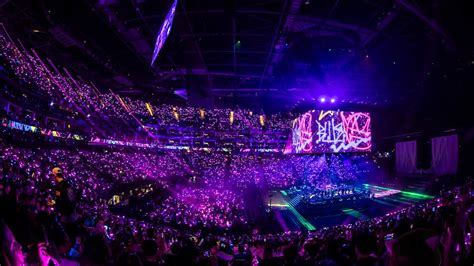
The stadium's influence on sports culture is equally profound. San Siro is more than a venue; it is a living archive of football history. The intense rivalry between AC Milan and Inter Milan, known as the Derby della Madonnina, is amplified by the shared use of this space. This coexistence in one stadium fosters a unique dynamic where fans of both teams contribute to a vibrant, shared sports culture. The stadium becomes a theater of emotions, where chants, flags, and rituals create an atmosphere that is as much about community as it is about competition. This shared cultural experience extends beyond the local fanbase. International events, such as UEFA Champions League matches and concerts by global artists, position San Siro as a stage for Milan to showcase its ability to host large-scale, high-profile events. Such events not only enhance the city's prestige but also reinforce the idea that sports are a unifying cultural force, capable of bridging divides and fostering a sense of belonging.
From an economic perspective, San Siro is a significant contributor to Milan's economy. The revenue generated by ticket sales, merchandise, and concessions during matches is only the tip of the iceberg. The stadium's broader economic impact is tied to the ancillary businesses that thrive in its orbit. Hotels, restaurants, and transportation services experience surges in demand on match days, particularly during high-profile fixtures or international events. Moreover, the tours and museum visits contribute to a steady stream of income that supports maintenance and upgrades to the facility. This economic ecosystem extends to local vendors and small businesses that cater to both tourists and locals. For example, street food vendors near the stadium or souvenir shops in the vicinity often see their revenues spike during major events. These ripple effects demonstrate how San Siro serves as an economic anchor for the surrounding neighborhoods, sustaining livelihoods and creating opportunities for entrepreneurship.
Another dimension of San Siro's economic impact lies in its role as a symbol of Milan's global brand. The stadium is not just a local landmark; it is a globally recognized icon. When international media cover matches or events at San Siro, they inadvertently promote Milan as a city of culture, history, and modernity. This exposure has indirect economic benefits, as it enhances Milan's appeal to investors, businesses, and tourists. For instance, the visibility gained from hosting events like the 2021 UEFA Nations League finals or major concerts by artists such as The Rolling Stones reinforces Milan's position as a city capable of managing world-class logistics and entertainment. This reputation can attract further investments in infrastructure, hospitality, and real estate, indirectly benefiting the city's long-term economic trajectory.
However, the economic narrative of San Siro is not without its challenges. The aging infrastructure of the stadium has sparked debates about its sustainability and the need for modernization or even replacement. Plans for a new stadium have been met with mixed reactions, as some argue that preserving the historic structure is essential to maintaining its cultural and economic significance. This tension highlights a critical question: how can Milan balance the need for modernization with the preservation of a venue that holds such deep cultural and economic value? While a new stadium might offer state-of-the-art facilities and enhanced revenue streams, the loss of San Siro's historic charm could potentially diminish its unique appeal to tourists and fans who value its legacy.
In addition to its economic contributions, San Siro plays a subtle yet important role in urban development and social cohesion. The stadium is located in a densely populated area of Milan, and its presence has influenced the development of local infrastructure, including public transport links and community spaces. On match days, the area around San Siro becomes a melting pot of people from diverse backgrounds, all united by their shared passion for football. This dynamic fosters a sense of inclusivity and collective identity, which is particularly important in a city as cosmopolitan as Milan. Moreover, the stadium has been used for initiatives aimed at promoting youth sports and social programs, further embedding it into the fabric of the local community. These efforts demonstrate how San Siro is not just a commercial entity but also a platform for social impact.
The stadium's long-term legacy is perhaps its most enduring contribution. For decades, San Siro has been a witness to some of the most memorable moments in football history, from legendary goals to iconic victories. This legacy is not just about the past; it is a living narrative that continues to attract fans, historians, and enthusiasts. The stories embedded in its walls—of triumphs, defeats, and the sheer human drama of sport—make it a site of pilgrimage for those who wish to connect with the essence of football. This enduring appeal ensures that San Siro remains relevant not just as a venue but as a cultural artifact that embodies the spirit of Milan.
In conclusion, the cultural and economic impact of San Siro is multi-faceted and far-reaching. It is a beacon for local tourism, drawing visitors eager to experience its history and atmosphere. It reinforces sports culture by serving as a stage for some of the most intense and celebrated rivalries in football. Economically, it is a driver of revenue and a catalyst for urban development, while also acting as a unifying force for the city's diverse population. As Milan continues to evolve, the role of San Siro in shaping its identity and economy will remain a topic of critical importance, underscoring the need to balance tradition with progress in preserving this iconic institution.
Comparing San Siro to Other Iconic Stadiums
When discussing iconic football venues, the San Siro stands as a towering figure in the world of sports architecture and history. Officially known as the Stadio Giuseppe Meazza, this stadium has been the battleground for some of football's most memorable moments. However, to understand how San Siro distinguishes itself among other legendary stadiums, we must delve into its unique attributes and compare them to other globally renowned venues such as Wembley Stadium, Camp Nou, Maracanã, and Allianz Arena.
One of the most striking features of San Siro is its architectural design. Built in 1925 and renovated multiple times, the stadium is characterized by its exposed concrete and towering tiers that give it a raw, industrial aesthetic. This contrasts sharply with the sleek, modern designs of newer stadiums like the Allianz Arena in Munich, which boasts a futuristic exterior illuminated by color-changing panels. While the Allianz Arena prioritizes a polished, high-tech appearance to reflect the modernity of Bayern Munich and German engineering, San Siro retains a sense of history and grit that resonates with fans of AC Milan and Inter Milan. This raw appeal is part of its charm—it is a venue that feels lived in, a testament to decades of passionate football rather than a sanitized modern experience.
In terms of capacity and atmosphere, San Siro holds approximately 80,000 spectators, making it one of the largest stadiums in Europe. This is comparable to Camp Nou, which seats over 99,000, and slightly larger than Wembley Stadium, which accommodates 90,000. However, what sets San Siro apart is not merely its size but the intensity of its atmosphere. The steep, vertiginous stands place fans closer to the action than many other large venues. This design creates an almost claustrophobic energy during high-stakes matches, such as the Milan Derby (Derby della Madonnina). Unlike Camp Nou, where the sheer expanse of the stadium can sometimes dilute the noise, or Wembley, which often hosts a mix of football and non-football events, San Siro is a venue almost exclusively associated with football. This singular focus helps maintain its identity as a temple of the sport rather than a multipurpose arena.
Another point of comparison is the historical significance of the matches hosted. San Siro has been the stage for numerous UEFA Champions League finals, World Cup games, and legendary club encounters. However, when compared to Maracanã in Rio de Janeiro, which hosted the 1950 and 2014 World Cup finals, San Siro’s role in international football may seem less central. Yet, what San Siro lacks in global event frequency, it makes up for in the consistent drama of club football. The stadium is home to two of the most successful clubs in Europe—AC Milan and Inter Milan—both of whom have won multiple Champions League titles. This dual ownership and shared history make San Siro a unique case; few other stadiums in the world serve as the home ground for two top-tier clubs. This duality infuses matches at San Siro with a sense of rivalry and shared legacy that is absent in single-team venues like Anfield or Old Trafford.
The cultural impact of San Siro also stands out. While stadiums like Wembley are deeply tied to national pride and events such as England's 1966 World Cup victory, San Siro embodies the spirit of Italian football culture—a blend of tactical brilliance, fervent fandom, and regional pride. The stadium's location in Milan, a city known for its fashion, design, and business acumen, adds a layer of sophistication to its identity. In contrast, venues like Estadio Azteca in Mexico City are more closely associated with the passion of Latin American football, while Soccer City in Johannesburg represents the spirit of African unity, particularly during the 2010 World Cup. San Siro’s cultural resonance is rooted in its role as a microcosm of Italian football's duality—where artistry meets pragmatism, and where the beautiful game is as much about rivalry as it is about unity.
From a practical and fan experience perspective, San Siro has faced criticism in recent years for its aging infrastructure. Unlike the state-of-the-art facilities of Tottenham Hotspur Stadium or the Emirates Stadium, San Siro lacks some modern amenities such as expansive concourses, high-end hospitality suites, and cutting-edge accessibility features. However, this "limitation" is also part of its appeal. For purists, the lack of over-commercialization preserves the stadium's authenticity. Visiting San Siro feels like stepping into a time capsule of football history, whereas newer stadiums often prioritize corporate experiences over the raw passion of the stands. This juxtaposition is evident when comparing San Siro to MetLife Stadium in the United States, where the focus on events like the Super Bowl often overshadows the intimacy of the football (or soccer) experience.
Another area of distinction is symbolism in global football lore. San Siro’s role in hosting games involving some of the greatest players—such as Diego Maradona, Cristiano Ronaldo, and Zlatan Ibrahimović—has cemented its place in football history. While venues like Estadio Santiago Bernabéu in Madrid or Anfield in Liverpool are also steeped in legendary moments, San Siro’s shared legacy between two clubs gives it a unique narrative. A goal scored at San Siro is not just a goal for one team but a moment etched into the lore of two footballing giants, making it a venue where every match carries added weight.
In terms of future prospects, San Siro faces challenges. Plans for a new stadium to replace the aging structure have sparked debates among fans and city officials. This is a common dilemma faced by historic venues—how to balance preservation with progress. For instance, Wembley underwent significant modernization in the early 2000s, and Camp Nou is undergoing renovations to maintain its relevance. However, the potential loss of San Siro’s original structure would mean the disappearance of a venue that is as much a piece of art as it is a sports facility. Unlike newer stadiums designed with modularity and adaptability in mind, San Siro’s charm lies in its permanence—a physical embodiment of football’s evolution over nearly a century.
In conclusion, while San Siro may not have the sheer size of Camp Nou, the technological marvel of Allianz Arena, or the national symbolism of Wembley, it carves out its niche through its historical depth, dual-club legacy, and unrelenting atmosphere. It is a stadium that refuses to conform to the homogenized trends of modern sports venues, instead offering fans a visceral experience rooted in tradition and passion. In this sense, San Siro is not just a venue—it is a living archive of football’s soul, standing tall among its peers as a reminder of what the sport was, is, and can be.
Conclusion and Future of San Siro
The San Siro tour is more than just a walk through a football stadium; it is a journey into the heart of one of the most storied venues in global sports. As the shared home of AC Milan and Inter Milan, two of Italy's most successful football clubs, the San Siro embodies a rich tapestry of history, passion, and rivalry. Its enduring appeal lies not only in its architectural grandeur but also in the intangible aura of greatness that permeates its corridors, stands, and pitch. For fans and casual visitors alike, the tour offers a unique opportunity to connect with the legends of the game and the moments that have defined Italian and European football.
One of the key elements of the San Siro's allure is its role as a living museum of football history. The tour often begins with a walk through the **Sala dei Trofei**, where visitors can marvel at the glittering array of trophies won by AC Milan and Inter Milan over the decades. From European Cups to Serie A titles, the collection is a testament to the clubs' dominance in domestic and international competitions. This physical proximity to the hardware of success serves as a powerful reminder of the San Siro's significance in shaping the narrative of football greatness. Additionally, the tour provides access to areas typically off-limits to the public, such as the players' tunnel, dressing rooms, and the pitch-side benches. These spaces are imbued with a sense of drama and anticipation, offering a visceral connection to the emotions experienced by players and coaches on match days. The ability to stand in the same tunnel where icons like Paolo Maldini, Ronaldo Nazário, and Zlatan Ibrahimović once prepared for battle is a humbling and exhilarating experience for any football enthusiast.
The San Siro's appeal also stems from its distinctive architecture. Officially known as the **Stadio Giuseppe Meazza**, the venue is characterized by its towering tiers, steep inclines, and exposed concrete frame, which give it a Brutalist aesthetic that stands out in the world of stadium design. This design not only enhances the acoustics, amplifying the roar of the crowd to create an almost overwhelming atmosphere during matches, but it also symbolizes the industrial and pragmatic ethos of Milan as a city. For tourists and locals, the stadium's silhouette against the Milanese skyline is as iconic as the Duomo or the Galleria Vittorio Emanuele II. Its dual identity—shared by two rival clubs—adds a layer of complexity to its legacy, as fans of both AC Milan and Inter Milan claim the stadium as their own while simultaneously acknowledging its shared heritage. This duality is a rare phenomenon in global sports and adds to the mystique of the San Siro tour.
However, the San Siro's future is a topic of considerable debate, and this uncertainty adds a poignant dimension to the tour experience. Plans for the stadium's potential redevelopment or replacement have been discussed extensively in recent years. Both AC Milan and Inter Milan have expressed interest in building a new, state-of-the-art facility to meet modern standards for comfort, sustainability, and revenue generation. Proposals such as the **Nuovo Stadio Milano** have sparked heated discussions among fans, city officials, and heritage advocates. On one hand, a new stadium could offer enhanced amenities, better accessibility, and improved facilities for both players and spectators. On the other hand, the demolition of the San Siro would represent the loss of a venue steeped in history and nostalgia. This tension between progress and preservation is a recurring theme in the broader conversation about urban development and cultural heritage.
The potential redevelopment of the San Siro site also raises questions about the tour's future. If a new stadium is constructed, the current venue may be repurposed, partially preserved as a heritage site, or even dismantled entirely. This prospect has spurred increased interest in the San Siro tour, as visitors seek to experience the stadium in its current form before any transformative changes occur. For many, the tour is not just a celebration of the past but also a farewell to a venue that has witnessed some of football's most dramatic moments. The 1990 FIFA World Cup, countless Derby della Madonnina clashes, and iconic Champions League nights are indelibly linked to the San Siro's legacy. Visitors are acutely aware that they are walking through a space that may soon exist only in memory, which imbues the tour with a sense of urgency and poignancy.
Looking ahead, the future of the San Siro could also involve innovative approaches to balancing tradition with modernity. Some proposals suggest integrating elements of the old stadium into a new design, such as preserving key architectural features or repurposing parts of the structure as a museum or community space. This approach could allow the San Siro to evolve without completely erasing its legacy. For instance, the inclusion of augmented reality (AR) and virtual reality (VR) experiences in future tours could enable visitors to relive historic matches or explore the stadium's evolution over time. Such technologies would not only enhance the tour experience but also serve as a bridge between the physical and digital realms of sports heritage.
Another aspect worth considering is the role of the San Siro in Milan's urban fabric. The stadium is not just a sports venue; it is a cultural landmark that has shaped the identity of the city and its people. Any redevelopment must take into account the stadium's impact on the local community, including its role in fostering social cohesion and providing a venue for large-scale events beyond football. Future plans should prioritize sustainability and inclusivity, ensuring that the San Siro—or its successor—remains a space that serves the needs of diverse audiences while honoring its historical significance.
From a broader perspective, the San Siro tour encapsulates the evolving relationship between sports, heritage, and urban development. It highlights how venues like the San Siro are more than mere facilities; they are repositories of collective memory and shared experience. As the world of football continues to evolve, with new technologies, commercial pressures, and fan expectations shaping the sport, the San Siro stands as a reminder of the enduring power of place. Whether through its current form or a reimagined future, the stadium's story is far from over.
In conclusion, the San Siro tour is a celebration of football's past and present, offering visitors a chance to immerse themselves in the legacy of two legendary clubs. Its future, while uncertain, presents an opportunity to redefine what a stadium can be in the 21st century. Whether preserved, redeveloped, or memorialized, the San Siro will continue to inspire generations of fans, serving as a beacon of Milan's sporting and cultural identity. For now, the tour remains a must-visit experience, a chance to walk in the footsteps of giants and ponder the enduring question of how we honor the spaces that have shaped our passions.