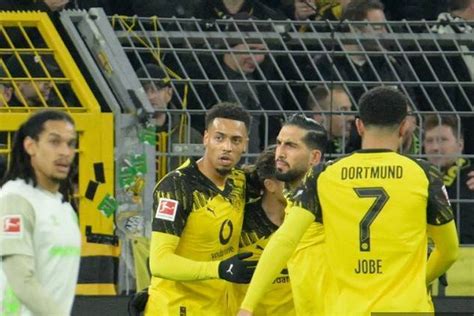
Introduction to Signal Iduna Park
Signal Iduna Park, located in Dortmund, Germany, is more than just a football stadium; it is a symbol of passion, history, and community that resonates deeply with fans of borussia dortmund and the sport of football at large. Officially opened in 1974 as the Westfalenstadion, the stadium was renamed Signal Iduna Park in 2005 as part of a sponsorship agreement. This transformation marked not just a change in name but also a shift in how the stadium would be perceived globally—as a destination that encapsulates the energy and fervor of one of Europe's most iconic football clubs.
At its core, Signal Iduna Park is the home of Borussia Dortmund, a club with a rich history that includes eight Bundesliga titles, one UEFA Champions League victory, and a fiercely loyal fan base. The stadium’s significance lies not only in its role as a venue for matches but also as a physical embodiment of the club’s identity. With a seating capacity of over 81,000 for Bundesliga matches—making it the largest stadium in Germany—Signal Iduna Park is a fortress where the club’s famous yellow wall, the Südtribüne, stands tall. This standing terrace, capable of holding 25,000 fans, is the largest of its kind in Europe and serves as the epicenter of the stadium’s legendary atmosphere. The sight of thousands of supporters clad in black and yellow, chanting and waving flags in unison, is a spectacle that has drawn football enthusiasts from across the globe to experience it firsthand.
The stadium’s architectural design plays a crucial role in its allure. Unlike many modern stadiums that prioritize luxury and comfort over atmosphere, Signal Iduna Park strikes a balance between functionality and fan engagement. The steep stands ensure that spectators are close to the action, creating an intimate yet imposing environment for players and fans alike. This design choice contributes to the intense acoustics of the venue, where even a modest crowd can generate a roar that reverberates throughout the pitch. For football fans, this unique auditory experience is part of the draw—it is not just about watching a match but feeling immersed in it.
Signal Iduna Park’s historical importance further cements its place in football lore. The stadium was one of the venues for the 1974 FIFA World Cup and later hosted matches during the 2006 World Cup, including a quarter-final. These global events brought international attention to Dortmund and its stadium, showcasing its ability to handle high-stakes matches with ease. However, what truly sets Signal Iduna Park apart is its role in shaping Borussia Dortmund’s narrative as a club that thrives on adversity and community. During the 2000s, when the club faced financial difficulties, the unwavering support of fans at this stadium played a pivotal role in its recovery. This connection between the fans, the club, and the stadium has fostered a sense of belonging that few other venues can replicate.
What makes Signal Iduna Park particularly attractive to football fans globally is its reputation for creating an unmatched matchday experience. The pre-match rituals, such as the synchronized chanting of "You'll Never Walk Alone," are deeply moving and create a sense of unity among attendees. The energy of the crowd is palpable, with the Südtribüne often likened to a living organism that feeds off the highs and lows of the game. This atmosphere is not accidental—it is cultivated by the club and its supporters, who view the stadium as a sanctuary for the expression of their collective identity. For visiting teams, playing at Signal Iduna Park is as much a psychological challenge as a physical one, as the sheer intensity of the crowd can unnerve even the most composed players.
Beyond its role in domestic and international competitions, Signal Iduna Park has become a cultural touchstone for the city of Dortmund. It is not uncommon for the stadium to host events beyond football, such as concerts and community gatherings, further embedding it into the fabric of local life. However, its primary allure remains its association with Borussia Dortmund. The club’s philosophy of attacking football and its emphasis on youth development resonate with fans who see the stadium as a stage for showcasing talent and ambition. Legends like Marco Reus, Jürgen Klopp, and the “golden generation” of the early 2010s have all contributed to the mythology surrounding the venue, making it a pilgrimage site for fans who wish to walk in the footsteps of their heroes.
The global appeal of Signal Iduna Park can also be attributed to its accessibility and inclusivity. Unlike some stadiums that cater primarily to local fans or VIPs, Signal Iduna Park welcomes a diverse array of visitors. Affordable ticket pricing for certain sections, combined with the stadium’s reputation for vibrant atmospheres, makes it an attractive option for both die-hard supporters and casual fans. Additionally, the stadium’s location in the Ruhr region—a historically industrial area with a strong working-class ethos—adds to its charm. For many, visiting Signal Iduna Park is not just about football but about experiencing a slice of German culture and history.
Another unique aspect of Signal Iduna Park is its role in fostering a sense of belonging among younger generations. Borussia Dortmund has a well-documented focus on engaging with youth, both through its academy and its community outreach programs. The stadium serves as a physical space where these efforts come to life, offering young fans a tangible connection to the club. Initiatives such as stadium tours, youth-focused matchday events, and interactive fan zones ensure that the next generation of supporters feels as invested in the venue as their predecessors.
It is also worth noting the technological advancements that have been integrated into Signal Iduna Park to enhance the fan experience. From high-definition video screens to improved Wi-Fi connectivity, the stadium has adapted to the expectations of modern spectators while retaining its traditional charm. These upgrades reflect a broader trend in football where venues are no longer just places to watch a game but interactive spaces that offer a multi-sensory experience.
For those considering attending a match at Signal Iduna Park, the process of acquiring tickets is an adventure in itself. Demand often outstrips supply, particularly for high-profile matches against rivals like Bayern Munich or in European competitions. This scarcity adds to the allure of the stadium, as fans view securing a ticket as a badge of honor. The club’s official website and authorized resellers offer various options, ranging from standard seats to premium packages that include hospitality services. However, the real value of a ticket lies not in its price but in the memories it promises—of standing amid the yellow wall, of being part of a chorus of voices that can shake the very foundations of the stadium.
In summary, Signal Iduna Park is more than a venue; it is a living testament to the power of football to unite people. Its blend of history, design, atmosphere, and cultural significance makes it a must-visit destination for anyone who considers themselves a football enthusiast. Whether you are a lifelong Borussia Dortmund fan or a neutral observer drawn by the stadium’s reputation, the experience of attending a match here is one that transcends the sport itself—it is an immersion into a world where passion, community, and history converge.
Types of Tickets Available
When planning to attend an event or match at Signal Iduna Park, understanding the various ticket categories available is essential to ensure you choose the option that best suits your needs and preferences. Signal Iduna Park, home to Borussia Dortmund, offers a range of ticket types designed to cater to different audiences, from casual fans to dedicated season ticket holders. Each ticket category comes with its own set of benefits and considerations, which we will explore in detail below.
The first and most common type of ticket is **general admission**. These tickets are typically the most affordable and are aimed at casual fans or those looking to experience the atmosphere of the stadium without committing to a premium experience. General admission tickets grant access to standard seating areas, usually in the upper or lower tiers of the stadium. While these seats may not offer the closest views of the pitch, they still provide a great vantage point to enjoy the game. The primary benefit of general admission tickets is their accessibility—they are widely available and often sold in large quantities for regular matches. However, for high-demand games, such as derbies or Champions League fixtures, these tickets can sell out quickly. It is worth noting that general admission tickets do not include any additional perks, such as food or merchandise vouchers, making them a straightforward option for those focused solely on the match experience.
For fans seeking a more elevated experience, **VIP tickets** are an excellent choice. These tickets are designed for those who want to combine the thrill of the game with added comfort and exclusivity. VIP tickets often include access to exclusive lounges or hospitality areas within the stadium. These spaces are equipped with comfortable seating, premium food and beverage options, and sometimes even private bars. One of the standout features of VIP tickets is the enhanced view of the pitch, as these seats are usually located in prime areas such as the central sections of the main stand. Additionally, VIP ticket holders may receive perks like dedicated parking spots, faster entry through separate gates, and even meet-and-greet opportunities with club legends or players (depending on the package). While VIP tickets are significantly more expensive than general admission, they offer a level of service and luxury that can transform a simple match day into a memorable event. This option is particularly appealing for corporate clients, business networking, or special occasions like birthdays or anniversaries.
Another category worth exploring is **season passes**, which are tailored for the most dedicated Borussia Dortmund fans. A season pass provides entry to all home games throughout the season, offering both convenience and cost savings compared to purchasing individual tickets for each match. Season pass holders often enjoy early access to the stadium, allowing them to secure their preferred seats before the general crowd. Beyond the financial savings, season passes come with a sense of belonging and community. Holders are often seen as part of the "Yellow Wall," the famous standing terrace at Signal Iduna Park known for its passionate support. This category of ticket also grants certain exclusive benefits, such as priority access to away game tickets, discounts on club merchandise, and invitations to special fan events. However, season passes require a significant upfront investment, and they are best suited for those who can commit to attending most, if not all, home games. It is also important to note that season passes for the standing areas, like the Yellow Wall, are highly sought after and often have waiting lists due to their limited availability.
In addition to these primary categories, Signal Iduna Park occasionally offers **group tickets** and **family packages** to accommodate larger parties or families attending matches together. Group tickets are ideal for organizations, schools, or clubs that want to bring a sizable group to the stadium. These tickets often come at a discounted rate when purchased in bulk, making them a cost-effective option for shared experiences. Family packages, on the other hand, are designed to make the stadium experience more accessible for parents and children. These packages may include discounted pricing for children’s tickets, access to family-friendly seating areas, and sometimes added perks like goodie bags or kid-focused activities during the match. These options reflect the club’s efforts to foster inclusivity and encourage younger generations to engage with the sport and the team.
For those interested in a more flexible approach, **single-game premium tickets** are available. These are similar to VIP tickets but are sold on a per-game basis rather than as part of a package. Premium tickets might include access to exclusive seating areas, complimentary food and drinks, or even guided stadium tours as part of the experience. This option is ideal for fans who want to sample the premium experience without committing to a full season of VIP access. It is also a great choice for visitors to Dortmund who want to experience the stadium’s unique atmosphere during a short stay.
Another less conventional but increasingly popular option is **digital or mobile tickets**. With the rise of technology, many fans now opt for tickets delivered directly to their smartphones. These tickets are not only environmentally friendly but also offer added convenience. Digital tickets can often be transferred or resold through official platforms, making them a flexible choice for fans whose plans might change. Additionally, some digital ticket packages include special offers, such as discounts on public transportation to and from the stadium or access to exclusive app-based content like live match statistics or behind-the-scenes videos.
It is also important to mention **accessible seating tickets**, which are specifically designed for fans with disabilities or mobility challenges. Signal Iduna Park is equipped with facilities to ensure that all fans can enjoy the match comfortably. Accessible seating areas are located in sections with easy access to restrooms, elevators, and other amenities. These tickets often come with a complimentary companion ticket, ensuring that those requiring assistance can attend with a friend or family member. The club’s commitment to inclusivity is evident in the thoughtful design of these areas, which aim to provide an equitable experience for all attendees.
Lastly, **away section tickets** cater to fans of visiting teams. These tickets are sold in designated areas of the stadium to ensure a safe and segregated environment for away supporters. While these tickets are generally priced similarly to general admission, they come with specific rules and restrictions to maintain order and security. Away fans are typically required to purchase tickets through their own club or designated channels to prevent unauthorized sales.
In summary, Signal Iduna Park offers a diverse range of ticket options to suit various preferences and budgets. From the affordability of general admission to the luxury of VIP experiences, and from the long-term commitment of season passes to the flexibility of digital tickets, there is something for everyone. Each category has its unique benefits, whether it is cost savings, enhanced comfort, or exclusive perks. Understanding these options allows fans to make informed decisions and ensures they get the most out of their visit to one of Europe’s most iconic football venues.
How to Purchase Tickets
Purchasing tickets for events at Signal Iduna Park, the iconic home of Borussia Dortmund, can be an exciting yet detailed process. Whether you're a die-hard fan looking to secure a spot for a Bundesliga match or a first-time visitor hoping to experience the electric atmosphere of one of Europe's largest stadiums, understanding the available channels and step-by-step procedures is essential. This section provides a comprehensive guide to acquiring tickets through official channels, third-party platforms, and in-person options, emphasizing unique insights to make the process seamless.
The first and most reliable method for purchasing tickets is through **official channels** managed by Borussia Dortmund. The club's **official website** is the primary hub for ticket sales. Here, fans can explore a variety of ticket categories, including season tickets, single-match tickets, and VIP experiences. To begin, navigate to the "Tickets" section of the website. This area is well-organized, offering filters for match dates, seating categories, and even specific sections of the stadium like the famous "Yellow Wall" (Südtribüne), known for its vibrant and passionate supporters. It is worth noting that tickets for high-demand matches, such as derbies against Bayern Munich or Schalke 04, often sell out quickly. Therefore, setting up an account on the website in advance is highly recommended. This not only streamlines the checkout process but also allows you to receive notifications about ticket releases and availability.
Another official channel is the **Borussia Dortmund call center**. While less commonly used in the digital age, this service provides a personalized touch for those who prefer human interaction or need assistance with specific requests, such as accessible seating or group bookings. The call center staff are knowledgeable and can guide you through available options, including any last-minute opportunities. However, this method may involve longer wait times during peak periods, so it is best utilized for non-urgent inquiries or when online options are unavailable.
For those who prefer an in-person experience, **the Borussia Dortmund fan shop and ticket office** located near Signal Iduna Park is an excellent option. This physical location allows fans to interact directly with staff and sometimes offers exclusive deals or merchandise bundles with ticket purchases. Visiting the ticket office is particularly advantageous for locals or those already in Dortmund, as it provides an opportunity to explore the stadium vicinity and soak in the pre-match atmosphere. However, keep in mind that the office operates on specific hours, and during match days, it may be overwhelmed by demand. Arriving early or visiting on non-match days is advisable to avoid long queues.
In addition to official channels, **third-party platforms** play a significant role in ticket accessibility, particularly for sold-out events. Websites like **Viagogo**, **StubHub**, and **Ticketmaster Resale** often list tickets for matches at Signal Iduna Park. These platforms cater to fans who missed the initial sale or are looking for premium seats. However, there are some caveats to consider. Prices on third-party platforms are typically higher than face value due to demand and service fees. Moreover, buyers should exercise caution to avoid scams or counterfeit tickets. Always verify the credibility of the seller by checking reviews, ensuring the platform offers buyer protection, and cross-referencing the ticket details with official sources. While these platforms can be a lifesaver for last-minute needs, they should be considered a secondary option after exhausting official channels.
The **step-by-step process for securing tickets online** through the official website is straightforward but requires attention to detail. Here is a breakdown:
- Step 1: Create an account on the Borussia Dortmund website. This involves providing basic personal details and setting up a secure login. Having an account ensures you are eligible for ticket lotteries or pre-sales, which are common for high-profile matches.
- Step 2: Browse available matches. The website typically categorizes matches by competition (Bundesliga, DFB-Pokal, UEFA Champions League) and provides a calendar view for easy navigation. Click on the desired match to view ticket options.
- Step 3: Select your seating category. Signal Iduna Park offers a range of seating options, from affordable general admission in the Südtribüne to premium seats with hospitality services. Each category is accompanied by a detailed seating chart and price breakdown, allowing you to make an informed choice based on your budget and preferences.
- Step 4: Add tickets to your cart and review your selection. The system will display the total cost, including any applicable fees. At this stage, you can also opt for additional services like print-at-home tickets or mobile ticket delivery.
- Step 5: Complete the payment process. The website supports multiple payment methods, including credit cards, PayPal, and bank transfers. Ensure your payment details are accurate to avoid transaction errors. Once payment is confirmed, you will receive a confirmation email with your ticket details.
For in-person purchases, the process is more immediate but less flexible. At the ticket office, you can request specific seats or inquire about group discounts. However, availability is limited to what is left after online sales, so this method is less reliable for popular matches. It is advisable to call ahead or check the website for real-time updates on ticket inventory before making the trip.
A unique aspect of purchasing tickets for Signal Iduna Park is the **season ticket holder resale system**. Borussia Dortmund allows season ticket holders who cannot attend a match to resell their tickets through the official platform. This is a win-win for both sellers and buyers, as it ensures legitimate tickets at face value or slightly above. To access this option, monitor the "Ticket Exchange" section of the website, which becomes active closer to match dates. This feature is particularly useful for sold-out games, as it provides a secondary pool of tickets that are often more affordable than third-party options.
Another insider tip is to leverage **membership benefits**. Becoming a member of Borussia Dortmund not only strengthens your connection to the club but also provides early access to ticket sales. Members often receive priority during pre-sales, which can be the difference between securing a ticket and missing out. Membership fees are modest compared to the perks, making this a worthwhile investment for regular attendees.
When purchasing tickets, it is also important to be aware of **scalpers and unauthorized sellers**. These individuals often operate near the stadium on match days, offering tickets at inflated prices. While some may be legitimate, the risk of receiving invalid or duplicate tickets is high. Borussia Dortmund explicitly warns against purchasing from unofficial sources, as doing so can result in denied entry. Stick to verified channels to avoid disappointment.
Finally, for international fans or those unable to visit Dortmund in person, the club offers **digital ticket options**. Mobile tickets can be easily downloaded to your smartphone and scanned at the stadium entrance. This eco-friendly and convenient method is particularly appealing for fans traveling from abroad, as it eliminates the need for physical ticket collection.
In summary, purchasing tickets for Signal Iduna Park involves a mix of official channels, third-party platforms, and in-person options. While the official website and fan shop provide the most reliable and cost-effective methods, third-party platforms and the season ticket exchange can be useful in specific scenarios. By following the detailed steps outlined above and staying vigilant against scams, fans can secure their spot in one of football's most iconic venues with confidence and ease.
Pricing and Cost Breakdown
Understanding the pricing and cost breakdown of Signal Iduna Park tickets requires a nuanced look at the factors influencing ticket costs, the structure of pricing tiers, and strategies for securing affordable options. As one of Germany's most iconic football stadiums and the home of Borussia Dortmund, Signal Iduna Park attracts a vast audience ranging from die-hard fans to casual spectators. This demand, combined with various seating categories, match importance, and external market dynamics, creates a complex pricing landscape.
Ticket pricing at Signal Iduna Park is primarily determined by **seating categories**. The stadium is divided into multiple zones, with prices increasing as you move closer to the pitch. For instance, seats in the **Südtribüne**, famously known as the "Yellow Wall," are among the most sought-after due to their proximity to the passionate, standing-only fan section. However, these tickets are priced lower than premium seats in the central areas of the main stands, reflecting a trade-off between atmosphere and comfort. A standard Bundesliga match might see prices for the Yellow Wall starting around **€17 for standing tickets**, while seats in premium sections can range from **€50 to €120** depending on the opponent and the view.
Another critical factor is the **opponent's caliber**. Matches against top-tier rivals like Bayern Munich or Schalke 04 command higher prices due to increased demand. These "high-profile matches" often see a **20-40% price hike** compared to regular league games. For instance, a standard league match against a mid-table team might offer tickets at an average of €40, while a clash with Bayern Munich could see prices starting at €70 even for less desirable seats. This dynamic pricing strategy is typical in football stadiums globally and is designed to maximize revenue during high-demand fixtures.
Seasonality and **time of purchase** also play a role in ticket costs. Tickets purchased well in advance often come at a lower price compared to last-minute buys. Borussia Dortmund typically releases tickets for sale several weeks before a match, and early buyers can take advantage of **early bird discounts** or less competitive demand. Conversely, waiting until the week of the match can result in higher prices or even sold-out sections, particularly for popular games. This underscores the importance of planning ahead for those seeking affordable options.
The **membership status** of the buyer is another significant factor. Borussia Dortmund offers a **membership program** that provides exclusive benefits, including priority access to tickets and discounted rates. Members often pay **10-15% less** than non-members for the same seats. Additionally, season ticket holders enjoy further reductions since their upfront commitment helps the club secure revenue early in the season. For fans attending multiple games, investing in a season ticket or membership can lead to substantial savings over time, even if the initial outlay seems high.
External factors like **economic conditions and secondary market dynamics** also influence pricing. The secondary market, including platforms like Viagogo or StubHub, often features tickets at inflated prices, especially for sold-out matches. While these platforms can be a last resort for fans desperate to attend, they are not cost-effective for budget-conscious buyers. Tickets on the secondary market for a high-profile match might be marked up by **50-200%**, depending on scarcity. To avoid overpaying, it is advisable to purchase directly from the club or authorized resellers.
Affordability can also be enhanced by considering **less popular matches**. For instance, midweek games or fixtures against lower-ranked teams tend to have lower attendance and, consequently, lower prices. A Bundesliga match against a newly promoted team might offer tickets in the **€30-€40 range** even for decent seats. These games, while lacking the electric atmosphere of a top-tier clash, still provide an opportunity to experience the stadium's unique ambiance at a fraction of the cost.
Another avenue for finding affordable tickets is exploring **group packages** or special promotions. Signal Iduna Park occasionally offers discounted rates for groups of 10 or more, making it an attractive option for schools, clubs, or organized fan groups. Additionally, the club sometimes runs **family-friendly promotions**, such as discounted tickets for children or bundled deals that include food and merchandise. Keeping an eye on the official website or subscribing to the club’s newsletter can help fans stay informed about these opportunities.
For international visitors, it is worth noting that **currency exchange rates** and **travel costs** can impact the overall expense of attending a match. While ticket prices might seem reasonable in euros, the total cost for a foreign fan must account for flights, accommodation, and other expenses. To mitigate this, some fans opt for **bundled travel packages** offered by tour operators, which include match tickets, hotel stays, and sometimes even transportation. While these packages can be more expensive upfront, they often provide better value when considering the convenience and bundled savings.
To further optimize costs, fans can leverage **loyalty programs and partnerships**. Borussia Dortmund has partnerships with certain credit card companies, airlines, and local businesses that occasionally offer discounts or cashback on ticket purchases. For example, a co-branded credit card might provide points redeemable for tickets or discounts on stadium merchandise. Fans should explore these options to see if they qualify for any additional savings.
Lastly, understanding the **resale policy** of the stadium is crucial. While reselling tickets is generally allowed, there are restrictions to prevent scalping. Fans looking for last-minute options can sometimes find season ticket holders reselling their seats at face value or slightly above. Engaging with fan communities on platforms like Reddit or Borussia Dortmund fan forums can help identify these opportunities. However, caution is advised to avoid scams or overpriced resale offers.
- Plan ahead: Purchase tickets early to take advantage of lower prices and availability.
- Leverage memberships: Join the club’s membership program for discounts and priority access.
- Target less popular matches: Opt for games against lower-ranked teams to save money.
- Avoid secondary markets: Stick to official channels to avoid inflated prices.
- Explore group or family deals: Look for promotions targeting larger groups or families.
In conclusion, the cost of Signal Iduna Park tickets is influenced by a combination of seating preferences, match significance, timing, and buyer status. By understanding these variables and employing strategic purchasing methods, fans can enjoy the electrifying atmosphere of Borussia Dortmund's home games without overspending. Whether you are a local supporter or an international visitor, careful planning and awareness of the factors outlined above can make the experience both memorable and affordable.
Best Time to Buy Tickets
When it comes to purchasing tickets for events at Signal Iduna Park, timing is a critical factor that can significantly impact both availability and cost. The stadium, home to Borussia Dortmund, is one of the most iconic venues in European football, drawing massive crowds for both domestic and international matches. To maximize your chances of securing tickets while also getting the best value, it’s essential to understand the nuances of ticket availability and pricing dynamics. Below, we explore the best strategies for timing your ticket purchase, including early bird offers, last-minute deals, and considerations for peak matchdays.
One of the most effective strategies for obtaining tickets at a reasonable price is to take advantage of early bird offers. Many clubs, including Borussia Dortmund, release a portion of their tickets well in advance of the matchday. These early bird offers are often designed to reward loyal fans and season ticket holders, but they can also benefit general buyers who plan ahead. Tickets purchased during this phase are typically priced lower than those sold closer to the event. This is because clubs aim to lock in revenue early and ensure strong attendance figures. For Signal Iduna Park, early bird offers are particularly advantageous for high-demand matches, such as those against rivals like Bayern Munich or in Champions League fixtures. However, early bird tickets often come with a caveat: they require foresight and flexibility. You might need to commit to a game months in advance without knowing the final team lineup or weather conditions. Despite this, the savings and assurance of getting a seat in a stadium that frequently sells out make this approach highly appealing for dedicated fans.
Another key aspect of early bird timing is understanding the membership benefits offered by Borussia Dortmund. Club members often get priority access to tickets before they are made available to the general public. This can be a game-changer for matches expected to sell out quickly. By becoming a member or leveraging a friend’s membership, you can secure tickets at face value long before prices begin to climb due to demand. Additionally, some clubs offer bundled packages during early bird phases, such as tickets paired with merchandise or hospitality options, which can add extra value to your purchase.
On the opposite end of the spectrum are last-minute deals, which can sometimes yield surprisingly good opportunities for budget-conscious fans. While this approach carries more risk—there’s no guarantee tickets will still be available—it can pay off under specific circumstances. For less popular matches or midweek fixtures, clubs may struggle to fill seats and release discounted tickets in the days or hours leading up to the event. Platforms like the official Borussia Dortmund website, resale sites, or even social media groups dedicated to ticket exchanges can be goldmines for last-minute buyers. However, this strategy is less viable for high-profile games, where demand often outstrips supply. In such cases, last-minute tickets are either unavailable or sold at inflated prices through secondary markets.
It’s also worth noting that last-minute deals are heavily influenced by external factors such as team performance and public interest. If Borussia Dortmund is on a losing streak or faces a lower-tier opponent, ticket prices may drop as matchday approaches. Conversely, a streak of victories or the return of a star player can drive a surge in demand, even for less significant matches. Monitoring team news and fan sentiment on forums or social media can provide valuable clues about whether last-minute deals are likely to materialize.
The third and perhaps most challenging aspect of ticket timing involves peak matchday considerations. Certain fixtures at Signal Iduna Park are guaranteed to be sellouts, regardless of timing strategies. Matches against top Bundesliga rivals, such as Bayern Munich, Schalke 04 (in the Revierderby), or other high-profile teams in European competitions, fall into this category. For these games, the best advice is to act as early as possible. Tickets for such matches are often subject to dynamic pricing models, where prices increase as demand surges. Waiting too long can result in paying a premium or being forced to purchase through resale platforms at significantly higher costs.
Peak matchdays also come with unique logistical challenges. Even if you secure a ticket, you may face higher travel and accommodation costs due to increased demand in Dortmund during these periods. Hotels near the stadium or in the city center often hike their rates for match weekends, so factoring this into your overall budget is crucial. Additionally, ticket resale markets can be both a blessing and a curse for peak matchdays. While resale platforms like StubHub or Viagogo might offer a chance to snag a ticket for a sold-out game, prices are often exorbitant, especially as matchday nears. To avoid overpaying, set price alerts on these platforms and monitor them closely in the weeks leading up to the event. Some fans also use ticket exchange programs directly through the club, which can provide a safer and more regulated way to obtain last-minute seats.
Another consideration for peak matchdays is the secondary market for VIP or hospitality tickets. While these tickets are pricier, they often come with perks such as access to exclusive lounges, complimentary food and drink, and better seating locations. If you’re looking for a once-in-a-lifetime experience rather than just a seat in the stands, purchasing a VIP ticket early—or monitoring resale options for price drops—can be a worthwhile investment.
For fans who are flexible with their schedules, targeting mid-tier matches can be a smart compromise. Games against mid-table or lower-ranked Bundesliga teams often have more reasonable ticket availability and pricing. These matches may lack the electric atmosphere of a derby or a Champions League night, but they still offer the opportunity to experience the unique ambiance of Signal Iduna Park, famous for its "Yellow Wall" (the Südtribüne, the largest free-standing grandstand in Europe). Buying tickets for these matches during early bird phases or monitoring for late-season promotions can yield excellent value without the stress of high-demand scenarios.
In summary, the best time to buy tickets for Signal Iduna Park depends on your priorities and risk tolerance. Early bird offers are ideal for planned, cost-effective purchases, particularly for high-demand games where availability is limited. Last-minute deals can be a boon for flexible, budget-conscious fans, especially for less popular fixtures. However, for peak matchdays, the safest approach is to secure tickets as early as possible to avoid inflated prices and logistical headaches. By understanding these timing dynamics and staying informed about team performance, club promotions, and market trends, you can make informed decisions that enhance your experience at one of football’s most legendary venues.
Accessibility and Seating Arrangements
Signal Iduna Park, home to Borussia Dortmund, is one of the most iconic football stadiums in Europe, renowned for its electrifying atmosphere and passionate fan base. However, the stadium is not just about the roar of the crowd and the thrill of the game; it is also designed with inclusivity in mind. The **accessibility and seating arrangements** at Signal Iduna Park are a testament to the stadium's commitment to ensuring that all fans, regardless of physical ability or special needs, can enjoy the matchday experience to the fullest. This section delves into the stadium's layout, the variety of seating options available, and the facilities specifically catered to disabled or special-needs attendees.
The **layout of Signal Iduna Park** is structured to accommodate its vast capacity of over 81,000 spectators while maintaining functionality and ease of access. The stadium is divided into four main stands: the North, East, South, and West stands. Each stand has multiple tiers, with the lower tiers being closest to the pitch and the upper tiers offering panoramic views. The stands are interconnected by a network of ramps, stairs, and elevators, which are essential for navigating the stadium. For disabled or mobility-impaired attendees, the stadium provides dedicated **accessible entrances** at key points around the perimeter. These entrances are clearly marked and staffed by ushers trained to assist individuals requiring additional support. This thoughtful design ensures that fans with wheelchairs, walkers, or other mobility aids can enter and exit the stadium without unnecessary hassle.
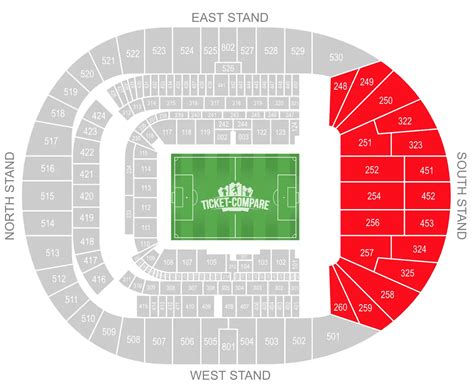
When it comes to **seating options**, Signal Iduna Park offers a range of choices tailored to different needs and preferences. For general attendees, seating is arranged in blocks across the tiers, with clear sightlines to the pitch. However, for disabled fans, the stadium has designated **wheelchair-accessible seating areas**. These are located in the lower tiers of the stands, particularly in the West and East stands, where proximity to the pitch allows for an immersive experience. The accessible seating areas are slightly elevated and positioned to avoid obstructions, ensuring that fans in wheelchairs have an unobstructed view of the action. Adjacent to these spaces are companion seats, allowing friends, family, or caregivers to sit alongside the disabled attendee. This arrangement not only prioritizes inclusivity but also fosters a sense of community and shared enjoyment of the game.
In addition to wheelchair-accessible seating, Signal Iduna Park also provides **seating for individuals with other special needs**. For instance, there are areas set aside for fans with sensory sensitivities or conditions like autism. These zones are designed to minimize noise and visual overstimulation, offering a quieter and more controlled environment while still allowing fans to experience the match. Such initiatives are part of a broader trend in modern stadium design to accommodate neurodiverse audiences, and Signal Iduna Park is at the forefront of this movement in German football.
The stadium’s **facilities for disabled or special-needs attendees** go beyond seating. A critical component of accessibility is the availability of **restrooms and amenities** that cater to diverse needs. Signal Iduna Park features **accessible restrooms** located near the wheelchair-friendly seating areas. These restrooms are spacious, equipped with grab bars, and designed for easy maneuverability. Additionally, the stadium has incorporated **sensory rooms**—a relatively recent innovation in stadium accessibility. These rooms are quiet spaces equipped with calming decor, cushioned seating, and sensory tools like weighted blankets or noise-canceling headphones. They serve as a refuge for individuals who might feel overwhelmed by the noise and energy of a packed stadium. This thoughtful addition reflects a growing awareness of the diverse needs of fans and demonstrates the stadium's proactive approach to inclusivity.
Another aspect of accessibility at Signal Iduna Park is the **transport and mobility support** available to attendees. The stadium is well-connected to public transportation networks, with nearby train stations and bus stops. For fans requiring assistance, the local transport authority provides **low-floor buses and trains** equipped with ramps or lifts. On matchdays, the stadium staff often coordinate with transport providers to ensure a seamless transition from public transport to the stadium grounds. Moreover, the stadium offers **mobility scooter and wheelchair rental services** for those who may not bring their own equipment. This service is particularly beneficial for out-of-town visitors or fans who might not typically require such aids but find them useful in the context of a large stadium event.
Signal Iduna Park also excels in its **staff training and support systems**. The stewards and ushers are trained not only in crowd management but also in assisting fans with disabilities. This training includes recognizing different types of special needs, understanding how to communicate effectively with individuals who may have speech or hearing impairments, and providing guidance on navigating the stadium. For instance, the stadium has implemented a **buddy system** for first-time visitors with disabilities, where a trained staff member accompanies the attendee to their seat and familiarizes them with the facilities. This personal touch is a standout feature of Signal Iduna Park’s approach to accessibility.
One of the more unique features of the stadium is its **audio-descriptive commentary service** for visually impaired fans. Through this service, attendees can listen to a live, detailed description of the match via a headset. The commentary not only describes the action on the pitch but also captures the ambiance of the crowd and key moments like goals or saves. This service is a game-changer for visually impaired fans, allowing them to feel fully engaged in the match despite their visual limitations. It is an example of how Signal Iduna Park leverages technology to enhance the matchday experience for all fans.
The stadium also prioritizes **communication and wayfinding** for attendees with disabilities. Large, easy-to-read signage is placed throughout the venue, with braille options available at key points for visually impaired fans. Digital screens provide real-time updates and directions, ensuring that even first-time visitors can find their way around without confusion. For attendees who may have hearing impairments, the stadium has installed **induction loop systems** in certain areas, which amplify sound for those using hearing aids.
It is worth noting that Signal Iduna Park’s accessibility features are not static; they are part of an **ongoing improvement process**. The stadium management regularly consults with disability advocacy groups and gathers feedback from fans to identify areas for enhancement. For example, recent upgrades have included the addition of more **elevators and ramps** in high-traffic areas and the expansion of sensory-friendly zones. These continuous improvements reflect a commitment to not just meeting but exceeding accessibility standards set by organizations like UEFA and FIFA.
In summary, the **accessibility and seating arrangements** at Signal Iduna Park showcase a thoughtful and comprehensive approach to inclusivity. From designated seating areas and sensory rooms to staff training and audio-descriptive services, the stadium goes above and beyond to ensure that fans with disabilities or special needs can fully participate in the matchday experience. This focus on inclusivity not only enhances the reputation of Signal Iduna Park as a world-class venue but also reinforces the idea that football is a sport for everyone, regardless of physical or cognitive challenges. By prioritizing accessibility, the stadium sends a powerful message about the importance of creating spaces where all fans feel welcome and valued.
Common Challenges and Solutions
Purchasing tickets for events at Signal Iduna Park, home to Borussia Dortmund and one of Europe's most electrifying football venues, can be an exhilarating yet challenging experience. With a seating capacity of over 81,000 and a reputation for hosting high-demand matches, fans often face hurdles when trying to secure tickets. This section delves into the common challenges associated with acquiring Signal Iduna Park tickets and provides practical solutions to address them effectively.
One of the most prevalent issues fans encounter is the occurrence of sold-out matches. High-profile games, particularly those involving Borussia Dortmund's rivalry with Bayern Munich or key UEFA Champions League fixtures, can see tickets disappear within minutes of release. This is due to a combination of factors: the stadium's popularity, Dortmund's large and dedicated fan base, and the global appeal of top-tier football. For fans, this creates a sense of urgency and competition that can feel overwhelming.
To tackle this challenge, it is essential to plan ahead and leverage official channels. Borussia Dortmund's official website is the most reliable source for ticket availability. The club often provides a pre-sale window for season ticket holders and members, giving them priority access. Non-members can still benefit by signing up for the club's newsletter or following their social media channels, where ticket release dates and other updates are announced in advance. Additionally, setting up alerts or using ticket availability trackers can help fans act swiftly when tickets are made available. In cases where matches are sold out, exploring the club's secondary market options, such as their official resale platform, can be a safer alternative to third-party vendors. These platforms are designed to ensure that tickets are transferred securely and at fair prices, minimizing the risk of overpaying or receiving invalid tickets.
Another significant challenge is the prevalence of ticket scams, particularly in the secondary market. Unofficial sellers and scalpers often exploit the high demand for Signal Iduna Park tickets by offering counterfeit tickets or charging exorbitant prices. Fans who are eager to attend a match may fall victim to these scams, especially when purchasing from unverified sources like social media marketplaces or unregulated websites. The consequences can range from financial loss to the disappointment of being turned away at the stadium gates due to invalid tickets.
The most effective way to avoid ticket scams is to prioritize verified sources. Always start by checking the official Borussia Dortmund website or their authorized ticket partners. If you must use a secondary market, opt for platforms that are endorsed by the club or have a strong reputation for authenticity, such as Ticketmaster or other well-known resellers. These platforms often include features like ticket verification, buyer protection policies, and clear refund terms in case of issues. It is also wise to verify the details of the ticket before purchase. For instance, ensure the seat numbers, match date, and section align with the official stadium layout. Avoid deals that seem too good to be true, such as heavily discounted tickets for high-demand games, as these are often red flags for fraudulent activity.
A related issue is the emergence of bot-driven ticket purchases, where automated systems buy large quantities of tickets within seconds of their release, only to resell them at inflated prices. This practice not only makes it harder for genuine fans to secure tickets but also contributes to the inflated secondary market. While this is a systemic issue that clubs and ticketing platforms are working to address through CAPTCHA systems, purchase limits, and other anti-bot measures, fans can take steps to mitigate its impact. One approach is to join Borussia Dortmund's membership program, which often provides exclusive access to tickets before they are released to the general public. Membership fees are a small price to pay for the added assurance of early access and reduced competition from bots.
For international fans, there is an additional layer of complexity when purchasing tickets. Language barriers, unfamiliarity with local payment systems, and the challenge of coordinating travel plans with ticket availability can make the process daunting. To address this, leveraging trusted intermediaries can be a practical solution. Many travel agencies and sports tour operators offer packages that include match tickets along with accommodation and transportation. While these packages may come at a premium, they provide a hassle-free way for international fans to secure their spot at Signal Iduna Park without the stress of navigating the ticketing process independently.
Another practical tip for fans is to consider less popular matches as an entry point. While the allure of a Der Klassiker or a Champions League knockout stage game is undeniable, Borussia Dortmund's regular Bundesliga fixtures against mid- or lower-table teams often have better ticket availability. These matches still offer the vibrant atmosphere of Signal Iduna Park, complete with the famous Yellow Wall (the Südtribüne, the largest free-standing grandstand in Europe), and can serve as a great introduction for first-time visitors.
It is also worth exploring group ticket options if you are attending with friends or family. Borussia Dortmund offers group discounts for certain sections of the stadium, which not only makes the experience more affordable but also increases the likelihood of securing tickets for everyone in your party. Group tickets are often released through specific channels, so checking the club's website or contacting their customer service directly can provide clarity on availability and eligibility.
For those who are unable to secure tickets through traditional means, community-driven solutions can be surprisingly effective. Online forums, fan groups, and social media communities dedicated to Borussia Dortmund often have members who are willing to sell spare tickets at face value or slightly above. However, caution is advised here as well—always verify the seller's credibility and use secure payment methods to avoid potential scams. Some fans have also found success by arriving at the stadium on match day and inquiring about last-minute ticket availability at the box office or from fellow fans who may have extras.
Ultimately, the key to overcoming the challenges of acquiring Signal Iduna Park tickets lies in a combination of proactive planning, verified sourcing, and community engagement. By staying informed about ticket release schedules, leveraging official and trusted platforms, and being cautious of potential scams, fans can greatly enhance their chances of experiencing the thrill of a match at this iconic venue. Whether you are a die-hard Borussia Dortmund supporter or a football enthusiast looking to witness the stadium's legendary atmosphere, these strategies can help ensure that your ticket-buying journey is as smooth and enjoyable as the match itself.
Additional Perks and Experiences
Signal Iduna Park, home to Borussia Dortmund, is more than just a stadium—it is a vibrant hub of football culture and community. While securing tickets to a match is a thrilling experience in itself, the stadium offers an array of **additional perks and experiences** that elevate the visit beyond the 90 minutes of play. These extras cater to both die-hard fans and casual visitors, making every ticket purchase a gateway to a richer, more immersive journey into the heart of German football.
One of the standout features available to ticket holders and visitors is the **stadium tour**. Unlike generic tours at other sports venues, the Signal Iduna Park tour is deeply personalized to the club's history and ethos. Visitors are taken through areas typically off-limits during matchdays, such as the **players' tunnel**, the **locker rooms**, and even the **press conference room**. These spaces are infused with stories of legendary matches, such as the 2013 Champions League quarter-final against Málaga, where the stadium roared in unison during the dramatic late comeback. Tour guides, often long-time fans or club affiliates, provide unique anecdotes that aren’t found in standard literature. For instance, the tour often highlights how the **Yellow Wall**—the stadium's famous South Stand, the largest free-standing grandstand in Europe—was designed to embody the collective spirit of Dortmund's supporters. This immersive storytelling transforms the tour into a living history lesson rather than a passive walkthrough.
For fans looking to deepen their connection to the club, **fan packages** are a must-explore option. These packages, often bundled with ticket purchases, include exclusive merchandise and access to pre- or post-match events. A popular example is the **“Matchday Plus” package**, which might include a limited-edition scarf, a signed team photo, and early entry to the stadium to watch the players warm up from premium vantage points. Some packages even offer the chance to meet club legends or current players during meet-and-greet sessions. This kind of access is particularly appealing to younger fans or those visiting from abroad, as it creates a tangible link to the club's identity. Furthermore, these packages are not static; they are often tailored to specific matches or milestones, such as Der Klassiker against Bayern Munich or anniversary games. This dynamic nature ensures that the experience remains fresh and relevant, rather than feeling like a one-size-fits-all add-on.
Exclusive **matchday experiences** are another layer of value for ticket holders. For instance, some ticket tiers include access to the **stadium's VIP lounges**, where guests can enjoy gourmet dining and an open bar while watching the game from luxurious seating areas. These lounges are more than just a comfortable place to sit; they are spaces where the club's sponsors, executives, and high-profile fans mingle, creating an atmosphere of prestige and exclusivity. For example, during high-profile matches, the lounges might host Q&A sessions with former players or live analyses by football pundits. This adds an intellectual and social dimension to the matchday experience, appealing to fans who want to engage with the sport on a deeper level.
Another intriguing perk is the **“Behind the Scenes on Matchday” experience**, a rare opportunity for fans to see the operational side of a Bundesliga match. This experience is often bundled with premium ticket purchases and allows participants to observe the orchestration of the event, from the groundskeepers preparing the pitch to the security teams coordinating crowd flow. It’s a chance to appreciate the sheer scale of effort required to host over 80,000 spectators. For instance, visitors might learn how the stadium’s **dynamic lighting system** is programmed to enhance the atmosphere during night games or how the sound technicians manage the acoustics to ensure the Yellow Wall’s chants reverberate with maximum impact. Such insights are not only fascinating but also deepen one’s appreciation for the infrastructure and logistics that make Signal Iduna Park a world-class venue.
For families and younger audiences, Signal Iduna Park offers **kid-friendly experiences** tied to ticket purchases. These include access to the **BVB KidsClub Zone**, where younger fans can participate in mini-games, face painting, and interactive activities before the match. Some ticket packages even include a **stadium scavenger hunt**, where children are tasked with finding specific landmarks or answering trivia about the club’s history. These initiatives are designed to nurture the next generation of supporters by making the stadium visit as engaging for kids as it is for adults. Additionally, family packages often come with discounted rates for children and special seating arrangements in less crowded sections, ensuring a more comfortable and enjoyable experience for parents and their kids.
Beyond the matchday itself, ticket holders can take advantage of **digital enhancements** that add value to their experience. For example, Borussia Dortmund’s mobile app often provides ticket holders with **exclusive content**, such as pre-match interviews, tactical breakdowns, and post-match analysis. Some tickets include access to **augmented reality (AR) features** within the app, allowing fans to point their devices at certain areas of the stadium to unlock hidden stories or 3D visualizations of iconic moments. This blend of physical and digital engagement ensures that the experience extends beyond the confines of the stadium walls, making it a multi-faceted event.
Another often-overlooked perk is the **community-building aspect** of ticket-related experiences. Signal Iduna Park is not just a venue but a symbol of Dortmund’s identity, and the club actively fosters this connection through initiatives like **fan-led events**. For example, some ticket packages include invitations to **supporter club gatherings** or **charity matches** organized in collaboration with local organizations. These events provide a chance to interact with like-minded fans, share stories, and feel part of a larger community. For international visitors, such events can offer a rare glimpse into the local culture and the role football plays in uniting the city.

It is also worth noting that Signal Iduna Park has embraced **sustainability** in its offerings. Some ticket packages include participation in eco-friendly initiatives, such as guided tours focusing on the stadium's green practices, like its use of renewable energy sources and waste management systems. These tours are particularly appealing to environmentally conscious fans who want to support clubs that prioritize sustainability. Additionally, the club occasionally offers **tree-planting opportunities** or donations to local green projects as part of premium ticket bundles, allowing fans to contribute to the club’s broader social responsibility goals.
Finally, for the ultimate enthusiasts, there are **season ticket holder perks** that extend well beyond individual matches. Season ticket packages often come with invitations to **exclusive training sessions**, early access to cup match tickets, and even discounts on merchandise at the club store. These perks are designed to reward loyalty and create a sense of belonging among the most dedicated fans. For instance, season ticket holders might be invited to **end-of-season events** where they can interact with players and coaches in a relaxed setting, reflecting the club’s commitment to fostering a close-knit relationship with its supporters.
In summary, Signal Iduna Park’s **additional perks and experiences** transform a simple ticket into a multi-dimensional adventure. From immersive stadium tours and exclusive fan packages to family-friendly activities and sustainability initiatives, the offerings are as diverse as the fanbase itself. These extras not only enhance the value of a ticket but also reinforce the idea that supporting Borussia Dortmund is about more than just football—it’s about being part of a living, breathing community that celebrates the sport in all its vibrancy.
Insider Tips for First-Time Visitors
Visiting Signal Iduna Park for the first time can be an exhilarating experience, especially for football enthusiasts eager to witness the electric atmosphere of Borussia Dortmund's home ground. However, to make the most of your visit, it’s essential to plan ahead and familiarize yourself with some insider tips that can enhance your experience. From understanding transportation logistics to navigating stadium rules and uncovering must-do activities, here’s a comprehensive guide tailored for first-time visitors.
Transportation: Getting to the Stadium Signal Iduna Park is located in Dortmund, Germany, and is well-connected by public transportation. The stadium is situated near the Westfalenhallen S-Bahn station, making it accessible from various parts of the city. If you’re arriving by train, the Dortmund Hauptbahnhof (main station) is your likely starting point. From there, take the S-Bahn line 4 towards Unna or line 1 towards Holzwickede, both of which stop at Westfalenhallen. The journey is short—about 10 minutes—and trains are frequent on match days. However, arrive early as the station can get crowded close to kickoff. Alternatively, the U-Bahn (underground train) line U45 also connects the main station to the stadium, with the Theodor-Fliedner-Heim stop being the closest.
If you prefer driving, be aware that parking near the stadium is limited and can be expensive on match days. Many locals park farther away and walk or use shuttle services. A pro tip is to use park-and-ride facilities available at some outlying stations. These allow you to park your car and take public transport directly to the stadium, avoiding the chaos of on-site parking. Ride-sharing services like Uber are also an option, but surge pricing is common during high-demand periods.
Stadium Rules: What You Need to Know Signal Iduna Park has specific rules designed to ensure safety and a pleasant experience for all attendees. First, bag restrictions are enforced—bags larger than A4 size are not allowed inside the stadium. There are bag drop-off points, but these can involve long queues, so it’s better to travel light. Security checks are thorough, so expect delays if you bring prohibited items like glass bottles, umbrellas, or large cameras. A clear plastic bag for your essentials (tickets, phone, wallet) is a smart choice.
Another key point is the seating policy. The stadium is divided into standing and seated sections. The Südtribüne, also known as the "Yellow Wall," is the largest standing terrace in Europe and a sight to behold. However, this area is reserved for season ticket holders and die-hard fans, so first-time visitors are better off opting for seats in other sections. If you do want to experience the energy of the Yellow Wall, consider purchasing tickets for a less competitive match where availability might be higher. Regardless of where you sit, be prepared to stand and cheer—Dortmund fans are known for their passionate support, and sitting quietly during a match is almost unheard of.
Food and drink are available inside the stadium, but prices can be steep. A clever workaround is to eat at one of the nearby food stalls or restaurants before entering. Local favorites include currywurst and pilsner beer, which you can enjoy at establishments around the Westfalenhallen area. Just note that you cannot bring outside food or drinks into the stadium.
Must-Do Activities: Enhancing Your Visit Arriving at Signal Iduna Park isn’t just about the match—there are several activities and experiences that can make your visit memorable. One of the top recommendations is to take a stadium tour if your schedule allows. These tours are available on non-match days and provide a behind-the-scenes look at areas like the player tunnels, locker rooms, and the press box. You’ll also learn about the stadium's history and its significance in German football culture. Tours can be booked online in advance, and they are worth every euro for the unique insights they offer.
Another must-do is to explore the fan shops around the stadium. Borussia Dortmund merchandise is widely available, from jerseys and scarves to unique memorabilia. Purchasing a souvenir not only supports the club but also serves as a tangible memory of your visit. If you’re looking for something truly special, check out limited-edition items that are often released during big matches or anniversaries.
For a deeper connection to the club’s culture, consider visiting the Borusseum, the Borussia Dortmund museum located near the stadium. This interactive space showcases the team’s history, iconic moments, and legendary players. It’s a fantastic way to immerse yourself in the club’s legacy before or after the match. Entry fees are reasonable, and the museum is a hit with both casual fans and hardcore supporters.
When it comes to the match itself, don’t miss the pre-game rituals. Arrive at least an hour early to soak in the atmosphere. The energy outside the stadium, with fans singing, chanting, and waving flags, is as much a part of the experience as the game. Grab a spot near the entrances or fan zones to watch the sea of yellow and black come alive. If you’re lucky, you might even catch a glimpse of the team bus arriving, which is often accompanied by cheers and pyrotechnics from the crowd.
Practical Tips for a Smooth Experience First-time visitors often overlook some practical considerations that can make or break their experience. Here’s a quick checklist:
- Tickets: Purchase tickets well in advance, especially for high-profile matches. The official Borussia Dortmund website is the safest source, but reseller platforms like Viagogo can be used if tickets are sold out. Beware of scalpers near the stadium—there’s a high risk of counterfeit tickets.
- Weather Preparation: Dortmund’s weather can be unpredictable. Even in summer, evenings can get chilly, so bring layers. If you’re in an open section, a poncho is a better choice than an umbrella (which isn’t allowed).
- Language Barrier: While many staff and locals speak English, having a few German phrases handy can be helpful. Simple phrases like "Wo ist mein Sitzplatz?" (Where is my seat?) or "Ein Bier, bitte" (One beer, please) can go a long way.
- Cash and Cards: While many vendors accept cards, some smaller food stalls or merchandise stands might only take cash. Carry a mix of payment options to avoid inconvenience.
Finally, embrace the community spirit. Dortmund fans are famously welcoming, and striking up a conversation with a local can lead to interesting stories or even a tip about the best spot to watch the game. Don’t hesitate to join in the chants—even if you don’t know the words, the enthusiasm is contagious.
In conclusion, visiting Signal Iduna Park is more than just attending a football match—it’s about immersing yourself in a vibrant culture of passion and camaraderie. By preparing for transportation, adhering to stadium rules, and participating in unique activities, you can ensure your first visit is as seamless and enjoyable as possible. Whether you’re cheering from the stands or exploring the surrounding attractions, the energy of this iconic venue is bound to leave a lasting impression.
Conclusion and Future Trends
The topic of Signal Iduna Park tickets provides a fascinating lens through which to examine the broader dynamics of modern sports ticketing and fan engagement. As one of Europe's most iconic football stadiums, home to Borussia Dortmund, Signal Iduna Park has long been a symbol of passionate fandom and high-energy matches. However, as the sports industry continues to evolve in the digital age, the way fans access and experience tickets is undergoing significant transformation. This section will explore the key takeaways from the current state of ticketing at Signal Iduna Park and envision how future trends in digital ticketing and fan engagement might shape the experience for years to come.
One of the most significant takeaways from the current ticketing landscape at Signal Iduna Park is the increasing reliance on digital platforms. Traditional paper tickets have largely been replaced by mobile-based ticketing systems, which offer convenience for fans and operational efficiency for the club. This shift is not merely a matter of technological convenience but also reflects a broader trend in consumer behavior. Fans today expect seamless, instant access to tickets through their smartphones, and clubs like Borussia Dortmund have responded by integrating mobile ticketing into their operations. This approach not only reduces the risk of lost or counterfeit tickets but also allows for real-time updates, such as seat upgrades or event changes, to be communicated directly to fans.
Another takeaway is the emphasis on personalized fan experiences. Signal Iduna Park has leveraged its digital ticketing infrastructure to better understand its audience. Through data collected during the ticket purchase process—such as preferred seating areas, frequency of attendance, and even merchandise preferences—the club can tailor promotions and offers to individual fans. This level of personalization fosters a deeper connection between the club and its supporters, turning a simple ticket transaction into an opportunity for engagement. For instance, fans who frequently purchase tickets for high-profile matches might receive exclusive offers for VIP seating or early access to future ticket sales. This trend underscores the potential of digital ticketing not just as a utility but as a tool for building loyalty and enhancing the fan journey.
Looking ahead, the evolution of digital ticketing at Signal Iduna Park is likely to be influenced by several emerging technologies and trends. One such trend is the integration of blockchain technology into ticketing systems. Blockchain offers a secure, transparent way to manage ticket distribution and resale, addressing long-standing issues such as scalping and fraud. By using blockchain-based smart contracts, Signal Iduna Park could ensure that tickets are sold and transferred within a controlled ecosystem, maintaining fair pricing and accessibility for genuine fans. This innovation could also enable new revenue streams, such as dynamic pricing models that adjust ticket prices based on demand in real time, while still protecting fans from exploitative practices.
Another area of potential growth is the use of augmented reality (AR) and virtual reality (VR) to enhance the ticket-buying and matchday experience. Imagine a scenario where fans purchasing tickets for a match at Signal Iduna Park are offered a virtual tour of the stadium, allowing them to preview their seats or explore the atmosphere of the Yellow Wall—the stadium's famously energetic south stand. AR could also be used during the event itself, overlaying real-time statistics, player information, or interactive elements on fans' devices as they watch the game. These technologies could transform the act of buying a ticket into a gateway to a richer, more immersive experience, reinforcing the emotional connection fans feel toward the club and the stadium.
The concept of fan engagement is also set to evolve in ways that go beyond the ticket itself. Signal Iduna Park has already experimented with initiatives like fan tokens and digital membership programs, which allow supporters to participate in club-related decisions or access exclusive content. In the future, we might see these programs integrated directly into the ticketing process. For example, purchasing a ticket could automatically enroll fans in a rewards system where they earn points for attending matches, which can later be redeemed for merchandise, exclusive content, or even opportunities to meet players. This approach not only incentivizes attendance but also strengthens the bond between the club and its global fanbase, particularly as digital platforms make it easier to engage fans who may never set foot in the stadium.
A related trend is the rise of social media and community-driven engagement as part of the ticketing experience. Platforms like Instagram, TikTok, and even niche football forums are becoming central to how fans discover and share their matchday plans. Signal Iduna Park could capitalize on this by embedding social sharing features directly into its ticketing apps. For instance, fans who buy tickets might be prompted to share their plans on social media, complete with branded graphics or exclusive hashtags. This not only amplifies the club’s visibility but also fosters a sense of community among fans, turning the act of attending a match into a shared, celebratory event.
An often-overlooked aspect of ticketing evolution is the role of sustainability. As environmental concerns grow, sports organizations are under increasing pressure to minimize their carbon footprint. Digital ticketing inherently supports this goal by eliminating the need for paper tickets and reducing waste. However, Signal Iduna Park could take this further by integrating eco-friendly incentives into its ticketing system. For example, fans who opt for public transportation or carpooling to the stadium could receive discounts or rewards, reinforcing the club’s commitment to sustainability while also addressing local traffic and parking challenges. Such initiatives not only align with broader societal values but also position the club as a forward-thinking organization that cares about its community and environment.
Finally, the globalization of fandom presents both opportunities and challenges for ticketing at Signal Iduna Park. With the rise of streaming services and international broadcasting, Borussia Dortmund has a growing fanbase outside Germany. While these fans may not attend matches in person, they still represent a significant revenue stream through virtual ticketing options, such as access to live-streamed stadium experiences or exclusive digital content. The club could explore hybrid ticketing models that cater to both local and international audiences, offering packages that include virtual access alongside traditional in-person tickets. This approach would not only expand the club’s reach but also ensure that fans worldwide feel included in the Borussia Dortmund experience.
In conclusion, the future of Signal Iduna Park tickets is poised to be shaped by a confluence of technological innovation, fan-centric strategies, and global trends. From blockchain-secured tickets to AR-enhanced experiences, the evolution of ticketing will likely prioritize both convenience and immersion. At the same time, the club’s focus on personalization, sustainability, and community-building will ensure that the essence of the Signal Iduna Park experience—its passion, energy, and connection—remains intact even as the methods of engagement change. By staying ahead of these trends, Signal Iduna Park can continue to set a benchmark for how sports venues adapt to the digital age while preserving the magic that makes live football so special.
- Digital ticketing is central to modern fan convenience and club efficiency.
- Personalization and data-driven engagement are key to deepening fan loyalty.
- Emerging technologies like blockchain, AR, and VR hold transformative potential.
- Sustainability and globalization will play pivotal roles in shaping ticketing strategies.
These insights not only highlight the current successes of Signal Iduna Park’s ticketing practices but also provide a roadmap for how the stadium can continue to lead in fan engagement and operational excellence in the years to come.