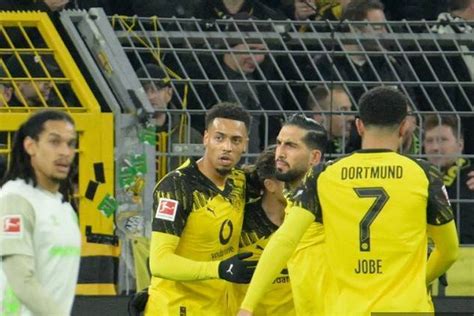
Introduction to Signal Iduna Park
Signal Iduna Park, located in Dortmund, Germany, is one of the most iconic and celebrated football stadiums in the world. Known officially as Westfalenstadion until its naming rights were acquired by Signal Iduna in 2005, the stadium is the home ground of borussia dortmund, one of Germany's most successful and passionately supported football clubs. Its reputation extends far beyond the Bundesliga, as it has played host to numerous high-profile matches, including games during the FIFA World Cup and UEFA Champions League. This section delves into the origins, design, and cultural significance of Signal Iduna Park, particularly focusing on how its capacity and atmosphere contribute to its global standing in football.
The stadium is situated in the southern part of Dortmund, a city in the North Rhine-Westphalia region of Germany. Dortmund itself is an industrial hub with a rich history tied to coal mining and steel production. This working-class heritage has deeply influenced the identity of Borussia Dortmund and its fanbase, creating a strong sense of community and resilience. The location of Signal Iduna Park in this context is not accidental; it serves as a symbol of the city's transformation and its enduring passion for football. The stadium is easily accessible by public transport, with Dortmund's central station just a short journey away, making it a focal point not only for local fans but also for visitors from across Germany and beyond. Its proximity to major European cities like Cologne and Düsseldorf further amplifies its role as a destination for international football enthusiasts.
Signal Iduna Park boasts a seating capacity of approximately **81,365** for Bundesliga matches, making it the largest stadium in Germany by capacity. For international fixtures, where all-seater arrangements are required, the capacity is slightly reduced to around **65,829**. This impressive scale is a testament to the stadium's design, which prioritizes both functionality and fan experience. The stands are steeply pitched, allowing for excellent sightlines from nearly every seat. The **South Stand**, affectionately nicknamed "Die Gelbe Wand" (The Yellow Wall), is particularly noteworthy. This terraced area can hold over 25,000 standing spectators, creating an imposing and electrifying visual spectacle. The Yellow Wall is not just a physical feature of the stadium; it is a symbol of Dortmund's fan culture, where passion, unity, and vocal support are on full display. This stand has become a global benchmark for how stadium design can enhance the atmosphere and amplify the emotional intensity of a match.
The stadium's construction began in 1971, with the aim of providing Borussia Dortmund with a modern facility to support its growing ambitions. It was completed in 1974, just in time to host matches for the FIFA World Cup that year. Over the decades, Signal Iduna Park has undergone several renovations and expansions to keep pace with the demands of modern football. One of the most significant upgrades occurred in preparation for the 2006 FIFA World Cup, where the stadium was one of the venues. During this period, the capacity was increased, and modern facilities such as VIP boxes, media centers, and improved accessibility features were added. These renovations ensured that the stadium could host elite-level matches while maintaining its reputation for delivering an unparalleled fan experience.
The significance of Signal Iduna Park in global football extends beyond its physical attributes. It is a venue where history has been made and where some of the most memorable moments in football have unfolded. For example, during the 1997 UEFA Champions League final, Borussia Dortmund clinched their first and only European title by defeating Juventus 3-1 at Munich's Olympiastadion. However, the energy and support generated by the fans at Signal Iduna Park were instrumental in propelling the team to that stage. Similarly, the stadium has witnessed countless dramatic Bundesliga matches, where the roar of the crowd has spurred the team to overcome formidable opponents. This connection between the stadium and the club's success is not merely symbolic; it is deeply ingrained in the ethos of Borussia Dortmund, where the fans are considered the "twelfth man" on the pitch.
One of the unique aspects of Signal Iduna Park is its ability to create an atmosphere that is both intimidating for visiting teams and inspiring for the home side. This is partly due to the stadium's design, which ensures that sound reverberates effectively throughout the stands. The close proximity of the fans to the pitch further intensifies this effect. Studies and anecdotal evidence from players and coaches often highlight how the noise levels and unwavering support at Signal Iduna Park can influence the outcome of matches. For instance, in tightly contested games, the psychological edge provided by a capacity crowd can be the difference between victory and defeat. This phenomenon underscores why the stadium is often referred to as a "fortress" for Borussia Dortmund.
Beyond its role in club football, Signal Iduna Park has played a pivotal part in international tournaments. During the 2006 FIFA World Cup, it hosted several group-stage matches, a Round of 16 game, and a semifinal. These matches brought global attention to the stadium, showcasing its ability to host high-stakes encounters with efficiency and flair. The diversity of fans who visited Dortmund during this period further solidified the stadium's reputation as a welcoming and vibrant venue. This international exposure has also contributed to Dortmund's identity as a city with a global outlook, blending its industrial roots with a modern, cosmopolitan appeal.
The cultural significance of Signal Iduna Park is not confined to football alone. It serves as a venue for other large-scale events, including concerts and community gatherings. Artists like Coldplay and Ed Sheeran have performed at the stadium, drawing crowds that rival those of football matches. These events highlight the versatility of the space and its importance as a multipurpose facility that contributes to Dortmund's cultural and economic landscape. Moreover, the stadium is a source of local pride, serving as a reminder of the city's ability to host world-class events and maintain a strong connection to its heritage.
In the broader context of global football, Signal Iduna Park stands out as a model for how stadiums can be more than just venues for sporting events. Its combination of high capacity, innovative design, and fan-centric features has inspired the development of similar facilities worldwide. For instance, the concept of a "home advantage" driven by fan atmosphere is often studied with Signal Iduna Park as a key example. This has implications not only for stadium design but also for how clubs and organizations approach fan engagement and match-day experiences.
- The stadium's capacity of over 81,000 for domestic matches is a clear indicator of its scale and ambition.
- Its role as a cultural and economic hub for Dortmund underscores its multifaceted importance.
- The fan culture embodied by the Yellow Wall is a unique and defining feature that sets it apart from other stadiums.
In conclusion, Signal Iduna Park is more than just a stadium; it is a living embodiment of Dortmund's identity, a hub of footballing excellence, and a global icon in the sport. Its capacity, design, and atmosphere are not merely practical elements but integral components of its legacy. Whether hosting a high-stakes Bundesliga clash or a concert that draws international audiences, the stadium continues to exemplify how a well-conceived space can transcend its primary purpose and become a symbol of unity, passion, and excellence in football.
Historical Evolution of Capacity
The capacity of Signal Iduna Park, home to Borussia Dortmund, has undergone significant transformations since its inception, reflecting the club's growth, the demands of modern football, and the evolving expectations of fans. This section delves into the historical evolution of the stadium's capacity, highlighting major milestones, renovations, and the factors that influenced these changes.
Originally known as the Westfalenstadion, the stadium was constructed for the 1974 FIFA World Cup hosted by West Germany. At the time of its opening, the capacity was approximately 54,000 spectators. This figure was in line with the standards of the era, where stadiums were designed primarily for practicality rather than maximizing attendance. The initial design featured a mix of seating and standing areas, which was typical for football venues in the 1970s. Standing terraces were a hallmark of German football culture, allowing for higher attendance numbers compared to all-seater stadiums.
During this period, the stadium's configuration catered to the working-class roots of Borussia Dortmund's fan base. The affordable standing tickets ensured that matches were accessible to a broad demographic. However, as football transitioned into a more commercialized sport in the 1980s and 1990s, the stadium's capacity and facilities began to face scrutiny. The terraces, while iconic, were increasingly seen as a limitation in terms of revenue generation and safety.
The first major renovation came in the early 1990s when Borussia Dortmund's rising prominence in German and European football necessitated upgrades. In 1992, the stadium underwent a significant transformation to prepare for the 1993 UEFA Cup Final, which Dortmund hosted. This renovation increased the capacity to around 58,500, with improved seating areas and better facilities for media and VIPs. However, the core structure of the stadium, including its distinctive yellow wall—the Südtribüne, the largest free-standing grandstand in Europe—remained intact. This grandstand symbolized the club’s identity and the passion of its supporters, and any changes to the stadium had to respect this cultural cornerstone.
The most transformative period for Signal Iduna Park's capacity came in preparation for the 2006 FIFA World Cup, which Germany hosted. As one of the chosen venues, the stadium underwent a massive expansion project between 2002 and 2003. This project was not merely about increasing seating but also about modernizing the facility to meet FIFA's stringent standards for international tournaments. The capacity was expanded to 81,365 for domestic matches, with a mix of seating and standing areas. For international fixtures, where all-seater configurations are mandatory, the capacity was reduced to approximately 67,000. This dual-mode design showcased the stadium's adaptability, catering to both domestic and global audiences.
A key feature of this expansion was the introduction of additional tiers and improved sightlines. The iconic Südtribüne was expanded to hold over 25,000 standing fans, reinforcing its status as a symbol of Dortmund's fervent support. The renovations also included the installation of modern amenities such as VIP lounges, upgraded media facilities, and improved accessibility for disabled spectators. These changes were not just functional but also symbolic of Dortmund's ambition to position itself as a top-tier club in European football.
The decision to retain standing areas, particularly in the Südtribüne, was a deliberate one. While many stadiums across Europe phased out standing terraces in favor of all-seater models—especially after tragedies like Hillsborough—Dortmund's management understood the cultural and emotional significance of the terraces. This approach not only preserved the club's identity but also allowed for higher capacity compared to fully seated stadiums, ensuring that matches remained accessible to a wide range of fans.
Another interesting aspect of the stadium's capacity evolution is the influence of Borussia Dortmund's success on the field. During the early 2000s, as the club experienced a resurgence under managers like Matthias Sammer and later Jürgen Klopp, demand for tickets surged. This demand was not only from local fans but also from international audiences drawn to Dortmund's exhilarating style of play and the electric atmosphere of the Südtribüne. The expanded capacity allowed the club to capitalize on this demand, turning Signal Iduna Park into one of the most attended venues in European football.
In the years following the 2006 World Cup, minor adjustments were made to the stadium to enhance fan experience and safety. For instance, the integration of better crowd management systems and the introduction of digital ticketing technologies helped optimize the use of space while maintaining high attendance figures. These iterative improvements, though less dramatic than the World Cup-era expansion, were crucial in sustaining the stadium's reputation as a world-class venue.
One lesser-known but significant factor in the stadium's capacity story is the role of sponsorship and naming rights. In 2005, the stadium was renamed Signal Iduna Park as part of a sponsorship deal with the Signal Iduna Group. This rebranding coincided with the club's efforts to modernize its image and appeal to a broader, more global audience. While the name change did not directly impact the physical capacity, it symbolized the club's transition into a more commercially driven era, where maximizing revenue from matchdays became a priority.
Looking at the broader context of stadium development in Germany, Signal Iduna Park's capacity changes can be seen as part of a national trend. German football has long balanced the need for modernization with the preservation of fan culture. Unlike some leagues where commercialization has led to sterile, corporate atmospheres, German stadiums like Signal Iduna Park have managed to retain a sense of community and inclusivity. This balance is evident in the stadium's design choices, such as maintaining affordable standing tickets even as other areas were upgraded for premium experiences.
In recent years, there has been some discussion about further expanding the stadium's capacity to keep pace with Borussia Dortmund's growing fan base and the increasing popularity of the Bundesliga. However, these plans face challenges due to the physical constraints of the site and the need to balance expansion with the preservation of the stadium's unique atmosphere. Any future changes will likely focus on enhancing technology and sustainability rather than drastically altering the physical layout.
In summary, the capacity of Signal Iduna Park has evolved from its modest origins in 1974 to becoming one of the largest and most iconic football venues in the world. Each phase of its development—whether driven by global events like the World Cup or the club's own ambitions—has been shaped by a blend of practical needs, cultural considerations, and commercial imperatives. This evolution not only reflects the history of Borussia Dortmund but also serves as a case study in how stadiums can adapt to the changing landscape of football while staying true to their roots.
- The original capacity in 1974 was around 54,000, designed for the 1974 FIFA World Cup.
- Renovations in the 1990s increased capacity to 58,500, focusing on modernization.
- The 2002-2003 expansion for the 2006 World Cup raised capacity to 81,365 for domestic matches.
- The Südtribüne remains a central feature, holding over 25,000 standing fans.
- Sponsorship and naming rights in 2005 marked a new commercial era for the stadium.
These developments underscore how Signal Iduna Park has not only grown in size but also in significance, cementing its place as a cornerstone of football history and culture.
Current Official Capacity
Signal Iduna Park, located in Dortmund, Germany, is one of the most iconic football stadiums in Europe and serves as the home ground for Borussia Dortmund. Its reputation as a fortress of passionate fans and electrifying atmospheres is closely tied to its impressive capacity, which has evolved over the years to accommodate both seated and standing spectators. Understanding the exact current seating and standing capacity of Signal Iduna Park requires delving into its design, historical expansions, and the specific breakdown of its seating arrangements.
As of the latest available data, the official seating and standing capacity of Signal Iduna Park is 81,365 for domestic matches. This figure is slightly reduced to 66,099 for international fixtures due to UEFA regulations that mandate all-seater stadiums for such events. These numbers are not arbitrary; they reflect a careful balance between maximizing attendance and maintaining safety and comfort for spectators. To fully appreciate this, it is essential to explore the stadium’s layout and how its capacity is distributed across different sections.
The stadium is divided into four main stands: the Südtribüne (South Stand), the Nordtribüne (North Stand), the Westtribüne (West Stand), and the Osttribüne (East Stand). Each of these stands contributes to the overall capacity in distinct ways. The most famous of these is the Südtribüne, often referred to as the "Yellow Wall." This is Europe’s largest free-standing grandstand and can hold approximately 25,000 standing spectators. The sheer size and energy of this stand are a hallmark of Signal Iduna Park, making it a symbol of Borussia Dortmund’s fan culture. The standing area in the Südtribüne is a key contributor to the stadium’s high capacity for domestic games, as many other modern stadiums have phased out standing areas in favor of all-seater configurations.
In contrast, the other stands are primarily designed for seated spectators. The Westtribüne and Osttribüne are constructed with a mix of premium seating, general admission seats, and hospitality boxes. These areas are tailored to provide a more comfortable and exclusive experience for fans and corporate guests. The Nordtribüne also accommodates a mix of regular seating and areas for away supporters, ensuring that visiting fans are adequately catered to while maintaining a balanced distribution of capacity. The seated areas across these stands account for the majority of the remaining capacity after accounting for the Südtribüne’s standing section.
The evolution of Signal Iduna Park’s capacity is rooted in its history. Originally opened in 1974 as the Westfalenstadion for the FIFA World Cup, the stadium had a much smaller capacity of around 54,000. Over the decades, it underwent several expansions to meet the growing demand for tickets and to align with Borussia Dortmund’s rising prominence in German and European football. A significant expansion occurred in preparation for the 2006 FIFA World Cup hosted by Germany. During this period, the stadium’s seating and standing areas were reconfigured to increase its total capacity to its present figure. This expansion not only enhanced the stadium’s ability to host large crowds but also reinforced its reputation as one of the most fan-friendly venues in Europe.
The decision to maintain a large standing area in the Südtribüne is particularly noteworthy. In many modern stadiums, standing areas have been eliminated due to safety concerns and regulatory pressures. However, the Südtribüne stands as a testament to the unique cultural emphasis on fan engagement in German football. The standing configuration allows for a higher density of spectators compared to seated areas, which is why the Südtribüne alone can accommodate nearly 30% of the stadium’s total capacity during domestic matches. This design choice not only boosts the overall attendance figures but also amplifies the atmosphere, as standing fans are often more vocal and animated than their seated counterparts.
It is also worth noting that the seated capacity of Signal Iduna Park is optimized for both comfort and visibility. Each seat is designed to provide an unobstructed view of the pitch, with staggered rows and adequate spacing between seats. This thoughtful design ensures that even in a packed stadium, spectators can enjoy the match without feeling cramped or visually hindered. The balance between standing and seated areas reflects a nuanced approach to stadium design, where the needs of diverse fan groups—from die-hard ultras to families and corporate attendees—are considered.
For international matches, the reduction in capacity to 66,099 is a direct result of UEFA’s all-seater policy. This means that the standing areas in the Südtribüne are converted into temporary seating to comply with these regulations. While this reduces the overall attendance, it highlights the adaptability of the stadium’s design. The ability to switch between standing and seated configurations underscores the flexibility built into Signal Iduna Park’s infrastructure, allowing it to host a wide range of events, from domestic league games to high-profile international fixtures.
Another aspect that contributes to the stadium’s capacity is its accessibility features. Signal Iduna Park includes designated spaces for wheelchair users and their companions, as well as facilities for fans with limited mobility. These spaces are integrated into the overall capacity calculation, ensuring inclusivity without significantly impacting the total number of available spots. The stadium’s commitment to accessibility is part of a broader trend in modern sports venues to create environments that cater to all fans, regardless of physical ability.
A deeper look at the capacity also reveals how it compares to other major stadiums in Europe. While Signal Iduna Park is not the largest stadium in terms of sheer size—it is surpassed by venues like Barcelona’s Camp Nou or Wembley Stadium—its effective use of space and high-density standing areas give it one of the highest utilization rates per square meter. This efficiency is a key reason why Borussia Dortmund can boast such impressive attendance figures, with an average of over 80,000 fans per game during the Bundesliga season.
The stadium’s capacity also has economic implications. A higher capacity allows Borussia Dortmund to generate significant revenue from ticket sales, particularly given the affordable pricing strategy for many seats. This approach aligns with the club’s philosophy of maintaining strong ties with its local fan base while also attracting visitors from across Germany and beyond. The high capacity ensures that more fans can experience the unique atmosphere of a Borussia Dortmund home game, further solidifying the club’s reputation as a people-oriented organization.
In summary, the current official capacity of Signal Iduna Park is a carefully balanced figure that reflects its dual role as a venue for both domestic and international events. With 81,365 seats and standing spaces for league matches and a reduced 66,099 for international games, the stadium exemplifies a blend of tradition and modernity. Its standing areas, particularly the iconic Südtribüne, set it apart from many contemporary stadiums, while its seated sections are designed for optimal comfort and visibility. This combination of factors makes Signal Iduna Park not just a venue but a symbol of football culture at its most vibrant and inclusive.
- The total capacity for domestic matches is 81,365, with approximately 25,000 in the Südtribüne standing area.
- The capacity for international matches is reduced to 66,099 due to UEFA's all-seater requirement.
- The stadium’s design prioritizes both high attendance and fan experience, with a mix of standing and seated areas.
- Historical expansions, particularly for the 2006 FIFA World Cup, have shaped its current layout.
These details illustrate why Signal Iduna Park is not just a place to watch football but a living embodiment of the sport’s communal and cultural significance.
Comparison with Other Major Stadiums
When discussing the capacity of Signal Iduna Park, it is essential to place it within the context of other major stadiums worldwide to understand its standing in the global sports infrastructure landscape. Signal Iduna Park, located in Dortmund, Germany, is home to Borussia Dortmund and is renowned for its electrifying atmosphere and passionate fan base. With a capacity of approximately **81,365 spectators** for Bundesliga matches (and slightly reduced for international fixtures due to all-seater requirements), it ranks among the largest stadiums in Europe. However, how does it compare to other iconic venues like **Camp Nou** in Barcelona or **Wembley Stadium** in London?
Let us begin with **Camp Nou**, the home of FC Barcelona. Camp Nou boasts a staggering capacity of **99,354**, making it the largest stadium in Europe and one of the biggest in the world. This figure places it nearly 18,000 seats ahead of Signal Iduna Park. The sheer scale of Camp Nou is a testament to Barcelona's global appeal and the club's ability to draw massive crowds consistently. However, the comparison is not merely about numbers. Signal Iduna Park is celebrated for its **intimacy and acoustics**, which create an atmosphere often described as one of the most intense in football. In contrast, Camp Nou, despite its larger size, has been critiqued for sometimes lacking the same level of crowd intensity due to its more spread-out seating arrangement. This difference underscores how capacity alone does not dictate the quality of the matchday experience.
Another critical factor to consider is the historical and cultural significance of these venues. Camp Nou has hosted numerous high-profile events, including the 1982 FIFA World Cup and the 1992 Summer Olympics, cementing its legacy as a global sporting landmark. Signal Iduna Park, while not as vast, has carved its niche as a **symbol of German football passion**, particularly during UEFA Champions League nights, where the "Yellow Wall" — the stadium's famous South Stand, capable of holding 25,000 standing fans — becomes a visual and auditory spectacle unmatched in European football.
Moving on to **Wembley Stadium** in London, its modern iteration, reopened in 2007, has a capacity of **90,000**, placing it between Camp Nou and Signal Iduna Park in terms of size. Wembley is primarily used for international fixtures, domestic cup finals, and occasionally high-profile club matches such as UEFA Champions League finals. Unlike Signal Iduna Park, which is a dedicated club stadium, Wembley serves a more versatile role, hosting events ranging from football to American football and even music concerts. This versatility is a key distinction; while Signal Iduna Park is optimized for the weekly rigors of club football, Wembley is designed as a multi-purpose venue. This distinction impacts how each stadium's capacity is utilized. For instance, Wembley's seating arrangement is more uniform, prioritizing visibility for diverse event types over the creation of a football-specific cauldron of noise.
One aspect where Signal Iduna Park stands out is its **focus on fan experience**. The stadium's relatively compact design compared to Wembley allows for a more concentrated sound environment. Studies on stadium acoustics have shown that stadiums with steeper stands and closer proximity between fans and the pitch tend to amplify crowd noise more effectively. This is a hallmark of Signal Iduna Park, where the average decibel levels during matches often surpass those of larger venues like Wembley. While Wembley can host more people, the distributed layout and larger footprint can sometimes dilute the intensity of the crowd's energy. This trade-off between size and atmosphere is a recurring theme in stadium design and is particularly evident in this comparison.
Another stadium worth mentioning in this discussion is **the Rose Bowl in Pasadena, California**, which has a capacity of **92,542**. While primarily an American venue used for college football and soccer, it has hosted significant events like the 1994 FIFA World Cup Final. The Rose Bowl's capacity eclipses that of Signal Iduna Park, but its relevance to football (soccer) is limited compared to the consistent use of Signal Iduna Park for top-tier club matches. This contrast highlights a key point: **capacity must be contextualized within the primary purpose of the stadium**. For instance, Signal Iduna Park is a hub of regular, high-stakes club football, whereas the Rose Bowl is more of an occasional host for major football events.
In **Asia**, stadiums like the **Rungrado 1st of May Stadium** in Pyongyang, North Korea, with a claimed capacity of **114,000**, dwarf all the aforementioned venues. However, this stadium is less about regular sports use and more about symbolic and ceremonial events. When focusing on stadiums with a similar operational model to Signal Iduna Park — those dedicated to club or national team football — the European examples of Camp Nou and Wembley remain the most relevant benchmarks.
A deeper dive into the **design philosophy** of these stadiums reveals further nuances. Signal Iduna Park was constructed in 1974 and underwent significant renovations for the 2006 FIFA World Cup. Its design prioritizes the **proximity of fans to the action**, a feature that smaller-capacity stadiums often excel at compared to larger ones. Camp Nou, built in 1957 and expanded over time, has a more traditional, open layout, which can make its larger capacity feel less impactful in terms of atmosphere. Wembley, as a modern stadium, incorporates state-of-the-art facilities and sightlines but leans toward a more neutral, multipurpose design rather than one tailored exclusively for football fervor.
From an economic perspective, the capacity of a stadium directly influences its **revenue generation potential**. Larger stadiums like Camp Nou and Wembley can theoretically host more paying spectators, which is advantageous for high-profile events. However, Signal Iduna Park's slightly smaller capacity is offset by its **consistently high attendance rates** and the premium experience it offers fans. Borussia Dortmund's average attendance often hovers around 99% of capacity, a figure that outpaces many larger stadiums where attendance can fluctuate depending on the event type or team performance.
In summary, while Signal Iduna Park may not match the raw capacity of Camp Nou or even Wembley, its **strategic design, fan-focused atmosphere, and consistent utilization** make it a standout venue in its own right. The comparison reveals that stadium size is just one metric among many — the quality of the experience, the historical significance, and the alignment of design with purpose are equally important. Signal Iduna Park exemplifies how a slightly smaller stadium can still command a place among the elite by excelling in creating a unique and unforgettable football experience.
- Signal Iduna Park: ~81,365 capacity, optimized for club football atmosphere.
- Camp Nou: ~99,354 capacity, largest in Europe but sometimes less intense acoustics.
- Wembley Stadium: ~90,000 capacity, versatile but less football-specific.
- Rose Bowl: ~92,542 capacity, primarily for American sports and occasional soccer.
- Rungrado 1st of May Stadium: ~114,000 capacity, symbolic rather than football-focused.
This comparative analysis demonstrates that while Signal Iduna Park may not be the largest, it holds its own as a **premier example of how stadium design can prioritize quality over sheer quantity**, reinforcing its reputation as one of the most iconic football venues in the world.
Architectural Factors Influencing Capacity
The capacity of Signal Iduna Park, home to Borussia Dortmund and one of Europe's most iconic football stadiums, is a result of deliberate and intricate architectural decisions. With a current seating capacity of approximately 81,000 for domestic matches and 66,000 for international fixtures (due to UEFA regulations), the stadium exemplifies how design and layout can influence not only the number of spectators it can accommodate but also the experience and safety of those present. To understand the architectural factors influencing its capacity, it is essential to delve into the stadium's design philosophy, structural constraints, and the optimization of space within its boundaries.
One of the most critical architectural aspects shaping Signal Iduna Park's capacity is its **seating bowl configuration**. Unlike older stadiums with a more open or irregular layout, Signal Iduna Park employs a continuous, bowl-shaped design that maximizes the use of available space. This configuration ensures that nearly every square meter of the stadium's footprint is utilized for spectator seating or standing areas. The bowl design is particularly effective because it minimizes the presence of dead spaces—corners or irregular zones that might otherwise reduce the number of seats. The steep incline of the seating tiers further enhances this efficiency. A steeper gradient not only allows for more rows of seats within a given vertical space but also improves sightlines, ensuring that even spectators in higher rows have an unobstructed view of the pitch. This steepness is a deliberate trade-off between comfort and capacity, as overly steep designs could compromise accessibility and spectator comfort, particularly for families or older attendees.
Another significant factor is the **integration of standing terraces**. Signal Iduna Park is famous for its Südtribüne, or "Yellow Wall," the largest free-standing grandstand in Europe, which accommodates around 25,000 standing spectators. The decision to include such a vast standing area is a nod to both tradition and efficiency. Standing terraces allow for a higher density of spectators per unit area compared to seated arrangements. This choice reflects not only the passionate fan culture of Borussia Dortmund but also a shrewd use of space. Standing areas can be reconfigured for international matches to comply with UEFA's all-seater requirements, showcasing the adaptability of the design. However, incorporating standing terraces also involves careful engineering to ensure safety. The terraces must support high dynamic loads during moments of collective movement, such as goal celebrations, which requires robust structural reinforcements and materials capable of withstanding these stresses.
The **use of modular construction techniques** during the stadium's development in the 1970s and its subsequent expansions also plays a role in determining capacity. Signal Iduna Park was initially built with a design that allowed for phased growth. This modular approach meant that as demand for tickets grew—spurred by Borussia Dortmund's success and increasing popularity—the stadium could be expanded without a complete overhaul. For instance, the stadium's capacity was significantly increased during renovations for the 2006 FIFA World Cup, where new tiers and facilities were added. This incremental scalability is a testament to forward-thinking architectural planning, ensuring that the stadium could evolve with the times rather than becoming obsolete due to fixed limitations.
Signal Iduna Park's **proximity to urban infrastructure** also imposes external constraints on its capacity. Located in Dortmund, a city with a dense urban fabric, the stadium's footprint is limited by the surrounding roads, residential areas, and commercial zones. Unlike stadiums built in more expansive or less developed areas, Signal Iduna Park had to work within a confined spatial boundary. This limitation required architects to think vertically rather than horizontally. The multi-tiered design, with its stacked seating arrangements, is a direct response to the space constraints. Additionally, the compact layout necessitated innovative solutions for crowd flow management. Wide concourses, multiple entry and exit points, and well-planned circulation routes were incorporated to prevent bottlenecks and ensure smooth ingress and egress for large crowds. These design choices are not just about capacity but also about maintaining safety and operational efficiency during high-attendance events.
Another layer of architectural influence comes from **technological and material advancements** used in the stadium's construction. Modern stadiums often use lightweight yet durable materials to support larger structures without excessively increasing the footprint or foundation requirements. For Signal Iduna Park, the use of steel and reinforced concrete in key structural elements allowed for the creation of expansive, elevated tiers without compromising the integrity of the structure. Furthermore, the roof design—partially covering the stands while leaving the pitch open—was a deliberate choice to balance spectator comfort with the need for natural light and pitch maintenance. While the roof does not directly increase capacity, it contributes to the overall usability of the stadium by ensuring matches can be held in varying weather conditions, thereby supporting consistent ticket sales and attendance.
The **accommodation of non-spectator spaces** within the stadium is an often-overlooked architectural factor. Signal Iduna Park includes extensive facilities such as VIP boxes, media rooms, restaurants, and retail spaces. While these areas do not directly add to spectator capacity, they influence the overall layout by consuming valuable real estate within the stadium. Architects had to strike a balance between dedicating space to these amenities and maximizing the number of seats. For example, the inclusion of spacious VIP areas might reduce the number of general admission seats but enhances the stadium's revenue potential, which indirectly supports its operational sustainability. This trade-off reflects a nuanced approach to capacity planning that considers both immediate and long-term financial goals.
An additional consideration is the **impact of safety and regulatory standards** on capacity. Modern stadiums must comply with stringent safety codes, including fire safety, emergency evacuation protocols, and accessibility requirements for disabled spectators. These regulations often limit how densely seats or standing areas can be arranged. For instance, emergency exit routes must be wide enough to allow the entire crowd to evacuate within a set time frame, which can reduce the number of seats that can be fitted into certain areas. Signal Iduna Park's design incorporates these safety measures without excessively compromising capacity, a feat achieved through meticulous planning of exit routes, staircases, and the distribution of support structures.
Finally, the **psychological and experiential aspects of stadium design** play a subtle yet significant role in capacity decisions. Architects of Signal Iduna Park aimed to create an atmosphere of intimacy and energy, where spectators feel close to the action. This is achieved through relatively compact dimensions between the pitch and the stands, which reduces the perceived distance between fans and players. While this choice does not directly increase numerical capacity, it enhances the perceived value of each seat, making the stadium feel "full" even when operating below its maximum limit. This focus on fan experience is a deliberate strategy to ensure high attendance rates, which in turn justifies the stadium's large capacity.
- The bowl-shaped seating layout optimizes space utilization and improves sightlines.
- Standing terraces like the Südtribüne enable higher spectator density while honoring fan culture.
- Modular construction allows for scalable expansions in response to growing demand.
- Urban constraints necessitate vertical design and efficient crowd management systems.
- Material choices and roof design balance structural integrity with usability.
- Non-spectator spaces are integrated without overly reducing seating numbers.
- Safety regulations shape layout decisions, particularly for evacuation and accessibility.
- Proximity of stands to the pitch enhances fan experience and perceived value of seats.
In conclusion, the capacity of Signal Iduna Park is not merely a function of its size but a result of a harmonious interplay of design choices, engineering ingenuity, and regulatory compliance. Each architectural decision—from the steepness of the tiers to the inclusion of standing terraces—reflects a deliberate effort to balance efficiency, safety, and the unique identity of the stadium. This deep integration of factors ensures that Signal Iduna Park remains not only one of the largest but also one of the most iconic and functional football venues in the world.
Economic Implications of Capacity
The capacity of Signal Iduna Park, home to Borussia Dortmund, stands at approximately 81,000 for Bundesliga matches, making it one of the largest stadiums in Europe. This impressive scale is not merely a point of pride for fans but a critical economic driver for the club and its ecosystem. The economic implications of such a capacity are multifaceted, influencing revenue generation through ticket sales, sponsorships, and ancillary business opportunities. A deep dive into these areas reveals how the stadium's size directly and indirectly impacts Borussia Dortmund’s financial health and strategic positioning in the competitive world of football.
One of the most immediate economic benefits of Signal Iduna Park's large capacity is its ability to maximize ticket revenue. With a seating capacity that accommodates over 80,000 spectators, Borussia Dortmund can sell a significant volume of tickets for each home game. This high volume translates to substantial gate receipts, especially given the club’s loyal fan base and the consistent high demand for tickets. For instance, Borussia Dortmund has one of the highest average attendances in European football, often exceeding 95% of capacity for league matches. This near-full attendance ensures that the club can regularly generate millions of euros per match from ticket sales alone. When extrapolated over a season of 17 home games, the revenue potential from ticket sales becomes a cornerstone of the club’s annual income. Moreover, the club's pricing strategy—offering a mix of affordable seating options and premium experiences—ensures a broad appeal, further driving revenue while maintaining accessibility for diverse fan demographics.
However, the influence of capacity on revenue generation extends beyond direct ticket sales. A stadium of this size creates an environment conducive to premium hospitality offerings, such as VIP boxes, corporate suites, and other high-value seating options. These offerings are priced significantly higher than standard tickets and cater to corporate clients, sponsors, and affluent fans. The presence of these premium spaces not only boosts per-ticket revenue but also strengthens the stadium's appeal as a venue for business networking and entertainment. For example, companies may purchase season-long access to VIP areas not just for the football but for the exclusive environment that Signal Iduna Park provides. This dynamic underscores how the stadium's capacity supports a dual-revenue stream: mass-market ticket sales complemented by high-margin premium services.
Another critical aspect of the capacity's economic impact lies in its role in attracting and retaining sponsorships. A stadium with 81,000 seats provides a vast and visible platform for sponsors to showcase their brands. Advertising within the stadium—whether through pitch-side hoardings, jumbo screens, or branded zones—reaches a massive live audience. This exposure is amplified by the fact that Signal Iduna Park regularly hosts high-profile matches, including UEFA Champions League fixtures, which draw international viewership. Sponsors are willing to pay a premium for this level of visibility, especially when the stadium is consistently filled to near capacity. The larger the crowd, the more impactful the brand exposure, which enhances the value proposition for sponsors. Furthermore, the stadium's reputation as a "fortress" of passionate support adds intangible value to sponsorship deals; brands associate themselves not just with a venue but with the energy and loyalty of its occupants.
The capacity also has a ripple effect on ancillary revenue streams tied to matchdays. A full stadium generates demand for food, beverages, merchandise, and other matchday services. Vendors inside the stadium benefit from the sheer volume of attendees, and Borussia Dortmund takes a share of these revenues through licensing agreements or direct operation of concessions. Additionally, the club can negotiate better terms with suppliers and partners due to the scale of its operations. For instance, beverage companies may offer more favorable contracts knowing that their products will be consumed by tens of thousands of fans per game. This economy of scale is a direct consequence of the stadium's capacity and is a key driver of profitability.
Beyond matchday operations, the capacity of Signal Iduna Park enhances Borussia Dortmund's negotiating power in media rights deals. Broadcasters are acutely aware of the spectacle created by a packed stadium, particularly one known for its "Yellow Wall"—the stadium’s famous South Stand, which holds 25,000 standing spectators and is Europe's largest free-standing grandstand. This visual spectacle is a selling point for TV networks, as it enhances the viewing experience and draws higher ratings. Consequently, Borussia Dortmund can command better terms in media rights negotiations, as broadcasters are eager to showcase matches played in such an electrifying atmosphere. The stadium's capacity, therefore, indirectly boosts revenue by increasing the perceived value of Borussia Dortmund’s brand and its matches.
It is also worth exploring how the stadium's capacity influences long-term economic sustainability. A large stadium allows Borussia Dortmund to maintain a competitive edge in the Bundesliga and European football by ensuring consistent financial inflows. This revenue stability enables the club to invest in player development, infrastructure, and community programs without over-relying on unpredictable sources like transfer revenues or external funding. The economic stability provided by a high-capacity stadium acts as a buffer during lean periods, such as when the team underperforms or faces unexpected challenges like the COVID-19 pandemic. During such times, the ability to rely on a large and loyal fan base to fill seats (or purchase virtual tickets in restricted scenarios) becomes a lifeline for the club.
However, it is important to note that the economic implications of capacity are not without challenges. Operating a stadium of this size requires significant operational costs, including maintenance, security, and staffing. These costs can eat into revenues if not managed efficiently. Additionally, while a large capacity offers opportunities for high revenue, it also creates pressure to fill the stadium consistently. Empty seats—even a small percentage—can dilute the atmosphere and reduce the perceived value of the venue for fans, sponsors, and broadcasters. Borussia Dortmund mitigates this risk through its strong community ties, affordable ticket pricing, and strategic marketing campaigns aimed at keeping the stadium vibrant and full.
Furthermore, the economic impact of capacity is influenced by external factors such as market dynamics and competition. In a league like the Bundesliga, where several clubs operate in large stadiums (e.g., Bayern Munich’s Allianz Arena), Borussia Dortmund must continually innovate to differentiate its offerings. This might include introducing new fan experiences, leveraging technology for personalized services, or expanding the stadium’s role as a multipurpose venue for concerts and events. These initiatives not only diversify revenue streams but also ensure that the stadium remains a central economic asset even outside of football season.
In summary, the capacity of Signal Iduna Park is a linchpin of Borussia Dortmund’s revenue generation strategy. It drives direct income through ticket sales and premium hospitality, enhances sponsorship value by providing a massive and engaged audience, and supports ancillary businesses tied to matchdays. Additionally, it strengthens the club’s media rights negotiations and contributes to long-term financial stability. While operational challenges exist, the club’s ability to harness the economic potential of its capacity has positioned it as a case study in how stadium size can be leveraged for sustainable growth in modern football. This dynamic illustrates the intricate relationship between physical infrastructure and economic performance in the sports industry.
Capacity Challenges and Controversies
The Signal Iduna Park, home to Borussia Dortmund, is one of the most iconic football stadiums in the world. With a current capacity of approximately 81,000 for Bundesliga matches and 65,829 for international games (due to all-seater requirements), it holds the distinction of being the largest stadium in Germany. However, the journey to maintaining and optimizing this capacity has not been without its challenges and controversies. These issues are rooted in historical developments, evolving safety standards, and the dynamic needs of modern football.
One of the earliest capacity-related challenges for Signal Iduna Park (originally known as the Westfalenstadion) dates back to its construction for the 1974 FIFA World Cup. Initially designed with a capacity of around 54,000, the stadium was built with a focus on functionality rather than grandeur. At the time, the primary concern was accommodating a large number of spectators efficiently rather than creating a modern, fan-centric experience. However, as football grew in popularity and fan expectations evolved, this initial design began to show its limitations. The stadium's expansion in the 1990s was driven by Borussia Dortmund's rising success in domestic and European competitions, necessitating a larger venue to meet demand. The addition of the now-famous "Yellow Wall" (the Südtribüne), a massive standing terrace that can hold over 25,000 fans, was a direct response to the club's need to foster an intense, vibrant atmosphere while increasing overall capacity.
Despite these efforts, capacity management has often been a double-edged sword. On one hand, the club has sought to maximize attendance to boost revenue and fan engagement. On the other, this has brought logistical and safety concerns to the forefront. For instance, during high-profile matches, such as derbies against Schalke 04 or key Champions League fixtures, the sheer volume of spectators has occasionally strained the stadium's infrastructure. Reports of overcrowding in entry and exit points, particularly around the standing areas, have raised questions about whether the stadium's design can adequately handle peak loads. This issue is exacerbated by the passionate and often rowdy nature of Dortmund's fan base, which, while a key part of the club's identity, can pose challenges for crowd control.
In recent years, safety regulations have become a significant point of contention. Following incidents like the 2017 stadium evacuation at Borussia Dortmund due to a bomb threat near the team bus, there has been increased scrutiny of how stadiums manage large crowds under emergency conditions. For Signal Iduna Park, this has meant reevaluating evacuation routes, crowd flow patterns, and the distribution of stewards and security personnel. These measures, while necessary, have occasionally led to reduced effective capacity during matches as certain sections are temporarily restricted or reorganized to comply with safety protocols. Such decisions have sparked debates among fans, with some arguing that the club prioritizes safety at the expense of the matchday experience.
Another controversy surrounds the balance between standing and seated areas. The Südtribüne is a symbol of Dortmund's identity, representing the vibrant, vocal support that has become synonymous with the club. However, UEFA regulations mandate all-seater stadiums for international competitions, which has led to a reduction in capacity for such games. This has frustrated some fans who feel that the essence of the stadium's atmosphere is diluted when the standing areas are converted to seats. There have been calls from supporter groups to find innovative solutions, such as retractable seating, to preserve the standing tradition while meeting international standards. However, implementing such changes would require significant investment, and the club has yet to commit fully to such an overhaul.
The financial pressures of modern football have also played a role in capacity-related decisions. Borussia Dortmund operates in an increasingly competitive environment where matchday revenue is a critical component of financial stability. This has led to discussions about whether the stadium should be expanded further to accommodate more fans. However, such expansions are not without controversy. For example, proposals to add additional tiers or seating have been met with resistance due to concerns about the impact on the stadium's aesthetics and the preservation of its unique character. Some argue that increasing capacity could compromise the intimate feel of the venue, which is part of what makes Signal Iduna Park special. Additionally, the high costs associated with modern stadium expansions—factoring in enhanced facilities, accessibility requirements, and environmental considerations—make such projects financially daunting.
A related issue is the tension between local residents and the club. Any increase in capacity inevitably brings with it an increase in traffic, noise, and other disruptions for the surrounding community. Dortmund, like many European cities, has seen tensions between urban development and the needs of a major sports venue. Proposals to expand parking facilities or improve public transport links to accommodate larger crowds have faced pushback from residents who worry about the long-term impact on their quality of life. These disputes highlight the delicate balancing act required when managing a stadium's capacity in a densely populated area.
Another layer of complexity is introduced by technological and environmental considerations. Modern stadiums are expected to incorporate sustainable practices, such as energy-efficient lighting, waste management systems, and green building materials. Any attempt to increase or reconfigure capacity at Signal Iduna Park must now consider these factors. For instance, the installation of additional seating or standing areas might require upgrades to the stadium's infrastructure, such as improved water systems or enhanced Wi-Fi connectivity to support digital ticketing and fan engagement tools. These upgrades, while beneficial in the long term, add to the cost and complexity of capacity management.
One of the more recent and contentious issues has been the impact of COVID-19 on stadium operations. The pandemic forced clubs across Europe to operate at reduced capacities or even behind closed doors, leading to a significant loss of revenue. For Signal Iduna Park, this period highlighted the vulnerability of a business model heavily reliant on matchday attendance. When restrictions eased, the club faced the challenge of safely reintroducing fans while adhering to social distancing guidelines. Temporary capacity limits and staggered entry times were implemented, but these measures often frustrated fans accustomed to the vibrant, packed atmosphere of pre-pandemic matches. Some critics argue that the club could have been more proactive in adopting technologies like contactless entry or dynamic seating arrangements to better manage these transitions.
Looking ahead, the future of capacity management at Signal Iduna Park will likely involve a mix of tradition and innovation. On the one hand, the club must honor its roots by maintaining the unique atmosphere that makes the stadium a fortress for the team and a pilgrimage site for fans. On the other, it must adapt to the realities of modern football, including stricter safety standards, environmental concerns, and the financial imperatives of a global sport. This balancing act will require careful planning, stakeholder engagement, and perhaps even a reimagining of what it means to host 81,000 fans in the 21st century.
- Historical expansions have addressed growing demand but introduced new logistical challenges.
- Safety regulations have occasionally conflicted with fan expectations and matchday traditions.
- Financial and environmental pressures add layers of complexity to capacity decisions.
- The pandemic underscored the need for flexibility and technological integration in stadium management.
Ultimately, the story of Signal Iduna Park's capacity is one of evolution—a constant negotiation between the club's ambitions, fan expectations, and external pressures. While controversies and challenges are inevitable, they also reflect the passion and significance of this iconic venue in the world of football.
Role in Borussia Dortmund's Success
The Signal Iduna Park, with a capacity of over 81,000 spectators for Bundesliga matches, is not merely a venue for football games—it is a cornerstone of Borussia Dortmund's success and identity. The sheer scale of the stadium plays a pivotal role in shaping the club's fan base, amplifying its matchday atmosphere, and solidifying its position as a globally recognized brand. To understand the relationship between the stadium's capacity and the club's success, we must delve into how it fosters community, enhances revenue streams, and serves as a symbol of Dortmund's ethos.
One of the most striking features of Signal Iduna Park is its ability to house one of the largest crowds in European football. This massive capacity directly translates into an unparalleled atmosphere that has become synonymous with Borussia Dortmund. The stadium's south stand, known as the "Yellow Wall", is the largest free-standing grandstand in Europe, accommodating approximately 25,000 standing fans. This creates a visual and auditory spectacle that intimidates opponents and energizes the home team. The high capacity ensures that Dortmund can consistently host a significant number of fans, which not only boosts ticket sales but also serves as a magnet for new supporters. The sense of belonging and shared passion experienced in such a large, unified space strengthens the emotional connection fans feel toward the club. This connection is not limited to local supporters; it extends to fans across Germany and internationally, as the stadium becomes a destination for football enthusiasts seeking an authentic and vibrant matchday experience.
The stadium's capacity also plays a critical role in revenue generation, which is essential for sustaining a competitive football club in the modern era. A larger stadium allows Dortmund to sell more tickets, merchandise, and concessions on matchdays. With an average attendance exceeding 80,000, the club benefits from a steady flow of income that can be reinvested into player acquisitions, youth development programs, and infrastructure improvements. Unlike smaller venues, Signal Iduna Park's size provides Dortmund with a financial edge, enabling the club to remain competitive despite operating in a league where revenue disparities with giants like Bayern Munich are a challenge. The high capacity also supports Dortmund's ability to host non-football events, such as concerts and international fixtures, further diversifying its revenue streams. This financial robustness, enabled by the stadium, allows the club to maintain its philosophy of nurturing young talent and playing attractive, attacking football—a brand identity that resonates with fans worldwide.
Another dimension of the stadium's capacity is its role in scaling Borussia Dortmund's fan base. A stadium of this magnitude naturally attracts attention and generates buzz, particularly during high-profile matches like Der Klassiker against Bayern Munich or UEFA Champions League fixtures. The global broadcast of these games often highlights the packed stands and electrifying atmosphere, showcasing Signal Iduna Park as a symbol of passion and vibrancy. This exposure has a ripple effect: it not only reinforces the loyalty of existing fans but also piques the interest of new audiences. Dortmund's marketing strategy leverages this by promoting the stadium as a must-visit destination. Social media campaigns, behind-the-scenes content, and virtual tours of the "Yellow Wall" are designed to appeal to a global audience. The high capacity ensures that these promotional efforts are backed by tangible opportunities for fans to experience the stadium in person, further embedding the club in the global football consciousness.
Additionally, the historical and cultural significance of Signal Iduna Park cannot be overlooked. Originally built for the 1974 FIFA World Cup and expanded over the years, the stadium has witnessed some of Borussia Dortmund's most iconic moments, including their UEFA Champions League victory in 1997 and domestic title triumphs. The capacity has grown in tandem with the club's ambitions, symbolizing its growth from a regional team to a European powerhouse. This evolution is not merely physical but also symbolic—it reflects Dortmund's ability to adapt and thrive in changing football landscapes. The stadium's capacity, therefore, is not just a number but a representation of the club's journey and its connection to the city's identity. Dortmund, a working-class city with a rich industrial heritage, finds its spirit mirrored in the vast, inclusive space of Signal Iduna Park. The stadium serves as a unifying force, bringing together people from diverse backgrounds under the shared banner of football fandom.
The global brand-building potential of Signal Iduna Park is further enhanced by its role as a venue for international events. Hosting matches during the 2006 FIFA World Cup and other high-profile tournaments has positioned the stadium as a world-class facility. This exposure not only elevates Borussia Dortmund's profile but also indirectly benefits the club by associating it with top-tier football events. Fans who experience the stadium during such occasions often become more curious about the club that calls it home. Dortmund's marketing team capitalizes on this by emphasizing the unique aspects of the stadium, such as its steep stands that bring fans closer to the action and the vibrant energy of the "Yellow Wall." These features are often highlighted in promotional materials aimed at international audiences, reinforcing the idea that Signal Iduna Park is not just a place to watch football but a venue that embodies the essence of the sport.
Furthermore, the stadium's capacity supports community-building initiatives that strengthen Borussia Dortmund's local and global presence. The club has a long-standing tradition of engaging with its fans through affordable ticket pricing and inclusive policies. The high capacity allows Dortmund to offer tickets at relatively lower prices compared to other top-tier clubs, ensuring that football remains accessible to a broad demographic. This approach aligns with the club's ethos of being a "people's team" and fosters a diverse and loyal fan base. For instance, Dortmund has one of the highest average attendances in Europe, a testament to how the stadium's size enables the club to maintain a strong connection with its supporters. The stadium also hosts community events, youth training camps, and charity matches, further embedding the club in the fabric of the local and international football community.
In terms of competitiveness and legacy, the stadium's capacity provides Dortmund with a psychological advantage. Playing in front of 80,000 passionate fans creates an intimidating environment for visiting teams. This "12th man" effect is often cited by players and coaches as a key factor in Dortmund's home success. The energy of the crowd can swing momentum in tight games, and the sheer volume of support can demoralize opponents. This dynamic is particularly evident in Dortmund's impressive home record over the years, where the combination of skill on the pitch and the roar of the crowd often proves decisive.
- The high capacity enables Dortmund to host more fans, boosting revenue and fan engagement.
- The "Yellow Wall" serves as a visual and symbolic representation of the club's passionate support.
- International exposure through global events enhances the club's brand visibility.
- Affordable ticket pricing fosters inclusivity and a diverse fan base.
In conclusion, the capacity of Signal Iduna Park is far more than a logistical feature—it is a strategic asset that underpins Borussia Dortmund's success. By accommodating vast crowds, the stadium creates a unique atmosphere that enhances the club's matchday experience, strengthens its financial position, and amplifies its global reach. It serves as a physical manifestation of the club's values and ambitions, ensuring that Borussia Dortmund remains not just a football team but a cultural phenomenon with a deep and enduring connection to its fans.
Future Prospects and Expansion Plans
The Signal Iduna Park, home to Borussia Dortmund, is one of Europe's most iconic football stadiums, renowned for its electric atmosphere and the famous "Yellow Wall" — the largest standing terrace in Europe. With a current capacity of approximately 81,365 for Bundesliga matches (and slightly less for international fixtures due to UEFA regulations), the stadium is already one of the largest in Germany. However, as football evolves and fan expectations grow, discussions around further increasing or modernizing the stadium's capacity have surfaced. This section delves into the potential plans, challenges, and strategic considerations for such expansions or modernizations.
One of the primary motivations for considering an expansion or modernization of Signal Iduna Park is the growing demand for tickets. Borussia Dortmund consistently ranks among the clubs with the highest average attendance in Europe. The club's passionate fanbase often results in sold-out matches, with waiting lists for season tickets growing longer each year. This demand is not just a testament to the club's popularity but also a reflection of the broader commercial opportunities that a larger stadium could unlock. A higher capacity would allow the club to generate more revenue from ticket sales, concessions, and corporate hospitality, which are critical in an era where football clubs are increasingly reliant on diversified income streams.
However, any discussion of expansion must grapple with the physical and logistical constraints of the stadium's current design. Signal Iduna Park, originally built in 1974 for the FIFA World Cup, has undergone several renovations, most notably for the 2006 World Cup. These upgrades expanded its capacity and modernized facilities, but the site itself is limited by its urban location. The stadium is surrounded by residential areas, transportation infrastructure, and other urban developments, which impose significant restrictions on how much the structure can physically grow. Unlike stadiums in more suburban or less densely populated areas, Signal Iduna Park cannot easily expand outward without encroaching on surrounding properties or disrupting local communities. This spatial challenge is a key hurdle that any expansion plan must address.
One potential avenue for increasing capacity without physically enlarging the stadium is through the redevelopment of existing seating areas. For instance, the club could explore the conversion of some standing areas into seated sections, particularly if UEFA regulations or changing fan preferences necessitate such changes. While this approach could modestly increase the total number of seats, it would likely come at the cost of reducing the stadium's standing capacity, which is a hallmark of its identity. The "Yellow Wall," with its 25,000-strong standing supporters, is a symbol of Borussia Dortmund's culture and fan engagement. Any reduction in this area could spark resistance from fans who view it as integral to the matchday experience. Therefore, any plan to reconfigure seating must carefully balance commercial objectives with the preservation of the club's traditions and fan culture.
Another challenge lies in the financial feasibility of expansion. Modernizing or expanding a stadium of this scale requires significant investment, often running into hundreds of millions of euros. While Borussia Dortmund is a financially stable club with strong revenue streams, the cost of such projects must be weighed against other priorities, such as player acquisitions, youth development, and infrastructure improvements elsewhere. Moreover, the club would need to secure funding through a combination of internal resources, sponsorships, and potentially public-private partnerships. The latter could introduce additional complexities, as local and national governments may have differing views on the allocation of public funds for sports infrastructure, particularly in an era of heightened scrutiny over public spending.
From a modernization perspective, there are opportunities to enhance the stadium's facilities without necessarily increasing its capacity. For example, Signal Iduna Park could incorporate more advanced technology to improve the fan experience. This might include high-speed Wi-Fi, augmented reality features for matchday apps, or upgraded audio-visual systems to enhance the viewing experience. These upgrades would not only cater to the expectations of a tech-savvy younger audience but also position the stadium as a cutting-edge venue capable of hosting major international events beyond football, such as concerts, esports tournaments, or corporate functions. Such diversification of use could help justify the financial outlay required for modernization.
A related consideration is the environmental impact of any expansion or modernization efforts. Sustainability is an increasingly important factor in stadium design and operation. Any future plans for Signal Iduna Park would need to align with Germany's ambitious environmental goals, including reducing carbon emissions and promoting energy efficiency. This could involve the installation of solar panels, rainwater harvesting systems, or energy-efficient lighting. Additionally, the club might explore ways to improve public transportation links to the stadium, encouraging fans to use greener modes of travel. These initiatives would not only enhance the stadium's environmental credentials but also appeal to sponsors and partners who prioritize sustainability in their collaborations.
Another dimension to consider is the competitive landscape of European football. As other clubs invest in state-of-the-art facilities — such as Tottenham Hotspur Stadium or the Allianz Arena — Borussia Dortmund may feel pressure to keep pace. A modernized or expanded Signal Iduna Park could serve as a strategic asset in attracting high-profile events, such as UEFA Champions League finals or other international tournaments. This would not only boost the club's prestige but also provide a significant economic boost to the city of Dortmund through increased tourism and visibility.
Despite these opportunities, there are notable risks associated with expansion. One potential challenge is the risk of over-expansion. If the club were to increase capacity beyond what its fanbase can reliably fill, it could lead to empty seats, which would dilute the stadium's atmosphere and harm its reputation. Moreover, the financial burden of maintaining a larger stadium — including higher operational costs for security, cleaning, and maintenance — must be factored into the equation. There is also the question of whether the local infrastructure, such as roads and public transport, could handle the increased footfall on matchdays without significant upgrades.
In light of these challenges, an alternative approach might involve exploring partnerships with nearby venues or creating satellite fan zones to accommodate overflow demand during high-profile matches. For instance, the club could leverage technology to stream matches in real-time to external venues, creating a "distributed stadium" experience that allows more fans to participate in the matchday atmosphere without physically being at Signal Iduna Park. This approach would not only address capacity limitations but also cater to a global fanbase that may not have the opportunity to attend matches in person.
In conclusion, while there is undeniable potential for Signal Iduna Park to evolve in response to growing demand and modern expectations, any plans for expansion or modernization must be approached with a nuanced understanding of the stadium's physical, financial, and cultural context. Balancing tradition with innovation, fan engagement with commercial imperatives, and sustainability with growth will be key to ensuring that any future developments enhance rather than compromise the unique identity of this iconic venue.