Introduction to Signal Iduna Park
Signal Iduna Park, located in Dortmund, Germany, is more than just a stadium; it is a symbol of footballing passion, architectural ingenuity, and cultural significance. Officially known as Westfalenstadion until its naming rights were acquired by Signal Iduna in 2005, this venue has etched its name into the annals of football history. Its striking design, electric atmosphere, and storied past make it not only a hub for sports enthusiasts but also a magnet for photographers seeking to capture the essence of a modern coliseum where art and athletics collide.
The stadium's history begins in the early 1970s when it was constructed as part of Germany’s preparations for the 1974 FIFA World Cup. Originally designed to hold around 54,000 spectators, it was envisioned as a modern facility that could accommodate the growing popularity of football in post-war Germany. However, what set Signal Iduna Park apart from its contemporaries was its focus on creating an intimate yet expansive environment. Unlike many stadiums of the era, which prioritized sheer size, the architects of Westfalenstadion aimed to ensure that fans felt close to the action, a design philosophy that has endured through numerous renovations and expansions.
One of the most defining moments in the stadium’s history came during the 2006 FIFA World Cup, when it served as a host venue. This global event not only spotlighted Signal Iduna Park on an international stage but also underscored its ability to blend traditional football culture with modern spectacle. The stadium underwent significant upgrades to meet FIFA’s stringent standards, including improved seating, media facilities, and accessibility features. These enhancements preserved the venue’s character while propelling it into the 21st century as a world-class arena.
The significance of Signal Iduna Park extends beyond its role in hosting major tournaments. It is the home ground of borussia dortmund, one of Germany’s most successful and beloved football clubs. The club’s passionate fan base, known as the "Yellow Wall," is synonymous with the stadium. This nickname refers to the southern stand, which holds nearly 25,000 standing spectators, creating one of the largest and most vibrant terraces in European football. The Yellow Wall is not just a physical structure but a living embodiment of fan culture—a sea of black and yellow that roars in unison, making the stadium pulsate with energy. For photographers, this stand offers a rare opportunity to capture the raw emotion and collective spirit of a community bound by their love for the game.
Photography at Signal Iduna Park is particularly compelling because the stadium serves as a microcosm of contrasts. On one hand, it is a beacon of modernity, with its sleek lines, state-of-the-art lighting, and advanced facilities. On the other hand, it retains an old-world charm, rooted in the traditions of German football. This duality is evident in the way the stadium’s exterior juxtaposes against the surrounding urban landscape of Dortmund. The angular roof, illuminated at night in the club’s signature colors, creates a visual drama that photographers find irresistible. Whether capturing the glow of the stadium under a dusky sky or the interplay of light and shadow on its metallic facade, the venue offers endless compositional possibilities.
Another reason Signal Iduna Park is a popular subject for photography lies in its architectural details. The stadium’s four distinctive yellow pylons, which support the roof and are visible from afar, have become iconic symbols of the venue. These pylons are not merely functional; they are aesthetic statements that anchor the structure in the minds of visitors and viewers. Photographers often frame shots that emphasize these pylons against the expansive seating areas or the vast open sky, creating images that are both dynamic and grounded.
The stadium’s cultural resonance also plays a significant role in its appeal to photographers. Dortmund is a city deeply tied to its industrial roots, and Signal Iduna Park stands as a testament to the region’s transformation. Once a center of coal and steel production, Dortmund has reinvented itself as a hub of innovation and culture, with the stadium at the heart of this evolution. Photographers who explore the area often weave narratives that connect the stadium to the city’s broader story—a story of resilience, reinvention, and pride. For instance, capturing the stadium amidst the urban sprawl or juxtaposing it with older industrial buildings can tell a visual tale of how sports and community intertwine in Dortmund.
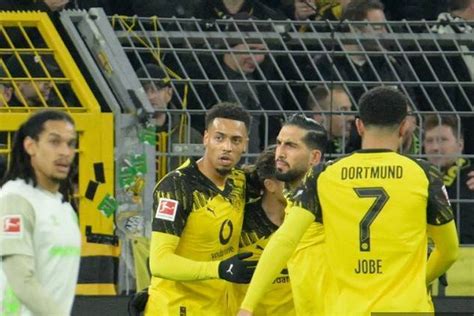
The atmosphere during matches is perhaps the most photographed aspect of Signal Iduna Park. The energy of a live game, particularly when Borussia Dortmund is playing, is unparalleled. The synchronized chants, the sea of flags, and the flares that occasionally light up the stands create a sensory overload that photographers aim to freeze in time. These moments are not just about capturing the action on the pitch but also about documenting the human stories in the stands—the joy of a goal, the tension of a close match, or the camaraderie among fans. For many, these photographs are not just images but windows into the soul of football fandom.
From a technical perspective, photographing Signal Iduna Park presents both opportunities and challenges. The vastness of the stadium requires a keen understanding of perspective and scale. Wide-angle lenses are often used to capture the sheer size of the venue, while telephoto lenses allow for detailed shots of individual fans or players. Lighting is another critical factor, as the stadium’s design allows for dramatic contrasts between natural daylight and artificial illumination. Photographers must also contend with the movement of crowds and the fast pace of events during matches, which demand both technical skill and an intuitive sense of timing.
Signal Iduna Park’s popularity as a photography subject is also tied to its role in popular culture. The stadium has been featured in documentaries, sports broadcasts, and even music videos, further cementing its status as a visual icon. This exposure has inspired both amateur and professional photographers to seek out unique angles and interpretations of the venue. Some focus on the architectural grandeur, while others delve into the human stories that unfold within its walls. This multi-faceted appeal ensures that Signal Iduna Park remains a perennial favorite for those looking to explore the intersection of sports, art, and history through the lens of a camera.
In conclusion, Signal Iduna Park is not just a venue for football matches; it is a living, breathing entity that embodies the spirit of its city and its people. Its rich history, architectural brilliance, and cultural significance make it a compelling subject for photography. Whether one is drawn to the electric energy of a match day, the stark beauty of its design, or the stories woven into its fabric, the stadium offers a wealth of opportunities for visual storytelling. For photographers, it is a place where every frame tells a story—a story of passion, community, and the unyielding allure of the beautiful game.
Why Signal Iduna Park is Photogenic
Signal Iduna Park, home to Borussia Dortmund, is not just a football stadium—it is a visual and cultural spectacle that offers photographers a rich tapestry of opportunities. Its unique blend of architectural ingenuity, dynamic atmosphere, and deep-rooted cultural significance makes it a location that stands out in the world of photography. Whether capturing the energy of a match day or the quiet majesty of the structure under a setting sun, Signal Iduna Park is a photographer's dream.
One of the most striking features of Signal Iduna Park is its distinctive architectural design. Built in 1974 and renovated multiple times to accommodate modern demands, the stadium boasts a sweeping roof structure that arches over the stands like a protective canopy. This roof, supported by a network of steel trusses, not only serves a functional purpose by shielding fans from the elements but also creates a dramatic visual contrast against the sky. Photographers can experiment with silhouettes during sunset or sunrise, emphasizing the interplay of light and shadow cast by the roof's geometry. The roof's partially open design allows for natural light to filter into the stadium, illuminating the pitch in a way that enhances the vibrancy of the green grass and the players' colorful kits. This interplay of light and space offers endless compositional possibilities for both amateur and professional photographers.
Another architectural marvel is the Yellow Wall, officially known as the Südtribüne, which is Europe's largest free-standing grandstand. This colossal structure can hold over 25,000 standing fans, creating a sea of yellow and black that is visually arresting. From a photography perspective, the Yellow Wall is a symbol of unity and passion. Capturing the synchronized movements of fans waving flags, chanting, or celebrating a goal provides a sense of kinetic energy that is hard to replicate in other locations. The sheer scale of the stand, when photographed from a distance or at an elevated angle, can give a sense of grandeur that emphasizes the communal spirit of the space. For photographers interested in human interest shots, close-ups of individual fans amidst this vast crowd can tell personal stories within the larger narrative of the stadium's atmosphere.
The vibrant atmosphere of Signal Iduna Park is another reason it is so photogenic. On match days, the stadium comes alive with a cacophony of sounds and colors. The sea of Dortmund supporters dressed in the club's signature yellow and black creates a visually cohesive palette that photographers can use to their advantage. The flares, banners, and choreographed displays organized by fans add an element of dynamic motion to the frame. These elements are particularly compelling when captured in long-exposure shots, where the movement of flags or the trails of flares can be rendered as streaks of light against the darker backdrop of the stands. Additionally, the emotional intensity of fans—whether in moments of elation after a goal or despair after a loss—provides a rich emotional depth to photographs. Such moments are not just about sports but about the human experience of joy, camaraderie, and resilience, making the photographs resonate beyond the realm of football.
Culturally, Signal Iduna Park holds a special place in the heart of Dortmund and Germany as a whole. The stadium is more than a venue; it is a symbol of local pride and identity. Dortmund is a city with a strong industrial heritage, and the stadium serves as a modern emblem of the city's resilience and transformation. Photographers interested in cultural storytelling can explore how the stadium fits into the urban landscape of Dortmund. For instance, capturing the stadium from afar with the city's skyline or industrial areas in the background can emphasize its role as a beacon of community and progress. The juxtaposition of the modern stadium against the remnants of Dortmund's industrial past offers a visual metaphor for the city's evolution. This cultural layer adds depth to photography projects, transforming a simple stadium shot into a narrative-rich image.
The integration of modern lighting technology within the stadium also enhances its photogenic qualities. Signal Iduna Park features a state-of-the-art LED lighting system that can bathe the stadium in a variety of colors during evening events. This feature allows photographers to experiment with color theory in their compositions. For example, capturing the stadium illuminated in yellow during a night game can create a harmonious color scheme when paired with the fans' attire. Alternatively, using the stadium's lighting as a backdrop for portraits or silhouettes can produce ethereal and moody images that stand out in a portfolio.
From a technical perspective, the stadium's layout offers photographers a range of angles and perspectives to explore. The open design of the stands allows for wide-angle shots that encompass both the pitch and the crowd, while the proximity of the seats to the field provides opportunities for close-up action shots of players in motion. For those interested in aerial photography, drones can be used (with proper permissions) to capture the stadium in its entirety, highlighting its symmetrical design and how it fits within the surrounding urban environment. Moreover, the stadium's outer façade, with its sleek, modern lines and occasional splashes of yellow, offers a clean and minimalist subject for architectural photography.
Signal Iduna Park is also a location where seasonal variation adds to its photogenic appeal. In winter, the stadium can be photographed under a blanket of snow, creating a contrast between the cold, white landscape and the warmth of the stadium lights. In summer, the lush green of the pitch and the clear blue skies provide a fresh and vibrant aesthetic. These seasonal changes allow photographers to return to the location multiple times and capture it in entirely new ways, ensuring that no two visits yield the same results.
Finally, the symbolism of the stadium as a gathering place for people from diverse backgrounds cannot be overlooked. It is a space where global fans converge, united by their love for football and the shared experience of being part of something larger than themselves. Photographers can use this as an opportunity to explore themes of unity and diversity. For instance, capturing fans from different countries wearing their national colors alongside Dortmund supporters illustrates how the stadium serves as a melting pot of cultures.
In conclusion, Signal Iduna Park is photogenic not just because of its physical attributes but because of the stories it tells. Its architectural brilliance, the palpable energy of its atmosphere, and its cultural and historical significance combine to create a location that is as dynamic as it is beautiful. Whether you are a sports photographer, an architectural enthusiast, or a visual storyteller, the stadium offers a rich and layered subject that can inspire creativity and produce images that are both technically impressive and emotionally resonant.
Essential Equipment for Stadium Photography
Capturing the grandeur of Signal Iduna Park—home of Borussia Dortmund and one of Europe's most iconic football stadiums—requires more than just a keen eye for composition. Stadium photography, especially in such a dynamic and expansive environment, demands specialized equipment to ensure the images are sharp, vibrant, and capable of conveying the electric atmosphere. Below, we delve into the recommended cameras, lenses, tripods, and accessories that can elevate your stadium photography to professional standards.
Cameras: Choosing the Right Tool for the Job
The choice of camera is the foundation of your setup. For stadium photography, you need a device capable of handling low-light conditions, fast-moving subjects, and wide dynamic ranges. Here are the top recommendations:
- Full-Frame DSLR or Mirrorless Cameras: Cameras like the Canon EOS R5 or Sony A7 IV are excellent choices. Their full-frame sensors provide superior low-light performance, which is critical when shooting evening matches or indoor events. These cameras also offer high dynamic range (HDR) capabilities, allowing you to capture the bright floodlights against the darker stands without losing detail.
- High-Speed Autofocus Systems: Stadiums are full of movement—players running, fans cheering, and flags waving. Cameras with advanced autofocus (AF) systems, such as Nikon's Z9 with its 493-point AF, ensure you can track subjects with precision. This is particularly useful when trying to capture a player mid-celebration or fans in the stands.
- High ISO Performance: Look for cameras that handle high ISO settings well, such as the Fujifilm X-H2S. This feature is essential for maintaining image quality when light is scarce, as it allows you to shoot at faster shutter speeds to freeze motion without excessive noise.
Lenses: The Key to Versatility and Detail
Lenses are arguably more important than the camera body itself when it comes to stadium photography. They determine how much of the scene you can capture and how much detail you can preserve. Here's what to consider:
- Wide-Angle Lenses for Atmosphere: A wide-angle lens, such as the Canon EF 16-35mm f/2.8L III or Nikon 14-24mm f/2.8, is perfect for capturing the vastness of the stadium. Use this to frame the entire pitch, the sea of yellow seats, or the sweeping architecture of Signal Iduna Park’s iconic “Yellow Wall” (the Südtribüne). These lenses are also great for environmental portraits of fans or wide shots of pre-game rituals.
- Telephoto Lenses for Action Shots: To zoom in on players or specific sections of the crowd, a telephoto lens is indispensable. The Sigma 150-600mm f/5-6.3 or Canon RF 100-500mm are excellent options. These lenses allow you to isolate subjects from afar, whether it’s a striker taking a shot or a group of supporters celebrating a goal. A long focal length also compresses the scene, making the stadium feel even more expansive in your frame.
- Fast Prime Lenses for Low Light: If you’re focusing on detailed shots of the stadium’s features—like its illuminated signage or close-ups of the pitch—a fast prime lens like the Sony FE 85mm f/1.4 GM can provide stunning clarity. The wide aperture (e.g., f/1.4 or f/1.8) allows more light into the sensor, making it ideal for dusk or indoor shots without a tripod.
Tripods and Monopods: Stability in a Crowded Environment
While handheld shooting is often necessary for dynamic moments, stability is crucial for certain types of stadium photography. Here's why tripods and monopods are essential:
- Tripods for Stability and Precision: A sturdy tripod like the Manfrotto MT055XPRO3 is ideal for long-exposure shots, such as capturing the motion blur of fans or the light trails of vehicles outside the stadium. It can also be used for panoramic shots, where precise alignment is necessary to stitch images seamlessly in post-processing.
- Monopods for Mobility: In a packed stadium, a monopod offers a balance between stability and mobility. The Gitzo GM5541 is lightweight yet robust, making it easy to move between locations while providing enough support for heavy telephoto lenses. This is particularly useful during matches where you need to shift positions quickly to follow the action.
One unique tip is to use a tripod with a gimbal head, such as the Wimberley WH-200. This setup is typically used for wildlife photography but works wonders in stadiums, allowing smooth panning to track players or capture sweeping views of the crowd.

Accessories: Enhancing Your Toolkit
Accessories can make or break your stadium photography experience. Here are some must-haves:
- Neutral Density (ND) Filters: When shooting in bright daylight or under powerful floodlights, an ND filter like the Hoya PROND64 can help you maintain proper exposure while using a wide aperture for creative depth of field effects. This is particularly useful for isolating a player against a blurred crowd background.
- Remote Shutter Release: A remote trigger, such as the Pixel TW-283, is invaluable for long-exposure shots or when you want to minimize camera shake during tripod use. This is especially helpful when capturing time-lapse sequences of the stadium filling up or emptying.
- External Flash with Diffuser: While natural light and stadium lighting are usually sufficient, an external flash like the Godox V860III with a diffuser can add fill light for close-up shots of fans or details in darker areas of the stands. Be cautious, though—overuse of flash can disrupt the natural ambiance.
- Weather Protection Gear: Signal Iduna Park is an open-air stadium, so weather can be unpredictable. Invest in a rain cover like the Think Tank Photo Hydrophobia to protect your gear during unexpected showers. This is especially important if you’re shooting during winter matches or late-season games.
Unique Insights for Signal Iduna Park
Signal Iduna Park presents some unique challenges and opportunities. Its massive capacity of over 81,000 means that crowd shots are as integral to the story as the action on the pitch. To truly capture the essence of the stadium, consider the following:
- Focus on the “Yellow Wall”: The Südtribüne is one of the largest standing terraces in Europe. Use a wide-angle lens to emphasize its scale, and experiment with perspective by shooting from a low angle to make the crowd appear even more imposing.
- Dynamic Lighting Conditions: The interplay of artificial floodlights and natural dusk light can create dramatic effects. Experiment with silhouettes of players against the bright lights or use backlighting to emphasize the texture of the grass and the movement of the ball.
- Fan Interaction Shots: Don’t just focus on the players. Use a mid-range zoom lens (e.g., Tamron 28-75mm f/2.8) to capture candid moments of fans—their painted faces, waving flags, or emotional reactions to the game. These human elements add depth to your portfolio.
Finally, post-processing tools like Adobe Lightroom or Capture One can help you enhance the vibrancy of the stadium’s colors—particularly the iconic yellow and black of Borussia Dortmund. However, the quality of your raw images will largely depend on the equipment you choose.
In conclusion, the right combination of cameras, lenses, tripods, and accessories can transform your Signal Iduna Park photography from amateur snapshots to professional-grade imagery. Investing in high-quality gear tailored to the stadium's unique environment ensures that every shot tells a compelling story of this legendary venue.
Best Times to Photograph Signal Iduna Park
Photographing Signal Iduna Park, the iconic home of Borussia Dortmund, offers a blend of architectural grandeur and vibrant energy that can be both a challenge and a delight for photographers. To capture this stadium in its best light—literally and figuratively—it is essential to understand how **lighting conditions**, **match days**, and **seasonal changes** shape the opportunities for compelling imagery. Each of these factors interacts dynamically with the environment, influencing not only the aesthetic appeal of photos but also the logistical feasibility of shooting.
Let us begin with **lighting conditions**, which are perhaps the most critical aspect of photography at Signal Iduna Park. The stadium's design features a mix of open and semi-enclosed spaces, with its sweeping yellow stands and the interplay of artificial and natural light. During the **golden hour**—the period shortly after sunrise or before sunset—the low angle of sunlight bathes the stadium in a warm, golden glow. This time of day is particularly advantageous for capturing the intricate textures of the stadium's facade, the undulating patterns of the seats, and the surrounding urban landscape. The yellow and black color palette of the stadium resonates beautifully with the soft, diffused light of these hours, creating a visually cohesive and dynamic image. However, this window of opportunity is brief, often lasting only 20-30 minutes, so photographers must plan their visits meticulously.
In contrast, **midday lighting** can present challenges due to harsh shadows and high contrast. The open design of the stadium means that direct sunlight can create stark contrasts between illuminated and shaded areas, particularly on clear days. While this can be used creatively to emphasize depth and dimension, it often requires post-processing to balance exposure. For those seeking a more even light, **overcast days** can be surprisingly beneficial. The diffused light of a cloudy sky reduces harsh shadows and provides a neutral backdrop that allows the stadium's vibrant colors to pop without the risk of overexposure. This is particularly useful for detail shots, such as close-ups of the famous "Yellow Wall" or the intricate patterns of the pitch.
Another dimension of lighting to consider is the **artificial illumination** during evening matches or nighttime events. Signal Iduna Park is equipped with powerful floodlights that cast a dramatic glow across the field and stands. This lighting can be used to create striking, high-contrast images that emphasize the energy and dynamism of the space. However, photographers must be mindful of the direction of these lights, as they can create lens flares or underexposed areas if not accounted for in composition. Using a tripod and experimenting with long exposures can help balance the brightness of the floodlights with the darker surroundings, yielding a more balanced and atmospheric shot.
The impact of **match days** on photography at Signal Iduna Park cannot be overstated. On these days, the stadium transforms into a hub of activity, teeming with fans, flags, and the palpable energy of a live event. While this presents unique opportunities to capture the essence of the venue in its most animated state, it also introduces logistical challenges. For instance, the sheer volume of people can make it difficult to find clear sightlines for unobstructed shots. Photographers aiming for wide-angle views of the stands or the pitch may need to arrive well before the crowd gathers or stay after the event concludes to capture the stadium in a more serene state. Additionally, the presence of security restrictions on match days can limit access to certain areas, so it is wise to research permissions and designated photography zones in advance.
That said, match days offer unparalleled opportunities for candid photography. The sea of yellow and black jerseys, the synchronized chants of the crowd, and the dramatic moments of player entrances or goal celebrations can all be captured to tell a story of the stadium's role as a communal space. Using a fast lens and high shutter speed can help freeze these dynamic moments, while a slower shutter speed can blur motion to convey the energy and movement of the crowd. Experimentation with these techniques can yield images that are both visually striking and emotionally resonant.
Seasonal changes also play a significant role in shaping photo opportunities at Signal Iduna Park. **Winter photography**, for instance, can be both a challenge and an opportunity. The shorter days and lower sun angles during winter months extend the golden hour, providing more time to work with soft, warm light. However, the colder temperatures and potential for snow or frost can add an extra layer of complexity to shooting. Snow-covered stands or a frost-kissed pitch can create a magical, almost ethereal quality in photos, but photographers must be prepared with appropriate gear to withstand the cold and protect their equipment. Moreover, the reduced daylight hours mean less flexibility in scheduling shoots, so advance planning is crucial.
In **spring and autumn**, the changing foliage in the surrounding areas can add a new dimension to photographs. The contrast between the vibrant greens of spring or the fiery oranges and reds of autumn against the stadium's bold yellow and black palette can create visually compelling compositions. These seasons also tend to have more moderate weather, making outdoor shoots more comfortable and predictable. However, spring can bring rain, which may require waterproof equipment or creative use of reflections and puddles to add interest to images.
Summer, on the other hand, often provides the most consistent light for photography, with longer days and a higher likelihood of clear skies. This season is ideal for capturing the stadium in its full glory under bright, even sunlight. However, the heat and potential for glare, particularly on the glass and metal elements of the stadium, can pose challenges. Using polarizing filters can help reduce glare and enhance the vibrancy of colors in summer shots. Additionally, the off-season lack of matches means fewer crowds, offering photographers greater freedom to explore the space without obstruction.
To maximize the potential of **seasonal photography**, it is worth considering how the surrounding urban and natural environment interacts with the stadium. For example, capturing Signal Iduna Park framed by autumnal trees or juxtaposed against a snowy cityscape can add context and depth to the image, transforming it from a simple stadium shot into a narrative of place and time.
In summary, the best times to photograph Signal Iduna Park depend on a nuanced understanding of how **lighting**, **match-day dynamics**, and **seasonal variations** influence the visual and practical aspects of photography. Whether it is the warm embrace of the golden hour, the electric atmosphere of a match day, or the seasonal interplay of light and landscape, each factor offers unique opportunities and challenges. By planning meticulously, adapting to the conditions, and experimenting with techniques, photographers can create images that not only showcase the beauty of the stadium but also tell a richer story of its role in the life of Dortmund and its fans.
Techniques for Capturing Dynamic Shots
Capturing dynamic shots of Signal Iduna Park, one of the most iconic football stadiums in the world, requires a blend of technical skill, creative vision, and the ability to adapt to the fast-paced environment of a live event. Whether you are photographing the roaring crowd, the players in motion, or the architectural grandeur of the stadium, the challenge lies in translating the energy and emotion of the scene into a still image. This section delves into specific techniques that can help you achieve compelling results, focusing on composition, angles, motion blur for crowd shots, and the use of drones for aerial perspectives.
Composition: Framing the Action Composition is the foundation of any great photograph, and at Signal Iduna Park, the sheer scale of the venue and the variety of subjects offer endless opportunities. A key principle to remember is the rule of thirds. Imagine dividing your frame into nine equal parts with two equally spaced horizontal and vertical lines. Positioning key elements—such as the goalposts, a group of cheering fans, or a player mid-celebration—along these lines or at their intersections can create a more balanced and engaging image. For crowd shots, consider using the rows of seats or the curved architecture of the stands as leading lines that draw the viewer’s eye into the scene. Additionally, look for contrasts: the vibrant yellow of Borussia Dortmund’s jerseys against the green of the pitch or the stark lighting of floodlights against the dusk sky can add depth and drama to your composition.
Another compositional tool is framing. Use elements within the stadium, such as the arches of the roof or the silhouettes of fans in the foreground, to frame your primary subject. This technique not only adds context but also creates a sense of place, emphasizing the unique atmosphere of Signal Iduna Park. For instance, capturing a shot of the “Yellow Wall” (the stadium's famous South Stand) through the frame of a player’s celebratory jump can encapsulate both the individual and collective energy of the moment.
Angles: Changing Perspectives for Impact The angle from which you shoot can dramatically alter the narrative of your photograph. While standard eye-level shots are useful for documenting events, experimenting with different angles can yield more dynamic and memorable results. For crowd shots, try shooting from a low angle to emphasize the scale of the audience. This approach can make the sea of fans appear even more imposing and energetic, especially when combined with wide-angle lenses that capture the expanse of the stands. Conversely, shooting from an elevated position, such as from the upper tiers of the stadium, can provide a panoramic view of the action, showing the interplay between the crowd, the pitch, and the surrounding architecture.
When photographing players or key moments on the field, consider using a high angle to capture the patterns of movement on the pitch. This perspective can reveal the tactical formations of the teams or the flow of the game in a way that a ground-level shot cannot. For example, a bird’s-eye view of a corner kick setup can highlight the strategic clustering of players, adding a layer of insight to the visual story.
Motion Blur: Conveying Energy in Crowd Shots One of the most challenging yet rewarding aspects of photographing Signal Iduna Park is capturing the motion and energy of the crowd. A static image of fans can fail to convey the electric atmosphere of a match day. This is where motion blur becomes a powerful tool. By using a slower shutter speed (e.g., 1/30s to 1/60s), you can introduce a sense of movement into your images. For example, panning the camera along with a group of jumping fans while using a slow shutter speed can create a sharp subject (a single fan or a group) against a blurred background, emphasizing their energy and motion. This technique works particularly well during goal celebrations or chants, where the collective movement of the crowd is at its peak.
However, motion blur requires practice and precision. To avoid an overly blurry image, use a tripod or monopod to stabilize your camera while panning. Alternatively, consider using rear curtain sync flash, where the flash fires at the end of the exposure. This technique freezes the subject at the end of the motion trail, creating a sharp subject with a blurred trail that conveys both energy and clarity. For instance, a shot of fans waving scarves in unison with a trailing motion blur can symbolize the unity and passion of the crowd.
Using Drones for Aerial Perspectives Drones have revolutionized sports photography by offering perspectives that were once impossible or prohibitively expensive to achieve. At Signal Iduna Park, drones can be used to capture stunning aerial shots that showcase the stadium’s unique features, such as its symmetrical design, the sea of yellow in the stands, or the geometric patterns of the pitch. However, using drones effectively requires careful planning and adherence to regulations.
Before deploying a drone, ensure you are aware of the local drone laws and any restrictions imposed by the stadium management. For instance, you may need permission to fly over crowded areas or during live events. Once cleared, focus on capturing moments that highlight the stadium’s scale and energy. A top-down shot of the “Yellow Wall” in full voice, with its undulating sea of fans, can be a striking image that emphasizes the communal spirit of the venue. Similarly, an aerial shot of the stadium at twilight, with the glow of the floodlights contrasting against the darkening sky, can evoke a sense of grandeur and spectacle.
When using drones, pay attention to composition from above. Look for patterns and symmetry in the stadium layout—such as the arrangement of seats, the curves of the stands, or the contrast between lit and unlit areas. Experiment with altitude and angle: a slightly tilted drone camera can create a more dynamic perspective compared to a purely vertical shot. Additionally, consider timing your drone photography to coincide with key moments, such as the pre-match build-up or the post-match celebrations, when the energy of the crowd is at its most visible from above.
One advanced technique is to use drone timelapse or hyperlapse photography. By capturing a sequence of aerial images over a period of time—such as the stadium filling up with fans or emptying post-match—you can create a dynamic visual story that illustrates the ebb and flow of the event. This approach requires post-processing but can result in a unique portrayal of Signal Iduna Park’s vibrancy.
In summary, capturing dynamic shots of Signal Iduna Park involves a mix of technical precision and creative experimentation. Composition helps frame the action meaningfully, angles provide fresh perspectives, motion blur conveys the energy of the crowd, and drones unlock aerial views that add a new dimension to your storytelling. By mastering these techniques, you can produce images that not only document the event but also evoke the passion and spectacle that make Signal Iduna Park a legendary venue.
Legal and Ethical Considerations
When discussing the topic of "signal iduna park photos," it is essential to address the legal and ethical considerations that govern the act of capturing and sharing images of this iconic stadium. Signal Iduna Park, located in Dortmund, Germany, is not just a sports venue but also a space imbued with cultural, commercial, and personal significance. Whether you are a professional photographer, a fan taking casual snapshots, or a content creator aiming to use these images for commercial purposes, understanding the nuances of permissions, copyright, and respectful practices is critical to avoid legal pitfalls and maintain ethical integrity.
One of the first considerations when photographing Signal Iduna Park is the **question of permissions**. The stadium is both a public gathering space during events and a privately managed property. During football matches or other events, the management of Borussia Dortmund or the stadium authority may impose specific rules regarding photography. These rules can vary depending on the nature of the event. For instance, amateur photography for personal use is generally allowed in most public venues, but this permission often comes with limitations. Using professional-grade equipment, such as tripods or large lenses, might require explicit consent from the venue management. This is because such equipment can obstruct the view of other attendees or imply commercial intent, which might fall outside the scope of a standard ticket holder's rights.
For **commercial photography**, the stakes are higher. If you intend to use photos of Signal Iduna Park for advertising, merchandise, or any revenue-generating purpose, you must secure written permission from the stadium authorities. This is because the stadium itself, as a branded entity, holds intellectual property rights. The name "Signal Iduna Park," its distinctive yellow wall of supporters, and even specific architectural features are protected under trademark and copyright laws. Unauthorized commercial use of such imagery can lead to legal action, including cease-and-desist orders or financial penalties. Therefore, it is prudent for photographers or organizations to contact the stadium's media or legal team well in advance to discuss usage rights and any associated fees. This step not only ensures compliance with the law but also fosters a professional relationship with the venue.
Another layer of complexity arises when considering **copyright issues related to the subjects within the photos**. During events, the stadium is filled with people—fans, players, staff, and even security personnel. While public spaces often allow for the incidental inclusion of individuals in photographs, this is not a blanket permission. In Germany, as in many other countries, individuals have rights over their own image. This means that if a person is prominently featured in a photograph, especially in a way that could be considered identifiable or intrusive, you may need their consent before publishing or sharing the image. This is particularly relevant for close-up shots or images that focus on individual expressions or actions. For instance, capturing a fan mid-celebration might be a compelling shot, but sharing it without their permission could infringe on their privacy rights. In sensitive cases, such as photographing minors, the bar for consent is even higher, often requiring parental or guardian approval.
Respectful photography practices extend beyond legal compliance to encompass **ethical considerations**. When taking photos in a space like Signal Iduna Park, it is important to be mindful of the atmosphere and the expectations of those around you. For example, during a high-energy football match, fans are there to enjoy the game, not to be subjects of intrusive photography. Using flash photography in such settings can be disruptive and is often frowned upon. Similarly, photographing individuals in moments of vulnerability—such as frustration after a lost goal or physical exhaustion—can feel exploitative if not handled with care. A good practice is to adopt a "fly on the wall" approach, capturing candid moments without interfering with the natural flow of events. This not only respects the subjects but also often results in more authentic and compelling imagery.
In addition to human subjects, there is the matter of **respect for the space itself**. Signal Iduna Park is a venue steeped in history and pride, particularly for Borussia Dortmund fans. Photographers should avoid actions that could be seen as disrespectful or exploitative of the stadium's legacy. For example, using the venue's imagery to create satirical or derogatory content could alienate the fanbase and damage reputations. On the other hand, highlighting the stadium's beauty, energy, and cultural significance in a positive light can enhance its reputation and foster goodwill among fans and stakeholders.
The advent of **social media and digital sharing platforms** adds another dimension to the ethical landscape. With the ease of uploading and sharing photos online, photographers must consider how their images might be used or interpreted once they leave their control. Even if a photo is taken for personal use, sharing it on platforms like Instagram or Twitter can inadvertently lead to commercial exploitation by third parties. For instance, a striking photo of Signal Iduna Park might be reposted by brands or used in advertising without the photographer's consent. To protect their work, photographers should consider adding watermarks or metadata to their images and specifying usage terms in their social media posts. Conversely, photographers must also be cautious about inadvertently infringing on the copyrights of others. For example, re-sharing a professional photographer's image of the stadium without attribution or permission could lead to accusations of intellectual property theft.
It is also worth noting the **grey areas in public versus private space dynamics** within the stadium. While the stands and general areas might be considered public during events, certain parts of the stadium—such as locker rooms, VIP lounges, or restricted access zones—are unequivocally private. Photographing these areas without explicit permission is not only a breach of trust but can also result in trespassing charges or legal action. Even within public spaces, photographers should be aware of the **context of their images**. For example, capturing security personnel in a way that could compromise their safety or the stadium's operational integrity is an ethical misstep. This consideration also extends to the **timing of photography**. During non-event hours, the stadium might be closed to the public, and any photography taken during such times would require prior arrangement with the management.
Finally, photographers should be aware of the **cultural and community sensitivities** associated with Signal Iduna Park. The stadium is more than a structure; it is a symbol of local identity and collective memory for Dortmund residents and football fans worldwide. Photographers who approach the space with an understanding of its emotional resonance are more likely to produce work that is both legally sound and ethically thoughtful. This might mean engaging with the local community to understand what aspects of the stadium are most cherished or avoiding angles and compositions that could be perceived as misrepresenting its character.
In summary, the act of photographing Signal Iduna Park involves navigating a complex web of legal, ethical, and practical considerations. From securing permissions for commercial use to respecting the privacy and dignity of individuals, photographers must operate with both awareness and intention. By doing so, they can not only avoid legal complications but also contribute positively to the representation of this beloved venue. Whether you are capturing the roar of the crowd, the architectural grandeur of the stadium, or the quiet moments between events, adhering to these principles ensures that your work honors both the subject and the broader community it represents.
Post-Processing Tips for Stadium Photos
Stadium photography, especially when capturing iconic venues like Signal Iduna Park, presents unique challenges and opportunities. The grandeur of the architecture, the vibrant energy of the crowd, and the dynamic lighting conditions demand thoughtful post-processing to truly bring the imagery to life. In this section, we will explore advanced post-processing techniques tailored specifically for stadium photos, focusing on the use of editing tools, color grading, and methods to enhance vibrancy while maintaining authenticity.
The first step in post-processing stadium photos is to use **professional editing tools** that provide granular control over adjustments. Software like **Adobe Lightroom**, **Capture One**, and **Photoshop** are industry standards for this purpose. Each of these tools offers features that can be leveraged to address specific aspects of stadium imagery. For instance, Lightroom's **gradient filters** are particularly useful for balancing exposure in areas where the bright floodlights contrast sharply with darker seating sections. Similarly, Capture One excels in **color accuracy**, making it an excellent choice when working with the nuanced hues of team jerseys or the vibrant greens of the pitch.
When working with **color grading**, it is essential to consider the mood you want to convey. Stadium photos often aim to capture the **electric atmosphere** of a match day. To achieve this, start by analyzing the color temperature of your image. Floodlights in stadiums typically emit a cooler, bluish light, which can make the scene feel sterile if left unadjusted. To counter this, use the **white balance tool** to introduce warmth into the image. A slight nudge towards the yellow spectrum can make the scene feel more inviting without losing the natural stadium ambiance. For example, in a photo of Signal Iduna Park during a night game, increasing the **temperature slider** to around 5200–5500K can help bring out the golden tones of the lights while preserving the natural contrast.
Another powerful technique in color grading is the use of **HSL (Hue, Saturation, Luminance) adjustments**. This feature allows you to target specific colors in the image for fine-tuning. For instance, the **yellow of the stadium seats** or the **green of the pitch** can be enhanced to draw the viewer's eye to these focal points. In a crowded stadium shot, slightly increasing the **saturation of yellows and greens** can make the image pop without appearing over-processed. However, exercise caution—over-saturating colors can lead to an artificial look. A good rule of thumb is to increase saturation by no more than 10–15% for natural results. If the photo includes team colors, ensure they are accurately represented, as fans often associate these hues with their emotional connection to the team.
Enhancing the **vibrancy** of stadium imagery requires a balance between global and local adjustments. One advanced method is to use **luminosity masks** in Photoshop to target bright areas of the image, such as the illuminated pitch or the crowd, and boost their vibrancy selectively. Luminosity masks allow you to increase contrast and color intensity in specific tonal ranges without affecting shadowed areas. For example, if the crowd appears somewhat muted in the original photo, you can create a **brightness mask** for midtones and selectively increase the vibrancy of those areas. This ensures that the energy of the fans is visually emphasized without overexposing other parts of the image.
Lighting in stadiums can vary dramatically depending on the time of day and the event. Night games often feature **artificial lighting** that can cast harsh shadows or create color casts. To address this, consider using **dehaze tools** in Lightroom or similar software. The dehaze slider can help reduce the foggy or washed-out effect caused by artificial lights, particularly in wide-angle shots of the entire stadium. However, use this tool sparingly, as over-application can darken the image unnaturally. Pair this with a **clarity adjustment** to bring out the details in the crowd or the stadium's architectural features.
Another critical aspect of post-processing is **noise reduction**, especially for low-light stadium photos. High ISO settings are often necessary to capture the action in dimly lit conditions, but this can result in visible grain. Tools like Lightroom's **noise reduction slider** or third-party plugins such as **Topaz DeNoise AI** can effectively smooth out noise while retaining sharpness. When applying noise reduction, focus on preserving the detail in key areas like player faces, the texture of the grass, or the unique patterns of the stadium seats. A common mistake is to overdo noise reduction, which can result in an overly smooth, unnatural appearance. A balance between noise control and detail retention is crucial.
For **dynamic range enhancement**, consider using **HDR (High Dynamic Range) techniques** if you have bracketed exposures of the same scene. This is particularly useful for stadium photos where parts of the image are brightly lit (e.g., the pitch under floodlights) while others are in deep shadow (e.g., the upper tiers of the stands). HDR processing can combine multiple exposures to create a balanced image that showcases both the highlights and shadows. However, avoid the temptation to push HDR effects too far, as this can result in an over-processed, surreal look. Instead, aim for a natural blend that enhances the scene’s depth without losing its realism.
In addition to color and lighting adjustments, **perspective correction** is often necessary for stadium photos. Wide-angle lenses used to capture the vastness of the venue can introduce **distortion**, particularly around the edges of the frame. Use the **lens correction tool** in your editing software to straighten lines and ensure the stadium's architecture appears proportionate. This is especially important for photos that include prominent features like the iconic **Yellow Wall** at Signal Iduna Park, where maintaining the perspective of the stand's steep incline is essential to the image's impact.
Finally, consider the role of **creative effects** in post-processing. While realism is often the goal for stadium photography, subtle artistic touches can elevate the image. For example, applying a **slight vignette** can draw the viewer’s attention toward the center of the frame, emphasizing the action on the pitch or the energy of the crowd. Alternatively, a **graduated filter** can be used to darken the sky above the stadium, adding drama to a sunset shot or emphasizing the contrast between the bright field and the surrounding environment.
Here are some **practical tips** to keep in mind during post-processing:
- Shoot in RAW format whenever possible. RAW files retain more data, giving you greater flexibility in post-processing compared to JPEG images.
- Work non-destructively by using adjustment layers in Photoshop or virtual copies in Lightroom. This allows you to experiment with different looks without permanently altering the original file.
- Pay attention to details like the sharpness of player movements or the texture of the grass. Small enhancements in these areas can make a significant difference in the final image.
- Test multiple exports at different resolutions. Stadium photos are often used for both digital platforms and large-format prints, so ensuring the image looks good across various mediums is crucial.
In conclusion, post-processing stadium photos is both a technical and artistic endeavor. By leveraging advanced tools, thoughtful color grading, and targeted adjustments, you can transform a good photo of Signal Iduna Park into a visually stunning representation of its energy and grandeur. Whether you aim to capture the roar of the crowd, the brilliance of the lights, or the intricate details of the architecture, these techniques will help you craft images that resonate with viewers and honor the spirit of the venue.
Showcasing Signal Iduna Park Photos Online
Signal Iduna Park, home to Borussia Dortmund, is one of the most iconic football stadiums in the world. Its electrifying atmosphere, yellow wall of passionate fans, and striking architecture make it a photographer’s dream. However, simply taking photos of this legendary venue is not enough to stand out online. To truly showcase Signal Iduna Park photos on social media, you need to optimize them for maximum impact, craft engaging captions that resonate with your audience, and use hashtags effectively to reach the right people. This section delves into these critical aspects with actionable insights tailored for social media success.
The first step in optimizing photos of Signal Iduna Park for social media is ensuring they are of the **highest quality** while being appropriately formatted for each platform. Different social media platforms have unique image size and resolution requirements. For instance, Instagram favors square or vertical images (1080 x 1080 pixels or 1080 x 1350 pixels), while Twitter and Facebook perform better with horizontal images (1200 x 628 pixels). To cater to these requirements, use photo editing tools like Adobe Lightroom, Canva, or even free alternatives such as GIMP to crop and resize your images without compromising their quality. It is also worth noting that overly compressed images can lose detail, so export your photos in a high-quality JPEG or PNG format to retain clarity, especially when zoomed in on mobile devices where most users view content.
Another technical aspect of photo optimization is **color grading and editing**. Photos of Signal Iduna Park often feature vibrant yellow and black hues, mirroring Borussia Dortmund's iconic color scheme. Enhancing these colors subtly can make your images pop without appearing oversaturated. Tools like the HSL (Hue, Saturation, Luminance) panel in Lightroom can help you fine-tune yellows to appear more dynamic while keeping other elements, such as the green of the pitch or the blue of the sky, balanced. Additionally, consider using **filters or presets** that align with your brand’s aesthetic. Consistent editing styles across your posts can create a recognizable visual identity, making your Signal Iduna Park photos stand out in a crowded feed.
Once your photos are optimized technically, the next step is to create **engaging captions** that complement the visual content. A great caption does more than describe the photo; it tells a story, evokes emotion, or invites interaction. For example, instead of writing “Beautiful view of Signal Iduna Park,” you could craft a caption like: “The Yellow Wall roars as the sun sets over Dortmund—a sight that sends chills down the spine of every football fan. Have you experienced this atmosphere live?” This approach not only describes the scene but also connects emotionally with fans and prompts them to share their experiences or opinions in the comments. Including questions in your captions, such as “What’s your favorite memory of Signal Iduna Park?” can further boost engagement by encouraging followers to interact.
When writing captions, **context matters**. If the photo captures a specific event, such as a matchday or a stadium tour, provide details that add value. Mention the teams playing, the scoreline, or even trivia about the stadium, such as its capacity of over 81,000 spectators or its nickname “The Opera House of Football.” These details enrich the post and position you as someone knowledgeable about the subject, which can attract a more dedicated audience. For instance, a caption like “Did you know Signal Iduna Park was originally built for the 1974 World Cup? Here’s a glimpse of its modern-day glory during last night’s match!” combines history with the present, making the post more informative and shareable.
The third critical aspect of showcasing Signal Iduna Park photos online is the effective use of **hashtags**. Hashtags are the bridge between your content and your target audience. On platforms like Instagram and Twitter, they help categorize your posts and make them discoverable to users who are not yet following you. However, using hashtags effectively requires strategy rather than simply piling on popular tags.
Start by identifying **relevant and specific hashtags**. General tags like #football or #stadium might have millions of posts, making it harder for your content to stand out. Instead, use a mix of broad, niche, and location-specific hashtags. For example:
- #SignalIdunaPark – directly targets users interested in the stadium.
- #BorussiaDortmund – connects with fans of the team.
- #GermanFootball – appeals to a broader audience interested in the sport in Germany.
- #FootballPhotography – attracts photography enthusiasts who enjoy sports-related visuals.
- #DortmundViews – leverages location-based hashtags to target local or travel-focused audiences.
Research trending hashtags related to ongoing events or matches. For example, if Borussia Dortmund is playing a high-profile game, hashtags like #BVBMatchday or #ChampionsLeague can help your photos gain traction during the event’s hype. Tools like Hashtagify or RiteTag can suggest popular and relevant hashtags based on your content, saving time while ensuring you use effective tags.
Another pro tip is to include a mix of **branded and community hashtags**. If you are affiliated with Borussia Dortmund or a fan group, using their official hashtags (e.g., #BVBFamily or #HejaBVB) can increase your post’s visibility among dedicated fans. Similarly, creating a unique hashtag for your photography series, such as #MySignalIdunaMoments, can encourage user-generated content if others adopt it, amplifying your reach.
While hashtags are powerful, **avoid overloading your posts**. Instagram allows up to 30 hashtags per post, but research suggests that 10-15 well-chosen hashtags perform better in terms of engagement. Overstuffing your caption with irrelevant hashtags can make your post look spammy and reduce its credibility. Instead, integrate hashtags naturally—either at the end of your caption or as a separate comment immediately after posting.
Beyond hashtags, **timing and audience targeting** play a role in maximizing the reach of your Signal Iduna Park photos. Post during peak times when your audience is most active—typically evenings or weekends for sports-related content. Use analytics tools provided by platforms like Instagram Insights or third-party apps to identify when your followers are most engaged. Pair this with a strategic approach to tagging relevant accounts, such as Borussia Dortmund’s official page or prominent fan accounts, to increase the likelihood of your post being shared or featured.
Lastly, consider incorporating **interactive elements** to keep your audience engaged beyond the initial post. For instance, use Instagram Stories or carousel posts to share a series of Signal Iduna Park photos, perhaps showing different angles of the stadium, close-ups of the crowd, or action shots from a match. Pair these with swipe-up links (if available) to blog posts, match recaps, or even ticket purchase pages to drive traffic and conversions. Interactive captions like polls (“Which view of the stadium do you prefer—day or night?”) or quizzes (“Guess the year this section of the stadium was renovated!”) can further boost engagement.
In summary, showcasing Signal Iduna Park photos online is not just about uploading high-quality images—it’s about presenting them in a way that resonates with your audience and aligns with platform-specific best practices. By optimizing photos for each platform, crafting thoughtful captions that tell a story, and strategically using hashtags, you can elevate your content and ensure it reaches and engages the right audience. This approach not only celebrates the beauty of Signal Iduna Park but also positions you as a creator who understands the art and science of social media storytelling.
Case Studies: Iconic Signal Iduna Park Photos
Signal Iduna Park, home to Borussia Dortmund, is one of the most iconic football stadiums in the world. Its vibrant atmosphere, distinctive architecture, and the legendary "Yellow Wall"—the largest standing terrace in Europe—make it a photographer's dream. However, capturing the essence of this stadium in a photograph requires more than just pointing a camera at its sprawling structure. Famous photos of Signal Iduna Park are not just visually striking but also deeply evocative, capturing moments that resonate with fans and non-fans alike. In this section, we will analyze some of the most iconic photos of the stadium, exploring what makes them stand out and the techniques used to capture them.
One of the most celebrated images of Signal Iduna Park is the panoramic view of the stadium during a night game, with the floodlights casting a luminous glow over the pitch and the stands packed with fans draped in yellow and black. This photo stands out for several reasons. First, the use of light is masterful. The photographer likely used a low ISO setting to avoid noise and a slower shutter speed to capture the ambient light without overexposing the scene. This combination allows the vibrant colors of the crowd and the pitch to pop against the dark sky. The composition is also noteworthy; the photo often uses the rule of thirds, positioning the illuminated stadium slightly off-center to create a sense of dynamism. This framing emphasizes the sheer scale of the venue while drawing the viewer’s eye to the energy of the crowd.
Another iconic photo features the "Yellow Wall" in full voice during a crucial match. This photo often captures the sea of humanity—tens of thousands of fans standing, waving flags, and chanting in unison. What makes this image so compelling is the sense of motion and emotion. To freeze the motion of the flags and the energy of the crowd while maintaining sharpness, photographers typically use a high shutter speed coupled with a wide-angle lens. This allows them to encompass the vastness of the terrace while keeping individual details—such as a fan mid-cheer or a sea of waving scarves—crisp and identifiable. The choice of a wide-angle lens also creates a feeling of immersion, making the viewer feel as though they are part of the crowd rather than a distant observer.
A less conventional but equally striking photo captures the stadium from an aerial perspective, showcasing its unique architecture against the backdrop of Dortmund’s urban landscape. This type of shot often employs drone photography or is taken from a nearby high-rise building. The challenge here is balancing the stadium's intricate details with the surrounding environment. Photographers achieve this by using a high-resolution camera capable of capturing fine details, such as the individual seats or the curvature of the stands. The contrast between the stadium’s bright yellow seats and the grays of the cityscape below creates a visual tension that highlights Signal Iduna Park as a beacon of Dortmund’s identity. Additionally, the aerial angle provides a fresh perspective that most fans never see in person, adding a layer of intrigue to the image.
Some of the most emotionally resonant photos of Signal Iduna Park are those taken during moments of high drama—such as a last-minute goal or a championship celebration. These photos often feature close-ups of players or fans in states of pure elation or despair. To capture these fleeting moments, photographers must anticipate the action and position themselves strategically. For instance, a photographer might station themselves near the goal during a penalty shootout, using a telephoto lens to zoom in on the player’s face as they react to scoring or missing. The depth of field in these shots is often shallow, isolating the subject from the background to emphasize their emotion. This technique not only highlights the human element of the stadium but also creates a connection between the viewer and the subject, evoking shared feelings of joy, tension, or heartbreak.
Another fascinating aspect of Signal Iduna Park photography is how photographers use weather and atmosphere to enhance their images. A photo taken during a snow-covered match, for example, transforms the stadium into a winter wonderland. The interplay of white snow on the pitch and the golden glow of the floodlights creates a contrast that is both serene and dramatic. To capture such scenes, photographers often use a higher exposure setting to bring out the brightness of the snow while preserving the details in the darker areas of the image. Similarly, photos taken during a rainy match often feature water-streaked lenses or reflections on the pitch, adding a layer of textural complexity that makes the image feel alive and dynamic.
It is also worth noting how post-processing plays a role in the impact of these photos. Many iconic images of Signal Iduna Park are enhanced in editing software to emphasize certain elements. For instance, photographers might increase the saturation of the yellow and black colors to reinforce the club’s identity or adjust the contrast to make the lights and shadows more pronounced. However, the best photos maintain a balance, ensuring that post-processing enhances rather than overwhelms the natural beauty of the scene.
One lesser-discussed aspect of these photos is the role of timing and access. Professional photographers often have special permissions to be in areas of the stadium that are off-limits to the general public, such as the tunnel leading to the pitch or the upper tiers during quiet moments before a game. This access allows them to capture unique angles, such as the players’ perspective as they step onto the field or the empty stands bathed in early morning light before the crowds arrive. These "behind-the-scenes" shots offer a sense of intimacy that contrasts with the grandeur of the stadium during a match, making them stand out in their own right.
Finally, we must consider the cultural significance of these photos. Signal Iduna Park is more than just a venue; it is a symbol of community, passion, and resilience for Dortmund’s residents and fans worldwide. The most iconic photos often tap into this deeper meaning. For example, a photo of the stadium illuminated in blue lights as a show of solidarity during the COVID-19 pandemic is not just visually striking but also laden with emotional weight. Such images transcend sports photography, becoming a form of visual storytelling that speaks to broader human experiences.
In summary, the iconic photos of Signal Iduna Park are a blend of technical expertise, artistic vision, and emotional resonance. Whether it’s the mastery of light and composition in a night game shot, the immersive energy of the "Yellow Wall," or the poignant symbolism of a stadium lit for solidarity, these images go beyond mere documentation. They tell stories, evoke emotions, and preserve moments that define the essence of this legendary stadium. Through a combination of skillful technique, strategic positioning, and an understanding of the stadium’s cultural significance, photographers have immortalized Signal Iduna Park in ways that continue to inspire and captivate.
Conclusion and Call to Action
The exploration of Signal Iduna Park through the lens of photography offers a compelling intersection of sports, architecture, and human emotion. This iconic stadium, home to Borussia Dortmund, is not just a venue for football matches but a living, breathing entity that embodies the spirit of its fans and the energy of the game. As we conclude this deep dive into the photographic potential of Signal Iduna Park, it is essential to reflect on the key takeaways and how they can inspire both amateur and professional photographers to embark on their own creative journey within its walls.
One of the most striking aspects of photographing Signal Iduna Park is the sheer **visual dynamism** it offers. The stadium's architecture is a blend of modern design and functional aesthetics. The sweeping curves of its roof, the imposing yellow wall (the Südtribüne), and the interplay of light and shadow during different times of the day create a rich tapestry of photographic opportunities. For instance, the golden hour—just before sunset—can bathe the stadium in warm, ethereal light, accentuating its contours and creating a dramatic backdrop for action shots or atmospheric landscapes. Photographers should consider these nuances when planning their shoots, as the time of day can significantly influence the mood and impact of their images.
Another key takeaway is the **human element** that defines Signal Iduna Park. While the stadium itself is a marvel of design, it is the people within it—players, fans, and staff—who bring it to life. Capturing the raw emotion of fans cheering in unison, the tense focus of players mid-match, or the quiet determination of coaches on the sidelines can add depth and narrative to your photography. These moments are fleeting but powerful, and they require a keen eye and quick reflexes to capture. A photographer at Signal Iduna Park must be prepared to anticipate these moments, whether by studying the flow of the game, understanding fan behavior, or simply being patient and observant. This human connection is what transforms a technically proficient photograph into a storytelling masterpiece.
The **historical and cultural significance** of Signal Iduna Park also plays a pivotal role in its photographic appeal. As one of the largest stadiums in Europe and a symbol of Borussia Dortmund’s identity, it carries a weight of tradition and passion that is palpable in every corner. When photographing here, it is worth considering how your images can reflect this legacy. For example, incorporating elements like the team’s iconic yellow and black colors, the sea of scarves and banners in the stands, or even the surrounding urban landscape of Dortmund can provide context and anchor your photos in a broader narrative. This approach not only enhances the aesthetic value of your work but also resonates with viewers who share a connection to the club or the sport.
Beyond the stadium’s physical attributes, there is a **technical challenge** that photographers must embrace. The fast-paced nature of football matches, combined with the stadium’s vastness, demands adaptability in gear and technique. A telephoto lens is indispensable for close-ups of players or detailed shots of the crowd, while a wide-angle lens can capture the grandeur of the stadium as a whole. Additionally, understanding how to work with varying lighting conditions—from the bright floodlights during evening games to the natural light of daytime events—can elevate the quality of your photographs. Post-processing also plays a role here; subtle adjustments to contrast, saturation, and sharpness can help preserve the authenticity of the scene while enhancing its visual appeal.
Moreover, Signal Iduna Park offers opportunities for **creative experimentation**. While action shots of players and fans are a natural focus, there is much to explore in terms of abstract and conceptual photography. The patterns formed by seats, the symmetry of the stands, or the way light filters through the roof can be subjects in their own right. These less conventional angles can set your work apart and demonstrate a deeper engagement with the space. For instance, a series of close-ups of worn-down seats or the texture of the pitch grass can tell a story of time, use, and the passage of countless matches and memories.
Now, with these insights in mind, the question arises: **how can you, as a photographer, take the next step in exploring Signal Iduna Park?** The answer lies in immersing yourself fully in the experience. Start by visiting the stadium during different events—not just football matches but also concerts, tours, or even quiet off-season days. Each setting offers a unique perspective and allows you to experiment with diverse photographic styles. For instance, a match day will be bustling with energy, perfect for action and crowd shots, while a quieter day might allow for more contemplative, detail-oriented work.
Another practical step is to **engage with the community**. Signal Iduna Park is not just a place but a shared space for millions of fans worldwide. Sharing your work on social media platforms, photography forums, or even with local Dortmund-based groups can open doors to feedback, collaboration, and inspiration. You might discover new techniques, learn about lesser-known spots within the stadium, or even connect with fellow photographers who share your passion. Collaboration can also lead to opportunities like commissioned work or features in sports magazines and websites, further validating your efforts.
It is also worth considering the **ethical dimension** of photography at Signal Iduna Park. While the stadium is a public space in many ways, it is also a place of intense personal and collective significance for its visitors. Respect for the fans, players, and staff is paramount. Always seek permission when photographing individuals up close, and be mindful of how your work might be perceived. This respect not only fosters goodwill but also ensures that your photography is rooted in authenticity and empathy.
Finally, let this section serve as a **call to action** for photographers of all levels. Whether you are a seasoned professional or someone just starting out with a smartphone camera, Signal Iduna Park is a treasure trove of visual stories waiting to be told. The stadium is not just a backdrop but a character in its own right—a place where history, passion, and art converge. Take the time to plan your visit, experiment with your equipment, and challenge yourself to see the familiar in new ways. Photography is, after all, about discovery—both of the subject and of yourself as an artist.
In closing, Signal Iduna Park is more than a stadium; it is a living gallery of moments, emotions, and stories. By embracing its unique qualities and challenges, you can not only capture stunning images but also contribute to the visual legacy of this iconic space. So grab your camera, step into the world of Signal Iduna Park, and let your photography journey begin. The possibilities are as boundless as the energy of the crowd on a match day.