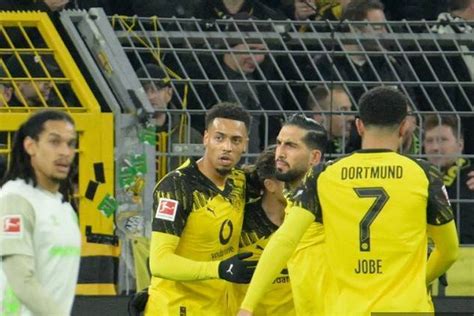
Introduction: Florian Wirtz and His Rise to Prominence
Florian Wirtz has emerged as one of the most exciting young talents in European football, drawing attention from top clubs across the continent, including Liverpool. His meteoric rise from a promising youth prospect to a key figure in Bayer Leverkusen’s first team is a testament to his exceptional talent, work ethic, and adaptability. To understand Wirtz’s trajectory, it is essential to explore the origins of his career, the milestones he has achieved, and the distinctive qualities of his playing style that make him a standout player in modern football.
Wirtz began his journey in the youth ranks of FC Köln, one of Germany’s traditional clubs known for its emphasis on developing young talent. At Köln, he quickly distinguished himself as a player with a natural flair for creativity and an ability to read the game beyond his years. However, it was his move to Bayer Leverkusen in January 2020, at just 16 years old, that marked a turning point. Leverkusen, a club with a reputation for nurturing young players and providing them with first-team opportunities, offered Wirtz the perfect environment to grow. Within months of his arrival, he made his Bundesliga debut, becoming the club’s youngest-ever player at the time. This early integration into senior football was not merely symbolic; Wirtz demonstrated an immediate impact, showing maturity and confidence on the ball that belied his age.
One of Wirtz’s most significant achievements came in the 2020-21 season when he became the youngest player in Bundesliga history to reach 10 career assists. This milestone underscored his ability to not only influence games with his individual brilliance but also to elevate the performance of those around him. His knack for threading precise through balls, delivering incisive crosses, and finding pockets of space in crowded midfields has drawn comparisons to some of the best playmakers in the game. However, what sets Wirtz apart is his versatility. While primarily deployed as an attacking midfielder, he has shown the ability to operate effectively on either wing or even as a false nine when required. This adaptability has made him an invaluable asset for Leverkusen and a player who could fit into various tactical systems, including Liverpool’s dynamic and high-pressing approach.
Wirtz’s rise to prominence was further cemented by his international recognition. He earned his first call-up to the German senior national team in 2021, a clear indicator of how highly he is regarded within his home country. Despite the presence of established stars in Germany’s midfield, Wirtz has managed to make his mark, often being viewed as the future of Die Mannschaft’s creative department. His performances in the UEFA Europa League and UEFA Champions League have also added to his growing reputation. In these high-stakes competitions, Wirtz has shown composure and a willingness to take responsibility in critical moments, traits that are highly sought after by top-tier clubs like Liverpool.
A closer look at Wirtz’s playing style reveals a player who combines technical excellence with tactical intelligence. His first touch is sublime, allowing him to control the ball even under pressure, while his close ball control enables him to navigate tight spaces with ease. These attributes are complemented by his vision and passing range. Wirtz has an uncanny ability to spot runs that others might miss, often delivering balls that split defenses and create goal-scoring opportunities. His dribbling is another standout feature; he uses quick changes of pace and direction to evade opponents, making him a nightmare for defenders in one-on-one situations. Yet, what truly elevates his game is his decision-making. Unlike many young players who can be overly ambitious or erratic, Wirtz displays a remarkable sense of when to release the ball, when to take on a defender, and when to recycle possession. This balance between flair and pragmatism is rare in players of his age.
Another aspect of Wirtz’s game that deserves attention is his goal-scoring ability. While he is primarily known as a creator, he has demonstrated a keen eye for goal, often arriving late into the box to finish off moves he helped initiate. This dual threat—of both scoring and assisting—makes him a complete attacking midfielder. In the 2021-22 season, for instance, he scored 10 goals and provided 14 assists in all competitions, a statistic that highlights his all-around contribution. For Liverpool, a team that thrives on players who can both create and finish, Wirtz’s profile aligns closely with their needs.
It is also worth noting the mental attributes that Wirtz brings to the table. Despite his young age, he exudes a sense of calmness and maturity on the pitch. He does not shy away from taking on leadership roles in attacking phases, often dictating the tempo of Leverkusen’s play. This mental fortitude is particularly impressive given the pressures of modern football, where young talents are often scrutinized intensely. His ability to handle this pressure suggests that he could thrive in the high-stakes environment of a club like Liverpool, where expectations are sky-high.
Wirtz’s playing style also aligns with the demands of contemporary football, particularly in systems that prioritize high pressing and fluid attacking movement. Liverpool’s gegenpressing system, pioneered by Jürgen Klopp, requires players who are not only technically gifted but also physically resilient and tactically astute. Wirtz’s work rate off the ball is often overlooked but is a key part of his effectiveness. He is adept at pressing opponents to win back possession and has the stamina to contribute in both defensive and offensive transitions. This blend of offensive creativity and defensive discipline makes him a well-rounded player who could slot seamlessly into Liverpool’s system.
The parallels between Wirtz and some of Liverpool’s current stars are also worth exploring. For instance, his ability to link play and exploit spaces is reminiscent of Roberto Firmino’s role in Klopp’s earlier teams. Similarly, his willingness to press and his technical proficiency echo the traits of players like Mohamed Salah and Sadio Mané during their prime years at Anfield. However, Wirtz offers something unique—a blend of youth, adaptability, and a ceiling that is yet to be defined. This makes him not just a player for the present but a long-term prospect who could redefine Liverpool’s midfield and attack in the years to come.
In summary, Florian Wirtz’s career trajectory is a story of rapid ascent fueled by talent, opportunity, and a relentless drive to improve. From his early days at FC Köln to his breakthrough at Bayer Leverkusen, he has consistently proven himself as a player capable of thriving at the highest level. His key achievements, such as his record-breaking assists and his integration into the German national team, are indicative of a player on the cusp of greatness. Coupled with a playing style that combines creativity, versatility, and tactical intelligence, Wirtz represents the kind of talent that could flourish in Liverpool’s system. For a club that has a history of nurturing and maximizing the potential of young talents, Wirtz could be the next big name to make a lasting impact.
Liverpool's Current Squad Dynamics
Liverpool's current squad dynamics present an intriguing blend of established stars, emerging talents, and areas of potential improvement. The midfield and attacking options, in particular, are central to the team's philosophy under manager Jürgen Klopp, who has long emphasized high-intensity pressing, fluid transitions, and creative output in the final third. To assess where Florian Wirtz might fit into this setup, it is essential to delve into the specifics of Liverpool's current roster and identify both strengths and potential gaps.
The midfield has undergone significant evolution in recent seasons. Liverpool's traditional trio of Jordan Henderson, Fabinho, and Thiago Alcântara has been a cornerstone of their success, but age and injury concerns have started to raise questions about long-term sustainability. Henderson, now 33, and Thiago, 32, are no longer in their physical prime, and while their experience and technical quality remain invaluable, their availability over a grueling season is not guaranteed. Fabinho, once the unshakable "lighthouse" of Liverpool's midfield, has also shown signs of decline, particularly in his ability to shield the backline consistently. These factors have prompted Liverpool to invest in younger midfield options like Alexis Mac Allister, Dominik Szoboszlai, and Ryan Gravenberch, all of whom bring energy, technical skill, and positional versatility.
However, even with these new signings, there are gaps in creative dynamism within the midfield. While Szoboszlai and Mac Allister have shown promise in contributing to both build-up play and goal-scoring opportunities, neither possesses the innate playmaking brilliance of a traditional "number 10" or advanced playmaker. Liverpool's system often relies on fullbacks Trent Alexander-Arnold and Andrew Robertson to provide the bulk of creative width and penetration, but this can leave the midfield lacking a player who can consistently unlock defenses from central areas. Florian Wirtz, with his ability to operate as a hybrid playmaker and attacking midfielder, could address this void.
Wirtz’s profile is particularly intriguing because of his versatility and technical skill set. At Bayer Leverkusen, he has demonstrated an exceptional ability to find space between the lines, receive the ball under pressure, and execute incisive passes in tight areas. His heatmap often shows him drifting into pockets of space in the left half-space or central areas, which aligns well with Liverpool's tendency to overload one side of the pitch before switching play. In a Klopp system that values quick, vertical progression of the ball, Wirtz's first-touch control and vision could add a new dimension to Liverpool's midfield. Moreover, his dribbling ability—often compared to that of a young Kai Havertz—would offer Liverpool an option to break down low-block defenses, a scenario where they have occasionally struggled in recent seasons.
In the attacking third, Liverpool boasts one of the most dynamic front lines in world football. The arrival of Darwin Núñez, coupled with the continued excellence of Mohamed Salah and the unpredictability of Luis Díaz and Diogo Jota, provides Klopp with a variety of options. However, the departure of Roberto Firmino—a player who excelled in linking play and dropping deep to create space for others—has left a subtle but noticeable gap. While Cody Gakpo has shown glimpses of being able to fill this role, his natural inclination is more as a forward than a pure creator. This is where Wirtz could offer a unique solution.
Wirtz’s ability to play as a false 9 or advanced 8 would give Liverpool tactical flexibility. Unlike traditional strikers, he thrives on dropping deep to collect the ball and orchestrate attacks, much like Firmino did in his prime. This would allow Salah and Núñez to make diagonal runs into space, a dynamic that could rejuvenate Liverpool's attacking patterns. Additionally, Wirtz's instincts in the final third—evidenced by his 10 goals and 14 assists in the 2022-23 Bundesliga season—suggest he could directly contribute to the team's goal tally while also elevating the output of those around him.
Another area to consider is squad rotation and longevity. Liverpool's front three, while potent, are heavily relied upon, particularly Salah, who has shouldered a significant creative and scoring burden. Rotational options like Harvey Elliott and Curtis Jones are promising but still developing. Wirtz, at just 20 years old, represents a player who could grow alongside these talents while immediately contributing at a high level. His youth and ceiling make him an ideal candidate for Klopp’s developmental approach, where young players are integrated into the system and molded to fit the team's high-pressing ethos.
From a tactical perspective, Liverpool’s system often requires midfielders and attackers to interchange positions fluidly. Wirtz has shown at Leverkusen that he is comfortable operating in a free role, switching between central and wide areas depending on the flow of the game. This adaptability would complement Liverpool's existing patterns of play, where players like Salah and Díaz are encouraged to roam and exploit space. Wirtz’s inclusion could also reduce the reliance on Alexander-Arnold to be the primary playmaker from deep, as Wirtz could take on some of that creative burden higher up the pitch.
However, it is worth noting that Wirtz’s arrival would also present squad management challenges. Liverpool already has a wealth of attacking midfield and wide options, and integrating Wirtz would require Klopp to carefully balance playing time among a crowded group. The question of how he would coexist with players like Elliott, Jones, and even Gakpo in similar roles would need to be addressed. Moreover, Wirtz’s injury history—particularly his recovery from an ACL tear in 2022—could be a consideration for a team that has recently dealt with its share of fitness setbacks.
Despite these potential challenges, the potential upside of Wirtz at Liverpool is significant. His ability to bridge the gap between midfield and attack, combined with his youth and room for growth, makes him a compelling prospect for a team looking to remain competitive in both domestic and European competitions. In a side that occasionally lacks a pure creative spark from central areas, Wirtz could be the piece that elevates Liverpool's already formidable attack to an even higher plane.
- Wirtz could address Liverpool's need for a central playmaker who can unlock defenses.
- His versatility as a false 9 or advanced 8 offers tactical flexibility.
- He complements Klopp's preference for fluid, interchanging systems.
- His youth aligns with Liverpool's strategy of blending experience with emerging talent.
In conclusion, while Liverpool’s midfield and attacking options are strong, there are areas where Wirtz could provide a transformative impact. His creative instincts, positional intelligence, and ability to thrive in high-pressing systems make him a natural fit for Liverpool's ethos. Addressing these gaps would not only enhance the team's immediate competitiveness but also future-proof their squad as older players transition out of their prime years.
Transfer Market Context: Wirtz's Value and Availability
Florian Wirtz has emerged as one of the most exciting young talents in European football, drawing significant attention from top clubs across the continent. As Liverpool and other elite teams consider bolstering their squads with dynamic, creative players, Wirtz stands out due to his technical ability, versatility, and potential for long-term impact. To assess his suitability and feasibility for a move to Liverpool or any other top-tier club, it is essential to delve into his current market value, contract status, and the interest level from other suitors.
Wirtz's market value has seen a steady rise over the past few seasons. According to Transfermarkt, as of late 2024, his estimated value hovers around €80-90 million. This places him among the most expensive young midfielders in the world, reflective of his performances for Bayer Leverkusen and the German national team. At just 20 years old, Wirtz has already demonstrated a blend of playmaking, goal-scoring, and tactical intelligence that is rare for players his age. His ability to operate in multiple positions—central attacking midfield, wide areas, or even as a false nine—enhances his appeal. However, this valuation also presents a challenge for clubs like Liverpool, who must weigh the cost of such a significant outlay against their existing financial structure and squad needs. While the fee might seem steep, Wirtz's age and ceiling suggest that he could provide long-term value, particularly if he adapts well to the tactical demands of a high-pressing system like Liverpool's.
The contract status of Wirtz further complicates any potential transfer. He is currently tied to Bayer Leverkusen until 2027, having signed an extension in 2022 that was designed to secure his future at the club amidst growing interest. This contract length provides Leverkusen with significant leverage in negotiations. Unlike players in the final year of their deals, Wirtz is not in a position where Leverkusen must sell to avoid losing him for free. Instead, the German club can demand a premium fee, knowing that any buyer would need to compensate them handsomely for prying away their star asset. Additionally, Wirtz has expressed comfort at Leverkusen, where he has thrived under the management of Xabi Alonso. The club’s recent success in the Bundesliga and European competitions has further solidified their position as a desirable environment for young players to develop. For Liverpool or any other suitor, this means that a transfer would likely require not only meeting Leverkusen’s asking price but also convincing Wirtz of the sporting project and long-term benefits of moving.
Interest from other top clubs adds another layer of complexity to Wirtz’s transfer prospects. Liverpool is not alone in monitoring the young German. Clubs such as Manchester City, Real Madrid, Bayern Munich, and Paris Saint-Germain have all been linked with him in recent transfer windows. Manchester City’s financial power and track record of integrating young talents into a winning system make them a formidable competitor. Similarly, Real Madrid has a history of targeting the brightest prospects in world football, often using their prestige and track record of Champions League success to lure players. Bayern Munich, as the dominant force in German football, represents a natural destination for Wirtz should he choose to remain in the Bundesliga while taking a step up in his career. Meanwhile, PSG’s aggressive recruitment strategy and financial resources cannot be discounted, particularly if they aim to replace aging stars or add creative depth to their midfield.
This level of competition means that Liverpool would need to present a compelling case for Wirtz to choose Anfield over other destinations. While the club’s reputation for developing young players under Jürgen Klopp is a strong selling point, Wirtz might also consider factors such as playing time, the style of play, and the likelihood of immediate success. Liverpool’s recent midfield rebuild, which has seen them bring in players like Dominik Szoboszlai and Ryan Gravenberch, could work in their favor if Wirtz views the team as one with a clear vision for the future. However, the presence of other creative midfielders in Liverpool’s squad might lead to questions about how he would fit into the rotation and whether he would be afforded the central role he enjoys at Leverkusen.

Another factor to consider is Wirtz’s injury history, which could influence both his market value and the willingness of clubs to invest heavily in him. He suffered a serious ACL injury in 2022, which sidelined him for several months. While he has since returned to form and shown no signs of diminished quality, the memory of such an injury might give some clubs pause, particularly those wary of paying a premium fee for a player with a recent medical red flag. Liverpool, with their data-driven approach to recruitment under sporting director Michael Edwards and his successors, would likely conduct extensive medical and performance analyses before committing to such a significant investment.
From a strategic perspective, Wirtz’s value is not merely tied to his on-field contributions but also to his potential as a commercial asset. His status as a young German star with a growing international profile makes him an attractive prospect for sponsors and merchandising opportunities. For a club like Liverpool, which has a global fanbase and a strong commercial arm, signing Wirtz could provide additional revenue streams beyond his impact on the pitch. However, this aspect of his value might be less relevant to Liverpool’s decision-making if their primary focus is on-field performance and squad balance.
In terms of availability, Leverkusen’s current trajectory could play a decisive role. The club is enjoying a resurgence under Alonso, challenging for the Bundesliga title and competing in Europe. If Leverkusen continues to succeed, they may feel less pressure to sell Wirtz, particularly if he remains central to their ambitions. Conversely, should Leverkusen fail to qualify for the Champions League or face financial pressures, they might become more open to a sale. This dynamic creates a window of opportunity for Liverpool or other interested parties, but it also means that the timing of any approach would need to be carefully considered.
Additionally, Wirtz’s personal preferences will likely play a significant role. While many young players are drawn to the allure of clubs with a history of winning major trophies, Wirtz has shown a level of maturity and thoughtfulness in his career decisions. He might prioritize a club where he can be a focal point of the team rather than joining a squad already brimming with established stars. Liverpool’s ability to present a clear pathway for his development and integration into their system could be a decisive factor in any potential negotiations.
In summary, Florian Wirtz’s market value, contract status, and the interest from other clubs create a multifaceted transfer landscape. While his talent and potential are undeniable, the financial and competitive hurdles associated with securing his signature make this a challenging proposition for Liverpool or any other suitor. However, for a club willing to invest in long-term vision and willing to navigate the complexities of modern transfer negotiations, Wirtz represents an opportunity to secure one of Europe’s most promising talents.
Playing Style Compatibility: Wirtz in Klopp's System
Florian Wirtz has emerged as one of the most promising young talents in European football, showcasing a blend of technical skill, tactical intelligence, and physical work rate that has drawn attention from top clubs, including Liverpool. Under Jürgen Klopp, Liverpool operates a system characterized by a high-pressing style, fluid attacking movement, and intense counter-pressing. To assess Wirtz's compatibility with this system, it is essential to dissect his core attributes and how they might integrate into Liverpool's tactical framework.
One of the defining features of Wirtz's playing style is his exceptional technical ability. At just 20 years old, he has displayed remarkable close control, quick dribbling, and the ability to maneuver in tight spaces. These qualities are crucial in Klopp's system, where players are often required to receive the ball under pressure and maintain possession while being harried by opponents. Liverpool's midfielders and forwards frequently act as conduits for quick transitions from defense to attack, and Wirtz's capacity to retain the ball while under duress would be a valuable asset. For instance, his dribbling success rate in the Bundesliga—where he averages over 2.5 successful take-ons per 90 minutes—suggests he could thrive in the high-stakes environment of Anfield, where maintaining possession in advanced areas is often the difference between a successful press and a wasted opportunity.
Another key aspect of Wirtz's game is his vision and playmaking ability. He has an innate sense of spatial awareness, often picking out through balls or line-breaking passes that unlock defenses. In the 2023/24 season, Wirtz registered 10 assists in all competitions, underscoring his ability to create opportunities for teammates. This aligns well with Liverpool's need for players who can not only press effectively but also provide incisive passes in the final third. Klopp's system thrives on verticality, with players like Mohamed Salah and Darwin Núñez relying on service that exploits their pace and movement. Wirtz's ability to spot and execute such passes could complement Liverpool's attacking patterns. Moreover, his versatility in operating as an advanced playmaker, a wide forward, or even a central midfielder means he could slot into multiple roles within Klopp's fluid 4-3-3 system, offering tactical flexibility that is highly prized at Liverpool.
However, the true test of Wirtz's fit in Klopp's system lies in his work rate and defensive contribution. Liverpool's high-press demands not just technical proficiency but also an unrelenting physical commitment. Players like Roberto Firmino, in his prime, exemplified this by combining attacking flair with a tireless willingness to press from the front. Wirtz has shown glimpses of this work ethic at Bayer Leverkusen, where he averages around 18 pressures per 90 minutes in the attacking third. While this is a solid figure, it is worth noting that Liverpool's system often requires players to sustain this intensity for extended periods. Wirtz would need to adapt to the relentless nature of Liverpool's pressing, particularly given the physical demands of the Premier League. That said, his age and athletic potential suggest he has the capacity to develop the endurance required for such a role. Moreover, his willingness to track back and support his full-backs—a trait evident in his performances for Leverkusen—indicates that he is not averse to contributing defensively, a non-negotiable trait for any player in Klopp's setup.
A deeper look at Wirtz's off-the-ball movement further highlights his potential compatibility. Liverpool's system is predicated on creating space through coordinated runs and intelligent positioning. Wirtz excels at finding pockets of space between the lines, a skill that would allow him to link up effectively with Liverpool's forwards. His knack for drifting into half-spaces could create dilemmas for opposition defenses, as they would need to decide whether to close him down and risk leaving Salah or Núñez unmarked. This kind of movement mirrors the role previously played by players like Philippe Coutinho or, more recently, the creative bursts of players like Cody Gakpo. Wirtz's ability to combine this spatial intelligence with his passing range could add a new dimension to Liverpool's attack, particularly in games where opponents sit deep and deny space in behind.
It is also worth considering how Wirtz would fare in Liverpool's counter-pressing philosophy, often referred to as "gegenpressing." This tactic involves immediate efforts to win the ball back after losing possession, requiring players to be both mentally sharp and physically explosive. Wirtz's natural agility and quick decision-making suggest he could adapt to this approach. However, one potential area of improvement lies in his physical robustness. While he is not lacking in technical endurance, the Premier League's faster pace and more physical nature might initially pose a challenge. Klopp's coaching staff have a strong track record of improving players' physical attributes—Sadio Mané and Andy Robertson are prime examples—so Wirtz would likely benefit from a tailored development plan to enhance his suitability for the system.
Another point of interest is how Wirtz would interact with Liverpool's existing midfield dynamic. The Reds have recently invested in players like Dominik Szoboszlai and Ryan Gravenberch, who bring energy, creativity, and pressing intensity. Wirtz could either complement these players by offering a more playmaking-oriented presence or compete for a starting berth. His ability to operate in multiple roles might give Klopp the option to rotate his squad without compromising the team's identity. For instance, in games where Liverpool need to break down a low block, Wirtz's creativity could be prioritized, while in high-intensity matches against top-six rivals, his work rate and technical skills could be deployed in a more balanced midfield role.
Finally, it is important to consider the long-term vision of Liverpool's recruitment strategy. Klopp has often targeted players who not only fit the immediate needs of the team but also have room to grow into world-class talents under his guidance. Wirtz's potential to evolve into a hybrid playmaker-presser—a player who can both orchestrate attacks and contribute to the press—makes him an intriguing prospect. His age also means he could be a cornerstone of Liverpool's next generation, much like how Klopp nurtured players such as Trent Alexander-Arnold and Curtis Jones.
In summary, Florian Wirtz's technical abilities, vision, and burgeoning work rate suggest he could be a strong fit for Liverpool's high-press system. While there are areas where he would need to adapt—particularly in sustaining the physical intensity of the Premier League—his skill set aligns closely with the demands of Klopp's tactical framework. With the right development and integration, Wirtz could not only thrive at Liverpool but also elevate the team's attacking and pressing dynamics to new heights.
Statistical Analysis: Wirtz vs Liverpool Midfielders
The comparison of Florian Wirtz's performance metrics with Liverpool's current midfield options is a fascinating exercise in understanding how a young, dynamic attacking midfielder might fit into a system that traditionally prioritizes work rate, positional discipline, and tactical versatility. Wirtz, a prodigious talent at Bayer Leverkusen, has been making waves in the Bundesliga with his ability to influence games through creativity, dribbling, and goal-contribution metrics. To assess his potential impact at Liverpool, we must delve into his statistical output and juxtapose it with the numbers posted by Liverpool's midfielders in similar categories.
Wirtz, at just 20 years of age, is primarily deployed as an advanced playmaker or a wide-forward in Leverkusen's system. His assists and key passes per 90 minutes are among the highest in Europe for players in his age bracket. In the 2023/24 season, Wirtz has averaged approximately 0.4 assists per 90 minutes and 2.8 key passes per 90 in the Bundesliga. These numbers indicate a player who is not only capable of unlocking defenses with incisive passes but also has the end product to directly set up scoring opportunities. When compared to Liverpool's current midfield, these figures stand out. For instance, Dominik Szoboszlai, one of Liverpool's more creative midfield signings, has averaged around 2.1 key passes per 90 in the Premier League this season, with a slightly lower assist rate of 0.2 per 90. While Szoboszlai is a strong contributor in terms of chance creation, Wirtz's higher output suggests he might offer a more direct threat in the final third.
However, it is important to consider the context of systems. Liverpool's midfield has traditionally been tasked with a mix of defensive and offensive responsibilities. Players like Alexis Mac Allister and Curtis Jones are often judged not just on their creative output but also on their ability to press, recover possession, and maintain positional structure. Wirtz, by contrast, operates in a more attack-oriented role at Leverkusen, where his primary focus is on breaking down opposition lines rather than engaging in high-intensity pressing. This could pose a question about his suitability for Liverpool's midfield, where the likes of Jordan Henderson (before his departure) and Harvey Elliott have often been required to balance attacking contributions with defensive diligence.
When we turn to dribbling, Wirtz again demonstrates impressive numbers. He averages around 2 successful dribbles per 90 minutes, with a success rate of approximately 65%. This highlights his ability to carry the ball through tight spaces and progress play, a trait that could be highly valuable in breaking down deep-lying defenses—a challenge Liverpool often faces in the Premier League. In comparison, Liverpool's midfield options show a mixed bag in this area. Harvey Elliott, one of the more technically gifted midfielders in the squad, averages about 1.5 successful dribbles per 90 with a similar success rate. However, players like Mac Allister and Jones are less prolific dribblers, with their roles often geared more toward short passing and maintaining possession rather than taking on defenders in one-on-one situations. Wirtz's dribbling ability could thus provide Liverpool with a new dimension, particularly in games where they struggle to penetrate compact midfields.
Another critical aspect to consider is progressive carries and passes. Wirtz excels in this metric, averaging around 6 progressive passes per 90 and 3 progressive carries per 90. These stats underline his proactive approach to moving the ball forward, whether through line-breaking passes or dribbles. Liverpool's midfield, while efficient in recycling possession, does not always prioritize this level of progression. For example, Fabinho (before his move to Al-Ittihad) and Henderson were more focused on maintaining structure and providing a platform for the full-backs and forwards to attack. Wirtz's propensity for directness could complement Liverpool's system, especially if paired with a holding midfielder like Wataru Endo, who can provide the necessary cover while Wirtz roams freely in advanced areas.
It is also worth noting the goal-scoring contribution of Wirtz compared to Liverpool's midfielders. While assists and key passes are indicative of his creative prowess, Wirtz has also chipped in with 5 goals in 15 appearances this season. This is a notable statistic for a midfielder, particularly when compared to Liverpool's current crop. Szoboszlai has scored 3 goals in the Premier League so far, while other midfielders like Jones and Elliott have contributed sporadically in terms of goals. Wirtz's ability to both create and finish chances suggests he could offer Liverpool a hybrid profile—a midfielder who not only supplies attackers but can also take on responsibility for scoring when required.
However, there are caveats to these comparisons. Wirtz plays in a league where the tempo and physicality differ from the Premier League. The Bundesliga is known for its emphasis on technical skill and space, which might inflate the effectiveness of creative players like Wirtz. Liverpool's midfielders, by contrast, are often judged in the crucible of high-intensity, physically demanding matches where recovery runs and tactical discipline are as important as creative output. For instance, Mac Allister has adapted to a more defensive role at Liverpool compared to his attacking responsibilities at Brighton, showcasing the difference in role expectations.
Another consideration is consistency over a full season. While Wirtz's numbers are impressive, he is still in the early stages of his career and has faced injury setbacks, including a long-term ACL injury that sidelined him for a significant portion of the 2022/23 season. Liverpool's midfield options, while perhaps less flashy in terms of raw attacking output, offer reliability and durability—qualities that are critical for a team competing on multiple fronts. Wirtz would need to demonstrate not just his ability to shine in bursts but also his capacity to maintain high levels of performance over 38 league games and European campaigns.
In summary, a statistical comparison reveals that Florian Wirtz offers metrics that could elevate Liverpool's midfield in terms of creativity, dribbling, and directness. His assist rate, key passes, and dribbling success outshine many of Liverpool's current options, particularly in games where breaking down stubborn defenses is paramount. However, questions remain about his adaptability to Liverpool's system, which demands a mix of creativity and defensive contribution. While Wirtz could be a transformative addition in specific scenarios, his integration would require careful consideration of how his skill set aligns with Liverpool's broader tactical framework.
- Wirtz's assist and key pass numbers exceed those of most Liverpool midfielders, suggesting he could enhance their attacking output.
- His dribbling ability provides a unique edge, particularly against low-block defenses.
- Progressive actions (passes and carries) highlight his suitability for breaking lines, a trait Liverpool could utilize.
- However, his defensive contribution and physical adaptability to the Premier League remain areas of potential concern.
Ultimately, while Wirtz's statistical profile is enticing, his fit at Liverpool would depend on how Jurgen Klopp envisions evolving the team's midfield dynamics—whether toward greater creativity or maintaining the balance of work rate and positional structure that has defined their recent success.
Financial Implications: Budget and ROI for Liverpool
The potential signing of Florian Wirtz by Liverpool is not merely a tactical or sporting decision but one that carries significant financial implications. Any high-profile transfer of this nature requires a meticulous evaluation of the budgetary constraints, the expected return on investment (ROI), and the long-term financial health of the club. Wirtz, a prodigious talent from Bayer Leverkusen, is widely regarded as one of the most exciting young players in European football. His acquisition would likely command a substantial transfer fee, wages, and associated costs, making it imperative for Liverpool to assess whether this investment aligns with their financial model and delivers tangible benefits on and off the pitch.

First, let us consider the transfer fee associated with Wirtz. Reports suggest that Bayer Leverkusen values Wirtz in the region of £80-100 million, a figure reflective of his age, potential, and current market demand. For Liverpool, this represents a substantial outlay, particularly as the club has traditionally operated within a structured financial framework that emphasizes sustainability. The Reds have often avoided overpaying for players, preferring to target individuals who offer value relative to their fee. Wirtz, however, is a unique case. At just 20 years old, he is not merely a short-term solution but a player who could evolve into a cornerstone of the team for the next decade. This long-term view is crucial when justifying such a fee, as the amortization of his transfer cost over the length of his contract would reduce the annual financial burden. However, Liverpool must also weigh this against their existing commitments, including the need to strengthen other areas of the squad, such as midfield and defense, which may compete for the same budgetary resources.
In addition to the transfer fee, wages and bonuses must be factored into the equation. Wirtz is likely to command a salary in line with Liverpool's top earners, potentially in the range of £200,000-£300,000 per week. This figure is significant, particularly when compared to the club's current wage structure. Liverpool has typically avoided over-inflating their wage bill to maintain harmony within the squad and ensure financial prudence. Signing Wirtz at this level could set a precedent for future negotiations with other players, potentially leading to increased wage demands across the board. However, the club may view this as a worthwhile trade-off given Wirtz's potential to elevate the team's performance in key competitions like the Premier League and Champions League. His integration into the squad could also help Liverpool maintain their appeal to other high-profile players, as the presence of a young star like Wirtz signals ambition and a commitment to competing at the highest level.
The expected return on investment (ROI) for Liverpool is multifaceted and extends beyond the immediate sporting benefits. From a financial perspective, Wirtz has the potential to drive revenue growth in several areas. Firstly, his presence could enhance commercial revenues. Liverpool is one of the most marketable clubs in the world, with a global fanbase and lucrative sponsorship deals. The addition of a player of Wirtz's caliber could amplify the club's brand appeal, particularly in markets like Germany, where his profile is already significant. This could lead to increased merchandise sales, higher viewership figures, and potentially renegotiated sponsorship terms with existing partners or new deals with German-based companies eager to associate with Wirtz. For instance, the signing of players like Virgil van Dijk and Mohamed Salah has previously demonstrated how star power can directly contribute to commercial growth.
On the sporting side, Wirtz's ROI is tied to his ability to contribute to Liverpool's success in domestic and European competitions. A player of his quality could help secure trophies, which in turn generates prize money, increased broadcast revenue, and higher season ticket sales. For example, winning the Premier League or Champions League can result in tens of millions in additional revenue, not to mention the intangible value of cementing Liverpool's status as a perennial contender. Wirtz’s creative output—his ability to score and assist—could directly influence the team's performance in high-stakes matches, making him a critical asset in Liverpool's quest for silverware. Moreover, his age means that he is likely to retain or even increase his market value over time, providing Liverpool with the option of a profitable resale should they choose to move him on in the future. This is a strategy the club has successfully employed in the past with players like Philippe Coutinho.
However, there are risks to consider. Wirtz has suffered from injuries in the past, including a serious ACL injury that sidelined him for several months. While he has since returned to form, any investment in a player with a history of injuries carries an inherent risk. Liverpool's medical team would need to conduct a thorough assessment to ensure that Wirtz is not a liability in terms of long-term fitness. Additionally, the club must account for the opportunity cost of spending a significant portion of their budget on one player. This could limit their ability to address other areas of need, such as depth in defense or reinforcements in midfield, particularly if senior players like Thiago Alcântara or Jordan Henderson are not replaced adequately.
Another consideration is Liverpool's financial sustainability model. The club has often operated within the confines of Financial Fair Play (FFP) regulations, which require clubs to balance their books over a rolling three-year period. A signing of Wirtz's magnitude would need to be offset by revenue generation or player sales. Liverpool has a track record of prudent player trading, as seen with the sales of players like Sadio Mané and others to fund new acquisitions. If Wirtz is signed, the club may need to explore outgoing transfers to balance the books, potentially parting with fringe players or even a high-profile name to free up both budget and squad space.
From a broader perspective, the long-term financial health of Liverpool must also be factored into this decision. Wirtz's signing could be seen as an investment in the club's future, particularly as younger players like him are more adaptable to the high-pressing, intense style of play that manager Jürgen Klopp demands. His versatility—able to play as an attacking midfielder, winger, or even in a deeper role—makes him a valuable asset in Klopp's system. This adaptability could ensure that Wirtz remains a key figure even if Liverpool undergoes a tactical evolution under a new manager in the coming years.
To summarize, the financial feasibility of signing Florian Wirtz for Liverpool boils down to a careful balancing act. While the initial outlay is significant, the potential ROI—through commercial growth, on-field success, and long-term value retention—could justify the expense. However, this move requires Liverpool to navigate risks related to injuries, wage inflation, and FFP compliance. Ultimately, the decision to pursue Wirtz must align with the club's broader financial strategy and its ambition to remain competitive at the highest level without compromising its well-established model of sustainable growth.
- The transfer fee of £80-100 million is substantial but could be justified by Wirtz's age and long-term potential.
- Wages and bonuses for a player of Wirtz's caliber could strain the wage structure but may be offset by commercial and sporting benefits.
- ROI includes increased revenues from trophies, commercial deals, and potential resale value.
- Risks include injury concerns, opportunity costs, and FFP implications.
- The move must align with Liverpool's sustainable financial model while supporting their competitive ambitions.
In conclusion, while the signing of Florian Wirtz would represent a bold financial commitment for Liverpool, it is one that could pay dividends if managed wisely. The club must weigh the short-term costs against the long-term benefits, ensuring that this investment not only strengthens the team on the pitch but also supports its financial stability and growth off it.
Impact on Team Strategy: Tactical Adjustments with Wirtz
The potential inclusion of Florian Wirtz at Liverpool raises intriguing questions about how his skill set could reshape the team's tactical framework. Wirtz, a highly versatile attacking midfielder known for his creativity, dribbling, and ability to find space in congested areas, could bring a new dimension to Liverpool's system. Given Liverpool's traditional reliance on a high-intensity, counter-pressing style under Jürgen Klopp, Wirtz's arrival would necessitate both subtle and significant tactical adjustments to maximize his impact while preserving the team's identity.
One of the most immediate areas of impact would be in Liverpool's midfield structure. Klopp has often deployed a 4-3-3 formation, with a midfield trio consisting of a holding player, a box-to-box midfielder, and a more creative presence. Wirtz, however, is not a traditional number 8 or number 10. His best role is as a hybrid playmaker who can drift wide or operate in half-spaces, making him less suited to a rigid positional setup. This versatility could see Liverpool shift toward a more fluid 4-2-3-1 or even a 4-4-2 diamond in certain scenarios. In a 4-2-3-1, Wirtz could occupy the central attacking midfield role, allowing him to link with the forwards while benefiting from the defensive cover provided by two holding midfielders. This formation would enable Wirtz to exploit his vision and passing range without being overly burdened by defensive responsibilities, which are not his strongest suit.
Another tactical adjustment would involve rethinking Liverpool's wide play. The Reds have traditionally depended on their full-backs, Trent Alexander-Arnold and Andy Robertson, to provide width and creativity. Wirtz's preference for operating in central and half-space areas could reduce the need for the full-backs to push as high up the pitch at all times. Instead, the team could experiment with inverted full-backs, where Alexander-Arnold, for instance, tucks into midfield to create numerical superiority in central areas. This adjustment would align with Wirtz's strength in combining with players in tight spaces, as he often looks to play quick one-twos or slip passes through defensive lines. The presence of Wirtz could thus allow Liverpool to adopt a more positional play style in moments, rather than solely relying on the direct, explosive runs of their wide players.
Wirtz's inclusion also opens up possibilities for greater positional interchange among Liverpool's forwards. With players like Mohamed Salah, Darwin Núñez, and Luis Díaz in the squad, Liverpool already has forwards who can interchange positions fluidly. Wirtz’s arrival could enhance this dynamic. For instance, in a front four with Wirtz as the central playmaker, Salah could drift inside more frequently to act as a second striker, while Wirtz drifts wide to fill the space. This kind of movement would make Liverpool's attack less predictable and harder to defend against, especially against low-block teams that have occasionally frustrated Klopp's side. Wirtz’s ability to find runners with through balls could be a game-changer in breaking down such defenses, as he has shown at Bayer Leverkusen with his knack for threading passes into the path of pacey forwards.
However, integrating Wirtz into Liverpool's high-pressing system would require careful consideration of his defensive contributions. While Wirtz is not a defensive liability, he is not as naturally suited to the intense counter-pressing that Klopp demands. This could lead to a trade-off: Liverpool might need to adjust their pressing triggers to account for Wirtz's positioning. For example, rather than expecting him to lead the press in central areas, the team could shift their pressing focus to the forwards and wide players, allowing Wirtz to conserve energy for his creative bursts in possession. This would represent a departure from Liverpool's usual approach, where every midfielder is expected to contribute heavily to the press. Such a change could make the team slightly more vulnerable in transition, but the trade-off might be worth it given Wirtz's potential to unlock stubborn defenses.
Another area of interest is how Wirtz could influence Liverpool's build-up play. Klopp's system often relies on quick transitions and direct play, but Wirtz thrives in slower, more methodical build-ups where he can dictate the tempo. His ability to drop deep and link with the double pivot or even the center-backs could add a new layer to Liverpool's possession game. This would be particularly useful against teams that sit deep and deny space behind their defense. Wirtz’s composure on the ball and his ability to draw opponents out of position could help Liverpool manipulate defensive shapes more effectively. In this sense, Wirtz’s inclusion might see Liverpool adopt a more hybrid approach, blending their traditional directness with moments of controlled possession orchestrated by Wirtz.
There are also questions about how Wirtz would fit into Liverpool's set-piece dynamics. While not primarily known as a set-piece specialist, Wirtz has shown an ability to deliver precise corners and free kicks. With Liverpool already possessing players like Alexander-Arnold who excel in this area, Wirtz’s set-piece involvement might be more about variety than primary responsibility. For instance, he could take over secondary set-piece duties or provide an alternative option when opponents focus heavily on nullifying Liverpool's known threats.
From a broader perspective, Wirtz’s youth and adaptability suggest that he could grow into multiple roles within Liverpool's system. This aligns with Klopp's preference for players who can be molded into the team's philosophy rather than being constrained by rigid positions. Wirtz’s ability to play as a false nine, a wide playmaker, or even a deeper-lying midfielder in certain match scenarios could give Liverpool unprecedented tactical flexibility. This would allow Klopp to rotate formations more freely, perhaps switching between a 4-3-3 and a 3-4-2-1 in the same match depending on the flow of play. Such adaptability could be a significant asset in high-stakes games, where tactical adjustments often decide the outcome.
It is also worth considering the psychological impact of Wirtz's presence on the team. His arrival would signal Liverpool's intent to invest in youth and technical quality, which could energize the squad. Younger players like Harvey Elliott and Curtis Jones might see Wirtz as a peer and competitor, driving them to elevate their own performances. Moreover, Wirtz’s style of play—focused on intelligence and technique rather than sheer physicality—could subtly shift the team’s emphasis toward a more nuanced, possession-oriented approach in certain phases of the game.
In summary, Florian Wirtz’s inclusion at Liverpool would not merely be an addition of talent but a catalyst for evolution in team strategy. His unique attributes could push Liverpool to explore new formations, refine their pressing system, and embrace greater positional flexibility. While there are challenges in integrating a player whose strengths lie in creativity rather than physicality, the potential rewards—both in terms of on-field dynamism and long-term squad development—make this a compelling proposition for Klopp and his coaching staff.
Competitor Analysis: How Wirtz Fits Compared to Other Clubs
When assessing how Florian Wirtz might fit into Liverpool's system compared to other rumored destinations like Real Madrid or Manchester City, it is essential to evaluate the tactical frameworks, squad dynamics, and long-term strategic goals of each club. Wirtz, a highly versatile attacking midfielder known for his technical ability, vision, and capacity to influence games in the final third, represents a player who could thrive in different systems but might find distinct challenges and opportunities depending on where he lands.
At Liverpool, Wirtz would enter a team that has undergone a significant evolution under Jürgen Klopp. The German manager's high-intensity pressing system, coupled with his preference for fluid attacking transitions, could suit Wirtz's profile. Liverpool’s current midfield and attacking setup is in flux, with veterans like Jordan Henderson and James Milner departing and younger players such as Dominik Szoboszlai and Ryan Gravenberch being integrated. Wirtz’s ability to operate as a No. 10 or in a slightly wider role would provide Klopp with a creative fulcrum who can link midfield to attack. His dribbling and quick decision-making in tight spaces align well with Liverpool’s need to break down deep-lying defenses, a recurring issue in recent seasons. However, Liverpool’s system demands significant physical output, particularly in pressing and counter-pressing. Wirtz has shown promise in this area at Bayer Leverkusen, but the Premier League’s relentless pace might test his adaptability early on. Additionally, Liverpool’s propensity to rotate players in European and domestic campaigns could offer Wirtz a platform to grow without overwhelming expectations immediately.
In contrast, Real Madrid presents a different proposition. The Spanish giants are known for their possession-oriented style and emphasis on technical excellence in midfield. Wirtz’s skill set would undoubtedly appeal to Carlo Ancelotti or any future manager at the Bernabéu, particularly given Real Madrid’s focus on finding a long-term successor to Luka Modrić. Wirtz’s close control, ability to play incisive through balls, and comfort in a possession-heavy system make him a natural fit for Real Madrid’s philosophy. However, the competition for places is fierce. With young talents like Jude Bellingham already establishing themselves and veterans such as Toni Kroos still influential, Wirtz might face a steeper climb to regular minutes. Moreover, Real Madrid’s tendency to prioritize star power in their attack—often funneling play through wingers like Vinícius Júnior and Rodrygo—could limit Wirtz’s influence as a central playmaker. While he could adapt to a wide role in their 4-3-3, this might not fully exploit his creative strengths. Real Madrid’s slower tempo compared to Liverpool’s high-octane approach might also reduce the spaces where Wirtz thrives, potentially dulling his impact in certain matches.
At Manchester City, Wirtz would step into arguably the most sophisticated attacking system in world football under Pep Guardiola. City’s intricate positional play and focus on dominating possession would provide Wirtz with an environment where his technical attributes are highly valued. Guardiola has a history of molding young, creative midfielders—think Phil Foden or Julian Alvarez—into world-class talents. Wirtz’s ability to drift between the lines, combine with forwards, and contribute to quick interchanges would fit seamlessly into City’s system. However, the presence of players like Kevin De Bruyne (when fit), Bernardo Silva, and the emerging talent of Cole Palmer creates a crowded midfield landscape. While Wirtz could learn immensely under Guardiola, he might initially be deployed as a rotational option rather than a guaranteed starter. Additionally, Manchester City’s tendency to use inverted wingers and false nines could see Wirtz pushed into less familiar wide areas, where his impact might be diluted compared to a central role. Despite this, City’s unmatched squad depth and Guardiola’s tactical flexibility could provide Wirtz with a unique opportunity to develop into a hybrid midfielder-forward, a role that could redefine his career trajectory.
Beyond the tactical fit, it is worth considering the club culture and developmental pathways each team offers. Liverpool has a strong track record of integrating young players into their first team, particularly under Klopp, who emphasizes collective improvement and mental resilience. Wirtz could benefit from this nurturing environment, especially given Liverpool’s recent focus on youth development with players like Harvey Elliott and Curtis Jones. At Real Madrid, the pressure to perform immediately in a club with immense historical expectations might be overwhelming for a player still in the early stages of his career. While Real Madrid has successfully integrated young stars like Bellingham, the weight of the club’s legacy can be a double-edged sword for a player like Wirtz, who thrives on freedom and confidence.
Manchester City, while offering unparalleled resources and coaching, operates within a highly competitive environment where even top talents can find themselves on the fringes if they do not immediately adapt. Wirtz would need to demonstrate not just technical brilliance but also the mental fortitude to compete for minutes in a squad brimming with world-class options. Liverpool, by comparison, might offer a slightly less intimidating entry point while still challenging him to grow within a high-stakes environment.

Another critical factor is long-term project alignment. Liverpool is in a phase of squad rejuvenation, aiming to build a team capable of competing for Premier League and Champions League titles over the next five years. Wirtz could be a cornerstone of this rebuild, particularly as Klopp looks to transition away from the high-intensity system that has defined his tenure. Real Madrid, on the other hand, is in a period of gradual transition, with an aging midfield and a forward line that will need reinvention in the coming years. Wirtz could fit into this timeline but might find himself more of a complementary piece than a central figure in their plans. Manchester City, meanwhile, is in a state of dominance, with Guardiola’s project focused on sustaining their era of success. While this offers Wirtz the chance to win trophies immediately, it also means he might not be as central to their identity as he could be at Liverpool or even Real Madrid in the long run.
From a stylistic perspective, Wirtz’s best fit might be Liverpool, where his dynamism and creativity would be maximized in a system that prizes fast transitions and aggressive attacking play. Real Madrid could harness his technical brilliance but risks pigeonholing him into a role that does not fully utilize his versatility. Manchester City offers a platform for technical growth but might dilute his impact in a system where he is one of many creative outlets rather than a standout playmaker.
In summary, while all three clubs present compelling cases for Wirtz’s development, Liverpool’s blend of tactical fit, squad need, and developmental environment might provide the most balanced opportunity for him to flourish. Real Madrid offers prestige and technical alignment but comes with greater immediate pressure and competition. Manchester City provides a platform for elite coaching and success but risks relegating Wirtz to a supporting role in a crowded squad. Each destination has its merits, but Liverpool’s current trajectory and playing style appear to offer the most symbiotic relationship for Wirtz’s talents.
Fan and Media Perception: Public Reaction to the Prospect
The rumors linking Florian Wirtz to Liverpool have sparked a significant amount of discussion across fan communities, pundit circles, and media outlets. This section delves into how these groups perceive the prospect of the young German midfielder joining the Reds, examining the nuances of their reactions and the broader implications of such a move.
To begin with, fan reception to the Wirtz-to-Liverpool rumors has been a mixed bag, though it leans heavily toward excitement. Liverpool supporters are known for their passion for young, dynamic talents who fit the club's high-pressing, fluid style of play. Wirtz, with his technical ability, vision, and versatility, is seen as a player who could seamlessly slot into Jürgen Klopp’s system. Many fans on social media platforms like Twitter and Reddit have expressed enthusiasm, with comments often highlighting Wirtz’s potential to replace or complement established stars like Dominik Szoboszlai or Curtis Jones. For instance, one widely shared tweet read, “Wirtz is exactly the kind of player Liverpool need to future-proof their midfield—creative, energetic, and fearless.”
However, there is also a cautious subset of fans who question the feasibility of such a transfer. Wirtz is contracted to Bayer Leverkusen, a club that has shown a willingness to hold onto its star players unless exorbitant fees are offered. Some Liverpool supporters worry about the financial outlay required, particularly given the club’s recent investments in the midfield department (e.g., the signings of Szoboszlai, Alexis Mac Allister, and Ryan Gravenberch). A common sentiment among this group is captured in forum posts that ask, “Is Wirtz worth breaking the bank for when we have other priorities, like reinforcing the defense?” This skepticism is not dismissive of Wirtz’s talent but rather reflective of a pragmatic concern over resource allocation in a competitive transfer market.
From the perspective of pundits and analysts, the discourse around Wirtz has been more uniformly positive, though tempered by realism. Former players-turned-commentators have often praised Wirtz’s skill set, with ex-Liverpool players like Jamie Carragher and Dietmar Hamann noting his ability to thrive in a system that demands both creativity and work rate. Carragher, for example, remarked in a recent broadcast that “Wirtz has the kind of football IQ that would make him a perfect fit for Klopp’s Liverpool. He’s not just a playmaker; he’s a worker, and that’s what you need in this team.”
Media outlets have also analyzed Wirtz’s statistics to back up the hype. His numbers—particularly in terms of key passes, dribbling success, and goal involvement—are often compared favorably to players like Kai Havertz during his time at Leverkusen. However, pundits have also raised questions about Wirtz’s physical readiness for the Premier League. While he possesses undeniable talent, the Bundesliga is often viewed as less physically demanding than the Premier League. This has led to debates about whether Wirtz would need a period of adaptation, similar to what players like Naby Keïta experienced when transitioning to Liverpool.
The media narrative surrounding Wirtz has been shaped by both the player’s performances and Leverkusen’s current success under manager Xabi Alonso. Leverkusen’s rise to the top of the Bundesliga has amplified Wirtz’s profile, and this has influenced how the media frames the possibility of his departure. Some outlets suggest that Liverpool’s interest is part of a broader trend of Premier League clubs targeting Bundesliga talents, citing examples like Jude Bellingham’s move to Real Madrid and Erling Haaland’s switch to Manchester City. This framing positions Wirtz as the “next big thing” from Germany, a narrative that excites fans but also creates pressure for the player to live up to expectations.
Another angle explored by media outlets is the potential tactical fit of Wirtz at Liverpool. Articles in publications like The Athletic and Goal have dissected how Wirtz could operate in Liverpool’s 4-3-3 or the occasional 4-2-3-1 formations. They emphasize his capability to play as an advanced playmaker, a false nine, or even out wide, which aligns with Klopp’s preference for multifunctional players. However, some journalists have pointed out that Liverpool already boasts a crowded attacking midfield roster. This has led to questions about whether Wirtz would be a luxury signing rather than a necessity, especially if the club is prioritizing other areas like defensive depth or a long-term successor for Mohamed Salah.
A critical sub-discussion in the media has been the role of agent and club dynamics in fueling these rumors. Wirtz is represented by a high-profile agency, and some pundits argue that the links to Liverpool could be part of a strategy to either secure a better contract at Leverkusen or attract interest from other European giants like Barcelona or Manchester City. This skepticism is not uncommon in modern football, where transfer rumors often serve multiple agendas. However, it has not dampened the enthusiasm of many fans, who see the rumors as a sign of Liverpool’s ambition to remain competitive at the highest level.
The role of social media in shaping the perception of this prospect cannot be overlooked. Hashtags like #WirtzToLiverpool have trended periodically, with fan-made graphics and video compilations showcasing Wirtz’s highlights in a Liverpool kit. While these creations are unofficial, they reflect a broader fan desire to see the club associated with top-tier talents. At the same time, there is a counter-narrative from rival fans, particularly those of Manchester United and Chelsea, who have mocked the rumors as “wishful thinking” given Liverpool’s recent financial conservatism in the transfer market. This banter, while not rooted in serious analysis, adds another layer to the public conversation.
One of the more interesting angles in this debate comes from comparative analysis with other young talents Liverpool has pursued in recent years. For instance, the club’s pursuit of players like Jude Bellingham and their eventual decision to invest in alternative options (like Mac Allister and Gravenberch) has set a precedent for how the fanbase interprets such links. Some fans have drawn parallels, suggesting that while Wirtz is an exciting prospect, Liverpool might opt for a more cost-effective or immediate-impact signing instead. This pragmatic view is often voiced by long-time supporters who remember the club’s strategy of balancing marquee signings with smart, under-the-radar acquisitions.
In summary, the reception of Florian Wirtz-to-Liverpool rumors is a complex interplay of excitement, skepticism, and strategic analysis. Fans are largely enthused but cautious about the financial and tactical implications. Pundits laud Wirtz’s talent while questioning his adaptation to the Premier League’s physicality. Media outlets frame the story as part of a larger trend of Bundesliga-to-Premier League transitions, while also acknowledging the challenges of prizing him away from Leverkusen. Ultimately, the prospect of Wirtz joining Liverpool is seen as both a statement of intent and a gamble, depending on who you ask—a dynamic that encapsulates the ever-evolving nature of football transfer speculation.
Conclusion: Is Wirtz the Right Fit for Liverpool?
The question of whether Florian Wirtz is the right fit for Liverpool is one that requires a nuanced evaluation of the player's profile, Liverpool's current squad dynamics, and the club's long-term strategic goals. At just 20 years old, Wirtz is already one of the most exciting young talents in European football. His technical ability, versatility, and potential to grow into a world-class player make him an attractive prospect. However, any decision to pursue him must be weighed against the specific needs of Liverpool’s squad, the financial implications of such a move, and how well he aligns with the club’s tactical system.
One of the primary pros of signing Wirtz is his exceptional creativity and playmaking ability. Wirtz has demonstrated a remarkable capacity to influence games from multiple positions, whether deployed as an attacking midfielder, a wide forward, or even in a deeper role. His vision, close control, and ability to pick out incisive passes would add a new dimension to Liverpool’s attack. The club has historically thrived with players who can break down deep-lying defenses, and Wirtz’s dribbling and quick decision-making in tight spaces could provide a solution in scenarios where Liverpool struggle against compact opposition. Additionally, his youth means he could be a long-term asset, offering the potential for a high resale value or a decade of service at the highest level.
Another advantage of Wirtz is his adaptability to modern football’s demands. Liverpool under Jürgen Klopp have emphasized a high-energy, pressing system that requires players to contribute both offensively and defensively. Wirtz has shown glimpses of being able to press effectively, a trait that would endear him to Klopp. However, this is also where the first con arises. While Wirtz is capable of pressing, he is not yet as physically robust or consistent in his defensive work as some of Liverpool’s current midfielders, such as Dominik Szoboszlai or Alexis Mac Allister. This could pose a challenge in a system where every player is expected to contribute to the high-intensity press. Liverpool would need to assess whether Wirtz can be coached to improve this aspect of his game or whether his strengths lie primarily in offensive output, which might limit his effectiveness in certain matches.
Financially, Wirtz would likely command a significant transfer fee, given his status as one of Bayer Leverkusen’s crown jewels. Reports suggest that his valuation could easily exceed £80 million, a figure that places him in the upper echelon of young talents. For Liverpool, this raises questions about opportunity cost. Would investing such a large sum in Wirtz be the most efficient use of resources, particularly when the club has other areas that might require reinforcement? For instance, Liverpool’s midfield was overhauled in the summer of 2023, but there are still debates about the depth and quality of their defensive options or the need for a more traditional holding midfielder. Signing Wirtz might mean delaying investment in these areas, which could have a greater immediate impact on the team’s performance.
Tactically, Wirtz’s fit within Liverpool’s system is another area of consideration. Liverpool’s preferred 4-3-3 formation often relies on a fluid front three supported by dynamic midfielders who can transition quickly between defense and attack. Wirtz’s best position is arguably as a number 10 or in a free role behind the striker, which does not always align with Liverpool’s setup. While he could theoretically play as part of the front three, his lack of blistering pace compared to players like Mohamed Salah or Darwin Núñez might make him less suited to the wide roles in Klopp’s system. On the other hand, Wirtz could thrive in a more central role if Liverpool were to evolve their midfield structure to include a more creative presence. This would require a shift in how the team is balanced, potentially altering the roles of existing players like Curtis Jones or Ryan Gravenberch.
Another factor to consider is competition for his signature. Wirtz is not just on Liverpool’s radar; he is also being monitored by other elite clubs, including Bayern Munich, Real Madrid, and Manchester City. This creates a scenario where Liverpool might need to overpay or enter a bidding war to secure his services. Such a situation could inflate his price beyond what is reasonable, especially if other clubs are willing to offer more lucrative terms. This is not to suggest that Liverpool should shy away from competition, but it does mean they must be confident that Wirtz represents a unique value proposition rather than simply another talented youngster in a crowded market.
From a developmental perspective, Wirtz’s potential is undeniable. He has already shown maturity beyond his years at Leverkusen, contributing consistently in the Bundesliga and in European competitions. However, there is a risk associated with signing young players who have yet to fully adapt to the physical and mental demands of the Premier League. While Wirtz has the technical skills to thrive, the Premier League’s pace and physicality are a step up from the Bundesliga. Liverpool would need to ensure they have the right support system—coaching, integration into the squad, and a clear pathway to regular playing time—to help him succeed. A misstep here could stall his development or lead to frustration, as has been seen with other highly touted youngsters who struggled to adapt to new environments.
Liverpool must also consider how Wirtz fits into their squad hierarchy. The club already boasts a wealth of attacking talent, including established stars like Salah, Núñez, and Luis Díaz, as well as promising youngsters such as Ben Doak. Adding Wirtz to this mix could create a logjam in certain positions, potentially limiting his opportunities or forcing Klopp to rotate more than he might prefer. While competition for places can drive performance, it can also lead to dissatisfaction if a player of Wirtz’s caliber does not feel he is central to the team’s plans.
On the flip side, Wirtz’s arrival could be a statement of intent for Liverpool. Signing a player of his caliber would signal to rivals and fans that the club is committed to building for the future while maintaining its competitiveness in the present. This could also have a positive effect on squad morale and fan engagement, as Wirtz’s flair and creativity are the kinds of attributes that excite supporters. Furthermore, his potential synergy with Liverpool’s existing creative players, such as Szoboszlai, could lead to a more dynamic and unpredictable attack, which is crucial in breaking down the increasingly sophisticated defensive setups seen in modern football.
In conclusion, the pursuit of Florian Wirtz is a decision that must balance short-term needs with long-term vision. The pros—his creativity, adaptability, and potential to become a generational talent—are compelling. However, the cons—financial cost, tactical fit, and competition for his signature—cannot be ignored. Liverpool would need to approach this move with a clear strategy, ensuring that Wirtz is not just a luxury signing but a player who can be integrated effectively into the squad and contribute meaningfully to the team’s objectives. If Liverpool can address these challenges and view Wirtz as part of a broader plan to evolve their midfield and attack, he could indeed be the right fit. However, if the move is made without careful consideration of these factors, it risks becoming a costly gamble rather than a strategic masterstroke.