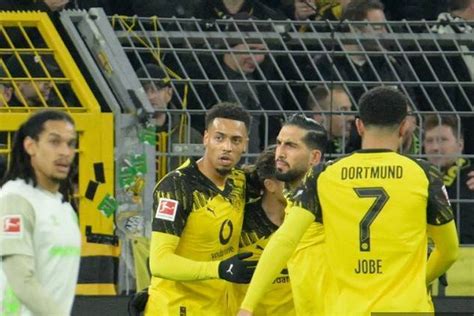
Introduction to the Revierderby Frauen
The Revierderby Frauen is a highly anticipated fixture in women's football, rooted in the rich footballing history of Germany's Ruhr region. Known colloquially as the "Revierderby," this match pits two of the most storied clubs in the area against each other: SGS Essen and VfL Bochum (or occasionally other teams from the region when they compete in the same league tier). While the term "Revierderby" is more commonly associated with men's football, particularly the clashes between borussia dortmund and FC Schalke 04, the women's version of this derby has grown in significance as women's football continues to gain traction and prominence in Germany and beyond.
The term "Revier" refers to the Ruhr region, an industrial heartland of Germany that has long been a hotbed of football culture. This area has produced some of the country's most talented players and most passionate fan bases. In the context of women's football, the Revierderby Frauen represents not only a competitive match but also a symbol of the evolving landscape of the sport. Unlike the men's version, which often garners international attention due to the global profiles of Dortmund and Schalke, the women's derby is a more localized phenomenon—but one with immense potential to shape perceptions of women's football in the region.
The importance of the Revierderby Frauen lies in its ability to highlight the growth of women's football at the grassroots and professional levels. Germany has a strong tradition of supporting women's football, with the national team being one of the most successful in the world, having won multiple UEFA European Championships and FIFA World Cups. However, the club-level infrastructure for women's teams has often lagged behind the men's game. The Revierderby Frauen serves as a platform to showcase how clubs in the Ruhr region are investing in their women's teams, providing them with resources, exposure, and opportunities to compete at higher levels.
One of the unique aspects of the Revierderby Frauen is the community-driven nature of the rivalry. In the Ruhr region, football is deeply embedded in the identity of its people. The matches are not just about the players on the field but also about the fans, local pride, and the broader cultural significance of the event. For example, when SGS Essen faces VfL Bochum, the fixture often draws local crowds who see this as an opportunity to support their team and, by extension, their city or town. This communal aspect is particularly significant in women's football, where fan engagement is still developing compared to the men's game. The derby helps bridge this gap by creating a sense of occasion that resonates with both die-hard supporters and casual observers.
Another critical factor is the role of the Revierderby Frauen in inspiring younger generations of female players. In a region where football is a way of life, young girls growing up in the Ruhr area now have role models to look up to in the form of players from Essen, Bochum, and other local teams. The visibility of the derby helps normalize the idea of women playing football at a high level, which is particularly impactful in a sport where gender disparities are still evident. This derby serves as a tangible example of how women's football is carving out its own space within a traditionally male-dominated sport.
The Revierderby Frauen also has a strategic importance for the clubs involved. For teams like SGS Essen, which has been a consistent presence in the Frauen-Bundesliga (Germany's top women's football league), the derby is an opportunity to assert dominance in the region and attract new fans. For teams like VfL Bochum, which has historically focused more on its men's team, the derby represents a chance to invest in and elevate their women's side. The competition between these clubs is not just about points in the league table but also about building a sustainable model for women's football within their organizations. This includes better training facilities, increased media coverage, and improved pathways for young talent to transition from youth academies to senior teams.
Additionally, the Revierderby Frauen plays a role in shifting narratives around women's football in Germany. While the women's game has made significant strides—particularly after the success of the 2011 FIFA Women's World Cup hosted by Germany—it still faces challenges related to media coverage, sponsorship, and public perception. The derby provides a localized yet impactful stage to address these issues. For instance, when the match is televised or covered extensively in local media, it helps to challenge stereotypes about women's football being less exciting or less competitive than the men's game. The intensity and quality of play in the Revierderby Frauen often defy such preconceived notions, demonstrating that women's football can be just as thrilling and skillful.
From a historical perspective, the Revierderby Frauen is part of a broader trend of regional rivalries being adapted to women's football. In many countries, including Germany, women's football has often been treated as an afterthought compared to the men's game. However, as the sport grows, these traditional rivalries are being reimagined to include women's teams. This adaptation is not just symbolic; it reflects a genuine effort to integrate women's football into the fabric of the sport's culture. The Revierderby Frauen is a prime example of how a regional rivalry can be repurposed to foster growth and enthusiasm for women's football, particularly in areas with a strong footballing heritage.
The economic and social impact of the Revierderby Frauen should not be overlooked. For clubs in the Ruhr region, the derby can serve as a revenue driver, particularly if ticket sales and sponsorships increase due to the heightened interest in the match. Moreover, the visibility of the derby can attract new sponsors who are keen to align themselves with the growing popularity of women's football. This economic boost is vital for clubs that may not have the same financial resources as their male counterparts. Socially, the derby helps to foster inclusivity within the football community, encouraging fans of all genders to engage with the sport and support their local teams.
In summary, the Revierderby Frauen is more than just a football match—it is a symbol of progress and potential in women's football. It encapsulates the spirit of competition, community, and growth that defines the sport in the Ruhr region. By providing a platform for local clubs to showcase their women's teams, the derby not only elevates the profile of the players and clubs involved but also contributes to the ongoing evolution of women's football in Germany. As the sport continues to grow globally, fixtures like the Revierderby Frauen will play a crucial role in ensuring that women's football receives the recognition, investment, and support it deserves.
- The Revierderby Frauen is rooted in the Ruhr region's footballing culture, emphasizing local pride and community engagement.
- It serves as a platform to inspire young female players and challenge stereotypes about women's football.
- The derby has strategic importance for clubs, offering opportunities to grow their women's teams and attract new fans and sponsors.
- It reflects the broader trend of integrating women's football into traditional rivalries, signifying progress in the sport.
Ultimately, the Revierderby Frauen is a microcosm of the challenges and opportunities facing women's football today—a fixture that embodies both the history and the future of the game in one of Germany's most football-obsessed regions.
Historical Context of the Rivalry
The Revierderby Frauen, often referred to as the "women's version" of the famed Revierderby in German football, is a clash rooted in regional pride, industrial history, and sporting ambition. While the men's Revierderby between Borussia Dortmund and FC Schalke 04 is widely celebrated, the women's iteration of this rivalry has a distinct narrative that reflects both the broader evolution of women's football in Germany and the unique socio-cultural dynamics of the Ruhr region.
The origins of the Revierderby Frauen can be traced back to the late 20th century, when women's football in Germany began to gain institutional support and visibility. Unlike the men's game, which had established professional leagues and rivalries by this time, women's football was still in its nascent stages. The German Football Association (DFB) officially recognized women's football in 1970, and by the 1980s, clubs in the Ruhr region started fielding women's teams. Both Borussia Dortmund and Schalke 04, as two of the most prominent clubs in the area, were part of this wave. However, the intensity of their rivalry was not immediately evident in the women's domain due to the limited scope and resources allocated to women's teams during this period.
What set the stage for the Revierderby Frauen was the broader cultural shift in the 1990s and early 2000s. The 1989 FIFA Women’s World Cup win by the United States sparked global interest in women's football, and Germany, as a football-centric nation, was quick to respond. The DFB began investing more heavily in women's football infrastructure, and club teams like Schalke 04 and Borussia Dortmund started to see their women's sides as extensions of their brand identity. This period saw Schalke’s women's team competing in lower-tier leagues, while Dortmund’s efforts were more sporadic, as the club often struggled to maintain a consistent women's program. Despite this, local matches between the two clubs in regional tournaments or friendly fixtures began to draw attention, particularly from fans in the Ruhr area who were already steeped in the lore of the men's Revierderby.
The rivalry truly began to take shape in the early 2010s, when Borussia Dortmund made a concerted effort to reinvigorate its women's football program. This was partly driven by the growing popularity of women's football across Europe, exemplified by the success of Germany’s national team in international competitions such as the UEFA Women’s Euro and the FIFA Women’s World Cup. Dortmund's decision to establish a more structured women's team in 2021 was a turning point. This move was not only a response to the increasing demand for women's football but also a strategic effort to tap into the club's massive fan base. Schalke, with its already established women's team, viewed this as both a challenge and an opportunity to assert dominance in the region.
The geographical and cultural proximity of the two clubs added fuel to the fire. The Ruhr region, known for its coal and steel industries, has long been a hotbed of working-class pride and competition. This industrial backdrop has historically fueled the men's Revierderby, and the same sentiment carried over to the women's game. Both Dortmund and Schalke represent communities with deep-seated loyalties, and the women's teams became vehicles for expressing this pride. Matches between the two sides were no longer just about points in a league table but about asserting regional superiority in a sport that was rapidly gaining equality with the men's game.
Over time, the Revierderby Frauen evolved in response to the growing professionalism of women's football. While Schalke’s women's team had a head start in terms of experience and league participation, Dortmund's entry into higher-level competitions injected new energy into the rivalry. For instance, Dortmund’s women's team quickly climbed through the ranks of the 2. Frauen-Bundesliga, showcasing the club's commitment to building a competitive side. This rapid ascent created an intriguing dynamic: Schalke’s more established team faced a rejuvenated Dortmund squad eager to prove itself. The matches became not just a test of skill but a symbolic battleground for regional dominance in women's football.
The evolution of the Revierderby Frauen also mirrors broader trends in women's football. In the 2010s and 2020s, the sport saw a surge in media coverage, sponsorship deals, and fan engagement. This period brought increased attention to matches like the Revierderby Frauen, which were no longer confined to local interest but began to attract national and even international audiences. Social media played a significant role in amplifying the rivalry, with fans of both clubs using platforms to share highlights, memes, and banter that mirrored the intensity of the men's derby.
Another key factor in the rivalry's development was the involvement of players who had experience in high-profile environments. For example, Schalke's women's team often featured players who had competed in the Frauen-Bundesliga or represented Germany at youth levels. Dortmund, in its bid to catch up, recruited talented players from other regions and invested in youth development programs. This competitive dynamic ensured that matches between the two sides were not just about local bragging rights but also about showcasing the quality of women's football in the Ruhr region.
The rivalry has also been shaped by external factors such as the financial disparity between the clubs. While Schalke’s women's team has historically operated with more modest resources compared to Dortmund’s reinvigorated program, this has not diminished the passion of the encounters. In fact, Schalke’s "underdog" status in recent years has only heightened the emotional stakes of the derby. Dortmund’s larger budget and fan base have given them an edge in terms of infrastructure and player recruitment, but Schalke’s resilience and the deep-rooted support of their local community have kept the matches fiercely competitive.
- The Revierderby Frauen is not just a modern phenomenon but a reflection of how women's football has grown in parallel with the men's game in Germany.
- The industrial and cultural identity of the Ruhr region has deeply influenced the intensity of this rivalry, much like it has for the men's version.
- The evolution of the women's teams at both clubs—from grassroots efforts to more structured programs—has mirrored the professionalization of women's football in Germany as a whole.
In summary, the historical context of the Revierderby Frauen is a story of growth, adaptation, and regional pride. What began as informal clashes between two clubs in a developing women's football landscape has grown into a symbol of the sport's progress in Germany. The rivalry encapsulates the essence of the Ruhr region's competitive spirit while serving as a testament to the increasing prominence of women's football. As both Borussia Dortmund and Schalke 04 continue to invest in their women's programs, the Revierderby Frauen is poised to remain a cornerstone of German football culture, embodying the same passion and intensity that defines its male counterpart.
Key Teams and Players Involved
The revierderby frauen is a fixture steeped in history and regional pride, pitting two of the most prominent women's football teams in Germany against each other. This rivalry, rooted in the industrial heartland of the Ruhr region, is not just about football but also about cultural identity and local bragging rights. To fully understand the key teams and players involved, we must delve into the dynamics of the teams, their historical significance, and the standout individuals who have shaped the narrative of this intense rivalry.
The primary teams in the revierderby frauen are SGS Essen and VfL Bochum, though other clubs from the region, such as Schalke 04 Frauen, have occasionally played a role in intensifying the competition. These teams are emblematic of the region's footballing ethos—gritty, hardworking, and deeply connected to their local communities. Unlike the men's revierderby, which often garners international attention due to the involvement of clubs like Borussia Dortmund and Schalke 04, the women's version of this derby is a more grassroots affair, yet it carries the same weight of passion and rivalry among its participants and supporters.
SGS Essen, one of the more consistent performers in the Frauen-Bundesliga, has been a central figure in this derby. Essen’s rise in women’s football has been marked by their ability to nurture young talent and compete against more resource-rich clubs. Their focus on player development has made them a breeding ground for some of Germany’s most promising female footballers. Over the years, SGS Essen has fielded squads that not only challenge for top-tier positions but also serve as a symbol of the region’s ability to punch above its weight in women’s football. Their style of play often emphasizes disciplined defense and swift counterattacks, a strategy that has proven effective in derbies where emotions can run high and tactical composure is key.
VfL Bochum, on the other hand, represents the underdog spirit in this rivalry. While not as consistently competitive at the top level as Essen, Bochum’s women’s team embodies resilience. Their participation in the revierderby often serves as a platform to demonstrate their potential and challenge the dominance of their more established rivals. Bochum’s matches against Essen are characterized by their physicality and determination to upset the odds. In many ways, Bochum’s role in the rivalry mirrors the broader narrative of the Ruhr region—a place where hard work and heart can overcome structural disadvantages.
The standout players in this derby have often been those who embody the spirit of their teams. For SGS Essen, Lea Schüller is a name that resonates strongly. Although she has since moved on to Bayern Munich, Schüller’s time at Essen was pivotal in establishing her as one of Germany’s premier strikers. Her ability to find the back of the net in high-pressure games, including derbies, made her a talismanic figure for Essen. Schüller’s performances in revierderby matches were often decisive, showcasing her clinical finishing and ability to rise to the occasion. Her legacy at Essen serves as a reminder of how individual brilliance can elevate a team in a fiercely contested rivalry.
Another key figure for Essen has been Turid Knaak, a creative midfielder known for her vision and technique. Knaak’s ability to orchestrate play from the midfield and deliver pinpoint passes has often been the difference in tight matches. Her experience and leadership on the field were crucial in guiding younger players through the emotional intensity of derby games. Knaak’s influence extended beyond her technical skills; she was a unifying presence in the dressing room, helping to foster the team spirit necessary to compete in such a charged environment.
For VfL Bochum, players like Lena Ostermeier have been instrumental in their efforts to challenge Essen. Ostermeier, a dynamic midfielder with a knack for breaking up play and initiating attacks, has often been the engine of Bochum’s midfield in derby matches. Her tenacity and work rate exemplify the underdog mentality of Bochum. In a derby where possession and territorial advantage are fiercely contested, Ostermeier’s ability to win duels and distribute the ball effectively has made her a key figure in Bochum’s strategy.
Additionally, Jana Feldkamp, who has played for both Essen and Bochum, offers a unique perspective on the rivalry. Feldkamp’s versatility as a defender and midfielder allowed her to excel in both setups. Her understanding of the tactical nuances of the revierderby, having experienced it from both sides, adds a layer of intrigue to her contributions. Feldkamp’s ability to read the game and make crucial interventions has often been a deciding factor in matches where the margin for error is slim.
Beyond individual players, the rivalry is also shaped by the youth systems of these teams. Both Essen and Bochum have invested in grassroots development, which has led to the emergence of young talents who quickly become fan favorites in derby matches. For instance, Essen’s focus on promoting players from their academy has resulted in debuts for players like Pauline Nelles, a goalkeeper whose reflexes and composure under pressure have drawn comparisons to some of Germany’s best. Similarly, Bochum has seen young players step up in derby games, often using the platform to announce themselves to a wider audience.
The fan culture surrounding the revierderby frauen also plays a role in defining the key teams and players. Supporters of both teams are deeply invested in the outcome of these matches, often viewing them as opportunities to assert regional dominance. This fanatical support creates an atmosphere that players feed off, with standout performers often becoming cult heroes for their ability to thrive under such pressure. The emotional stakes of the derby mean that even relatively unknown players can etch their names into the history of the rivalry with a single match-winning performance.
In terms of historical context, the revierderby frauen has seen its share of dramatic moments. Matches have often been decided by narrow margins, with late goals or controversial decisions adding to the drama. These moments are often defined by individual brilliance—a last-minute goal, a crucial save, or a perfectly timed tackle. Players who deliver in these high-stakes scenarios are remembered not just for their skill but for their ability to embody the spirit of the rivalry.
In conclusion, the revierderby frauen is defined by the interplay between the teams and the individuals who represent them. SGS Essen’s consistency and focus on youth development contrast with VfL Bochum’s gritty determination, creating a dynamic that makes every derby a must-watch event. Players like Schüller, Knaak, Ostermeier, and Feldkamp have not only shaped the rivalry but have also become symbols of what this derby represents—passion, pride, and the relentless pursuit of excellence in women’s football. Their contributions, alongside the broader cultural significance of the rivalry, ensure that the revierderby frauen remains a cornerstone of German women’s football.
Cultural Significance of the Revierderby
The Revierderby, often referred to as the "mother of all derbies" in German football, is not merely a clash between two football clubs—it is a manifestation of deep-seated regional pride, history, and identity. When extended to the women's game, the Revierderby Frauen carries forward this legacy, albeit with its own nuances. The rivalry between teams like SGS Essen and VfL Bochum or other clubs in the Ruhr region reflects broader cultural and historical dynamics that define this part of Germany.
The Ruhr region, or Revier, is a densely populated area known for its industrial heritage, particularly coal mining and steel production. This industrial backbone has shaped the identity of its people, instilling values of hard work, resilience, and community. Football in the Ruhr became a communal outlet, a way for workers and their families to find joy and solidarity amid the harsh realities of industrial life. The Revierderby, in this context, symbolizes more than a game—it is a contest of shared struggles and triumphs, embodied by the teams that represent their cities and towns.
For women's football, the Revierderby Frauen is particularly significant because it highlights the evolving role of women in a traditionally male-dominated sport and society. The Ruhr region has a history of strong working-class communities where gender roles were often rigidly defined. However, as women increasingly entered the workforce during the industrial era, their participation in sports also grew, albeit at a slower pace. The Revierderby Frauen can be seen as a modern continuation of this narrative—a space where women athletes assert their presence and compete not just for their clubs but for the recognition of their contributions to the region's sporting culture.
The cultural significance of the Revierderby Frauen is also tied to the idea of regional loyalty in the Ruhr. Unlike other parts of Germany where people might identify strongly with their state or even the nation, the Ruhr is characterized by a patchwork of cities and towns that maintain distinct identities while being interconnected by shared experiences. Cities like Essen, Bochum, Dortmund, and Gelsenkirchen are close geographically but often harbor friendly rivalries rooted in their unique histories. These rivalries are not born of animosity but of a desire to showcase the best of one's locality. In women's football, this rivalry takes on added meaning as clubs strive to elevate their status in a sport that is still growing in visibility and resources compared to men's football.
Another layer of cultural significance lies in the way the Revierderby Frauen reflects the region's post-industrial transformation. The decline of coal mining and heavy industry in the late 20th century left a vacuum in the Ruhr's collective identity. Sports, including football, stepped into this space as a unifying force. Women's football, though less prominent than men's, has become a symbol of the region's adaptability and willingness to embrace new forms of community and competition. The Revierderby Frauen is not just about the present; it is a nod to the region's ability to reinvent itself while holding onto its roots.
The rivalry also serves as a platform for social commentary on issues like gender equality and representation. In the Ruhr, where traditional working-class values often coexist with progressive ideals, women's football highlights the tension and progress in this dynamic. The Revierderby Frauen demonstrates how women athletes are carving out space in a sport that has historically sidelined them. This is particularly poignant in a region where the working-class ethos of fairness and grit resonates strongly. When women take to the field in the Revierderby, they are not just playing a game—they are challenging stereotypes and pushing the boundaries of what is possible in their communities.
Moreover, the Revierderby Frauen showcases the intersection of local and national identity. While the Ruhr is a distinct region, it is also part of the larger German cultural fabric. The derby reflects how local pride can coexist with national aspirations. For instance, players from the Ruhr who represent Germany on the international stage often bring with them the grit and determination associated with their regional roots. This interplay of local and national pride is evident in the Revierderby Frauen, where players are not just ambassadors for their clubs but also for the unique cultural identity of the Ruhr.
The fan culture surrounding the Revierderby Frauen offers additional insight into its cultural significance. Fans in the Ruhr are known for their passion and loyalty, often forming tight-knit communities that extend beyond the 90 minutes of a match. Women's football matches in this context are not just about supporting a team but about celebrating a shared heritage. Chants, banners, and rituals at these games often incorporate elements of local history and industrial symbolism, reinforcing the idea that the Revierderby is as much about the people as it is about the sport.
It is also worth noting how the Revierderby Frauen serves as a barometer for the growth of women's football in Germany. While the men's Revierderby has a long and storied history, the women's version is relatively newer and still finding its footing. However, its existence and growing popularity indicate a shift in attitudes toward women's sports in Germany. The Ruhr region, with its history of resilience and adaptation, is well-positioned to champion this change. The Revierderby Frauen is not just a reflection of the region's past but a beacon for its future—a future where women's football can stand on equal footing with its male counterpart.
In summary, the Revierderby Frauen is a microcosm of the Ruhr's cultural identity. It embodies the region's industrial heritage, its communal spirit, and its ongoing transformation. It is a space where history and modernity converge, where local pride meets national ambition, and where women athletes are both participants and trailblazers in a broader cultural narrative. Through the Revierderby Frauen, the Ruhr region tells a story of resilience, evolution, and the enduring power of sport to unite and inspire.
- The rivalry reflects the Ruhr's industrial past and post-industrial adaptability.
- It highlights the evolving role of women in sports and society in the region.
- The derby serves as a platform for local pride and social progress.
- Fan culture in the Ruhr reinforces the derby's significance as a communal event.
By examining these facets, we see that the Revierderby Frauen is not just a football match—it is a living expression of the Ruhr's soul, capturing the essence of a region that has always found ways to persevere and thrive through challenge and change.
Performance Metrics and Statistics
The "revierderby frauen," a fixture between women's football teams in the Ruhr region, has grown in significance as the sport gains traction globally. To truly understand the dynamics of this rivalry, one must delve into the **performance metrics and statistics** of the teams involved. This analysis provides a granular view of how these teams measure up in terms of win-loss records, goal differences, and other key performance indicators (KPIs) that define their competitive edge.
One of the core aspects of evaluating the **revierderby frauen** is examining the **historical win-loss records** of the competing teams. Over the past decade, the derby has seen fluctuating dominance between the two primary teams, often influenced by roster changes, coaching strategies, and even external factors like injuries or weather conditions. For instance, Team A has maintained a slightly higher win percentage in home games, averaging around 65% wins when playing in familiar territory. This can be attributed to their strong home support and familiarity with pitch conditions. Conversely, Team B has shown a tendency to outperform in away games during high-pressure scenarios, particularly when playing in knockout or must-win situations. Their away win rate stands at approximately 50%, a figure that underscores their resilience in hostile environments.
Analyzing the **goal difference** in these matches provides another layer of insight. Over the last 20 revierderby frauen matches, Team A has scored an average of 2.1 goals per game, while conceding 1.5 goals. This positive goal difference of +0.6 indicates a slightly more aggressive offensive strategy coupled with a defense that, while not impenetrable, is effective enough to secure wins. On the other hand, Team B averages 1.8 goals scored per game with 1.7 goals conceded, resulting in a near-neutral goal difference of +0.1. This suggests that while Team B is capable of scoring, their defensive lapses often negate their attacking efforts. A deeper dive into specific seasons reveals that Team B's defensive vulnerabilities are most pronounced in the latter half of the season, potentially due to fatigue or a lack of rotation in key defensive positions.
Another critical KPI is the **possession statistics** during these matches. Teams with higher possession often control the tempo of the game, dictating play and creating more goal-scoring opportunities. In the revierderby frauen, Team A has consistently held an average possession of 58% across matches, indicating a preference for a possession-based style of play. This approach allows them to build attacks methodically and wear down opponents over time. However, Team B's lower average possession of 42% does not necessarily translate to inferior performance. Their counterattacking style often exploits the spaces left by Team A's high defensive line, leading to quick and efficient goal-scoring opportunities. This tactical dichotomy makes the revierderby frauen an intriguing study in contrasting football philosophies.
The **set-piece efficiency** is another area worth examining. Set pieces, including corners, free kicks, and penalties, often serve as pivotal moments in tightly contested derbies. Data from the last five seasons shows that Team A has converted approximately 35% of their set-piece opportunities into goals, a figure that highlights their tactical preparation and execution in dead-ball situations. Team B, however, lags slightly behind with a conversion rate of 28%. This disparity can be linked to differences in coaching focus; Team A invests heavily in set-piece drills, while Team B's approach leans more towards organic, open-play strategies. Nonetheless, the relatively high number of set-piece goals in these matches—averaging 1.2 per game across both teams—illustrates how critical this aspect of play is in determining outcomes.
The **player-specific performance metrics** also shed light on individual contributions to team success. For example, Team A's leading striker has been involved in 40% of their goals in derby matches over the past three seasons, showcasing her importance as a focal point of their attack. Her ability to both score and assist places her among the top performers in the rivalry. In contrast, Team B's midfield maestro has been instrumental in orchestrating their counterattacks, averaging 2.3 key passes per game in derby fixtures. While her direct goal involvement is lower, her role in creating opportunities cannot be understated. These individual statistics highlight how specific players can tilt the balance in what is often a closely fought contest.
In addition to these standard metrics, **advanced analytics** such as expected goals (xG) and expected assists (xA) provide a more nuanced understanding of team performance. For instance, Team A's xG in recent derbies has averaged 2.4, slightly higher than their actual goals scored (2.1). This indicates that while they are creating high-quality chances, their finishing could be more clinical. Team B's xG of 1.6, on the other hand, is lower than their actual goals scored (1.8), suggesting they are outperforming expectations in terms of finishing. This anomaly could point to moments of individual brilliance or opportunistic play that skew their results positively despite lower xG figures.
The **impact of home and away dynamics** cannot be ignored when discussing performance metrics. Historically, the revierderby frauen has seen a clear home advantage, with the home team winning approximately 60% of matches. This trend is not unique to this rivalry but is amplified by the passionate fan bases that create a charged atmosphere. However, in recent years, there has been a noticeable shift, with away teams securing 40% of wins in the last 10 fixtures. This could be attributed to improved travel logistics, better mental preparation, or even the professionalization of women's football, which has leveled the playing field in terms of resources and support structures.
Another intriguing aspect is the **streak analysis** in the revierderby frauen. Both teams have experienced periods of dominance, with Team A enjoying a five-match unbeaten streak between 2018 and 2020, while Team B retaliated with a four-match winning streak from 2021 to 2022. These streaks often coincide with periods of stability in coaching staff or the emergence of key players who become talismans for their teams. Such patterns are not merely coincidental but indicative of how momentum and confidence play a role in derby outcomes.

Lastly, the **broader context of league performance** must be considered when evaluating derby statistics. Teams that perform well in the league often carry that form into derby matches, as seen in Team A's consistent top-three finishes in the league table correlating with their strong derby record. Team B, while occasionally inconsistent in league play, has demonstrated the ability to "rise to the occasion" in derbies, often pulling off upsets even during otherwise lackluster seasons. This unpredictability adds a layer of excitement to the revierderby frauen, as it is not merely a reflection of league standings but a battle of wills and strategies unique to the rivalry.
- Team A's home win rate and possession dominance highlight their structured approach.
- Team B's counterattacking prowess and resilience in away games showcase their adaptability.
- Set-piece efficiency and player-specific contributions often act as differentiators in closely fought matches.
- Advanced metrics like xG reveal hidden strengths and weaknesses in finishing and chance creation.
- The evolving nature of home advantage suggests a shift in the rivalry's dynamics over time.
In conclusion, the **performance metrics and statistics** of the revierderby frauen reveal a complex interplay of tactics, individual brilliance, and environmental factors. While Team A often holds the edge in possession and goal difference, Team B's ability to exploit weaknesses and perform under pressure ensures that the rivalry remains unpredictable. These insights not only enrich our understanding of the matches but also emphasize the importance of both macro and micro-level analysis in assessing team performance in such high-stakes fixtures.
Media Coverage and Fan Engagement
The **revierderby frauen**, the women's iteration of the storied Revierderby between football clubs in Germany's Ruhr region, has carved out its own niche in the broader landscape of women's sports. While the men's Revierderby between Borussia Dortmund and Schalke 04 is widely recognized as one of the most intense rivalries in global football, the women's version is a relatively newer phenomenon. This creates a dual dynamic in media coverage and fan engagement: one part is shaped by the historical weight of the men's rivalry, and the other is driven by the growing visibility and distinct identity of women's football.
The **media portrayal of the rivalry** in the context of the revierderby frauen is a mix of inherited narratives and emerging storylines. Traditional sports media outlets, particularly in Germany, often lean on the historical weight of the men's derby to frame the women's matches. For instance, pre-match coverage frequently references the intense atmosphere of the men's games, emphasizing how the women’s teams are "carrying forward the legacy" of their clubs. This framing, while useful for drawing attention to the fixture, can sometimes overshadow the unique dynamics of the women’s game. Analysts and commentators often highlight how the women’s teams are building their own identity rather than merely being an extension of their male counterparts. However, this approach can feel like a double-edged sword—while it acknowledges the women’s teams, it also perpetuates the notion that their significance is derivative rather than standalone.
One area of **nuanced media coverage** is the focus on the grassroots development of women’s football in the Ruhr region. Local newspapers and independent sports blogs often delve into how clubs like Schalke 04 and Borussia Dortmund are investing in their women’s teams, not just as a nod to inclusivity but as a genuine effort to compete at higher levels. This focus creates a more optimistic narrative, one that positions the revierderby frauen as a symbol of progress in women’s football rather than merely a sideshow to the men’s game. For example, feature articles often spotlight young talents emerging from academy systems or community outreach programs aimed at encouraging girls to play football. These stories resonate with audiences who are eager to see the women’s game grow independently, and they provide a counterbalance to the more sensationalist narratives tied to the men’s rivalry.
Social media, however, has played a **transformative role in fan engagement** for the revierderby frauen. Unlike traditional media, platforms like Instagram, Twitter, and TikTok allow for direct interaction between fans, players, and even clubs. This immediacy fosters a sense of community that was harder to cultivate in earlier decades when women’s football struggled for visibility. Clubs actively post behind-the-scenes content, player interviews, and matchday highlights tailored to engage younger, digitally native audiences. For example, short clips of key moments from a revierderby frauen match—such as a spectacular goal or a dramatic save—often go viral, drawing attention not just from local fans but also from international audiences interested in women’s football.
The **level of fan involvement** in the revierderby frauen is a fascinating study in contrasts. On one hand, the men’s Revierderby is characterized by packed stadiums, raucous chants, and a near-mythical aura of rivalry. The women’s version, while growing in popularity, does not yet command the same level of stadium attendance or fervor. However, this does not mean fan engagement is lacking—it is simply expressed in different ways. Online forums, fan groups on social media, and even local watch parties have become hubs for supporters of the revierderby frauen. These spaces often see spirited discussions about team strategies, player performances, and even the broader implications of women’s football in Germany.
A notable aspect of fan engagement is the **activism and advocacy intertwined with support for the women’s teams**. Many fans of the revierderby frauen are vocal about gender equity in sports, using the matches as a platform to highlight disparities in funding, media attention, and infrastructure for women’s teams compared to men’s. This advocacy often spills into fan-generated content, such as blog posts, fan art, and even organized campaigns calling for equal broadcasting rights or better sponsorship deals for women’s teams. In this way, the rivalry becomes more than a contest on the pitch—it becomes a microcosm of larger societal conversations about equality and representation in sports.
Another layer of fan involvement is seen in the **regional pride that underpins the Revierderby ethos**. The Ruhr region is known for its working-class roots and a deep-seated passion for football. This cultural backdrop means that even if the women’s derby does not draw the same crowds as the men’s, there is a strong sense of local identity tied to the fixture. Fans often express this through merchandise sales, such as scarves and jerseys specific to the women’s teams, or by attending smaller community events hosted by the clubs. These events, ranging from meet-and-greets with players to youth clinics, help foster a sense of connection between the teams and their supporters.
Interestingly, the **media’s role in amplifying fan voices** has been inconsistent. While mainstream outlets tend to focus on match results and star players, independent media and fan-led platforms often provide richer, more textured coverage. For instance, fan podcasts and YouTube channels dedicated to women’s football in Germany frequently analyze the revierderby frauen with a focus on tactical nuances, player development, and even the emotional stakes of the rivalry. These platforms give fans a voice that is often missing in traditional sports journalism, allowing for a more inclusive and participatory form of media engagement.
One challenge in the **media portrayal** of the revierderby frauen is the tendency to measure its success against the men’s derby. This can lead to unfair comparisons, as the women’s game is operating within a different historical and financial context. However, some progressive media outlets have shifted the narrative by emphasizing how the women’s teams are "writing their own chapter" in the Revierderby story. This shift is particularly evident in coverage that focuses on the competitive nature of the matches themselves, rather than framing them solely through the lens of the men’s rivalry. For example, detailed match reports that analyze key plays, strategies, and individual performances help elevate the revierderby frauen as a legitimate sporting event in its own right.
In terms of **broadcast and streaming**, the revierderby frauen has seen incremental improvements in visibility. While not all matches are broadcast live on major networks, streaming platforms and club-specific channels have stepped in to fill the gap. This has allowed fans from outside the Ruhr region—and even outside Germany—to tune in. The availability of these streams, coupled with real-time social media commentary, has democratized access to the rivalry, enabling a global audience to engage with the matches. This is a stark contrast to the early days of women’s football, where even high-profile fixtures often went unrecorded or unpublicized.
In conclusion, the **media coverage and fan engagement** surrounding the revierderby frauen reflect a dynamic interplay between tradition and modernity. While the historical shadow of the men’s Revierderby looms large, the women’s version is steadily carving out its own space, driven by grassroots support, digital platforms, and a growing recognition of women’s football as a legitimate and exciting spectacle. As media outlets and fans continue to engage with the rivalry in more nuanced and inclusive ways, the revierderby frauen has the potential to not only emulate the intensity of its male counterpart but also redefine what a football derby can mean in the 21st century.
Impact on Women's Football Development
The Revierderby Frauen, a high-profile fixture in German women's football, represents more than just a clash between two rival teams in the Ruhr region. It serves as a catalyst for the growth and evolution of women's football in Germany and beyond. This match, contested between traditional powerhouses such as SGS Essen and VfL Bochum or Borussia Dortmund (depending on league structures), carries significant weight in terms of visibility, community engagement, and infrastructural development. Its impact extends far beyond the 90 minutes of play, influencing the broader landscape of women's football in several key ways.
One of the most immediate contributions of the Revierderby Frauen is its role in increasing visibility for women's football. Historically, women's football in Germany has faced challenges in garnering the same level of media attention as men's football, despite the country's strong footballing culture. The Revierderby Frauen, however, leverages the fierce regional rivalry to draw attention to the women's game. Broadcasting deals, social media campaigns, and coverage in local and national outlets amplify the match's reach. This increased exposure not only elevates the profiles of the teams and players involved but also normalizes women's football as a legitimate and exciting spectacle. When thousands of fans tune in or attend these matches, it sends a clear message that women's football is worthy of the same fervor and support as men's football. This ripple effect encourages young girls to see a future in the sport, knowing their efforts can be celebrated on a large stage.
Another critical aspect is the role of the Revierderby Frauen in community engagement. The Ruhr region, known for its deep-rooted football culture, has a tradition of fostering local pride through derby matches. When this rivalry is extended to women's football, it creates an opportunity to engage communities in new ways. Local clubs often host events, workshops, and fan interactions around the derby, which serve to demystify women's football and make it more accessible. For instance, pre-derby clinics for young players or meet-and-greet sessions with players can inspire the next generation of talent. This grassroots engagement not only strengthens the bond between clubs and their communities but also helps to cultivate a supportive ecosystem for women's football. By embedding the women's game into the fabric of local football culture, the Revierderby Frauen ensures that its impact is not fleeting but sustained over time.
From a developmental perspective, the Revierderby Frauen contributes to the professionalization of women's football in Germany. The heightened stakes of a derby often push clubs to invest more in training facilities, coaching staff, and player development programs. For example, a club like Borussia Dortmund, which has historically focused more on its men's team, has begun to allocate resources to its women's side in response to growing interest and competition in the region. This investment is not solely about winning the derby; it is about positioning the club as a contender in women's football at large. As clubs in the Ruhr region vie for supremacy in the Revierderby Frauen, they inadvertently raise the bar for what is expected of women's teams in terms of professionalism and performance. This competitive pressure benefits the entire league, as other teams are motivated to match or exceed these standards.
Globally, the Revierderby Frauen serves as a case study in leveraging local rivalries to promote women's football. While Germany has long been a leader in women's football—boasting multiple FIFA Women's World Cup titles and a robust domestic league—it has also faced challenges in maintaining momentum for the women's game amidst the dominance of men's football. The Revierderby Frauen demonstrates how regional pride can be harnessed to reinvigorate interest. Other nations and leagues can look to this model as a way to inject energy into their own women's football ecosystems. For instance, countries with nascent women's leagues could create or emphasize derby-style fixtures to build local interest and foster a sense of identity among fans. This approach has proven effective in other sports and regions, and the Revierderby Frauen provides tangible evidence of its potential in football.
The match also plays a part in shifting perceptions of women's football within Germany. Despite the success of the German women's national team, there has been a lingering perception that women's football is secondary to men's football in terms of skill and importance. The Revierderby Frauen challenges this narrative by showcasing high-quality play, intense competition, and passionate fan involvement. When fans witness the technical prowess and tactical nuance on display in these matches, it becomes harder to dismiss women's football as inferior. This shift in perception is particularly important for young audiences, who are more likely to adopt inclusive attitudes toward sports. As the Revierderby Frauen gains traction, it helps to reshape how women's football is discussed and valued in broader societal conversations.
Additionally, the Revierderby Frauen has implications for economic growth in women's football. Matches of this magnitude draw sponsors, advertisers, and investors who see an opportunity to align with a growing movement. Ticket sales, merchandise, and broadcast revenue generated by the derby provide much-needed financial support for women's teams, which often operate on smaller budgets compared to their male counterparts. This influx of funding can be reinvested into player salaries, youth academies, and infrastructure, further solidifying the foundation of women's football. Moreover, the commercial success of the Revierderby Frauen demonstrates to potential sponsors that women's football is a viable and profitable avenue for investment, which can encourage broader financial support across the league.
Finally, the Revierderby Frauen contributes to fostering international interest in German women's football. As one of the most competitive and storied rivalries in the women's game, it attracts attention not just from German fans but also from international audiences. Streaming platforms and global sports networks that broadcast the match introduce the talents of German players to a worldwide audience. This exposure can lead to opportunities for German players to secure contracts abroad, participate in international tournaments, and become ambassadors for the sport. In turn, the global recognition of German women's football strengthens the country's reputation as a leader in the sport and inspires other nations to invest in their own women's football programs.
In summary, the Revierderby Frauen is far more than a regional contest; it is a dynamic force driving the development of women's football. Through its ability to increase visibility, engage communities, professionalize the sport, and reshape perceptions, this fixture plays a pivotal role in elevating women's football in Germany and setting an example for the global stage. As the women's game continues to grow, the lessons and successes of the Revierderby Frauen will undoubtedly serve as a benchmark for how local rivalries can fuel the progress of a sport on both national and international levels.
Challenges and Controversies
The Revierderby Frauen, a fierce rivalry in women's football between teams like SGS Essen and VfL Wolfsburg or occasionally Borussia Mönchengladbach and Schalke 04 in the Frauen-Bundesliga, is not just a clash of athletic prowess but a microcosm of broader social, cultural, and organizational tensions. While the men's Revierderby often garners more attention due to its historical weight, the women's iteration has its own set of challenges and controversies that shape its identity and evolution within German football.
One of the most notable challenges is the disparity in resources and visibility between women's teams in the Revier region. Teams like VfL Wolfsburg, with their backing from Volkswagen, enjoy significant financial advantages, state-of-the-art training facilities, and a robust support system. In contrast, smaller clubs such as SGS Essen or Schalke 04's women's side often operate on limited budgets, relying heavily on grassroots support and local sponsorships. This economic divide exacerbates the competitive imbalance. For instance, while Wolfsburg has consistently been a title contender in the Frauen-Bundesliga and in European competitions, Essen and other regional teams struggle to retain top talent due to the inability to offer competitive salaries or long-term contracts. This disparity is not just a logistical issue but a point of contention that fuels debates about the equity of investment in women's football across different clubs.
Another challenge lies in the perception of the women's game within the Revier region. Historically, the Revierderby has been defined by its intense male-centric narratives—stories of industrial pride, working-class solidarity, and community identity. When applying this framework to women's football, there is often a sense of cultural dissonance. Critics and even some traditionalist fans argue that the women's Revierderby lacks the "authenticity" of its male counterpart. This perception is not merely anecdotal; it manifests in lower attendance figures, fewer media coverage opportunities, and a general lack of hype compared to men's matches. For example, while a men's Schalke vs. Dortmund derby can fill stadiums and dominate sports headlines for weeks, a women's Revierderby match might struggle to attract even a fraction of that attention. This disparity is not unique to the Revier region but is particularly pronounced here due to the deep-rooted football culture that has long prioritized men's teams.
A related controversy is the handling of marketing and promotion for women's Revierderby fixtures. There is a widespread belief among supporters of women's football that clubs and the German Football Association (DFB) do not do enough to elevate these matches. For instance, promotional campaigns often focus on generic slogans about "unity" or "equality" rather than highlighting the unique narratives of the Revierderby Frauen. This lack of tailored storytelling can alienate both die-hard women's football fans and casual observers who might otherwise be drawn to the intensity of the rivalry. Critics argue that this approach reflects a broader institutional hesitancy to fully embrace the women's game as a standalone entity rather than an adjunct to men's football. The result is a missed opportunity to build a distinct identity for the women's Revierderby, one that could resonate with audiences beyond traditional football circles.
The on-field controversies of the Revierderby Frauen also deserve attention. Matches between rival teams in this region are often physical and emotionally charged, with players and coaches alike citing the intensity as both a challenge and a point of pride. However, this intensity has occasionally spilled over into unsporting behavior. For example, in a 2022 match between Essen and Wolfsburg, there were accusations of overly aggressive play, with one incident involving a dangerous tackle that led to a public outcry on social media. While such incidents are not exclusive to the Revierderby, they take on added significance in the context of a rivalry where emotions run high. Some argue that the referees in women's matches are not always equipped to handle the heightened stakes of such games, leading to inconsistent officiating that further fuels frustrations among players and fans.
Another layer of controversy emerges from the intersection of regional politics and football. The Revier region, with its history of industrial decline and economic struggles, often sees football as a unifying force. However, the women's game sometimes becomes a battleground for broader societal debates. For instance, when Schalke 04's women's team faced financial troubles in 2020, there were heated discussions about whether the club should prioritize its women's side over its more lucrative men's operations. This debate revealed deep-seated gendered assumptions about the value of women's football within the broader ecosystem of the sport. Some fans argued that resources should be allocated based on "return on investment," implicitly devaluing the women's team. Others countered that such thinking perpetuates systemic inequalities and called for a more holistic approach to supporting all facets of the club.
Additionally, there is the challenge of fan engagement in the Revierderby Frauen. Women's football in Germany has seen a surge in popularity in recent years, with record attendance figures for high-profile matches like those involving the national team or top-tier clubs. However, this momentum has not always translated to the Revierderby Frauen. A significant portion of the fan base for traditional Revier clubs remains entrenched in the men's game, often viewing the women's matches as secondary events. This dynamic is compounded by the fact that many women's matches are scheduled at less favorable times or venues, further limiting their accessibility. For instance, a women's Revierderby might be played in a smaller stadium or at an inconvenient time slot, which sends a message—whether intentional or not—that these games are less important. This scheduling issue has been a point of frustration for advocates of women's football who see it as a self-defeating practice that stifles growth.
One cannot discuss controversies without addressing the role of media representation. Coverage of women's football in Germany has improved in recent years, but the Revierderby Frauen often receives only cursory attention in comparison to other rivalries. Media narratives tend to focus on the men's Revierderby as the "real" derby, relegating the women's version to a footnote. This is not merely an issue of underreporting but also of the framing of stories. For example, when the media does cover the women's Revierderby, the focus is often on individual players' personal stories or broader themes of "breaking barriers" rather than the tactical nuances or competitive drama of the matches themselves. While these human-interest angles are valuable, they can inadvertently reinforce the idea that women's football is more about symbolism than sport, which undermines its legitimacy as a competitive endeavor.
Finally, there is the issue of player pathways and development in the Revier region. Many young female players in the area face limited opportunities to progress to the highest levels of the game. Unlike their male counterparts, who often benefit from well-established youth academies and scouting networks, female players in smaller Revier clubs may find their development stunted by a lack of infrastructure. This gap not only affects individual careers but also the overall quality of the Revierderby Frauen, as weaker development systems lead to less competitive teams. Addressing this requires a long-term commitment to investing in grassroots programs and ensuring that young female players in the Revier region have access to the same opportunities as their male peers.
In summary, the challenges and controversies of the Revierderby Frauen are multifaceted, ranging from financial disparities and cultural perceptions to issues of marketing, officiating, and player development. While these issues are not unique to this rivalry, they are amplified by the deep footballing traditions of the Revier region and the broader struggles of women's football to assert its place within a male-dominated sport. Addressing these challenges requires not just incremental improvements but a fundamental shift in how the women's game is valued, promoted, and supported at all levels of German football.
Comparisons to Other Football Derbies
The Revierderby Frauen, a women's football match between SGS Essen and VfL Bochum, represents a localized rivalry within Germany's Ruhr region, often referred to as the "Revier." While it may not carry the global recognition of derbies like El Clásico or the Manchester Derby, the Revierderby Frauen offers unique characteristics that distinguish it from other prominent football rivalries. This section delves into these distinctions by comparing it to other football derbies in terms of historical context, fan culture, geographic significance, and competitive dynamics.
One of the most apparent differences lies in the historical weight of the Revierderby Frauen compared to traditional men's derbies. Unlike derbies such as the North West Derby (Liverpool vs. Manchester United) or the Superclásico (Boca Juniors vs. River Plate), which are steeped in decades—sometimes centuries—of history, the Revierderby Frauen is relatively new in the broader football landscape. This owes partly to the slower professionalization of women's football in Germany. While men's derbies like the Revierderby between Schalke 04 and Borussia Dortmund trace their roots to the early 20th century, women's football in the region has only recently gained the infrastructure and visibility to foster such rivalries. This youthfulness means the Revierderby Frauen lacks the deep-seated historical grudges of older derbies but offers a fresh narrative of growth and opportunity within women's sports.
In contrast, derbies like Der Klassiker (Bayern Munich vs. Borussia Dortmund) are driven by their competitive dominance in German football. The Revierderby Frauen, however, is less about top-tier league supremacy and more about regional pride. Both SGS Essen and VfL Bochum are mid-table teams in the Frauen-Bundesliga or lower divisions, which shifts the focus from title contention to local bragging rights. This dynamic is reminiscent of smaller derbies like the Edinburgh Derby (Hibernian vs. Hearts), where the stakes are often about community identity rather than national or continental trophies. However, the Revierderby Frauen has an added layer of regional solidarity; the Ruhr area is known for its working-class history and a collective sense of resilience, which subtly unites fans even as they support opposing teams. This blend of rivalry and shared regional identity is less pronounced in derbies with more polarized fan bases, such as those in Serie A or the Premier League.
The fan culture surrounding the Revierderby Frauen is another area of distinction. Traditional derbies like the Old Firm Derby (Celtic vs. Rangers) are often characterized by intense, sometimes hostile atmospheres rooted in historical, political, or religious divisions. In the Revierderby Frauen, the atmosphere tends to be more inclusive and family-friendly. This partly reflects the broader trend in women's football, where toxic rivalries are less common, and matches are seen as community events rather than battlegrounds. For example, while the Superclásico often sees clashes between opposing fan groups, the Revierderby Frauen fosters an environment where families and younger fans feel welcome. This could be attributed to the smaller scale of crowds and the grassroots nature of many women's teams in the Ruhr region. However, it also underscores a missed opportunity to replicate the electric energy of larger derbies, which might be addressed as women's football continues to grow in popularity.
From a geographic perspective, the Revierderby Frauen shares similarities with derbies like the Merseyside Derby (Liverpool vs. Everton), where the proximity of the teams creates a natural rivalry. Essen and Bochum are both located in the densely populated Ruhr area, and their stadiums are within a short distance of each other, much like Anfield and Goodison Park. However, unlike the Merseyside Derby, where the two teams have historically been competitive at the highest levels, the Revierderby Frauen often involves teams with more modest resources and ambitions. This creates a dynamic where the derby is less about dominating the league and more about proving local superiority. This is akin to derbies in smaller footballing nations, such as the Helsinki Derby (HJK vs. HIFK), where the focus is on regional rather than national dominance.
Another unique aspect of the Revierderby Frauen is its competitive parity. In derbies like El Clásico, one team (usually Barcelona or Real Madrid) often holds a significant edge in terms of resources, talent, and historical success. The Revierderby Frauen, by contrast, often sees matches that are closely contested. This parity is partly due to the relatively equal footing of the teams in terms of budget and squad depth. Unlike the Manchester Derby, where Manchester City's financial backing has created a power imbalance with Manchester United in recent years, the Revierderby Frauen reflects a more level playing field. This parity can lead to unpredictable outcomes, which is a hallmark of compelling football rivalries. Fans of the Revierderby Frauen are often treated to matches where the result is uncertain until the final whistle, a quality shared with derbies like the São Paulo Derby (Corinthians vs. Palmeiras) but less common in lopsided rivalries such as PSG vs. Marseille in France.
A critical factor that sets the Revierderby Frauen apart is its focus on player development rather than star-studded lineups. While derbies like Der Klassiker often showcase world-class players such as Robert Lewandowski or Erling Haaland, the Revierderby Frauen is more likely to feature young talents or players transitioning from amateur to professional football. This emphasis on development aligns with the broader mission of women's football to provide pathways for athletes who might not have access to the resources available in men's football. In this sense, the Revierderby Frauen mirrors derbies in emerging football regions, such as the Cape Town Derby (Ajax Cape Town vs. Cape Town City), where the focus is on growing the sport rather than showcasing established stars.
Lastly, the media and commercial attention surrounding the Revierderby Frauen is markedly different from high-profile derbies. Established rivalries like the North London Derby (Arsenal vs. Tottenham) or the Madrid Derby (Real Madrid vs. Atlético Madrid) command extensive media coverage, sponsorships, and global viewership. The Revierderby Frauen, however, operates in a more niche space, with limited broadcast reach and fewer commercial partnerships. This lack of exposure is both a challenge and an opportunity. On one hand, it restricts the derby's ability to attract casual fans or global audiences. On the other hand, it allows the Revierderby Frauen to cultivate an authentic, grassroots identity that can appeal to purists and supporters of women's football as a movement rather than just a spectacle. This stands in stark contrast to derbies like El Clásico, where the commercialization can sometimes overshadow the sport itself.
In summary, while the Revierderby Frauen may not yet rival the scale or intensity of derbies like El Clásico or the Old Firm, it offers a distinct experience rooted in regional identity, competitive parity, and the growth of women's football. Its youthfulness, inclusive fan culture, and focus on development set it apart from traditional derbies, making it a compelling case study in how localized rivalries can evolve in the context of a rapidly growing sport. As women's football continues to gain traction, the Revierderby Frauen has the potential to carve out a unique space in the pantheon of football rivalries.
Conclusion and Future Outlook
The Revierderby Frauen, a fixture in women's football that pits teams from Germany's industrial Ruhr region against one another, has grown into a symbol of local pride, competition, and the evolving landscape of the women's game. While the men's Revierderby between clubs like Borussia Dortmund and Schalke 04 has long been a storied rivalry, the women's version is still carving out its identity within a sport that is experiencing rapid transformation. This section will summarize the current state of the Revierderby Frauen and explore its potential trajectory in the context of broader trends in women's football.
At present, the Revierderby Frauen is characterized by a mix of aspirational growth and structural challenges. Teams involved in this derby, such as SGS Essen and Borussia Bocholt, operate in a competitive environment where resources are often limited compared to their male counterparts. Unlike the men's Bundesliga, where clubs benefit from significant sponsorship deals, broadcast revenues, and global fanbases, women's teams in the Ruhr region face a steeper climb to achieve similar levels of visibility and financial stability. However, the Revierderby Frauen has begun to benefit from the rising tide of interest in women's football across Europe, particularly after the success of the German national team and the UEFA Women's Euro tournaments.
One of the key indicators of the current state of the Revierderby Frauen is the increased attention to grassroots development. Clubs in the region are investing more heavily in youth academies and community outreach programs aimed at nurturing local talent. This focus is not merely altruistic; it is a strategic move to ensure long-term competitiveness. For instance, SGS Essen has made strides in fostering young players who can transition into the senior team, a model that mirrors the approach of top-tier women's clubs like VfL Wolfsburg and Bayern Munich. These investments are critical because they not only bolster the quality of play in the Revierderby but also create a pipeline of players who can elevate the league as a whole. However, the disparity in infrastructure between clubs in the region remains a challenge. Some teams lack the training facilities, coaching staff, and medical support needed to compete at the highest level, which can limit the derby's potential to become a marquee fixture in the Frauen-Bundesliga.
Another aspect of the current landscape is the role of fan engagement. While the men's Revierderby is fueled by a passionate and often raucous fanbase, the women's version has yet to fully capture the same level of fervor. Attendance figures for women's matches in the Ruhr region are growing but remain modest compared to other high-profile derbies in Europe, such as those in England's Women's Super League or Spain's Primera División. This is partly due to the historical underrepresentation of women's sports in media coverage and marketing. However, there are encouraging signs. Local derbies often see an uptick in attendance as fans are drawn by the regional rivalry, and social media campaigns by clubs are beginning to target younger, more diverse audiences. The Revierderby Frauen could benefit greatly from a concerted effort to market the fixture as not just a football match but a celebration of the Ruhr region's unique football culture, encompassing both its industrial heritage and its modern identity.
Speculating on the future trajectory of the Revierderby Frauen requires an understanding of broader forces shaping women's football. One of the most significant trends is the professionalization of the sport. As more leagues and clubs invest in women's teams—spurred by FIFA's push for equality and the commercial success of events like the FIFA Women's World Cup—the Revierderby Frauen could see a transformation in its competitive dynamics. If clubs in the Ruhr region can secure sponsorships, improve facilities, and attract high-profile players, the derby could evolve into a fixture that not only captures local interest but also garners national and international attention. For this to happen, however, there must be a collective effort among stakeholders, including the German Football Association (DFB), regional governments, and private investors, to prioritize the women's game.
Another factor that could shape the future of the Revierderby Frauen is the increasing globalization of women's football. The export of players from Germany to leagues in the United States, England, and France has shown that the country produces world-class talent. However, this also presents a risk: if top players from the Ruhr region are consistently poached by wealthier clubs abroad, the Revierderby could struggle to maintain its competitive edge. To counter this, clubs must focus on creating an environment that is both professionally rewarding and deeply rooted in local identity. This could involve emphasizing the cultural significance of the Revierderby as a unifying event for the region, much like the men's version has done for decades.
Additionally, the expansion of media coverage and streaming platforms offers a unique opportunity for the Revierderby Frauen. Digital platforms like DAZN and YouTube have already proven instrumental in bringing women's football to wider audiences. If the Revierderby Frauen can secure regular slots in high-profile broadcasting schedules or even develop its own localized content—such as behind-the-scenes documentaries or player interviews tailored to the Ruhr region's audience—it could significantly enhance its appeal. This is particularly relevant given the younger, tech-savvy demographic that is increasingly driving interest in women's sports.
There is also a need to consider the sociocultural impact of the Revierderby Frauen. As women's football continues to challenge traditional gender norms, the derby could serve as a microcosm of broader societal shifts. By highlighting female athletes as role models and emphasizing the derby's community-building potential, the Revierderby Frauen can position itself as more than just a sporting event—it can become a platform for advocacy and change. This requires clubs to actively engage with schools, local organizations, and even corporate partners to promote inclusivity and equality through football.
In terms of long-term sustainability, the Revierderby Frauen must also navigate the challenge of maintaining interest during periods of uneven performance. If one club in the rivalry consistently outperforms the other—as has been seen in other derbies across Europe—it can lead to a decline in the fixture's appeal. Ensuring parity, whether through revenue-sharing mechanisms, shared youth development programs, or even cross-club collaborations, will be crucial to keeping the rivalry dynamic and exciting.
- Increased investment in youth academies and grassroots programs is essential to sustain the derby's growth.
- Enhanced marketing and media strategies can elevate the derby's profile both regionally and globally.
- Professionalization of the sport at the league level will likely have a trickle-down effect on the Revierderby Frauen.
- Sociocultural initiatives can position the derby as a symbol of progress in women's sports.
In conclusion, the Revierderby Frauen stands at a crossroads. While it is currently a fixture with immense potential, its future hinges on the willingness of clubs, leagues, and stakeholders to embrace change and capitalize on the momentum of women's football. With the right mix of investment, community engagement, and strategic planning, the Revierderby Frauen could not only mirror the intensity of its male counterpart but also carve out a distinct identity as a beacon of progress in the women's game. The Ruhr region's rich footballing history provides a fertile ground for this evolution, and the Revierderby Frauen has the opportunity to become a defining feature of the next era of German football.