Introduction to the Revierderby
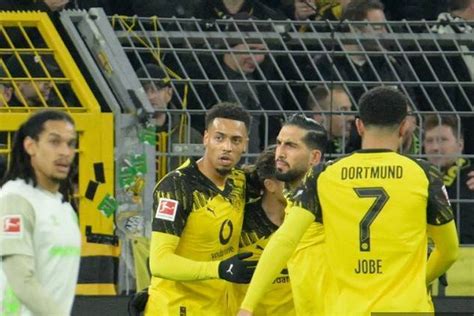
The Revierderby is one of the most storied and fiercely contested rivalries in German football, pitting two of the Ruhr region's most prominent clubs against each other: borussia dortmund and FC Schalke 04. This fixture is not merely a game of football; it is a clash of identities, a manifestation of regional pride, and a symbol of the deep-rooted cultural and industrial history of the Ruhr area. To understand the significance of the Revierderby, one must delve into the historical, social, and sporting dimensions that make this derby a cornerstone of German football culture.
The term "Revierderby" derives from the German word "Revier," which refers to the mining and industrial region of the Ruhr. This area, often described as the industrial heartland of Germany, has long been defined by its coal mines, steelworks, and a working-class ethos. Both Dortmund and Schalke emerged as clubs rooted in this industrial landscape, with their fan bases drawing heavily from the miners, steelworkers, and laborers who shaped the region. This shared industrial heritage creates a unique backdrop for the rivalry, as it is not just about football but also about representing the struggles, triumphs, and identity of an entire region.
The cultural significance of the Revierderby extends beyond the pitch. The Ruhr region, often referred to as "Revier," has historically been a melting pot of diverse communities drawn to the area for work in its booming industries. This diversity is reflected in the supporter bases of both clubs, which include a mix of local families with generations of allegiance and newer fans who have embraced the clubs as part of their adopted identity. For many in the Ruhr, supporting either Dortmund or Schalke is a way of life—a marker of belonging that transcends the 90 minutes of a match. This deep emotional investment means that the Revierderby often carries a weight that goes beyond typical football rivalries. It is a communal event, a moment where the region pauses to celebrate or commiserate together, depending on the outcome.
From a sporting perspective, the Revierderby has been a fixture in the Bundesliga since its inception in 1963. Both Borussia Dortmund and Schalke 04 have had periods of dominance in German football, and their head-to-head clashes have often had significant implications for league standings, cup runs, and bragging rights. Dortmund, with its iconic yellow wall of supporters at Signal Iduna Park, represents a more attack-oriented, high-energy style of play in recent decades. Schalke, hailing from Gelsenkirchen, has traditionally been associated with a more pragmatic, defensively solid approach. These contrasting styles add an extra layer of intrigue to their encounters, as they often symbolize two different philosophies of football colliding.
One of the most fascinating aspects of the Revierderby is its unpredictability. Unlike some rivalries where one team consistently dominates, the Revierderby has seen both clubs experience periods of ascendancy and decline. Schalke’s golden era in the 1930s and 1940s, coupled with their UEFA Cup win in 1997, contrasts with Dortmund’s more recent successes, including their Bundesliga titles and UEFA Champions League final appearance in 2013. This ebb and flow of fortunes ensures that no team can rest on past glories when the derby comes around. A struggling Schalke side can rise to the occasion against a dominant Dortmund, and vice versa, making each match a potential turning point in the season.
The emotional intensity of the Revierderby is heightened by the close geographical proximity of the two clubs. Dortmund and Gelsenkirchen are only about 30 kilometers apart, meaning that fans of both teams often live and work side by side. This proximity fuels the rivalry in everyday life, as friendly banter, heated debates, and even family divisions are common. Stories of friends, colleagues, and even spouses choosing opposite sides in the Revierderby are commonplace, adding a personal dimension to the rivalry that is less prevalent in other football derbies. For instance, it is not unusual for workplaces in the Ruhr to see playful—or sometimes serious—wagers and challenges centered around the outcome of the derby.
Another unique feature of the Revierderby is its role in representing the broader socio-economic shifts of the Ruhr region. As the industrial base of the area has declined over the past few decades, the clubs have taken on a symbolic role in preserving the identity and pride of their communities. For Dortmund, this has meant leveraging their success on the European stage to project an image of resilience and ambition. For Schalke, the challenges of relegation and financial difficulties in recent years have only deepened the emotional stakes of the derby, as fans see it as a chance to reclaim some measure of regional pride, even in the face of adversity.
Historically, specific Revierderby matches have become legendary in German football lore. One of the most memorable was the "Revierderby of the Century" in 1997, when Schalke, on the brink of relegation, managed to defeat Dortmund 1-0 in a match that epitomized the never-say-die spirit of the rivalry. Another iconic moment was Dortmund’s 4-4 draw at Schalke in 2017, where they squandered a four-goal lead in the second half—a result that left both sets of fans in shock but also encapsulated the drama and chaos that often accompanies this fixture.
The Revierderby also serves as a microcosm of the broader German football landscape. While Bayern Munich often dominates the national conversation, the Revierderby represents the heart and soul of football in a region that has produced some of the country’s most passionate supporters and talented players. It is a fixture that refuses to be overshadowed by the glamour of other derbies or the allure of international competitions. Instead, it stands as a testament to the enduring power of local rivalries to capture the imagination of fans and players alike.
In summary, the Revierderby is more than a football match; it is a cultural phenomenon that encapsulates the history, identity, and spirit of the Ruhr region. It is a clash that brings together contrasting styles of play, deeply personal fan allegiances, and a shared history of industrial resilience. Whether played in Dortmund’s imposing stadium or Schalke’s Veltins-Arena, the Revierderby remains a key fixture in German football not just because of its competitive nature but because it symbolizes the enduring bond between football and community in one of Europe’s most unique regions.
- The Revierderby is rooted in the industrial and cultural history of the Ruhr region.
- It represents a clash of identities and philosophies between Dortmund and Schalke.
- The geographical proximity of the clubs adds a personal dimension to the rivalry.
- The fixture has produced some of the most memorable moments in German football history.
- It serves as a symbol of regional pride and resilience amid socio-economic changes.
This deep-seated rivalry continues to be a highlight of the Bundesliga calendar, drawing attention not just from the Ruhr but from football fans across Germany and beyond. For those who experience it, the Revierderby is a reminder of how football can serve as a vessel for history, emotion, and community in ways that few other sports rivalries can match.
Historical Origins of the Rivalry
The rivalry between Borussia Dortmund and Schalke 04, known as the Revierderby, is one of the most intense and storied rivalries in German football. To understand its historical origins, we must delve into the socio-economic, cultural, and sporting dynamics of the Ruhr region, where both clubs are based. This region, often referred to as the "Revier" or coal mining district, was a hotbed of industrial activity in the late 19th and early 20th centuries. The shared industrial backdrop of the two clubs laid the foundation for their rivalry, but it was the specific interplay of local pride, economic competition, and post-war recovery that truly ignited the competitive fire between Dortmund and Schalke.
The roots of the rivalry can be traced back to the early 20th century when both clubs were established in close proximity within the Ruhr area. Borussia Dortmund was founded in 1909 by a group of young men looking to create a football team independent of the dominant local Catholic church youth organization. Schalke 04, on the other hand, was founded in 1904 in Gelsenkirchen, a city just 30 kilometers away. While both clubs were born out of a shared passion for football in an era of rapid industrial growth, their respective identities were shaped by the distinct communities they represented. Dortmund, with its working-class ethos, emphasized a sense of rebellious independence, while Schalke, with its roots in a slightly more structured and conservative environment, cultivated a reputation for discipline and efficiency on the pitch.
One of the earliest sparks of the rivalry can be attributed to their differing fortunes in the pre-World War II era. Schalke 04 dominated German football during the 1930s and 1940s, winning six German championships between 1934 and 1942. This era of Schalke's supremacy was fueled by their innovative "Schalker Kreisel" playing style, a short-passing system that overwhelmed opponents. Dortmund, meanwhile, struggled to find similar success during this period, often playing second fiddle to their more illustrious neighbor. This early imbalance in achievements created a sense of resentment among Dortmund supporters, who yearned to dethrone Schalke and assert their own place in the regional hierarchy.
The rivalry was further deepened by the socio-economic tensions of the Ruhr region. Both Dortmund and Gelsenkirchen were industrial powerhouses, with coal mines and steel factories employing thousands of workers. However, the economic competition between the cities was palpable. Dortmund’s growth as a coal and beer hub often clashed with Gelsenkirchen’s industrial identity, creating an undercurrent of rivalry that extended beyond the football pitch. This competition for regional dominance spilled into the stands, where fans of both clubs saw football as a proxy for asserting their city’s superiority in the industrial landscape.
The post-World War II era marked a turning point in the rivalry. The devastation of the war had a profound impact on the Ruhr region, and both Dortmund and Schalke faced the challenge of rebuilding their teams and communities. In the 1950s, Schalke’s decline from their pre-war dominance coincided with Dortmund’s ascent as a competitive force in German football. Dortmund won their first German championship in 1956, followed by another in 1957. These victories were not just sporting achievements but symbolic triumphs for a city that had long lived in Schalke’s shadow. For Dortmund fans, this was a moment of reclamation—a chance to stake their claim as the region’s premier club. For Schalke supporters, it was a bitter reminder that their golden era was fading.
Another key event that solidified the rivalry was the introduction of the Bundesliga in 1963. Both clubs were among the founding members of the new professional league, and their regular meetings in this highly competitive environment amplified the stakes of their clashes. The first Bundesliga Revierderby in 1963 ended in a 0-0 draw, but it set the tone for decades of closely fought matches that often had implications for league standings, European qualification, and bragging rights. This era also saw the emergence of iconic players on both sides, such as Schalke’s Reinhard Libuda and Dortmund’s Lothar Emmerich, whose performances added individual narratives to the broader rivalry.
The 1970s and 1980s saw the rivalry take on a more combative tone, influenced by the growing commercialization of football and the increasing importance of fan culture. Matches between Dortmund and Schalke during this period were marked by high emotions, with fan chants and tifos often reflecting the deep-seated animosity between the two sets of supporters. Incidents such as controversial refereeing decisions, last-minute goals, and heated confrontations on the pitch contributed to the lore of the Revierderby. For instance, Dortmund’s 3-2 victory over Schalke in 1984, secured with a late goal, is still remembered as a pivotal moment that symbolized Dortmund’s growing ability to challenge Schalke on equal footing.
The rivalry also has a unique cultural dimension rooted in the identities of the fan bases. Dortmund has long been associated with a more inclusive, working-class fan culture, while Schalke has often been seen as representing a more traditional, community-focused ethos. These contrasting identities have fueled not only competition but also mutual respect, albeit grudgingly. The fact that both clubs draw their support from towns separated by a short distance means that families and friendships are often divided by allegiance, adding a personal dimension to the rivalry. Stories of brothers supporting opposing teams or neighbors engaging in playful (and sometimes not-so-playful) banter are common in the region, underscoring how deeply the rivalry is embedded in the social fabric of the Ruhr.
In the modern era, the rivalry has been shaped by high-profile matches that have had national and even international significance. One of the most memorable Revierderbies occurred in 1997, when Dortmund clinched the UEFA Champions League title, cementing their status as one of Europe’s elite clubs. Schalke, meanwhile, experienced a contrasting emotion that same year when they won the UEFA Cup but were denied the Bundesliga title on the final day of the season. This juxtaposition of triumph and heartbreak encapsulates the rollercoaster nature of the rivalry, where moments of glory for one club often come at the expense of the other.
The rivalry has also been influenced by the broader dynamics of German football. The emergence of Bayern Munich as the dominant force in the Bundesliga has, paradoxically, deepened the sense of solidarity between Dortmund and Schalke fans in their shared frustration with Bayern’s dominance. However, this shared grievance has never diluted the intensity of their head-to-head battles. If anything, it has served as a reminder of the unique bond forged by their shared regional identity, even as they vie for supremacy within it.
In conclusion, the historical origins of the Revierderby are rooted in a complex interplay of industrial rivalry, sporting competition, and cultural identity. From the early 20th century to the present day, the duel between Dortmund and Schalke has been shaped by key events such as Schalke’s pre-war dominance, Dortmund’s post-war resurgence, and the shared challenges of rebuilding in the post-war era. These factors, combined with the deeply personal and communal nature of fan culture in the Ruhr, have made the Revierderby more than just a football match—it is a reflection of the region’s history, pride, and enduring competitive spirit.
Key Figures in Revierderby History
The Revierderby, contested between Borussia Dortmund and Schalke 04, is one of the most storied rivalries in German football. Its roots lie deep in the industrial heart of the Ruhr region, where the two clubs have represented more than just sport—they have embodied the pride, identity, and resilience of their communities. To fully understand the intensity of this rivalry, one must delve into the key figures who have shaped its history. These legendary players, managers, and defining moments have etched their names into the annals of the Revierderby, creating a legacy that transcends the 90 minutes on the pitch.
Among the most iconic players to grace the Revierderby, Lothar Emmerich stands out as a Dortmund legend. A prolific forward in the 1960s, Emmerich was known for his thunderous left foot and an ability to score goals that defied belief. His performances in derbies were particularly memorable; he had a knack for rising to the occasion when the stakes were highest. Emmerich’s goals not only brought joy to Dortmund fans but also symbolized the early dominance of BVB in this rivalry during that era. On the Schalke side, Ernst Kuzorra and his brother-in-law Fritz Szepan were instrumental in the 1930s and 1940s. They were part of Schalke’s "Knappen" team that dominated German football, and their contributions laid the foundation for Schalke’s identity as a force in the Revierderby. Kuzorra, in particular, was a master of control and vision, often dictating play in matches that would decide bragging rights for the region.
Moving into the modern era, Michael Zorc is a name synonymous with Borussia Dortmund. A one-club man who spent his entire career at Dortmund, Zorc played in numerous derbies and embodied the grit and determination that defined the rivalry. As a midfielder, he was not just a goalscorer but also a leader who could rally his team in the face of Schalke’s relentless pressure. His battles against Schalke’s Olaf Thon in the 1990s were a sight to behold. Thon, a versatile player capable of operating in midfield or defense, was Schalke’s answer to Zorc. Their duels were emblematic of the Revierderby’s essence—two players giving their all for their teams, often leaving everything on the field.
Managers, too, have played a pivotal role in shaping the narrative of this rivalry. Jürgen Klopp, during his tenure at Dortmund (2008–2015), brought an electrifying energy to the Revierderby. Klopp’s high-intensity "gegenpressing" style often overwhelmed Schalke, and his emotional connection with the fans made the derbies under his stewardship feel like battles of wills. One of the most iconic moments under Klopp was the 5-1 thrashing of Schalke in 2012, a result that not only showcased Dortmund’s dominance but also underlined the psychological edge Klopp had instilled in his team. On the Schalke side, Huub Stevens is revered for his tactical acumen and ability to galvanize his squad. Stevens led Schalke to some of their most memorable derby victories, including the 1-0 win in 2011 that ended Dortmund’s unbeaten run in the Bundesliga. His pragmatic approach and emphasis on defensive solidity often frustrated Dortmund’s attacking prowess.
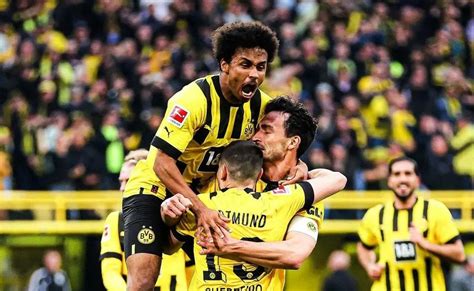
The Revierderby has also been defined by moments that live on in the collective memory of fans. One such moment occurred in 1997, when Schalke, on the brink of relegation, managed a stunning 1-0 victory over Dortmund courtesy of a goal by Marc Wilmots. This match is often remembered as a turning point for Schalke, as it injected belief into a struggling team. Another unforgettable moment came in 2007 when Schalke’s Gerald Asamoah scored a late equalizer in a 3-3 draw, snatching a point in a match where Dortmund had seemed destined to win. These moments are not just about the goals but about the emotional rollercoaster they send fans on—joy for one side, heartbreak for the other.
One of the most dramatic chapters in Revierderby history unfolded on November 26, 2017, when Dortmund hosted Schalke in a match that would become known as the "highest-scoring derby" of the modern era. Dortmund raced to a 4-0 lead within 25 minutes, leaving Schalke shell-shocked. However, in a display of sheer determination, Schalke mounted a comeback for the ages, scoring four goals in the second half to level the match at 4-4. This result was a testament to the unpredictable nature of the Revierderby, where no lead is safe and no outcome guaranteed. The match showcased how this rivalry can produce moments of sheer euphoria and despair in equal measure.
Another layer of the Revierderby’s history is shaped by players who crossed the divide, adding fuel to the already fiery rivalry. Felix Magath, for instance, played for Hamburg and Bayern Munich but later managed Schalke, where he became a figure of both admiration and frustration for Dortmund fans. His tactical battles with Dortmund managers added a new dimension to the rivalry. Similarly, Kevin-Prince Boateng, who played for Schalke, was known for his combative style and ability to rise to the occasion in high-pressure matches. These players, by virtue of their performances or their mere presence, became central figures in the ongoing narrative of the derby.
The Revierderby is also marked by the role of local talent who grew up immersed in the rivalry. Players like Marco Reus, a Dortmund native, have often spoken about what it means to represent their club in this fixture. Reus’s goals and leadership in derbies have made him a modern symbol of Dortmund’s fighting spirit. On the Schalke side, players such as Manuel Neuer, before his move to Bayern Munich, were instrumental in keeping Schalke competitive in derbies. Neuer’s heroics in goal, particularly in matches where Schalke were underdogs, often kept the scorelines respectable or even swung the result in Schalke’s favor.
Beyond individual brilliance, the Revierderby has also been shaped by external factors that amplify its significance. The industrial backdrop of the Ruhr region, where coal and steel were once the lifeblood of the communities, has infused the rivalry with a working-class ethos. This has made the matches more than just football games—they are a reflection of the socio-economic dynamics of the region. The fans, often referred to as the "12th man," play a massive role in creating an atmosphere that is as much a part of the Revierderby as the players themselves. Chants, banners, and the sheer noise of the stadiums underscore the passion that fuels this rivalry.
In summary, the Revierderby’s history is rich with legendary figures who have left an indelible mark. From the goal-scoring prowess of Emmerich to the tactical genius of Klopp and Stevens, from the unrelenting spirit of Zorc to the dramatic comebacks orchestrated by Schalke, this rivalry has been defined by those who embraced its intensity. These players, managers, and moments are not just footnotes in football history—they are the very essence of what makes the Revierderby one of the most compelling derbies in world football.
Statistical Analysis of Past Matches
The Revierderby between Borussia Dortmund and Schalke 04 is one of the most storied rivalries in German football, rooted in geographical proximity and a deep-seated competition for regional dominance. To fully appreciate the dynamics of this fixture, a statistical analysis of past matches provides a lens through which we can evaluate the teams' performances, trends, and historical outcomes. This section delves into the detailed breakdown of match statistics, focusing on wins, losses, draws, and goal averages for both teams across various eras of the Bundesliga.
Since the inception of the Bundesliga in 1963, Borussia Dortmund and Schalke 04 have faced each other numerous times. As of recent records, the two teams have played over 100 competitive matches against each other. A closer look reveals that Dortmund has had a slight edge in terms of overall wins. Out of these matches, Dortmund has secured approximately **45 wins**, Schalke has won around **35 matches**, and the remaining **20-25 games** have ended in draws. This win-loss distribution underscores Dortmund's slightly superior performance in the long-term rivalry, though Schalke has historically been a formidable opponent capable of delivering upset victories, particularly in the earlier decades of the Bundesliga.
The goal averages for both teams in the Revierderby provide another layer of insight. Dortmund's average goals per game in this fixture hover around **1.8**, while Schalke's average is slightly lower at **1.5**. This disparity suggests that Dortmund has been more prolific in front of goal when facing Schalke, a trend that can be attributed to Dortmund's attacking philosophy, especially during their peak years under managers like Jürgen Klopp and later under Lucien Favre. Dortmund's high-pressing style and emphasis on quick transitions have often overwhelmed Schalke's defenses, particularly in home fixtures at Signal Iduna Park, where the famous "Yellow Wall" amplifies the team's momentum.
However, it is essential to consider the context of these averages over different periods. During the 1970s and 1980s, Schalke was more competitive in the Revierderby, often matching Dortmund goal-for-goal. In this era, Schalke's goal average was closer to **1.7**, reflecting a time when the team boasted strong attacking players like Klaus Fischer. In contrast, Dortmund's defensive vulnerabilities during this period allowed Schalke to capitalize. The 1990s saw a shift as Dortmund began to dominate German football, winning Bundesliga titles and even the UEFA Champions League in 1997. This period saw Dortmund's goal average rise, while Schalke's dipped slightly as they struggled to keep pace with Dortmund's reinvigorated squad.
A breakdown of home and away performances adds further nuance. Dortmund has historically been stronger at home in the Revierderby, with a win percentage of around **55%** at Signal Iduna Park. This is partly due to the psychological advantage of playing in front of one of the most passionate crowds in Europe. Schalke, on the other hand, has managed to secure only about **30%** of wins when visiting Dortmund. Conversely, Schalke's home record in Gelsenkirchen has been more balanced, with the team winning approximately **40%** of home matches against Dortmund. This home-field advantage is a recurring theme in football rivalries, but it is particularly pronounced in the Revierderby due to the intense atmosphere created by both sets of fans.
The distribution of draws in this fixture is also worth examining. Draws account for roughly **20-25%** of all Revierderby matches. This relatively high proportion of stalemates indicates that, despite Dortmund's overall edge, the matches are often closely contested. Many of these draws have been low-scoring affairs, with final scores like **1-1** or **0-0** being common. This trend can be attributed to the high stakes of the fixture; both teams often prioritize not losing over taking risks to win, particularly in seasons where league positions or European qualification are on the line.
A deeper dive into specific timeframes reveals interesting patterns. For instance, during the 2000s and early 2010s, Dortmund enjoyed a period of dominance in the Revierderby. This era coincided with Dortmund's resurgence under Klopp, who implemented a high-energy, counter-pressing system that Schalke often struggled to contend with. During this period, Dortmund won several matches with convincing scorelines, including a memorable **5-0 victory** in 2019. This result exemplified Dortmund's attacking prowess, with players like Erling Haaland and Jadon Sancho showcasing their talent. In contrast, Schalke's most recent period of success in the Revierderby came in the late 2000s, when they managed a series of wins and draws, leveraging their physicality and set-piece efficiency to unsettle Dortmund.
The goal-scoring patterns in the Revierderby also reveal interesting player contributions. For Dortmund, key players such as Pierre-Emerick Aubameyang, Marco Reus, and more recently, Erling Haaland, have been prolific scorers in this fixture. Aubameyang, for example, scored multiple braces against Schalke, cementing his status as a derby hero. For Schalke, players like Klaas-Jan Huntelaar and Raúl have left their mark, with Huntelaar being particularly effective in the mid-2010s. These individual performances often swung the momentum of matches, highlighting how star players can define the outcome of derbies.
It is also worth noting how the Revierderby statistics are influenced by the broader context of each team's season performance. In seasons where Dortmund was competing for the Bundesliga title or Champions League qualification, their Revierderby performances were often more assertive. Conversely, in seasons where Schalke found themselves in relegation battles or mid-table struggles, their focus on survival sometimes diminished their effectiveness in the derby. This dynamic is evident in the 2020-2021 season, when Schalke faced relegation, and Dortmund won both league fixtures with an aggregate score of **7-0** across the two games. Such lopsided results are rare in derbies of this magnitude but illustrate how team form can heavily influence derby outcomes.
Another unique aspect of the Revierderby is the role of home crowd influence. Dortmund's Signal Iduna Park, with its capacity of over 80,000, often creates an intimidating environment for visiting teams. Statistical analysis shows that Dortmund scores an average of **2 goals per game at home** against Schalke, compared to **1.3 goals per game away**. This stark contrast demonstrates how the home crowd can energize the players and disrupt the opposition. Schalke's Veltins-Arena, while also a challenging venue, has not provided the same level of consistent advantage in this fixture, as Dortmund has often managed to secure points even in hostile away conditions.
From a historical perspective, the Revierderby statistics also reflect broader trends in German football. For instance, the introduction of the Bundesliga's modern era in the 1990s and 2000s saw an increase in the competitiveness of matches due to improved training methods, squad depth, and tactical evolution. Both Dortmund and Schalke benefited from these advancements, but Dortmund's ability to attract and develop world-class talent gave them a sustained edge. This is evident in the data, where Dortmund's win percentage in the last 20 years stands at around **50%**, compared to Schalke's **30%**.
In conclusion, the statistical analysis of past Revierderby matches reveals a nuanced picture of this intense rivalry. While Dortmund has had a slight edge in terms of wins and goal averages, Schalke's historical competitiveness and ability to deliver upsets ensure that the fixture remains unpredictable. The role of home advantage, individual brilliance, and seasonal form further enriches the narrative of this derby. These statistics not only highlight the competitive nature of the Revierderby but also provide a foundation for understanding how the rivalry has evolved over decades, shaped by the ebb and flow of both teams' fortunes in German football.
Cultural and Regional Impact of the Derby
The Revierderby between Borussia Dortmund and Schalke 04 is more than just a football match; it is a vivid manifestation of the industrial and cultural identity of the Ruhr region. This rivalry encapsulates the shared history, economic evolution, and social dynamics of an area that has long been defined by coal, steel, and the resilience of its people. To understand the cultural and regional impact of the Revierderby, one must delve into the historical and sociocultural underpinnings that have shaped this fixture into a symbolic battleground for regional pride.
The Ruhr region, often referred to as the "Revier," is an industrial heartland that powered Germany's economic rise during the 19th and 20th centuries. Its landscape was dominated by coal mines, steel mills, and factories, creating a working-class ethos that permeated every aspect of life. Football, as a sport accessible to the masses, became a unifying outlet for communities grappling with the demands of industrial labor. Both Borussia Dortmund and Schalke 04 were born out of this environment—Dortmund in 1909 and Schalke in 1904—and their early histories are intertwined with the socio-economic struggles of the region. The clubs were not merely teams; they were extensions of their local communities, providing a sense of belonging and identity in an otherwise grueling industrial existence.
The rivalry itself mirrors the competitive spirit of the Ruhr's industrial workers. In an era when miners and steelworkers toiled side by side in neighboring towns, loyalty to one’s club became a proxy for broader regional allegiances. Dortmund, with its black and yellow colors, represented a club deeply rooted in the working-class ethos, while Schalke, with its royal blue, was seen as a symbol of pride for Gelsenkirchen and its surrounding areas. These colors and the teams they represent are not arbitrary; they are imbued with the values of hard work, perseverance, and a sense of defiance against external pressures—traits that defined the Ruhr's industrial laborers. The Revierderby, therefore, is not just about football but about affirming one’s place in a region shaped by sweat, toil, and communal solidarity.
The economic decline of the Ruhr region in the late 20th century, marked by the closure of coal mines and steel plants, further elevated the symbolic importance of the Revierderby. As traditional industries waned, football remained one of the few constants that could unite the region. The matches between Dortmund and Schalke became more than sporting events; they were celebrations of a shared heritage in the face of economic hardship. For instance, when Dortmund struggled financially in the early 2000s or when Schalke faced relegation in recent years, the passion of their supporters never wavered. This resilience is a direct reflection of the Ruhr's ability to endure and adapt, a quality ingrained in its people through generations of industrial challenges. The derby serves as a reminder that, despite economic shifts, the region’s cultural identity remains rooted in collective pride and mutual competition.
Culturally, the Revierderby also highlights the unique humor and camaraderie of the Ruhr region. While the rivalry is intense, it is often accompanied by a sense of mutual respect and playful banter. Fans of both teams frequently engage in creative chants, banners, and pranks that reflect a deep understanding of their shared history. For example, Dortmund fans might mock Schalke’s lack of recent success with witty slogans, while Schalke supporters might rib Dortmund for their reliance on international stars rather than local talent. These exchanges are not merely antagonistic; they are a form of cultural expression that reinforces the idea of a "Revier family" bound by competition rather than division. This dynamic underscores how the derby acts as a cultural mirror, reflecting the region's ability to balance fierce rivalry with underlying solidarity.
The geographical proximity of Dortmund and Gelsenkirchen—separated by merely 30 kilometers—adds another layer to the derby's intensity. Unlike other football rivalries that span vast distances, the closeness of these cities means that friends, family members, and even coworkers often find themselves on opposite sides of the divide. This creates a heightened emotional investment in the outcome of each match. A victory is not just a win for the team but a source of bragging rights that ripple through workplaces, schools, and neighborhoods. This proximity also means that the derby has a tangible presence in everyday life; it is not confined to the stadium but spills into pubs, living rooms, and public spaces where fans gather to relive the latest chapter of this enduring saga.
The Revierderby also serves as a microcosm of the Ruhr’s broader cultural evolution. While the industrial past is celebrated, the region has increasingly embraced a post-industrial identity centered on arts, education, and sustainability. Both Dortmund and Schalke have played a role in this transition. Dortmund’s Signal Iduna Park, for instance, is not just a stadium but a symbol of modern infrastructure and economic diversification. Similarly, Schalke’s commitment to community programs and youth development reflects the region’s efforts to reinvent itself while staying true to its roots. The derby, in this context, becomes a bridge between the old and the new—a reminder of the industrial past while showcasing the region’s adaptability and forward-looking spirit.
Another unique aspect of the Revierderby is its role in fostering intergenerational connections. In families across the Ruhr, stories of past derbies are passed down like cherished heirlooms. Grandparents recount the thrill of Schalke’s legendary 1930s team, while parents reminisce about Dortmund’s 1997 Champions League triumph. These narratives create a sense of continuity, ensuring that younger generations grow up with an appreciation for the derby’s historical significance. This intergenerational transfer of passion reinforces the derby’s role as a cultural touchstone, one that binds the region across time and space.
The global reach of the Revierderby also speaks to the Ruhr region’s ability to project its identity beyond Germany. As both Dortmund and Schalke have gained international followings, the derby has become a window into the Ruhr’s distinct character for fans worldwide. The passion, intensity, and historical weight of this fixture resonate even with those who have no direct connection to the region, turning it into a cultural export that showcases the Ruhr’s unique blend of grit and camaraderie.
- The derby is a living archive of the Ruhr’s industrial past, with each match serving as a reminder of the region’s working-class roots.
- It highlights the sociocultural resilience of the Ruhr, as both clubs and their fans adapt to changing economic landscapes.
- The rivalry fosters a sense of shared identity, even as it pits neighbors against one another in friendly competition.
In conclusion, the Revierderby is not merely a football match but a vibrant expression of the Ruhr region’s industrial and cultural DNA. It reflects the area’s history of hard work and communal spirit, its ability to find joy and purpose amid economic challenges, and its enduring sense of pride in its heritage. Through this rivalry, the Ruhr region tells its story—one of resilience, rivalry, and shared identity—to the world.
Fan Culture and Rivalry Atmosphere
The Revierderby between Borussia Dortmund and Schalke 04 is not just a football match; it is a cultural phenomenon that encapsulates the deep-seated rivalry and pride of the Ruhr region in Germany. This clash is one of the most intense derbies in world football, and its fan culture plays a central role in creating an atmosphere that is as much about emotion and tradition as it is about the game itself. To understand the fan culture and rivalry atmosphere of the Revierderby, one must delve into the unique traditions, chants, and the electric energy that surrounds these matches.
At the heart of the Revierderby’s fan culture is the **regional identity** of the Ruhr area. Both Dortmund and Gelsenkirchen, the homes of Borussia Dortmund and Schalke 04 respectively, are former industrial hubs with a shared history of coal mining and steel production. This working-class heritage has shaped the supporters’ sense of belonging and solidarity. For fans of both clubs, the derby is not merely about football—it is a reflection of their identity and a chance to assert dominance over their closest rivals. This shared history fosters an atmosphere of **mutual respect for the region’s roots**, even as the rivalry itself is fiercely competitive. Fans often chant about their pride in the Ruhr region, intertwining their love for their club with their sense of place.
One of the most striking aspects of fan culture in the Revierderby is the **choreography and tifo displays** in the stands. Dortmund’s Signal Iduna Park, with its famous Yellow Wall (the Südtribüne), is renowned for its massive, coordinated displays of banners, flags, and murals. These often depict historical moments, club legends, or messages of defiance aimed at Schalke. Similarly, Schalke’s Veltins-Arena is no slouch when it comes to visual displays. Fans there create equally impressive choreographies that emphasize their loyalty and challenge Dortmund’s dominance. The sheer scale of these displays is a testament to the fans’ dedication and creativity. For instance, before a match, the Yellow Wall might unveil a tifo that spans the entire stand, with messages like "Der Mythos lebt" (The Myth Lives), while Schalke fans might respond with imagery of their mining heritage and slogans like "Wir leben dich" (We Live You). These visual spectacles set the stage for an emotionally charged 90 minutes.
The **chants and songs** of the fans are another defining feature of the Revierderby atmosphere. Dortmund supporters are known for their thunderous rendition of "You'll Never Walk Alone," a song that reverberates through the stadium and unites tens of thousands of voices in solidarity. However, in the context of the Revierderby, the chants take on a sharper edge. Dortmund fans often taunt Schalke with songs like "Schalke sowas von scheiße" (Schalke are so rubbish), while Schalke fans retaliate with their own jibes, such as mocking Dortmund’s occasional struggles in European competitions. These chants are not just playful banter; they are deeply rooted in the **psychological warfare** that fans engage in to unsettle the opposition. The decibel levels during these chants often reach a crescendo, especially when a goal is scored or a key moment occurs in the match.
What makes the chants in the Revierderby unique is their **localized flavor**. Unlike more generic football chants, many of the songs in this derby are tailored to the specific history and rivalry of the two clubs. For example, Dortmund fans might sing about their dominance in recent years, while Schalke supporters cling to memories of historic victories, such as their 4-2 win in Dortmund in 2019, which ended a long winless streak in the derby. These chants serve as a way for fans to **reaffirm their club’s narrative** in the rivalry, whether it’s Dortmund’s more recent success or Schalke’s desire to reclaim past glory.
The **pre-match rituals** also add to the electric atmosphere of the Revierderby. Hours before kickoff, fans gather in local pubs, fan zones, and even on the streets to build up the energy. Dortmund fans often congregate near the Borsigplatz, a historic square associated with the club’s founding, while Schalke fans rally around their home ground or in Gelsenkirchen’s city center. These gatherings are not just about drinking and singing; they are a way for fans to **mentally prepare for the emotional intensity** of the match. The air is thick with anticipation, and the camaraderie among supporters reinforces the sense that this is more than just a game—it is a **communal event** that binds people together.
During the match itself, the **energy in the stadium is palpable**. The Yellow Wall at Dortmund creates a wall of sound that can unnerve even the most experienced players. Schalke fans, despite being outnumbered in away fixtures, are equally vociferous, determined to make their presence felt. The back-and-forth between the two sets of supporters creates a **dynamic ebb and flow** in the atmosphere. When Dortmund scores, the roar from the Yellow Wall can feel like a physical force, while Schalke goals often spark wild celebrations that seem to defy the odds, given the club’s recent struggles. This interplay of sound and emotion is what makes the Revierderby stand out—it is not just about who wins on the pitch but about which set of fans can outdo the other in passion and volume.
Another unique aspect of the Revierderby is the **role of ultra groups** in shaping the atmosphere. Groups like Dortmund’s The Unity and Schalke’s Ultras Gelsenkirchen are instrumental in organizing chants, displays, and the overall supporter experience. These groups often have a **deep ideological commitment** to their clubs, and their rivalry extends beyond matchdays. Ultra groups from both sides see themselves as guardians of their club’s honor, and their pre-match provocations—whether through banners, social media, or even small-scale confrontations—add to the **narrative tension** surrounding the derby.
The **post-match rituals** are equally significant. If Dortmund wins, the Yellow Wall erupts in a celebration that can last for hours, with fans spilling out into the streets to continue the party. Conversely, a Schalke victory often feels like a **triumph against the odds**, and their fans savor the moment with an almost cathartic joy. Regardless of the result, both sets of fans leave the stadium with a sense of having participated in something larger than themselves—a **shared experience** that will be talked about until the next derby.
In recent years, the Revierderby has also seen a rise in **digital fan engagement**, with supporters using social media to amplify their chants, share videos of tifos, and even engage in online banter with rival fans. While this digital element is a modern addition, it complements rather than replaces the traditional fan culture. The physical atmosphere of the stadium remains the epicenter of the rivalry, but the online space allows fans to extend the derby’s reach beyond the Ruhr region.
In conclusion, the fan culture and rivalry atmosphere of the Revierderby are unparalleled in their intensity and uniqueness. From the choreographed tifos and localized chants to the pre- and post-match rituals, every aspect of the fan experience is infused with passion and history. This is not just a football match; it is a **celebration of identity**, a **battle of pride**, and a **testament to the enduring power** of football to unite and divide in equal measure. For those fortunate enough to witness a Revierderby live, the atmosphere is a reminder of why this derby is considered one of the most special in the world.
Notable Matches and Turning Points
The Revierderby between Borussia Dortmund and Schalke 04 is one of the most intense and storied rivalries in German football. Rooted in the industrial heartland of the Ruhr region, this clash goes beyond sport, embodying the cultural and historical tensions of two cities with deep-seated pride. Within this context, certain matches stand out as turning points that have not only shaped the rivalry but also left indelible marks on the narratives of both clubs.
One of the most pivotal matches in the history of the Revierderby occurred on **April 12, 1997**, at the height of Dortmund's European ambitions. This match took place during a season where Dortmund was chasing domestic and European glory. Schalke, meanwhile, was fighting to maintain its status as a competitive force in the Bundesliga. Dortmund emerged victorious with a **2-0 win**, with goals from Andreas Möller and Stéphane Chapuisat. While the scoreline itself may not seem extraordinary, the timing of this win was critical. Dortmund was building momentum for their eventual UEFA Champions League triumph later that season—a first for a German club since 1983. This derby win served as a psychological boost, reinforcing Dortmund's dominance in the rivalry at a time when Schalke was struggling to assert itself. The result underscored Dortmund's growing stature as a powerhouse not just in the Ruhr but in European football, while Schalke was left grappling with the implications of being overshadowed by their fiercest rivals on the continental stage.
Another match that shifted the dynamics of the rivalry took place on **November 20, 2004**, a game remembered for its sheer drama and the emergence of a young talent. Schalke hosted Dortmund at the Veltins-Arena and delivered a resounding **4-1 victory**. This match is often cited as a turning point for Schalke in reasserting their presence in the rivalry after years of Dortmund's supremacy. What made this result particularly significant was the performance of Schalke's **19-year-old striker Kevin Kuranyi**, who scored a brace. Kuranyi's display symbolized Schalke's investment in youth and their ability to challenge Dortmund with homegrown talent. This win also occurred during a period when Schalke was consolidating its position as a consistent top-four contender in the Bundesliga. For Dortmund, the defeat was a wake-up call. They were in the midst of a transitional phase, struggling financially and on the pitch. This match highlighted Schalke's ability to capitalize on Dortmund's vulnerabilities, setting the stage for a more balanced rivalry in the mid-2000s.
The **2006-07 season** provided another unforgettable derby moment, this time favoring Dortmund. On **December 10, 2006**, Dortmund hosted Schalke at Signal Iduna Park and secured a **2-1 victory** in a match defined by late drama. Schalke had been leading the Bundesliga table and was considered the stronger side, while Dortmund was enduring a challenging season. However, Dortmund's **David Odonkor** scored a late winner in the 89th minute, sending the home crowd into a frenzy. This result was not just about the points; it symbolized the unpredictability of the Revierderby. Schalke, despite their league-leading position, was reminded of the emotional toll the rivalry could take. For Dortmund, the win was a rare moment of joy in an otherwise difficult campaign, reinforcing the idea that form and league standings often mean little in derbies of this magnitude. This match also highlighted how the Revierderby can serve as a great equalizer, where even an underdog can rise to the occasion and snatch victory from a superior opponent.
Perhaps one of the most dramatic chapters in the Revierderby's history unfolded on **April 19, 2010**, in what is commonly referred to as the "**Meisterderby**." Schalke, chasing the Bundesliga title, faced Dortmund in a match that had significant title implications. Dortmund, despite being out of the title race, played the role of spoiler with a **3-1 victory**. The result dealt a crushing blow to Schalke's title aspirations, as Bayern Munich capitalized on the slip-up to eventually claim the championship. This match is remembered not only for its outcome but for the psychological edge it gave Dortmund in the rivalry. Schalke's inability to perform under pressure in such a high-stakes derby exposed a fragility that Dortmund fans have since used as a point of banter. Moreover, this match reinforced the idea that the Revierderby is not just about bragging rights but can also have far-reaching consequences for the league as a whole.
In more recent times, the **2017-18 season** provided a moment of pure ecstasy for Schalke fans. On **April 15, 2018**, Schalke hosted Dortmund in a match that would later be known as the "**Hinrunde Redemption**." Schalke, rejuvenated under manager Domenico Tedesco, delivered a stunning **2-0 victory**. This win was particularly significant because it came during a season where Schalke finished as runners-up in the Bundesliga, their best performance in years. The match also marked Schalke's ability to dominate Dortmund in a period when the latter was considered the superior team under manager Peter Stöger. Goals from Yevhen Konoplyanka and Naldo not only secured the win but also symbolized Schalke's resurgence as a competitive force. For Dortmund, this loss was a humbling experience, as it exposed cracks in their squad depth and tactical setup during a season of inconsistency.
Beyond individual matches, the Revierderby has also been shaped by broader contextual turning points. For instance, the **2007 UEFA Cup match** between the two teams—a rare instance of them meeting in European competition—was a unique chapter. Although Dortmund won the tie on aggregate, the matches themselves were tightly contested, emphasizing how the rivalry could extend beyond domestic boundaries. This encounter elevated the stakes of the rivalry, proving that the animosity and competitiveness could transcend the Bundesliga and enter the European arena.
Another critical aspect of the Revierderby's evolution is the role of fan culture and stadium atmosphere. The "**Yellow Wall**" at Signal Iduna Park and Schalke's passionate support at the Veltins-Arena have often played a decisive role in the outcome of derbies. For example, Dortmund's home record in the derby has historically been stronger, with the intimidating atmosphere created by their supporters often unsettling Schalke players. However, Schalke's ability to win key away derbies, such as the **2012 2-1 victory** at Signal Iduna Park, demonstrates how the psychological element of the crowd can sometimes backfire, spurring the visiting team to prove a point.
In summary, the Revierderby's most notable matches reveal a pattern of emotional intensity, tactical nuance, and historical weight. Whether it is Dortmund's European ambitions being bolstered by derby wins, Schalke's resurgence through youth-driven victories, or the role of late drama in shaping league narratives, these matches are more than just fixtures—they are chapters in a shared history that defines the identity of both clubs. Each turning point not only reflects the state of the rivalry at that moment but also serves as a reminder of how deeply intertwined the fates of Dortmund and Schalke are within the fabric of German football.
Economic and Media Influence of the Derby
The Revierderby, the storied clash between Borussia Dortmund and Schalke 04, is more than a football match; it is a cultural and economic phenomenon that reverberates far beyond the pitch. This rivalry, rooted in the industrial heartland of Germany's Ruhr region, has a profound impact on local economies, sponsorships, and media coverage. Understanding these dimensions requires delving into the specifics of how this fixture shapes the economic and media landscapes of football.
At the core of the Revierderby's economic influence is the **local economic stimulus** it provides. The Ruhr region, historically known for its coal and steel industries, has faced economic decline in recent decades. However, the derby acts as a periodic economic booster. On match days, the cities of Dortmund and Gelsenkirchen experience a surge in activity. Local businesses, including hotels, restaurants, bars, and souvenir shops, see increased patronage. For instance, Dortmund's Signal Iduna Park, with a capacity of over 81,000, often sells out for this fixture. This not only generates direct revenue from ticket sales but also fuels ancillary spending. Fans traveling to the match often book accommodations, use public transport, and purchase food and beverages, creating a ripple effect that benefits a wide range of local enterprises. Studies estimate that a single Bundesliga match in Dortmund can contribute several million euros to the local economy, and the Revierderby, given its heightened significance, likely amplifies this figure.
Sponsorships also play a critical role in the economic narrative of the derby. Both Borussia Dortmund and Schalke 04 are among Germany's most marketable football clubs, and the Revierderby enhances their appeal to sponsors. The match garners **heightened visibility** due to its intense rivalry and passionate fanbase, making it a prime opportunity for brands to associate themselves with high-profile exposure. Sponsors of both clubs, such as Evonik (Dortmund's main sponsor) and Gazprom (formerly associated with Schalke), leverage the derby to maximize their brand presence. This is particularly evident in advertising campaigns leading up to the match, where sponsors craft narratives around the rivalry to engage fans. Moreover, the derby often attracts new sponsorship deals or renegotiations, as companies aim to capitalize on the event’s prestige. For example, local businesses in the Ruhr region might enter short-term partnerships with the clubs to align their brands with the derby's emotional resonance.
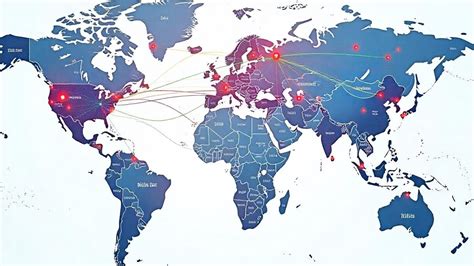
The media coverage of the Revierderby is another area where its influence is starkly evident. This fixture is one of the most-watched matches in the Bundesliga, both domestically and internationally. German broadcasters such as Sky Deutschland and DAZN dedicate extensive pre- and post-match coverage to the Revierderby, often featuring special programming, expert panels, and fan interviews. This extensive coverage is not merely due to the game's competitive nature but also because of its **narrative richness**—stories of working-class pride, regional identity, and the contrasting fortunes of Dortmund and Schalke. These elements make the derby a compelling story for global audiences as well. International networks, particularly those with Bundesliga broadcasting rights, highlight the Revierderby as a flagship event, drawing viewers from Asia, the Americas, and beyond. This global reach translates into increased advertising revenue for broadcasters and heightened exposure for the Bundesliga as a league.
The derby’s media impact is further amplified by **social media engagement**. In the digital age, the Revierderby generates a surge of online activity. Hashtags like #Revierderby trend globally on platforms like Twitter and Instagram, with fans, clubs, and media outlets sharing content ranging from match highlights to fan reactions. This digital footprint is monetized by clubs and sponsors through targeted advertising and partnerships with social media influencers. For instance, Dortmund and Schalke often release exclusive content, such as behind-the-scenes footage or player interviews, to engage their fanbases and attract new followers. The virality of such content not only strengthens fan loyalty but also provides sponsors with additional avenues for exposure.
Another unique aspect of the Revierderby’s media influence is its **role in shaping football narratives**. Unlike derbies in larger cities like Munich or Berlin, the Revierderby is deeply tied to the identity of the Ruhr region. Media outlets often frame the match as a representation of the region's resilience and rivalry, weaving in historical and cultural elements. For example, the economic struggles of Schalke 04 in recent years, contrasted with Dortmund's relative success, have been a recurring theme in derby coverage. This framing not only adds depth to the match’s appeal but also serves as a vehicle for discussing broader socio-economic issues in the region. The media’s portrayal of the derby as a microcosm of the Ruhr’s challenges and triumphs ensures that the fixture remains relevant even during periods of sporting imbalance between the two teams.
From a **sponsorship and branding perspective**, the Revierderby also serves as a testing ground for innovative marketing strategies. Clubs and sponsors often experiment with campaigns tailored to the derby’s unique audience. For example, limited-edition merchandise, such as jerseys with Revierderby-specific designs, is released to capitalize on fan enthusiasm. These products not only generate revenue but also serve as collectibles that deepen the emotional connection between fans and the event. Similarly, digital activations, such as interactive polls or augmented reality experiences, are used to engage younger, tech-savvy audiences. These initiatives underscore how the Revierderby is not just a sporting event but a commercial platform for innovation.
The derby’s economic and media influence also extends to **long-term community benefits**. Both Dortmund and Schalke invest heavily in local youth development programs and community outreach, partly fueled by the revenue and visibility generated by the Revierderby. These programs not only foster future talent but also strengthen the clubs’ ties to their communities, ensuring a sustainable economic and social impact. Media narratives often highlight these efforts, portraying the derby as a force for good in the region.
In conclusion, the Revierderby is a multifaceted event that extends its influence well beyond the 90 minutes of play. Its economic impact is felt through local business booms, sponsorship opportunities, and the broader financial ecosystem of the Ruhr region. Media coverage, both traditional and digital, amplifies the derby’s reach, turning it into a global spectacle that attracts new fans and reinforces the Bundesliga’s position in the international football landscape. By examining these dimensions, it becomes clear that the Revierderby is not merely a football rivalry—it is a cultural and economic cornerstone that embodies the spirit of the Ruhr region and its enduring passion for the game.
The Modern Era of the Revierderby
The Revierderby, the storied clash between Borussia Dortmund and FC Schalke 04, has long been a focal point of German football, rooted in the industrial heartlands of the Ruhr region. However, the **modern era of the Revierderby** has seen this rivalry evolve in ways that reflect broader shifts in the landscape of the Bundesliga and European football. While the passion and intensity of the fans remain undiminished, the dynamics of the teams, player movement, and their respective standings in the league have introduced new layers to this historic contest.
One of the most significant changes in recent years has been the **divergence in team performance and ambition**. Dortmund, bolstered by a progressive recruitment strategy and a clear focus on youth development, has consistently positioned itself as a contender for domestic and European honors. In contrast, Schalke has faced a series of setbacks, including financial instability and relegation in the 2020-2021 season. This disparity has altered the psychological framework of the derby. For Dortmund, matches against Schalke are no longer just about regional bragging rights but also about maintaining their status as a top-tier club. For Schalke, especially after their return to the Bundesliga in 2022, the derby represents an opportunity to reclaim pride and signal resurgence.
The **impact of player transfers** has been a critical factor in reshaping the rivalry. Dortmund’s emphasis on identifying and integrating young talent—such as Erling Haaland, Jadon Sancho, and Jude Bellingham—has given them a competitive edge not just in the Bundesliga but in the Revierderby itself. These players often delivered standout performances in derby matches, adding a layer of star power to the occasion. Haaland’s explosive goalscoring and Sancho’s creative brilliance in derbies underscored Dortmund’s ability to outgun Schalke even during periods of broader instability. Conversely, Schalke’s transfer strategy has often been hampered by budget constraints, leading to a reliance on loan deals and short-term solutions. This has made it difficult for them to field a consistent, competitive squad capable of challenging Dortmund on equal footing. The departure of key players like Leon Goretzka and Leroy Sané to Bayern Munich further weakened Schalke’s ability to maintain parity in the rivalry.
The **shifting league standings** have also played a role in how the Revierderby is perceived. In the early 2010s, Schalke was a regular participant in the UEFA Champions League, often finishing in the top four of the Bundesliga. This allowed for a more balanced rivalry, as both teams were competing at similar levels of European football. However, Schalke’s decline in the late 2010s and early 2020s—culminating in their relegation—created a power imbalance. Dortmund, meanwhile, has remained a fixture in the Champions League and has even challenged Bayern Munich for the Bundesliga title on multiple occasions. This contrast has made the derby less about two equals battling for supremacy and more about a dominant Dortmund facing a Schalke side fighting to reestablish itself. The psychological weight of this disparity can be felt in the matches; Dortmund often enters as the clear favorite, while Schalke carries the burden of proving they still belong in the top flight.
Another modern development is the **role of fan culture and stadium atmospheres**. The fanbases of both clubs are among the most passionate in Germany, with the Yellow Wall at Dortmund’s Signal Iduna Park and Schalke’s Veltins-Arena known for their intensity. However, the COVID-19 pandemic temporarily muted this aspect of the rivalry. Empty stadiums during the 2020-2021 season deprived the Revierderby of its traditional vibrancy. When fans returned, the matches took on added significance as symbols of normalcy and regional pride. For Schalke fans, in particular, the return to the Bundesliga and the opportunity to host Dortmund again was a moment of catharsis, even if the results did not always favor them. This period highlighted how the emotional stakes of the Revierderby extend beyond the pitch and into the stands, where the rivalry is kept alive by the unwavering loyalty of the supporters.
The **managerial carousel** has also influenced the modern era of the Revierderby. Both clubs have seen a high turnover of coaches in recent years, with Dortmund cycling through figures like Lucien Favre, Edin Terzić, and Marco Rose, while Schalke has similarly experienced instability at the helm. These changes have often reflected the clubs' broader struggles to find stability in an increasingly competitive Bundesliga. For Dortmund, the managerial shifts have been part of a broader effort to find the right balance between attacking flair and defensive solidity. For Schalke, the frequent changes have often been reactive, driven by the need to stave off relegation or rebuild after demotion. This instability has occasionally spilled over into derby performances, with Schalke’s lack of cohesion exploited by a more settled Dortmund side.
A unique aspect of the modern Revierderby is the **emphasis on youth and local talent**. Dortmund’s commitment to its academy and its willingness to give young players a platform has not only strengthened their squad but also added a narrative of local pride to the derby. Players like Bellingham and Youssoufa Moukoko represent a new generation of talent that Dortmund has nurtured, while Schalke has also leaned on its youth system in times of financial difficulty. The emergence of players such as Malick Thiaw (before his move to AC Milan) from Schalke’s ranks shows that even amid struggles, the club is still capable of producing talent that can make an impact in the derby. This focus on youth development adds a hopeful dimension to the rivalry, as both clubs look to the next generation to carry the torch of this historic clash.
The **commercial and global appeal** of the Revierderby has also grown in the modern era. With the Bundesliga’s increasing international viewership, matches between Dortmund and Schalke are now watched by millions worldwide. This global spotlight has added pressure on both teams to perform, as the derby is no longer just a regional affair but a showcase of German football. Dortmund’s higher profile in European competitions has further elevated their brand, while Schalke’s struggles have made their derby victories all the more cherished when they occur. This globalized context has turned the Revierderby into not just a clash of local rivals but a stage for broader narratives about ambition, resilience, and identity in modern football.
In summary, the **modern era of the Revierderby** reflects a rivalry in flux. Dortmund’s ascent as a consistent contender contrasts sharply with Schalke’s challenges, creating a dynamic where the matches are often David-versus-Goliath affairs rather than evenly matched battles. Yet, the emotional intensity of the rivalry remains undiminished, fueled by fan passion, historical significance, and the ever-present desire to claim bragging rights in the Ruhr region. As both clubs navigate their respective paths in the Bundesliga, the Revierderby continues to evolve, serving as a microcosm of the broader changes in German football.
Conclusion and Future of the Revierderby
The Revierderby between Borussia Dortmund and Schalke 04 is more than just a football match; it is a cultural phenomenon that embodies the spirit of the Ruhr region. This rivalry, deeply rooted in the industrial history of the area, has transcended its origins to become one of the most iconic fixtures in German football. As we look to the future, it is essential to consider how this enduring legacy will continue to influence not just the two clubs involved but also the broader landscape of German football.
The Revierderby's legacy lies in its ability to encapsulate the collective identity of the Ruhr region. Both Dortmund and Schalke were born out of the industrial heartland, where coal mining and steel production shaped the lives of the working class. This shared history gave the derby an emotional weight that few other rivalries can match. The intense passion of the fans, the charged atmospheres in the Signal Iduna Park and Veltins-Arena, and the symbolic clashes of yellow and blue against royal blue are testaments to how deeply this rivalry is woven into the social fabric of the region. Even as the economic focus of the Ruhr has shifted away from heavy industry, the derby remains a unifying symbol of regional pride. This is not merely a contest of footballing prowess but a continuation of a narrative that connects generations of fans.
One of the most striking aspects of the Revierderby's legacy is its impact on German football culture. The fixture has consistently delivered moments of high drama, from unforgettable comebacks to last-minute winners, ensuring that it remains a fixture in the collective memory of fans across the country. These moments are not just about the results on the pitch but also about the emotions they evoke—joy, despair, pride, and rivalry. For instance, Schalke's dramatic 4-4 draw in 2017 after being 4-0 down at halftime is a prime example of how the Revierderby can produce narratives that are larger than life. Such games reinforce the idea that football is not just a sport but a stage for human stories, and this aspect of the Revierderby will likely continue to shape how German football is perceived both domestically and internationally.
Looking ahead, the future of the Revierderby will be shaped by the evolving dynamics of German football. One of the key factors to consider is the financial landscape of the Bundesliga. Dortmund's consistent presence in the upper echelons of the league and their regular participation in European competitions have given them a financial edge over Schalke in recent years. Schalke, on the other hand, has faced significant financial challenges, including relegation in the 2020-21 season. While they have since returned to the Bundesliga, the gap between the two clubs in terms of resources and squad quality has widened. This could potentially alter the competitive balance of the derby in the short term. However, the emotional intensity of the rivalry ensures that even if one team is in a stronger position, the matches will still carry immense significance for the fans.
Another factor to consider is the role of youth development and local talent in sustaining the derby's relevance. Both Dortmund and Schalke have historically been known for their commitment to nurturing young players. Dortmund's success with players like Mario Götze, Jadon Sancho, and Jude Bellingham, and Schalke's tradition of producing talents such as Manuel Neuer and Mesut Özil, underscore the importance of youth academies in maintaining the clubs' identities. In the future, the Revierderby could become a showcase for how German football continues to prioritize homegrown talent in an era where big-money transfers often dominate headlines. This focus on local development could also serve as a counterpoint to the increasing commercialization of the sport, offering fans a connection to the clubs' roots and reinforcing the derby's authenticity.
The global reach of the Bundesliga also plays a role in the Revierderby's future. With the league actively promoting itself in international markets, fixtures like the Revierderby are invaluable in attracting a worldwide audience. The unique atmosphere of these matches, combined with the historical weight they carry, makes them a prime candidate for featured slots in broadcast schedules. This exposure could help the Revierderby maintain its status as a flagship fixture, even as other rivalries in the Bundesliga, such as Bayern Munich vs. Dortmund, gain prominence on the global stage. However, this also presents a challenge: how can the derby retain its local essence while appealing to a broader, more diverse audience? Striking this balance will be critical to ensuring that the fixture does not lose its authenticity in the pursuit of commercial success.
The role of technology and fan engagement could also redefine the Revierderby experience in the coming years. Augmented reality (AR), virtual reality (VR), and enhanced stadium experiences are already transforming how fans interact with football. For a fixture as emotionally charged as the Revierderby, these technologies could offer new ways for fans to connect with the game, whether through immersive replays, interactive fan zones, or digital memorabilia. However, there is a risk that over-reliance on technology could dilute the raw, unfiltered passion that defines this rivalry. Clubs and organizers must be careful to use these tools as enhancements rather than replacements for the traditional matchday experience.
In terms of on-pitch developments, the Revierderby's future will also depend on the tactical evolution of German football. The high-pressing, attack-oriented styles that have become synonymous with Dortmund and, to a lesser extent, Schalke, reflect broader trends in the Bundesliga. As football tactics continue to evolve—influenced by global coaching philosophies and advancements in sports science—the derby could become a laboratory for innovation. Matches between Dortmund and Schalke might serve as a testing ground for new strategies, particularly if both clubs invest in forward-thinking coaches who are unafraid to experiment. This could add a new layer of intrigue to the rivalry, as fans witness not just a battle for regional supremacy but also a clash of footballing ideologies.
Finally, the Revierderby's enduring legacy and future will be influenced by the fans themselves. The supporter culture in the Ruhr region is among the most passionate in Europe, and the fans' role in shaping the narrative of the derby cannot be overstated. Whether through tifos, chants, or the collective energy in the stands, the fans are the heartbeat of this rivalry. As German football grapples with issues like rising ticket prices, commercialization, and the challenge of keeping the sport accessible to working-class supporters, the Revierderby could become a symbol of resistance—a reminder of what football means to its most dedicated followers. Ensuring that the fans' voices are heard and their traditions respected will be crucial in preserving the derby's unique identity.
In conclusion, the Revierderby is a fixture that represents far more than 90 minutes of football. It is a living embodiment of the Ruhr region's history, a stage for unforgettable moments, and a cornerstone of German football culture. While the future may bring challenges—financial disparities, technological shifts, and the pressures of globalization—the essence of the Revierderby is likely to endure. Its legacy will continue to shape German football by reminding us of the sport's power to unite communities, tell stories, and inspire passion across generations. As long as there are fans in yellow and blue or royal blue chanting in unison, the Revierderby will remain a fixture that defines not just two clubs but an entire region and its place in the world of football.