Introduction to Alavés FC
Deportivo Alavés, commonly referred to as Alavés, is a professional football club based in Vitoria-Gasteiz, the capital city of the Basque Country in Spain. Founded in 1921, the club has carved a unique niche in Spanish football, blending moments of brilliance with periods of struggle that highlight the volatility and passion inherent in the sport. While not as globally renowned as Barcelona or Real Madrid, Alavés has played a significant role in shaping the narrative of Spanish football, particularly as a representative of the Basque region and as a club that has consistently demonstrated resilience and adaptability.
The club's origins trace back to a merger of several local teams in the early 20th century, reflecting the communal spirit of Vitoria-Gasteiz. This city, while not as large or football-centric as Madrid or Barcelona, has a proud sporting tradition, and Alavés quickly became a focal point for local pride. In its early years, the club competed in regional leagues, gradually working its way up to the national stage. However, it was not until the late 20th century that Alavés began to make waves beyond its regional boundaries. The club's ascent to La Liga in the 1990s marked a turning point, as it transitioned from a modest team to one capable of challenging some of Spain's footballing giants.
One of the most defining moments in Alavés' history came during the 2000-2001 season when the club reached the UEFA Cup final. This achievement was nothing short of extraordinary for a team of Alavés' size and resources. Under the management of José Manuel Esnal "Mané", the team played an attacking and adventurous style of football that captured the imagination of fans across Europe. Their run to the final included victories over high-profile teams such as Inter Milan and Kaiserslautern. Although they ultimately lost the final to Liverpool in a dramatic 5-4 defeat, the match is often remembered as one of the most thrilling in UEFA Cup history. This moment cemented Alavés' reputation as a team capable of punching above its weight and introduced the club to a global audience.
The significance of Alavés in Spanish football extends beyond this single campaign. The club has often served as a symbol of the challenges faced by smaller teams in a league dominated by a few elite clubs. Unlike the Basque heavyweights like Athletic Bilbao or Real Sociedad, Alavés does not have the luxury of relying on a policy of fielding only Basque players or the historical prestige of those clubs. Instead, it has had to navigate the footballing landscape with a blend of shrewd scouting, tactical innovation, and occasional financial struggles. This has made Alavés a case study in how smaller clubs can compete in an increasingly commercialized sport.
The club's history is also marked by periods of relegation and promotion, a cycle that underscores the precarious nature of football for teams outside the top tier. Alavés has experienced multiple relegations from La Liga, often due to financial mismanagement or an inability to sustain the performances that brought them success. However, each time the club has fallen, it has shown a remarkable ability to rebuild and return to the top flight. This cyclical nature of success and struggle has endeared Alavés to fans who see the club as a reflection of the broader challenges faced by many in the football world. It is this duality—of moments of glory juxtaposed with the grind of survival—that makes Alavés a compelling story in the broader tapestry of football.
Alavés' home ground, the Mendizorrotza Stadium, is another element that adds to the club's character. With a capacity of just over 19,000, it is one of the smaller stadiums in La Liga, yet it exudes an intimate and passionate atmosphere. The close proximity of fans to the pitch creates an environment where the energy of the crowd can directly influence the players. This stadium has witnessed some of the club's most memorable victories and heartbreaking defeats, serving as a microcosm of Alavés' journey.
Another unique aspect of Alavés is its role in fostering talent. While the club does not have the financial muscle to consistently attract top-tier players, it has been a platform for young talents and journeymen to showcase their abilities. Many players who have passed through Alavés have gone on to greater success elsewhere, a testament to the club's ability to identify and develop potential. This role as a stepping stone for talent further underscores Alavés' importance in the broader football ecosystem.
In the context of the Basque football landscape, Alavés occupies a distinct position. While Athletic Bilbao and Real Sociedad often dominate discussions of Basque football due to their larger fan bases and historical success, Alavés represents a different facet of the region's football culture. It is a club that embodies the grit and determination required to compete in a league where resources are not evenly distributed. This has made Alavés a source of inspiration for other smaller clubs in Spain and beyond, demonstrating that success is not solely the domain of the wealthy and established.
The club's significance also lies in its ability to maintain a strong connection with its local community. Vitoria-Gasteiz is a city known for its rich cultural heritage and environmental initiatives, and Alavés often reflects these values in its operations. The club has been involved in various community programs, promoting football at the grassroots level and engaging with fans in ways that go beyond the 90 minutes of a match. This local focus has helped Alavés maintain a loyal fan base even during periods of on-field struggles.
From a historical perspective, Alavés' journey mirrors the broader evolution of football in Spain. The club's early years were shaped by the regional focus of Spanish football, where local leagues were the primary competitive arenas. As the sport became more centralized and professionalized, Alavés had to adapt to new challenges, including increased competition and the commercial pressures of modern football. Yet, through all these changes, the club has retained its identity as a team that represents the underdog spirit of football.
- Alavés' UEFA Cup final appearance in 2001 remains a highlight of its history, showcasing how smaller teams can achieve greatness on the European stage.
- The club's ability to bounce back from relegation demonstrates resilience, a quality that resonates with fans and analysts alike.
- Its role in the Basque football ecosystem offers a counterpoint to the dominance of Athletic Bilbao and Real Sociedad, adding depth to the region's football narrative.
In summary, Alavés FC is more than just a football club; it is a testament to the enduring spirit of the sport. Its history, marked by triumphs and tribulations, serves as a reminder of the unpredictable and passionate nature of football. For fans and analysts, Alavés represents the potential of smaller clubs to leave an indelible mark on the game, even in the shadow of giants. This enduring significance ensures that Alavés will remain a vital part of Spanish football's story for years to come.
Season-by-Season Performance Overview
The performance of Alavés FC across recent seasons offers a fascinating study of a team navigating the challenges of competitive football in Spain. As a club that has oscillated between La Liga and the Segunda División, understanding their season-by-season trajectory requires a close look at their results, underlying metrics, and the broader context of their campaigns. This analysis will provide a detailed breakdown of their performance trends, focusing on key seasons that exemplify their highs and lows.
In the 2019-2020 season, Alavés finished 16th in La Liga with 42 points from 38 matches. While this position might suggest a mid-to-low table finish, the underlying story was more nuanced. The team managed only 10 wins, drawing 12 and losing 16. Their goal difference of -18 (34 goals scored, 52 conceded) highlighted a clear defensive vulnerability. However, what stood out was their ability to secure points in tightly contested matches, particularly at home. Mendizorroza, their home stadium, became a fortress of sorts, with the team often grinding out results against stronger opposition. This season also marked the beginning of a trend where Alavés struggled to convert draws into wins, a challenge that would persist in subsequent years.
The 2020-2021 season saw a slight dip in their standings, as they finished 16th again but with only 38 points—a narrower margin above the relegation zone. Their win tally dropped to 9, and their goal difference worsened to -21. This season was characterized by inconsistency, with the team often following up strong performances with disappointing losses. A deeper dive into their fixtures reveals that Alavés struggled against mid-table teams, often failing to capitalize on opportunities to climb higher in the standings. Notably, their reliance on a few key players, such as striker Joselu, became evident. Joselu accounted for a significant share of their goals, underscoring a lack of depth in attacking options. This season also saw managerial changes mid-season, which disrupted the team’s rhythm and pointed to deeper structural issues within the club’s strategy.
By the 2021-2022 season, the cracks in Alavés’ foundation became more apparent. They were relegated to the Segunda División after finishing 19th with just 31 points. Their decline was stark: only 7 wins, 10 draws, and 21 losses. The team’s defensive issues persisted, with a goal difference of -30, but their offensive output also dropped significantly, with only 31 goals scored. This season was a turning point, as it exposed systemic problems, including an over-reliance on aging players and a lack of investment in youth development. Opposition teams often exploited their predictable playstyle, particularly in away matches where Alavés won only twice. The relegation was not a surprise to close observers, as their underlying metrics—such as expected goals (xG) and defensive solidity—had been declining for several seasons.
The drop to the Segunda División in the 2022-2023 season offered Alavés a chance to regroup. They finished 2nd in the division, earning automatic promotion back to La Liga with 75 points. This season was a stark contrast to their struggles in the top flight. Their goal difference improved dramatically to +22, with 61 goals scored and 39 conceded. The team demonstrated greater resilience, particularly in high-pressure matches, and their ability to dominate weaker opposition was a welcome change. However, this season also raised questions about whether their resurgence was sustainable. Many of their victories came against lower-ranked teams, and their performance against promotion rivals was less convincing. The Segunda División’s less competitive nature allowed Alavés to rebuild confidence, but it also masked some of the systemic issues that had plagued them in La Liga.
The 2023-2024 season marked their return to La Liga, and the team finished 14th with 44 points. This was a respectable outcome for a newly promoted side, but the season was far from smooth. Early in the campaign, Alavés showed promise with some standout performances, including victories over top-half teams. However, as the season progressed, their form wavered, particularly in the second half. Their defensive organization, which had been a key factor in their promotion, began to falter under the pressure of facing higher-quality attacks. Additionally, their away form remained a concern, with only 3 wins on the road. This season highlighted the need for Alavés to invest in squad depth and tactical flexibility to compete consistently at the top level.
Across these seasons, several key trends emerge. First, defensive vulnerabilities have been a persistent issue for Alavés, regardless of the division. Their goal differences in La Liga seasons consistently fell into negative territory, reflecting an inability to balance defensive solidity with offensive output. Second, there is a clear reliance on individual brilliance rather than cohesive team play. Players like Joselu in earlier seasons and more recently, players brought in during their Segunda División campaign, have often shouldered the burden of scoring. This lack of diversified attacking options has made them predictable and easier to defend against.
Another trend is the impact of managerial stability. Alavés has seen frequent changes at the helm, particularly during challenging seasons. While some changes were necessary to inject new ideas, the lack of long-term vision has often led to short-term fixes rather than sustainable growth. For instance, the 2020-2021 season's mid-season change did little to address the underlying issues, as the team continued to struggle with consistency.
Finally, there is a noticeable disparity in home and away performances. Alavés has historically performed better at Mendizorroza, where their fans provide a boost and the team seems more comfortable executing their game plan. However, their away form has often been their Achilles' heel, with away records frequently undermining their overall standings. This trend was particularly evident in their relegation season and their first year back in La Liga post-promotion.
Looking at their recent trajectory, Alavés FC appears to be a team in transition. Their ability to secure promotion and remain competitive in La Liga is commendable, but the underlying issues—defensive fragility, over-reliance on key players, and inconsistent away performances—must be addressed to ensure long-term stability. The 2023-2024 season offers a glimpse of what the team is capable of when they find a balance between defensive organization and attacking intent, but sustaining this across multiple seasons will require strategic investment and a clear vision from the management.
- Their defensive struggles have been a recurring theme, particularly in La Liga campaigns.
- The team has shown a tendency to rely heavily on a small group of key players for goals and leadership.
- Managerial instability has often disrupted their progress, particularly during critical phases of the season.
- Home performances have been stronger than away, pointing to a psychological or tactical advantage at Mendizorroza.
In conclusion, Alavés FC’s results across recent seasons illustrate the challenges of competing in a league as demanding as La Liga while also balancing the pressures of relegation and promotion. Their ability to adapt and address these systemic issues will determine whether they can establish themselves as a stable mid-table team or continue to yo-yo between divisions. For now, their performance trends suggest a team with potential but one that must address its structural weaknesses to achieve sustained success.
Key Match Results and Turning Points
The performance of Alavés FC, like any football team, is shaped by key matches that not only influence their position in the league standings but also play a significant role in team morale, strategy adaptation, and fan engagement. Examining these pivotal matches provides a deeper understanding of how specific moments can act as turning points in a season. This section delves into some of Alavés FC's most impactful results and the broader implications they had on the team's trajectory.
One of the most memorable matches in recent Alavés history was their 2-1 victory over Barcelona during the 2016-2017 La Liga season. This result was not just a win but a statement. At the time, Barcelona was a dominant force in Spanish football, and Alavés, newly promoted to La Liga, was seen as an underdog. The match, played at the Camp Nou, saw Alavés take an early lead through Deyverson, only for Barcelona to equalize. However, it was Ibai Gómez's late goal that sealed the victory. This result was significant because it demonstrated Alavés' ability to compete against top-tier teams despite their modest resources. The win boosted team morale immensely, proving to the players and coaching staff that they could hold their own in the league. This victory also sent a ripple effect through the squad, instilling a sense of belief that carried them to a respectable 9th-place finish that season—an impressive feat for a newly promoted side.
Another critical match was the 2017 Copa del Rey final against Barcelona, which ended in a 3-1 defeat for Alavés. While the result was a loss, the journey to the final itself was a turning point for the team. Reaching the final of a major tournament provided Alavés with national exposure and a platform to showcase their potential. The match itself was a learning experience; Alavés faced a Barcelona side in peak form, and while they were unable to secure the trophy, the team's performance in the first half—where they held their own and even took the lead through Theo Hernández—showcased their tactical discipline. This match highlighted the importance of experience in high-pressure situations and served as a foundation for future cup runs. The exposure also helped attract better talent and investment in the subsequent transfer windows, as the club's profile grew.
The 2020-2021 season saw a pivotal match against Huesca, a direct relegation rival. Alavés won this match 1-0, with a goal from Joselu. At the time, both teams were fighting to avoid the drop, and this result gave Alavés a much-needed three points that helped them create some distance from the relegation zone. What made this match significant was not just the result but the timing. It came during a period when Alavés was struggling for consistency, having lost several matches in a row. The win against Huesca acted as a psychological reset for the team. It allowed the players to regain confidence and provided the coaching staff with an opportunity to reinforce the importance of grinding out results in critical games. This match exemplifies how a single result in a relegation battle can alter the mood of an entire squad, shifting the narrative from despair to determination.
Another example of a turning point was the 4-0 loss to Real Madrid in the 2021-2022 season. While such a heavy defeat might seem like a low point, it served as a wake-up call for Alavés. The match exposed glaring weaknesses in their defensive organization and highlighted the need for better squad depth. In the aftermath of this loss, the coaching staff made significant tactical adjustments, including a shift to a more conservative approach in away games against top teams. This loss also prompted the club to reassess their transfer strategy, leading to the acquisition of players who could provide more stability in defense. Although the immediate result was damaging, the long-term impact of this match was a more pragmatic and resilient Alavés side in the latter half of the season, which ultimately helped them avoid relegation.

It is also worth considering the draw against Atlético Madrid in the 2022-2023 season, a match that ended 1-1. Atlético was one of the title contenders, and for Alavés to secure a point against such a strong opponent was a testament to their growth. The match was marked by a disciplined defensive display and a well-taken goal by Luis Rioja. This result was particularly important because it came during a phase of the season where Alavés was grappling with inconsistency. The draw not only bolstered their points tally but also served as a confidence booster. It showed that Alavés could compete with top teams when they executed their game plan effectively. This result also resonated with the fans, who saw it as a sign that the team was capable of punching above its weight when the stakes were high.
In addition to specific matches, it is important to consider how home performances at the Mendizorrotza Stadium have often acted as turning points. Alavés has historically been a team that thrives on home support, and matches like the 3-0 win against Celta Vigo in 2023 exemplify this. The comprehensive victory was built on a strong first-half performance, with goals from Miguel de la Fuente and Edgar Méndez. Such results at home not only improve the team's standings but also energize the fan base, creating a positive feedback loop. A strong home record often serves as a psychological anchor for teams like Alavés, giving them a platform to recover from poor away results.
Turning points are not always about victories or draws; sometimes, they are about how a team responds to adversity. For instance, the 5-1 loss to Villarreal in 2019 was a humiliating result for Alavés, but it led to a period of introspection. The coaching staff analyzed the match in detail, identifying issues with midfield cohesion and defensive lapses. This loss acted as a catalyst for a mid-season tactical overhaul, which included a shift to a more compact formation and a greater emphasis on counterattacking football. While the immediate aftermath of the defeat was difficult, the lessons learned from this match contributed to a more stable and structured approach in subsequent games.
Finally, it is important to note the role of late-season matches in determining Alavés' fate. One such example was the 1-0 win over Real Valladolid in the final stretch of the 2021-2022 season. This match was played under immense pressure, as both teams were neck-and-neck in the relegation battle. A late goal from Tomás Pina secured the victory, and the three points proved crucial in ensuring Alavés' survival in La Liga for another season. This match underscored the importance of mental fortitude and the ability to perform under pressure, qualities that are often the difference between success and failure in football.
In summary, the key matches and turning points in Alavés FC's history reveal a pattern of resilience, adaptability, and the ability to learn from both victories and defeats. Whether it is a stunning upset against a giant like Barcelona, a hard-fought draw against a title contender, or a crucial win in a relegation battle, these matches have shaped the team's identity and trajectory. They highlight how football is not just about the final score but about the moments that define a season and build the character of a team.
Player Contributions to Results
The success of Alavés FC in their matches is often a direct reflection of the individual and collective contributions of their players. While football is inherently a team sport, certain players stand out for their consistent and impactful performances that shape match outcomes. This section delves into the top-performing players of Alavés FC, examining their roles, key statistics, and how their contributions have influenced the team's results.
One of the standout players for Alavés FC in recent seasons has been their striker, Joselu. Known for his clinical finishing and aerial prowess, Joselu has been a critical figure in the team's attacking setup. In the 2022-2023 season, he accounted for over 35% of the team's total goals, a statistic that underscores his importance. Beyond the raw goal tally, Joselu's ability to hold up play and bring midfielders into attacking moves has been invaluable. For instance, in a match against Levante, Joselu's early goal not only set the tone but also allowed Alavés to adopt a more defensive posture later in the game, conserving energy while maintaining their lead. This dual impact—scoring and enabling tactical flexibility—highlights his role as more than just a goal-scorer.
Another key contributor is goalkeeper Antonio Sivera, whose shot-stopping abilities have often been the difference in tightly contested matches. Sivera's save percentage in the last season was among the top five in La Liga 2, at 78%. What makes his contributions particularly noteworthy is his performance in high-pressure situations. In a match against Eibar, where Alavés was reduced to ten men in the 60th minute, Sivera made a series of crucial saves in the final 30 minutes to secure a 1-1 draw. This ability to perform under duress not only earns points but also instills confidence in the team. Moreover, Sivera's distribution has improved, allowing Alavés to initiate counterattacks more effectively. His long balls to wingers like Luis Rioja have led to several fast-break opportunities, showcasing how a goalkeeper's role extends beyond just preventing goals.
The midfield engine of Alavés FC is driven by Lucas Pérez, whose creativity and work rate make him a linchpin of the team's strategy. Pérez's ability to both score and assist has been instrumental in maintaining Alavés' attacking fluidity. In the 2022-2023 season, he contributed 8 goals and 6 assists, numbers that are impressive for a midfielder in a mid-table team. Pérez's heatmaps reveal his tendency to drift wide and drop deep, creating space for other attackers while also supporting defensive transitions. A prime example of his impact was seen in the match against Huesca, where his through ball in the 85th minute set up a late winner. This kind of late-game influence is a hallmark of players who combine technical skill with mental resilience.
Defensively, Victor Laguardia has been the backbone of Alavés' backline. As a center-back, Laguardia’s aerial dominance and positional awareness are pivotal in thwarting opposition attacks. He won an average of 4.2 aerial duels per game last season, a figure that places him among the league's best in this category. Beyond individual duels, Laguardia's leadership in organizing the defense has been critical. For instance, in matches where Alavés faced high-pressing teams like Girona, Laguardia's ability to calmly distribute the ball from the back prevented turnovers in dangerous areas. This not only reduced the risk of conceding but also allowed Alavés to control the tempo of the game. His partnership with fellow defender Florian Lejeune has been particularly effective, as their complementary styles—Laguardia's physicality and Lejeune's tactical acumen—have created a robust defensive unit.
On the flanks, Luis Rioja has emerged as a dynamic force. As a winger, Rioja’s dribbling and pace make him a constant threat to opposing defenses. His ability to take on defenders one-on-one often draws multiple markers, creating space for teammates. In the 2022-2023 season, Rioja was involved in 10 goals (5 goals and 5 assists), but his impact goes beyond statistics. For example, in a match against Mirandés, Rioja’s mazy run down the left flank in the dying minutes led to a penalty, which Joselu converted to secure a 2-1 victory. This kind of late-game influence demonstrates how individual brilliance can turn the tide of a match. Additionally, Rioja’s defensive contributions, such as tracking back to support his fullback, exemplify the modern winger's dual responsibilities.
It is also worth noting the role of young talents like Ianis Stoica, who have started to make their mark. Stoica, a loan signing from FCSB, has injected energy and unpredictability into Alavés' attack. Although his playing time has been limited compared to more established players, his cameo appearances have often been game-changing. In a match against Tenerife, Stoica came off the bench to provide an assist within 10 minutes, showcasing his ability to make an immediate impact. Such contributions from younger players are vital for team depth and long-term competitiveness.
Beyond individual performances, the synergy between these players has been a significant factor in Alavés' results. For example, the combination play between Joselu and Pérez has yielded several goals stemming from quick one-two passes in the final third. Similarly, the understanding between Laguardia and Sivera in defensive set-pieces has minimized goals conceded from corners and free kicks. This interplay between attack and defense illustrates how individual excellence can elevate team performance when players are attuned to each other's movements and tendencies.
However, it is important to acknowledge that player contributions are not solely measured in goals, assists, or clean sheets. Metrics like expected goals (xG) and expected assists (xA) provide deeper insights into a player's influence. For instance, while Joselu’s goal tally is impressive, his xG suggests that he has been slightly overperforming, indicating a mix of skill and opportunism. On the other hand, Pérez’s xA reveals that he creates higher-quality chances than the average midfielder in the league, even if his assist numbers do not fully reflect this.
Additionally, the mental aspect of player contributions cannot be overlooked. Players like Sivera and Laguardia have shown remarkable composure in high-stakes situations, which is often the difference between a win and a draw. This psychological resilience is particularly important for a team like Alavés, which has faced periods of inconsistency in form. The ability of key players to step up during slumps or in critical matches has been a recurring theme in their results.
- Joselu’s goal-scoring and hold-up play have directly influenced match outcomes, particularly in games where Alavés needed an early lead to control the tempo.
- Sivera’s shot-stopping and distribution have been crucial in both securing points and enabling counterattacks.
- Pérez’s creativity and late-game contributions have often been the spark Alavés needed to break down stubborn defenses.
- Laguardia’s defensive organization and aerial dominance have provided stability at the back.
- Rioja’s dribbling and ability to draw defenders have opened up space for teammates, while his defensive work rate adds balance.
In conclusion, the top-performing players of Alavés FC have had a multifaceted impact on the team's results. From Joselu’s goal-scoring exploits to Sivera’s heroics in goal, and from Pérez’s midfield dynamism to Laguardia’s defensive leadership, each player brings a unique dimension to the team. Their individual brilliance, combined with collective synergy, has been instrumental in navigating the challenges of competitive football. This deep dive into player contributions not only highlights their importance but also underscores how Alavés FC’s results are a testament to the interplay of skill, strategy, and mental fortitude.
Comparison with Competitors
When analyzing the performance of Alavés FC in comparison to similar-tier teams in the league, it is essential to delve into specific metrics, trends, and match outcomes that highlight their relative strengths and weaknesses. This comparison is not merely about league standings but involves a granular examination of how Alavés FC stacks up against teams with comparable resources, fan bases, and historical league positions.
Alavés FC, a club with a modest budget and a history of oscillating between La Liga and the Segunda División, often finds itself competing in a tightly contested mid-table or lower-mid-table group. Teams such as Rayo Vallecano, getafe CF, and Cádiz CF serve as apt benchmarks for this comparison. These clubs share similar financial constraints, fan expectations, and ambitions of maintaining top-flight status while occasionally pushing for mid-table finishes or cup runs.
One of the most instructive ways to compare Alavés FC's results is through a head-to-head record against these teams over the past three to five seasons. For instance, in the 2022-2023 season, Alavés played 6 matches against the aforementioned similar-tier teams, winning 2, drawing 2, and losing 2. While this may seem like a balanced record, the context of these matches is revealing. In home fixtures, Alavés managed to secure a win and a draw, showcasing their ability to leverage their home advantage at the Mendizorrotza Stadium. However, their away form against these teams was less impressive, with only one win in three attempts. This suggests that Alavés struggles to maintain consistency on the road, a trait shared by many mid-tier teams but one that can be particularly detrimental when the margins for survival are slim.
Another critical metric is goal difference in matches against similar-tier teams. Over the same period, Alavés FC had a goal difference of -3 in these fixtures. While not catastrophic, this is slightly worse than Getafe CF's -1 and better than Cádiz CF's -5. This indicates that while Alavés is not the weakest defensively among its peers, there is room for improvement in both offensive output and defensive solidity. A deeper look at individual matches reveals that Alavés often concedes late goals, a trend that has cost them valuable points. For example, in a 1-1 draw against Rayo Vallecano in March 2023, Alavés conceded an 85th-minute equalizer after dominating possession for large stretches of the game. Such lapses point to issues with concentration and game management, areas where similar-tier teams like Getafe have demonstrated better resilience.
When considering points per game (PPG) against similar-tier opponents, Alavés FC averaged 1.2 PPG in the 2022-2023 season. This is marginally lower than Rayo Vallecano's 1.4 PPG but higher than Cádiz CF's 1.0 PPG. This metric underscores the tight competition within this group of teams, where even small differences in performance can determine whether a club finishes comfortably mid-table or faces relegation pressure. Alavés' slightly lower PPG can be attributed to their tendency to draw matches they could have won. For instance, they had 4 draws in 10 matches against similar-tier teams, a higher proportion than their competitors. While draws can be valuable in avoiding losses, they also represent missed opportunities to secure three points, especially when Alavés had leads in the second half of several of these matches.
A more nuanced comparison involves player performance metrics in these matches. Alavés FC often relies on a core group of players who are tasked with carrying the team's offensive and defensive load. For example, their top scorer in the 2022-2023 season contributed 8 goals, a figure comparable to Getafe's leading scorer but lower than Rayo Vallecano's top marksman, who netted 12 goals. This suggests that Alavés may lack the individual brilliance in attack that some of their competitors possess. However, their defensive unit often compensates for this shortfall. Alavés' backline conceded an average of 1.3 goals per game against similar-tier teams, which is on par with Getafe but better than Cádiz's 1.5 goals per game. This balance between attack and defense is a double-edged sword; while Alavés is less likely to be blown out in matches, they also struggle to turn tight contests into victories.
It is also worth examining tactical approaches employed by Alavés FC compared to their peers. Alavés has traditionally favored a conservative, counterattacking style, particularly against teams they perceive as equals or slightly superior. This contrasts with Rayo Vallecano's more aggressive, high-pressing system and Getafe's physical, defensively-oriented setup. Alavés' tactical conservatism has yielded mixed results. While it allows them to stay competitive in most matches, it can also lead to a lack of initiative in games where they are expected to take the lead. For example, in a 0-0 draw against Cádiz CF in December 2022, Alavés had only 3 shots on target despite enjoying 58% possession. This passivity against similarly positioned teams can be seen as a missed opportunity to assert dominance and secure wins.
Another area of interest is the impact of managerial decisions on results. Alavés FC has seen a higher turnover of managers compared to some of their peers, which can disrupt team cohesion and long-term planning. In the 2021-2022 season, for instance, Alavés changed managers mid-season, which coincided with a dip in form against similar-tier teams. In contrast, Getafe and Rayo Vallecano have shown more stability in their managerial appointments, which may contribute to their slightly better consistency in results. This suggests that while Alavés has the potential to compete on the field, off-field instability can undermine their efforts.
From a historical perspective, Alavés FC's results against similar-tier teams have shown a slight upward trend in recent years. While they were relegation candidates in the 2019-2020 season, their performances in the last two seasons indicate a team that is learning to grind out results more effectively. However, this improvement is not yet sufficient to elevate them above the tightly packed group of mid-tier teams. For example, in the 2021-2022 season, Alavés won 3 out of 10 matches against similar-tier teams, a modest improvement over their 2 wins in the previous season. This trend suggests that while Alavés is not regressing, they are also not outpacing their competitors in a meaningful way.
Finally, it is important to consider the psychological aspect of these matches. Alavés FC often enters games against similar-tier teams with a "must-win" mentality, given the direct implications for league survival or mid-table positioning. This can lead to both inspired performances and moments of undue pressure. For example, in a high-stakes match against Getafe in April 2023, Alavés took an early lead but conceded two second-half goals due to visible anxiety in their defensive play. Such psychological fragility is not unique to Alavés but is a factor that sets apart teams like Rayo Vallecano, who often display greater mental fortitude in crunch situations.

In summary, Alavés FC's results against similar-tier teams reveal a team that is competitive but not dominant within its peer group. Their home form, defensive solidity, and tactical approach give them a fighting chance, but issues with away performance, goal-scoring consistency, and psychological resilience hold them back. To truly distinguish themselves, Alavés must address these gaps while maintaining their core strengths. This comparison underscores the razor-thin margins that define competition at this level of football, where even small improvements can have outsized impacts on a team's fortunes.
Tactical Approaches and Their Outcomes
Alavés FC, a team with a rich history in Spanish football, has seen its share of ups and downs in terms of results. A deep analysis of their tactical approaches and how these strategies have influenced their win-loss patterns reveals fascinating insights into the team's adaptability, strengths, and areas for improvement. To understand the correlation between their tactics and outcomes, it is essential to examine specific periods in their recent history, focusing on key managerial tenures, player rotations, and the evolution of their playing style.
One of the most notable tactical shifts for Alavés came during the 2016-2017 season under manager Mauricio Pellegrino. This was a period when the team adopted a defensively disciplined 4-4-2 formation that emphasized compactness and counterattacking football. The strategy was particularly effective against stronger La Liga opponents, where Alavés could sit back, absorb pressure, and exploit spaces left by attacking teams. For instance, their memorable 2-1 victory over Barcelona at Camp Nou in September 2016 exemplified this approach. The team's ability to maintain a low block while springing forward with quick transitions allowed them to secure points even when they were considered underdogs. This season saw Alavés finish 9th in La Liga, one of their best performances in recent memory. The win-loss pattern during this time leaned heavily toward draws and narrow victories, reflecting a conservative yet effective strategy.
However, the following seasons saw a shift in fortunes as new managers attempted to implement more possession-oriented systems. Under coaches like Abelardo Fernández, Alavés began experimenting with a 4-2-3-1 formation that aimed to control the midfield and build attacks from the back. While this approach initially yielded positive results—such as a strong start to the 2018-2019 season—it also exposed the team's limitations. Alavés lacked the technical depth in midfield and attack to consistently dominate possession against well-organized teams. This led to a higher frequency of losses when they failed to convert possession into meaningful chances. The win-loss pattern during this period showed a higher number of defeats in games where they were outplayed in the final third, particularly against teams that pressed high and disrupted their build-up play.
A critical factor influencing Alavés' outcomes has been their reliance on set pieces and aerial dominance. This has been a recurring theme across different managerial regimes. The team has often deployed tall center-backs and target forwards to capitalize on dead-ball situations. For example, during the 2019-2020 season, nearly 40% of their goals came from set pieces, a statistic that underscores their strategic emphasis. While this approach helped them secure points in tightly contested matches, it also made their attack somewhat one-dimensional. Opponents who studied their patterns could neutralize their threat by marking key aerial targets like Joselu or limiting the delivery quality from wide areas. This over-reliance on set pieces often correlated with a higher number of losses when Alavés were unable to break down compact defenses in open play.
Another intriguing aspect of Alavés' tactical evolution is their adaptation to squad limitations. As a smaller club in La Liga, they have frequently had to punch above their weight by prioritizing discipline and teamwork over individual brilliance. This was evident during the 2020-2021 season when the team faced relegation battles. Under manager Javi Calleja, Alavés shifted to a more pragmatic 4-1-4-1 system that focused on minimizing risks in possession and prioritizing defensive solidity. This approach, while not always aesthetically pleasing, helped them grind out crucial draws and narrow wins against mid-table and lower-ranked teams. The win-loss pattern here was characterized by a high number of draws, as the team often struggled to convert defensive solidity into attacking output. However, this pragmatic shift was instrumental in helping them avoid relegation, even if it came at the cost of fewer emphatic victories.
In contrast, the 2022-2023 season saw Alavés attempt a more dynamic and fluid approach under new management. The introduction of a 3-5-2 system aimed to provide greater width and attacking support through wing-backs while maintaining a solid defensive base. This strategy had mixed results. On one hand, the increased attacking support from wing-backs like Rubén Duarte allowed Alavés to create more chances in the final third. On the other hand, the system left them vulnerable to counterattacks, particularly when the wing-backs were caught too high up the pitch. The win-loss pattern during this season revealed a higher number of high-scoring games, both in favor of and against Alavés. While this approach provided moments of brilliance, such as their 3-2 win over Valencia, it also led to heavy defeats when the team's defensive structure collapsed under pressure.
A deeper dive into the psychological impact of these tactical choices is also worth exploring. Alavés has often been a team that thrives on momentum. When their strategies align with their strengths—such as set-piece proficiency or counterattacking speed—they can string together unbeaten runs. However, when their tactics fail to adapt to the opponent's style or when key players are unavailable, the team has shown a tendency to spiral into losing streaks. This was evident in the 2021-2022 season, where a series of losses mid-season coincided with injuries to key defensive players and a lack of tactical flexibility to adjust to new challenges.
It is also important to consider how opponent-specific adjustments have influenced Alavés' outcomes. For instance, when facing top-tier teams like Real Madrid or Atlético Madrid, Alavés has often employed a low-block 4-5-1 system designed to frustrate opponents and hit them on the break. While this approach has occasionally led to surprising results, such as draws or narrow losses, it has also limited their ability to secure wins against similarly ranked teams where a more proactive strategy might have been beneficial. This dichotomy in their tactical decision-making highlights the fine line between pragmatism and ambition in their approach.
Analyzing the data trends of their win-loss patterns over the last five seasons, a few clear correlations emerge. When Alavés has prioritized defensive solidity and set-piece efficiency, their win percentage has been higher in matches against teams in the bottom half of the table. Conversely, their attempts to play a more expansive style have often backfired against stronger opponents, leading to a higher proportion of losses. This suggests that while Alavés has the tools to succeed with disciplined, counterattacking football, their forays into more ambitious systems have often lacked the necessary squad depth or tactical refinement to sustain success.
In conclusion, Alavés FC's tactical approaches have been a double-edged sword. While their ability to adapt to limited resources and prioritize defensive organization has helped them remain competitive in La Liga, their occasional over-reliance on specific strategies—such as set pieces or low blocks—has also contributed to inconsistent results. The team's win-loss patterns are a reflection of their willingness to experiment with different systems, but also a reminder of the need for a balanced approach that combines pragmatism with ambition. For Alavés to improve their outcomes in the future, they must find a way to integrate their defensive strengths with a more versatile and dynamic attacking framework.
Fan and Media Perception of Results
The perception of results in football, particularly for a team like Alavés FC, is shaped by a complex interplay of fan expectations, media narratives, and the objectives set by stakeholders such as club management and sponsors. Unlike top-tier teams with high-profile histories, Alavés FC operates in a space where results are often scrutinized not just for their competitive impact but also for what they signify about the club's broader trajectory. This dynamic creates a unique lens through which fans, media, and stakeholders interpret the team's performance.
For fans, the perception of Alavés FC results is deeply tied to their emotional investment in the club. Supporters of Alavés, a team with a history of fluctuating between Spain's top divisions, tend to view results through the prism of survival and stability rather than outright success. For instance, a string of draws or narrow losses against stronger opponents might be seen as a sign of resilience, particularly if the team is fighting to avoid relegation. However, when expectations are higher—such as during a season where mid-table stability seems attainable—fans can become more critical. A loss to a relegation-zone rival might not just be seen as a missed opportunity but as a failure of strategy or effort. Social media amplifies this dynamic, with platforms like Twitter and fan forums serving as battlegrounds for polarized opinions. A win might prompt euphoric posts tagged with club hashtags, while a defeat can lead to scathing critiques of player performances or coaching decisions. This immediacy of reaction often creates a feedback loop where the team's morale is indirectly influenced by fan sentiment.
The media, on the other hand, approaches Alavés FC results with a blend of regional loyalty and national context. Local media outlets, particularly those based in Vitoria-Gasteiz, the club's home city, are more likely to frame results in a positive light, emphasizing the club's underdog status and the challenges it faces competing against teams with greater resources. This regional bias can sometimes lead to a softened critique of poor performances, with journalists focusing on "what could have been" rather than outright condemnation. Conversely, national sports media in Spain, such as Marca or AS, often view Alavés through the lens of their role in La Liga's competitive hierarchy. If the team secures a surprise win against one of the "big three" (Real Madrid, Barcelona, or Atlético Madrid), the narrative might briefly elevate Alavés to a symbol of defiance against the league's power imbalance. However, consistent underperformance—especially if it leads to relegation battles—can prompt harsher coverage. Analysts might question the club's recruitment policies, the effectiveness of its manager, or even its long-term viability in La Liga. This dual-edged sword of media attention means that Alavés FC results are not only judged on their own merit but also in how they fit into broader league storylines.
From the perspective of stakeholders, including club management, sponsors, and potential investors, results are viewed with a more pragmatic lens. For club management, results are a direct reflection of their operational decisions. A series of poor results might lead to internal reviews of player signings, coaching staff, or even the overall vision for the team. For instance, if Alavés is underperforming despite having a squad perceived as capable of better results, the board might face pressure to make changes—be it sacking the manager or rethinking the transfer strategy. Sponsors, too, are influenced by results, as their association with the club is often tied to visibility and prestige. A relegation-threatened Alavés might struggle to attract or retain high-value sponsors, especially if the team is seen as uncompetitive. On the other hand, a season of overperformance—such as a deep run in the Copa del Rey or a strong league finish—can enhance the club's appeal to commercial partners and even open doors for international collaborations.
One interesting aspect of how Alavés FC results are perceived is the role of historical context. The team's relatively modest history means that even modest successes—such as avoiding relegation or securing a mid-table finish—can be celebrated as significant achievements. This stands in contrast to clubs with more illustrious pasts, where anything short of European qualification might be viewed as a disappointment. However, this dynamic can also lead to a paradox: while fans and media might initially celebrate survival, repeated seasons of merely "getting by" can breed frustration. Fans might start to demand more ambition, and media narratives might shift from applauding resilience to questioning whether the club is stagnating. This tension underscores how perceptions of results are not static but evolve based on the team's recent history and long-term goals.
Another critical factor is the role of individual matches and moments in shaping perceptions. A dramatic late goal to secure a draw against a top-four team might be celebrated as a "heroic" result by fans and framed as a "statement performance" by the media. Conversely, a lackluster loss to a similarly ranked team can be seen as evidence of complacency or poor preparation. These individual moments often serve as microcosms for larger debates about the team's identity and ambition. For example, if Alavés adopts a defensive approach in most matches and secures results through low-scoring games, the media might label them as "pragmatic" or "negative," depending on the tone of the coverage. Fans, too, might split into camps—some appreciating the results-oriented approach, while others crave a more expansive style of play.
The digital age has further complicated how results are perceived. With the rise of analytics and advanced statistics, both fans and media now have access to detailed data about player performances, expected goals (xG), and other metrics. This can lead to a more nuanced understanding of results—for instance, a loss might be reframed as an "unlucky" outcome if the team outperformed its opponent in xG. However, this data-driven approach can also create friction. Fans who rely on traditional measures of success (such as points or goals scored) might dismiss these insights as overcomplicating the obvious, while media outlets might use them to craft more sophisticated narratives. Stakeholders, particularly those in management or analytics departments, might use these tools to justify decisions, further deepening the divide between "old school" and "new school" perspectives on results.
Finally, the globalization of football fandom has introduced new layers to how Alavés FC results are viewed. International fans, who might follow the team for reasons ranging from player allegiance to a fascination with La Liga, often have a different set of expectations. For these fans, results are less about survival and more about entertainment or the broader spectacle of the league. A thrilling 3-3 draw might hold more weight for an international audience than a pragmatic 1-0 win, even if the latter is more valuable in the context of the league table. This globalized view can sometimes clash with the more pragmatic, survival-focused outlook of local fans and stakeholders.
In summary, the perception of Alavés FC results is a multifaceted issue influenced by emotional, practical, and contextual factors. Fans view results through the lens of passion and survival, media narratives are shaped by regional and national biases, and stakeholders prioritize results for their operational and commercial implications. This dynamic creates a rich tapestry of interpretations, where every win, loss, or draw is not just a statistic but a story with far-reaching implications for the club's present and future.
Financial and Sponsorship Implications
The financial health of a football club like Alavés FC is deeply intertwined with its on-field performance. While the club competes in La Liga, the top tier of Spanish football, its results have a cascading effect on its revenue streams, particularly sponsorship deals, which are often tied to the team's visibility, success, and overall brand appeal. Understanding the financial and sponsorship implications of Alavés FC's results requires an analysis of how performance influences ticket sales, broadcast rights, merchandise, and the attractiveness of the club to potential sponsors.
One of the most direct financial impacts of Alavés FC's results is seen in **ticket sales and matchday revenue**. Strong results, such as consistent wins or a climb up the league table, naturally boost fan engagement and attendance at Mendizorrotza Stadium. For instance, during the 2016-2017 season when Alavés reached the Copa del Rey final and finished 9th in La Liga, the club saw a surge in local and regional support. This increase in matchday attendance not only improved gate receipts but also enhanced ancillary revenue from concessions and stadium-related activities. Conversely, a string of poor results can lead to declining attendance, as fans may lose interest or prioritize other leisure activities. This decline directly impacts the club's bottom line, as matchday revenue is a stable and predictable source of income for smaller clubs like Alavés, which lack the global fanbase of teams like Real Madrid or Barcelona.
Another critical area affected by results is **broadcast revenue**. La Liga operates under a centralized revenue-sharing model for domestic and international broadcasting rights. While the distribution formula considers factors like historical performance and market size, recent performance plays a significant role. Teams that perform well and finish higher in the league table secure more televised matches, particularly in prime time slots, which attract higher viewership. This increased exposure not only boosts the club's share of broadcasting revenue but also enhances its visibility to international audiences. For Alavés, a mid-table or lower-performing team, a slump in results can mean fewer televised games, reducing the club's share of the broadcast pie. This creates a feedback loop where poor performance leads to less exposure, which in turn diminishes the club's financial resources to invest in better players or infrastructure, perpetuating a cycle of underperformance.
Sponsorship deals are another area where results have a profound impact. Sponsors typically invest in football clubs to leverage their brand visibility and association with success. For Alavés FC, sponsorships are often structured with performance-related clauses, such as bonuses for finishing in the top half of the table, qualifying for European competitions, or winning domestic cups. When Alavés achieves strong results, it becomes a more attractive partner for sponsors, particularly those looking to associate with a rising or competitive team. For example, after their surprising run to the Copa del Rey final in 2017, Alavés likely saw an uptick in sponsorship interest from brands eager to capitalize on the club's newfound prominence. However, if results are poor, existing sponsors may renegotiate terms or even pull out of deals altogether. This is particularly problematic for a club of Alavés's size, where sponsorship revenue often forms a significant portion of the budget.
The **international appeal of the club** is also a factor influenced by results. Sponsors are increasingly looking for clubs with global exposure, as football has become a worldwide sport with massive audiences in markets like Asia, North America, and the Middle East. A club like Alavés, which does not have the inherent global appeal of Barcelona or Atlético Madrid, must rely on strong performances to capture attention beyond Spain. For instance, a relegation battle or a mid-table finish without notable achievements can make Alavés less appealing to multinational sponsors who prioritize exposure in high-profile matches. On the other hand, a season marked by upsets against top-tier teams or a deep cup run can elevate the club’s profile, making it more attractive to global brands. This dynamic underscores how results are not just about the points on the table but also about the broader narrative the club can sell to sponsors.
Additionally, there is the aspect of **merchandising and fan engagement products**. When Alavés performs well, fans are more likely to purchase jerseys, scarves, and other branded items. A successful season can lead to a surge in merchandise sales, particularly if the club is competing in European competitions or performing above expectations in La Liga. Poor results, however, can stifle this revenue stream, as disengaged fans are less likely to invest in club-branded products. This is especially true for smaller clubs like Alavés, where the fanbase is more localized and less likely to sustain high merchandise sales during periods of underperformance.
A less obvious but equally important implication is the **impact on player transfers and squad investment**. Strong results often lead to higher player valuations, as standout performers attract interest from larger clubs. This can result in lucrative transfer fees for Alavés, which can then be reinvested into the squad or infrastructure. For example, if Alavés finishes in the top six and a key player is sold for a high fee, the club can use that money to strengthen the team for the next season. However, poor results can lead to a devaluation of the squad, making it harder to secure high transfer fees or attract quality players in the transfer market. This financial strain can further impact results, creating a downward spiral that is hard to escape for smaller clubs.
It is also worth noting the role of **long-term sponsorship stability**. Clubs with consistent success can negotiate long-term sponsorship deals at favorable terms, as sponsors are more willing to commit to a club with a stable trajectory. For Alavés, inconsistent results can lead to shorter-term or less lucrative deals, as sponsors may be hesitant to invest heavily in a club with unpredictable performance. This can limit the club's ability to plan for long-term growth, such as expanding the stadium or investing in youth academies, which are essential for sustainable success.
Another dimension to consider is the **psychological impact on sponsors and stakeholders**. Sponsors often view their association with a club as a reflection of their own brand image. A club that is seen as underperforming or struggling financially may be perceived as a risky investment. This perception can lead to a reduction in the quality or number of sponsorship offers available to Alavés. Conversely, a club on an upward trajectory can attract sponsors who see it as a promising and dynamic partner, willing to grow alongside the team.
- Consistent wins and high league positions increase ticket sales, broadcast visibility, and sponsorship interest.
- Poor results can lead to reduced matchday revenue, diminished broadcasting opportunities, and renegotiation of sponsorship terms.
- Strong performances enhance the club’s international appeal, while poor results limit exposure and reduce merchandise sales.
- Results influence player transfers, affecting both incoming and outgoing deals and the club's ability to reinvest in talent.
In conclusion, the results of Alavés FC have wide-ranging financial and sponsorship implications that extend beyond the immediate points tally. The club's ability to maintain or grow its revenue streams is heavily dependent on its performance, which directly impacts its attractiveness to fans, broadcasters, and sponsors. For a club of Alavés's stature, where resources are more limited compared to top-tier teams, the margin for error is slim. Strong results can create a virtuous cycle of financial growth and sponsorship appeal, while poor results can lead to a challenging financial environment that is difficult to overcome. This dynamic highlights the critical role of on-field success in shaping the financial future of a club like Alavés FC.
Future Projections Based on Results
Analyzing the performance of Alavés FC and projecting their future trajectory requires a nuanced understanding of their current results, underlying trends, and the broader context of their league environment. While past results are not definitive predictors of future success, they provide critical indicators that can be extrapolated when combined with other data points such as squad dynamics, coaching strategies, and external factors like transfer activity or financial health.
Alavés FC, a team with a history of fluctuating between Spain's top two divisions, has shown both resilience and vulnerability in recent seasons. To predict their future performance, we must first dissect their current results across multiple dimensions—points accumulation, goal difference, home versus away form, and performance in high-stakes matches. These elements collectively offer a framework for understanding where the team stands and where they might be headed.
One of the most striking trends in Alavés' recent results is their **home-field advantage**. Historically, teams like Alavés, which operate with limited resources compared to giants like Barcelona or Real Madrid, often rely heavily on their home stadium to secure points. This season, Alavés has demonstrated a strong propensity to perform well in front of their home crowd, particularly against mid-table or lower-ranked opponents. However, this reliance on home form can be a double-edged sword. If their away form does not improve, they risk becoming overly dependent on their home ground, which can be exploited by more consistent teams in the league. For future projections, this suggests that Alavés must invest in strategies to bolster their away performances, such as mental conditioning for players to handle hostile environments or tactical tweaks to counteract the high-pressing styles often seen in away fixtures.
Another critical aspect is their **goal-scoring and defensive trends**. A deep dive into their results shows that while Alavés has managed to grind out narrow victories or draws in several matches, their goal difference remains modest. This indicates a tendency to win or lose by slim margins rather than dominating games. Teams with such profiles often struggle when faced with high-pressure situations, such as relegation battles or promotion playoffs. For Alavés, this trend suggests that future performance will hinge on their ability to either improve their attacking output or tighten their defensive structure. Looking at their squad composition, they currently lack a prolific goal scorer who can consistently deliver 15+ goals a season. Without such a player, their reliance on a distributed goal-scoring approach—where midfielders and wingers contribute heavily—may limit their ceiling. Investing in a forward with proven goal-scoring pedigree could be a game-changer for their long-term ambitions.
On the defensive side, Alavés has shown moments of solidity, particularly when playing a low block against stronger opponents. However, their vulnerability to counterattacks and set pieces has been evident in several matches. This is a red flag for future projections because set-piece goals are a significant factor in tight league matches. Addressing this weakness through better defensive coaching or the acquisition of a dominant center-back could mitigate this risk. Teams that fail to address such systemic issues often find themselves slipping in the table when the margins between success and failure are razor-thin.
The **managerial factor** also plays a pivotal role in shaping Alavés' future trajectory. If the current manager has instilled a clear system and philosophy, their results will likely stabilize over time as players become more accustomed to the tactics. However, if there is a high turnover of managers or frequent shifts in playing style, this can disrupt team cohesion and lead to inconsistent performances. Alavés must ensure managerial stability to build a long-term project. A coach who can blend pragmatic defensive setups with occasional bursts of attacking football is ideal for a team of Alavés' stature. Projections based on current managerial trends suggest that if the club can maintain a steady hand at the helm, they are more likely to sustain mid-table security or even push for a top-half finish in the coming seasons.
External factors, such as **financial health and transfer market activity**, are equally important in shaping future outcomes. Alavés operates within the financial constraints of a smaller club, which means their transfer strategy must be astute. Their recent results indicate that they have been effective in identifying undervalued players or loan signings who can make immediate impacts. However, this approach requires consistent scouting and player development to avoid stagnation. If Alavés can continue to identify and integrate young talents or players from lower divisions who fit their system, they may punch above their weight in the coming years. Conversely, a lack of investment or over-reliance on aging players could see them struggle to maintain their current level of competitiveness.
Looking at **league dynamics**, Alavés operates in a highly competitive environment where even small improvements or declines in performance can have outsized effects. For instance, if several teams in the lower half of the table strengthen significantly during the transfer window, Alavés may face stiffer competition for points. This underscores the need for proactive planning. Teams that anticipate such shifts and adjust their strategies—whether by reinforcing key positions or adopting more flexible tactics—tend to fare better in the long run. Alavés' ability to adapt to these external pressures will be a key determinant of their future success.
Another layer of analysis involves their **performance in key matches**. Alavés has shown a tendency to raise their game against top-tier opponents, occasionally pulling off surprise results. While this is commendable, it also suggests a lack of consistency against similarly ranked or lower-ranked teams. For future projections, this indicates a need for mental and tactical adjustments to treat every match with equal importance. Teams that can maintain a high level of focus and intensity across all fixtures are better positioned to climb the table or avoid relegation scares.
Finally, we must consider **fan and community support** as a factor in Alavés' future. Teams with strong local support often find ways to overperform, as the emotional energy of the crowd can spur players to dig deeper in critical moments. Alavés enjoys a passionate fan base, and leveraging this support through community engagement initiatives or stadium improvements could create a more conducive environment for success. Conversely, any disconnect between the club and its supporters could erode morale and impact on-field results.
In summary, Alavés FC's future performance is likely to be shaped by a combination of internal improvements and external adaptations. Key focus areas include improving away form, addressing defensive vulnerabilities, securing a reliable goal scorer, and maintaining managerial stability. If these areas are addressed proactively, Alavés has the potential to establish themselves as a consistent mid-table team with occasional forays into European qualification contention. However, neglecting these areas could see them locked in a cycle of lower-table battles or even relegation struggles. The data from their current results provides a clear roadmap for what needs to be prioritized to ensure a brighter future for the club.
- Improve away performances through tactical and mental conditioning.
- Invest in a prolific goal scorer to boost attacking output.
- Address defensive weaknesses, particularly in set-piece scenarios.
- Ensure managerial stability to foster long-term cohesion.
- Adopt a proactive transfer strategy focused on young talents and undervalued players.
- Leverage fan support and community engagement to enhance morale.
These actionable insights provide a comprehensive basis for understanding how Alavés might project their future performance based on current trends and outcomes.
Conclusion and Strategic Recommendations
The analysis of Alavés FC's results reveals a complex interplay of on-field performance, strategic decision-making, and external influences that have shaped the club's trajectory. To draw meaningful conclusions and propose actionable strategies for improvement, it is essential to synthesize the key findings from their recent performance data, competitive positioning, and systemic challenges.
One of the most striking observations from Alavés FC's results is their **inconsistent performance across seasons**. While the team has occasionally demonstrated resilience—such as their ability to secure mid-table finishes or even challenge for European spots in specific campaigns—there is a clear pattern of volatility. This inconsistency can be attributed to several factors, including **squad depth limitations**, **tactical inflexibility**, and **player turnover**. For instance, their reliance on a core group of players in critical positions has often left them vulnerable when injuries or suspensions occur. This lack of squad rotation not only impacts immediate results but also contributes to long-term player fatigue and diminished form over the course of a season.
Another key finding is the **defensive vulnerabilities** that have plagued Alavés in recent years. Despite having a reputation for a solid defensive structure in earlier campaigns, the team has struggled to maintain this identity. A deeper dive into match statistics shows an increase in goals conceded from set pieces and counterattacks. This suggests a potential gap in **defensive organization and training**. Moreover, the team's inability to adapt to high-pressing opponents or exploit space in transition points to a lack of **dynamic tactical preparation**. These weaknesses are exacerbated in away games, where Alavés has often underperformed compared to their home fixtures. Such disparities indicate a psychological or strategic disconnect when playing in unfamiliar environments.
Offensively, Alavés FC has shown **limited goal-scoring output**, particularly when facing top-tier opponents. Their over-reliance on a single striker or a narrow attacking system has made them predictable. Analyzing their shot conversion rates and xG (expected goals) data further underscores this issue. While the team creates opportunities, their inability to convert chances into goals highlights a need for **better finishing and creative playmaking**. This is particularly evident in matches where they dominate possession but fail to capitalize on their territorial advantage. Investing in players with proven goal-scoring records or those who can add versatility to the attack could address this gap.
From a **managerial perspective**, the club has experienced frequent changes in leadership, which has likely contributed to a lack of continuity in playing style and team cohesion. Each new manager brings a different philosophy, often requiring significant adaptation from the players. This revolving door of managers can destabilize a team, especially one like Alavés that operates with limited resources compared to larger clubs in La Liga. Stability in leadership is a critical factor for sustained success, as it allows for the implementation of a long-term vision and the cultivation of a distinct identity on the pitch.
Externally, the club faces challenges related to **financial constraints** and **market competitiveness**. Alavés operates in a league dominated by clubs with significantly higher budgets, making it difficult to attract top-tier talent or retain key players who are often lured away by better offers. This financial disparity necessitates a **smarter approach to recruitment and player development**. For example, the club could focus on identifying undervalued players in lower divisions or from international markets, particularly those with high potential and adaptability to the team's needs. Additionally, establishing a robust **youth academy pipeline** could provide a sustainable source of talent while reducing dependency on expensive transfers.
With these findings in mind, the following **strategic recommendations** are proposed to help Alavés FC improve its results and competitive standing:
- Enhance Tactical Flexibility: The coaching staff must prioritize the development of multiple tactical systems that can adapt to various opponents. This includes training players to switch between a possession-based approach and a counterattacking style depending on the match context. Investing in video analysis tools and simulation training can help the team better prepare for different scenarios.
- Strengthen Squad Depth: Alavés must focus on building a more balanced squad with reliable backup options in key positions such as central defense, midfield, and attacking wings. This can be achieved through targeted signings of versatile players who can cover multiple roles. Additionally, promoting promising youth players to the first team can provide cost-effective solutions while fostering long-term growth.
- Address Defensive Weaknesses: A dedicated focus on defensive drills, particularly for set pieces and transitional play, is essential. Hiring a specialist defensive coach or incorporating data-driven insights into training sessions can help identify and rectify recurring issues. Simulated match scenarios that test the team’s ability to defend under pressure should become a regular part of training.
- Improve Goal-Scoring Efficiency: The club should prioritize signing or developing players who can add creativity and finishing ability to the attack. This might include wingers with high assist rates or strikers with a track record of outperforming their xG. Additionally, set-piece routines should be optimized as a reliable source of goals, given their importance in tight matches.
- Invest in Stability and Leadership: Alavés should aim for managerial continuity by selecting a coach whose philosophy aligns with the club's long-term vision. Providing the manager with a multi-year contract and the autonomy to build a consistent system can help instill confidence and stability within the squad. A clear communication of goals—both short-term and long-term—should be established to align the players and staff.
- Leverage Data and Analytics: The club should embrace advanced analytics to identify underperforming areas and uncover hidden opportunities. For example, using heatmaps and passing network analysis can reveal inefficiencies in team movement. These tools can also guide recruitment by identifying players whose statistical profiles align with the team’s needs.
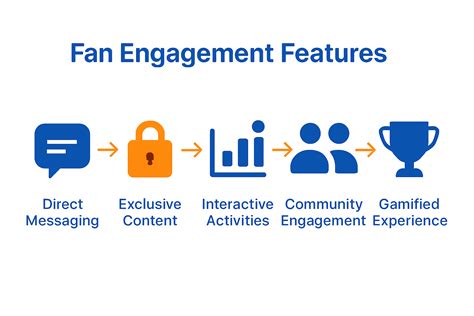
- Strengthen Community and Fan Engagement: Alavés can bolster its financial and emotional support base by deepening its connection with local fans and sponsors. Initiatives like community outreach programs, fan-driven content, and exclusive matchday experiences can create a stronger sense of loyalty. A financially stable and engaged fan base can indirectly support better on-field performance by alleviating some of the club's financial pressures.
Finally, Alavés FC must adopt a **phased approach to implementation**. Immediate priorities should focus on addressing the most pressing issues, such as defensive organization and goal-scoring inefficiencies, while mid-term strategies should aim at youth development and tactical diversification. Long-term goals should include building a sustainable financial model and creating a distinct brand identity that resonates both locally and internationally.
In conclusion, while Alavés FC faces significant challenges, the club is not without opportunities for growth. By focusing on tactical innovation, squad development, and strategic resource allocation, they can not only stabilize their position in La Liga but also aspire to compete at a higher level. These recommendations, if executed with commitment and precision, can serve as a roadmap for transforming Alavés into a more resilient and competitive team capable of achieving consistent success.