Introduction to FC Köln
FC Köln, officially known as 1. Fußball-Club Köln 01/07 e.V., is a professional football club based in Cologne, Germany. Established in 1948 through the merger of two local clubs, Kölner BC 01 and SpVgg Sülz 07, the team has carved a unique identity in German football. Its history is deeply intertwined with the cultural and sporting fabric of Cologne, a city renowned for its vibrant traditions, iconic cathedral, and passionate sports following. This section delves into the origins, geographical significance, and the broader influence of FC Köln within the context of German football.
The club’s foundation came at a pivotal time in post-World War II Germany. The country was rebuilding both socially and economically, and football served as a unifying force for communities. The merger of Kölner BC 01, a team with a strong competitive streak, and SpVgg Sülz 07, known for its innovative approach to the sport, was a strategic move to create a club capable of competing at higher levels. This union was more than administrative; it symbolized a collective ambition to establish Cologne as a footballing hub in the western part of Germany. From its inception, FC Köln embraced a philosophy of blending local talent with a forward-thinking approach to the game, which set the stage for its early successes.
Geographically, FC Köln’s home is the RheinEnergieStadion, a modern facility built on the site of the old Müngersdorfer Stadion. Cologne itself is situated in North Rhine-Westphalia, one of Germany's most densely populated and economically significant regions. This location has afforded the club a strong local fan base while also placing it in direct competition with other regional powerhouses like borussia dortmund and Schalke 04. The city’s central position in Europe has also made FC Köln a gateway team for international fixtures and European competitions, enhancing its visibility beyond domestic leagues. The club’s association with Cologne is not merely logistical but cultural—it embodies the city’s ethos of resilience, humor, and pride, qualities often reflected in the team’s mascot, the goat "Hennes," a living symbol of the club since 1950.
FC Köln’s historical trajectory in German football is marked by periods of glory and struggle. The club was one of the founding members of the Bundesliga in 1963, the first professional football league in Germany. Its early years in the Bundesliga were fruitful; FC Köln won the inaugural championship in the 1963-64 season, cementing its status as a force to be reckoned with. This victory was not an isolated success—the team went on to win the Bundesliga again in 1978 and secured multiple DFB-Pokal titles in 1968, 1977, and 1978. These achievements highlight the club’s ability to compete at the highest level during its golden eras. However, the club has also faced challenges, including relegations and financial difficulties, which have tested its resilience. Such fluctuations are not uncommon in football, but for FC Köln, they underscore a cyclical nature of ambition and adaptation.
The club’s significance in German football extends beyond trophies. FC Köln has been a breeding ground for talent, contributing players who have gone on to represent Germany at the international level. Names like Wolfgang Overath, Hans Schäfer, and more recently, Lukas Podolski, are synonymous with both the club and the national team. Overath, in particular, is a figure of immense importance—he was a key player in Germany’s 1974 World Cup-winning squad and spent the majority of his career at FC Köln. This tradition of nurturing talent has positioned the club as a critical component of the German football ecosystem, even during periods when its first-team performances have wavered.
Another aspect of FC Köln’s identity is its role in fostering community engagement. Unlike some clubs that prioritize commercial expansion at the cost of local ties, FC Köln has consistently emphasized its connection to Cologne’s residents. The club’s initiatives include youth development programs, charity events, and active participation in local festivals. For instance, the annual Karneval celebrations in Cologne often feature FC Köln prominently, with players and staff joining parades and events. This symbiotic relationship between club and city strengthens the emotional bond fans feel, reinforcing the idea that FC Köln is not just a sports team but a cultural institution.
The club’s fan base, known as Effzeh supporters, is among the most passionate in Germany. The term "Effzeh" is derived from the pronunciation of "FC" in the local Kölsch dialect, a linguistic nuance that reflects the deep integration of the club into Cologne’s identity. Supporters are known for their unwavering loyalty, often filling the RheinEnergieStadion even during challenging seasons. This loyalty has been tested during FC Köln’s stints in the 2. Bundesliga, but the fans’ dedication has helped the club rebound. Their vocal presence, marked by chants, flags, and the ever-present "Hennes" mascot, creates an atmosphere that is both intimidating for opponents and inspiring for players.
FC Köln’s significance in German football also lies in its role as a barometer for the sport’s evolution. The club has experienced the transition from amateur to professional football, navigated the pressures of commercialization, and adapted to the globalized nature of modern football. Its ability to remain competitive, even when overshadowed by clubs with larger budgets like Bayern Munich, reflects the broader challenges faced by mid-tier teams in Germany. FC Köln’s approach to sustainability, such as focusing on youth academies and prudent financial management, offers a case study in how smaller clubs can maintain relevance in an increasingly stratified football landscape.
In the broader European context, FC Köln has had its moments of European competition, participating in the UEFA Cup and the Europa League. While the club has not achieved the same level of European success as some of its Bundesliga peers, its participation has provided valuable exposure and experience. These forays into European football are emblematic of FC Köln’s ambition to punch above its weight, even when resources are limited.
In summary, FC Köln is more than a football club—it is a symbol of Cologne’s spirit and a microcosm of German football’s broader narrative. From its post-war origins to its modern-day struggles and triumphs, the club has maintained a distinct identity shaped by its location, history, and community ties. Its legacy is not defined solely by championships but by its enduring impact on the sport and the people it represents. For fans and observers alike, FC Köln stands as a reminder of the power of football to unite, inspire, and endure.
Historical Milestones
FC Köln, founded in 1948 through the merger of Kölner BC 01 and SpVgg Sülz 07, has a rich history that intertwines triumphs, challenges, and a deep-rooted connection to the city of Cologne. This section delves into the key historical milestones of the club, focusing on its most significant moments, both in terms of success and adversity, that have shaped its identity in German and European football.
The club's early years were marked by a rapid ascent in German football. By 1954, just six years after its formation, FC Köln had already secured a spot in the Oberliga West, the highest level of football in West Germany at the time. This early success set the stage for what would become a pattern of competitive excellence. However, the club's first major breakthrough came in the 1961-62 season when it won the West German championship for the first time. This victory was not merely a title but a statement of intent from a club that was beginning to establish itself as a force in German football. The team, led by coach Zlatko Čajkovski and featuring players like Hans Schäfer, demonstrated a blend of tactical discipline and attacking flair that became a hallmark of Köln’s play during this era.
The 1963-64 season was another pivotal moment in FC Köln’s history as it became one of the founding members of the newly established Bundesliga, the first professional football league in Germany. Köln made an immediate impact by winning the inaugural Bundesliga title in 1964. This was a monumental achievement, not only because it was the first championship in the new league format, but also because it underscored Köln's ability to adapt to the demands of professional football. The team’s success was driven by a strong defensive line and a midfield that controlled possession, setting a template for future Bundesliga contenders.
However, the late 1960s and early 1970s presented challenges for FC Köln. While the club remained competitive, it struggled to replicate its early dominance. Despite this, Köln managed to secure its second Bundesliga title in the 1977-78 season under coach Hennes Weisweiler, a legendary figure in German football. This title was particularly significant because it came after a period of rebuilding and showcased Köln’s resilience. The team also won the DFB-Pokal (German Cup) in the same season, achieving a rare double that highlighted their versatility across different competitions. This period also saw the rise of players like Dieter Müller, whose goal-scoring exploits became synonymous with Köln’s attacking prowess.
The 1980s were a mixed period for FC Köln. While the club consistently finished in the upper echelons of the Bundesliga table, it often fell short of winning major trophies. One of the most memorable moments of this decade was the 1983 DFB-Pokal final, where Köln faced local rivals Fortuna Köln. The match ended in a narrow 1-0 victory for FC Köln, a result that was both a cause for celebration and a reminder of the intense competition within the region. This win, though not as high-profile as a Bundesliga title, was emblematic of the club’s ability to persevere in tightly contested scenarios. Nevertheless, the lack of sustained league success during this period exposed some of the structural challenges the club faced in maintaining its competitive edge against emerging powerhouses like Bayern Munich and Borussia Mönchengladbach.
The 1990s were arguably the most turbulent period in FC Köln’s history. The club experienced a series of relegations and promotions, which tested the loyalty of its fan base. A notable low point came in the 1998-99 season, when Köln was relegated to the 2. Bundesliga for the first time. This relegation was a stark contrast to the club's earlier successes and symbolized the growing financial and competitive pressures in German football. However, even in these difficult times, FC Köln’s fan base remained a source of pride. The club’s supporters, often referred to as the "Geißbock-Herde" (the Billy Goat Herd, a reference to the club’s mascot), demonstrated unwavering support, attending matches in large numbers even during the club’s time in the second division. This period also saw the emergence of young talents like Lukas Podolski, who would later become a symbol of the club’s fight for resurgence.
The early 2000s brought a degree of stability as FC Köln worked to re-establish itself in the Bundesliga. A significant milestone during this time was the 2005 promotion back to the top flight, which was achieved with a young squad that blended homegrown talent with experienced players. This period also marked a renewed focus on youth development, as the club sought to build a sustainable model for competing in the Bundesliga. However, the challenges of staying in the top flight were evident, as Köln oscillated between relegation battles and mid-table finishes. This era highlighted the fine line between survival and success for clubs outside the traditional "big three" of Bayern Munich, Borussia Dortmund, and Borussia Mönchengladbach.
In more recent years, FC Köln has faced a mix of highs and lows. The 2016-17 season was a bright spot, as the club finished fifth in the Bundesliga, qualifying for the UEFA Europa League. This was a significant achievement for a club of Köln’s size and resources, and it reignited hopes of competing on a European stage. However, the subsequent season saw a dramatic decline, as Köln finished at the bottom of the table and was relegated once again. This rollercoaster of success and struggle underscores the volatility that mid-tier Bundesliga clubs often experience.
One of the most enduring symbols of FC Köln’s history is its mascot, the billy goat, which has been a part of the club since the 1950s. The goat, named Hennes after the club’s former player and coach Hennes Weisweiler, has become a beloved figure among fans and a unique aspect of Köln’s identity. The presence of Hennes at matches and club events serves as a reminder of the club’s deep ties to its community and its willingness to embrace tradition even in the face of modern football’s commercial pressures.
Looking back, FC Köln’s timeline is a tapestry of major trophies—including two Bundesliga titles and four DFB-Pokal wins—and challenges such as relegations, financial constraints, and the need to rebuild. These moments illustrate the club’s resilience and its ability to remain relevant in German football despite not being among the wealthiest or most decorated clubs. The club’s history is not just about the trophies it has won but also about its ability to endure and adapt in a competitive and ever-changing football landscape.
- The 1964 Bundesliga title as a founding member of the league set a high benchmark for the club.
- The 1978 double remains one of the most celebrated achievements in Köln’s history.
- The 1998-99 relegation marked a low point but also showcased the unwavering support of its fans.
- The 2017 Europa League qualification was a modern-day highlight that brought international exposure.
In conclusion, FC Köln’s historical milestones reveal a club that has experienced the full spectrum of triumphs and setbacks. From its early dominance in the Bundesliga to its struggles in the lower divisions, Köln’s journey is a testament to the enduring spirit of a club deeply embedded in its city’s culture. While the club may not boast the trophy cabinet of Bayern Munich or the global reach of Borussia Dortmund, its story is one of passion, perseverance, and an unbreakable bond with its supporters.
Team Structure and Organization
The organization and structure of FC Köln (1. FC Köln) reflect a blend of traditional German football club management and modern sporting strategies. As one of the well-established clubs in the Bundesliga, FC Köln has developed a robust framework that supports its operations both on and off the field. This section delves into the club's management, coaching staff, and player recruitment strategies to provide a detailed understanding of how the club operates at a foundational level.
The management structure of FC Köln is anchored by a supervisory board and an executive board, which are typical of German football clubs with a membership-based ownership model. The supervisory board, composed of elected members from the club's broader stakeholders, oversees the club's strategic direction and ensures financial stability. This board is responsible for appointing the executive board, which handles day-to-day management. The executive board typically includes roles such as the managing director for sport and the chief executive officer (CEO) for commercial and operational matters. This dual-board system ensures a clear separation of powers, with the supervisory board focusing on long-term vision while the executive board executes immediate goals. For instance, in recent years, FC Köln has emphasized financial prudence, especially after periods of financial instability, which has shaped its conservative approach to spending and revenue generation.
A key aspect of FC Köln's management philosophy is its focus on community engagement and sustainability. Unlike some clubs that prioritize rapid commercial expansion, FC Köln has shown a commitment to maintaining its identity as a club rooted in the local Cologne culture. This is evident in initiatives such as youth outreach programs, partnerships with local businesses, and a strong emphasis on fan involvement. The club’s management has also been vocal about its efforts to balance commercial growth with the preservation of its traditional values, a strategy that resonates with its loyal fan base but can sometimes limit aggressive investment compared to other Bundesliga clubs.
The coaching staff at FC Köln plays a critical role in translating the club's vision into on-field performance. The head coach is supported by a team of assistant coaches, fitness trainers, and analysts, all of whom work in tandem to implement a cohesive playing style. FC Köln has often leaned toward coaches who emphasize a mix of disciplined defense and attacking transitions, a style suited to the club's historical identity as a hardworking, resilient team. For example, during the tenure of coaches like Steffen Baumgart, the team has adopted a high-pressing, energetic approach that prioritizes physical fitness and tactical versatility. This coaching philosophy not only aligns with the club's ethos but also reflects an understanding of the Bundesliga's competitive nature, where mid-table teams must maximize limited resources to remain competitive.
The coaching staff also places a significant emphasis on player development, particularly through the club's youth academy. FC Köln has a reputation for nurturing young talent, with its academy serving as a pipeline for both the first team and potential transfers to other clubs. Coaches are tasked with integrating academy graduates into the senior squad, which not only reduces dependency on expensive transfers but also reinforces the club's identity as a developer of homegrown talent. This strategy has produced players who have gone on to achieve success domestically and internationally, though the challenge remains in retaining these talents amidst financial pressures.
When it comes to player recruitment strategies, FC Köln adopts a pragmatic approach that balances short-term needs with long-term sustainability. The club’s recruitment philosophy is shaped by its financial constraints compared to top-tier Bundesliga teams like Bayern Munich or Borussia Dortmund. As such, FC Köln often focuses on value-for-money signings, targeting players from lower-tier leagues, free agents, or undervalued talents in smaller European markets. For example, the club has had success in signing players from the Austrian Bundesliga or the 2. Bundesliga who can adapt quickly to the demands of top-flight German football. This strategy requires a strong scouting network, and FC Köln has invested in building relationships with smaller clubs and agencies to identify players who fit their system.

Another key element of FC Köln's recruitment strategy is the use of data analytics and performance metrics. The club employs analysts to assess potential signings based on statistical benchmarks such as expected goals (xG), defensive actions, and fitness levels. This analytical approach helps mitigate risks associated with signing players who might struggle to adapt to the Bundesliga’s physical and tactical demands. Additionally, FC Köln has shown a willingness to explore loan deals and short-term contracts as a way to manage costs while maintaining squad depth. For instance, the club has often brought in experienced players on loan to address specific weaknesses in the squad without committing to long-term financial obligations.
However, FC Köln’s recruitment is not without challenges. The club has faced criticism for its occasional over-reliance on aging players or those with inconsistent track records. This has sometimes resulted in squad imbalances, particularly when injuries or poor form expose a lack of depth in key positions. To address this, the club has recently attempted to diversify its recruitment pool by looking at younger, more adaptable players who can grow with the team over several seasons. This shift is part of a broader effort to establish a more sustainable model for competing in the Bundesliga without overextending financially.
One of the more innovative aspects of FC Köln's approach is its emphasis on cross-department collaboration in player recruitment. The sporting director works closely with the coaching staff and the academy to ensure a seamless transition for players moving between levels. This integrated approach allows the club to align its recruitment targets with the playing philosophy of the first team while also considering the long-term development of academy prospects. For example, if the coaching staff identifies a need for a specific profile of player—such as a dynamic winger or a ball-playing center-back—the scouting team can prioritize these attributes in their search, ensuring that new signings fit seamlessly into the existing squad structure.
In addition to traditional recruitment, FC Köln has also explored partnerships with international clubs to broaden its talent pool. These partnerships often involve loaning young players to gain experience in different footballing environments or co-developing players with clubs in regions like Eastern Europe or South America. While these initiatives are still in their infancy compared to larger clubs, they represent a forward-thinking approach to expanding FC Köln's influence and access to talent.
In summary, FC Köln’s team structure and organization are characterized by a blend of tradition and modernity. Its management prioritizes financial stability and community ties, its coaching staff focuses on developing a hardworking, adaptable team, and its recruitment strategies aim to balance immediate needs with sustainable growth. While the club faces challenges typical of mid-table Bundesliga teams—such as limited budgets and competition for top talent—its structured approach and emphasis on youth development and strategic scouting position it as a club capable of punching above its weight in German football.
Performance Analysis
FC Köln, one of Germany's traditional football clubs, has experienced a range of performances in recent seasons that reflect both their historical stature and the challenges of maintaining competitive consistency in the Bundesliga. This analysis delves into their league standings, competitive patterns, and underlying factors that have shaped their trajectory over the past few years.
In the 2020/21 season, FC Köln finished in 16th place, narrowly avoiding automatic relegation but forced into a relegation playoff against Holstein Kiel. This outcome was indicative of a tumultuous campaign marked by defensive vulnerabilities and inconsistent goal-scoring form. The team conceded 60 goals, one of the highest in the league, while scoring 34—a goal difference that underscored their struggle to balance attack and defense. Their survival was attributed less to individual brilliance and more to a resilient final stretch of the season, where they secured key results against similarly struggling teams. This campaign was a stark reminder of how thin the margin for error is for mid-table Bundesliga teams with limited resources.
The following 2021/22 season saw a marked improvement as FC Köln climbed to 7th place, earning a spot in the UEFA Conference League qualifiers. This significant leap was driven by several key changes. First, the appointment of coach Steffen Baumgart brought a more dynamic and attacking philosophy to the team. Under Baumgart, Köln adopted a high-pressing style that emphasized quick transitions and aggressive play in the final third. This shift was evident in their improved offensive output, with 52 goals scored—nearly a 50% increase from the previous season. Players like Anthony Modeste, who netted 20 league goals, were instrumental in this turnaround. However, their defensive record remained a concern, conceding 49 goals, which suggested that while their attack had improved, structural issues in midfield and defense were not entirely resolved.
The 2022/23 season presented a mixed bag for FC Köln. They finished 11th, a regression from their European qualification the previous year but not a catastrophic drop. This season highlighted the inconsistency that plagues many mid-table Bundesliga teams. Köln's performance was characterized by streaks of strong results followed by periods of poor form. For instance, they managed impressive wins against top-six teams like RB Leipzig and Eintracht Frankfurt but struggled against relegation-threatened sides, dropping points in matches they were expected to win. This inconsistency can be attributed to squad depth issues and a reliance on a small core of key players. Modeste's departure to Borussia Dortmund left a significant void in their attacking lineup, and while Florian Kainz and Linton Maina contributed sporadically, the team lacked a consistent secondary scoring option.
One of the recurring themes in FC Köln's recent seasons is their reliance on individual performances over systemic strength. While players like Modeste in 2021/22 or goalkeeper Marvin Schwäbe in critical moments have delivered standout performances, the team has often lacked the cohesive structure seen in more stable Bundesliga sides like Freiburg or Union Berlin. This is not to dismiss Köln's tactical evolution under Baumgart, but rather to highlight that their competitive edge often hinges on moments of brilliance rather than a well-oiled machine. For instance, their ability to grind out results in high-pressure matches, such as their 1-0 win over Wolfsburg in 2022, demonstrated resilience but also exposed their limited margin for error when key players were unavailable or out of form.
A deeper look at their league standings trends reveals a pattern of volatility. Since their promotion back to the Bundesliga in 2019, Köln has alternated between battling relegation and flirting with mid-table security or European contention. This volatility can be linked to several factors:
- Their transfer strategy has often been reactive rather than proactive. The club has struggled to replace key departures (e.g., Modeste in 2022) with players of similar impact, often relying on loan signings or unproven talents.
- Their financial constraints as a club without the deep pockets of a Bayern Munich or Dortmund mean they must operate within a tighter budget, which limits their ability to build a squad with depth and quality across all positions.
- The managerial stability brought by Baumgart has been a positive development, but even his influence has been tested by the inherent unpredictability of working with a squad that lacks the resources of top-tier competitors.
Another aspect worth analyzing is FC Köln's competitive consistency in cup competitions. While their league form has been erratic, they have shown glimpses of promise in the DFB-Pokal. In the 2021/22 season, they reached the semifinals, defeating teams like Hamburg and HSV along the way before falling to Freiburg. This cup run was a testament to their ability to rise to the occasion in knockout formats, where the pressure of a single-leg tie can sometimes level the playing field for teams with less overall quality. However, their European foray in the 2022/23 Conference League qualifiers ended prematurely, highlighting the gap between their domestic and international competitiveness.
From a statistical perspective, Köln's recent seasons reveal some interesting patterns. Their expected goals (xG) and expected goals against (xGA) metrics suggest that they often outperform or underperform their underlying numbers. For example, in 2021/22, their xG indicated they were creating enough chances to score more than they did, while their xGA suggested their defense was slightly better than the raw concession numbers implied. This points to inefficiencies in finishing and moments of defensive lapses that skew their actual results compared to their potential. Such disparities are common for teams operating in the middle tier of the Bundesliga, where small details often determine whether a season is successful or merely survivable.
Looking ahead, FC Köln's ability to achieve greater competitive consistency will depend on several factors. First, they must address their squad depth to avoid over-reliance on a handful of key players. Investing in young talents or finding undervalued players in the transfer market could help them build a more robust roster. Second, their defensive organization needs improvement; while Baumgart's attacking philosophy is entertaining and effective in patches, it leaves them exposed at the back too often. Finally, their financial planning must align with their ambitions. Köln's ability to punch above their weight, as they did in 2021/22, is commendable, but sustaining such performances requires a more stable foundation.
In conclusion, FC Köln's recent seasons illustrate the challenges and opportunities of being a mid-table Bundesliga team. Their ability to achieve a European spot in 2021/22 shows they are capable of overachieving under the right circumstances, but their subsequent regression and ongoing defensive issues highlight the need for sustained investment and strategic planning. As the Bundesliga landscape becomes increasingly competitive, Köln's journey serves as a microcosm of the broader dynamics faced by clubs striving to balance ambition with resource limitations.
Fan Base and Community Impact
The fan base of FC Köln is not merely a collection of supporters; it is a vibrant and deeply rooted community that reflects the cultural and social fabric of Cologne. The club, officially known as 1. Fußball-Club Köln 01/07 e.V., has cultivated a unique relationship with its fans and the local populace, one that extends far beyond the boundaries of football matches. This section delves into the multifaceted role of fans, the club's local support system, and its deliberate engagement with the community, shedding light on how FC Köln has fostered a sense of belonging and impact that reverberates throughout the city.
At the heart of FC Köln's fan base is its unwavering loyalty, often exemplified in the club's motto, "Spürbar anders" (noticeably different). This phrase encapsulates the emotional intensity and distinctiveness of the fan culture associated with the club. Fans of FC Köln are known for their passionate support, whether at home games in the RheinEnergieStadion or during away fixtures. The club's average attendance figures often rank among the highest in the Bundesliga, a testament to the dedication of its supporters. This loyalty is not merely transactional; it is rooted in a shared identity. For many fans, FC Köln is more than a football team—it is a symbol of local pride, resilience, and tradition. This sentiment is particularly evident in the club's iconic mascot, Hennes the goat, which has become an enduring emblem of the team and its connection to the city's history and humor.
The local support for FC Köln is deeply intertwined with the club's geographical and historical context. Cologne is a city with a rich cultural heritage, and FC Köln serves as one of its foremost ambassadors. The fans often view the club as a custodian of the city's identity, a role that the team has embraced through its community-focused initiatives. Unlike larger clubs in metropolitan areas like Munich or Berlin, FC Köln operates in a city where the football club is one of the primary cultural institutions. This dynamic creates a symbiotic relationship: the fans provide steadfast support, and the club reciprocates by embedding itself in the daily lives of its community. For instance, FC Köln frequently organizes open training sessions, allowing fans of all ages to interact with players and staff. These events are not just promotional activities; they are a deliberate effort to maintain accessibility and foster a sense of inclusivity.
Community engagement is a cornerstone of FC Köln's strategy, and the club has implemented numerous programs to solidify its role as a positive force in Cologne. One notable example is the club's youth development initiatives. FC Köln has a well-regarded academy that not only grooms future football talent but also emphasizes character building and education. The academy serves as a pipeline for local talent, ensuring that young players from Cologne and its surrounding regions have opportunities to pursue their dreams while staying connected to their roots. This approach has a dual benefit: it strengthens the club's squad with homegrown players who understand the ethos of FC Köln, and it reinforces the club's ties to the local community by investing in its youth.
Beyond youth development, FC Köln has taken active steps to address social issues and contribute to the well-being of its community. The club's foundation, FC Köln Stiftung, focuses on projects that promote inclusion, education, and health. For example, the foundation has partnered with local schools to provide sports programs that encourage physical activity and teamwork among children. Additionally, FC Köln has been involved in campaigns to support marginalized groups, such as refugees and individuals with disabilities. These efforts are not tokenistic; they reflect a genuine commitment to using the club's platform to address societal challenges. By doing so, FC Köln has positioned itself as a club that cares about more than just football—it is a community pillar.
The club's engagement with its fans also extends to digital and social media platforms, where FC Köln has cultivated a strong online presence. Through creative content, behind-the-scenes glimpses, and interactive campaigns, the club ensures that fans feel connected even outside of match days. This digital engagement is particularly important for younger fans and those who may not be able to attend games in person. FC Köln's use of humor and relatability in its online content resonates with its audience, further solidifying the emotional bond between the club and its supporters. For example, the club often features Hennes in playful social media posts, blending tradition with modern communication strategies to maintain fan interest and loyalty.
Another dimension of FC Köln's community impact is its role in fostering a sense of unity during challenging times. The club has weathered periods of relegation and financial difficulties, and its fans have stood by it through thick and thin. This resilience is not a one-way street; the club has often leaned on its supporters for moral and financial backing during turbulent periods. For instance, during the COVID-19 pandemic, when football clubs across the world faced unprecedented challenges, FC Köln's fans demonstrated their commitment by purchasing season tickets even when matches were played behind closed doors. This act of solidarity was reciprocated by the club, which worked to ensure transparent communication and gratitude toward its fan base. Such moments underscore the mutual trust and interdependence between FC Köln and its community.
The club's engagement is not limited to its immediate fan base; it also extends to broader societal contributions. FC Köln has been involved in environmental initiatives, such as promoting sustainability at its stadium and supporting local green projects. These efforts align with the growing global emphasis on corporate social responsibility and demonstrate how football clubs can use their influence to drive positive change. By integrating sustainability into its operations, FC Köln not only enhances its reputation but also inspires its fans to adopt environmentally conscious behaviors.
It is also worth examining the role of ultra groups within FC Köln's fan base. While ultras are often associated with passionate and sometimes controversial displays of support, FC Köln's ultras have played a significant role in shaping the club's identity. Their choreographed displays, chants, and tifo exhibitions add a layer of spectacle to matches, creating an atmosphere that is both intimidating for opponents and exhilarating for home supporters. However, the club has also worked to ensure that the energy of the ultras is channeled positively, discouraging violence or discriminatory behavior. This balance reflects FC Köln's broader philosophy of inclusivity and respect, even within the most fervent elements of its fan culture.
In summary, FC Köln's fan base and its community impact are deeply interconnected, with each reinforcing the other. The club's approach to fan engagement is not merely about filling seats or selling merchandise; it is about building a lasting relationship rooted in shared values and mutual support. Through its youth programs, social initiatives, digital presence, and environmental efforts, FC Köln has established itself as more than a football club—it is a community institution that embodies the spirit of Cologne. This dynamic not only strengthens the club's position within the Bundesliga but also ensures that its legacy extends far beyond the pitch, leaving a lasting imprint on the lives of its fans and the broader community.
Youth Development and Academy
The youth development system of FC Köln, often referred to as the "Geißböcke" (Billy Goats), has long been a cornerstone of the club's identity and strategy. While FC Köln may not have the financial muscle of Bundesliga giants like Bayern Munich or Borussia Dortmund, its youth academy has consistently served as a strategic asset to bridge the gap between ambition and resource constraints. This section delves into the structure, philosophy, and impact of FC Köln's youth system, particularly its contribution to the first team and the broader landscape of German football.
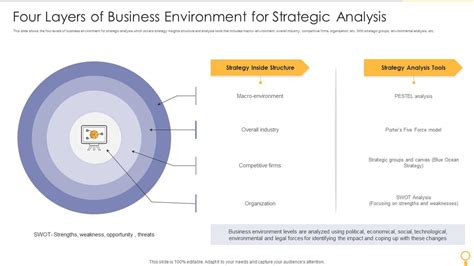
The foundation of FC Köln's youth development lies in its academy structure, which is organized into age-specific tiers ranging from under-9 to under-19 levels. The club emphasizes a holistic approach to player development, blending technical training with academic education and psychological support. This multi-faceted strategy ensures that young players are not only groomed for football excellence but are also prepared for life beyond the sport. Such an approach aligns with the German Football Association's (DFB) guidelines, which stress the importance of creating well-rounded individuals capable of handling the pressures of professional football.
One of the standout features of FC Köln's academy is its focus on local talent. The club has historically prioritized scouting and nurturing players from the Cologne region and its surroundings. This localized strategy is not merely a cost-saving measure but a deliberate attempt to foster a sense of belonging and loyalty among players. For instance, players like Timo Horn, a goalkeeper who progressed through the ranks to become a first-team regular, exemplify this philosophy. Horn’s journey from the academy to the senior team underscores the club's ability to develop players who not only perform at the highest level but also embody the club's ethos.
A key metric of any youth system's success is its pipeline to the first team. FC Köln has had notable success in this area, though it has faced challenges in maintaining a consistent flow of talent due to financial and competitive pressures. Players such as Jonas Hector, who joined the club as a young prospect and went on to become a stalwart for both FC Köln and the German national team, highlight the academy's ability to produce players who can compete at the international level. Hector's development is particularly significant because it demonstrates how FC Köln’s youth system can identify and refine players with the technical and mental attributes required for top-tier football.
However, the academy’s impact extends beyond individual success stories. FC Köln’s youth system has played a pivotal role in shaping the tactical identity of the first team. The club has often leaned on academy graduates to implement a style of play that emphasizes high-energy pressing, technical proficiency, and adaptability. This is particularly evident in the integration of young players into the senior squad during transitional periods. For example, during the 2017-2018 season, when FC Köln was battling relegation, several academy graduates were promoted to the first team to provide energy and depth. While the team ultimately faced relegation, the experience gained by these young players during that campaign was invaluable for their long-term development.
Beyond its direct contributions to FC Köln, the club's youth system has also made a broader impact on German football. Many players who do not make the cut for the first team at Köln often find opportunities elsewhere in the Bundesliga or lower divisions. This "spillover effect" benefits the German football ecosystem by ensuring a steady supply of well-trained players. For instance, Yannick Gerhardt, a product of FC Köln's academy, moved to VfL Wolfsburg, where he has carved out a successful career. Such movements illustrate how FC Köln’s academy not only serves the club but also acts as a feeder for the wider football landscape.
The academy’s success is also tied to its investment in coaching and infrastructure. FC Köln has made significant efforts to modernize its training facilities and hire qualified coaches who align with the club’s developmental philosophy. The integration of video analysis, sports science, and data-driven performance tracking has further enhanced the academy's ability to identify and address player weaknesses. This focus on innovation ensures that FC Köln remains competitive in an era where even smaller clubs are leveraging technology to optimize youth development.
Another critical aspect of FC Köln's youth system is its collaboration with the DFB. The club actively participates in national youth tournaments and development programs, which provide its young players with exposure to high-level competition. These tournaments also serve as a platform for FC Köln to showcase its talent to scouts from other clubs and national team selectors. This symbiotic relationship benefits both the club and German football as a whole, as it ensures that promising players are given opportunities to progress through structured pathways.
Despite these successes, FC Köln's youth system is not without its challenges. The club often struggles to retain top talents due to the allure of bigger clubs with more resources. For example, players like Serge Gnabry, who spent time in FC Köln's youth ranks before moving to Arsenal, highlight the difficulty of retaining elite prospects in the face of external competition. Additionally, the club’s financial limitations mean that it cannot always provide the same level of facilities or exposure as its wealthier counterparts. However, these challenges have not deterred FC Köln from continuing to invest in its youth system, recognizing its long-term value.
In terms of quantifiable impact, FC Köln’s academy has contributed significantly to the club’s first-team squad over the years. A review of squad composition during recent seasons reveals that academy graduates often make up a substantial portion of the matchday squad, particularly during periods of financial austerity. This reliance on homegrown talent not only reduces transfer expenditure but also fosters a deeper connection between the players and the fanbase, which is crucial for a club with such a passionate supporter base.
In conclusion, FC Köln’s youth development system is a vital part of its identity and strategy. While it may not produce superstars at the same rate as Bayern Munich’s academy, its focus on local talent, integration into the first team, and contribution to German football cannot be overlooked. The academy serves as a microcosm of the club’s broader philosophy: to compete with resourcefulness, resilience, and a commitment to nurturing talent. As German football continues to evolve, FC Köln’s youth system will remain a critical pillar in ensuring the club’s sustainability and its ability to punch above its weight in the Bundesliga.
- The academy prioritizes local talent, fostering loyalty and regional identity.
- Players like Timo Horn and Jonas Hector exemplify successful transitions from academy to first team.
- The system contributes to German football by producing players who excel elsewhere in the Bundesliga.
- Investments in coaching, infrastructure, and collaboration with the DFB enhance its effectiveness.
- Challenges include retaining top talents and competing with wealthier clubs.
By maintaining its focus on youth development, FC Köln not only secures its own future but also reinforces the broader ecosystem of German football, proving that even clubs with limited resources can make a lasting impact through strategic investment in their academies.
Financial Overview
FC Köln, officially known as 1. Fußball-Club Köln 01/07 e.V., is a professional football club based in Cologne, Germany, competing in the Bundesliga, the top tier of German football. Understanding the club's financial landscape is key to assessing its operational health, long-term viability, and ability to compete at the highest level. This section delves into the club's revenue streams, its sponsorship ecosystem, and the measures it takes to maintain financial sustainability in a highly competitive and capital-intensive industry.
Revenue streams for FC Köln are diverse but follow patterns typical of football clubs in Europe. The most significant source of income for the club is broadcasting rights. As a member of the Bundesliga, FC Köln benefits from the league's centralized broadcasting deals, which are among the most lucrative in European football. These deals, negotiated collectively by the Deutsche Fußball Liga (DFL), ensure that clubs like FC Köln receive a share of the revenues based on their performance and visibility. While the exact distribution formula is complex, FC Köln's consistent presence in the Bundesliga ensures a steady influx of funds from this channel. However, the club's mid-table position in recent years means it does not command the same premium as top-tier clubs like Bayern Munich or Borussia Dortmund, which limits its share of this pot compared to the elite.
Another critical revenue stream is matchday income. FC Köln's home ground, the RheinEnergieStadion, has a capacity of over 50,000 spectators. Matchday revenues encompass ticket sales, concessions, and stadium-related merchandising. The club enjoys a loyal fanbase, with average attendances often exceeding 90% of stadium capacity. This loyalty translates into consistent ticket sales, even during less successful seasons. However, the club faces challenges in maximizing this revenue due to the relatively modest size of its stadium compared to some of its Bundesliga peers. Expansion or modernization of the stadium could unlock higher matchday revenues, but such projects require significant capital investment, which FC Köln has historically been cautious about undertaking without external support.
The third major revenue stream is commercial activities, including merchandise sales and sponsorships. FC Köln has a strong regional identity, which it leverages in its merchandising strategy. The club's iconic goat mascot and distinctive red and white branding are popular among fans, driving sales of jerseys, scarves, and other club-branded products. However, the club’s merchandising footprint is somewhat limited outside of Germany, particularly when compared to internationally recognized clubs. This restricts its ability to tap into global markets, a challenge that many mid-tier Bundesliga clubs face.
Sponsorships form a crucial pillar of FC Köln's financial strategy. The club has cultivated a range of partnerships, both at the local and national levels. For instance, REWE Group, a German retail corporation, has been a long-standing shirt sponsor for FC Köln. Such partnerships are not merely financial transactions but also strategic alignments that reinforce the club’s ties to the local economy. Additionally, FC Köln has secured deals with companies like Ford and DEVK Insurance, which provide both financial support and brand association benefits. These sponsorships are often structured as multi-year agreements, providing a degree of predictability in the club's income. However, the club faces the challenge of competing for high-value sponsorships in a market dominated by clubs with larger international appeal. This dynamic forces FC Köln to be creative in offering tailored sponsorship packages, such as digital activations and fan engagement opportunities, to attract and retain partners.
Beyond these traditional revenue sources, FC Köln has explored non-traditional avenues to bolster its financial position. One example is the club's involvement in esports. In 2018, FC Köln co-founded the esports organization SK Gaming, signaling an intent to diversify its revenue base. While esports remains a relatively small contributor compared to football-related income, it represents a forward-looking approach to engaging younger audiences and tapping into the rapidly growing gaming industry. This initiative also positions FC Köln as a club willing to innovate, which can enhance its attractiveness to sponsors and investors.
On the topic of financial sustainability, FC Köln has faced challenges common to many clubs of its stature. The COVID-19 pandemic, for instance, severely impacted matchday revenues due to restrictions on stadium attendance. The club reported losses during this period, highlighting its vulnerability to external shocks. However, FC Köln has taken steps to address these vulnerabilities. One of its key strategies is cost management. The club operates with a relatively lean wage bill compared to some of its Bundesliga rivals, avoiding the kind of over-leveraging that has caused financial distress for other clubs. While this approach limits its ability to attract top-tier talent, it ensures a more stable financial foundation.
Another aspect of sustainability is the club's focus on youth development. FC Köln operates a well-regarded academy that has produced players like Jonas Hector and Timo Horn. By investing in youth, the club reduces its reliance on expensive transfers and builds a pipeline of talent that can either strengthen the first team or be sold for profit. This strategy aligns with the broader trend in German football of emphasizing homegrown talent as a means of achieving both sporting and financial goals.
The club also benefits from its membership in the DFL’s financial oversight framework, which requires clubs to adhere to strict financial fair play regulations. This system promotes responsible financial management by mandating that clubs operate within their means. FC Köln has generally complied with these requirements, though there have been instances where the club has had to rely on external funding, such as loans or shareholder injections, to address short-term cash flow issues. Such measures are not uncommon in football but underscore the need for FC Köln to continue diversifying its revenue streams to reduce dependence on any single source.
A unique challenge for FC Köln is its regional market limitations. Unlike clubs in larger metropolitan areas like Berlin or Munich, FC Köln operates in a city with a smaller economic base. This restricts the potential for local sponsorship deals and corporate partnerships to reach the scale seen in more economically vibrant regions. To counter this, the club has worked to position itself as a cultural ambassador for Cologne, leveraging its deep-rooted connection to the city to build goodwill and attract support from businesses and fans alike. This strategy has been effective in maintaining a loyal supporter base but does little to address the broader financial limitations imposed by the regional market.
In summary, FC Köln’s financial overview reveals a club that operates with a mix of traditional and innovative approaches to revenue generation and sustainability. While it benefits from Bundesliga broadcasting revenues and has a loyal fanbase that supports matchday and merchandising income, its mid-tier status and regional market constraints present ongoing challenges. The club’s focus on cost management, youth development, and non-traditional ventures like esports demonstrates a pragmatic approach to navigating these challenges. However, to secure long-term financial sustainability, FC Köln must continue to explore avenues for growth, such as expanding its international presence, modernizing its infrastructure, and deepening its sponsorship portfolio. These efforts will be critical in ensuring that the club can not only survive but thrive in the competitive landscape of modern football.
Strategic Partnerships and Global Reach
FC Köln, one of Germany's most storied football clubs, has increasingly turned its attention to **strategic partnerships and global reach** as a means of expanding its brand and influence beyond the confines of the Bundesliga. In an era where football clubs are no longer just local entities but global brands, FC Köln has taken deliberate steps to position itself as a club with international appeal, leveraging collaborations and market strategies to secure a foothold in diverse regions.
One of the key aspects of FC Köln's international strategy is its **focus on partnerships with clubs and organizations outside Germany**. These collaborations are not merely symbolic; they serve as platforms for talent exchange, knowledge sharing, and market penetration. For instance, FC Köln has established relationships with clubs in **Asia and the United States**, two of the most lucrative and football-hungry markets in the world. These partnerships often include **youth academy exchanges**, where young players from partner clubs are given the opportunity to train in FC Köln's facilities, exposing them to European coaching methodologies. This not only enhances the skill set of these young players but also creates a pipeline of talent that FC Köln can monitor and potentially recruit in the future. The club benefits from these exchanges by gaining access to new player pools while also creating goodwill in these regions, which can translate into fan loyalty and merchandise sales.
Another area of strategic importance is **brand-building efforts in non-traditional football markets**. FC Köln has recognized that its brand, while deeply rooted in German football culture, needs to resonate with audiences who may not have a historical connection to the club. To this end, the club has engaged in **targeted marketing campaigns** in regions such as **China, India, and Southeast Asia**. These campaigns often revolve around **digital content tailored to local audiences**, such as creating short-form videos featuring FC Köln players learning phrases in local languages or celebrating cultural festivals. This localized approach helps the club stand out in a crowded market of European football clubs vying for attention. For example, during the Chinese New Year, FC Köln released limited-edition merchandise featuring designs inspired by traditional Chinese art, which not only appealed to local fans but also demonstrated the club's willingness to invest in understanding and respecting the culture of its target audience.
The club has also been proactive in **leveraging its players as brand ambassadors** in global markets. Players with international profiles, such as those hailing from countries with strong football followings, are often featured in promotional activities aimed at their home regions. For instance, when FC Köln signs a player from **Japan or South Korea**, the club ensures that the player is involved in **community outreach programs** and media appearances in their home country. This not only boosts the player's profile but also associates FC Köln with excellence and accessibility in those markets. The club has also experimented with **player-led social media takeovers**, where international players share behind-the-scenes content from training sessions or match days, giving fans in their home countries a sense of connection to the club.
A critical component of FC Köln's global strategy is its **focus on the North American market**, particularly the United States and Canada. The club has participated in **pre-season tours** in these regions, competing in friendly matches against Major League Soccer (MLS) teams and lower-tier clubs. These tours are not just about match fitness; they are opportunities for FC Köln to **showcase its playing style and ethos** to a North American audience. Additionally, the club has partnered with **soccer academies in the U.S.** to provide coaching clinics and workshops. These initiatives help position FC Köln as a club that is invested in the development of football in North America, which is seen as a growth market for the sport. The club’s presence at events like the **International Champions Cup** or similar exhibition tournaments further solidifies its reputation as a club with global aspirations.
In addition to these direct efforts, FC Köln has also explored **sponsorship and commercial collaborations** that enhance its global visibility. The club has partnered with brands that have a strong international presence, such as **sportswear manufacturers and technology companies**, to co-create campaigns that highlight FC Köln’s unique identity. For example, a recent collaboration with a global sportswear brand included a **limited-edition jersey launch** that incorporated design elements inspired by Cologne’s iconic cathedral. This not only reinforced the club’s ties to its home city but also served as a conversation starter for fans internationally who were intrigued by the design’s backstory. Such initiatives demonstrate how FC Köln uses its heritage as a selling point while simultaneously modernizing its appeal for a global audience.
The club’s **digital transformation** has also played a significant role in expanding its global reach. FC Köln has invested heavily in its **online presence**, ensuring that its website and social media channels are accessible and engaging for fans across different time zones. The club regularly produces **multilingual content**, including match highlights, player interviews, and club news in languages such as **English, Spanish, and Japanese**. This approach ensures that fans who may not speak German can still feel connected to the club. Furthermore, FC Köln has embraced **streaming platforms and esports** as a way to engage younger, tech-savvy audiences. By fielding an esports team and hosting online tournaments, the club taps into the growing popularity of virtual football, which has a particularly strong following in markets like **Asia and Latin America**.
It is also worth noting FC Köln’s **efforts to build a sustainable global brand**. Unlike some clubs that focus solely on short-term revenue generation, FC Köln has emphasized **long-term relationship-building** with its international fan base. This is evident in the club’s **official fan clubs abroad**, which serve as hubs for supporters in cities like **New York, Tokyo, and Sydney**. These fan clubs are not just passive entities; they are actively supported by FC Köln through **exclusive content, merchandise discounts, and virtual meet-and-greets with players and staff**. This strategy fosters a sense of belonging among international fans, turning them into ambassadors for the club in their local communities.
However, FC Köln’s global reach is not without its challenges. The club operates in a highly competitive space where larger clubs with more resources, such as **Bayern Munich or Manchester United**, often dominate the conversation. To counter this, FC Köln has adopted a **niche strategy**, focusing on building deep connections with smaller but passionate fan bases rather than attempting to compete directly with the megaclubs. This approach allows FC Köln to carve out a unique space for itself as a club that values **authenticity and community** over sheer commercial dominance.
In conclusion, FC Köln’s **strategic partnerships and global reach** are a testament to the club’s forward-thinking approach in an increasingly interconnected football landscape. Through **targeted collaborations, digital innovation, and a commitment to cultural sensitivity**, the club has managed to extend its influence far beyond the RheinEnergieStadion. While challenges remain, FC Köln’s blend of tradition and modernity positions it as a club that is not only surviving but thriving in the global football ecosystem.
Challenges and Opportunities
The modern football landscape is a dynamic and competitive arena where clubs like FC Köln must navigate a myriad of challenges while seizing opportunities to grow and sustain their position. As one of Germany's traditional clubs with a rich history and a passionate fan base, FC Köln faces unique obstacles tied to its identity, financial structure, and performance on the pitch. At the same time, the evolving nature of football offers avenues for innovation and expansion that the club can leverage to solidify its standing in the Bundesliga and beyond.
One of the most pressing challenges for FC Köln is its financial stability in an era dominated by clubs with significant commercial revenues and external investments. Unlike powerhouses such as Bayern Munich or even RB Leipzig, FC Köln does not have the luxury of massive sponsorship deals or state-backed funding. This disparity creates a resource gap that affects player recruitment, infrastructure development, and competitive edge. For instance, while top-tier clubs can afford to sign world-class talent or maintain expansive scouting networks, FC Köln often relies on developing young players or identifying undervalued prospects. While this approach can be a strength—as seen in the rise of homegrown talents—it also leaves the club vulnerable to poaching by wealthier competitors. The departure of promising players due to better offers elsewhere can disrupt long-term planning and fan trust.
Another significant obstacle is the club’s inconsistent performance in the Bundesliga. FC Köln has oscillated between mid-table finishes and relegation battles in recent years. This inconsistency not only impacts revenue through prize money and TV rights but also affects fan engagement and sponsorship appeal. A club that cannot guarantee a certain level of competitiveness risks losing its foothold in the highly commercialized world of modern football. Moreover, relegation—a very real threat for mid-tier clubs—can lead to a loss of momentum, both financially and in terms of fan loyalty. The club must therefore focus on building a more stable and predictable on-field strategy, which might involve investing in a consistent coaching philosophy, data-driven performance analysis, and a clear vision for player roles and team dynamics.
The rise of analytics and technology in football presents both a challenge and an opportunity for FC Köln. On one hand, the club may struggle to keep up with the adoption of cutting-edge tools like AI-driven match analysis, player tracking systems, and advanced fitness monitoring. Smaller clubs often lack the budget to fully integrate these technologies into their operations. However, if FC Köln can adopt even a scaled-down version of these tools—perhaps through partnerships with local tech firms or universities—it could gain a competitive edge. For example, using analytics to identify under-the-radar talents in lower leagues or optimizing training regimens to reduce injury rates could help the club punch above its weight. This approach would also align with the club's identity as a community-focused organization, potentially fostering goodwill among fans and local stakeholders.
A related opportunity lies in the globalization of football fandom. While FC Köln has a fiercely loyal local fan base, there is significant potential to expand its reach internationally. The Bundesliga’s growing popularity in markets like Asia, North America, and the Middle East offers a chance for the club to cultivate a global following. Initiatives such as international pre-season tours, digital engagement campaigns tailored to foreign audiences, and partnerships with overseas brands can help FC Köln tap into new revenue streams. For instance, clubs like Borussia Dortmund have successfully leveraged their brand to attract fans in Asia; FC Köln could take a similar path by emphasizing its unique traditions, such as the famous "Geißbock" (billy goat) mascot, which could resonate with audiences looking for authentic and quirky football stories.
Another area of growth potential is sustainability and community engagement. Modern football fans, particularly younger demographics, are increasingly drawn to clubs that demonstrate a commitment to social responsibility and environmental sustainability. FC Köln has an opportunity to position itself as a leader in this space within the Bundesliga. Initiatives such as carbon-neutral matchdays, partnerships with local green initiatives, and programs to support underprivileged youth in Cologne can enhance the club's reputation. These efforts not only appeal to socially conscious fans but also open doors to sponsorship opportunities with companies eager to align their brands with environmentally and socially responsible organizations. Moreover, emphasizing community ties can help the club deepen its local roots, ensuring a steady stream of support even during challenging seasons.
The youth academy is another area where FC Köln can turn a challenge into an opportunity. While the club has a history of producing talented players, the competition for young talent in Germany is fierce, with Bayern Munich, Borussia Dortmund, and RB Leipzig often poaching the best prospects. However, FC Köln can differentiate itself by focusing on a holistic development model that not only hones technical skills but also emphasizes mental resilience, education, and life skills. This approach could attract players and families who value a well-rounded experience over the allure of bigger clubs. Additionally, a strong youth academy can serve as a cost-effective way to replenish the first team, reducing the need for expensive transfers and creating a sense of continuity and identity within the squad.
The digital transformation of fan engagement is yet another frontier where FC Köln can innovate. While the club has a strong physical presence at its stadium, modern fans demand more than just matchday experiences. Investing in a robust digital platform that offers exclusive content, interactive fan experiences, and personalized engagement can help FC Köln stay relevant in an age where younger audiences consume football through screens as much as through live attendance. For instance, creating a subscription-based app that provides behind-the-scenes access, player interviews, and virtual meet-and-greets can generate new revenue while fostering a sense of belonging among fans who may never set foot in the RheinEnergieStadion.
Lastly, the post-pandemic football economy offers both challenges and opportunities. The financial strain caused by COVID-19 has forced many clubs to rethink their business models. FC Köln, like many mid-tier clubs, must find ways to diversify its income streams beyond traditional matchday revenues. This might include exploring e-sports as a complementary avenue, given the growing popularity of competitive gaming. Establishing an e-sports team under the FC Köln banner could attract a younger, tech-savvy audience while opening doors to sponsorships from gaming and tech companies. Similarly, merchandising and licensing deals—particularly those targeting niche or retro-themed products—can help the club monetize its brand in creative ways.
In conclusion, FC Köln stands at a crossroads where it must address financial limitations, performance volatility, and the pressures of modern football while capitalizing on opportunities in technology, globalization, sustainability, and community engagement. By adopting a forward-thinking approach that blends tradition with innovation, the club can not only survive but thrive in the competitive world of contemporary football. The key lies in leveraging its unique identity while being bold enough to embrace change where necessary.
Conclusion and Future Outlook
The position of FC Köln in the landscape of European football is one of resilience and adaptation. As a club with a storied history dating back to its founding in 1948, FC Köln has experienced highs, such as winning the Bundesliga in 1964 and 1978, and lows, including relegation battles and financial struggles. However, the club’s current standing reflects a blend of pragmatic management, a loyal fan base, and a commitment to nurturing young talent—all of which position it as a mid-tier Bundesliga team with the potential for upward mobility.
In recent years, FC Köln has stabilized its position in the Bundesliga after a period of fluctuation between the top flight and the second division. This stability can be attributed to a series of strategic decisions. First, the club has invested in a balanced squad that combines experienced players with promising youth talent. The likes of Jonas Hector, a club legend who has shown unwavering loyalty, and younger players such as Florian Kainz and Jan Thielmann exemplify this approach. Köln has also benefited from a coaching philosophy that emphasizes disciplined play and adaptability. Managers like Steffen Baumgart have instilled a high-pressing, attack-oriented style that resonates with the club’s identity while also being flexible enough to counter stronger opponents.
Despite these positives, FC Köln faces challenges that limit its ability to compete consistently at the top of the Bundesliga. Financially, the club operates within modest means compared to powerhouses like Bayern Munich, Borussia Dortmund, or RB Leipzig. Its revenue streams are primarily derived from match-day income, modest sponsorship deals, and limited European competition appearances. This financial ceiling often restricts Köln’s ability to attract high-profile signings or retain top talent when bigger clubs come calling. For instance, the departure of players like Ellyes Skhiri, who was instrumental in midfield, underscores the club's vulnerability in a competitive transfer market. To address this, Köln must continue to prioritize sustainable growth—focusing on cost-effective transfers, developing academy prospects, and leveraging its brand to expand commercial opportunities.
One area where FC Köln has shown promise is in its youth development system. The club’s Geißbockheim training facility has produced several players who have either bolstered the first team or been sold for significant profit. This focus on youth is not only a financial necessity but also a strategic advantage in a league where homegrown talent often garners fan support and aligns with the Bundesliga’s ethos of sustainable football. Moving forward, FC Köln must double down on this approach by enhancing its scouting network and providing a clear pathway for academy players to transition into the senior squad. Clubs like Borussia Mönchengladbach and Freiburg have demonstrated how a strong youth system can punch above a club’s financial weight, and Köln would do well to emulate this model.
From a competitive standpoint, FC Köln’s trajectory in the Bundesliga is likely to remain steady in the short term. The club has shown it can compete for mid-table positions and occasionally challenge for European spots when circumstances align. However, breaking into the upper echelons of the league will require a more aggressive approach. This could involve seeking investment to expand the club’s financial base or forming strategic partnerships with global brands to boost revenue. Additionally, Köln must aim to establish a more consistent presence in European competitions. Recent appearances in the UEFA Europa Conference League have provided valuable experience and exposure, but these opportunities must become more frequent to elevate the club’s profile and attract better talent.
The club’s fan base is another critical element of its future outlook. FC Köln boasts one of the most passionate and loyal supporter groups in Germany. The atmosphere at the RheinEnergieStadion is electric, and the club’s identity is deeply intertwined with the city of Cologne’s culture and traditions. This fan loyalty provides a stable foundation, but it also comes with expectations. Supporters demand a team that reflects their passion and fights for every point, which can create pressure on the management and players. To meet these expectations, FC Köln must maintain open communication with its fan base and involve them in initiatives that enhance the club’s community presence. For example, expanding outreach programs, improving stadium facilities, and leveraging digital platforms to engage with younger audiences can help solidify the club’s connection to its supporters.
Looking ahead, the next five to ten years could be transformative for FC Köln if it adopts a forward-thinking approach. One potential avenue for growth is digital transformation. Many football clubs are leveraging technology to enhance fan engagement, optimize performance analytics, and open new revenue streams. FC Köln could invest in advanced data analytics to improve scouting, player performance, and injury prevention. Moreover, the club could develop a robust digital content strategy to appeal to international audiences, particularly in markets where German football is growing in popularity, such as Asia and North America. Building a strong online presence could not only increase revenue but also position Köln as a globally recognized brand.
Another area of opportunity lies in sustainability initiatives. Football is increasingly under pressure to address its environmental impact, and clubs that take a proactive stance on sustainability often gain favor with fans, sponsors, and governing bodies. FC Köln could position itself as a leader in this space by implementing green practices at its stadium, reducing its carbon footprint, and partnering with eco-conscious organizations. Such efforts would not only align with broader societal trends but also enhance the club’s reputation as a forward-thinking institution.
In terms of on-field performance, FC Köln’s trajectory will depend heavily on its ability to manage the delicate balance between ambition and realism. While challenging for the Bundesliga title may be out of reach in the foreseeable future, the club can aim to establish itself as a consistent contender for European qualification. This would require smart recruitment, a clear tactical identity, and a focus on maintaining squad cohesion. Additionally, the club must be prepared to weather potential setbacks, such as relegation or financial constraints, with a clear recovery plan in place. Flexibility and adaptability will be key to sustaining long-term growth.
In conclusion, FC Köln’s position in football is one of potential tempered by practical limitations. The club has a solid foundation in its history, fan base, and youth development system, but it must address structural challenges to realize its ambitions. By focusing on sustainable growth, digital innovation, and a clear competitive strategy, FC Köln can project a future where it not only remains a mainstay in the Bundesliga but also occasionally disrupts the hierarchy of German football. While the road ahead is challenging, the club’s resilience and identity provide a strong platform for continued evolution in the years to come.