Introduction to FC Köln
FC Köln, officially known as 1. Fußball-Club Köln 01/07 e.V., is a professional football club based in Cologne, Germany. The club has a rich and storied history that intertwines with the broader evolution of German football. Founded in 1948, FC Köln emerged during a period of post-war reconstruction in Germany, a time when sports and community institutions played a pivotal role in fostering national identity and local pride. Its origins can be traced back to the merger of two older clubs, Kölner Ballspiel-Club 1901 and SpVgg Sülz 07, both of which had their own legacies in the early 20th century football scene. This merger was not merely an administrative decision but a symbolic act of uniting resources, talent, and ambition to create a club capable of competing at the highest level in German football.
The club's name and emblem—featuring a goat, a reference to Cologne's famous "Geißbock" (billy goat) folklore—reflect its deep ties to the city's culture and traditions. The choice of the goat as a mascot stems from a humorous anecdote involving a livestock gift to the club in the 1950s, which quickly became a beloved symbol of resilience and good luck. This blend of local identity and sporting ambition set the stage for FC Köln to become a significant force in German football during its formative years.
In the early years following its establishment, FC Köln quickly established itself as a competitive side. The 1950s and 1960s were marked by rapid growth and success. The club won its first German football championship in 1962, just 14 years after its founding. This victory was particularly significant as it occurred during a transitional period in German football, with the Bundesliga—Germany’s first professional football league—being formed in 1963. FC Köln was one of the inaugural members of the Bundesliga, cementing its status as a pioneer in the professionalization of the sport in Germany. Their early success in the league, including a Bundesliga title in the 1963-64 season, underscored the club's ability to adapt to the new competitive landscape while maintaining its regional identity.
One of the most defining features of FC Köln's history is its ability to produce and nurture talented players who have left an indelible mark on German football. Players like Hans Schäfer, a key figure in West Germany's 1954 World Cup-winning team, and later stars such as Wolfgang Overath and Pierre Littbarski, exemplify the club's tradition of blending local talent with a focus on technical excellence. Overath, in particular, is often regarded as one of FC Köln's most iconic figures. His elegant style of play and leadership on the pitch not only elevated the club but also contributed to West Germany's success in the 1974 World Cup. These players exemplify how FC Köln has historically served as a breeding ground for players who embody both skill and a deep connection to the club's ethos.
The club's significance in German football extends beyond its on-field achievements. FC Köln has often been seen as a symbol of the working-class spirit of Cologne, a city known for its vibrant culture and strong community bonds. This connection between the club and its city is evident in the passionate support of its fans, who are among the most loyal in German football. The atmosphere at the RheinEnergieStadion, FC Köln's home ground, is electric, with fans often referred to as the "12th man" for their unwavering support. This fan culture has not only sustained the club through periods of success but also provided a source of resilience during challenging times, such as relegations and financial difficulties.
FC Köln's role in German football is also marked by its impact on the tactical and organizational evolution of the sport. The club was among the first in Germany to embrace modern training methods and youth development systems. Its academy has produced a steady stream of talent that has not only benefited FC Köln but also the German national team. This focus on youth development underscores the club's forward-thinking approach, even during eras when resources were limited compared to wealthier rivals like Bayern Munich or borussia dortmund. The emphasis on nurturing homegrown talent has allowed FC Köln to punch above its weight in competitions, often outperforming clubs with greater financial clout.
The club's history is also punctuated by memorable European campaigns. FC Köln has participated in various UEFA competitions, including the European Cup and the UEFA Cup, showcasing its ability to compete on the continental stage. While the club has not secured a European title, its performances in these tournaments have often been a source of pride for its supporters. For instance, the 1978-79 UEFA Cup run, where FC Köln reached the semi-finals, is still remembered as a testament to the club's ability to challenge Europe's elite despite domestic challenges.
However, FC Köln's journey has not been without its struggles. Like many traditional clubs, it has faced periods of relegation and financial instability. These challenges are often attributed to the increasing commercialization of football, which has widened the gap between clubs with significant financial resources and those reliant on more modest means. Despite these setbacks, FC Köln has shown remarkable resilience, bouncing back from relegation to re-establish itself in the Bundesliga. This cyclical nature of success and struggle is a microcosm of the broader dynamics in German football, where tradition and modernity often clash.
In recent years, FC Köln has sought to balance its historical identity with the demands of contemporary football. The club has invested in modern infrastructure, including state-of-the-art training facilities, and has attempted to modernize its brand without losing its connection to its roots. Initiatives such as community outreach programs and sustainability efforts reflect a broader trend in European football where clubs are expected to be more than just sporting entities—they are also expected to contribute positively to their local communities and the environment.
The club's enduring significance in German football can also be understood through its role in shaping the narrative of competition in the Bundesliga. FC Köln has often been a mid-table team, but its presence has added depth and unpredictability to the league. Matches involving FC Köln are frequently characterized by their intensity and unpredictability, as the club has a knack for upsetting higher-ranked opponents. This "giant-killer" reputation has made FC Köln a team that is both respected and feared in equal measure.
- The club's founding in 1948 was a result of a merger that combined resources to create a stronger entity.
- FC Köln was a pioneer in the Bundesliga, winning its first title in the league's inaugural season.
- The club has a rich tradition of producing talented players who have contributed to both domestic and international success.
- Its fan culture and connection to Cologne's identity make it a unique entity in German football.
In summary, FC Köln's history is a blend of triumphs, challenges, and enduring significance. From its early days as a merger of local clubs to its role as a Bundesliga stalwart, the club has consistently represented the spirit of Cologne and the broader ideals of German football. Its ability to adapt to changing circumstances while staying true to its identity makes FC Köln a compelling case study in the evolution of football clubs in a competitive and dynamic environment.
Historical Performance Overview
The historical performance of FC Köln, one of Germany's storied football clubs, reveals a fascinating trajectory of highs and lows that encapsulate the club's resilience, ambition, and occasional struggle to maintain consistency in the highly competitive Bundesliga. Established in 1948, FC Köln has experienced periods of dominance, mid-table mediocrity, and relegation battles. A deep dive into their past reveals key moments that have shaped the club's legacy and identity.
One of the most significant chapters in FC Köln's history came during the 1960s and 1970s, a golden era for the club. During this period, FC Köln solidified its reputation as a force in German football. The club won its first Bundesliga title in the 1963-64 season, the inaugural year of the newly formed league. This victory was not merely a triumph of skill but also a testament to the club's ability to adapt to the professionalization of German football. Under the guidance of coach Zlatko Čajkovski, FC Köln displayed a blend of tactical discipline and attacking flair. Players like Hannes Löhr and Wolfgang Overath became household names, with Overath later becoming a key figure in West Germany's 1974 World Cup-winning squad. This early success set a high benchmark for the club, but it also created the expectation of sustained excellence—a challenge FC Köln would grapple with in subsequent decades.
The 1977-78 season marked another pinnacle for FC Köln. The team clinched its second Bundesliga title, led by the prolific striker Dieter Müller, who scored an astonishing 34 goals that season. This period also saw FC Köln establish itself as a competitive side in European competitions. The club reached the final of the UEFA Cup in 1986, though they were defeated by Real Madrid. These moments of European contention underscored Köln's ability to compete beyond domestic borders, even if ultimate success eluded them. However, this era also marked the beginning of a gradual decline, as the club struggled to replicate the dominance of its early years amidst rising competition from clubs like Bayern Munich and Borussia Mönchengladbach.
The 1990s were a challenging period for FC Köln, characterized by inconsistency and frequent managerial changes. While the club had moments of promise, such as finishing third in the Bundesliga in 1989-90, they also experienced their first relegation in 1998. This relegation was a stark reminder of the financial and competitive pressures facing mid-tier clubs in the modern era. Despite bouncing back to the top flight in 2000, FC Köln found themselves in a cycle of promotion and relegation that highlighted systemic issues, including squad depth and financial constraints. These struggles were emblematic of a broader trend in German football, where traditional clubs faced increasing pressure to adapt to the commercial and sporting demands of the post-Bosman era.
One of the more notable recent moments in FC Köln's history came in the 2016-17 season, when the club finished fifth in the Bundesliga, securing a spot in the UEFA Europa League. This was a significant achievement for a club that had spent the previous two seasons in the second division. The resurgence was driven by a mix of experienced players like Anthony Modeste, who scored 25 goals that season, and a cohesive team spirit fostered by coach Peter Stöger. This period represented a brief return to form for FC Köln, but it was short-lived. The following season saw a dramatic collapse, with the team finishing at the bottom of the table and being relegated once again. This yo-yo effect has been a recurring theme for FC Köln, reflecting the challenges of sustaining success in a league as competitive as the Bundesliga.
Analyzing FC Köln's league standings over time, a pattern emerges. The club has often oscillated between the upper and lower echelons of the table, rarely achieving the stability of perennial contenders like Bayern Munich or Borussia Dortmund. Their best periods—such as the 1970s and sporadic seasons in the 2000s and 2010s—are often followed by sharp declines. This volatility can be attributed to several factors, including inconsistent investment in youth development, a lack of long-term managerial stability, and an over-reliance on individual star players rather than building a balanced squad. For instance, the departure of key players like Lukas Podolski in 2006 and later Modeste in 2017 exposed the team's vulnerability when star power was removed.
Another critical aspect of FC Köln's historical performance is their relationship with their fanbase. The club enjoys fervent support, epitomized by the presence of Hennes the Goat, their mascot, which symbolizes the deep cultural connection between the team and the city of Cologne. However, this passionate support has also meant that periods of underperformance are met with heightened scrutiny and pressure. For example, the 2005-06 season, which saw FC Köln relegated despite high preseason expectations, was a particularly bitter pill for fans. The club's inability to capitalize on the return of Podolski, a local hero, highlighted the gap between ambition and execution.
In terms of major losses, FC Köln has had its share of humbling defeats. One such example is the 8-0 loss to Bayern Munich in 2020, a result that underlined the gulf in quality between the top-tier teams and those struggling for survival. While such losses can be dismissed as outliers, they often serve as microcosms of deeper issues, such as defensive frailty or a lack of tactical cohesion. Conversely, some of FC Köln's most memorable wins have come against traditional rivals like Borussia Mönchengladbach, with derbies often producing high-stakes drama. These matches are a reminder of the club's ability to rise to the occasion, even in challenging circumstances.
A closer look at FC Köln's historical league standings reveals a club that has spent the majority of its existence in the Bundesliga but has also faced prolonged spells in the second division. This duality reflects the broader narrative of a team that has the potential for greatness but often struggles with the practicalities of modern football management. Their best league finishes—such as the runners-up spots in 1973 and 1982—are a testament to what FC Köln can achieve when all elements align. However, their frequent brushes with relegation highlight the precarious nature of their position in the football hierarchy.
In summary, FC Köln's historical performance is a study in contrasts. From the glory of their early Bundesliga titles to the challenges of maintaining competitiveness in a rapidly evolving football landscape, the club's journey is one of resilience and adaptation. Key moments, such as their inaugural Bundesliga win, the 1978 title, and their recent flirtations with European competition, showcase the club's ability to shine brightly, even if inconsistently. At the same time, their struggles with relegation and financial constraints serve as a reminder of the fine line between success and stagnation in professional football. This historical overview not only highlights FC Köln's past achievements and setbacks but also provides a lens through which to understand the club's ongoing quest for stability and growth in the modern era.
Team Composition and Player Profiles
The composition of FC Köln's current squad reflects a blend of experienced campaigners and promising young talents, making it a team capable of competing across multiple fronts in the Bundesliga and domestic cup competitions. This section delves into the strengths of the squad, identifies star players, and examines their influence on team dynamics.
One of the most notable aspects of FC Köln's squad is its **defensive solidity**, which has been a cornerstone of their recent campaigns. The backline is anchored by Timo Hübers and Julian Chabot, a center-back pairing that has shown remarkable consistency in intercepting opposition attacks and building play from the back. Hübers, in particular, stands out for his positional awareness and aerial dominance, often neutralizing taller strikers in set-piece situations. Chabot complements him with a more aggressive style, frequently stepping out to press opponents and win the ball high up the pitch. This duo's synergy is critical in maintaining a low goals-conceded tally, as seen in their performances during tight matches where FC Köln has relied on a compact defensive shape to secure points.
Moving into the midfield, FC Köln boasts a dynamic engine room that blends grit with creativity. Ellyes Skhiri, the Tunisian international, is arguably the team's most influential player in this area. Skhiri is a box-to-box midfielder with an exceptional work rate, capable of breaking up play in defensive transitions and contributing offensively with late runs into the box. His ability to cover ground and recover possession makes him the linchpin of Köln's midfield structure. Last season, Skhiri ranked among the top three in the Bundesliga for successful tackles and interceptions per 90 minutes, underscoring his importance. Alongside him, Denis Huseinbasic, a younger talent, has emerged as a creative outlet. Huseinbasic’s dribbling ability and vision allow Köln to transition quickly from defense to attack, often bypassing the opposition press with incisive passes. This combination of a destroyer (Skhiri) and a playmaker (Huseinbasic) gives Köln a balanced midfield that can adapt to both counterattacking and possession-based strategies.
In the attacking third, FC Köln’s strength lies in its **wing play and target men**. The team heavily relies on the services of Florian Kainz, a winger known for his pinpoint crosses and set-piece delivery. Kainz is the creative spark in the final third, often tasked with supplying Steffen Tigges, the team’s primary striker. Tigges, a physically imposing forward, excels in hold-up play and aerial duels, making him an ideal target for Kainz’s deliveries. Their partnership has been particularly effective in games where Köln faces deep-defending opponents, as Kainz’s ability to stretch play and Tigges’ prowess in the box often unlock stubborn defenses. Furthermore, Linton Maina, another winger, adds pace and trickery to the attack. Maina’s ability to cut inside from the flank and take on defenders one-on-one provides Köln with a different dimension, especially in games where space is limited.
However, no discussion of FC Köln’s squad would be complete without mentioning their **goalkeeping department**, which has been a source of stability. Marvin Schwäbe, the first-choice goalkeeper, has been a revelation since taking over the role. Schwäbe is not just a shot-stopper but also a vocal organizer of the defense. His reflex saves and command of the penalty area were pivotal in several high-pressure matches last season. Schwäbe’s presence instills confidence in the backline, as players are more assured when they know they have a reliable last line of defense.

Beyond the established stars, FC Köln has also invested in **youth development**, with several academy graduates and young signings making their mark. Players like Jan Thielmann, a versatile attacker who can operate across the front line, exemplify this approach. Thielmann’s energy and directness make him a valuable asset off the bench or as a rotational starter. His willingness to press high and track back also reinforces Köln’s emphasis on collective effort rather than individual brilliance. This ethos of teamwork is a hallmark of the team’s dynamics, where even star players are expected to contribute defensively and off the ball.
The impact of these players on **team dynamics** is profound. FC Köln operates as a cohesive unit rather than a collection of individuals, which is a testament to the coaching staff’s ability to instill a clear tactical identity. The star players, such as Skhiri and Kainz, are not just performers in isolation; they elevate the performance of those around them. For instance, Skhiri’s ability to shield the defense allows the full-backs to push higher up the pitch, creating opportunities for wingers like Kainz and Maina to exploit space. Similarly, Tigges’ hold-up play often brings supporting midfielders into the attack, fostering a fluid and interconnected style of play.
Another key dynamic is the **leadership structure** within the team. While Skhiri is often seen as the on-field general due to his tireless work ethic, other senior players like Benno Schmitz and Jonas Hector (when fit) provide invaluable experience. Hector, in particular, is a club legend whose versatility and calm demeanor have been instrumental in guiding younger players. His ability to slot into multiple positions, whether as a full-back or a midfielder, underscores his importance in maintaining squad flexibility.
The team’s composition also reflects a **strategic balance between experience and youth**. While established players like Skhiri and Kainz provide stability and proven quality, the integration of younger talents ensures long-term sustainability. This approach not only keeps the squad competitive in the short term but also prepares FC Köln for future challenges by blooding players who can step into bigger roles as veterans move on.
It is also worth noting how FC Köln’s squad composition adapts to the **tactical demands of the Bundesliga**. The league is known for its high-intensity matches and physical duels, and Köln’s players are well-suited to this environment. The team’s emphasis on physicality, combined with moments of technical brilliance from players like Huseinbasic and Maina, allows them to compete against both top-tier sides and mid-table rivals. This adaptability is a strength that often goes underappreciated in analyses of FC Köln’s performances.
In summary, FC Köln’s squad strengths lie in its **defensive organization, midfield dynamism, and attacking versatility**. The star players—Skhiri, Kainz, Tigges, and Schwäbe—are not just individual talents but integral cogs in a system that prioritizes collective effort. Their impact extends beyond statistics, influencing how the team approaches matches tactically and mentally. With a blend of experience, youth, and a clear tactical blueprint, FC Köln’s current squad composition positions them as a team capable of punching above their weight in a highly competitive league.
Tactical Approach and Playing Style
FC Köln, a club with a rich history in German football, has often been characterized by its pragmatic yet flexible approach to the game. When analyzing the club's **tactical approach and playing style**, it becomes evident that their strategies are deeply rooted in both tradition and adaptability. This section delves into the club's preferred formations, their strategic nuances, and how they adapt to varying match scenarios.
One of FC Köln's most frequently deployed formations in recent years has been the **4-4-2** system. This formation provides a solid foundation for a balanced approach, emphasizing both defensive stability and offensive opportunities. The two banks of four create a compact shape that is difficult for opponents to break down, particularly in transitional phases. The wide midfielders in this setup are tasked with covering significant ground, contributing to both defensive duties and supporting the attack. This allows FC Köln to maintain a structured defense while also providing outlets for counterattacks.
However, the **4-4-2** is not merely a static formation for FC Köln. The club often employs subtle variations, such as transitioning to a **4-2-3-1** during possession phases. This shift allows one of the central midfielders to drop deeper, forming a double pivot that enhances ball retention and facilitates build-up play from the back. The wide players, in this case, are given more license to drift inside or overlap, creating overloads in key areas of the pitch. This adaptability is a hallmark of FC Köln's tactical philosophy—they do not rigidly adhere to a single shape but instead adjust based on the flow of the game and the strengths of their opponents.
Another key aspect of FC Köln's playing style is their emphasis on **verticality and direct play**. Unlike teams that prioritize slow, methodical build-ups, FC Köln often looks to bypass the midfield with long balls or quick forward passes. This approach is particularly effective when they have pacey forwards or target men who can hold up the ball and bring others into play. For example, when facing high-pressing teams, FC Köln has shown a willingness to skip the first line of pressure by playing direct passes to their strikers. This not only relieves pressure but also creates opportunities to exploit spaces left behind by aggressive opponents.
The club's **set-piece strategy** is another area where their tactical acumen shines. FC Köln has consistently demonstrated an ability to capitalize on dead-ball situations, whether through well-rehearsed routines or individual brilliance. Their preference for delivering balls into the box from wide areas or corners often stems from their physicality in attack. Players like their center-backs and target forwards are adept at winning aerial duels, making set pieces a potent weapon in their arsenal. This focus on set pieces is not accidental; it reflects a calculated effort to maximize their strengths in tightly contested matches where goals from open play might be harder to come by.
In terms of **defensive strategy**, FC Köln has shown a propensity for **mid-block defending** rather than committing to an all-out high press. This approach involves positioning their defensive and midfield lines in a manner that denies easy progression through the middle of the pitch while remaining compact enough to thwart wide attacks. However, this mid-block is not without its risks. Against teams with skilled dribblers or creative playmakers, FC Köln can sometimes struggle to maintain control of central areas. To counter this, they often deploy a **man-oriented marking system** in midfield, where specific players are tasked with shadowing the opposition's key creators. This tactic can be both a strength and a vulnerability, as it requires high levels of concentration and discipline from the players.
Adaptability is perhaps the most intriguing element of FC Köln's tactical approach. The club has shown a willingness to **shift strategies mid-game** based on the circumstances. For instance, when trailing in a match, they have been known to switch to a more aggressive **3-5-2** formation, pushing one of their fullbacks higher up the pitch to act as a wing-back. This not only provides additional width in attack but also creates numerical superiority in midfield, which can help dominate possession and create scoring chances. Conversely, when protecting a lead, FC Köln has been known to revert to a **5-4-1** or **4-5-1** shape, prioritizing defensive solidity and counterattacking opportunities. This flexibility is a testament to the coaching staff's ability to read the game and make proactive adjustments.
It is also worth noting FC Köln's **player-specific strategies**, which often influence their overall approach. The club has a history of building their tactics around key individuals. For example, if they have a creative midfielder or a dynamic winger in good form, the team might shift towards a system that maximizes their impact. Similarly, when facing teams with strong wing play, FC Köln might opt for a narrower midfield setup to congest central areas and force the opposition wide, where their fullbacks can engage in one-on-one duels. This player-centric flexibility is a reflection of the club's pragmatic ethos—they are not wedded to a single ideology but instead seek to exploit the unique qualities of their squad.
Another layer to FC Köln's playing style is their **intensity in transitional moments**. The team places significant emphasis on **quick transitions from defense to attack**, particularly when they win the ball in their own half. This is where their physical conditioning and tactical discipline come into play. Players are drilled to immediately look for forward options after regaining possession, aiming to catch opponents out of position. This emphasis on transitions aligns with the fast-paced nature of the Bundesliga, where moments of disorganization can be ruthlessly exploited.
However, this focus on transitions is not without its challenges. FC Köln has occasionally struggled when forced to maintain prolonged periods of possession against well-organized defenses. Their direct style can sometimes lack the patience required to break down low-block teams, leading to frustration and a higher reliance on individual moments of brilliance. This is an area where the club's coaching staff has worked to improve, introducing more **positional play elements** to help sustain attacks and create better-angled passing lanes.
In summary, FC Köln's **tactical approach and playing style** are a blend of tradition, pragmatism, and adaptability. Their preferred formations, such as the **4-4-2** and its variations, provide a solid base for their strategies, while their willingness to adjust mid-game reflects a deep understanding of modern football's demands. Whether through set-piece mastery, direct play, or transitional intensity, FC Köln demonstrates a clear identity that is both competitive and flexible. While they may not always dominate possession or control the tempo of matches, their ability to tailor their approach to specific opponents and scenarios ensures they remain a challenging opponent in the Bundesliga.
Head-to-Head Match Analysis
Analyzing FC Köln's performance in recent "vs" scenarios provides a nuanced understanding of the team's strengths, weaknesses, and adaptability in competitive matchups. This section delves into specific head-to-head encounters, focusing on notable opponents and the tactical, statistical, and psychological dimensions of these matches. By examining recent trends and outcomes, we can identify patterns that reveal FC Köln's competitive profile in diverse contexts.
One of the most instructive "vs" scenarios for FC Köln in recent seasons has been their matches against **Bayern Munich**. Historically, Bayern represents a Goliath-like challenge for most Bundesliga teams, and FC Köln is no exception. However, in their most recent encounters, FC Köln has shown a tendency to adopt a **defensive, counterattacking strategy**. This approach is rooted in the understanding that Bayern's high possession and aggressive pressing often leave spaces behind their backline. In the 2022/23 season, for instance, FC Köln managed to secure a 1-1 draw at home against Bayern. This result was not merely a statistical anomaly but a reflection of Köln's ability to exploit Bayern's occasional lapses in concentration during transitions. The goal scored by Köln in that match came from a well-executed counter initiated by a quick turnover in midfield. Such performances suggest that FC Köln, when facing elite opponents, often prioritizes **minimizing risk over maximizing possession**, a strategy that has yielded mixed but occasionally impressive results.
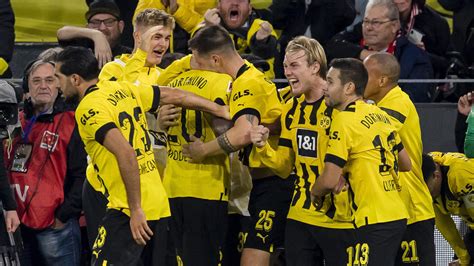
Another notable "vs" scenario involves FC Köln's matches against **Borussia Dortmund**. Unlike Bayern, Dortmund often relies on high-intensity attacking play with rapid interchanges between their forwards. Köln's recent record against Dortmund shows a more proactive approach compared to their defensive posture against Bayern. In the 2023/24 season, Köln lost 2-3 to Dortmund in a thrilling encounter that showcased their willingness to engage in an **open, attacking game**. This match highlighted Köln's offensive capabilities, particularly through their wingers who exploited Dortmund's high defensive line. However, it also exposed a recurring issue for FC Köln: **defensive vulnerabilities in set-piece situations**. Both of Dortmund's goals from open play in that match came from quick combinations down the flanks, but their winning goal resulted from a poorly defended corner. This suggests that while FC Köln can challenge stronger teams when adopting an aggressive stance, their **set-piece organization remains a critical area for improvement**.
When we shift focus to matches against mid-table or lower-ranked opponents, such as **VfL Bochum** or **Augsburg**, FC Köln's performance takes on a different character. These "vs" scenarios often see Köln as the **favored team**, which introduces a different kind of pressure. Against Bochum in the 2022/23 season, Köln won 3-1 in a match where they dominated possession and created numerous chances through **patient build-up play**. This game demonstrated Köln's ability to control the tempo when not under constant defensive stress. However, it also revealed a tendency for FC Köln to become **complacent in the latter stages of matches** where they hold a comfortable lead. The concession of a late goal in that match, despite their overall dominance, points to a psychological challenge: maintaining focus and intensity when the result seems secure. This is a subtle but critical aspect of their "vs" dynamics against less formidable opponents.
A deeper look at FC Köln's "vs" record in **cup competitions**, such as the DFB-Pokal, provides additional insight. In their 2023 quarter-final match against **RB Leipzig**, Köln faced an opponent known for their high-pressing, energy-intensive style. Leipzig's approach often disrupts teams that rely on slow build-up play, and Köln struggled to adapt in the first half, conceding two early goals. However, the second half saw a tactical shift from Köln's manager, who introduced a more **compact midfield structure** to disrupt Leipzig's rhythm. Although Köln ultimately lost 1-3, this match underscored their **adaptability mid-game**, even if the initial strategy faltered. It also highlighted the importance of **in-game adjustments** when facing tactically flexible opponents. FC Köln's ability to identify and address weaknesses during a match is a promising sign of their coaching staff's acumen, even if the final results do not always reflect this progress.
Statistical analysis of FC Köln's "vs" scenarios further enriches this discussion. Over the past two seasons, Köln has averaged **1.3 goals scored and 1.5 goals conceded per match** in head-to-head encounters against top-six Bundesliga teams. This slight negative goal differential is indicative of their **ability to compete but not consistently dominate** in high-stakes matches. Interestingly, their performance against teams in the bottom half of the table tells a different story. Here, Köln averages **1.8 goals scored and 0.9 goals conceded per match**, reflecting a more assertive and confident style of play. This disparity suggests that FC Köln thrives when they are not the underdog but can struggle to impose themselves against teams with superior resources or tactical systems.
Psychologically, FC Köln's "vs" scenarios often reveal a team that is **resilient but not always consistent**. For instance, their matches against **local rivals Bayer Leverkusen** are imbued with added emotional weight due to the regional rivalry. In the 2023/24 season, Köln lost 0-2 to Leverkusen in a match where they appeared **overly cautious in the opening stages**, perhaps weighed down by the pressure of the occasion. However, in the reverse fixture, Köln managed a 2-2 draw, showing greater **mental fortitude and willingness to take risks**. This contrast suggests that while FC Köln can rise to the occasion in emotionally charged matches, their performance can be influenced by external factors such as crowd support, media narratives, and the psychological impact of previous results.
Another layer of analysis comes from examining FC Köln's "vs" scenarios in **European competition**, where they have faced teams like **Nice** and **Partizan Belgrade** in the UEFA Europa Conference League. These matches often require a different kind of preparation, as Köln must adapt to unfamiliar playing styles and environments. Against Nice, for example, Köln's 1-2 loss in France was characterized by their **struggles to contain fast, direct counterattacks**—a recurring theme when facing teams with high-speed attackers. However, in the home leg, Köln secured a 2-0 victory by leveraging their **home-field advantage and a more aggressive press**. This duality in performance—strong at home but vulnerable away—is a common thread in their "vs" scenarios and points to the importance of **venue-specific strategies** in their game planning.
In summary, FC Köln's head-to-head match analysis reveals a team that is **capable of punching above its weight against stronger opponents** when adopting a disciplined, counterattacking approach, but one that also faces challenges in maintaining consistency and defensive solidity. Their "vs" record against mid-table teams suggests room for improvement in sustaining focus and intensity, while their European performances highlight both their adaptability and the need for better management of away-game dynamics. By understanding these nuances, we gain a clearer picture of FC Köln as a team that can compete across multiple fronts but must address specific tactical and psychological gaps to achieve greater stability in their "vs" scenarios.
Fanbase and Cultural Impact
FC Köln, one of Germany's most storied football clubs, holds a unique place in the cultural fabric of Cologne and its surrounding regions. The club's influence extends far beyond the pitch, deeply intertwining with local traditions, fan loyalty, and community engagement. This section delves into how FC Köln has shaped and been shaped by its fanbase and the broader cultural landscape of the city.
The relationship between FC Köln and its fanbase is rooted in the club's history, which dates back to its founding in 1948. Cologne, a city known for its vibrant arts scene, historic architecture, and the annual Carnival celebrations, has always had a strong sense of identity. FC Köln became an extension of this identity, offering residents a shared cause to rally around. The club's early successes, including its Bundesliga title win in 1964 and its consistent presence in the top tiers of German football, helped cement its status as a unifying symbol for the city. This early success laid the foundation for a fanbase that views the club not merely as a sports team but as a cultural institution.
One of the most striking aspects of FC Köln's fan loyalty is its multigenerational nature. Families in Cologne often pass down their allegiance to the club as a rite of passage. It is not uncommon to find grandparents, parents, and children attending matches together, wearing the club's red and white colors with pride. This loyalty is bolstered by the club's consistent efforts to maintain an accessible and approachable image. Unlike some larger clubs that can feel distant or corporate, FC Köln has cultivated a reputation for being "the people's club." This is evident in the way players and staff interact with fans, often participating in local events, charity drives, and community outreach programs. Such actions reinforce the perception that the club is embedded in the daily lives of its supporters, rather than existing as a separate entity.
The club's mascot, Hennes the Goat, is a prime example of how FC Köln blends tradition with fan engagement. Hennes, named after the club's former player and coach Hennes Weisweiler, has been a fixture since 1950. The live goat, present at home matches and featured prominently in club branding, is more than a quirky symbol—it represents the club's connection to Cologne's earthy, no-nonsense character. The goat is not just a mascot but a living embodiment of the club's humor, resilience, and local pride. This unique tradition sets FC Köln apart from other clubs and further endears it to its fans, who view Hennes as a beloved figure rather than a marketing gimmick.
Community engagement is another area where FC Köln shines. The club has long recognized that its role extends beyond entertainment; it has a responsibility to give back to the city that supports it. FC Köln's foundation, 1. FC Köln Stiftung, focuses on initiatives that promote youth development, social inclusion, and health. For instance, the club runs programs aimed at integrating refugees and marginalized groups into society through football. These efforts not only provide opportunities for individuals but also strengthen the club's ties to the community. By positioning itself as a force for good, FC Köln ensures that its cultural impact is felt even by those who may not be avid football fans.
The fan culture surrounding FC Köln is also notable for its vibrancy and creativity. The club's supporters, often referred to as "Effzeh" (a phonetic shorthand for FC Köln in the local dialect), are known for their passionate displays during matches. The RheinEnergieStadion, FC Köln's home ground, becomes a sea of red and white on match days, with fans chanting, waving flags, and creating elaborate tifos (large banners or displays). These displays often incorporate local symbols, such as the Cologne Cathedral or references to the city's Carnival traditions, further reinforcing the club's ties to its surroundings. This level of fan creativity is not merely performative; it reflects a deep emotional investment in the club's success and a desire to contribute to its narrative.
Fan loyalty is tested during periods of struggle, and FC Köln has experienced its share of ups and downs. The club has faced relegation from the Bundesliga on multiple occasions, yet its fanbase has remained steadfast. This resilience is a testament to the emotional bond between the club and its supporters. Rather than abandoning the team during tough times, fans often double down on their support, attending matches in even greater numbers and creating an atmosphere of defiance and solidarity. This phenomenon highlights how FC Köln's cultural impact is not dependent on its on-field success but on the enduring connection it fosters with its community.
Another dimension of FC Köln's cultural influence is its role in shaping the city’s identity in the global context. Cologne is a cosmopolitan city with a diverse population, and FC Köln serves as a unifying force for locals and newcomers alike. The club actively works to make its matches and events inclusive, offering multilingual resources and engaging with international fans. This approach not only broadens the club's reach but also positions it as a symbol of Cologne's openness and inclusivity. For instance, the club's partnerships with local businesses and its promotion of Cologne-based artists during matchday events showcase how FC Köln acts as a platform for the city's broader cultural scene.
The club's impact is also evident in its economic contributions to the city. Matchdays bring thousands of visitors to Cologne, boosting local businesses such as hotels, restaurants, and souvenir shops. FC Köln merchandise, from scarves to jerseys featuring Hennes, is a common sight not just in Cologne but among fans worldwide. This economic ripple effect underscores how the club is not just a sports entity but a driver of local commerce and tourism.
FC Köln's cultural impact is perhaps most vividly seen during the annual Carnival season, a time when the city comes alive with parades, costumes, and festivities. The club embraces this tradition wholeheartedly, often incorporating Carnival themes into its branding and events. Players and staff participate in parades, and the club releases limited-edition Carnival-themed merchandise. These efforts illustrate how FC Köln is not simply a passive participant in local culture but an active contributor to its vibrancy.
In summary, FC Köln's influence on local culture, fan loyalty, and community engagement is multifaceted and deeply rooted. The club serves as a mirror of Cologne's identity—resilient, proud, and community-oriented. Through its traditions, such as Hennes the Goat, its inclusive community programs, and its vibrant fan culture, FC Köln has created a legacy that transcends football. It is not just a club but a living, breathing part of Cologne's story, a narrative that continues to evolve with each season, each goal, and each chant from its devoted supporters.
Financial and Operational Structure
The financial and operational structure of a football club like FC Köln is a complex interplay of revenue generation, cost management, and strategic planning. As one of Germany's traditional clubs with a rich history in the Bundesliga, FC Köln's approach to sustaining its operations reflects both the challenges and opportunities of modern football economics.
One of the primary revenue streams for FC Köln is its broadcasting income. As a member of the Bundesliga, the club benefits from the league's centralized media rights deal, which is among the most lucrative in the world. This revenue is distributed based on performance, historical standing, and other factors, ensuring that even mid-table teams like FC Köln receive a significant share. However, unlike top-tier clubs such as Bayern Munich or Borussia Dortmund, FC Köln must work harder to maximize its share by securing consistent league placement and cup runs. These revenues are critical because they are less volatile than other sources, such as matchday income, which can fluctuate due to attendance or external factors like pandemics.
Another significant source of income for FC Köln is sponsorships and partnerships. The club has cultivated a diverse portfolio of sponsors that range from local businesses to international brands. For instance, its main shirt sponsor, REWE, a German supermarket chain, is a long-standing partner that aligns with the club’s regional identity. This partnership not only provides direct financial support but also strengthens FC Köln's community ties, which are vital for fan engagement. Additionally, the club has partnered with global brands like Nike for kit manufacturing, which brings both prestige and revenue. These sponsorships are often multi-year deals designed to provide stability, but they also require the club to maintain a certain level of performance and exposure to justify the investment from sponsors. A dip in form or fan interest can lead to renegotiations or, in some cases, the loss of key sponsors, which underscores the high-stakes nature of this revenue stream.
FC Köln also generates revenue through matchday operations, including ticket sales, merchandise, and stadium concessions. The RheinEnergieStadion, with a capacity of over 50,000, serves as a key asset. While the club enjoys a passionate fan base, its average attendance and ticket pricing are influenced by its league performance. A strong season can drive higher ticket sales and premium seating revenue, while a poor season may see a decline in these figures. Merchandising is another area where the club seeks to capitalize on its brand. From jerseys to memorabilia, FC Köln aims to monetize its loyal fan base, particularly during high-profile matches or when the club achieves notable milestones. However, unlike larger clubs with global fan bases, FC Köln's merchandising potential is somewhat limited by its regional appeal, which necessitates creative marketing strategies to expand its reach.
In terms of management strategies, FC Köln has adopted a pragmatic approach to balancing ambition with financial sustainability. The club operates within a framework of the "50+1 rule," a German football regulation that ensures members retain majority ownership of their clubs. This rule can restrict external investment but also protects clubs from over-leveraging or becoming overly dependent on wealthy proprietors. FC Köln's management must therefore prioritize efficient cost control while seeking innovative ways to grow revenue. For example, the club has invested in its youth academy, which not only serves as a long-term talent pipeline but also reduces the need for expensive transfers. Players like Jonas Hector, who emerged from the club’s system, exemplify the success of this strategy. However, such an approach requires patience and a clear vision, as results from youth development are not immediate and can vary widely.
Another critical aspect of FC Köln's operational structure is its focus on diversifying income sources. The club has explored avenues such as digital fan engagement and e-commerce. During the COVID-19 pandemic, for instance, many clubs, including FC Köln, adopted virtual matchday experiences and online merchandise sales to offset lost revenue from empty stadiums. This shift highlighted the importance of digital transformation in modern football. While these initiatives may not yet rival traditional revenue streams, they represent a forward-looking approach to mitigating financial risks in an uncertain environment. Additionally, the club has sought to enhance its international profile by participating in friendly tournaments and fostering relationships with overseas fan clubs, though this remains a work in progress compared to more globally recognized clubs.
A less visible but equally important component of FC Köln’s financial strategy is its approach to player trading. The club often operates as a "selling club," developing players through its academy or acquiring undervalued talent and selling them at a profit. This model, while not as glamorous as the big-spending strategies of top-tier clubs, allows FC Köln to remain competitive within its means. Notable examples include the sale of players like Anthony Modeste, whose transfer fees have provided short-term financial relief. However, this strategy comes with risks; excessive reliance on player sales can destabilize the squad if replacements are not adequately scouted or integrated. The club’s management must therefore strike a delicate balance between short-term financial needs and long-term squad stability.
On the cost management front, FC Köln has had to navigate the challenges of high player wages and operational expenses. The Bundesliga operates under strict financial fair play regulations, which require clubs to maintain a degree of fiscal responsibility. FC Köln’s management has often had to make difficult decisions, such as offloading high-earning players during financially strained periods or renegotiating contracts to align with the club’s revenue realities. These measures are not always popular with fans but are necessary to ensure the club’s long-term viability. The club’s financial reports often reveal a tightrope walk between maintaining a competitive squad and avoiding unsustainable debt levels.
In summary, FC Köln’s financial and operational structure is a microcosm of the broader challenges faced by mid-tier football clubs in Germany. Its revenue streams are diverse but heavily influenced by external factors such as league performance and economic conditions. Sponsorships and partnerships are vital but require consistent on-field success to remain viable. Management strategies emphasize prudence and innovation, with a clear focus on youth development, cost control, and digital transformation. While FC Köln may not have the financial clout of Europe’s elite clubs, its ability to adapt and evolve within its means demonstrates a resilient approach to the business of football.
Competitive Landscape in Bundesliga
The Bundesliga is one of Europe's most competitive football leagues, characterized by its high-scoring matches, passionate fan bases, and a mix of traditional powerhouses and ambitious challengers. In this context, FC Köln's position within the league merits a detailed examination to understand how the team stacks up against other top-tier competitors. This analysis will focus on key performance metrics, squad dynamics, and strategic approaches that define FC Köln's competitive landscape.
To begin with, FC Köln is not a perennial title contender like Bayern Munich, Borussia Dortmund, or RB Leipzig. However, the team has carved out a niche as a mid-table side that can occasionally challenge for European qualification spots. Over the past few seasons, Köln has oscillated between the middle and lower tiers of the Bundesliga table, often finishing between 10th and 14th. This places them in a challenging position—too strong to be relegation candidates but not consistently competitive enough to break into the upper echelon of the league. Comparing Köln to teams like Eintracht Frankfurt or Union Berlin, who have recently made significant strides in European competitions, highlights the gaps in sustained performance and squad depth.
One of the primary differentiators between FC Köln and top-tier teams is financial resources. Bayern Munich, for instance, operates on a budget that allows them to attract world-class talent and maintain a deep bench. Dortmund and Leipzig also invest heavily in youth development and scouting networks to secure players with high resale value. In contrast, FC Köln operates on a more modest budget, which limits their ability to sign marquee players or maintain a squad with the same level of depth. This financial disparity often results in Köln relying on a core group of players who must perform consistently over a grueling season. When injuries or fatigue set in, the team's lack of alternatives can become a liability, especially when compared to teams like Wolfsburg or Bayer Leverkusen, which can rotate their squads more effectively.
Another critical aspect of comparison is playing style and tactical setup. FC Köln has traditionally employed a pragmatic approach, focusing on defensive solidity and counterattacking football. This contrasts sharply with the possession-heavy, high-pressing systems favored by teams like Bayern Munich and RB Leipzig. While Köln's style can yield results against stronger opponents—as seen in their occasional upsets against top-six teams—it also exposes a ceiling in their ability to dominate matches consistently. For example, when facing teams like Dortmund or Frankfurt, Köln often struggles to maintain possession and control the tempo, which limits their chances of securing points in high-stakes matches. This tactical rigidity can be both a strength and a weakness, as it makes them unpredictable but also somewhat one-dimensional in their approach.
When we look at head-to-head performances against top-tier teams, FC Köln's record reveals interesting patterns. In recent seasons, they have managed to secure surprise victories or draws against teams like Bayern Munich and Borussia Dortmund. These results often come from a combination of disciplined defending and opportunistic attacking. However, their overall win percentage against the top five teams in the league remains low. This suggests that while Köln can occasionally punch above their weight, they lack the consistency to mount sustained challenges against the league's elite. In comparison, teams like Union Berlin have shown that a well-organized defense and a cohesive team ethic can lead to more consistent results against stronger opponents, even with limited resources.
Another area of focus is player development and recruitment. Top Bundesliga teams often have robust academies and extensive scouting networks that allow them to identify and nurture talent. FC Köln, while not without its success stories—such as the emergence of players like Jonas Hector in previous years—does not have the same level of infrastructure. Their recruitment strategy often involves signing experienced players from lower-tier leagues or taking gambles on underperforming talents from bigger clubs. While this can yield occasional success, it also introduces a level of unpredictability. For instance, Köln's reliance on loan signings or free transfers contrasts with the targeted, high-value signings made by teams like Leipzig or Frankfurt, which often have a clearer long-term vision for squad building.
In terms of fan support and matchday atmosphere, FC Köln stands out as one of the most passionately supported teams in the Bundesliga. The atmosphere at their home stadium, the RheinEnergieStadion, is electric, and their fan base is known for its loyalty even during difficult seasons. This intangible factor can occasionally act as a "12th man," providing the team with an edge in tightly contested matches. However, when compared to teams like Dortmund, whose Yellow Wall at Signal Iduna Park is a global phenomenon, or Bayern Munich, whose global brand attracts fans worldwide, Köln's support base is more localized. This limits their ability to leverage fan-driven revenue streams, such as merchandise sales or international tours, which are critical for teams aiming to compete at the highest level.
A deeper dive into historical performance trends also sheds light on FC Köln's position. The team has experienced periods of success in the past, including a Bundesliga title in 1978 and several seasons of European competition. However, in the modern era, their trajectory has been more volatile. Since the mid-2010s, Köln has experienced multiple promotions and relegations, which contrasts with the stability of teams like Mönchengladbach or Freiburg, who have managed to establish themselves as consistent mid-table or Europa League contenders. This volatility suggests that Köln's challenges are not just about the current season but also about building a sustainable model for long-term competitiveness.
Finally, it is worth considering the role of coaching and leadership in shaping FC Köln's competitive position. The team has seen a rotating cast of managers in recent years, which can disrupt long-term planning and team cohesion. In contrast, clubs like Bayern Munich and Dortmund benefit from stable leadership structures that allow for consistent implementation of strategies. Köln's frequent managerial changes can be seen as a symptom of their struggle to define a clear identity or philosophy, which is a stark contrast to the well-defined systems employed by top-tier teams.
In summary, while FC Köln is a respected and competitive team within the Bundesliga, their position is best described as a bridge between survival and aspiration. They lack the financial muscle, squad depth, and tactical flexibility of the league's top teams but compensate with moments of brilliance, a passionate fan base, and occasional upsets. To truly compete with the likes of Bayern Munich, Dortmund, or even emerging forces like Union Berlin, Köln would need to address structural issues related to finances, recruitment, and long-term strategy. Their current position in the competitive landscape of the Bundesliga is a testament to their resilience, but it also underscores the significant gaps they must bridge to move into the upper echelon of the league.
Future Prospects and Challenges
The future prospects and challenges for FC Köln in their quest for sustained success are shaped by a complex interplay of on-field performance, off-field management, and the broader dynamics of the football industry. To analyze this comprehensively, we must examine the club's growth areas, identify the key obstacles they face, and propose strategies that can help navigate these challenges while capitalizing on opportunities.
One of the most promising growth areas for FC Köln lies in their ability to develop and retain young talent. The club has a strong tradition of nurturing homegrown players through its youth academy, which has produced talents like Jonas Hector and Timo Horn in the past. However, the modern football landscape demands more than just occasional success stories; it requires a consistent pipeline of high-potential players who can either bolster the first team or be sold for significant transfer fees to reinvest in the squad. FC Köln can take inspiration from clubs like Ajax and RB Leipzig, which have established robust youth development frameworks that not only supply their own teams but also act as feeders for larger European clubs. To achieve this, FC Köln must invest more heavily in scouting networks, particularly in under-scouted regions such as Eastern Europe and Africa, where raw talent can be acquired at a lower cost. Additionally, the club should consider partnerships with local schools and sports organizations to create a broader talent pool from a younger age. This approach would not only strengthen their competitive edge but also align with the financial constraints often faced by mid-tier Bundesliga clubs.
Another area of potential growth for FC Köln is in their commercial and digital strategy. While the club has a loyal fan base and a rich history, its revenue streams are not as diversified as those of top-tier Bundesliga clubs like Bayern Munich or Borussia Dortmund. Expanding the club’s brand internationally is crucial. For instance, leveraging the growing popularity of the Bundesliga in markets such as the United States, India, and Southeast Asia can open new fan bases. Hosting pre-season tours, engaging in digital content creation tailored to these regions, and even launching merchandise collaborations with local influencers can help FC Köln establish a foothold in these markets. Furthermore, the club should explore partnerships with global brands that resonate with younger audiences, emphasizing sustainability and innovation—two trends that are increasingly important in sports marketing. By doing so, FC Köln can not only increase its revenue but also enhance its appeal to potential sponsors and investors.
However, these growth opportunities are accompanied by significant obstacles. One of the primary challenges is the competitive nature of the Bundesliga itself. The league is dominated by a few financially powerful clubs, particularly Bayern Munich, which consistently outspends its rivals in player acquisitions and wages. This creates a financial imbalance that makes it difficult for mid-table teams like FC Köln to compete for top talent. While the club has shown resilience in maintaining its Bundesliga status, the lack of financial muscle often forces them into a cycle of selling key players to balance the books. For example, the departure of players like Ellyes Skhiri or Jonas Hector in recent years has left gaps in the squad that are challenging to fill without equivalent investment. To address this, FC Köln must adopt a more data-driven approach to recruitment. Instead of competing for high-profile players, the club can focus on identifying undervalued players using advanced analytics. Tools like expected goals (xG), player performance metrics, and injury prediction models can help FC Köln find players who offer high value for money. This approach has been successfully employed by clubs such as Brentford in the Premier League, allowing them to punch above their weight despite limited resources.
Another obstacle is the pressure to balance short-term results with long-term planning. Bundesliga clubs often face the dilemma of prioritizing immediate survival or success over sustainable growth. For instance, if FC Köln finds itself in a relegation battle, the temptation to invest heavily in experienced but expensive players to secure points can undermine the club’s financial stability. This is a trap that many mid-table clubs fall into, as short-term survival often takes precedence over building a sustainable model. To counter this, FC Köln must establish a clear strategic vision that prioritizes long-term development over reactive decision-making. This could involve setting specific objectives, such as qualifying for European competitions within a five-year period, while simultaneously building a squad with a mix of experienced leaders and young prospects. A clear vision communicated to fans and stakeholders can also help manage expectations and create a sense of unity during challenging periods.
A third challenge is the impact of external factors such as the post-pandemic economic environment and the increasing influence of the UEFA Financial Fair Play (FFP) regulations. These factors can limit FC Köln’s ability to spend freely, even if new revenue streams are identified. For instance, the club must ensure compliance with FFP while also competing with rivals who may have access to wealthier owners or state-backed funding. To navigate this, FC Köln can explore innovative financing models, such as fan ownership schemes or community investment initiatives. These models not only provide financial support but also strengthen the emotional connection between the club and its fan base, which is a unique asset for clubs like FC Köln with a deep-rooted local identity.
In terms of strategies for sustained success, FC Köln must focus on three key pillars: squad stability, managerial continuity, and infrastructure investment. Squad stability involves reducing the reliance on frequent player sales by building a core group of players committed to the club for several seasons. This requires offering competitive contracts to key performers while also ensuring that the club’s wage structure remains sustainable. Managerial continuity is equally important; frequent changes in coaching staff often lead to inconsistent performances and a lack of identity on the pitch. FC Köln should aim to establish a long-term partnership with a manager who aligns with the club’s philosophy and can implement a coherent playing style across all levels of the team.
Infrastructure investment is the third critical pillar. While the RheinEnergieStadion is a well-regarded venue, FC Köln can benefit from modernizing its training facilities and expanding its academy setup. For example, the addition of state-of-the-art sports science and recovery facilities can help reduce injury rates and improve player performance. Moreover, the club could explore the possibility of building a dedicated fan engagement center or museum to enhance its local and international appeal. These investments not only improve on-field results but also contribute to the club’s brand value and fan experience.
Finally, FC Köln must be proactive in adapting to the evolving football ecosystem. This includes preparing for potential changes in competition formats, such as the proposed expansion of European tournaments or the emergence of new leagues. The club should also monitor trends like the growing influence of data analytics, eSports, and women’s football. Establishing a competitive women’s team, for instance, could open new avenues for sponsorship and fan engagement while aligning with broader societal expectations around inclusivity in sports.
In conclusion, FC Köln’s path to sustained success requires a balanced approach that addresses both immediate challenges and long-term aspirations. By focusing on youth development, commercial expansion, data-driven recruitment, and infrastructure investment, the club can position itself as a resilient competitor in the Bundesliga. At the same time, it must remain agile in responding to external pressures and innovative in exploring new opportunities. While the road ahead is not without its hurdles, a clear vision and strategic execution can help FC Köln carve out a stable and prosperous future in German and European football.
Conclusion and Strategic Insights
The matchups involving FC Köln, whether in the Bundesliga or other competitions, offer a rich tapestry of strategic and fan-centric insights that can be distilled into actionable takeaways for stakeholders, including team management, sponsors, and supporters. This section explores the **key takeaways** from recent performances and broader trends surrounding FC Köln and provides **strategic recommendations** tailored to different groups involved in the ecosystem of this iconic club.
One of the most striking takeaways from analyzing FC Köln's recent matches is their **adaptive gameplay strategy**. Unlike some teams that rely heavily on a fixed formation or star players, FC Köln has shown a tendency to switch between defensive solidity and counter-attacking football depending on their opponents. For instance, in matches against possession-heavy teams like Bayern Munich, Köln often adopts a low block to absorb pressure and exploit spaces left behind during transitional phases. This approach has yielded mixed results—sometimes leading to narrow defeats but occasionally springing surprises, as seen in their ability to steal points from top-tier teams. However, this strategy also exposes a **vulnerability in maintaining possession** when they are required to take the initiative in games against mid- or lower-table teams. Stakeholders should recognize that while adaptability is a strength, over-reliance on reactive strategies can limit the team's ceiling for consistent success.
From a **fan engagement perspective**, FC Köln's matches demonstrate the enduring power of community and tradition in German football. The club’s fanbase, known for its passionate support and the iconic "Geißbock" (billy goat) mascot, represents a critical pillar of the club's identity. However, there is room for **innovative fan engagement initiatives** to deepen this connection. For instance, leveraging **data-driven fan experiences**, such as personalized match-day statistics delivered via apps or augmented reality (AR) overlays for in-stadium spectators, can provide a modern twist to traditional fandom. Recommendations here include exploring partnerships with tech companies to introduce real-time heatmaps, player tracking, and post-match analysis tailored to fans. This not only enhances the viewing experience but also positions FC Köln as a forward-thinking club in the digital age.
Another area of focus is **player development and squad depth**. FC Köln has historically faced challenges in retaining top talents due to financial constraints compared to bigger Bundesliga clubs. This has led to a reliance on young prospects from their academy and shrewd transfer market dealings. While this approach has yielded players like Jonas Hector in the past, the club must now focus on **systematic talent scouting and integration**. A strategic recommendation is to establish a **dedicated analytics team** that evaluates not only potential signings but also the performance metrics of existing players in real-time. By doing so, Köln can identify undervalued players in lower divisions or emerging markets who fit their tactical framework. Additionally, fostering stronger links with local youth academies and expanding partnerships with smaller clubs in the region can create a sustainable pipeline of talent, ensuring long-term competitiveness.
From a **commercial standpoint**, FC Köln's brand has significant untapped potential. While the club enjoys strong local support, its **international visibility** lags behind that of clubs like Borussia Dortmund or RB Leipzig. Stakeholders should consider targeted marketing campaigns aimed at growing the club’s presence in **emerging football markets** such as Southeast Asia, North America, and Africa. These campaigns could include friendly matches, youth clinics, and digital content tailored to these regions. For example, featuring FC Köln's unique traditions—like the pre-match presentation of the "Geißbock"—in short, shareable videos can pique curiosity among global audiences. Furthermore, the club could collaborate with its sponsors to create **co-branded merchandise** that tells the story of Köln’s rich history and its connection to the city’s culture. This dual focus on tradition and modernity can help the club carve out a distinctive identity in a crowded football marketplace.
On the **tactical front**, there are lessons to be learned from FC Köln’s performance in high-stakes matches. A recurring issue is their **inefficiency in converting chances**, particularly in tightly contested games. Data from recent seasons indicates that Köln often outperforms opponents in expected goals (xG) but fails to translate this into actual results. This points to a need for **finishing drills and mental conditioning** for attacking players. Stakeholders, including coaching staff, should prioritize sessions that simulate high-pressure scenarios to improve composure in front of goal. Additionally, investing in **specialist set-piece coaches** could be a game-changer, given the increasing importance of set pieces in modern football. Teams like Brentford in the Premier League have shown how a focus on this area can yield disproportionate returns, and FC Köln could benefit similarly.
From the perspective of **matchday logistics and fan safety**, recent fixtures have highlighted both strengths and areas for improvement. The club’s home ground, the RheinEnergieStadion, is celebrated for its atmosphere but has faced challenges in **managing large crowds during high-profile games**. Recommendations here include introducing **smart ticketing systems** that allow for dynamic crowd management, such as staggered entry times based on seat locations. Additionally, the club could pilot **green initiatives** such as incentivizing public transport usage for fans or implementing waste-reduction programs at the stadium. These measures not only enhance the fan experience but also align with broader societal expectations around sustainability, which can boost the club’s reputation among environmentally conscious supporters and sponsors.
Finally, it is important to address the **role of leadership and culture** within the club. FC Köln has seen periods of instability in management, with frequent changes in coaching staff and boardroom decisions that have sometimes lacked clarity. A stable and visionary leadership team is essential for long-term success. Stakeholders should advocate for a **strategic roadmap** that prioritizes consistency in team philosophy, whether it is a commitment to attacking football, youth development, or a blend of both. Clear communication of this vision to fans and players can foster trust and buy-in, which is often the difference between a mid-table team and one that punches above its weight.
In conclusion, the strategic insights derived from analyzing FC Köln's matches and broader operations reveal a club with immense potential but also areas requiring focused improvement. Key recommendations for stakeholders include:
- Enhancing adaptability in gameplay while addressing possession weaknesses.
- Investing in fan engagement through innovative, tech-driven experiences.
- Strengthening talent pipelines through analytics-driven scouting and partnerships.
- Expanding the club's international footprint with targeted marketing and co-branded initiatives.
- Addressing inefficiencies in chance conversion and exploring set-piece specialization.
- Improving matchday logistics with smart systems and sustainability programs.
- Establishing stable leadership with a clear, communicated vision for the club’s future.
By acting on these recommendations, FC Köln can position itself not just as a competitive team in the Bundesliga but as a model for how mid-tier clubs can thrive in an era of increasing commercialization and globalization. For fans, these steps represent an opportunity to see their beloved club evolve while retaining the essence of what makes FC Köln unique—its passion, tradition, and unwavering connection to its supporters.


