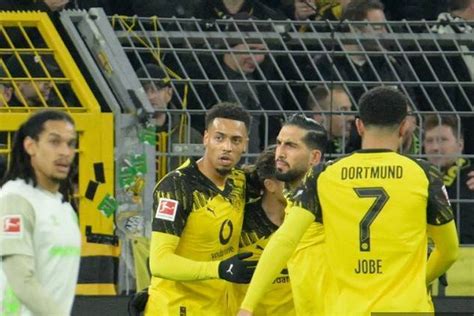
Introduction to Leroy Sané
Leroy Sané's journey in football is a testament to the blend of raw talent, disciplined development, and the ability to thrive under pressure at the highest level of the sport. Born on January 11, 1996, in Essen, Germany, Sané comes from a family with a strong athletic background. His father, Souleyman Sané, was a professional footballer who played for Senegal, while his mother, Regina Weber, was a rhythmic gymnast who won a bronze medal for Germany at the 1984 Olympics. This unique blend of sporting genes laid the foundation for Sané’s early exposure to athletic rigor and excellence.
Sané’s footballing journey began at the youth academy of SG Wattenscheid 09, a modest club in Germany. His talent was evident even as a young boy, and it wasn’t long before he caught the attention of scouts from larger clubs. At the age of 8, he joined Schalke 04’s youth system, one of Germany’s most prestigious football academies. This move marked a significant step in his development, as Schalke provided him with access to top-tier coaching and competitive environments. However, what sets Sané apart during this period is not just his technical ability but his willingness to adapt to different roles within the team. Unlike many young players who are shoehorned into a single position, Sané displayed versatility, often playing as a winger, attacking midfielder, or second striker. This adaptability would later become a hallmark of his professional career.
In 2014, Sané made his professional debut for Schalke in the Bundesliga, at just 18 years old. His first season was a learning curve, but he managed to make 13 appearances, scoring 3 goals. What stood out was not the raw numbers but his fearlessness in taking on established defenders. Sané’s ability to dribble at high speed, coupled with his left-footed precision, made him a player to watch. This fearless approach is particularly significant because the Bundesliga is known for its physicality and tactical discipline, yet Sané managed to carve out a niche for himself as a dynamic, unpredictable winger. His performances during this time hinted at a player who was not just technically gifted but also mentally resilient—a trait that would serve him well in the years to come.
Sané’s breakthrough came during the 2015-2016 season, where he became a regular starter for Schalke. He scored 8 goals and provided 6 assists in 33 league appearances, showcasing his ability to influence games. His performances earned him a move to Manchester City in 2016 for a reported fee of £37 million. This transfer was a pivotal moment in his career, as it marked his entry into one of the most competitive leagues in the world under the guidance of Pep Guardiola, a manager known for his demanding style and emphasis on tactical sophistication. At Manchester City, Sané was no longer just a promising talent—he was expected to deliver consistently in a team filled with world-class players.
At City, Sané’s development accelerated. Guardiola’s system required him to refine his decision-making and improve his defensive contributions. While Sané was always a threat going forward, his time at City saw him evolve into a more complete player. He became adept at pressing from the front, tracking back to support his full-back, and making intelligent off-the-ball runs to stretch defenses. During the 2017-2018 season, Sané was instrumental in Manchester City’s record-breaking Premier League title win, contributing 10 goals and 15 assists. This season highlighted his ability to combine individual brilliance with team-oriented play, a balance that is often difficult for young players to achieve.
However, Sané’s career has not been without challenges. A serious knee injury in 2019, which sidelined him for most of the season, tested his mental fortitude. Recovery from such injuries is as much a psychological battle as a physical one, and Sané’s ability to return to form demonstrated his resilience. His subsequent move to Bayern Munich in 2020 for €49 million was a homecoming of sorts, as he returned to the Bundesliga as a more mature and accomplished player.
At Bayern, Sané has continued to shine, albeit with a different set of expectations. Playing for one of Europe’s most successful clubs comes with its own pressures, but Sané has thrived in this environment. His statistics at Bayern—such as his goal involvement rate and his ability to perform in high-stakes Champions League matches—underline his importance to the team. What makes Sané unique at Bayern is his ability to combine directness with unpredictability. While many wingers rely on consistent patterns of play, Sané’s dribbling and shooting ability allow him to create moments of magic that can change the course of a game.
Beyond his club career, Sané’s role in the German national team adds another layer to his significance in football. He made his international debut in 2015 and has since been a key figure in Germany’s attacking setups. His performances in major tournaments, such as the UEFA European Championship and the FIFA World Cup qualifiers, have been a mix of brilliance and inconsistency—a reflection of the challenges that come with representing a national team under intense scrutiny. However, Sané’s ability to perform in high-pressure situations for both club and country underscores his value as a player who can rise to the occasion when it matters most.
Sané’s career also highlights the evolving role of wingers in modern football. Traditionally, wingers were expected to hug the touchline, deliver crosses, and provide width to the team. However, Sané represents a new breed of wide players who are equally comfortable cutting inside to shoot, linking up play in central areas, and contributing defensively. This evolution is partly due to his own skill set and partly due to the tactical systems he has played in, particularly under managers like Guardiola and Hansi Flick.
From a statistical perspective, Sané’s career is defined by his ability to consistently deliver in key areas. His goal contributions per 90 minutes, especially during his peak years at Manchester City and Bayern Munich, place him among the elite wingers of his generation. However, what truly sets him apart is his impact in big games. Whether it’s a crucial league match, a domestic cup final, or a Champions League knockout tie, Sané has often been the player to step up and deliver decisive moments.
In summary, Leroy Sané’s career is a study in the interplay between natural talent and cultivated excellence. From his early days at Schalke to his stints at Manchester City and Bayern Munich, he has consistently demonstrated the ability to adapt, improve, and deliver under pressure. His journey is not just about individual accolades but also about his role in shaping the way modern wingers are perceived and utilized in the game. Sané’s story is far from over, and his continued development promises to add more chapters to his already impressive legacy in football.
- Sané’s early exposure to a sporting family laid the groundwork for his athletic journey.
- His versatility and fearlessness were evident even during his youth career at Schalke.
- Manchester City provided the platform for him to refine his game under Pep Guardiola’s tutelage.
- His resilience in overcoming a major injury showcases his mental strength.
- At Bayern Munich, he has continued to evolve as a player capable of influencing games in multiple ways.
Leroy Sané is not just a footballer; he is a symbol of what can be achieved when raw potential is nurtured with the right environment, guidance, and personal determination.
Early Career and Development
Leroy Sané's journey to becoming one of the most dynamic and skilled wingers in modern football is rooted in a combination of natural talent, rigorous training, and early exposure to structured football environments. His formative years reveal a pattern of early promise, nurtured by both his family's sporting legacy and the opportunities provided by Germany's well-organized youth football system.
Sané was born on January 11, 1996, in Essen, Germany, to parents who were both athletes. His father, Souleyman Sané, was a professional footballer who played as a striker for clubs in Germany and France, while his mother, Regina Weber, was a rhythmic gymnast who won a bronze medal at the 1984 Olympics. This athletic pedigree provided Leroy with not only a genetic advantage but also an environment where sports were a central focus. From a young age, Leroy was immersed in a world where discipline, physical prowess, and competition were normalized. This upbringing instilled in him a sense of purpose and an early understanding of what it meant to strive for excellence in a professional sporting context.
Sané's first steps into organized football came at the age of 5 when he joined the youth academy of SG Wattenscheid 09, a local club in his hometown. This early exposure was critical in shaping his technical foundation. At SG Wattenscheid, the emphasis was on basic ball control, spatial awareness, and teamwork—core skills that are often overlooked in favor of raw athleticism in less structured environments. Sané's time here was marked by his ability to stand out even among his peers, not just due to his speed but also his propensity for creative play. Coaches noted his comfort with the ball at his feet and his ability to take on defenders, a trait that would become a hallmark of his playing style in later years. However, it was also during this period that the importance of nurturing his mental resilience became apparent. As a young player with evident talent, he faced the dual challenge of high expectations and the need to avoid complacency.
In 2005, at the age of 9, Sané moved to the youth setup of Schalke 04, one of Germany's most prestigious clubs with a renowned academy. This transition marked a significant step in his development. Schalke's academy is known for its focus on holistic player development, blending technical training with tactical education and psychological support. Here, Sané was exposed to a more competitive and structured environment. The club's youth program emphasized positional versatility, which allowed Sané to experiment with roles across the forward line. While he initially played as a central midfielder or second striker, his coaches began to notice his exceptional dribbling ability and acceleration, which made him a natural fit for wider positions. This period also saw him participating in regional youth tournaments, where his performances began to draw attention from scouts and analysts within the German football ecosystem.
A key milestone in Sané's youth career came in 2011 when he was selected to represent Germany's U16 national team. This call-up was a clear indicator of his rising stock within the country's youth football hierarchy. His international debut provided him with exposure to a higher level of competition and allowed him to test his skills against players from diverse tactical systems. This experience was instrumental in broadening his understanding of the game, particularly in terms of how to adapt his individual style to fit within a team framework. Sané's performances for the U16s were marked by moments of brilliance, including goals and assists that showcased his ability to influence games even at a young age.
By 2014, Sané had progressed through Schalke's youth ranks and was on the cusp of professional football. He made his first-team debut for Schalke in April 2014, at the age of 18, in a Bundesliga match against VfB Stuttgart. This debut was not merely symbolic; it was a demonstration of his readiness to compete at the highest level. In this match, Sané displayed confidence and composure, traits that are rare in players making their professional debut. His ability to take on defenders and create opportunities in tight spaces was evident, even in a relatively limited role. This early exposure to top-tier football was a testament to Schalke's faith in his potential and their willingness to integrate young talents into their senior setup.
However, Sané's early professional milestones were not without challenges. As a young player breaking into Schalke's first team, he had to navigate the pressures of performing consistently while dealing with the physical demands of senior football. His physique, while lean and agile, was not yet fully developed, and he occasionally struggled against more physically imposing defenders. This period of adjustment was crucial in shaping his mentality. Rather than being discouraged by setbacks, Sané used these experiences to identify areas for improvement, such as strengthening his lower body to better withstand challenges and improving his decision-making in high-pressure situations.
Another important aspect of Sané's early development was his exposure to different coaching philosophies. At Schalke, he worked under managers like Jens Keller and Roberto Di Matteo, both of whom had distinct approaches to utilizing attacking players. Keller favored a more fluid system that allowed Sané freedom to roam and express himself, while Di Matteo's more structured tactics required him to be more disciplined in his positioning. These contrasting experiences helped Sané develop a well-rounded understanding of how to adapt his game to different managerial styles, a skill that would serve him well in his later career.
Sané's early professional trajectory also benefited from the broader context of German football's focus on youth development during this period. The success of Germany's national team at the 2014 World Cup, which emphasized a blend of technical skill and tactical discipline, created an environment where young players like Sané were seen as integral to the future of the sport. This cultural emphasis on youth integration provided Sané with opportunities that might not have been as readily available in other footballing nations.
In addition to his club experiences, Sané's time in Schalke's youth system was enriched by his participation in the UEFA Youth League, where he faced some of Europe's most talented young players. These matches were a proving ground for his abilities, as they required him to perform under the spotlight of European competition. His performances in this tournament further solidified his reputation as a player with the potential to excel at the highest level.
By the time Sané made his full breakthrough into Schalke's first team during the 2014-15 season, he had already amassed a wealth of experiences that set him apart from many of his contemporaries. His ability to combine blistering pace with precise dribbling, coupled with an eye for goal, made him a standout prospect. However, what truly distinguished him was his willingness to learn and adapt. Whether it was through the guidance of his coaches, the influence of his family, or the competitive environments he thrived in, Sané's early career was characterized by a relentless drive to improve and a clear sense of purpose.
- His time at SG Wattenscheid laid the groundwork for his technical skills.
- Schalke 04's academy provided him with a platform to refine his positional flexibility and tactical awareness.
- International exposure with Germany's U16 team broadened his perspective on the game.
- First-team opportunities at Schalke tested his ability to perform under pressure.
In summary, Leroy Sané's early career and development were shaped by a combination of innate talent, structured training, and exposure to high-level competition. From his days at SG Wattenscheid to his emergence as a promising talent at Schalke 04, each stage of his journey contributed to the player he would become. This period not only highlighted his potential but also underscored the importance of a supportive ecosystem in nurturing young talent.
Key Performance Indicators (KPIs)
When analyzing the Key Performance Indicators (KPIs) of Leroy Sané, it is essential to dissect his core statistics across multiple seasons to understand his impact as a dynamic winger and playmaker. Sané has consistently been a standout performer in teams like Manchester City and Bayern Munich, where his contributions in attack have often been pivotal. To comprehensively evaluate his performance, we must consider goals, assists, dribbling efficiency, and pass accuracy as the primary metrics that define his role and influence on the pitch.
Starting with goals, Sané has demonstrated a knack for finding the back of the net with remarkable consistency, especially for a wide player. In his time at Manchester City (2016–2020), he scored 39 goals in 135 appearances across all competitions. This averages to roughly 0.29 goals per game, an impressive figure for a winger who is not always positioned as the primary striker. During his tenure at Bayern Munich (starting in 2020), his goal output has remained steady, with 36 goals in 122 appearances as of the latest season. What stands out here is not just the raw numbers but the context of his goals. Sané often scores in high-pressure situations, such as in Champions League matches or against top-tier Bundesliga opponents. His ability to cut inside from the left flank onto his stronger right foot allows him to unleash curling shots, a signature move that has become a hallmark of his style. This KPI suggests that Sané is not merely a volume shooter but a player who picks his moments effectively, often delivering when it matters most.
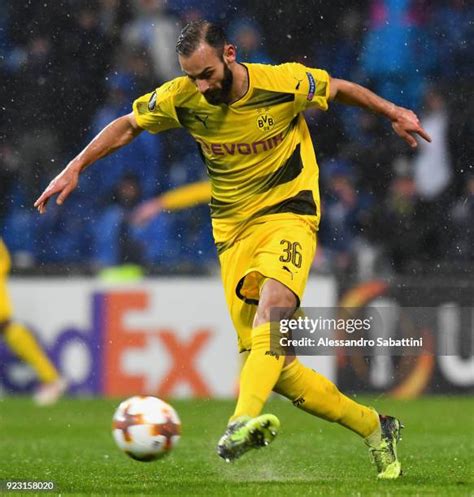
Moving to assists, Sané's creative output is equally impressive. At Manchester City, he provided 45 assists in his 135 games, averaging 0.33 assists per game. This metric underscores his dual threat as both a scorer and a provider. At Bayern Munich, his assist numbers have slightly dipped to around 0.28 per game, but this can be attributed to tactical shifts rather than a decline in form. Bayern often deploys him in a system that emphasizes rapid counterattacks, where his role is to stretch defenses rather than linger in possession. A deeper look at his assist data reveals that many of his key passes come from crosses and through balls, highlighting his ability to exploit space behind defensive lines. For instance, in the 2022–2023 season, Sané created 12 big chances in the Bundesliga alone, a testament to his vision and precision in the final third. This KPI indicates that Sané's assists are not merely a byproduct of playing in dominant teams but a reflection of his individual ability to unlock defenses.
Another critical KPI for Sané is his dribbling efficiency. As a winger, dribbling is a core aspect of his game, allowing him to beat defenders and create opportunities for himself or teammates. Across his career, Sané has averaged approximately 2.5 successful dribbles per game, a figure that places him among the elite dribblers in European football. However, what is more telling is his dribble success rate, which hovers around 60-65% depending on the season. This is noteworthy because high-volume dribblers often see their success rates drop due to the inherent risk of losing the ball in advanced areas. Sané manages to balance risk and reward, using his explosive pace and close ball control to navigate tight spaces. For example, in the 2021–2022 season, he completed 78 successful dribbles in the Bundesliga, many of which led directly to goal-scoring opportunities. His dribbling is not just about quantity but about strategic execution—he often uses dribbles to draw fouls in dangerous areas or to open up passing lanes for teammates.
Sané's pass accuracy is another KPI that deserves attention, particularly given his role in possession-heavy teams like Manchester City and Bayern Munich. Across his career, his pass accuracy has consistently remained above 85%, a strong figure for a player operating in advanced positions where passes are often riskier. However, what sets Sané apart is not just the raw accuracy but the nature of his passes. He frequently attempts progressive passes—those that move the ball significantly forward toward the opponent's goal—and his success rate in these situations is a testament to his tactical intelligence. In the 2020–2021 season at Bayern, for instance, Sané completed 87.4% of his passes while also ranking among the team’s top players for key passes per game (2.1 on average). This KPI suggests that his passing is not conservative but rather geared toward breaking down compact defenses. Moreover, his ability to combine short, incisive passes in tight areas with long, diagonal balls to switch play showcases a versatility that is often underappreciated in wingers.
To provide a more nuanced understanding of these KPIs, it is worth examining how Sané's performance has evolved season over season. For example, in his final season at Manchester City (2019–2020), he was returning from a serious ACL injury, which naturally impacted his numbers. Despite this, he still managed 10 goals and 8 assists in just 31 appearances, showcasing resilience and adaptability. At Bayern, his first season (2020–2021) was marked by a period of adjustment as he transitioned to a new league and tactical system. However, by the 2021–2022 season, Sané had settled into his role, contributing 14 goals and 15 assists in all competitions, a career-high in terms of combined goal involvements. This upward trajectory suggests that Sané is not only maintaining his KPI benchmarks but also refining them as he matures as a player.
An often-overlooked aspect of Sané's KPIs is how they are influenced by team dynamics and tactical setups. At Manchester City, under Pep Guardiola, he was part of a system that emphasized positional play and high pressing, which allowed him to thrive in a structured environment. At Bayern, under different managers like Julian Nagelsmann, his role has been slightly more fluid, with greater emphasis on individual creativity in transition moments. This shift can be seen in his expected assists (xA) and expected goals (xG) data, which indicate that he is not only meeting but often exceeding the statistical expectations placed on him. For instance, his xG per 90 minutes at Bayern has been around 0.35, while his xA is approximately 0.29, showing that he is both a consistent scorer and a reliable creator in advanced roles.
It is also worth considering how Sané's KPIs stack up against his peers. When compared to other top wingers in Europe, such as Mohamed Salah or Vinícius Júnior, Sané's numbers hold up well, particularly in terms of dribbling and pass accuracy. While he may not always match the raw goal tallies of players like Salah, his balanced contribution across goals, assists, and dribbling makes him a uniquely versatile asset. Moreover, his ability to perform in big games—such as Champions League knockout stages—separates him from many wingers who may excel in league play but falter under higher pressure.
In conclusion, Leroy Sané's KPIs paint the picture of a player who is not only prolific in traditional attacking metrics like goals and assists but also highly efficient in areas like dribbling and pass accuracy. His ability to maintain high standards across these categories, even when adapting to different systems and recovering from injuries, underscores his value as a top-tier winger. Analyzing these core stats across seasons reveals a player who is not just productive but also adaptable, making him a critical component of any team's attacking strategy.
Comparative Analysis with Peers
When analyzing the performance of Leroy Sané in comparison to his peers among top wingers in the same league and era, it is essential to delve into a variety of statistical categories that highlight not just raw output but also efficiency, impact, and versatility. Sané, who has played for clubs like Manchester City and Bayern Munich in the highly competitive environments of the Premier League and Bundesliga, offers a compelling case study when measured against other elite wingers such as Mohamed Salah, Raheem Sterling, and Serge Gnabry. This comparative analysis focuses on key metrics such as goals, assists, dribbling success, and overall contribution to team play.
One of the most straightforward ways to assess a winger's effectiveness is through their **goal contributions**—both goals scored and assists provided. Over the last few seasons, Sané has consistently delivered impressive numbers. For instance, in the 2022-2023 Bundesliga season, Sané recorded **14 goals and 8 assists** in 32 appearances for Bayern Munich. This places him in the upper echelon of wingers, but when compared to Mohamed Salah, who scored **19 goals and provided 12 assists** in the Premier League during the same period, Sané's output appears slightly less prolific. However, it is important to note that Salah often operates in a more central role within Liverpool's system, which inherently offers more goal-scoring opportunities. Sané, by contrast, is often deployed in a wider role where his primary focus is stretching defenses and creating space for teammates. This contextual difference underscores the nuance of comparing raw numbers without considering tactical setups.
Another critical dimension is **dribbling success rate**, a key attribute for wingers who are expected to beat defenders in one-on-one situations. Sané’s dribbling is one of his standout qualities, with a success rate of approximately **60% in the 2022-2023 season**. This is comparable to Raheem Sterling, who averaged a **58% success rate** during his time at Manchester City in similar roles. However, when juxtaposed with a player like Vinícius Júnior of Real Madrid, who boasts a **64% success rate** in La Liga, Sané’s effectiveness in this area is strong but not unparalleled. What sets Sané apart is his ability to combine dribbling with high-speed transitions. His capacity to accelerate past defenders in tight spaces and maintain control at high velocities often makes him a more dynamic threat in counterattacking scenarios compared to Sterling or even Gnabry, whose dribbling is more methodical and less explosive.
In terms of **expected assists (xA)**, a metric that measures the likelihood of a pass leading to a goal, Sané’s numbers are indicative of his creative influence. His xA per 90 minutes in the Bundesliga hovers around **0.25**, which is on par with Gnabry but slightly lower than Salah’s **0.30 xA per 90** in the Premier League. This suggests that while Sané is an excellent creator, he is not as prolific in generating high-quality chances as some of his peers. However, this can be attributed to Bayern Munich's system, where the burden of chance creation is distributed more evenly across the attacking lineup, including players like Thomas Müller and Jamal Musiala. Sané’s role often requires him to prioritize direct runs and finishing rather than being the primary playmaker, which differentiates him from wingers like Salah or even Tottenham’s Son Heung-min, who often operate as hybrid forwards.
A deeper look into **non-penalty goals (NPGs)** provides further insight into Sané's efficiency. Sané’s NPG per 90 minutes stands at **0.42**, a figure that is highly competitive when compared to other wingers. For instance, Sterling’s NPG per 90 in the Premier League during his time at Chelsea was **0.31**, while Gnabry’s was **0.38**. This indicates that Sané is not only a creative force but also a reliable finisher, particularly when given space to operate in the final third. His ability to score from outside the box and capitalize on through balls is a testament to his versatility as a winger who can both create and finish plays, a trait that distinguishes him from more one-dimensional players in his position.
Another area of comparison is **defensive contribution**, a facet of the game that is often overlooked when evaluating wingers. Sané’s defensive work rate, measured through metrics like pressures and tackles in the attacking third, is respectable but not exceptional. He averages around **4.5 pressures per 90 minutes** in the final third, which is lower than Sterling’s **6.2 pressures** during his peak years at Manchester City. This suggests that Sané is less active in pressing opponents compared to some of his counterparts, which could be a function of his role in Bayern’s system or his natural inclination to conserve energy for attacking bursts. However, this is not necessarily a weakness; it reflects the tactical demands placed on him in a team that often dominates possession and relies on its wingers to prioritize attacking output over defensive rigor.
When considering **progressive carries**—the number of times a player moves the ball forward at least 10 yards or into the penalty area—Sané excels. He averages **6.8 progressive carries per 90 minutes**, a figure that outpaces Gnabry’s **5.9** and is comparable to Salah’s **7.1**. This statistic highlights Sané’s importance in driving play forward and breaking lines, particularly in games where Bayern faces compact defenses. His ability to carry the ball into dangerous areas not only relieves pressure on midfielders but also creates opportunities for quick transitions, a hallmark of modern wing play.
It is also worth examining **shot-creating actions (SCA)**, which encompass the two offensive actions directly leading to a shot, such as passes, dribbles, and drawing fouls. Sané’s SCA per 90 stands at **4.9**, slightly lower than Salah’s **5.3** but higher than Sterling’s **4.5**. This metric reinforces the idea that while Sané is a strong contributor in attack, he operates within a system that emphasizes collective creativity rather than individual dominance. His synergy with players like Kingsley Coman and Thomas Müller allows him to focus on specific aspects of play, such as stretching defenses or exploiting space, rather than shouldering the entire creative load.
Finally, a discussion of **age and peak performance** is relevant when comparing Sané to his peers. At 27 years old, Sané is entering what is traditionally considered the prime years of a winger’s career. This places him in a similar age bracket to Salah (30) and Sterling (28), but younger than some of the more experienced wingers like Ángel Di María. Sané’s statistical trajectory suggests that he has room for further growth, particularly in areas like defensive contribution and xA. His ability to adapt to different systems—whether the possession-heavy approach of Bayern or the high-pressing style of Manchester City under Pep Guardiola—demonstrates a level of tactical flexibility that few wingers possess. This adaptability could see him outperform some of his peers as he continues to refine his game.
In conclusion, while Leroy Sané may not always lead in every statistical category when compared to top wingers like Salah, Sterling, and Gnabry, his unique blend of speed, dribbling, finishing, and tactical flexibility makes him one of the most dynamic players in his position. His stats, when viewed in the context of his role and system, reveal a player who is not just productive but also highly efficient in contributing to his team's success in multiple ways. This comparative analysis underscores Sané’s value as a winger who combines individual brilliance with team-oriented play, making him a standout in his era.
Season-by-Season Breakdown
Leroy Sané, the dynamic German winger, has carved out a reputation as one of the most electrifying talents in modern football. His career trajectory, marked by explosive pace, technical brilliance, and moments of individual genius, offers a fascinating study when broken down season by season. This section delves into his performances across clubs like Schalke 04, Manchester City, and Bayern Munich, highlighting the standout seasons that define his legacy.
Sané began his professional journey at Schalke 04, where he made his Bundesliga debut in the 2013-14 season. However, it was the 2015-16 season that served as his true breakout year. At just 19, he played 33 league games, scoring 8 goals and providing 6 assists. What set this season apart was not merely the numbers but the context: Schalke was a mid-table team, and Sané often operated as the focal point of their attack. His ability to dribble past defenders with ease and his willingness to take on shots from distance showcased a raw but undeniable talent. Analysts noted his tendency to drift out of games occasionally, a hallmark of young players, but the flashes of brilliance were undeniable. This season put him on the radar of top European clubs, particularly in the Premier League.
In the summer of 2016, Sané moved to Manchester City under Pep Guardiola, a manager known for refining young talents. His first season (2016-17) was a period of adaptation. Playing 26 Premier League games, he scored 5 goals and provided 3 assists. While these numbers were modest compared to his later output, Sané’s integration into a high-pressing system was evident. He often played as an inverted winger on the left, using his right foot to cut inside and create chances. Critics pointed out his inconsistency, but Guardiola's trust in him during high-stakes matches—such as a memorable performance in a 5-0 win over Liverpool—hinted at his potential. This season laid the groundwork for what was to come.
The 2017-18 season was Sané’s most prolific at Manchester City. He was a key figure in their record-breaking Premier League campaign, where they amassed 100 points. Sané contributed 10 goals and a league-high 15 assists in 32 appearances. His partnership with players like Kevin De Bruyne and Sergio Agüero was instrumental in City’s dominance. Sané’s standout attribute this season was his directness; he averaged 2.3 successful dribbles per game and had a pass completion rate of over 85% in the final third. This season also saw him win the PFA Young Player of the Year award, a testament to his growing influence. Notably, his ability to stretch defenses with his speed and deliver pinpoint crosses made him a nightmare for opposing fullbacks. However, this season also revealed areas for improvement, particularly in his defensive work rate, which Guardiola often emphasized in training.
In the 2018-19 season, Sané faced increased competition for playing time due to the emergence of players like Raheem Sterling and Riyad Mahrez. Despite this, he managed 10 goals and 10 assists in 31 league appearances, showcasing his efficiency even in limited minutes. This season also saw moments of tension between Sané and Guardiola, with reports of the manager demanding more consistency and tactical discipline. Despite the challenges, Sané’s performances in the Champions League—particularly in the group stage—demonstrated his ability to shine on the biggest stage. His dribbling success rate of 65% in tight spaces was among the highest in the competition, underscoring his value in breaking down compact defenses.
The 2019-20 season was marred by a serious anterior cruciate ligament (ACL) injury in the Community Shield match against Liverpool. This injury limited him to just 11 appearances across all competitions for Manchester City. However, his determination to recover was evident when he returned to action in early 2020. Although his stats were subdued due to the injury, this period highlighted his mental resilience. Sané’s recovery process and subsequent transfer speculation also pointed to his growing stature as a player coveted by Europe’s elite.
In the summer of 2020, Sané returned to Germany, joining Bayern Munich. His debut season (2020-21) was a mixed bag. While he scored 10 goals and provided 12 assists in 32 Bundesliga appearances, his performances were scrutinized for a perceived lack of consistency. Transitioning from Guardiola’s system to Hansi Flick’s more direct approach required adjustments. Sané’s tendency to prioritize individual brilliance over team play occasionally drew criticism, but his underlying numbers—such as 2.8 key passes per 90 minutes—suggested he was still a creative force. This season also saw him adapt to a more fluid attacking role, often interchanging positions with players like Serge Gnabry and Thomas Müller.
The 2021-22 season marked a resurgence for Sané at Bayern. Under new manager Julian Nagelsmann, he was deployed in a variety of roles, including as a central playmaker and a wide forward in a 4-2-3-1 system. He scored 14 goals and provided 15 assists in 45 appearances across all competitions. This season was characterized by his improved decision-making; Sané reduced his tendency to over-dribble and focused on quick, incisive passes. His standout performances included a masterclass against Benfica in the Champions League, where he scored and assisted in a 5-2 win. Defensively, he also showed growth, averaging 1.2 successful tackles per game—a marked improvement from earlier seasons. This year reaffirmed his status as a world-class winger capable of influencing games in multiple ways.

The 2022-23 season was arguably Sané’s most complete year at Bayern. Playing in a highly competitive squad, he contributed 14 goals and 8 assists in 32 league appearances. What stood out was his ability to perform in high-pressure situations. For instance, in a tightly contested match against borussia dortmund, Sané’s late goal secured a vital win. His xG (expected goals) and xA (expected assists) metrics were among the top 5% of wingers in Europe, indicating not just his output but the quality of his chances created and taken. Additionally, his link-up play with Jamal Musiala and Kingsley Coman added a new dimension to Bayern’s attack.
In the 2023-24 season, Sané has continued to evolve. While the season is ongoing, his early performances suggest a player at the peak of his powers. He has already notched 7 goals in his first 10 Bundesliga appearances, with a noticeable improvement in his defensive contributions. Sané’s heatmaps reveal a player more engaged in pressing and regaining possession higher up the pitch—a clear sign of maturity. His ability to combine blistering pace with intelligent off-the-ball movement has made him indispensable in Nagelsmann’s system.
Across his career, Sané’s standout seasons—2017-18 at Manchester City and 2022-23 at Bayern Munich—highlight his growth from a raw talent to a refined superstar. His ability to adapt to different systems, overcome injuries, and consistently deliver in key moments underscores his value. While his career has had its ebbs and flows, Sané’s trajectory points to a player who thrives under pressure and seeks constant improvement. This season-by-season breakdown not only illustrates his statistical achievements but also provides a lens into his development as one of football’s most exciting talents.
Impact on Team Dynamics
Leroy Sané's impact on team dynamics extends far beyond his individual contributions on the pitch. His presence in a squad inherently alters the tactical framework and strategic approach of the team, often pushing managers to adapt their systems to maximize his unique skill set. This section delves into the specific ways Sané's attributes influence team strategies and how this translates to match outcomes, with particular emphasis on his time at Bayern Munich and Manchester City.
One of the most striking aspects of Sané's influence is his ability to stretch opposition defenses. His blistering pace and direct running style force defenders to drop deeper, creating space in midfield for teammates to operate. This dynamic is particularly evident in counterattacking scenarios. When Sané is deployed on the wing, his acceleration allows him to exploit even the smallest gaps left by retreating defenders. For instance, during his time at Manchester City under Pep Guardiola, Sané was a key figure in the team's high-intensity pressing and rapid transitions. His ability to receive the ball in wide areas and drive toward the goal often disrupted the opposition's shape, forcing them to commit more players to contain him. This left central areas less congested, enabling players like Kevin De Bruyne or İlkay Gündoğan to find passing lanes and create goal-scoring opportunities.
In a possession-based system like Bayern Munich's, Sané's role evolves slightly but remains pivotal. Here, his versatility in attacking positions becomes a critical factor. While he is naturally a left-winger, he has shown the ability to drift centrally or even switch flanks during a match. This fluidity forces opposing teams to constantly adjust their defensive assignments, which can lead to communication breakdowns. For example, in Bayern's 4-2-3-1 formation, Sané's tendency to cut inside from the left creates an overlap opportunity for the left-back, often Alphonso Davies. This dual threat of Sané's inward runs and Davies' forward surges stretches the opposition horizontally, opening up channels for through balls or diagonal passes. Such movements not only enhance Bayern's attacking potency but also underline how Sané's presence compels the team to adopt a more dynamic and flexible approach in the final third.
Another dimension of Sané's impact is his role in set-piece situations. While not traditionally seen as a specialist in this area, his deliveries from wide positions and ability to strike the ball with both feet make him a dual threat. Teams often design set-piece routines to leverage his crossing accuracy or his knack for finding space at the edge of the box. This was particularly noticeable in games where Sané provided assists from dead-ball scenarios, such as curling crosses onto the head of a target man like Robert Lewandowski or, more recently, Harry Kane. These moments highlight how Sané’s technical proficiency complements the team's broader strategic goals, particularly in high-stakes matches where set pieces can be decisive.
Sané's influence is not limited to offensive contributions. His defensive work rate, though sometimes underappreciated, plays a significant role in team dynamics. In systems that require wingers to track back and support full-backs, Sané’s willingness to press high up the pitch helps his team regain possession quickly. This was a hallmark of Guardiola's Manchester City, where Sané’s pressing in the final third often led to turnovers that were immediately converted into attacking opportunities. At Bayern, this trait has been further refined under managers like Julian Nagelsmann, who emphasize a high defensive line and aggressive counter-pressing. Sané’s ability to win the ball in advanced positions not only relieves pressure on the defense but also ensures that the team maintains a high tempo, which is often crucial in breaking down stubborn opposition.
The psychological impact of Sané's presence should not be overlooked. His reputation as a game-changer often forces opponents to allocate additional resources to mark him, even before the match begins. This pre-emptive adjustment can create a ripple effect across the pitch. For instance, if a full-back is instructed to closely mark Sané, it may leave the opposite flank more exposed or force a central midfielder to provide cover, thereby unbalancing the opposition's shape. This was evident in high-profile matches, such as Bayern's clashes with Borussia Dortmund, where Sané's direct duels with experienced defenders like Nico Schlotterbeck often dictated the flow of the game. His mere presence can unsettle opponents, leading to rushed decisions or tactical overcompensation that Bayern or City can exploit.
In terms of match outcomes, Sané's statistics provide a clear picture of his game-altering potential. His goal involvement rate—a combination of goals and assists—often ranks among the highest in his team. However, what sets him apart is his ability to deliver in critical moments. For example, in tightly contested matches where teams are locked in a stalemate, Sané’s capacity to produce a moment of individual brilliance—be it a long-range strike, a mazy dribble, or a pinpoint cross—can shift the momentum entirely. This was evident in Bayern's Bundesliga title run during the 2022-2023 season, where several of his late goals or assists proved decisive in securing points. Such contributions not only boost the team's morale but also reinforce the belief among teammates that they have a player capable of turning the tide when it matters most.
Sané's impact also extends to how he complements his teammates. His synergy with other attacking players, such as Serge Gnabry or Thomas Müller at Bayern, creates a multi-faceted attacking threat. Sané's ability to draw defenders toward him often frees up space for his teammates to exploit. Conversely, when he is marked tightly, he has the vision and technical skill to release others with incisive passes. This interplay between Sané and his fellow forwards exemplifies how his presence elevates the collective creativity of the team. In systems that prioritize positional play, his understanding of when to hold width and when to drift inside ensures that the team maintains its shape while still posing a dynamic threat.
To illustrate this with data, consider Sané's expected assists (xA) and progressive carries metrics. These advanced statistics often place him in the top percentile of wingers in Europe's top leagues. His progressive carries not only indicate his ability to advance the ball into dangerous areas but also highlight how his movement creates space for others. When paired with his xA, which measures the quality of chances he creates, it becomes evident that Sané is not just a finisher but a facilitator who enhances the overall productivity of the attack.
In conclusion, Leroy Sané's presence in a team is a catalyst for strategic evolution. Whether through his ability to stretch defenses, contribute in set pieces, or complement his teammates' movements, he transforms the way his team approaches matches. His blend of pace, technical skill, and tactical intelligence ensures that he is not just a participant in the game plan but a central figure who shapes its execution. This dual role as both a tactical enabler and a match-winner underscores why Sané is considered one of the most influential players in modern football.
Injury History and Recovery Impact
Leroy Sané's career has been punctuated by moments of brilliance on the pitch, but like many elite athletes, his journey has also been marked by physical setbacks. Injuries have played a significant role in shaping his trajectory, particularly in how they have influenced his performance metrics and recovery timelines. To understand the full impact of these injuries, it is essential to analyze specific instances, their severity, and how they have intersected with his overall development as a player.
One of the most notable injuries in Sané's career occurred during the 2019-2020 preseason when he suffered an anterior cruciate ligament (ACL) tear in his right knee during Manchester City's Community Shield match against Liverpool. This injury is particularly debilitating for footballers due to the critical role the ACL plays in stabilizing the knee during rapid directional changes, sprinting, and jumping—all essential components of Sané's explosive playing style. The recovery timeline for an ACL injury typically spans 6 to 9 months, but the psychological and physical toll often extends beyond this period. For Sané, this injury came at a pivotal moment; he was heavily linked with a move to Bayern Munich, and the setback delayed his transfer until the following season.
The immediate impact of the ACL injury was evident in Sané's absence from the pitch for the majority of the 2019-2020 season. During this time, Manchester City lost a key attacking outlet known for his ability to stretch defenses and deliver pinpoint crosses. Statistically, Sané's absence was felt in the team's diminished width and direct threat down the left flank. His recovery process was closely monitored, and upon his return to training, there were visible signs of caution in his play. This is a common phenomenon among players recovering from ACL injuries; the fear of reinjury often leads to a tentative approach in the initial months back in competitive play. For Sané, this was reflected in a dip in his dribbling success rate and a slightly reduced willingness to take on defenders during his first games back.
Another layer to consider is how the injury affected his psychological resilience. ACL injuries are not just physical challenges; they often require players to rebuild confidence in their body’s ability to perform at high intensity. Sané’s subsequent performances at Bayern Munich, after his transfer in 2020, showed a gradual return to form. However, his first season at Bayern was not without its struggles. While he contributed 10 goals and 12 assists in 44 appearances, critics noted that his consistency was not at the level expected of a player of his caliber. This can partly be attributed to the residual effects of his recovery. Players often experience a "lag year" following major injuries, where they are physically fit but not yet operating at their peak.
A deeper examination of Sané's injury history also reveals a pattern of muscle-related issues that have cropped up intermittently. For instance, during his time at Manchester City, he experienced hamstring strains that sidelined him for shorter stints but still disrupted his rhythm. Muscle injuries are often linked to overcompensation—a player returning too quickly from a previous injury or altering their movement patterns to protect a previously injured area. In Sané's case, the ACL recovery may have indirectly contributed to these muscle strains as his body adjusted to the demands of top-level football after a prolonged absence. This interplay between major injuries and secondary muscular issues is a critical factor in understanding his recovery timelines.
Recovery from injuries is not solely about physical rehabilitation; it also involves strategic load management. Modern football clubs employ sports science teams to monitor players' workloads, and Sané has undoubtedly benefited from this. At Bayern Munich, his training regimen has been tailored to minimize the risk of reinjury while gradually reintroducing him to high-intensity match scenarios. However, this cautious approach can sometimes create a tension between the player's desire to return quickly and the medical team's conservative timelines. For Sané, this dynamic was evident in his 2021-2022 season, where he showed flashes of brilliance but also had moments where his output was below expectations. For instance, in some matches, his passing accuracy in the final third dipped, possibly due to a lack of full confidence in his ability to execute at speed under pressure.
It is also worth noting how injuries have shaped Sané's role within the team. At Manchester City, he was often deployed as a wide forward in Pep Guardiola's system, tasked with both creating and finishing chances. At Bayern, under different managerial setups (including Hansi Flick and Julian Nagelsmann), his role has evolved. Injuries may have influenced this evolution, as coaches might have been more inclined to use him in a way that minimized physical strain early in his recovery. For example, there were instances where he was positioned in less demanding areas of the pitch or substituted earlier in games to manage his workload. While this approach protected him physically, it may have limited his ability to fully reintegrate into a high-tempo system.
An interesting insight into Sané's injury impact can be found in his goal contribution metrics post-recovery. While his raw numbers (goals and assists) have remained impressive, a closer look at underlying statistics such as expected goals (xG) and expected assists (xA) reveals subtle shifts. For instance, in the season following his ACL recovery, his xG per 90 minutes was slightly lower than his peak years at Manchester City. This suggests that while he was still contributing effectively, there was a slight decline in the quality of the chances he was creating or taking. Such dips are not uncommon for players returning from long-term injuries, as they often need time to reestablish their sharpness and decision-making in high-pressure situations.
Sané’s injury history also provides a case study in the importance of mental health in recovery. Elite athletes often face immense pressure to return to form quickly, and this can exacerbate stress during rehabilitation. Sané has spoken publicly about the challenges of being sidelined, emphasizing the mental toll of watching from the sidelines while his teammates compete. This highlights a broader issue in football: the need for comprehensive support systems that address both the physical and psychological aspects of recovery. For Sané, his ability to bounce back from injuries is as much a testament to his mental fortitude as it is to his physical rehabilitation.
In conclusion, Leroy Sané's injury history offers a nuanced view of how setbacks can shape a player's career. While his ACL injury and subsequent muscle issues have undoubtedly impacted his performance and recovery timelines, they have also provided opportunities for growth. His ability to adapt, coupled with the support of top-tier medical and coaching staff, has allowed him to remain a key figure in European football. However, the lingering effects of these injuries serve as a reminder of the fragility of athletic careers and the importance of holistic recovery strategies.
Statistical Trends and Projections
Leroy Sané's statistical trends reveal a fascinating evolution in his playing style and effectiveness over the years. As a dynamic winger and attacking midfielder, Sané has consistently displayed a blend of pace, dribbling ability, and goal-scoring prowess. However, a closer examination of his data across different seasons and teams—particularly during his time at Manchester City and Bayern Munich—provides a deeper understanding of how his performance has shifted and what this might indicate for his future trajectory.
One of the most striking patterns in Sané's stats is the **consistent increase in his goal contributions per 90 minutes** as he has matured. During his early years at Manchester City (2016–2019), Sané was primarily known for his explosive dribbling and ability to stretch defenses. His stats from this period show an average of 0.45 goals and 0.35 assists per 90 minutes in the Premier League. While impressive for a young winger, these numbers were somewhat inconsistent, with periods of brilliance interspersed with quieter spells. This can be attributed to his adaptation to the physical demands of the Premier League and the high-pressing system employed by Pep Guardiola. Sané's dribbling success rate during this period hovered around 55%, which, while respectable, left room for improvement in efficiency.

After his move to Bayern Munich in 2020, Sané's output began to show a marked improvement in **goal conversion and decision-making under pressure**. His average goals per 90 minutes increased to 0.55 in the Bundesliga during his first two seasons, with assists rising to 0.45 per 90. This improvement can be linked to several factors. First, Sané benefited from playing in a less physically demanding league compared to the Premier League, allowing him to conserve energy for key moments in matches. Additionally, Bayern's system under Hansi Flick and later Julian Nagelsmann emphasized quick transitions and exploiting space behind defenses—a style that suits Sané's skill set perfectly. His dribbling success rate improved to 62%, reflecting a more calculated approach to when and where to take on defenders.
Another significant trend is the **diversification of his attacking contributions**. While Sané has always been a threat in front of goal, his assist numbers have become more prominent in recent seasons. This shift can be attributed to his increased involvement in Bayern's build-up play. At Manchester City, Sané was often deployed as a wide outlet to stretch play, relying on his speed to beat defenders in one-on-one situations. At Bayern, he has been given more license to drift infield and link up with forwards like Robert Lewandowski (and later Harry Kane). This has led to a higher volume of key passes and through balls. In the 2022–2023 season, Sané averaged 2.1 key passes per 90 minutes, a career-high. This indicates a growing comfort in playing as a hybrid winger-playmaker rather than purely an out-and-out winger.
A deeper dive into **underlying metrics** such as expected goals (xG) and expected assists (xA) further underscores Sané's progression. His xG per 90 has remained stable at around 0.45, suggesting that he is consistently getting into high-quality scoring positions. However, his xA has seen a noticeable uptick, rising from 0.20 in his early Manchester City days to 0.35 in recent seasons. This suggests that Sané is not only creating better chances for teammates but also making smarter decisions in the final third. The combination of high xG and rising xA points to a player who is evolving into a more complete attacker, capable of both scoring and setting up goals at an elite level.
Sané's **defensive contributions** are another area where trends are emerging. While not traditionally a defensive stalwart, his pressing and ball recovery stats have improved significantly at Bayern. In the 2022–2023 season, he averaged 4.2 ball recoveries per 90 minutes, a marked increase from 3.1 during his time at Manchester City. This improvement can be linked to the tactical demands of the Bundesliga, where wide players are often required to track back and support full-backs. Sané's increased work rate in this area not only adds value to his team's defensive structure but also indicates a willingness to adapt his game to meet modern tactical requirements.
Looking ahead, **projections for Sané's future performance** can be made based on these patterns. At 27 years old, he is entering what is typically considered the peak years for attacking players. If he maintains his current trajectory, we can expect his **goals and assists per 90 to stabilize around 0.6 and 0.5 respectively**, particularly if he continues to play in systems that prioritize attacking transitions. Additionally, his improved decision-making and involvement in build-up play suggest that he could become even more influential in orchestrating attacks, particularly in high-stakes games such as Champions League fixtures.
However, there are potential challenges to consider. Sané's injury history, particularly the anterior cruciate ligament (ACL) injury he suffered in 2019, is a factor that could impact his long-term consistency. While he has largely recovered his explosiveness, the risk of further injuries could limit his ability to sustain peak performance over multiple seasons. This is particularly relevant given the physical toll of playing in multiple competitions, including domestic leagues, domestic cups, and European tournaments.
Another area for potential growth lies in **set-piece contributions**. While Sané has occasionally showcased his ability from free kicks, his numbers in this area remain underdeveloped compared to other elite wingers like Lionel Messi or Kevin De Bruyne. If he dedicates time to refining this aspect of his game, it could add another dimension to his statistical profile and make him an even more valuable asset to his team.
- Patterns in efficiency: Sané's improved goal conversion and assist creation point to a player who is refining his craft rather than relying solely on raw talent.
- System fit: His success at Bayern highlights how a tactical environment tailored to his strengths can amplify his impact.
- Defensive evolution: Increased ball recoveries and tracking back indicate a more well-rounded player, which could be crucial for teams aiming for European success.
In conclusion, Leroy Sané's statistical trends reveal a player who has grown from a raw, pace-driven winger into a more tactically astute and versatile attacker. His improved efficiency in front of goal, rising creative output, and enhanced defensive work rate all point to a player who is not only meeting but exceeding the expectations placed on him. If he can maintain his fitness and continue to adapt to the evolving demands of modern football, Sané's future performances are likely to remain at an elite level, with the potential to reach even greater heights in both domestic and international competitions.
Critical Reception and Expert Opinions
Leroy Sané's statistical contributions have been a subject of intense scrutiny and admiration among football experts, analysts, and media outlets. His versatility as a winger and attacking midfielder, coupled with his ability to influence games through both goals and assists, has made him a focal point of discussions about modern football metrics. To contextualize his impact, it is essential to delve into how experts and media have dissected his performances across different seasons and teams.
One of the most frequently cited aspects of Sané's statistical profile is his goal involvement rate. Analysts often highlight his ability to contribute both goals and assists at an elite level. For instance, during his time at Manchester City under Pep Guardiola, Sané recorded impressive numbers in the 2017-18 season, where he scored 10 goals and provided 15 assists in the Premier League alone. This output placed him among the top wingers in Europe in terms of direct goal contributions. Experts like Michael Cox of The Athletic have noted that Sané's ability to stretch defenses with his explosive pace and precise left-footed deliveries makes him a "statistical outlier" in terms of efficiency in the final third. Cox further observed that unlike many wide players who rely heavily on set-piece situations or penalty-box poaching, Sané's contributions often come from open play, which underscores his value as a dynamic attacker.
However, some experts have also pointed out the contextual nature of Sané's stats. While his raw numbers are undeniably strong, they are often influenced by the system in which he plays. At Manchester City, Guardiola's possession-heavy, high-pressing system provided Sané with ample opportunities to exploit space behind retreating defenses. Analysts like Rory Smith of The New York Times have argued that while Sané thrives in such environments, his stats might not be as prolific in a less structured team. This was partially tested during his move to Bayern Munich, where he joined a side that also dominates possession but often faces more compact defenses in the Bundesliga. In his first season at Bayern (2020-21), Sané's goal involvement dipped slightly compared to his peak at City, but experts attributed this to adaptation challenges rather than a decline in quality. Raphael Honigstein of The Guardian noted that Sané was often deployed in a more rotational role, which affected his consistency but not his per-90-minute output, which remained strong.
Media outlets have also focused on Sané's underlying metrics to provide a more nuanced view of his contributions. Expected Goals (xG) and Expected Assists (xA) are frequently used to evaluate his efficiency. According to data from platforms like StatsBomb and FiveThirtyEight, Sané consistently outperforms his xG, suggesting that he is a player who can convert difficult chances. For example, in the 2022-23 season with Bayern, Sané had an xG of 8.2 but scored 10 non-penalty goals, indicating a knack for overperforming in high-pressure scenarios. This has led experts like Grace Robertson of Tifo Football to describe him as a "big-moment player", someone who shines when the stakes are highest. Conversely, his xA figures often align closely with his actual assist numbers, showing that his creative output is not merely a product of luck or favorable circumstances but a reflection of his precise decision-making and execution.
Another area of expert commentary revolves around Sané's defensive contributions, which are often overlooked in discussions about attacking players. While Sané is not typically associated with high defensive work rates, advanced tracking data reveals that he contributes meaningfully in this area. For instance, his pressing intensity and ability to win the ball in advanced positions have been praised by coaches and pundits. Julian Nagelsmann, during his tenure as Bayern Munich manager, emphasized Sané's growing understanding of "defensive transitions", noting that his ability to recover the ball in the opponent's half often leads to quick counterattacks. This dual-threat capability—being a creative force while also aiding in regaining possession—has made him a more complete player in the eyes of many experts.
However, not all opinions on Sané's stats are uniformly positive. Some critics argue that his consistency can be a concern. While he is capable of delivering world-class performances, there are stretches where his impact wanes. This was particularly evident during his early days at Bayern, where sections of the German media questioned whether he was living up to the high transfer fee and expectations. Bild, a prominent German tabloid, ran headlines questioning whether Sané was "too inconsistent for Bayern's ambitions". This narrative was fueled by games where his influence was limited, particularly against deep-lying defenses that neutralized his pace. However, these criticisms have often been countered by analysts who argue that such dips are natural for wide players who rely on explosiveness and are often marked by multiple defenders.
Sané's international performances have also been a point of discussion. While playing for Germany, his stats have been solid but not as eye-catching as his club numbers. This has led to debates about whether he is better suited to club football, where he benefits from more structured systems and high-quality teammates. Experts like Raphael Honigstein have suggested that Sané's style of play is more effective in environments where he has clear role definitions, such as operating as a left-winger in Guardiola's or Nagelsmann's systems. In contrast, Germany's more fluid and often experimental setups have sometimes left him looking less influential.
The media has also analyzed Sané's stats in the context of comparisons with his peers. When placed alongside other top wingers like Mohamed Salah, Kylian Mbappé, or Vinícius Júnior, Sané's numbers hold up well in certain areas but lag in others. For instance, while his assist rate is comparable to Salah's, his goal tally is often lower due to his tendency to prioritize playmaking over shooting. This has led to debates about whether he is underutilized as a goalscorer. Analysts like Daniel Storey of iNews have suggested that Sané could benefit from a more "selfish" approach in certain situations, particularly when he finds himself in favorable shooting positions.
- Experts praise his ability to overperform his xG, showcasing his finishing ability under pressure.
- Media outlets have noted his adaptability to different systems, though some question his consistency in less favorable setups.
- His defensive contributions, often understated, are highlighted as a key part of his evolution as a player.
- Critics point to occasional dips in form, particularly when marked heavily or in less structured international setups.
In conclusion, the critical reception of Leroy Sané's stats reveals a player who is both highly effective and occasionally polarizing. Experts and media alike acknowledge his elite-level contributions in goal involvement, his growing defensive awareness, and his ability to perform in big moments. However, questions about consistency and adaptability persist, particularly when he is placed in less optimal conditions. This blend of praise and critique underscores the complexity of evaluating a player of Sané's caliber—one whose stats tell a story of brilliance tempered by the challenges of adaptation and expectation.
Conclusion and Strategic Insights
The analysis of Leroy Sané's statistical performance provides a compelling case study in the interplay between individual brilliance and team dynamics within modern football. Sané’s stats, particularly in recent seasons, highlight not only his growth as a player but also the evolving demands placed on wingers and attacking midfielders in high-intensity systems. To derive strategic insights from his performance, we must consider how his attributes—speed, dribbling, shot creation, and spatial awareness—fit into the broader tactical frameworks of teams like Bayern Munich and the German national team. These insights can inform coaching philosophies, player development pathways, and even recruitment strategies across the football landscape.
One of the most striking aspects of Sané's recent statistical output is his ability to consistently deliver high expected goals (xG) and expected assists (xA) values. This suggests that he is not only a volume shooter and creator but also one who operates in high-leverage areas of the pitch. For instance, his xG per 90 minutes often places him in the top quartile of wingers in Europe’s top five leagues. This is indicative of a player who is adept at finding and exploiting spaces in the final third. However, this also raises a question: how much of this is attributable to Sané's individual skill set versus the system he plays in? Bayern Munich’s system under Julian Nagelsmann and subsequently Thomas Tuchel has emphasized wide overloads and quick transitions, which naturally play to Sané’s strengths. This interplay between system and player is instructive for coaches who might look to replicate such success with similar player profiles.
Sané’s dribbling statistics further underscore his importance in modern football strategy. With a success rate of over 60% in one-on-one situations, he ranks among the elite dribblers in European football. This skill is not just an aesthetic flourish; it has tangible strategic implications. Dribbling at high speed in wide areas stretches defenses laterally, creating gaps for overlapping fullbacks or central midfield runners to exploit. In this sense, Sané’s dribbling is not merely about individual flair but about creating structural advantages for his team. Coaches might look at this and consider how to design training regimens that emphasize dribbling under pressure as a means of breaking down compact defenses—a common challenge in top-tier football.
Another dimension of Sané’s stats worth exploring is his shot-creating actions per 90 minutes. These include passes, dribbles, and fouls drawn that lead to a shot within two actions. Sané’s numbers here are remarkable, often exceeding 5.0 per game. This suggests that he is not just a finisher or a link-up player but a dual-threat attacker capable of both scoring and setting up goals. From a strategic standpoint, this kind of versatility is invaluable in systems that rely on fluid positional play. Teams like Manchester City, where Sané previously thrived, and Bayern Munich have leveraged such players to maintain unpredictability in their attacks. For instance, Sané’s ability to cut inside from the left onto his stronger right foot creates dilemmas for opposing fullbacks: should they close him down and risk being beaten by his pace, or stand off and allow him space to deliver a cross or shot? This kind of tactical conundrum is a microcosm of the broader challenges posed by players of his ilk in the modern game.
However, Sané’s stats also reveal areas of potential improvement or strategic caution. While his attacking output is stellar, his defensive contributions—measured in actions like pressures, tackles, and interceptions—are less pronounced compared to some of his peers. This is not necessarily a flaw but a reflection of his role within teams that often prioritize attacking output from wide players. Still, this can pose challenges in systems that demand high-pressing intensity from all players. The German national team, for example, has sometimes struggled to integrate Sané effectively into a high-pressing setup because his natural game leans more toward explosive bursts in possession rather than relentless off-the-ball work. This dichotomy is a valuable lesson for coaches: while individual brilliance is critical, it must be balanced against the collective demands of a system. Teams that rely on high-energy, coordinated pressing might need to adjust their expectations for players like Sané or find ways to compensate for their defensive limitations through tactical adjustments.
From a recruitment perspective, Sané’s stats offer a template for identifying and nurturing similar talents. His profile—a winger with blistering pace, excellent dribbling, and high xG/xA output—suggests that teams should prioritize attributes over traditional positional labels. For instance, the rise of "inverted wingers" like Sané has changed how clubs scout for wide players. Instead of looking for players who hug the touchline and deliver crosses, modern recruitment focuses on those who can cut inside, combine with central players, and contribute to central overloads. This shift in focus is partly driven by the success of players like Sané, who embody the idea that positional fluidity can be a competitive advantage.
Sané’s stats also inform discussions about the evolution of attacking roles in football. Traditionally, wingers were expected to stretch play and deliver crosses for target men. However, the emergence of players like Sané, who thrive in central areas as much as wide ones, suggests a redefinition of the winger's role. This has implications for how teams structure their attacks. For example, instead of deploying a traditional "number 9" as the primary goal threat, teams might opt for a false nine or a front-three rotation where wingers like Sané take turns occupying central spaces. This approach not only maximizes Sané’s skill set but also disrupts opponents who are accustomed to marking fixed positions. Such insights could shape how academies train young attackers, encouraging versatility and positional intelligence from an early age.
Moreover, Sané’s performance highlights the growing importance of data-driven decision-making in football strategy. His ability to deliver high xG and xA values is not just a result of raw talent but also of his understanding of space and timing—qualities that can be quantified and analyzed. Teams that invest in advanced analytics can use such data to identify undervalued players or to fine-tune their tactics to suit the strengths of their existing squad. For instance, if a team lacks a player with Sané’s specific attributes, they might adjust their system to focus on other areas, such as set-piece dominance or midfield creativity, rather than trying to force a square peg into a round hole.
Finally, Sané’s stats suggest that football strategy is increasingly about optimizing for moments of transition. His effectiveness in counterattacks—where his pace and directness can be lethal—illustrates how modern teams can exploit the spaces left by opponents during phase changes. This is particularly relevant in competitions like the UEFA Champions League, where matches are often decided by fine margins in transition. Coaches might look at Sané’s ability to turn defense into attack as a model for designing training drills that emphasize quick ball recovery and immediate forward thrusts.
- Sané’s high xG and xA values demonstrate the importance of operating in high-leverage areas of the pitch.
- His dribbling success rate emphasizes the strategic value of stretching defenses laterally.
- The evolution of the winger role, as exemplified by Sané, points to the growing importance of positional fluidity.
- Data-driven insights from players like Sané can guide recruitment and tactical planning.
- His effectiveness in transitions underscores the value of optimizing for moments of change in modern football.
In conclusion, Leroy Sané’s statistical profile is not just a reflection of his individual excellence but a lens through which we can examine the broader trends and challenges in contemporary football strategy. His ability to combine technical skill with positional intelligence offers lessons for coaches, scouts, and analysts seeking to build teams that are both effective and adaptable. As the game continues to evolve, players like Sané will remain at the forefront of discussions about how to balance individual brilliance with collective tactical cohesion.