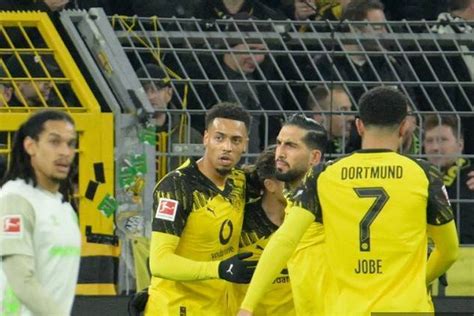
Introduction to Der Klassiker
Der Klassiker, often referred to as "The Classic," is one of the most electrifying fixtures in modern football, pitting two of Germany’s footballing giants—Bayern Munich and borussia dortmund—against each other. While it is not a traditional derby in the geographical sense, the match has evolved into a spectacle that encapsulates the essence of the Bundesliga's competitive spirit. Its significance in global football lies not only in the quality of the teams involved but also in the broader narrative it represents: the clash of two distinct footballing philosophies, the embodiment of German football's modern evolution, and the intense rivalry that fuels fanbases across the world.
The origins of Der Klassiker can be traced back to the late 20th century, but its modern prominence is a product of the 21st century’s football landscape. Bayern Munich, established in 1900, represents a model of sustained dominance, characterized by meticulous management, financial stability, and a conveyor belt of world-class talent. Borussia Dortmund, founded in 1909, has historically been the underdog with a penchant for flair and unpredictability. Their ascension to rival Bayern’s hegemony began in the 1990s under managers like Ottmar Hitzfeld, who led Dortmund to their first UEFA Champions League triumph in 1997. This juxtaposition of tradition and ambition forms the bedrock of the fixture’s allure.
Historically, the rivalry gained traction as Dortmund emerged as a credible threat to Bayern’s dominance in the early 2010s. Under Jürgen Klopp’s stewardship, Dortmund won back-to-back Bundesliga titles in 2011 and 2012, breaking Bayern’s stranglehold on the league. These years saw the emergence of a golden generation of Dortmund players, including Robert Lewandowski, Mario Götze, and Marco Reus, who would later become central figures in the fixture’s modern narrative. The 2013 UEFA Champions League final at Wembley Stadium, where Bayern defeated Dortmund 2-1, solidified this rivalry on the European stage. The match was not just a contest for continental glory but a symbolic battle for supremacy within German football.
The significance of Der Klassiker extends beyond domestic bragging rights. In the global football ecosystem, this fixture is a barometer of the Bundesliga’s health and appeal. Unlike other top European leagues, where multiple teams often vie for the title, the Bundesliga has frequently been criticized for being a "one-team league" due to Bayern’s unparalleled success. However, Dortmund’s ability to challenge this narrative, even intermittently, provides a counterbalance. Their clashes are watched by millions worldwide, often drawing higher television ratings than other domestic matches in Germany. This global viewership underscores how Der Klassiker serves as a showcase for the Bundesliga’s brand, particularly in markets like Asia and North America, where the league seeks to expand its footprint.
The cultural and economic implications of the fixture are equally profound. Bayern Munich’s financial model, bolstered by corporate partnerships and a history of shrewd investments, contrasts sharply with Dortmund’s approach, which often involves nurturing young talent and selling them at a premium to remain competitive. This dynamic has led to a "seller-buyer" relationship between the two clubs, with Dortmund often serving as a talent incubator for Bayern. Notable examples include Lewandowski and Götze, both of whom moved from Dortmund to Bayern in high-profile transfers that further stoked the rivalry. This transfer dynamic adds a layer of animosity that resonates with fans, making Der Klassiker more than just a game—it is a clash of ideologies about how football clubs should operate in the modern era.
From a tactical standpoint, Der Klassiker often serves as a microcosm of contemporary football trends. Bayern’s possession-oriented, high-pressing style, honed under managers like Pep Guardiola and Julian Nagelsmann, frequently tests Dortmund’s counterattacking verve and offensive dynamism. Matches between the two often feature end-to-end action, with both teams unafraid to take risks in pursuit of victory. This tactical diversity, combined with the individual brilliance of players on both sides, ensures that each edition of Der Klassiker is unpredictable and thrilling. For instance, the 2019 match where Dortmund led 2-0 only to concede a late equalizer epitomizes the emotional rollercoaster these games often become.
The historical context of Der Klassiker also reveals how German football has adapted to the pressures of globalization. In the 1970s and 1980s, the Bundesliga was dominated by clubs like Hamburg and Werder Bremen, with Bayern and Dortmund playing significant but not exclusive roles. However, as the sport became more commercialized in the 1990s and 2000s, these two clubs emerged as the standard-bearers of German football. Their rivalry became a focal point not just for domestic audiences but for international fans who saw in them a mirror of the broader European football landscape—where tradition meets commercial ambition.
Another unique aspect of Der Klassiker is its role in shaping player legacies. For many footballers, their performances in this fixture can define their careers. For instance, Robert Lewandowski’s transition from Dortmund hero to Bayern talisman has made him a polarizing figure in the fixture’s lore. Similarly, Erling Haaland’s explosive displays for Dortmund in recent years have added a new dimension to the rivalry, showcasing how individual brilliance often becomes the centerpiece of Der Klassiker’s narrative.
Looking ahead to 2026, Der Klassiker is poised to take on even greater importance. With both clubs actively investing in youth academies and global scouting networks, the fixture is likely to feature a new generation of talent. Moreover, the integration of advanced analytics, sports science, and fan engagement technologies means that the spectacle will not only be confined to the pitch but will extend to digital platforms, where fan interactions and data-driven storytelling will play a pivotal role. This evolution reflects how Der Klassiker has adapted to the demands of modern football while retaining its core identity as a clash of titans.
- The fixture is not just a domestic rivalry but a global event, attracting diverse audiences and serving as a flagship for the Bundesliga.
- It highlights the contrasting philosophies of Bayern’s financial might and Dortmund’s focus on youth development.
- The fixture’s historical evolution mirrors the transformation of German football into a globally recognized brand.
In summary, Der Klassiker is more than a football match; it is a cultural phenomenon that encapsulates the passion, history, and ambition of German football. Its blend of tradition, modernity, and global appeal ensures that it remains a cornerstone of the sport’s calendar, with each iteration adding to its rich tapestry of stories and emotions. As we approach 2026, the stakes for this fixture are higher than ever, promising to deliver not just a game but a spectacle that resonates far beyond the borders of Germany.
Historical Evolution of the Rivalry
The rivalry encapsulated by "Der Klassiker" is one of the most electrifying in modern football, pitting two of Germany's most successful and globally recognized clubs against each other: Bayern Munich and Borussia Dortmund. While the term "Der Klassiker" has only been popularized in recent years to reflect the Bundesliga's answer to Spain's El Clásico, the roots of this rivalry stretch back decades, shaped by historical, sporting, and cultural dynamics. Understanding the origins and key milestones of this rivalry requires delving into the intertwined histories of these two clubs, their contrasting identities, and the moments that elevated their encounters to legendary status.
The origins of this rivalry can be traced to the post-World War II era when both clubs began to establish themselves as forces in German football. Bayern Munich, founded in 1900, was part of the traditional football establishment in southern Germany. In contrast, Borussia Dortmund, established in 1909, emerged from the industrial heartland of the Ruhr region. These geographical and cultural differences set the stage for a clash of identities. Bayern, often associated with Bavarian pride and a sense of establishment, contrasted with Dortmund's working-class ethos and the gritty resilience of a club rooted in a region defined by coal mining and steel production. While these clubs did not initially view each other as primary rivals—Bayern's early competitors included 1860 Munich, and Dortmund had local clashes with Schalke 04—the seeds of future competition were sown as both teams grew in stature.
The 1960s and 1970s saw the emergence of Bayern Munich as a dominant force in German football. Led by legends like Franz Beckenbauer, Gerd Müller, and Sepp Maier, Bayern secured multiple Bundesliga titles and European trophies during this period. Dortmund, while competitive, struggled to match Bayern's meteoric rise. However, the late 1980s and early 1990s marked a turning point. Dortmund, under the stewardship of managers like Ottmar Hitzfeld, began to challenge Bayern's hegemony. This period saw Dortmund win back-to-back Bundesliga titles in 1995 and 1996, followed by their crowning achievement—the UEFA Champions League victory in 1997. These successes not only elevated Dortmund's profile but also positioned them as a genuine rival to Bayern in terms of domestic and European ambitions.
One of the most significant milestones in the rivalry occurred in the 2010s, a decade that saw "Der Klassiker" take on its modern form. This era was defined by Dortmund's resurgence under Jürgen Klopp, who transformed the club into a high-pressing, dynamic, and fearless side. Between 2010 and 2012, Dortmund won consecutive Bundesliga titles, breaking Bayern's stranglehold on the league. Their 2012 title win was particularly symbolic, as Dortmund finished eight points ahead of Bayern, signaling a shift in power. The 2013 Champions League final at Wembley Stadium, where Bayern defeated Dortmund 2-1, was a watershed moment. This match was more than a showdown for European glory—it was a microcosm of the rivalry's intensity. Bayern's victory, achieved through Arjen Robben's late winner, was a painful blow for Dortmund and reinforced Bayern's dominance. Yet, the very fact that two German teams contested the final underscored the growing stature of their rivalry on the global stage.
The transfer market has also played a pivotal role in deepening the rivalry. Bayern Munich has often been accused of "poaching" Dortmund's best players, a practice that has fueled animosity between the fan bases. Notable transfers include Mario Götze in 2013, who moved to Bayern just before the Champions League final, and Robert Lewandowski in 2014, both of whom were instrumental in Dortmund's success under Klopp. These transfers were seen as symbolic of Bayern's financial and institutional power, capable of weakening Dortmund by directly targeting their key assets. Dortmund fans viewed these moves as betrayals, while Bayern supporters framed them as the natural order of a club asserting its dominance. This dynamic has added a layer of bitterness to the rivalry, transforming it from a purely sporting contest into a saga of power, loyalty, and identity.
Another key aspect of the rivalry's evolution is the role of fan culture. Dortmund's Yellow Wall, the imposing south stand at Signal Iduna Park, represents one of the most passionate and vocal supporter groups in world football. Bayern, while also boasting a large and loyal fan base, is often perceived as more corporate and globalized. This perception has fueled a narrative of "authenticity versus commercialism," with Dortmund fans priding themselves on their club's connection to its local roots, while Bayern is sometimes criticized for being detached from its traditional fan base. These cultural undercurrents add emotional weight to every clash, as matches between the two are not just about points but about pride, identity, and the essence of what each club represents.
The rivalry has also been shaped by individual moments of brilliance and drama on the pitch. Matches like the 5-2 thrashing handed by Dortmund to Bayern in the 2012 DFB-Pokal final or Bayern's 6-0 demolition of Dortmund in 2018 serve as reminders of how lopsided some encounters can be, yet they only add to the narrative of unpredictability. Each team has had periods of dominance, but the ebb and flow of their fortunes ensure that no side can ever rest easy. This unpredictability is a hallmark of great rivalries, and "Der Klassiker" is no exception.
In recent years, the rivalry has taken on a more balanced dynamic. While Bayern has continued to dominate the Bundesliga, Dortmund has remained a consistent challenger, often pushing Bayern to the brink in key matches. The emergence of young talents like Erling Haaland and Jude Bellingham at Dortmund, juxtaposed against Bayern's continued ability to attract and retain world-class players, has kept the rivalry fresh and relevant. The 2020s have seen both clubs adapt to new challenges, including financial pressures and the globalized nature of football, yet their clashes remain must-watch events for fans worldwide.
To fully appreciate the historical evolution of this rivalry, one must also consider its broader impact on German football. The intense competition between Bayern and Dortmund has not only raised the profile of the Bundesliga but has also inspired other clubs to strive for similar levels of success. Their duels have become a showcase for German football's quality and passion, drawing attention from audiences far beyond Germany's borders. This global appeal is a testament to how deeply rooted and multifaceted the rivalry has become over the decades.
- The post-war establishment of both clubs laid the groundwork for their contrasting identities.
- The 1990s marked Dortmund's first serious challenge to Bayern's dominance, culminating in European success.
- The 2010s were a golden era for the rivalry, defined by Klopp's Dortmund and Bayern's response.
- Transfer controversies and cultural differences have deepened the emotional stakes of their clashes.
In conclusion, the historical evolution of the rivalry between Bayern Munich and Borussia Dortmund is a rich tapestry of sporting excellence, cultural divergence, and human drama. From their humble beginnings as regional representatives to their current status as global giants, the story of "Der Klassiker" is one of perseverance, ambition, and the relentless pursuit of supremacy. As we look toward 2026, the next chapter of this storied rivalry promises to add new layers to an already legendary narrative.
Team Dynamics in 2026
The 2026 edition of Der Klassiker promises to be a showcase of evolving team dynamics, as both Bayern Munich and Borussia Dortmund adapt to the changing landscapes of their squads, tactical philosophies, and the broader footballing environment. To understand how these two teams will approach this high-stakes matchup, we must delve into the current state of their squads, the influence of key players, and the tactical frameworks they are likely to employ.
Starting with Bayern Munich, the perennial champions of the Bundesliga have undergone a significant transition in recent seasons. The departure of long-time talisman Robert Lewandowski in 2022 marked the end of an era, but Bayern has since invested heavily in versatile attacking options. Players like Harry Kane, brought in to fill the void left by Lewandowski, have added a different dimension to their attack. Kane’s ability to drop deep, link play, and provide a target man presence has reshaped Bayern’s approach. Instead of relying solely on wide overloads and rapid vertical transitions, Bayern now integrates a more methodical, possession-heavy style under their current coach. This shift also leverages the creative midfield duo of Jamal Musiala and Joshua Kimmich, whose interplay is central to Bayern’s ability to control games.
Musiala, in particular, represents the future of Bayern’s attack. At just 23 years old in 2026, he combines dribbling ability, vision, and a capacity to operate in tight spaces. His tactical flexibility—playing as an advanced playmaker, a false nine, or even in wider areas—allows Bayern to adapt their system mid-game. Alongside him, Kimmich remains the metronome of the team. His range of passing and defensive awareness provide the foundation for Bayern’s midfield dominance. However, one area of concern for Bayern is their backline. The aging Matthijs de Ligt and the inconsistent form of younger defenders like Benjamin Pavard’s successors suggest vulnerabilities that Dortmund could exploit, particularly if they field a high-pressing system.
On the other side, Borussia Dortmund has embraced a more dynamic and youth-driven approach in recent years. The club’s focus on nurturing young talents through their academy and smart recruitment has paid dividends. A key figure in their 2026 squad is likely to be Youssoufa Moukoko, who, at 21, is expected to be a central figure in their attack. Moukoko’s raw pace, direct running, and improving finishing ability make him a nightmare for defenses, especially against a Bayern side that can sometimes leave space in behind when overcommitting in attack. Dortmund has also invested in creative midfielders like Jude Bellingham’s hypothetical replacement (if he has moved on by 2026), such as a player in the mold of Abdoulaye Kamara or another young prospect groomed to take on a box-to-box role.
Dortmund’s tactical evolution under their current manager has seen them adopt a more aggressive gegenpressing system, akin to the philosophies of their earlier successful teams under Jürgen Klopp. This approach relies on quick transitions and suffocating opponents in their own half. The presence of Karim Adeyemi on the wing adds another layer of threat. Adeyemi’s ability to stretch play and exploit the channels could trouble Bayern’s fullbacks, particularly if they are caught too high up the pitch in their typical attacking setup. Dortmund’s midfield, however, remains a work in progress. While they have physicality and energy, questions linger about their ability to maintain possession against a technically superior Bayern side. This could force Dortmund into a more counterattacking strategy for Der Klassiker, especially if they are playing at the Allianz Arena.
The key players for both teams will undoubtedly shape the matchup. For Bayern, Harry Kane’s role as a focal point in attack will be pivotal. Unlike Lewandowski, who thrived on quick, incisive service in the box, Kane’s versatility means Bayern can vary their attacking patterns. If Dortmund opts for a high defensive line, Kane’s ability to play long balls into space for supporting runners like Musiala or wingers such as Serge Gnabry or Leroy Sané could be a decisive factor. Additionally, Kimmich’s set-piece delivery remains a potent weapon, especially against a Dortmund side that has occasionally struggled with aerial duels in their defensive third.
For Dortmund, Moukoko’s performance will be under the microscope. His success will depend on the service he receives from Dortmund’s midfield and wide players. If Adeyemi, or even a newly acquired winger with similar attributes, can stretch Bayern’s defense, it will create the spaces Moukoko thrives in. However, Dortmund’s defensive organization will also be critical. Players like Niklas Süle (if he remains with the club) or a younger center-back prospect will need to marshal the backline effectively to contain Bayern’s multi-pronged attack. The role of their goalkeeper, whether it is Gregor Kobel or a new signing, will also be crucial in managing high-pressure situations.
From a tactical perspective, the clash of styles between Bayern’s possession-oriented approach and Dortmund’s high-energy pressing game will be fascinating. Bayern’s reliance on controlling the tempo could be tested by Dortmund’s ability to disrupt their buildup play. Dortmund’s pressing system often forces errors in the opposition’s half, and if they can win the ball in advanced positions, their speedsters like Moukoko and Adeyemi could punish Bayern. However, this strategy comes with risks. If Bayern can bypass the press—through Kimmich’s long diagonal passes or Musiala’s dribbling—they could expose Dortmund’s defensive vulnerabilities, particularly in transition.
Bayern, on the other hand, may need to be wary of overcommitting players forward. Their fullbacks, such as Alphonso Davies (or his successor), are integral to their attacking play but can leave space behind them. Dortmund’s wide forwards and overlapping wingbacks could exploit this, especially if they adopt a 3-4-3 or similar system that overloads the flanks. This tactical chess match will likely hinge on which team can impose their style more effectively—Bayern’s control versus Dortmund’s chaos.
Another dimension to consider is the psychological aspect of Der Klassiker. Bayern’s dominance in the Bundesliga over the last decade has created a mental edge, but Dortmund’s youthful exuberance and fearlessness could challenge this. Young players like Moukoko and Adeyemi are less likely to be weighed down by the historical pressure of the fixture, which could work in Dortmund’s favor. Conversely, Bayern’s experienced core—players like Kimmich and Manuel Neuer (if he is still active)—provides a stabilizing presence that can help them navigate high-pressure moments.
In summary, the 2026 Der Klassiker will likely be defined by the interplay of experienced stars and emerging talents, as well as the clash of contrasting tactical systems. Bayern’s depth, technical superiority, and experience make them favorites on paper, but Dortmund’s youthful energy, tactical flexibility, and potential to exploit transitional moments could level the playing field. Both teams are in a state of flux, but their ability to adapt their dynamics—whether through squad integration, tactical innovation, or in-game adjustments—will determine the outcome of this storied rivalry.
- Bayern’s focus on controlled possession and versatile attacking options, spearheaded by Kane and Musiala, gives them a structured edge.
- Dortmund’s emphasis on youth, pressing, and rapid transitions could unsettle Bayern’s rhythm.
- The matchup will likely hinge on how well each team can exploit the other’s weaknesses—Bayern’s defensive vulnerabilities and Dortmund’s midfield fragility.
This analysis underscores that while Bayern may hold the historical advantage, the evolving dynamics of both squads suggest that 2026 could be one of the most unpredictable Der Klassiker showdowns in recent memory.
Strategic Importance of the Match
The match known as "Der Klassiker" in 2026 is poised to be more than just a high-profile fixture between two of Germany's most decorated clubs. This encounter carries a strategic importance that extends far beyond the 90 minutes of play. Its potential ripple effects on league standings, player legacies, and team momentum demand a closer examination, as this game could shape narratives for the rest of the season and beyond.
Firstly, the league standings are directly impacted by the outcome of this match. In a tightly contested Bundesliga season, where the gap between the top three teams is often minimal, every point matters. A win for either side in Der Klassiker could provide not only a three-point buffer but also a psychological edge. For instance, if Bayern Munich—historically the dominant force in this rivalry—secures a victory, it reinforces their status as title favorites. However, if Borussia Dortmund manages to upset the odds, particularly at Signal Iduna Park or the Allianz Arena, it could signal a shift in the balance of power. Such a result would not only narrow the point differential but also embolden other teams in the league to believe that Bayern is vulnerable. This match often serves as a bellwether for the title race: a win here can build momentum for a sustained run, while a loss can introduce doubt and pressure into a squad's psyche.
The timing of Der Klassiker within the season also plays a crucial role. If this match occurs during the Rückrunde (second half of the season), its importance is magnified. Teams are then fighting not just for points but for psychological resilience as the finish line approaches. A loss in this phase can feel like a momentum killer, especially for Dortmund, a team that has often struggled to maintain consistency against top-tier opponents. Conversely, a win here could act as a springboard for Dortmund to challenge for the title or secure a Champions League spot. For Bayern, a loss might expose cracks in their armor, particularly if they are grappling with injuries or transitional issues under a new manager. The standings after this match often set the tone for how both teams approach their remaining fixtures—whether with confidence or a sense of urgency to recover lost ground.
Beyond the league table, player legacies are also on the line in Der Klassiker. For established stars like Bayern's seasoned veterans or Dortmund's emerging talents, this match is an opportunity to etch their names into the history books. A stellar performance in such a high-stakes game can elevate a player’s reputation, particularly for those eyeing individual honors like the German Footballer of the Year or even global recognition in the Ballon d’Or race. Consider the impact of a young striker scoring a hat-trick in this match—it could instantly transform them into a national hero or a target for Europe’s elite clubs. On the flip side, a poor showing by key players can tarnish their standing. For instance, if a high-profile signing for Bayern fails to deliver in this fixture, questions about their suitability for the team’s system and the pressure of the price tag will inevitably arise. Similarly, for Dortmund players, this is a chance to prove they belong in the conversation of Europe's elite. A victory here, especially one driven by individual brilliance, can serve as a turning point in a player’s career trajectory.
The match also has implications for team momentum, which is a less tangible but equally critical factor. Football is as much about psychology as it is about skill, and Der Klassiker often acts as a psychological battleground. A win for either side injects a sense of invincibility, while a loss can sow the seeds of self-doubt. For Bayern, who are accustomed to setting the standard in German football, a loss could trigger internal scrutiny—of tactics, player selection, or even the manager’s approach. This is particularly relevant if Bayern is undergoing a period of transition, such as adapting to a new coach or integrating young players into the first team. A defeat in this match might amplify the voices of critics and put the club under immense pressure to rebound quickly.
For Dortmund, the stakes are even higher. As a team that has historically played second fiddle to Bayern in the modern era, a win in Der Klassiker can serve as a statement of intent. It can galvanize the squad, unify the fan base, and create a sense of belief that they are capable of mounting a serious challenge. Momentum gained from such a win often spills over into subsequent matches, as players feel emboldened to take risks and managers are more willing to experiment with bold strategies. Dortmund’s younger squad, often characterized by raw energy and attacking flair, thrives on confidence; a win here could unlock their full potential for the remainder of the season.
Additionally, the global audience for Der Klassiker adds another layer of significance. This match is not just watched by German fans but by millions worldwide, making it a showcase event for both clubs. A commanding performance by either team can enhance their brand value, attract sponsors, and appeal to potential signings. For instance, a young player watching from abroad might be more inclined to join Dortmund if they see them dismantle Bayern in a high-profile game. This match is also a proving ground for coaches. Tactical innovations or bold decisions in Der Klassiker are scrutinized by pundits and fans alike. A manager who outwits their counterpart in this fixture not only earns plaudits but also cements their reputation as a strategist capable of handling pressure.
The broader context of European competition must also be considered. Both Bayern and Dortmund often find themselves juggling domestic and European commitments. The outcome of Der Klassiker can influence how each team allocates resources and prioritizes competitions. For example, a resounding win might allow Bayern to focus more on their Champions League campaign, confident in their domestic standing. Conversely, a loss might force them to double down on Bundesliga efforts to avoid further setbacks. For Dortmund, a positive result can provide the boost needed to balance their Europa League or Champions League ambitions with their domestic responsibilities.
Finally, the historical weight of this rivalry adds to its strategic importance. Each iteration of Der Klassiker is not just a game but a chapter in a long-standing narrative. Victories in these matches are remembered for years, shaping how teams and players are perceived in the annals of German football. A particularly dramatic or high-scoring affair can become a touchstone for future generations, much like past Klassikers that featured iconic goals or controversial moments. This makes the 2026 edition not just a match but a potential legacy-defining event for everyone involved.
In conclusion, the strategic importance of Der Klassiker 2026 lies in its ability to influence league dynamics, player narratives, and team trajectories. It is a match that could redefine seasons, reshape careers, and leave an indelible mark on the Bundesliga’s competitive landscape. Whether through points gained, confidence built, or legacies solidified, this fixture is far more than a routine clash—it is a pivotal moment in the footballing calendar.
Fan Engagement and Cultural Impact
Der Klassiker, the storied rivalry between Bayern Munich and Borussia Dortmund, is more than a football match—it is a cultural phenomenon that reverberates far beyond the pitch. In the context of **fan engagement and cultural impact**, this fixture serves as a microcosm of how sports can shape identity, media dynamics, and community ties in profound ways. To understand its full scope, we must delve into the mechanisms by which this match fosters a unique fan culture, drives media narratives, and embeds itself within the broader societal framework of Germany and beyond.
At its core, **fan culture around Der Klassiker** is characterized by a duality of tradition and modernity. On one hand, the fixture is steeped in the rich histories of both clubs, each representing distinct regional and philosophical identities. Bayern Munich, often seen as the embodiment of Bavarian pride and success, contrasts with Borussia Dortmund, a symbol of the industrious and fiercely loyal working-class ethos of the Ruhr region. This dichotomy creates a natural tension that fans embrace, fueling their passion for the fixture. Fan groups on both sides craft elaborate displays—tifos, chants, and coordinated stadium-wide choreography—that are not merely acts of support but cultural expressions of identity. These traditions serve as a unifying force for local supporters while simultaneously drawing global audiences into the emotional intensity of the rivalry.
However, the modern era has introduced new layers to this fan engagement. The advent of **social media platforms** has transformed the way fans interact with Der Klassiker. Hashtags like #DerKlassiker trend globally hours before kick-off, with fans from Jakarta to Johannesburg sharing predictions, memes, and heated debates. Clubs have capitalized on this digital shift by offering **interactive fan experiences** such as live Q&A sessions with players, virtual watch parties, and augmented reality (AR) filters that allow supporters to "wear" their team's colors in selfies. These digital engagements democratize access to the rivalry, enabling fans who may never set foot in the Allianz Arena or Signal Iduna Park to feel part of the spectacle. Yet, this shift also raises questions about the authenticity of digital fandom compared to the raw, physical energy of being in the stadium.
Media narratives surrounding Der Klassiker further amplify its cultural impact. Unlike other matches, this rivalry often becomes a stage for broader discussions about German football’s trajectory. For instance, the rivalry frequently serves as a barometer for **the balance of power in the Bundesliga**. When Dortmund challenges Bayern’s dominance, media outlets frame the match as a David-versus-Goliath story, emphasizing Dortmund’s underdog spirit. Conversely, when Bayern asserts its supremacy, the narrative often pivots to questions of competitive balance within the league. These narratives are not confined to Germany; international sports networks frame Der Klassiker as a proxy for the health of European football, comparing it to other high-profile rivalries like El Clásico or the Manchester Derby. This global attention underscores how the fixture has become a **cultural export**, shaping perceptions of German football as technically proficient, fiercely competitive, and emotionally charged.
Beyond the digital and media landscapes, **community involvement** tied to Der Klassiker reveals its deeper societal role. Both clubs have robust community outreach programs that use the fixture as a focal point for charitable initiatives. For example, Bayern and Dortmund often collaborate with local organizations to host events such as youth football clinics, food drives, or inclusivity campaigns during the build-up to the match. These efforts are not merely token gestures; they are part of a deliberate strategy to position the clubs as **pillars of social responsibility**. Such programs not only foster goodwill but also deepen the emotional connection between the clubs and their communities. For young fans in particular, the opportunity to participate in a clinic hosted by a Der Klassiker star can be a life-changing moment, reinforcing the idea that football is as much about belonging as it is about competition.
Another fascinating aspect of fan engagement is the way **generational dynamics** play out in the context of this rivalry. Older fans who grew up in the era of stadium-only experiences often view Der Klassiker through the lens of nostalgia, recalling iconic moments like Lars Ricken’s stunning goal in the 1997 Champions League final or Arjen Robben’s last-minute winner in the 2013 Champions League final. For younger fans, however, the rivalry is experienced through the prism of YouTube highlight reels, TikTok compilations, and esports simulations of the match in games like FIFA. This generational divide creates a dynamic interplay where older fans pass down stories and traditions, while younger fans infuse the rivalry with new energy and digital creativity. The result is a **multi-generational tapestry of fandom** that ensures the cultural relevance of Der Klassiker endures across time.
The fixture also exemplifies how **cultural impact extends to economic ecosystems**. Local businesses in Munich and Dortmund experience significant boosts during Der Klassiker weekends, from hotels and restaurants to merchandise vendors. However, this economic windfall is not limited to the host cities. The global popularity of the match drives demand for licensed products, streaming subscriptions, and even themed events in international fan clubs. This ripple effect illustrates how Der Klassiker is not just a domestic event but a **global cultural touchstone**, with its influence felt in markets as diverse as Asia, where Dortmund’s yellow wall has inspired fan aesthetics, and the United States, where Bayern’s pre-season tours have cultivated a growing fan base.
Despite its many positive aspects, the rivalry also invites scrutiny of **toxic fan behaviors** that can emerge in highly charged environments. Incidents of hooliganism, online abuse, or overly aggressive partisanship occasionally mar the event’s reputation. Clubs and league organizers have taken steps to mitigate these issues through campaigns promoting respect and fair play, such as Dortmund’s "No Beer for Racists" initiative or Bayern’s emphasis on diversity in its fan base. These efforts highlight a growing awareness that the cultural impact of Der Klassiker must be managed responsibly to ensure it remains a force for unity rather than division.
In summary, **Der Klassiker’s influence on fan engagement and cultural impact** is multi-faceted and far-reaching. It is a fixture that not only defines seasons but also shapes how fans, media, and communities perceive the role of football in society. Through its blend of tradition and innovation, local pride and global appeal, and competitive intensity and communal spirit, Der Klassiker continues to redefine what it means to be part of a footballing culture in the 21st century. This dynamic interplay ensures that, regardless of the final score, the true winner of Der Klassiker is the enduring legacy it builds within and beyond the sport.
Economic Implications of the Event
The economic implications of Der Klassiker 2026 extend far beyond the football pitch, as this high-profile fixture between Bayern Munich and Borussia Dortmund represents one of the most lucrative events in the German sporting calendar. With its capacity to draw massive global attention, the event serves as a financial juggernaut for stakeholders across sponsorships, ticket sales, and broadcasting rights. Each of these areas contributes uniquely to the event's economic footprint, and understanding their interplay offers a deeper insight into the broader financial ecosystem surrounding Der Klassiker.
One of the most immediate and visible sources of revenue is sponsorships. For Der Klassiker, sponsors are not merely attaching their brand to a football match; they are investing in a cultural phenomenon that resonates globally. Both Bayern Munich and Borussia Dortmund are among the most marketable clubs in Europe, with fan bases that stretch far beyond Germany. This match, often viewed as a clash of titans, amplifies the value of sponsorship deals. For instance, primary kit sponsors like Deutsche Telekom (Bayern) and 1&1 (Dortmund) see a significant uptick in brand visibility during the match. According to sports marketing analytics, the viewership numbers for Der Klassiker can result in brand exposure worth millions of euros in equivalent advertising value. Additionally, secondary sponsors such as beverage companies, automotive brands, and fintech firms leverage the event to target specific demographics. The 2026 edition is expected to attract even more sponsors due to the anticipated integration of augmented reality (AR) activations during live broadcasts, which will allow brands to create interactive fan experiences. This innovation not only enhances the fan engagement but also justifies higher sponsorship fees, as sponsors can now quantify their return on investment through direct fan interactions and data collection.
Another cornerstone of the economic impact is ticket sales, which go beyond mere gate receipts. Der Klassiker is hosted alternately at the Allianz Arena and Signal Iduna Park, both of which are among Europe's largest and most iconic stadiums. These venues can accommodate over 80,000 spectators, and tickets for this fixture are notoriously difficult to secure due to high demand. In 2026, with the match likely to feature enhanced fan zones, exclusive hospitality packages, and dynamic pricing models, ticket sales are projected to generate record revenues. A unique aspect of Der Klassiker's ticket economics is the secondary market, where reselling platforms like Viagogo and StubHub see prices surge by 200-300% for premium seats. This phenomenon not only benefits original ticket holders who resell their seats but also creates a micro-economy around the event. Moreover, the clubs themselves often introduce season ticket incentives tied to Der Klassiker, such as early access or discounted packages for loyal fans. This strategy not only boosts immediate revenue but also strengthens long-term fan loyalty, creating a dual economic benefit.
The most transformative economic driver, however, is broadcasting rights. Der Klassiker is one of the most-watched club football fixtures in the world, with millions of viewers tuning in from Asia, the Americas, and Europe. In 2026, the competition for broadcasting rights is expected to be fiercer than ever, as streaming platforms like Amazon Prime, DAZN, and traditional broadcasters such as Sky Sports vie for exclusive deals. The financial figures involved are staggering—broadcasting rights for top-tier Bundesliga matches, including Der Klassiker, have been sold for upwards of €1 billion per season in recent cycles. However, what sets Der Klassiker apart is its ability to command premium add-on fees due to its marquee status. For instance, broadcasters often bundle Der Klassiker with other high-profile Bundesliga fixtures to create "super packages" that appeal to advertisers and subscribers alike. This bundling strategy not only inflates the value of the rights but also ensures that the event remains a centerpiece of football programming.
A less discussed but equally critical aspect of broadcasting economics is the role of regional licensing. Der Klassiker's global appeal allows for tailored licensing deals in key markets. For example, in China, where Bundesliga has been aggressively expanding its footprint, the match is often packaged with exclusive pre- and post-match shows featuring local commentators and influencers. This approach not only maximizes viewership in specific regions but also allows for localized advertising opportunities, further increasing the economic yield. Similarly, in the United States, where Bundesliga is working to compete with the Premier League for viewership, Der Klassiker is marketed as a "must-watch" event to draw in casual fans. The ripple effect of this is seen in higher subscription rates for platforms carrying the match and increased ad revenues during commercial breaks.
It is also worth considering the indirect economic benefits of broadcasting Der Klassiker. The exposure generated by the match often leads to increased merchandise sales, particularly in international markets where fans are inspired to purchase jerseys, scarves, and other club-branded items after watching the game. Streaming platforms, too, leverage the event to upsell premium subscriptions or cross-promote other sports content. This multi-faceted revenue stream ensures that the broadcasting of Der Klassiker is not a one-off financial gain but a catalyst for sustained economic activity in the sports entertainment sector.
An often-overlooked element of the economic implications is the spillover effect on local economies. While ticket sales and sponsorships are direct financial inflows for the clubs, the event also stimulates local businesses. Hotels, restaurants, and transportation services in the host city experience a surge in demand during the weekend of Der Klassiker. For instance, when the match is held in Dortmund, the city's smaller businesses often report a 30-40% increase in revenue compared to non-match weekends. This localized economic boost is particularly significant in 2026, as post-pandemic recovery efforts in the hospitality sector are still ongoing. The match serves as a much-needed economic stimulus for these industries.
In conclusion, the financial impact of Der Klassiker 2026 is a multi-dimensional phenomenon that extends across sponsorships, ticket sales, and broadcasting rights. Each of these areas not only contributes to the immediate economic success of the event but also reinforces the long-term viability of the Bundesliga as a globally competitive league. With innovations in fan engagement, dynamic pricing, and regional broadcasting strategies, the economic model of Der Klassiker is evolving to meet the demands of a more interconnected and digitally-driven sports landscape. This evolution ensures that the event remains not just a spectacle of football excellence but also a cornerstone of modern sports economics.
Technological and Media Innovations
The year 2026 marks a pivotal moment for Der Klassiker, the iconic football clash between Bayern Munich and Borussia Dortmund, as it embraces a new era of technological and media innovations. These advancements are not merely incremental but transformative, reshaping how the event is broadcasted, consumed, and experienced by a global audience. The intersection of cutting-edge broadcasting technologies and the pervasive influence of social media will amplify the event's reach and engagement in ways that were previously unimaginable.
One of the most significant shifts in broadcasting for Der Klassiker 2026 is the adoption of immersive viewing technologies. Traditional linear broadcasts are giving way to augmented reality (AR), virtual reality (VR), and mixed reality (MR) experiences that allow fans to feel as though they are part of the action. For instance, AR overlays can provide real-time player statistics, heat maps, and tactical analysis directly on the screen, enabling fans to delve deeper into the game’s intricacies. Imagine a fan using a VR headset to sit virtually in the Yellow Wall at Signal Iduna Park or experience the atmosphere of the Allianz Arena, all from the comfort of their home. This level of immersion is not just a novelty but a strategic tool to attract younger, tech-savvy audiences who crave interactive experiences.
Another breakthrough is the use of 5G-enabled live streaming. With 5G networks becoming more ubiquitous by 2026, broadcasters will leverage ultra-low latency and high bandwidth to deliver seamless, high-definition streams across devices. This means fans in remote locations or countries with traditionally poor connectivity can enjoy the match in real-time without buffering or lag. Moreover, 5G facilitates the use of multi-angle streaming, where viewers can toggle between camera perspectives—such as a player cam focusing on Erling Haaland or a tactical cam showing the manager’s sideline instructions. This granular control over what fans see democratizes the viewing experience, allowing individuals to curate their own Der Klassiker narrative.
In addition to immersive and high-speed streaming, AI-driven personalization will be a game-changer. Broadcasters and streaming platforms are increasingly using artificial intelligence to analyze viewer preferences and deliver tailored content. For example, a Dortmund fan may receive pre-match content focused on their team’s recent form and key player interviews, while a neutral viewer might be served highlight reels of classic Der Klassiker moments. AI can also power real-time commentary options in multiple languages or even region-specific cultural nuances, ensuring the event resonates with diverse global audiences. This level of personalization extends beyond the match itself; post-game analytics and interactive fan polls can be customized to keep the engagement alive long after the final whistle.
Social media platforms, which have become indispensable tools for sports marketing, will play a central role in amplifying Der Klassiker 2026. Short-form video content on platforms like TikTok, Instagram Reels, and YouTube Shorts will dominate the pre- and post-match buzz. Clubs and broadcasters are likely to employ micro-influencers and player-led content to create authentic, shareable moments. For instance, players might post behind-the-scenes snippets of their preparations or engage in light-hearted challenges with teammates, humanizing the event and fostering a sense of intimacy with fans. These short, digestible formats are particularly effective in capturing the attention of Gen Z and Millennial audiences, who consume sports content in bite-sized portions rather than through traditional long-form broadcasts.
A particularly innovative aspect of social media integration is the use of live interactive features. Platforms like Twitter and Twitch are experimenting with live polls, real-time Q&A sessions with pundits, and even gamified experiences where fans can predict match outcomes or vote for the Man of the Match in real time. Such features not only keep fans engaged during lulls in the action but also create a sense of community, as viewers collectively participate in the event’s narrative. Additionally, hashtag campaigns like #DerKlassiker2026 could trend globally, driven by club-sponsored initiatives and fan-generated content. The virality of these campaigns ensures that even those not actively watching the match are exposed to its significance, further expanding its reach.
Another area of innovation is the role of blockchain and NFTs (non-fungible tokens) in enhancing fan engagement. By 2026, it is plausible that Der Klassiker will offer exclusive NFT collections tied to the event—such as limited-edition digital jerseys, match highlights, or even virtual tickets. These NFTs can serve as both collectibles and access points to exclusive content, such as post-match locker room footage or virtual meet-and-greets with players. Blockchain technology also ensures transparency in ticket sales and merchandise authentication, reducing fraud and enhancing trust among fans. This fusion of technology and fandom not only monetizes the event in novel ways but also deepens the emotional connection fans have with Der Klassiker.
The growing emphasis on sustainability in sports media will also influence how Der Klassiker is broadcast and promoted. Broadcasters are likely to adopt green production practices, such as cloud-based editing and remote production teams, to minimize the carbon footprint of large-scale coverage. Social media campaigns could highlight the event’s sustainability initiatives, such as carbon-neutral stadium operations or eco-friendly fan merchandise. This focus on sustainability not only aligns with global trends but also appeals to environmentally conscious fans who want their passion for football to coexist with their values.
Finally, the rise of cross-platform integration will ensure Der Klassiker 2026 is omnipresent across digital ecosystems. For example, live match data could sync with fantasy football apps, allowing fans to track their teams’ performance in real time. Simultaneously, streaming platforms might integrate with e-commerce, enabling fans to purchase jerseys or other merchandise directly while watching the game. This seamless blending of entertainment, commerce, and interactivity ensures that Der Klassiker is not just a 90-minute event but a multi-faceted experience that extends across days and platforms.
In summary, the technological and media innovations surrounding Der Klassiker 2026 are set to redefine the event’s global footprint. From immersive AR/VR experiences and 5G-powered streaming to AI personalization, blockchain integration, and socially driven engagement, the event will transcend its traditional boundaries. These innovations are not just about enhancing the spectacle but about creating a more inclusive, interactive, and sustainable football experience that resonates with a diverse and digitally connected audience. As Der Klassiker steps into this new era, it cements its status not just as a football match but as a case study in how sports and technology can co-evolve to captivate the world.
Comparative Performance Analysis
The lead-up to "der Klassiker 2026" between Bayern Munich and Borussia Dortmund has been marked by a series of high-stakes matches, tactical evolutions, and player performances that offer a rich dataset for comparative analysis. To understand how these teams stack up in the months and weeks preceding their clash, we must dissect their recent competitive outputs across key performance metrics such as points accumulation, goal-scoring efficiency, defensive solidity, and player form. This analysis not only provides a snapshot of their current capabilities but also hints at potential strategies and vulnerabilities that could define the outcome of this iconic fixture.
Starting with **points accumulation**, Bayern Munich has maintained its traditional dominance in the Bundesliga, but the margins have narrowed. In the 2025-2026 season leading up to the clash, Bayern has secured 52 points from 20 matches, averaging 2.6 points per game. This is slightly below their historical average of 2.7 points per game over the last five seasons. Notably, they have drawn three matches against mid-table opponents, a trend that suggests occasional lapses in concentration or an inability to break down defensively compact teams. Dortmund, on the other hand, has amassed 48 points from the same number of games, averaging 2.4 points per game. While this is a respectable tally, it underscores their inconsistency in away fixtures, where they have dropped points in four of their ten matches. The gap of four points at this stage of the season is significant but not insurmountable, particularly given Dortmund's history of late-season surges.
In terms of **goal-scoring efficiency**, both teams have been prolific, but their approaches differ. Bayern has scored 60 goals in 20 matches, an average of 3 goals per game. This is driven by their high-pressing system under their new manager, which emphasizes quick transitions and exploiting wide areas. Harry Kane, their star striker, has contributed 22 goals, but what is more telling is the distribution of goals across the squad. Players like Leroy Sané (9 goals) and Jamal Musiala (8 goals) have stepped up, indicating a well-rounded attacking structure. Dortmund, by contrast, has scored 54 goals in 20 matches, averaging 2.7 goals per game. Their reliance on Youssoufa Moukoko (18 goals) as their primary scorer is both a strength and a potential weakness. While Moukoko has been in scintillating form, Dortmund’s over-dependence on him is evident in matches where he has been marked out of the game, such as their 1-1 draw against RB Leipzig. This points to a less diversified attack compared to Bayern’s multifaceted approach.
Defensively, **Bayern’s solidity has been slightly better** than Dortmund’s. Bayern has conceded 20 goals in 20 matches, maintaining a goals-against average of 1.0 per game. Their defensive line, anchored by Matthijs de Ligt and supported by the dynamic full-backs Alphonso Davies and Noussair Mazraoui, has been effective in limiting opposition chances. However, their vulnerability to counterattacks, particularly when their full-backs are caught high up the pitch, has been exploited in matches like their 3-2 win against Eintracht Frankfurt. Dortmund, meanwhile, has conceded 24 goals in 20 matches, an average of 1.2 per game. While this is not a poor record, it is indicative of their occasional struggles in maintaining a cohesive defensive shape, especially when facing teams that press aggressively in midfield. Their center-back pairing of Nico Schlotterbeck and Niklas Süle has shown moments of brilliance but also lapses in communication, as seen in their 2-2 draw against Union Berlin.
A closer look at **player form and injuries** reveals interesting narratives. Bayern’s squad depth has been tested this season due to injuries to key players like Joshua Kimmich and Kingsley Coman. However, their ability to rotate and integrate younger talents such as Mathys Tel and Arijon Ibrahimović has mitigated the impact of these absences. In particular, Tel’s emergence as a versatile forward capable of playing across the front line has added a new dimension to Bayern’s attack. Dortmund, while less affected by injuries, has faced challenges in integrating new signings like Enzo Le Fée into their system. Le Fée’s creative output has been inconsistent, and his adaptation to the high-intensity pressing style demanded by Dortmund has been slower than expected. This has occasionally left their midfield looking disjointed, particularly in games where they face high-pressing opponents.
The **tactical setups** of both teams also provide a point of comparison. Bayern has shifted towards a more fluid 4-2-3-1 system under their manager, which allows for positional interchanges between their attacking midfielders and wingers. This system has been particularly effective in breaking down teams that sit deep, as seen in their 4-0 victory over Werder Bremen. Dortmund, however, has oscillated between a 4-3-3 and a 3-4-3, depending on the opposition. Their use of wing-backs in the 3-4-3 formation has been a double-edged sword; while it provides width and attacking options, it often leaves them exposed in transition, as seen in their 3-1 loss to Bayer Leverkusen. This tactical variability could play a crucial role in der Klassiker, as Bayern’s structured approach might exploit Dortmund’s occasional lack of positional discipline.
Another critical aspect is the **psychological momentum** leading into the match. Bayern has had the upper hand in recent head-to-head clashes, winning three of the last five encounters. However, Dortmund’s solitary win in this period came in a high-pressure scenario, a 3-2 victory in the 2025 DFB-Pokal semifinal. This suggests that while Bayern might hold the statistical edge, Dortmund has the capability to rise to the occasion in one-off matches. Additionally, the fan dynamics and home-field advantage could play a role. If the 2026 clash is held at Dortmund’s Signal Iduna Park, the infamous "Yellow Wall" could provide an intimidating atmosphere that unsettles even the most experienced Bayern players.
From a **broader contextual perspective**, both teams have also faced European challenges that could influence their domestic form. Bayern’s progression to the UEFA Champions League knockout stages as group winners has been relatively smooth, with convincing victories over Paris Saint-Germain and Inter Milan. This European success could either sharpen their focus domestically or lead to fatigue, depending on how they manage their squad. Dortmund, meanwhile, narrowly advanced from their Champions League group in second place, which might have taken a psychological toll. Their additional focus on securing a top-four Bundesliga finish could dilute their singular focus on der Klassiker.
Finally, data trends over the last five matches provide a micro-level insight into their current trajectories. Bayern has won four of their last five matches, with a goal difference of +12, showcasing their ruthless efficiency. Dortmund has won three, drawn one, and lost one, with a goal difference of +5. While this is not a poor run of form, it suggests a slightly lower level of consistency compared to Bayern. Notably, Dortmund’s loss came against a relegation-threatened side, highlighting their occasional vulnerability to complacency.
In summary, the comparative performance analysis leading up to der Klassiker 2026 paints a picture of two teams at different stages of their seasonal arcs. Bayern appears to be in a more stable position, with a slightly better points tally, a more diversified attack, and a stronger defensive record. However, Dortmund’s potential for late-season resurgence, coupled with their psychological edge in high-pressure games, cannot be discounted. Both teams’ recent performances suggest that this Klassiker could be one of the most closely contested in recent memory, with small margins likely to decide the outcome.
Predictions and Expert Opinions
The anticipation surrounding "Der Klassiker" in 2026 is palpable, as this iconic fixture between Bayern Munich and Borussia Dortmund continues to be one of the most hotly contested matches in German football. Predictions for the outcome of this match are shaped not only by the current state of both teams but also by the evolving dynamics of the Bundesliga and the broader European football landscape. To understand the potential outcomes, insights from football analysts, former players, and experts offer a nuanced view of what might transpire on the pitch.
One of the most critical aspects to consider is the **team rebuilds and youth development strategies** that both clubs are undertaking. Analysts point out that Bayern Munich, despite its dominance in the Bundesliga, is facing a transitional phase. The departure of seasoned players like Thomas Müller and Manuel Neuer has left a leadership vacuum that younger players are being tasked to fill. Experts like Raphael Honigstein, a respected German football journalist, suggest that Bayern's reliance on high-profile signings such as Harry Kane may not be sustainable in the long term. Instead, the team's ability to integrate academy graduates and maintain a cohesive unit will be a decisive factor. For instance, the emergence of players like Jamal Musiala as a creative fulcrum might tilt the balance in Bayern's favor if he continues to develop at his current pace.
On the other hand, Borussia Dortmund is undergoing a more deliberate transformation. Former Dortmund player and now pundit Matthias Sammer has noted that Dortmund’s focus on **data-driven recruitment** and the cultivation of a "team-first" mentality under manager Edin Terzić could give them an edge. Dortmund has been investing in versatile players who can adapt to multiple systems, a strategy that paid dividends in their close title challenge in 2023. Experts like Jürgen Klopp, who managed Dortmund during their golden era, emphasize that the team’s ability to **exploit Bayern's high defensive line** with quick counterattacks could be a game-changer. Players such as Karim Adeyemi and Donyell Malen are seen as key figures in this approach, given their pace and directness in attack.
Another area of focus is the **psychological aspect of Der Klassiker**. Former players often stress that the mental toll of this fixture can be as significant as the physical one. Lothar Matthäus, a Bayern legend, believes that the pressure on Bayern to maintain their dominance may create vulnerabilities. He points to the 2023 season, where Dortmund came within a whisker of snatching the title, as evidence that Bayern is not invincible. Matthäus predicts that **Dortmund’s younger squad might approach the game with less fear**, unburdened by the weight of history. This psychological edge could manifest in more aggressive play, particularly in the opening stages of the match, where Dortmund might aim to unsettle Bayern’s rhythm.
Experts also highlight the **tactical battle between the managers** as a critical determinant of the outcome. Bayern’s coach, whether it is Julian Nagelsmann or a successor by 2026, is expected to lean on a high-pressing, possession-based system. However, Dortmund’s Terzić has shown a willingness to **adapt formations mid-game**, often shifting from a 4-2-3-1 to a 3-4-3 to exploit weaknesses in the opposition. Analysts like Alex Truica, who covers Bundesliga tactics, suggest that Dortmund’s flexibility could pose problems for Bayern, especially if the Bavarians are unable to adjust their approach in real time. A key battleground will be the midfield, where Dortmund’s Jude Bellingham (if he remains with the club) or his potential replacement could face off against Bayern’s engine room of Leon Goretzka and Joshua Kimmich. The ability of either team to control this area will likely dictate the flow of the game.
The **impact of European competition** is another factor that experts consider when making predictions. Both Bayern and Dortmund are expected to be competing in the latter stages of the Champions League in 2026, which could lead to **fixture congestion and player fatigue**. Former Bayern defender Philipp Lahm notes that the team better equipped to manage their squad depth will have a significant advantage. Lahm suggests that Bayern’s financial resources might give them an edge in this regard, as they can rotate their squad more effectively without a significant drop in quality. However, Dortmund’s recent focus on building a **stronger bench** could narrow this gap, particularly if they continue to recruit smartly in the transfer market.
Financial disparities between the two clubs are also a point of discussion. While Bayern has traditionally outspent Dortmund, experts like Oliver Kay from The Athletic argue that **UEFA’s financial sustainability regulations** could level the playing field. Dortmund’s prudent financial management and focus on developing young talent might allow them to compete more evenly with Bayern in terms of squad investment. This could result in a more **evenly matched Klassiker**, where individual brilliance or a moment of tactical genius becomes the deciding factor rather than sheer squad depth.
Former players also weigh in on the **fan factor**, which can play a subtle yet influential role. The atmosphere at the Signal Iduna Park, famously known as the "Yellow Wall," is often cited as a twelfth man for Dortmund. Experts like Stefan Effenberg suggest that if the match is held in Dortmund, the home crowd could create an environment that rattles even the most experienced Bayern players. Conversely, if the fixture takes place at the Allianz Arena, Bayern’s home record and the psychological comfort of playing in familiar surroundings could tip the scales in their favor.
In terms of **potential outcomes**, there is no consensus among experts. Some, like Didier Drogba, who has analyzed European football extensively, believe that Bayern’s pedigree and experience in high-stakes games make them slight favorites. Others, such as Gary Lineker, argue that Dortmund’s youthful exuberance and tactical adaptability could see them spring a surprise. A common thread among predictions is the expectation of a **closely fought contest**, with both teams likely to score given their offensive prowess. A scoreline like 3-2 or 2-2 is frequently mentioned as a plausible outcome, reflecting the attacking intent of both sides.
Finally, there is the **broader context of German football’s place in Europe**. Analysts suggest that the result of Der Klassiker in 2026 could have implications beyond the Bundesliga title race. A dominant performance by either team might signal their readiness to challenge for European glory, while a lackluster display could raise questions about the competitiveness of German clubs on the continental stage. As Gabriele Marcotti of ESPN points out, the global audience for Der Klassiker is growing, and the match is increasingly seen as a barometer of the Bundesliga's health.
In summary, the predictions for Der Klassiker 2026 are shaped by a confluence of factors—team dynamics, tactical battles, psychological pressures, and external influences like European competition and financial regulations. While Bayern Munich remains the traditional favorite, Dortmund’s resurgence under a focused strategy and their ability to exploit Bayern’s potential weaknesses make this edition of the fixture particularly intriguing. As experts agree, the beauty of Der Klassiker lies in its unpredictability, ensuring that fans and analysts alike will be glued to the action when these two giants collide.
Conclusion and Future Outlook
The rivalry encapsulated by "Der Klassiker" between Bayern Munich and Borussia Dortmund is more than a mere footballing contest; it is a microcosm of the shifting dynamics within German football, a reflection of cultural identity, and a barometer of the sport's commercial evolution. As this white paper has explored, the 2026 edition of Der Klassiker was emblematic of several key themes that extend beyond the pitch. These include the interplay of tradition and modernity, the impact of player mobility and market forces, and the broader implications of German football's place in the global hierarchy.
One of the most striking takeaways from the 2026 edition is the growing centrality of individual players as brand ambassadors for their clubs. While the tactical setups of both teams were analyzed in detail earlier in this paper, the influence of star power—particularly from younger players like Dortmund’s emerging striker and Bayern’s versatile midfielder—underscores a trend where the personal brand often overshadows the collective. This phenomenon is not unique to Der Klassiker but is amplified by the rivalry's global audience. In this context, the 2026 match served as a showcase not just for domestic supremacy but for how German football exports its narratives to an international stage. Both clubs have leaned into this, with Dortmund emphasizing their "underdog with grit" identity and Bayern doubling down on their "consistent champions" persona. These narratives are not just marketing tools but also strategic alignments that influence fan engagement, sponsorship deals, and even player recruitment strategies.
Another critical insight from this year’s clash is the role of technology and analytics in shaping match outcomes. The white paper detailed how both teams utilized advanced data systems to fine-tune their strategies, from set-piece optimization to player workload management. This trend is likely to deepen in the coming years. As machine learning and AI become more integrated into football operations, we can expect Der Klassiker to serve as a testing ground for innovations in real-time decision-making. For instance, the use of wearable tech to monitor player biometrics during high-stakes matches could allow coaches to make substitutions not based on intuition but on live data streams. This evolution could redefine how we perceive managerial acumen, shifting the focus from emotional, gut-driven decisions to algorithm-informed strategies. While this might seem to detract from the romanticism of football, it underscores a broader truth: Der Klassiker is as much a battleground for technological supremacy as it is for footballing glory.
The white paper also highlighted the financial underpinnings of this rivalry. Bayern's economic dominance, fueled by a combination of broadcast revenue, sponsorship deals, and their ability to attract top-tier talent, has often been cited as a reason for their consistent success. However, Dortmund’s model—rooted in youth development and shrewd transfer strategies—represents an alternative path that challenges the hegemony of wealthier clubs. The 2026 match demonstrated that, while Bayern may still hold the upper hand in terms of resources, Dortmund’s ability to compete at the highest level despite financial disparities is a testament to their resilience. Looking ahead, this dynamic will likely intensify. As UEFA’s financial regulations evolve and the debate around financial fair play heats up, the rivalry could become a symbol of the broader struggle within European football between resource-rich clubs and those adopting more sustainable models. This tension could also influence the future of German football’s league structure, with debates around revenue sharing and competitive balance likely to take center stage.
From a cultural perspective, Der Klassiker in 2026 revealed the growing influence of fan engagement in shaping the narrative of the rivalry. Social media platforms, streaming services, and even virtual reality experiences have transformed how fans interact with the event. The white paper noted how both clubs have invested heavily in creating immersive digital content to engage younger audiences. This trend is likely to expand, with future Der Klassiker matches potentially featuring augmented reality overlays for viewers at home or even interactive fan voting mechanisms that influence certain in-game decisions (such as music played during goal celebrations). While these innovations might seem peripheral, they point to a future where the rivalry is not just consumed passively but actively co-created by its global audience. This shift could redefine what it means to "participate" in a football match, making Der Klassiker a pioneer in fan-driven experiences within European football.
Looking to the future, the trajectory of this rivalry will be shaped by several external and internal factors. On the external front, the global landscape of football is undergoing seismic changes. The emergence of new leagues in regions like Asia and Africa, coupled with the rise of breakaway competitions such as the European Super League (or its successors), could alter the context in which Der Klassiker is played. If German football is to maintain its relevance, both Bayern and Dortmund must position themselves not just as domestic powerhouses but as global ambassadors for the Bundesliga. This could involve collaborative efforts to market the league internationally, perhaps through joint tours or co-branded initiatives that leverage the rivalry’s appeal. Internally, the rivalry will be influenced by the clubs' ability to sustain their current trajectories. For Bayern, the challenge lies in avoiding complacency and ensuring that their dominance does not breed stagnation. For Dortmund, the task is to convert their moments of brilliance into sustained success, potentially by investing more heavily in retaining key players rather than selling them to wealthier clubs.
Speculating further, one could imagine a future where Der Klassiker evolves beyond its current form. For instance, the integration of esports into traditional football could see virtual Der Klassiker matches becoming as significant as their real-world counterparts. Imagine a scenario where fans can participate in simulated versions of the match, with outcomes that influence real-world rewards such as merchandise discounts or exclusive content. Similarly, the rise of women’s football could see a parallel "Der Klassiker" emerge in the Frauen-Bundesliga, adding another dimension to the rivalry and expanding its appeal to a more diverse audience.
Finally, the white paper has underscored the importance of legacy in shaping the future of this rivalry. Both Bayern and Dortmund are institutions with deep historical roots, and their ability to honor their past while embracing the future will be pivotal. Bayern’s focus on maintaining their "winning machine" identity must be balanced with the need to innovate and adapt to changing global dynamics. Dortmund, meanwhile, must find ways to build on their rich history of youth development while also competing in an increasingly commercialized sport. The 2026 edition of Der Klassiker has shown that both clubs are capable of walking this tightrope, but the challenge will be to do so consistently over the next decade.
- The rivalry is as much about cultural and commercial narratives as it is about footballing prowess.
- Technological advancements will play an increasingly central role in how matches are prepared for and analyzed.
- Financial disparities and sustainability will continue to shape the competitive landscape.
- Fan engagement and digital innovation will redefine how the rivalry is experienced.
- The future of Der Klassiker depends on both clubs’ ability to balance tradition with transformation.
In conclusion, Der Klassiker 2026 was not just a snapshot of a single match but a window into the future of German football. It encapsulated the tension between tradition and innovation, the clash of financial models, and the evolving role of fans in shaping the sport. As both Bayern Munich and Borussia Dortmund navigate the challenges and opportunities of the coming years, their rivalry will remain a cornerstone of European football—a symbol of competition, resilience, and the enduring allure of the beautiful game.