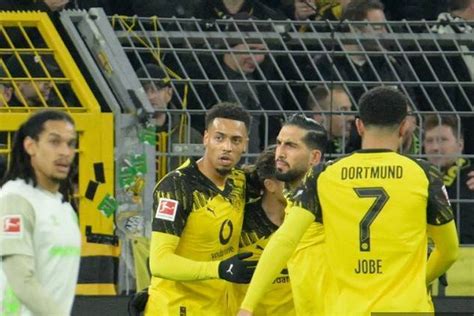
Introduction to the Revierderby
The Revierderby is one of the most storied and fiercely contested rivalries in German football, encapsulating a deep-rooted competition between two of the Ruhr region's most prominent clubs: borussia dortmund and FC Schalke 04. To understand the significance of the Revierderby, it is essential to delve into its historical, geographical, and cultural underpinnings, which extend far beyond the 90 minutes of play on the pitch. This rivalry is not merely about football; it is a reflection of the identity, pride, and socio-economic struggles of an entire region.
The term "Revierderby" originates from the German word Revier, which refers to the Ruhr region, a densely populated and industrialized area in western Germany. The Ruhr, often called the "Revier," has been the heart of Germany's coal and steel industries since the 19th century. This industrial heritage has shaped the identity of the region and its people, making the rivalry between Dortmund and Schalke more than just a local squabble—it is a clash of communities tied to a shared yet competitive legacy of labor, resilience, and regional pride. The "derby" aspect denotes the head-to-head competition between neighboring teams, but in the context of the Revierderby, it carries an added weight of representing the broader socio-economic dynamics of the area.
Geographically, the Ruhr region is compact, with Dortmund and Gelsenkirchen (home to Schalke 04) located just about 30 kilometers apart. This proximity has fueled the intensity of the rivalry, as fans of both clubs often live and work side by side. Unlike other derbies in Europe, where teams might be separated by cities or even regions, the closeness of Dortmund and Schalke means that the divide is not just symbolic but also tangible. Families, workplaces, and even friendships in the Ruhr can be split down the middle when it comes to allegiance. This creates an atmosphere where the derby is not confined to the stadium but permeates everyday life, with banter, bets, and bragging rights becoming part of the social fabric.
The cultural roots of the Revierderby are deeply intertwined with the industrial history of the Ruhr. Both Dortmund and Schalke emerged as clubs with strong ties to the working class. Borussia Dortmund, founded in 1909 by a group of young men at a Catholic church, initially represented the aspirations of a community looking for a sense of belonging amidst the hardships of industrial life. Similarly, Schalke 04, established in 1904, became a symbol of pride for the mining communities of Gelsenkirchen. Their early success in the 1930s and 1940s—a period when Schalke dominated German football—was seen as a triumph for the working-class people who toiled in the mines and factories. This historical backdrop adds a layer of significance to the derby; it is not just about winning a match but about affirming the legacy of a region that has faced economic booms and busts.
The rivalry has also been shaped by the economic and social transformations of the Ruhr region. The decline of the coal and steel industries in the late 20th century brought significant challenges to the area, leading to high unemployment and a sense of loss among its people. In this context, football became an even more critical outlet for regional identity. The Revierderby offered a stage for the Ruhr to showcase its resilience and unity, even as its economic foundations were crumbling. Clubs like Dortmund and Schalke served as beacons of hope and pride for their supporters, embodying the idea that the spirit of the Ruhr could endure beyond its industrial decline.
Another unique aspect of the Revierderby is its role in shaping the modern narrative of German football. Both Dortmund and Schalke have played pivotal roles in the evolution of the Bundesliga, Germany's top-tier football league. Dortmund, with its passionate "Yellow Wall" at Signal Iduna Park—one of the largest and most vibrant standing supporter sections in Europe—represents a modern, dynamic fan culture. Schalke, with its deep-rooted traditions and a fan base known for its unwavering loyalty even during periods of struggle, offers a contrast that enriches the rivalry. These differences in fan culture and club identity add layers of complexity to the Revierderby, making it a microcosm of the broader spectrum of German football culture.
The emotional intensity of the Revierderby is also heightened by the clubs' contrasting fortunes over the years. Dortmund has enjoyed periods of great success, including Bundesliga titles and a UEFA Champions League victory in 1997, while Schalke has often been seen as a team with unfulfilled potential, frequently coming close to major trophies but falling short. This disparity has fueled a sense of envy and determination among Schalke fans, while Dortmund supporters often view their rivals with a mix of respect and condescension. These dynamics create a psychological edge to the derby, where every goal, tackle, and result carries amplified significance.
The Revierderby is also notable for its unpredictability. While Dortmund has been the more successful team in recent decades, Schalke has historically managed to pull off stunning upsets, even during periods when they were considered the underdogs. This unpredictability adds to the allure of the fixture, as no result can ever be taken for granted. For instance, Schalke's 4-2 victory over Dortmund in 2019, despite being in the midst of a challenging season, is a testament to the derby's ability to defy expectations and produce moments of drama that resonate far beyond the Ruhr.
From a cultural perspective, the Revierderby is also a celebration of the Ruhr's unique identity. The region is known for its straightforward, no-nonsense attitude, and this is reflected in the way fans approach the derby. There is little room for pretense or superficiality; the focus is on passion, loyalty, and a gritty determination to outdo the neighbor. This authenticity sets the Revierderby apart from other high-profile rivalries in European football, where commercialization and global branding sometimes dilute the raw emotional core of the contest.
In summary, the Revierderby is more than a football match; it is a representation of the Ruhr region's soul. It combines the historical struggles of industrial workers, the pride of local communities, and the modern vibrancy of German football. The rivalry between Dortmund and Schalke is not just about points or bragging rights—it is about affirming a shared identity while simultaneously competing for supremacy. This duality makes the Revierderby one of the most compelling and deeply felt rivalries in world football, a fixture where the stakes are always higher than the scoreline suggests.
- The term "Revierderby" reflects the industrial and geographical context of the Ruhr region.
- The proximity of Dortmund and Schalke intensifies the rivalry, as fans live and interact daily.
- The clubs' working-class origins tie the derby to the socio-economic history of the Ruhr.
- The Revierderby symbolizes resilience and identity amidst the region's economic transformations.
- The rivalry showcases contrasting fan cultures and club fortunes, adding depth to its narrative.
By understanding these elements, one gains a richer appreciation of why the Revierderby holds such a special place in the annals of German football and why it continues to captivate fans, players, and observers alike.
Historical Origins of the Rivalry
The rivalry between Borussia Dortmund and Schalke 04, often referred to as the "Revierderby," is one of the most storied and intense rivalries in German football. To understand its deep-seated animosity and significance, it is essential to trace the historical origins of this clash, which is rooted not just in football but in the broader socio-economic and cultural dynamics of the Ruhr region.
The term "Revierderby" itself stems from the German word "Revier," which refers to the Ruhr region, a densely populated industrial hub in western Germany. This area, rich in coal and steel production during the late 19th and early 20th centuries, became the economic backbone of Germany. Both Dortmund and Gelsenkirchen, the cities that host Borussia Dortmund and Schalke 04 respectively, were central to this industrial boom. However, the shared industrial backdrop did not foster solidarity; instead, it created a sense of competition for resources, recognition, and pride among the working-class communities of these cities.
The origins of the rivalry can be traced back to the early 20th century when both clubs were founded within a few years of each other. Borussia Dortmund was established in 1909 by a group of young men who were dissatisfied with their local priest's control over their church-sponsored football team. Schalke 04, on the other hand, was founded in 1904 in Gelsenkirchen, initially as Westfalia Schalke before adopting its current name in 1924. These early years saw both clubs develop in parallel, with their fan bases largely drawn from the working-class populations of their respective cities. However, the socio-economic divide between Dortmund and Gelsenkirchen began to shape their identities in distinct ways.
Dortmund, with its larger population and slightly more diverse industrial base, often saw itself as a city with broader horizons. Schalke, on the other hand, was a more insular community that prided itself on its blue-collar ethos and loyalty to local traditions. This difference was reflected in the clubs' early footballing philosophies. Schalke 04 became synonymous with a highly efficient and disciplined style of play, often referred to as the "Schalker Kreisel" (Spinning Top), which emphasized short passing and technical precision. This approach brought them great success in the 1930s and 1940s, including six German championships between 1934 and 1942. Dortmund, while successful in its own right, was seen as more of an underdog compared to Schalke’s dominance during this era.
The tension between the two clubs was further fueled by the socio-political landscape of the time. The Ruhr region was a hotbed of industrial labor movements, and the rise of National Socialism in Germany during the 1930s added another layer of complexity. The Nazi regime sought to use football as a tool for propaganda, and clubs like Schalke, with their success and disciplined image, were often co-opted into this narrative. While Schalke’s players and fans were not inherently political, the association of their success with the regime created a perception of favoritism. Dortmund, which did not achieve the same level of success during this period, was seen by some as a club that resisted this co-optation, albeit subtly. This dynamic planted seeds of resentment that would linger long after the fall of the Third Reich.
A pivotal moment in the rivalry came after World War II. The Ruhr region, devastated by Allied bombings, faced immense challenges in rebuilding its infrastructure and identity. Football became a unifying force for many, but it also served as a battleground for local pride. In the post-war years, both clubs experienced periods of resurgence, but it was Dortmund that began to close the gap on Schalke. The 1950s and 1960s saw Dortmund win its first national titles and establish itself as a serious competitor to Schalke’s historical dominance. This shift in power dynamics added fuel to the fire of the rivalry, as Schalke fans saw Dortmund’s rise as a threat to their historical supremacy in the region.
One of the most defining moments in the history of the Revierderby occurred in 1947 during the final of the Westphalia Championship. Schalke, still the dominant team at the time, faced Dortmund in a match that would go down in local folklore. Dortmund managed to secure a 3-2 victory, a result that shocked Schalke and their supporters. This win was not just a sporting triumph for Dortmund but a symbolic one—it signaled that they were no longer content to play second fiddle to their rivals. This match is often cited as the moment when the rivalry transitioned from a friendly local competition to a deeply ingrained feud.
Another key moment that shaped the rivalry was the "Schalke 04 penalty scandal" of 1965. In a crucial match against Dortmund, Schalke was accused of benefiting from dubious refereeing decisions, particularly regarding penalties awarded in their favor. The controversy led to widespread accusations of favoritism and even conspiracy theories about Schalke’s privileged status within German football. While these claims were never substantiated, the incident left a bitter taste in the mouths of Dortmund fans and reinforced their perception of Schalke as a club that benefited from external advantages.
The 1990s saw the rivalry reach new heights as both clubs experienced unprecedented success on the national and international stages. Dortmund’s back-to-back Bundesliga titles in 1995 and 1996, followed by their UEFA Champions League victory in 1997, elevated them to a level of prestige that Schalke had not matched in the modern era. Schalke, while achieving domestic cup successes and a UEFA Cup win in 1997, often found themselves in Dortmund’s shadow during this period. This era of contrasting fortunes only deepened the sense of competition, as Schalke fans yearned to reclaim their historical dominance while Dortmund fans reveled in their newfound superiority.
The rivalry is also deeply personal for the fans. The cities of Dortmund and Gelsenkirchen are only about 30 kilometers apart, meaning that families and friendships are often divided by loyalty to one club or the other. This proximity ensures that the rivalry is not just played out on the pitch but in everyday life—in pubs, workplaces, and schools. The passion of the fans is such that a victory in the Revierderby is often seen as more important than success in other competitions.
In summary, the origins of the Revierderby are rooted in a complex interplay of industrial competition, socio-political dynamics, and footballing history. From the early 20th century to the post-war era and beyond, the rivalry has been shaped by moments of triumph and controversy that have left an indelible mark on both clubs and their supporters. The Revierderby is not merely a football match; it is a reflection of the Ruhr region’s identity, where pride, history, and local loyalty converge in one of the most passionate rivalries in the sport.
- The industrial rivalry of the Ruhr region laid the foundation for the competitive dynamic between Dortmund and Schalke.
- Schalke’s early dominance in the 1930s and 1940s created a historical power imbalance that Dortmund sought to challenge.
- Post-war developments, including Dortmund’s rise and controversies like the 1965 penalty scandal, intensified the feud.
- The proximity of the two cities ensures that the rivalry is deeply personal and ingrained in the daily lives of their supporters.
Understanding these historical origins provides a richer context for the passion and intensity that define the Revierderby today.
Geographical Context: The Ruhr Region
The Ruhr region in Germany is a densely populated, industrial heartland that has played a pivotal role in shaping the country's economic, social, and cultural landscape. Located in the western part of Germany, the Ruhr is defined by its historical association with coal mining, steel production, and heavy industry. This region, often referred to as the "Ruhrpott" or "Ruhr area," encompasses cities such as Dortmund, Gelsenkirchen, Essen, and Bochum, which are not only geographically close but also deeply interconnected through shared histories, economic struggles, and cultural identities. The significance of the Ruhr region in the context of the revierderby—the fierce football rivalry between Borussia Dortmund and FC Schalke 04—cannot be overstated. The derby is not merely a contest of athletic prowess; it is a manifestation of the region's complex socio-economic dynamics and the deep-rooted local pride that defines its people.
The industrial heritage of the Ruhr region is central to understanding the intensity of the revierderby. During the late 19th and early 20th centuries, the Ruhr was the engine of Germany's rapid industrialization. Coal mines and steel mills dotted the landscape, drawing workers from across the country and even from abroad. This influx of labor created a highly diverse yet tightly knit working-class community. Cities like Dortmund and Gelsenkirchen became synonymous with hard work, resilience, and a sense of solidarity among the laborers. Football, as a sport accessible to the masses, quickly became a unifying force and a source of communal pride. However, this pride was not uniform; it was divided along city lines. Dortmund and Schalke, both products of this industrial boom, emerged as standard-bearers for their respective communities, embodying the hopes and frustrations of their supporters.
The proximity of Dortmund and Gelsenkirchen—separated by a mere 30 kilometers—amplifies the rivalry. In a region where local identity is so strongly tied to one's city, the short distance between these two urban centers means that fans of both clubs often live side by side. This geographical closeness fosters a constant presence of the "other" in daily life, whether through workplace banter, neighborhood allegiances, or even family divisions. Unlike rivalries in other regions where the opposing teams might be separated by greater distances, the revierderby is a hyper-local affair. This proximity ensures that the stakes feel personal, with bragging rights extending beyond the football pitch into everyday interactions. For instance, a Schalke fan working in Dortmund or vice versa might face playful—or not-so-playful—taunts from colleagues, neighbors, or even strangers on public transport. This dynamic creates a rivalry that is not confined to match days but is woven into the fabric of daily life in the Ruhr.
Another critical factor is the economic decline of the Ruhr region in the late 20th century. The decline of coal mining and steel production left a deep scar on the area, leading to high unemployment, urban decay, and a sense of displacement among its people. In this context, football became more than a sport; it became a symbol of resilience and defiance. Clubs like Borussia Dortmund and Schalke 04 offered their communities a sense of purpose and collective identity at a time when economic prospects were bleak. The revierderby took on added significance as a way for fans to assert their city's continued relevance and pride. For many, a victory in the derby was not just about football—it was a declaration that their city, despite its struggles, still mattered. This dynamic is particularly evident in the passionate displays of support from fans, who often view their club as a direct extension of their city's identity.
The cultural and historical overlap between Dortmund and Schalke further fuels the rivalry. Both clubs have deep roots in the working-class ethos of the Ruhr. Borussia Dortmund, founded in 1909, emerged from a parish football team and quickly became a symbol of the city's combative spirit. Schalke 04, established in 1904, has a similar working-class pedigree and is often associated with the "Schalker Kreisel," a tactical innovation from the 1930s that symbolized the club's ingenuity. These historical narratives are not just points of pride for fans; they are rallying cries that reinforce the idea that each club carries the torch for its city's legacy. The derby, therefore, is not just a contest between two teams but a clash of two distinct yet intertwined histories.
The Ruhr region's unique geography also plays a role in the emotional intensity of the rivalry. Unlike other industrial regions in Germany, the Ruhr is characterized by a lack of a single dominant city. Instead, it is a patchwork of medium-sized cities that coexist in close quarters. This decentralized structure means that no single city can claim overarching dominance over the others, leading to a more fragmented yet fiercely competitive local identity. Dortmund and Schalke, as two of the most prominent football clubs in the region, are seen as representatives of this broader struggle for recognition and supremacy within the Ruhr. Each derby is a chance for one city to claim bragging rights not just over the other but over the entire region.
The shared economic hardships of the Ruhr have also shaped the fan cultures of both clubs. Supporters of Dortmund and Schalke are known for their passionate and vocal presence, often characterized by elaborate choreographies, chants, and tifos that reflect their deep emotional investment. These displays are not merely about supporting a team; they are about asserting the collective identity of the city. In the revierderby, this fan culture reaches its zenith, with each set of supporters aiming to outdo the other in terms of passion, creativity, and sheer volume. The rivalry is as much about the fans as it is about the players on the pitch, with both groups feeding off each other's energy to create an atmosphere that is unparalleled in German football.
Moreover, the Ruhr region's historical role as a melting pot of cultures adds another layer of complexity to the rivalry. The area has long been a destination for migrant workers, particularly from Poland, Turkey, and other parts of Europe. This diversity has enriched the region's culture but has also introduced nuances to the local identity. Both Dortmund and Schalke have embraced this diversity in their fan bases, yet the derby remains a moment where the focus shifts back to the core question of local pride. Who truly represents the heart of the Ruhr? This question, asked and answered in every revierderby, encapsulates the broader struggle for recognition and belonging in a region that has faced significant upheaval.
In summary, the Ruhr region's geographical, historical, and socio-economic context provides the perfect backdrop for the intensity of the revierderby. The proximity of Dortmund and Gelsenkirchen, the shared industrial heritage, the economic struggles, and the fragmented yet competitive local identities all contribute to making this rivalry one of the most heated in football. The revierderby is not just a game; it is a reflection of the Ruhr's soul—a region that has endured hardship, celebrated resilience, and found unity and division in equal measure through the beautiful game.
Key Matches and Memorable Moments
The Revierderby, a fierce and historic rivalry between Borussia Dortmund and Schalke 04, has produced some of the most electrifying moments in German football. This clash between two clubs from the Ruhr region is more than a game; it is a representation of the cultural and industrial pride of the area. Over the years, the Revierderby has been defined by iconic matches, unexpected upsets, and turning points that have left indelible marks on the Bundesliga and its fans. Exploring these memorable moments reveals not just the competitive spirit of the teams but also the emotional weight carried by this fixture.
One of the most defining matches in the history of the Revierderby took place on November 20, 1997, when Schalke hosted Dortmund at the Parkstadion. This match came just months after Dortmund had secured their first UEFA Champions League title, elevating their status as one of Europe’s elite clubs. However, Schalke, fueled by a sense of regional pride and the need to assert dominance at home, pulled off a stunning 2-0 victory. The goals from Martin Max and Marc Wilmots not only underscored Schalke's tactical discipline but also served as a stark reminder that domestic rivalries often operate on a different emotional plane than European glory. This win was particularly significant because it showcased Schalke’s ability to disrupt Dortmund’s momentum, even during one of BVB’s most triumphant eras.
Another unforgettable chapter in the Revierderby unfolded during the 2006-07 season, specifically the match on April 14, 2007. In this encounter, Schalke was vying for the Bundesliga title, and Dortmund was determined to play the role of spoiler. With Schalke leading the league table, the stakes were immense. Dortmund, despite being mid-table and out of title contention, delivered a shocking 2-0 upset at the Veltins-Arena. The victory was orchestrated by goals from Alexander Frei and Ebi Smolarek, and it dealt a psychological blow to Schalke, who eventually finished the season in second place, just two points behind champions VfB Stuttgart. This match is often cited as a textbook example of how the Revierderby can act as a great equalizer, where form and league position are secondary to the sheer will to win against a bitter rival.
One of the most dramatic turning points in the rivalry came during the 2017-18 season in a match that has since been dubbed the "Revierderby of the Century." On April 25, 2018, Dortmund hosted Schalke in a high-stakes game at Signal Iduna Park. The atmosphere was electric, with both teams fighting for Champions League qualification. Dortmund took a commanding 4-0 lead within 25 minutes, a scoreline that seemed to seal an emphatic victory. However, what followed was one of the greatest comebacks in Bundesliga history. Schalke clawed their way back into the game, scoring four unanswered goals to level the match at 4-4. The equalizer, scored by Naldo in stoppage time, sent shockwaves through the stadium and the football world. This match was a microcosm of the Revierderby’s unpredictability—a game where no lead is safe, and pride can inspire Herculean efforts even in the face of overwhelming odds.
The 2003-04 season also provided a memorable upset, this time favoring Dortmund. On December 6, 2003, Schalke, who were enjoying a strong campaign and were considered favorites, were stunned by a 2-1 defeat at the Westfalenstadion. Dortmund, struggling in the league at the time, relied on a late goal from Jan Koller to secure the win. This match is often remembered not just for the result but for the symbolism of defiance it carried. Dortmund, battling financial difficulties and an underwhelming season, found solace and redemption in defeating their fiercest rivals. Such moments illustrate how the Revierderby can act as a morale booster for a team in turmoil, offering a brief respite from broader challenges.
Beyond individual matches, the Revierderby has also been shaped by broader narratives of dominance and rivalry cycles. For instance, the early 2010s saw Dortmund ascend to Bundesliga dominance under Jürgen Klopp, while Schalke struggled to keep pace. During this period, Dortmund achieved a five-match unbeaten streak in the derby, including a thrilling 3-1 victory on October 20, 2012, where goals from Marco Reus and Jakub Błaszczykowski showcased Dortmund’s attacking prowess. This streak symbolized a shift in the power dynamic, as Dortmund began to assert themselves as the region’s premier club. However, Schalke’s ability to occasionally disrupt this dominance—such as their 2-0 win in 2013—kept the rivalry alive and ensured that no team could ever take victory for granted.
Memorable moments in the Revierderby are not limited to on-field action. The fan culture surrounding these matches has often added layers of intensity. For example, the 2019 match at the Veltins-Arena was marked by an extraordinary display of passion from both sets of supporters. Dortmund, backed by their famous "Yellow Wall," traveled to Gelsenkirchen and secured a 2-1 victory courtesy of goals from Jadon Sancho and Mario Götze. The result itself was significant, but the atmosphere—filled with tifos, chants, and post-match celebrations—highlighted how the Revierderby is as much about the fans as it is about the players. This match also underscored how the rivalry extends beyond the 90 minutes, with pre- and post-match narratives often as compelling as the games themselves.
Turning points in the Revierderby are also shaped by individual brilliance. Players like Pierre-Emerick Aubameyang and Klaas-Jan Huntelaar have left their mark on this fixture. Aubameyang’s hat-trick in 2015, which led Dortmund to a resounding 3-0 win, showcased how a single player’s performance can dominate the narrative of a derby. Similarly, Huntelaar’s consistent goal-scoring exploits for Schalke, including a decisive brace in a 2-1 win in 2014, cemented his status as a derby hero for the Royal Blues. These individual moments often become part of the larger lore of the Revierderby, as fans remember not just the results but the players who embodied the spirit of the clash.
It is also worth noting how the Revierderby has been a stage for young talents to announce themselves. For instance, in the 2013-14 season, a 19-year-old Julian Draxler delivered a standout performance for Schalke, scoring in a 2-1 win over Dortmund. Such moments not only elevate the players involved but also add to the derby’s legacy as a platform for emerging stars to prove their mettle under intense pressure.
In summary, the Revierderby’s history is rich with iconic matches and turning points that go beyond mere results. From dramatic comebacks to unexpected upsets, each match adds a new layer to this storied rivalry. Whether it is Schalke’s ability to rise against the odds or Dortmund’s flair for dominance, the Revierderby encapsulates the essence of football as a sport driven by emotion, pride, and the unrelenting desire to outdo one’s fiercest competitor.
Cultural and Community Significance
The Revierderby, a storied clash between Borussia Dortmund and FC Schalke 04, is more than just a football match; it is a reflection of the deep-seated identity and pride of the local communities in Dortmund and Gelsenkirchen. This rivalry is rooted in the industrial history of the Ruhr region, a place shaped by coal mining, steel production, and the working-class ethos that defined the area for much of the 20th century. The derby encapsulates the socio-economic and cultural contrasts between the two cities, making it a microcosm of the region's collective memory and aspirations.
To understand the cultural significance of the Revierderby, one must first delve into the historical context of the Ruhr region. Both Dortmund and Gelsenkirchen were industrial powerhouses during Germany's industrial revolution. Dortmund, with its sprawling coal mines and steel mills, became synonymous with hard work and resilience. Gelsenkirchen, home to Schalke 04, shared a similar industrial identity but was often perceived as the "underdog" due to its smaller size and less prominent economic footprint compared to Dortmund. This dynamic created a natural rivalry—not just in football but in the broader sense of regional pride and competition. The derby became a stage where these cities could assert their distinct identities, with each match serving as a battleground for bragging rights that extended far beyond the pitch.
The local communities in Dortmund and Gelsenkirchen view the Revierderby as a manifestation of their shared yet distinct histories. For Dortmund, the club's rise to prominence in the 1990s and 2000s mirrored the city's transition from an industrial hub to a modern metropolitan area with a diversified economy. The success of Borussia Dortmund on the European stage—winning the UEFA Champions League in 1997 and consistently challenging Bayern Munich domestically—has reinforced the city's sense of resurgence and ambition. Fans from Dortmund often see their club as a symbol of adaptability and forward-thinking, qualities they associate with their city's post-industrial transformation. The chants, banners, and rituals at Signal Iduna Park during a Revierderby are not just about football; they are about celebrating Dortmund's journey from the gritty coal mines to a vibrant cultural and economic center.
In contrast, Gelsenkirchen's identity is more tightly bound to the blue-collar roots of Schalke 04. The club has historically been seen as the "people's team," deeply embedded in the working-class fabric of the city. Schalke's golden era in the 1930s and 1940s, when they won several German championships, is still a point of immense pride for the community. However, the club's struggles in recent decades—both financially and on the field—have only deepened the emotional connection between the fans and their team. For many in Gelsenkirchen, supporting Schalke is not about glory but about loyalty and perseverance. The Revierderby, therefore, is an opportunity for the community to rally around their team, to remind the world that Schalke represents the unwavering spirit of a city that has faced economic decline but refuses to lose its sense of self.
The geographical proximity of Dortmund and Gelsenkirchen—separated by just about 30 kilometers—adds another layer of intensity to the rivalry. Unlike other derbies that span larger regions or even nations, the Revierderby is hyper-local. Families in the Ruhr region are often divided in their allegiances, with siblings, parents, and neighbors supporting opposing teams. This closeness fosters a unique dynamic where the rivalry is personal yet communal. It is not uncommon for fans of both teams to work side by side in the same factories, offices, or pubs, creating a blend of camaraderie and competition that is rare in other football rivalries. This proximity also means that the outcome of the derby has immediate and tangible consequences for the mood and morale of the entire region. A victory for one side can uplift an entire city, while a defeat can cast a shadow over it for weeks.
The cultural pride associated with the Revierderby extends to the shared heritage of the Ruhr region itself. Despite the rivalry, there is a collective sense of belonging among the people of Dortmund and Gelsenkirchen. Both cities are part of a region that has endured economic hardship, environmental challenges, and the decline of traditional industries. The derby serves as a reminder of the resilience of the Ruhr region's people, who have adapted to changing times while holding onto their cultural roots. The passion displayed by fans during the derby is not just about football; it is about affirming their place in a region that has been shaped by hard work, solidarity, and a sense of community. In this way, the Revierderby is not merely a competition but a celebration of a shared identity that transcends team loyalties.
The symbolism of the Revierderby is also evident in the way it unites and divides the local population. For instance, the pre-match rituals and post-match celebrations are steeped in tradition. Dortmund fans are known for their famous "Yellow Wall," the massive standing terrace at Signal Iduna Park, which becomes a sea of black and yellow during the derby. This visual spectacle is a statement of Dortmund's collective pride and energy. On the other side, Schalke fans, often referred to as the "Knappen" (a term rooted in mining culture), bring their own traditions, such as singing the Steigerlied, a miners' anthem, to honor their city's industrial past. These rituals are not just displays of support for their respective teams; they are expressions of the unique cultural narratives that define each city.
Another aspect of the Revierderby's community significance is its role in fostering intergenerational bonds. In both Dortmund and Gelsenkirchen, the derby is a family affair. Parents pass down their allegiance to their children, often taking them to their first derby match as a rite of passage. These shared experiences create a sense of continuity and belonging, reinforcing the idea that supporting one's team is not just a personal choice but a communal obligation. The derby becomes a thread that connects generations, weaving together stories of triumph, heartbreak, and unwavering loyalty.
From a broader perspective, the Revierderby also reflects the evolving nature of community pride in the face of globalization. As the Ruhr region adapts to a post-industrial world, the derby remains one of the few constants that anchor the local identity. While Dortmund has embraced modernity and global recognition, Schalke clings to its traditional roots, creating a fascinating juxtaposition. This dynamic is evident in the way fans from both sides view the derby—not just as a football match but as a symbolic struggle between progress and tradition, between global aspirations and local loyalties.
In conclusion, the Revierderby is a vivid expression of the identity and pride of the communities in Dortmund and Gelsenkirchen. It is a reflection of their shared industrial heritage, their distinct trajectories in the modern era, and their unwavering commitment to their teams. The rivalry is not just about football; it is about the stories, struggles, and triumphs of two cities that have faced challenges together yet found unique ways to define themselves. For the people of the Ruhr region, the Revierderby is a reminder of who they are, where they come from, and what they stand for—a cultural touchstone that will endure as long as the cities themselves.
Player Stories and Legends
The Revierderby, contested between Borussia Dortmund and Schalke 04, is one of the most storied rivalries in German football. At its core, this clash is not just about the clubs but also about the players who have graced the pitch and left an indelible mark on the rivalry. These players have often embodied the spirit of their teams, fueled the intensity of the matches, and etched their names into the folklore of the Revierderby.
One of the most iconic figures associated with the Revierderby is **Michael Zorc**, a Borussia Dortmund legend who played for the club from 1981 to 1998. Zorc, a midfielder known for his tenacity and leadership, was a central figure in Dortmund's midfield during an era when the rivalry was particularly fierce. He played in numerous derbies, often serving as the emotional anchor for his team. Zorc's ability to rise to the occasion in high-stakes matches was evident in his performances, particularly during the 1990s when Dortmund began to assert dominance in German football. His role extended beyond the field as he later became Dortmund's sporting director, continuing to influence the club's trajectory in matches against Schalke. Zorc's legacy is a testament to how a player can become synonymous with a rivalry, not just through skill but through unwavering commitment to the cause.
On the Schalke side, **Olaf Thon** is a name that resonates deeply with fans. Thon, a versatile player capable of excelling in both midfield and defense, had a unique journey in the Revierderby. He started his career with Schalke in the mid-1980s before moving to Bayern Munich and then returning to Schalke in 1994. His return was symbolic, as it coincided with Schalke's resurgence as a competitive force in the Bundesliga. Thon's technical brilliance and calm under pressure made him a standout in derbies. Notably, he scored crucial goals in matches against Dortmund, including a memorable strike in a tightly contested match in 1997. Thon's ability to perform in the cauldron of the Revierderby elevated him to a near-mythical status among Schalke supporters. His story underscores how a player's connection to a club can be amplified by their impact in a local rivalry.
Another layer of the Revierderby's player narratives comes from those who have crossed the divide, playing for both Dortmund and Schalke. One of the most controversial and impactful examples is **Ingo Anderbrügge**. Anderbrügge began his career with Schalke and was a key player during the late 1980s and early 1990s. Known for his exceptional set-piece ability, he scored several important goals for Schalke, including in derbies. However, in 1995, he made the rare and contentious move to Borussia Dortmund. This transfer was met with hostility from Schalke fans but was embraced by Dortmund supporters, who saw him as a valuable addition. Anderbrügge's ability to perform in high-pressure situations, including scoring against his former club, added a dramatic edge to the rivalry. His story is a reminder of how player transfers can intensify the emotional stakes of a derby, as loyalties are tested and narratives of betrayal or redemption come into play.
The Revierderby has also seen the rise of players who, despite not being club legends in the traditional sense, have left their mark through individual moments of brilliance. **Giovanni Reyna**, a young American talent for Borussia Dortmund, provided one such moment in 2020. At just 17 years old, Reyna became the youngest goalscorer in a Revierderby when he found the net in a 4-0 victory for Dortmund. This moment was not just about the goal but about what it represented—a new generation staking their claim in a historic rivalry. Reyna's goal symbolized the ongoing evolution of the derby, where young talents can make an immediate impact and write their own chapter in its history.
Similarly, **Raúl González**, the legendary Spanish forward, brought global star power to the Revierderby during his stint with Schalke from 2010 to 2012. While Raúl's time in the Bundesliga was brief, his influence in derbies was undeniable. His experience and poise added a layer of prestige to Schalke's efforts against Dortmund. In one memorable match, Raúl's leadership and positioning helped Schalke secure a draw against a dominant Dortmund side, showcasing how even a short-term player can leave a significant imprint on the rivalry.
The emotional and psychological toll of the Revierderby has also shaped player legacies. **Marco Reus**, a modern Dortmund icon, has often been at the center of the rivalry's most dramatic moments. Reus, who grew up in the region and was even courted by Schalke in his youth, chose Dortmund and has since become a symbol of their defiance against their rivals. His performances in derbies are marked by a mix of skill and passion, from scoring decisive goals to rallying his teammates in the face of adversity. Reus's story is one of deep personal investment in the rivalry, as he has often stated that matches against Schalke hold a special place in his heart due to his local roots.
Beyond individual performances, the Revierderby has also been shaped by collective player efforts that have come to define eras. The early 2010s saw a period of Dortmund dominance under manager Jürgen Klopp, with players like **Robert Lewandowski**, **Mats Hummels**, and **Marco Reus** forming a core that often overwhelmed Schalke. Conversely, Schalke's "Eurofighter" team of the 1990s, which included players like **Marc Wilmots** and **Jens Lehmann**, brought a gritty determination to the derby. These collective efforts highlight how the rivalry is not just about individual brilliance but also about how teams are built to compete in these emotionally charged encounters.
The impact of players in the Revierderby extends to how they are remembered by the fans. **Fan chants, banners, and tributes** often immortalize players who have performed exceptionally in derbies. For instance, Schalke fans still recall Thon's heroics with reverence, while Dortmund supporters celebrate Zorc's unwavering dedication. These tributes serve as a reminder that the Revierderby is as much about the people on the pitch as it is about the clubs themselves.
In summary, the Revierderby's player stories are a rich tapestry of loyalty, rivalry, and moments of brilliance. From Zorc's leadership to Thon's artistry, from Anderbrügge's controversial switch to Reyna's youthful exuberance, these players have not only shaped the matches but also the very identity of the rivalry. Their legacies are a reminder that in football, as in life, it is the human element—the stories, the emotions, and the connections—that elevate a simple game into a cultural phenomenon.
Statistical Overview of the Rivalry
The Revierderby, one of the most storied rivalries in German football, pits Borussia Dortmund against Schalke 04 in a clash that transcends sport and embodies the cultural and historical rivalry of the Ruhr region. To understand the depth of this rivalry, a statistical overview of the head-to-head results, win percentages, and other key metrics provides a fascinating lens through which to explore the competitive dynamics between these two clubs. This section delves into the numerical underpinnings of the Revierderby, offering a comprehensive data-driven analysis of their encounters.
As of the most recent season, Borussia Dortmund and Schalke 04 have faced each other in **158 competitive matches** across all competitions. This includes fixtures in the Bundesliga, DFB-Pokal, and other cup competitions. Of these, **Dortmund has won 60 matches**, Schalke has secured **53 victories**, and the remaining **45 matches have ended in draws**. At first glance, Dortmund holds a slight edge in the overall win-loss record, but this margin is narrower than one might expect given the contrasting trajectories of the two clubs in recent years. This suggests that the Revierderby is characterized by a high degree of unpredictability, where form and league standings often matter less than the sheer intensity of the occasion.
Examining the **win percentages** provides further insight. Dortmund’s win rate in the Revierderby stands at approximately **38%**, while Schalke’s is around **33.5%**. Draws account for **28.5%** of the matches. These percentages highlight the closely contested nature of this rivalry. Unlike some rivalries where one team dominates overwhelmingly (e.g., Bayern Munich vs. most Bundesliga opponents), the Revierderby often defies expectations. Schalke, despite being the less successful club in terms of overall trophies, has historically managed to punch above its weight in this fixture. For instance, during the 1990s and early 2000s—a period when Schalke was particularly competitive in domestic and European competitions—they held a better head-to-head record in several seasons despite Dortmund's growing prominence in the Bundesliga.
A closer look at **goal statistics** reveals another layer of the rivalry. Across all 158 matches, Dortmund has scored **245 goals** compared to Schalke’s **221**. This gives Dortmund a **goals-per-game average of 1.54**, slightly higher than Schalke’s **1.39**. While these averages might seem modest, they underscore the defensive grit often displayed in Revierderby matches. Both teams have a history of prioritizing solid defensive structures in these high-stakes games, leading to a significant number of low-scoring affairs. Notably, **1-0 results** are among the most common outcomes, with both teams frequently grinding out narrow victories. This defensive emphasis is partly a reflection of the psychological pressure associated with the derby, where a single mistake can be magnified in its impact.
The **home advantage** is another intriguing aspect of the Revierderby statistics. Dortmund has historically performed better at Signal Iduna Park, with a win rate of around **45%** in home fixtures against Schalke. Conversely, Schalke’s home win rate at the Veltins-Arena is closer to **38%**. However, what stands out is the relatively high number of **away wins** in this fixture. Schalke has managed to win at Dortmund’s ground on several occasions, and vice versa. This phenomenon can be attributed to the intense atmosphere of the Revierderby, where the visiting team is often fueled by the desire to silence the home crowd. In fact, some of the most memorable victories in the rivalry have come in away games, such as Schalke’s 4-2 win at Dortmund in 2018, which was a pivotal moment in that season’s title race.
Another compelling statistic is the **distribution of goals by half**. Historically, the first half of Revierderby matches tends to be more cautious, with both teams often focusing on not conceding early. Data shows that **42% of all goals** in the fixture have been scored in the first half, while **58%** have come in the second half. This trend suggests that the physical and mental toll of the game often leads to more open play in the latter stages. Late goals, particularly in the final 15 minutes, have been a recurring theme. For example, Dortmund has scored several decisive late goals in recent years, leveraging their superior fitness and squad depth in the modern era. Schalke, on the other hand, has occasionally capitalized on the emotional surge of their supporters to snatch late equalizers or winners.
The **recent history** of the rivalry also provides a fascinating case study in shifts of dominance. Between 2012 and 2020, Dortmund enjoyed a period of relative superiority, winning **10 out of 20 matches** during this period, with Schalke managing only **5 wins**. This era coincided with Dortmund’s rise under managers like Jürgen Klopp and later Lucien Favre, while Schalke faced a series of managerial changes and financial difficulties. However, the 2020s have seen a more balanced dynamic, with Schalke’s return to the Bundesliga after a brief stint in the second division reigniting the competitive spirit of the rivalry. In their most recent encounters, the matches have been tightly contested, with both teams demonstrating that the Revierderby is as much about pride as it is about points.
A unique dimension of the Revierderby is the role of **individual player contributions** in shaping the statistics. Players like Pierre-Emerick Aubameyang and Erling Haaland for Dortmund, and Klaas-Jan Huntelaar for Schalke, have left indelible marks on the fixture. Aubameyang, for instance, scored **5 goals in 6 Revierderby appearances**, showcasing his ability to thrive under pressure. On Schalke’s side, Huntelaar’s performances were often pivotal, with his physical presence and clinical finishing making him a thorn in Dortmund’s side. These individual battles within the larger contest add a layer of narrative richness to the rivalry, as fans often remember specific goals or moments that defined an era of the derby.
Beyond wins and goals, the **discipline statistics** of the Revierderby are also telling. The emotional intensity of the fixture often leads to a high number of yellow and red cards. Over the years, the derby has seen an average of **4.2 yellow cards per game**, with occasional red cards adding to the drama. This reflects the physicality and stakes involved, as players are not only competing for points but also for the honor of their club and its supporters. The fiery nature of the rivalry has even led to some infamous incidents, such as mass confrontations or controversial refereeing decisions, which have further fueled the animosity between the two sides.
In summary, the statistical overview of the Revierderby reveals a rivalry that is as close as it is passionate. While Dortmund holds a slight edge in overall wins and goals, the data underscores the unpredictability of this fixture. Whether it is the defensive resilience, the impact of home and away performances, or the role of key players, the numbers paint a picture of a derby that defies easy categorization. The Revierderby is not merely a contest of better squads or league positions; it is a clash fueled by history, regional pride, and the unrelenting desire to claim bragging rights in one of football’s most intense rivalries.
Media and Fan Perspectives
The Revierderby, a storied clash between Borussia Dortmund and Schalke 04, is more than just a football match; it is a cultural phenomenon that embodies the deep-seated rivalry and camaraderie of Germany's Ruhr region. In this section, we explore how the media portrays this fixture and delve into the vibrant traditions and chants that make the fans' involvement so unique.
The **media portrayal** of the Revierderby often emphasizes its status as one of the most intense and emotionally charged rivalries in German football. Unlike other derbies that might be framed around historical or political conflicts, the Revierderby is frequently described as a "working-class duel" rooted in the industrial heritage of the Ruhr area. Newspapers, online platforms, and sports broadcasters routinely highlight the economic and social parallels between Dortmund and Gelsenkirchen, two cities that were once pillars of coal and steel production. This framing serves to underscore the shared struggles of the region while amplifying the competitive edge between the clubs. For instance, match previews often include historical retrospectives, spotlighting iconic moments like Schalke's 1997 near-miss of the Bundesliga title on the final day or Dortmund's dominance in the 2010s. The media’s tone varies depending on the club’s form; for example, during Schalke’s recent relegation and subsequent promotion, coverage often framed the derby as a "David vs. Goliath" scenario, with Dortmund as the established powerhouse and Schalke as the underdog trying to reclaim its status.
However, the **nuanced storytelling** of the Revierderby extends beyond the field. Media narratives often touch on the paradox of the rivalry—how, despite the fierce competition, there is a mutual respect rooted in the shared identity of the Ruhr region. Documentaries and feature pieces frequently interview local fans who recount how the derby is a unifying event for the area, even as it divides loyalties on matchday. These portrayals humanize the rivalry, showing how fans from both sides might work in the same factories or share a beer at a local pub, only to become staunch opponents for 90 minutes. Such depictions are a stark contrast to derbies in other countries, where the focus is often on animosity rather than shared heritage.
On the other hand, **fan traditions and chants** play a pivotal role in shaping the atmosphere of the Revierderby. The fan culture surrounding this fixture is a testament to the passion and creativity of supporters from both clubs. Dortmund’s **Yellow Wall**, the massive standing terrace at Signal Iduna Park, is often a focal point in media coverage. This section of the stadium, with its sea of black and yellow, becomes a visual and auditory spectacle during derbies. Chants like "Borussia, Borussia, hey, hey, hey!" resonate with an almost tribal energy, symbolizing the collective spirit of Dortmund supporters. The Yellow Wall’s synchronized movements and thunderous roars are frequently captured in slow-motion replays, emphasizing the sheer scale of the support.

Schalke fans, meanwhile, are no less passionate. Their home ground, the Veltins-Arena, is known for its own brand of fervor. One of their most famous chants, **"Blau und Weiß, wie lieb ich Dich"** ("Blue and White, how I love you"), is a rallying cry that speaks to the club’s identity. This chant is not merely a declaration of support but a cultural emblem, often sung with a sense of defiance, particularly in matches where Schalke is perceived as the underdog. The media often contrasts this chant with Dortmund’s more aggressive and rhythmic anthems, highlighting how the two clubs' fan cultures reflect their distinct personalities.
The **pre-match rituals** associated with the Revierderby are another area of fascination for the media. For instance, Dortmund fans are known for their elaborate **tifo displays**—large, coordinated banners that often carry messages of pride or playful taunts aimed at Schalke. These tifos are not just visual displays but symbolic gestures that media outlets often analyze for their deeper meanings. A particularly memorable tifo from Dortmund depicted the Ruhr region as a shared home, with the message "This is our territory," underscoring the idea that the rivalry is rooted in a common bond rather than outright hostility. Schalke fans, in turn, have been known to respond with their own displays, often emphasizing their club’s historical successes or mocking Dortmund’s occasional stumbles.
The **chants and songs** of the fans also provide a window into the emotional intensity of the Revierderby. Dortmund supporters often lean into their club’s reputation for high-energy, attacking football, with chants like **"You’ll Never Walk Alone"** taking on a particularly poignant tone during derbies. This anthem, borrowed from Liverpool but adapted to Dortmund’s context, is sung with such passion that it often reverberates beyond the stadium walls, becoming a unifying moment for fans. In contrast, Schalke’s chants often carry a more defiant tone, with songs like **"Wir lieben alle nur den FC Schalke"** ("We all love only FC Schalke") serving as a reminder of their unwavering loyalty, even in challenging times.
Media outlets often explore how these chants and traditions evolve over time. For example, during Schalke’s period in the second division, their fans adopted a more **resilient tone** in their songs, reflecting the club’s struggle to return to the top flight. This shift was widely covered, with journalists noting how the chants became less about triumph and more about endurance, symbolizing the grit of a fanbase unwilling to abandon their team. Similarly, Dortmund fans have occasionally used the derby to address broader issues, such as solidarity with other working-class communities or criticism of commercialization in modern football. These moments are often picked up by the media as examples of how the Revierderby serves as a platform for expressions beyond football.
The **online media landscape** has further amplified the visibility of fan culture in the Revierderby. Social media platforms like Twitter, Instagram, and TikTok are awash with fan-generated content before, during, and after the match. Hashtags like #Revierderby trend globally, with fans sharing videos of their chants, reactions to key moments, and even humorous memes poking fun at their rivals. This digital engagement has allowed the derby’s traditions to reach a wider audience, with younger fans particularly active in creating and sharing content. Media outlets often incorporate this fan-driven content into their coverage, blending professional analysis with grassroots enthusiasm.
In summary, the **media and fan perspectives** of the Revierderby reveal a dynamic interplay between tradition, rivalry, and shared identity. The media’s portrayal often strikes a balance between highlighting the competitive edge of the fixture and celebrating the cultural unity of the Ruhr region. Meanwhile, the fans’ unique traditions—from tifos and chants to pre-match rituals—serve as a vibrant expression of their loyalty and creativity. Together, these elements elevate the Revierderby from a simple football match to a cultural event that captures the essence of one of Germany’s most passionate football regions.
Impact on German Football
The Revierderby, a storied clash between Borussia Dortmund and Schalke 04, is more than just a regional rivalry in German football. It holds a unique place in the fabric of the sport, shaping not only the identities of these two clubs but also exerting a profound influence on the broader landscape of German football and its leagues. To understand this impact, one must delve into the historical, cultural, and competitive dimensions of the derby and how it has resonated across the Bundesliga and beyond.
At its core, the Revierderby embodies the industrial heartland of Germany's Ruhr region, a historically significant area that was once the backbone of the nation's coal and steel industries. This geographical and economic context has made the rivalry more than a sporting contest; it is a representation of local pride, working-class resilience, and communal identity. These themes have permeated German football culture, emphasizing the role of football as a unifying force for communities that have faced economic and social challenges. The passion and fervor surrounding the Revierderby have set a benchmark for how rivalries in the Bundesliga are perceived and celebrated, creating a template for other clubs to build their own narratives of regional pride.
One of the most significant ways the Revierderby has influenced German football is by elevating the competitive stakes of the Bundesliga. Matches between Dortmund and Schalke are among the most anticipated fixtures of the season, often drawing record viewership both domestically and internationally. This heightened attention has not only boosted the league's global profile but has also encouraged other clubs to invest in their own local rivalries to replicate the intensity and appeal of the Revierderby. For instance, the rise of the "Nordderby" between Hamburger SV and Werder Bremen or the "Frankenderby" between 1. FC Nürnberg and SpVgg Greuther Fürth can partly be attributed to the success of the Revierderby in capturing public imagination. The derby's ability to create a spectacle has pushed the Bundesliga to market itself as a league rich in tradition and high-stakes drama, distinguishing it from other European leagues where commercialization sometimes overshadows grassroots emotion.
The Revierderby has also had a tangible effect on player development and transfer strategies within German football. Both Borussia Dortmund and Schalke 04 have historically prided themselves on nurturing young talent, a practice that has become a hallmark of German football. The pressure to perform in such a high-profile derby has often served as a crucible for young players, testing their mental fortitude and technical skills under immense scrutiny. Players like Mario Götze, who transitioned from Dortmund's youth academy to global stardom, or Schalke's Manuel Neuer, who established himself as one of the world's best goalkeepers, cut their teeth in the fiery atmosphere of the Revierderby. These experiences have reinforced the Bundesliga's reputation as a league that prioritizes youth development over quick-fix transfers, a philosophy that has benefited the German national team as well. The success of Germany in international tournaments, such as the 2014 FIFA World Cup, can be partially attributed to the strong developmental pipelines exemplified by clubs involved in rivalries like the Revierderby.
Another area of impact is the role of fan culture in shaping the identity of German football leagues. The Revierderby is characterized by some of the most passionate and vocal supporter groups in Europe. The Yellow Wall of Dortmund's Signal Iduna Park and Schalke's Veltins-Arena are testaments to how fan engagement can elevate the experience of football. This level of supporter involvement has influenced how the Bundesliga approaches fan relations, emphasizing affordable ticket pricing, safe standing areas, and active dialogue between clubs and their fan bases. These practices, partly inspired by the atmosphere of the Revierderby, have helped the Bundesliga maintain its reputation as one of the most fan-friendly leagues in the world, even as other leagues struggle with issues of commercialization and alienation of traditional supporters.
The Revierderby has also played a role in reshaping the competitive dynamics of the Bundesliga. Historically, the rivalry has often been a microcosm of the league's broader power struggles. Dortmund's emergence as a Bundesliga powerhouse in the 1990s and 2010s, juxtaposed with Schalke's quest to reclaim past glories, has added layers of complexity to the league's hierarchy. The derby has often served as a barometer for the health of these clubs and, by extension, the league itself. When both teams are performing well, the Revierderby becomes a showcase of German football's vibrancy. Conversely, periods of struggle for either or both clubs—such as Schalke's recent relegation and subsequent return to the Bundesliga—highlight the challenges faced by even storied clubs in maintaining competitiveness. This ebb and flow has encouraged the league's administrators to implement measures aimed at ensuring parity and financial sustainability, such as revenue-sharing models and stricter financial fair play regulations.
From a commercial perspective, the Revierderby has been instrumental in driving sponsorship and broadcasting revenues for the Bundesliga. The global appeal of matches between Dortmund and Schalke has made them prime fixtures for international broadcasters, particularly in markets where the narrative of local rivalries resonates strongly. This commercial success has trickled down to other clubs in the league, as sponsors and broadcasters alike are drawn to the Bundesliga's ability to deliver high-octane, emotionally charged matches. The Revierderby's example has encouraged clubs across Germany to emphasize their unique stories and traditions, making the league more attractive to a diverse range of stakeholders, from local businesses to multinational corporations.
Additionally, the Revierderby has influenced the sociocultural discourse around football in Germany. The rivalry is not merely about football; it is about the intersection of class, community, and regional identity. In a country that has grappled with the legacies of industrial decline and reunification, the Revierderby provides a space for communities to assert their identity and find common ground. This sociocultural dimension has encouraged German football to embrace its role as a platform for social commentary and inclusivity. Initiatives like anti-racism campaigns and support for local charities often find a natural home in the context of such emotionally charged fixtures, further cementing the league's reputation as one that values more than just the scoreline.
In conclusion, the Revierderby's impact on German football extends far beyond the 90 minutes of play. It has influenced how rivalries are framed, how young talent is developed, how fan culture is nurtured, and how the league positions itself on the global stage. By serving as a microcosm of the Bundesliga's strengths and challenges, the Revierderby has become a cornerstone of German football's identity, illustrating how a local rivalry can ripple outward to shape the sport's broader landscape. Its legacy is not just in the goals scored or the points won but in the way it has helped define what German football represents to its fans, its players, and the world.
Conclusion: The Legacy of the Revierderby
The Revierderby, a storied clash between Borussia Dortmund and Schalke 04, is more than just a football match; it is a cultural phenomenon that encapsulates the essence of regional pride, historical rivalry, and the unifying power of sport. To understand its enduring legacy, one must delve into how this fixture has shaped not only the identity of the Ruhr region but also its place in the broader tapestry of modern football culture. The Revierderby is a microcosm of the socio-economic and cultural dynamics that have defined the Ruhr area for over a century, and its influence extends far beyond the 90 minutes played on the pitch.
At its core, the Revierderby represents a clash of identities rooted in the industrial history of the Ruhr region. Both Dortmund and Gelsenkirchen, the homes of Borussia Dortmund and Schalke 04 respectively, were hubs of coal mining and steel production during the industrial revolution. This shared industrial heritage fostered a sense of camaraderie among the working-class communities but also created a competitive spirit as each city sought to assert its dominance in both economic and sporting arenas. This duality is key to understanding why the Revierderby is not merely a game but a continuation of a historical narrative. Even as the coal mines have closed and the steel mills have dwindled, the rivalry remains a living link to the region's past. In this sense, the Revierderby serves as a cultural anchor, preserving the collective memory of a region that has undergone significant economic and social transformation.
The legacy of the Revierderby is also deeply intertwined with the evolution of German football itself. In the post-war era, as German football began to rebuild, the Ruhr region emerged as a hotbed of talent and passion. Clubs like Schalke and Dortmund were instrumental in this resurgence, not only because of their on-field success but also because of the fervent support of their local fan bases. The Revierderby became a showcase for the unique fan culture of the Ruhr, characterized by unwavering loyalty, vibrant displays of support, and a deep-seated sense of belonging. This fan culture has, over the decades, become a template for how modern football clubs cultivate their relationship with their supporters. The electric atmosphere of a Revierderby match, with its chants, tifos, and the sheer intensity of the crowd, is often cited as one of the most authentic and raw expressions of football fandom in the world. It is this authenticity that has helped the Revierderby maintain its relevance even as the global football landscape has become increasingly commercialized.
In modern football culture, the Revierderby stands as a counterpoint to the homogenization of the sport. While many derbies around the world are marketed as global spectacles, the Revierderby retains a distinctly local flavor. This is not to say that it lacks international appeal—indeed, the fixture draws viewers from across the globe—but its heart remains firmly rooted in the communities of the Ruhr. This balance between local significance and global visibility is a rare achievement in contemporary football. It underscores how a derby can transcend its regional origins to become a symbol of something larger: the idea that football is, at its best, a reflection of the people who support it. For fans of Dortmund and Schalke, the Revierderby is not just about bragging rights or league points; it is about affirming their place in a tradition that stretches back generations.
The role of the Revierderby in modern football culture is also evident in how it has influenced the narratives of both clubs. For Borussia Dortmund, the derby has often been a stage to assert its identity as a club of the people, one that thrives on the energy of its "Yellow Wall" and its commitment to attacking football. For Schalke, the rivalry has been a source of both pride and pressure. As a club with a rich history but recent struggles, Schalke’s performances in the Revierderby often carry an added weight of expectation. This dynamic has created a fascinating interplay between the two clubs, where success in the derby can define seasons, shape managerial careers, and even influence the trajectories of players. The Revierderby is not just a test of skill but a test of character, and this has made it a crucible for some of the most memorable moments in German football history.
Another aspect of the Revierderby's legacy is its ability to unite and divide in equal measure. While the rivalry is fierce, it is also marked by a mutual respect that is rare in modern football. Stories of fans from both sides coming together in times of crisis—such as the support shown during the COVID-19 pandemic or the solidarity displayed during periods of economic hardship in the Ruhr—highlight the deeper bonds that exist beneath the surface of the rivalry. This duality, where competition coexists with a sense of shared identity, is a hallmark of the Revierderby and a lesson for football cultures worldwide. It demonstrates that even in the heat of competition, there is room for empathy and a recognition of common ground.
The Revierderby also serves as a case study in how football can act as a vehicle for social cohesion. In a region that has faced economic decline and demographic shifts, the fixture provides a sense of continuity and purpose. For many in the Ruhr, the Revierderby is not just a game but a communal event that brings people together across generational and social lines. This is particularly important in an era where traditional community structures are increasingly fragmented. The derby offers a space where differences can be set aside, even temporarily, in the name of a shared passion. This role as a unifying force is perhaps one of the most underappreciated aspects of the Revierderby's legacy.
Looking forward, the Revierderby's place in modern football culture is both secure and evolving. As football continues to globalize, there is a risk that local derbies like this could lose some of their distinctiveness. However, the Revierderby’s deeply rooted history and the passion of its supporters suggest that it will remain a bastion of authenticity. Clubs like Dortmund and Schalke have a responsibility to nurture this legacy, ensuring that the fixture remains a celebration of the Ruhr’s unique football culture rather than a mere product for consumption. Initiatives such as community outreach programs, youth development, and fan engagement are crucial in this regard, as they help to maintain the connection between the clubs and their local roots.
In conclusion, the legacy of the Revierderby is one of resilience, identity, and cultural significance. It is a fixture that has weathered economic upheaval, social change, and the shifting tides of football itself, yet it remains as vibrant and meaningful as ever. For the people of the Ruhr, the Revierderby is a reminder of who they are and where they come from. For the wider football world, it is a testament to the power of sport to tell stories that are both deeply personal and universally relatable. As long as there are fans in the stands of the Signal Iduna Park or the Veltins-Arena, the Revierderby will continue to be a beacon of what football can be at its most authentic and profound.
- The Revierderby preserves the industrial heritage of the Ruhr region, serving as a cultural link to its past.
- It exemplifies how football can act as a unifying force while retaining its competitive edge.
- The fixture's local authenticity coexists with its global appeal, showcasing football's dual nature.
These elements collectively underscore why the Revierderby is not just a game but a legacy—one that will continue to shape the narrative of football in Germany and beyond.