Introduction to Der Klassiker
In the realm of football, certain rivalries transcend the boundaries of sport to become cultural phenomena. Among these, Der Klassiker stands as a pinnacle of excitement, drama, and prestige in German football. Often likened to El Clásico in Spain or the Manchester Derby in England, Der Klassiker refers to the heated clashes between Bayern Munich and borussia dortmund, two of Germany's most successful and globally recognized football clubs. However, to label it merely as a rivalry would be reductive; Der Klassiker represents a convergence of history, regional pride, and the evolution of German football itself.
The term "Der Klassiker" is not as ancient as the clubs involved but has gained prominence in the modern era of the Bundesliga, particularly since the early 2010s. This period marked a resurgence of Borussia Dortmund under the management of Jürgen Klopp, who led the team to back-to-back Bundesliga titles in 2011 and 2012. These successes brought Dortmund into direct competition with Bayern Munich, a club that had already established itself as a perennial force in German and European football. The heightened stakes of their encounters—often deciding league titles, cup finals, or even European bragging rights—helped cement Der Klassiker as a marquee fixture in the football calendar.
At its core, Der Klassiker is more than just a contest between two clubs; it is a reflection of the contrasting identities of Bayern Munich and Borussia Dortmund. Bayern Munich, based in the affluent region of Bavaria, embodies stability, tradition, and an almost imperial dominance in German football. With a record number of Bundesliga titles and a history of attracting top-tier talent, Bayern represents the establishment. In contrast, Borussia Dortmund, hailing from the industrial Ruhr region, symbolizes resilience, youth development, and a more grassroots connection with its fanbase. Dortmund's iconic Yellow Wall—the massive standing terrace at Signal Iduna Park—epitomizes this spirit, creating an atmosphere that is as much a part of Der Klassiker as the players on the pitch.
The importance of Der Klassiker in football culture extends beyond the pitch. It has become a showcase of German football's ability to blend tactical innovation with raw emotion. The rivalry has produced some of the most memorable matches in Bundesliga history, such as the 2013 UEFA Champions League final at Wembley Stadium, where Bayern narrowly defeated Dortmund 2-1. This was not just a victory for Bayern but a moment that underscored the stakes of their rivalry on Europe's grandest stage. Similarly, Dortmund's 5-2 thrashing of Bayern in the 2012 DFB-Pokal final remains etched in the memories of fans as a statement of Dortmund's ability to challenge the status quo.
One of the unique aspects of Der Klassiker is how it has been shaped by player transfers between the two clubs. The movement of key players like Robert Lewandowski, Mario Götze, and Mats Hummels from Dortmund to Bayern has added layers of complexity to the rivalry. These transfers are often viewed as symbolic of Bayern's financial superiority and Dortmund's role as a "feeder club," a narrative that fuels animosity among Dortmund supporters. However, it also highlights the interconnectedness of the two clubs in shaping the modern landscape of German football. The transfer sagas have not only intensified the on-field battles but have also deepened the narrative of Der Klassiker as a clash of ideologies—Dortmund's emphasis on nurturing talent versus Bayern's approach of consolidating power.
Another critical dimension of Der Klassiker is its role in elevating the Bundesliga's global appeal. While the Bundesliga may not always receive the same level of international attention as the Premier League or La Liga, Der Klassiker serves as a flagship event that draws eyeballs from across the globe. The fixture is a marketing dream for the league, showcasing the high-scoring, fast-paced football that has become synonymous with the Bundesliga. For instance, the 2019 match where Dortmund led 2-0 only to lose 5-2 to Bayern exemplifies the unpredictability and drama that make Der Klassiker a must-watch event for neutral fans.
The cultural significance of Der Klassiker also lies in its ability to act as a barometer for the state of German football. When Bayern and Dortmund meet, the match often reflects broader trends within the league. For example, the dominance of Bayern in recent years—where they have won 11 consecutive Bundesliga titles as of 2023—has sparked debates about the competitiveness of the league. Dortmund's intermittent successes and near-misses in challenging Bayern's hegemony are seen as a test of whether the Bundesliga can sustain a genuine two-team rivalry or if it risks becoming a one-club league. This dynamic adds a layer of tension to Der Klassiker that goes beyond individual match outcomes.
Moreover, Der Klassiker has played a pivotal role in shaping the careers of some of football's biggest stars. Players like Erling Haaland, Robert Lewandowski, and Marco Reus have used these high-profile matches as platforms to showcase their talents. The fixture often serves as a stage for young talents to announce themselves to the world, further solidifying its importance in the football ecosystem. For fans, it is not just about the result but also about the narratives that unfold—whether it is a wonder goal, a tactical masterclass, or a dramatic comeback.
From a sociocultural perspective, Der Klassiker also embodies the regional and historical tensions within Germany. The contrast between Bavaria and the Ruhr area reflects deeper socio-economic divides in the country. Bayern's polished image and corporate backing stand in stark contrast to Dortmund's working-class ethos. These differences are not merely incidental but are deeply ingrained in how fans perceive and support their teams. For many, supporting Dortmund in Der Klassiker is as much about rooting for the underdog as it is about football.
In summary, Der Klassiker is not just a football match; it is a microcosm of the sport's ability to encapsulate history, identity, and emotion. Its importance in football culture lies in its ability to blend sporting excellence with deeper narratives of rivalry, class, and regional pride. Whether it is the roar of the Yellow Wall, the tactical battles on the pitch, or the broader implications for the Bundesliga, Der Klassiker remains a fixture that captures the imagination of fans worldwide. It is a testament to how football can be more than a game—it can be a story, a spectacle, and a legacy in the making.
- Der Klassiker highlights the contrasting identities of Bayern Munich and Borussia Dortmund.
- The rivalry has been shaped by high-stakes matches and player transfers.
- It serves as a global showcase for the Bundesliga's appeal.
- The fixture reflects broader socio-economic and cultural dynamics in Germany.
This deep dive into Der Klassiker underscores why it is more than a rivalry—it is a cornerstone of modern football culture, embodying the passion, drama, and complexity that make the sport so compelling.
Historical Origins of the Rivalry
The rivalry encapsulated by "Der Klassiker" between Bayern Munich and Borussia Dortmund is one of the most intense and storied in German football. While the term itself is a relatively modern construct, the historical origins of this rivalry can be traced back to a combination of regional pride, sporting ambition, and the broader socio-economic dynamics of German football. To understand the roots of this rivalry, one must delve into the distinct trajectories of these two clubs, their early interactions, and the moments that set the stage for their enduring competition.
Bayern Munich, founded in 1900, and Borussia Dortmund, established in 1909, initially operated in separate orbits within German football. Bayern, based in Munich, represented the affluent south of Germany, while Dortmund, hailing from the industrial Ruhr region in the west, embodied the working-class ethos of its locale. These geographical and cultural differences were not initially framed as antagonistic but rather as reflections of the diverse fabric of German society. However, as both clubs grew in stature during the mid-20th century, their paths began to intersect in ways that would sow the seeds of a deeper rivalry.
One of the earliest points of intersection came during the 1960s, a period of transformation in German football. The introduction of the Bundesliga in 1963 marked the professionalization of the sport in Germany, and both Bayern and Dortmund were among the initial participants. While Bayern Munich quickly established itself as a competitive force, Dortmund had already tasted success by winning the German Championship in 1956 and 1957. This early success for Dortmund created a sense of regional pride and ambition that would later clash with Bayern's ascent. During this era, the two clubs were not direct competitors for titles but shared the stage as aspirants in a rapidly evolving league.
The 1970s saw Bayern Munich's meteoric rise to dominance, fueled by a golden generation of players including Franz Beckenbauer, Gerd Müller, and Sepp Maier. This era saw Bayern claim multiple Bundesliga titles and three consecutive European Cups (1974–1976), cementing their status as Germany's preeminent club. Dortmund, meanwhile, struggled to keep pace during this period, grappling with financial instability and mid-table finishes. This disparity in performance during the 1970s created an early psychological dynamic: Bayern as the ascendant powerhouse and Dortmund as a club with historical prestige but lagging behind in the modern era. This contrast would later inform the competitive tension between the two.
The 1980s and early 1990s saw Dortmund begin to reassert themselves, particularly under the management of Ottmar Hitzfeld in the 1990s. Dortmund's back-to-back Bundesliga titles in 1995 and 1996, followed by their UEFA Champions League triumph in 1997, marked a turning point. These successes were not just victories for Dortmund but also symbolic challenges to Bayern's hegemony. Bayern, which had continued to dominate domestically, now faced a resurgent rival capable of contesting their supremacy on the European stage. The 1997 Champions League final, where Dortmund defeated Juventus, was particularly significant because it occurred at a time when Bayern had been eliminated earlier in the tournament. This victory by Dortmund was not just a sporting achievement but a statement of intent that they could rival Bayern's European ambitions.
Key historical events in the late 1990s and early 2000s further deepened the rivalry. One such moment was the transfer of players between the clubs, a phenomenon that often stoked animosity. The most notable example is the transfer of Mats Hummels, who moved from Bayern's youth academy to Dortmund in 2008, only to return to Bayern in 2016. Such transfers—viewed as betrayals by some fans—exemplify how player movement has served as a microcosm of the broader rivalry. Additionally, Dortmund's financial struggles in the early 2000s, including near-bankruptcy in 2005, stood in stark contrast to Bayern's financial stability and willingness to poach talent from rival clubs. This dynamic added a layer of economic tension to the sporting competition, with Dortmund fans often perceiving Bayern as a Goliath leveraging its resources to maintain dominance.
Another pivotal moment in the historical origins of the rivalry was the 2012 Bundesliga season. Dortmund, under Jürgen Klopp, achieved a domestic double by winning the Bundesliga and the DFB-Pokal, while also ending Bayern's streak of domestic dominance. This was a watershed moment because it represented Dortmund not merely competing with Bayern but outperforming them comprehensively. The manner of Dortmund's success—built on a high-pressing, energetic style of play and a squad of young, dynamic players—was seen as a direct counterpoint to Bayern's more established, methodical approach. This season is often cited as the moment when "Der Klassiker" truly entered the lexicon of German football, as the narrative of a genuine two-club rivalry took hold in the public imagination.
Underlying these events are broader socio-economic factors that have shaped the rivalry. Bayern Munich's association with the prosperous south of Germany and its ability to attract global sponsorship and investment has often been contrasted with Dortmund's identity as a club rooted in the industrial, working-class ethos of the Ruhr region. This dichotomy has created a narrative of "haves" versus "have-nots," even though both clubs are among the wealthiest in Germany. Dortmund's ability to punch above its weight, particularly in the face of Bayern's financial might, has endeared them to neutral fans and intensified the emotional stakes of their clashes.
The rivalry has also been shaped by specific high-stakes encounters that have left indelible marks on both sets of supporters. For instance, the 2013 Champions League final at Wembley Stadium—where Bayern defeated Dortmund 2-1—was a moment of both triumph and heartbreak. For Bayern, it was a vindication of their dominance; for Dortmund, it was a painful reminder of how close they had come to toppling their rivals on the grandest stage. Such matches have added layers of drama and narrative weight to the rivalry, transforming it from a series of football matches into a cultural phenomenon.
In summary, the historical origins of the rivalry between Bayern Munich and Borussia Dortmund are rooted in a complex interplay of geography, economics, and sporting ambition. From their divergent regional identities to key moments of sporting triumph and tension, the rivalry has evolved from a backdrop of mutual aspiration into a full-fledged contest for supremacy. This deep-seated competition is not merely about football but about identity, pride, and the enduring struggle for dominance in German football history.
- The early professionalization of German football in the 1960s brought the two clubs onto the same stage.
- Bayern's dominance in the 1970s created an early psychological dynamic of ascendancy.
- Dortmund's resurgence in the 1990s and early 2000s challenged Bayern's hegemony.
- Player transfers and financial contrasts added socio-economic dimensions to the rivalry.
- High-stakes matches, like the 2013 Champions League final, elevated the rivalry to a cultural phenomenon.
These elements collectively define the historical origins of "Der Klassiker," a rivalry that is as much about the clash of identities as it is about the pursuit of footballing excellence.
Team Profiles: The Competitors
Der Klassiker, the iconic clash between **Bayern Munich** and **Borussia Dortmund**, represents more than just a football match; it is a confrontation of two distinct footballing philosophies, histories, and legacies. To understand the gravity of this fixture, one must delve into the profiles of the two teams, tracing their origins, evolution, and the milestones that define their competitive spirits.
**Bayern Munich**, often referred to as Die Roten (The Reds), is a juggernaut of German and European football. Founded in 1900, the club's ascent to dominance did not happen overnight. Bayern's early years were marked by modest success, with the team winning its first national championship in 1932. However, the post-World War II era brought transformative change. Under the stewardship of figures like Franz Beckenbauer, Gerd Müller, and later Uli Hoeneß in managerial and administrative capacities, Bayern transitioned from a regional contender to a global powerhouse. Their golden period in the 1970s saw them win three consecutive European Cups (1974–1976), a feat that cemented their place among Europe's elite. This era also established Bayern's reputation for clinical efficiency and tactical adaptability, traits that persist to this day.
The modern Bayern is characterized by its relentless pursuit of excellence. The club has won a record 33 Bundesliga titles, with their most recent streaks of dominance fueled by astute recruitment and a philosophy of integrating top-tier German talent with world-class international players. Players like Manuel Neuer, Thomas Müller, and Robert Lewandowski (before his departure to Barcelona) exemplify the blend of homegrown stars and imported brilliance. Bayern’s financial stability, bolstered by lucrative sponsorships and a strong commercial arm, allows them to maintain a squad depth that few clubs can rival. This financial muscle has often drawn criticism, with rivals accusing Bayern of "buying success" by poaching key players from competitors, including Dortmund. However, Bayern's success is not merely monetary—it is rooted in a deep-seated culture of winning and an unwavering expectation of excellence from players, coaches, and management alike.
On the other side of Der Klassiker stands **Borussia Dortmund**, a club with a distinct identity rooted in passion, youth development, and a connection to its fanbase. Founded in 1909, Dortmund’s early history was one of struggle, with the club often overshadowed by more established teams. However, the 1990s marked a turning point. Under the management of Ottmar Hitzfeld, Dortmund achieved unprecedented success, winning back-to-back Bundesliga titles in 1995 and 1996 and clinching the UEFA Champions League in 1997. This era showcased Dortmund's ability to compete with the best, driven by a blend of tactical discipline and the emergence of stars like Matthias Sammer and Stefan Klos.
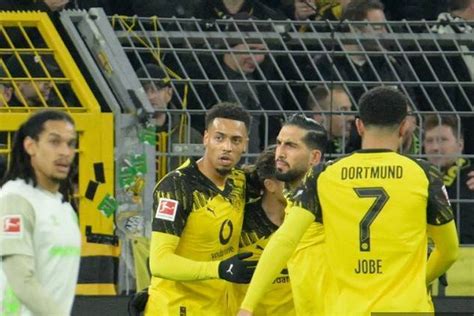
What sets Dortmund apart in the context of Der Klassiker is its identity as the "people's club." The Signal Iduna Park, with its famous Yellow Wall—the largest free-standing grandstand in Europe—epitomizes the raw energy and loyalty of Dortmund's supporters. This fan-driven ethos often contrasts sharply with Bayern’s more corporate image. Dortmund has also carved out a niche as a club that thrives on youth development. Their scouting network and willingness to give young players opportunities have produced talents like Mario Götze, Christian Pulisic, and more recently, Jude Bellingham. This focus on youth is both a strength and a challenge; Dortmund often loses its best players to wealthier clubs, including Bayern, which has repeatedly signed Dortmund’s star players, such as Robert Lewandowski and Mats Hummels.
Despite these challenges, Dortmund has remained competitive in Der Klassiker and the Bundesliga. Their 2010–2012 period under Jürgen Klopp is particularly noteworthy. Klopp’s high-intensity "gegenpressing" system transformed Dortmund into a dynamic, aggressive side that won two consecutive Bundesliga titles and reached the 2013 Champions League final. This period also highlighted the contrasting styles of the two teams—Bayern’s measured control against Dortmund’s frenetic energy. Even as Dortmund has faced financial constraints compared to Bayern, their ability to rebuild and remain competitive speaks to their resilience.
The rivalry between the two teams is not just about trophies but also about contrasting identities. Bayern’s institutional stability stands in stark contrast to Dortmund’s cyclical nature, where periods of success are often followed by transitions. Bayern’s ability to retain key figures in leadership roles—such as Karl-Heinz Rummenigge and Uli Hoeneß—has provided them with long-term strategic direction. Dortmund, by contrast, often sees its leadership and coaching staff change more frequently, which can disrupt momentum. However, this very instability can foster innovation, as new managers like Edin Terzić bring fresh ideas to sustain the club’s competitive edge.
In terms of achievements, Bayern’s trophy cabinet dwarfs that of Dortmund. With 33 Bundesliga titles, 20 DFB-Pokal wins, and six Champions League trophies, Bayern’s dominance is unrivaled in Germany. Dortmund, while less decorated, boasts 8 Bundesliga titles, 5 DFB-Pokal wins, and a Champions League triumph. These numbers underscore a key dynamic of Der Klassiker: it is not just a clash of teams but a battle between consistent dominance (Bayern) and periodic brilliance (Dortmund).
Another layer to the rivalry is the transfer dynamic between the two clubs. Bayern’s tendency to sign Dortmund’s best players has fueled animosity and added a psychological edge to their matches. This phenomenon, often referred to as "stealing Dortmund’s stars," has been a point of contention among fans and analysts. While it highlights Bayern’s financial superiority, it also underscores Dortmund’s role as a breeding ground for talent that Bayern subsequently integrates into its machine.
The two teams' playing styles further differentiate them. Bayern is often associated with a possession-based, methodical approach, emphasizing control and precision. Dortmund, by contrast, has historically leaned into high-energy, counter-attacking football, particularly under managers like Klopp and later Marco Rose. These stylistic differences make Der Klassiker a fascinating study in contrasts—a meeting of calculated strategy versus explosive aggression.
Off the pitch, the clubs' financial models offer further insight. Bayern’s revenue streams, including global merchandising and partnerships with brands like Adidas and Allianz, give them a significant edge. Dortmund, while financially shrewd, operates on a smaller scale, relying heavily on player sales to balance the books. This economic disparity is a microcosm of the broader challenges in modern football, where financial inequality often dictates competitive dynamics.
In summary, the profiles of Bayern Munich and Borussia Dortmund in Der Klassiker reveal two teams shaped by their histories, philosophies, and the socio-economic contexts of German football. Bayern represents stability, calculated ambition, and an almost machine-like consistency. Dortmund, meanwhile, embodies passion, innovation, and the occasional unpredictability of a club that must constantly reinvent itself. Together, they create a rivalry that is not just about who wins on the day but about what each team represents in the broader tapestry of football culture.
- Bayern Munich: A symbol of institutional strength and sustained dominance.
- Borussia Dortmund: A beacon of passion, youth development, and tactical innovation.
This duality ensures that every edition of Der Klassiker is not just a game but a narrative of two teams defining the essence of German football.
Key Matches and Turning Points
The rivalry known as "Der Klassiker" between Bayern Munich and Borussia Dortmund has produced some of the most electrifying and pivotal matches in German football history. These clashes have not only defined seasons but also shaped the broader narrative of the Bundesliga and European football. To understand the depth of this rivalry, it is essential to examine specific matches that served as turning points, encapsulating the ebb and flow of power between the two clubs.
One of the earliest matches that set the tone for the modern intensity of Der Klassiker was the 1998 DFB-Pokal Final. This encounter saw Dortmund triumph 2-0 over Bayern, with goals from Heiko Herrlich and Lars Ricken. At the time, Dortmund was emerging as a genuine contender to Bayern's dominance. This victory was significant because it marked Dortmund's ability to challenge Bayern on the big stage, foreshadowing a period where they would assert themselves as more than just a secondary force in German football. The psychological impact of this win cannot be understated—it planted the seed of a rivalry that would grow into one of the most-watched fixtures in world football.
Fast forward to the 2012 Bundesliga title decider, a match that encapsulated the shifting dynamics of the rivalry. Dortmund, under the stewardship of Jürgen Klopp, was in the midst of a golden era. They faced Bayern at the Westfalenstadion in a match that could seal their second consecutive league title. Dortmund won 1-0 courtesy of a Robert Lewandowski goal, a result that not only clinched the title but also underscored Dortmund's superiority over Bayern during that period. This match was a turning point because it symbolized Dortmund's ability to outmaneuver Bayern tactically and mentally, something that had been rare in previous decades. The win also established Dortmund as a team capable of sustained success, much to the chagrin of Bayern's hierarchy.
However, the most iconic match in the history of Der Klassiker is arguably the 2013 UEFA Champions League Final at Wembley Stadium. This was not just a domestic rivalry played out on the European stage—it was a clash that defined an era. Bayern, having suffered heartbreak in the previous year's final against Chelsea, was determined to assert its dominance. Dortmund, meanwhile, was riding the wave of their dynamic, high-pressing style that had captivated fans across Europe. The match ended 2-1 in Bayern's favor, with Arjen Robben scoring a late winner. This victory was monumental for several reasons. First, it was Bayern's revenge for the prior year's European disappointment. Second, it marked the end of Dortmund's brief period of ascendancy in the rivalry. The match also symbolized the financial and squad depth advantages that Bayern held, as they poached key Dortmund players like Mario Götze and later Robert Lewandowski in subsequent seasons. This match was less a turning point for the rivalry itself and more a statement of Bayern's enduring hegemony in German football.
Another critical encounter was the 2019 Bundesliga match at the Allianz Arena, which ended in a resounding 5-0 victory for Bayern. This result came at a time when Dortmund, led by a young and dynamic squad including Jadon Sancho and Paco Alcácer, was challenging for the title. Bayern, however, delivered a masterclass that not only reaffirmed their dominance but also exposed Dortmund's vulnerabilities under pressure. This match was a microcosm of the psychological warfare that often defines Der Klassiker—Bayern's ability to rise to the occasion when it matters most, coupled with Dortmund's occasional fragility in high-stakes games. The result effectively ended Dortmund's title hopes that season and reinforced Bayern's status as the relentless machine of the Bundesliga.
In contrast, the 2020 Supercup clash offered a glimpse of Dortmund's potential to disrupt Bayern's momentum. Dortmund won 3-2 in an enthralling match that showcased their attacking prowess. Goals from Julian Brandt and Erling Haaland demonstrated that Dortmund could still pose a threat to Bayern's supremacy when firing on all cylinders. This match was significant because it came at a time when Bayern was riding high after their sextuple-winning season. Dortmund's victory served as a reminder that the rivalry was far from one-sided, even if Bayern's overall dominance remained intact. It also highlighted the importance of individual brilliance in shaping the outcome of Der Klassiker, with Haaland's performance being a standout moment.
The 2023 Bundesliga fixture at Signal Iduna Park is another match worth examining. Dortmund, trailing Bayern by a narrow margin in the title race, hosted their rivals in a match that could have swung the momentum in their favor. However, Bayern secured a 4-2 victory in a game filled with drama, including a controversial penalty decision. This match was emblematic of the fine margins that often decide Der Klassiker. While Dortmund showcased their attacking flair, Bayern's experience and clinical finishing proved decisive. This result reinforced a recurring theme in the rivalry: Bayern's ability to capitalize on Dortmund's occasional lapses in concentration or defensive organization.
Beyond individual matches, it is worth noting how the transfer market dynamics have played a role in shaping the narrative of Der Klassiker. Bayern's consistent acquisition of Dortmund's star players, such as Lewandowski, Götze, and later Mats Hummels, has been a recurring theme that has fueled animosity between the clubs. These transfers are not just business decisions—they are symbolic of Bayern's financial superiority and Dortmund's role as a "feeder club" in this dynamic. This off-field aspect often spills onto the pitch, with matches becoming not just sporting contests but also battles of pride and identity.
From a tactical perspective, the evolution of Der Klassiker matches reflects broader trends in football. Early encounters were often characterized by Dortmund's high-energy pressing under Klopp versus Bayern's possession-based approach. In recent years, both teams have adapted, with Bayern incorporating more transitional play and Dortmund experimenting with a blend of youth and experience. These tactical evolutions are evident in matches like the 2021 Bundesliga clash, where Bayern's 3-2 win showcased their ability to exploit Dortmund's defensive vulnerabilities in transition. Such matches reveal how the rivalry is not static but instead evolves with the times, influenced by managerial philosophies and player personnel.
In summary, the key matches of Der Klassiker are a tapestry of triumphs, heartbreaks, and statements of intent. From Dortmund's early assertions of competitiveness to Bayern's reaffirmation of dominance, these games have provided unforgettable moments that define the rivalry. Each match serves as a chapter in a larger story of power shifts, tactical battles, and the enduring drama that makes Der Klassiker one of the most compelling fixtures in football.
- The 1998 DFB-Pokal Final marked Dortmund's emergence as a contender.
- The 2012 title decider highlighted Dortmund's tactical and mental edge during their golden era.
- The 2013 Champions League Final symbolized Bayern's revenge and enduring dominance.
- The 2019 Bayern rout exposed Dortmund's fragility under pressure.
- The 2020 Supercup win by Dortmund reminded fans of the rivalry's unpredictability.
- The 2023 Dortmund-Bayern clash emphasized the fine margins that define the fixture.
These matches are not just games—they are milestones that have etched the rivalry into the annals of football history, offering insights into the psyche, strategy, and spirit of two of Germany's greatest clubs.
Player Contributions and Icons
The term 'der Klassiker' conjures images of high-stakes matches, electric atmospheres, and moments of individual brilliance that have defined the rivalry between Bayern Munich and Borussia Dortmund. At the heart of this spectacle are the legendary players who have left indelible marks on the fixture, shaping its narrative through their contributions and iconic performances. This section delves into the impact of these players, examining how their roles in memorable moments have elevated the status of this clash to one of the most anticipated events in world football.
For Bayern Munich, one cannot begin this discussion without mentioning Franz Beckenbauer, the Kaiser, whose elegance and authority as a libero set the tone for Bayern's dominance in the 1970s. Although der Klassiker as we know it today was not fully crystallized during his playing era, Beckenbauer's leadership and tactical acumen laid the foundation for Bayern's psychological edge over Dortmund. His ability to read the game and orchestrate play from deep allowed Bayern to control matches, even against spirited Dortmund sides. A memorable moment involving Beckenbauer was his commanding display in a 1971 Bundesliga clash, where his interventions stifled Dortmund's counterattacks, exemplifying the blend of skill and leadership that would become a hallmark of Bayern's approach in this fixture.
In more recent times, Arjen Robben epitomized the modern Bayern player in der Klassiker. The Dutch winger's left-footed curler became a weapon of mass destruction in tight games, and Dortmund often found themselves on the receiving end of his brilliance. Robben's defining moment came in the 2013 UEFA Champions League final at Wembley, where he scored the winning goal in extra time against Dortmund. While not a Bundesliga Klassiker, this goal underscored his ability to deliver under pressure in matches of the highest magnitude. In Bundesliga encounters, Robben's direct running and penchant for cutting inside from the right flank often left Dortmund's full-backs scrambling. His partnership with Franck Ribéry—affectionately known as "Robbery"—was a nightmare for Dortmund's defensive setups, particularly in the early 2010s when Bayern's tactical superiority began to assert itself.
On Dortmund's side, Marco Reus stands out as a player who has shouldered the burden of being the talisman in an era where Bayern's financial and squad superiority often tilted the scales. Reus's ability to produce moments of magic in der Klassiker has made him a fan favorite. His goal in the 2012 Supercup, where he danced past Bayern's defense to slot home, symbolized Dortmund's brief period of ascendancy under Jürgen Klopp. Reus has often been the creative spark in games where Dortmund needed to punch above their weight. Despite injuries that have curtailed his career, his presence in der Klassiker has always injected a sense of belief into Dortmund's play. A particularly memorable moment was his late equalizer in a 2018 Bundesliga clash, where his composed finish in the dying minutes salvaged a point for Dortmund and showcased his never-say-die attitude.
Another Dortmund legend who left his mark is Robert Lewandowski, though his legacy is complicated by his transition from Dortmund to Bayern. During his time at Dortmund, Lewandowski was a thorn in Bayern's side, particularly in the 2012-13 season when he scored four goals in a single Klassiker match—a 4-1 demolition of Bayern in the DFB-Pokal semifinal. This performance not only announced Lewandowski as a world-class striker but also symbolized Dortmund's ability to challenge Bayern's hegemony during that period. However, after his move to Bayern in 2014, Lewandowski became the embodiment of Bayern's dominance over Dortmund. His record of scoring consistently in der Klassiker—including a hat-trick in a 6-0 win in 2018—reflects his evolution from Dortmund hero to Bayern destroyer. This duality adds a layer of poignancy to his role in the fixture, as he is both loved and loathed depending on which side of the divide one stands.
Memorable moments in der Klassiker are often defined by individual duels between players who personify their teams' ethos. One such duel was between Mats Hummels and Robert Lewandowski when Hummels was at Dortmund and Lewandowski at Bayern. Hummels, a product of Bayern's youth academy who made his name at Dortmund, often found himself tasked with neutralizing his former teammate's threat. Their battles were a microcosm of the rivalry: Hummels' anticipation and aerial prowess against Lewandowski's movement and finishing. A standout moment was the 2014 DFB-Pokal final, where Hummels' goal gave Dortmund the lead, only for Lewandowski to equalize later in the game, highlighting the push-and-pull nature of their rivalry.
Beyond individual brilliance, the roles of playmakers and midfield generals cannot be overlooked. For Bayern, Bastian Schweinsteiger was instrumental in dictating the tempo of der Klassiker during the late 2000s and early 2010s. His ability to break up Dortmund's high-pressing game and launch incisive passes to Bayern's forwards often swung the momentum in Bayern's favor. Similarly, for Dortmund, Nuri Şahin in the 2010-11 season was a revelation. His precise passing and vision allowed Dortmund to control midfield battles against a Bayern side that was still finding its footing under new management. Şahin's performances in that season's Klassiker matches were a testament to how a well-drilled Dortmund side could unsettle Bayern, even when the odds seemed stacked against them.
The impact of young breakout stars in der Klassiker also deserves mention. Dortmund has often been a breeding ground for young talent, and players like Erling Haaland and Jadon Sancho brought a new dimension to the fixture in the late 2010s and early 2020s. Haaland's explosive speed and clinical finishing made him a nightmare for Bayern's backline, as seen in his two-goal salvo in a 4-2 loss in 2021. Meanwhile, Sancho's dribbling and creativity often provided Dortmund with an outlet to bypass Bayern's midfield pressure. These players, though part of a younger generation, added layers of unpredictability to der Klassiker, ensuring that the fixture remained as thrilling as ever.
It is also worth noting how psychological factors tied to player contributions have shaped der Klassiker. Bayern's players, particularly in the 2010s, exuded a sense of inevitability in their performances, often buoyed by the confidence of having players like Manuel Neuer in goal. Neuer's sweeper-keeper role not only neutralized Dortmund's counterattacks but also instilled a sense of security in Bayern's backline. On the other hand, Dortmund's moments of resistance, such as their 3-2 win in 2017, were often driven by the sheer will of players like Pierre-Emerick Aubameyang, whose pace and goalscoring instincts kept Bayern honest even in their dominant phases.
- The rivalry has seen players like Robben and Reus define eras with their clutch performances.
- The transition of players like Lewandowski has added intrigue and complexity to the fixture's narrative.
- Young talents like Haaland and Sancho have ensured that der Klassiker remains a stage for emerging stars.
In conclusion, the player contributions and icons of der Klassiker are not just about goals and assists; they are about moments that transcend the game. From Beckenbauer's leadership to Robben's match-winners, from Reus's resilience to Lewandowski's duality, these players have written chapters in the ongoing saga of this rivalry. Their performances are etched in the memories of fans, serving as a reminder that der Klassiker is as much about the individuals who grace the pitch as it is about the teams they represent.
Cultural and Fan Impact
Der Klassiker, the high-profile fixture between Bayern Munich and Borussia Dortmund, is more than just a football match; it is a cultural phenomenon that has deeply influenced fan culture, media narratives, and broader societal perspectives in Germany and beyond. This rivalry represents a modern-day clash of identities, fueled by contrasting club philosophies, regional pride, and the global reach of the Bundesliga. Its impact extends far beyond the pitch, shaping how fans interact with the sport and how the sport is perceived in the public sphere.
At its core, Der Klassiker has redefined fan culture by amplifying the emotional stakes of supporting a team in the digital age. Unlike traditional rivalries rooted in localized animosities, such as El Clásico or the North West Derby, Der Klassiker is unique in that it pits two clubs with vastly different historical trajectories against one another. Bayern Munich, with its storied dominance and financial heft, often represents the establishment—a symbol of German footballing efficiency and global ambition. Borussia Dortmund, on the other hand, embodies a plucky underdog spirit, rooted in the working-class ethos of the Ruhr region. This dichotomy has created a fertile ground for fan expression, where loyalty to either side is not merely about footballing preference but also about aligning with a set of values and narratives.
The rivalry has spurred innovative fan engagement practices, particularly in how supporters of both clubs leverage social media and digital platforms to voice their allegiances. Dortmund fans, known for their vibrant Yellow Wall at Signal Iduna Park, have become emblematic of passionate, collective support. Their tifos, chants, and coordinated displays are not just acts of fandom but also statements of resistance against what many perceive as Bayern’s financial hegemony. In response, Bayern fans have crafted their own identity as stewards of success, often emphasizing their club’s ability to consistently compete at the highest level. This dynamic has created a fertile ground for fan-driven content, from YouTube channels analyzing matchday tactics to meme-filled Twitter threads dissecting every goal and controversy. The rivalry’s intensity has thus become a catalyst for a new wave of fan-generated media that blurs the line between supporter and content creator.
Media coverage of Der Klassiker has also undergone significant transformation due to its cultural weight. The fixture is often portrayed as a microcosm of German football’s broader tensions—efficiency versus flair, tradition versus modernity, and regional pride versus national dominance. Broadcasters and sports journalists frequently frame the match as a battle for supremacy that extends beyond the 90 minutes of play. This framing has elevated the fixture to must-watch status, not just for German audiences but for global viewers. For instance, the presence of international stars like Robert Lewandowski, who has played for both clubs, or the tactical chess matches between coaches such as Jürgen Klopp and Pep Guardiola, have turned Der Klassiker into a global spectacle. The media’s role in hyping the fixture has, in turn, influenced how fans perceive their role in the drama. Supporters are no longer passive observers but active participants in a narrative that demands their emotional investment, online commentary, and even travel to the stadiums to be part of the spectacle.
Beyond the immediate footballing context, Der Klassiker has also had a ripple effect on broader societal perspectives in Germany. The rivalry highlights regional differences and economic disparities within the country. Bayern Munich’s dominance is often critiqued as a reflection of Bavaria’s economic prosperity compared to the post-industrial challenges faced by the Ruhr area, where Dortmund is situated. This dynamic mirrors wider debates about wealth distribution, regional development, and the role of sports in reflecting societal inequalities. For instance, Dortmund’s reliance on developing young talents and operating within tighter financial constraints is often celebrated as a counterpoint to Bayern’s ability to attract top-tier talent through its financial muscle. These discussions spill over into public discourse, where the fixture becomes a lens through which to examine not just football but also the socio-economic fabric of modern Germany.
The global nature of Der Klassiker has also contributed to the Bundesliga’s international appeal. The fixture serves as a gateway for new fans to engage with German football, particularly in markets like Asia and North America where the league is actively seeking to expand its footprint. The presence of marquee players, combined with the fixture’s reputation for high-scoring thrillers and dramatic storylines, has made it a key selling point for the Bundesliga in its quest to compete with the Premier League and La Liga for global viewership. This internationalization of the rivalry has, in turn, influenced how German football is perceived abroad. It is no longer just a regional competition but a stage where global narratives of competition, identity, and commercialization play out.
Fan behavior and interaction during Der Klassiker also reveal interesting sociological insights. The growth of digital communities around the rivalry has allowed fans from diverse backgrounds to connect over shared passions, even if they are geographically distant. Online forums, Reddit threads, and fan-led podcasts have created spaces where nuanced discussions about the fixture’s broader implications can take place. These platforms have also become arenas for addressing issues like racism, sexism, and inclusivity in football. For example, Dortmund’s active engagement with anti-racism campaigns and Bayern’s initiatives to support refugees have been topics of discussion tied to the fixture, showing how the rivalry can serve as a platform for social advocacy.
Additionally, the commercial impact of Der Klassiker cannot be understated. Merchandising around the fixture—from limited-edition jerseys to themed viewing parties—has become a lucrative business for both clubs and external vendors. This commercialization, while criticized by some purists as diluting the authenticity of the rivalry, reflects how deeply embedded the fixture has become in popular culture. It is no longer just about the football; it is about the jerseys fans wear, the hashtags they trend, and the experiences they curate around the event. This evolution reflects a broader shift in how sports rivalries are consumed and monetized in the 21st century.
In summary, Der Klassiker’s influence on fan culture, media, and societal perspectives is multifaceted and profound. It has transformed how fans engage with their teams, how the media frames football as a cultural product, and how the sport reflects and shapes societal dynamics. Whether through the digital expressions of fandom, the socio-economic narratives it evokes, or its role in promoting German football globally, Der Klassiker stands as a testament to the power of sport to transcend its boundaries and become a cultural touchstone.
Strategic Analysis of Gameplay Styles
The tactical approaches and gameplay philosophies of teams in recent Der Klassiker matches between Bayern Munich and Borussia Dortmund reveal a fascinating interplay of tradition, innovation, and adaptability. These encounters are not merely high-stakes clashes of Germany's footballing titans but also a microcosm of how modern football strategies evolve under pressure. To dissect the gameplay styles, we must examine the core tactical frameworks, player roles, and in-game adjustments that have defined the outcomes of these matches.
Bayern Munich, under various managerial regimes in recent years—from Hansi Flick to Julian Nagelsmann—has largely adhered to a high-intensity, possession-dominant approach. This philosophy centers on maintaining control of the ball, aggressively pressing opponents in their own half, and exploiting the speed and technical prowess of their attacking players. A hallmark of Bayern's strategy in Der Klassiker has been their use of a fluid front line, where players like Thomas Müller, Leroy Sané, and Serge Gnabry interchange positions to confuse Dortmund's defensive structure. This dynamic positioning is often complemented by fullbacks such as Alphonso Davies pushing high up the pitch to stretch Dortmund's backline horizontally. The objective is clear: overwhelm Dortmund's defensive organization by creating numerical advantages in wide areas and forcing mistakes in transition.
However, this approach is not without its vulnerabilities. Dortmund, especially under managers like Edin Terzić, has occasionally found success by employing a low-block defensive setup to counter Bayern's high press. In such scenarios, Dortmund prioritizes compactness in central areas, often deploying a midfield trio that sits deep to deny Bayern the space to play through the middle. This defensive posture forces Bayern to rely on crosses or long-range efforts, which statistically yield lower goal-conversion rates. A critical aspect of Dortmund's counterstrategy is their use of quick, direct counterattacks spearheaded by pacey forwards like Karim Adeyemi or Donyell Malen. These counterattacks exploit the space left behind Bayern's high defensive line—a calculated risk that Bayern takes to maintain their aggressive positioning.
The midfield battle in recent Der Klassiker matches has been a critical determinant of gameplay flow. Bayern's midfield, anchored by players such as Joshua Kimmich and Leon Goretzka, operates as a hybrid engine room that blends progressive passing with aggressive ball recovery. Kimmich, in particular, often drops into a pseudo-libero role, dictating play from deep while also stepping into defensive gaps when Bayern's fullbacks advance. Dortmund, in response, has experimented with a more transition-focused midfield, often prioritizing players like Jude Bellingham (before his departure) or Salih Özcan, who excel in breaking up play and launching rapid transitions. This clash of styles creates a fascinating dynamic: Bayern seeks to dominate through sustained possession, while Dortmund aims to disrupt and exploit the chaos of transition moments.
Another layer of strategic depth emerges when analyzing set-piece scenarios. Bayern's emphasis on precision and aerial dominance, particularly with players like Matthijs de Ligt and Dayot Upamecano, has made them a potent threat from corners and free kicks. Dortmund, however, has occasionally struggled to defend set pieces due to their preference for a zonal marking system, which can be exploited by Bayern's well-drilled attackers. Conversely, Dortmund has shown ingenuity in their set-piece creativity, often deploying decoy runners to free up players like Nico Schlotterbeck or Niklas Süle for headed opportunities. This tactical nuance underscores how even in moments of static play, the teams are engaged in a battle of wits and preparation.
The psychological dimension of Der Klassiker cannot be overlooked when analyzing gameplay styles. Bayern's historical dominance in this fixture has instilled a sense of psychological superiority that often manifests in their approach. They tend to play with a level of confidence that can border on arrogance, pushing players forward even when the game is tightly contested. This can backfire, as seen in matches where Dortmund has capitalized on Bayern's overcommitment to score on the break. Dortmund, on the other hand, often enters these matches with a "nothing-to-lose" mentality, particularly when they are considered underdogs. This mindset can lead to moments of unshackled brilliance, such as their willingness to take risks in the final third or press higher than usual to unsettle Bayern's rhythm.
In terms of in-game adjustments, both teams have shown a willingness to adapt their initial game plans based on the flow of the match. For instance, Nagelsmann has been known to switch from a back four to a back three mid-game to shore up defensive stability or to introduce an additional attacking outlet. Dortmund, similarly, has utilized halftime substitutions to inject fresh energy into their attack or to address specific weaknesses exposed in the first half. A notable example was the introduction of Youssoufa Moukoko in a recent match, whose direct running and close control added a new dimension to Dortmund's attack and forced Bayern to recalibrate their defensive shape.
The role of individual brilliance also plays a significant part in shaping the tactical narrative of Der Klassiker. For Bayern, the presence of a world-class striker like Robert Lewandowski (in earlier matches) or Harry Kane (in more recent ones) has provided a focal point for their attacking moves. These players not only score goals but also act as reference points for combination play, drawing defenders out of position to create space for supporting players. Dortmund, while less reliant on a single talisman, has often leaned on the unpredictability of young talents like Gio Reyna or the experience of veteran campaigners like Marco Reus to produce moments of magic. This contrast in reliance on individual versus collective brilliance reflects broader philosophical differences between the two teams.
From a statistical perspective, the data from recent Der Klassiker matches reveals interesting patterns. Bayern typically dominates possession (often exceeding 60%) and outshoots Dortmund, but the quality of chances created by Dortmund in transition can sometimes offset this disparity. Dortmund's xG (expected goals) in these matches often punches above their actual goal tally, suggesting that their gameplay style, while effective in creating opportunities, sometimes lacks the clinical finishing required to consistently trouble Bayern. This disparity highlights a key tension in their tactical approaches: Bayern prioritizes volume and control, while Dortmund focuses on efficiency and opportunism.
- Bayern's gameplay: High possession, aggressive pressing, fluid attacking movement.
- Dortmund's gameplay: Compact defense, quick counterattacks, set-piece creativity.
- Key battlegrounds: Midfield control, set-piece execution, psychological resilience.
In conclusion, the strategic analysis of gameplay styles in recent Der Klassiker matches reveals a clash of contrasting yet complementary philosophies. Bayern's dominance is rooted in their ability to control games through possession and systematic pressing, while Dortmund's moments of success stem from their tactical discipline and ability to exploit transitional opportunities. These matches serve as a testament to the evolving nature of football strategy, where innovation meets tradition, and where the smallest tactical adjustments can tip the balance in one of football's most storied rivalries.
Economic and Commercial Significance
The term "Der Klassiker" refers to the high-profile football matches between Bayern Munich and Borussia Dortmund, two of the most successful and widely supported clubs in Germany. Beyond the sporting spectacle, these matches carry profound **economic and commercial significance** that reverberates across the clubs, their sponsors, and the entire Bundesliga ecosystem. This section delves into how Der Klassiker serves as a financial engine, a brand multiplier, and a revenue accelerator for all stakeholders involved.
One of the most immediate impacts of Der Klassiker is on **ticket sales and stadium revenue**. Matches between Bayern Munich and Borussia Dortmund consistently sell out, even in stadiums as large as the Allianz Arena (75,000 capacity) or Signal Iduna Park (81,000 capacity). Ticket prices for these fixtures are often higher than for regular Bundesliga games, reflecting the heightened demand. For instance, premium seating or VIP packages for Der Klassiker can command prices 20-30% above the average for other league matches. This surge in revenue is not just limited to ticket sales; ancillary stadium revenues such as merchandise, food, and beverage sales also see a dramatic uptick. On match days, fans flock to club stores to purchase limited-edition jerseys, scarves, and other memorabilia tailored for the occasion, often featuring slogans or designs specific to the rivalry. This localized spending spree contributes significantly to the clubs’ bottom lines, often amounting to millions of euros in additional revenue per fixture.
From a **broadcast and media rights perspective**, Der Klassiker is a marquee event that commands premium pricing. Domestic and international broadcasters vie for the rights to air the match, knowing it attracts some of the highest viewership figures in German football. For example, the global audience for Der Klassiker often exceeds 10 million viewers, with significant viewership in Asia, North America, and Europe. Broadcasters are willing to pay a premium for this fixture because it guarantees high engagement and advertising revenue. Sponsors associated with the Bundesliga or the individual clubs also benefit from this exposure. A 30-second advertising slot during a Der Klassiker broadcast can cost upwards of €100,000, significantly higher than for less prominent matches. This dynamic creates a virtuous cycle where the match's prestige enhances its commercial value, which in turn reinforces its status as a must-watch event.
The **sponsorship ecosystem** around Der Klassiker is another area of deep financial impact. Bayern Munich and Borussia Dortmund are among the most marketable football brands in Germany, and their rivalry amplifies the value of sponsorship deals. Major sponsors like Audi (for Bayern) and Evonik (for Dortmund) leverage the match as a platform to showcase their brands to a global audience. For instance, jersey sponsors gain unparalleled visibility during Der Klassiker due to the sheer viewership numbers. This exposure is not merely passive; sponsors often activate tailored campaigns around the fixture. For example, during the lead-up to a Klassiker, brands may launch co-branded advertisements, social media contests, or experiential marketing events in key markets. These activations not only boost brand recall but also drive direct sales. The financial windfall for sponsors is further amplified by the match's timing; Der Klassiker often occurs during critical phases of the season, such as before the winter break or in the run-up to the UEFA Champions League, ensuring maximum global attention.

The **globalization of the Bundesliga** is intrinsically linked to the prominence of Der Klassiker. As the league seeks to expand its footprint in markets like China, India, and the United States, the rivalry between Bayern and Dortmund serves as a key selling point. Unlike other Bundesliga fixtures, Der Klassiker has a narrative that resonates beyond Germany—it is seen as a clash of styles, philosophies, and fan cultures. This broader appeal makes the match a cornerstone of the Bundesliga’s international marketing strategy. Clubs and the league itself collaborate to host viewing parties, fan zones, and promotional tours in major cities worldwide during Klassiker weeks. These efforts not only deepen fan engagement but also attract new commercial partnerships in untapped regions. For example, the Bundesliga has used Der Klassiker as a vehicle to negotiate more favorable media rights deals in Asia, where the match is positioned as a "must-have" for broadcasters.
From the perspective of the **clubs themselves**, Der Klassiker serves as a barometer of their financial health and marketability. Bayern Munich, with its global brand and consistent success, often uses the match to reinforce its dominance and attract high-profile players. For Dortmund, the fixture is an opportunity to showcase its ability to compete with the best, which helps in retaining sponsors and negotiating better deals. The revenue from Der Klassiker also supports both clubs in their transfer market ambitions. For instance, the financial uplift from a successful Klassiker season can provide the liquidity needed to secure marquee signings or invest in youth academy development. This economic boost is particularly critical for Dortmund, which operates on a slightly smaller budget compared to Bayern but relies on Der Klassiker to demonstrate its commercial viability to investors and stakeholders.
Another layer of commercial impact comes from **merchandising and digital engagement**. Both clubs capitalize on the heightened interest surrounding Der Klassiker to release limited-edition products, such as retro jerseys, special-edition footballs, or even NFTs tied to match highlights. These items are marketed aggressively in the weeks leading up to the game, often sold out within hours of launch. On digital platforms, the clubs see spikes in social media engagement, with posts related to Der Klassiker often garnering millions of interactions. This digital buzz is monetized through partnerships with platforms like YouTube, Instagram, and TikTok, where clubs can earn revenue from sponsored content and ad placements. Additionally, both Bayern and Dortmund have leveraged the match to grow their subscription-based services, such as Bayern TV and BVB-TV, by offering exclusive pre- and post-match content.
The broader **Bundesliga ecosystem** also benefits from the economic ripple effects of Der Klassiker. Smaller clubs in the league indirectly profit from the increased global attention that the rivalry brings. For instance, higher revenues from media rights—driven in part by the appeal of Der Klassiker—are distributed across all Bundesliga clubs through a centralized system. This ensures that even clubs not directly involved in the match benefit from its financial halo. Moreover, the match acts as a showcase for the league’s quality and competitiveness, which can attract new investors, sponsors, and even players to the Bundesliga. This dynamic is particularly important as the Bundesliga seeks to close the gap with the Premier League in terms of global commercial appeal.
Lastly, it is worth noting the **indirect economic benefits** for local economies. Cities hosting Der Klassiker—Munich or Dortmund—experience a surge in tourism and local spending. Hotels, restaurants, and transport services see increased demand as fans travel from across Germany and beyond to attend the match. This localized economic boost is often overlooked but contributes meaningfully to the regions' economies, particularly in Dortmund, where the match serves as a significant annual event for the city’s hospitality sector.
In conclusion, the economic and commercial significance of Der Klassiker extends far beyond the 90 minutes of play. It is a financial juggernaut that enhances revenue streams for clubs, amplifies sponsor visibility, and strengthens the Bundesliga’s position as a globally competitive league. The match exemplifies how a single fixture can serve as a linchpin for economic growth, brand building, and long-term sustainability in modern football.
Global Reach and Modern Significance
The phenomenon of Der Klassiker, the high-stakes rivalry between Bayern Munich and Borussia Dortmund in German football, has transcended its domestic roots to become a globally recognized spectacle. In the modern era of football, where international audiences and commercial interests play a pivotal role, Der Klassiker has carved out a unique space as a symbol of the Bundesliga's ability to captivate fans worldwide. This section delves into the factors behind its international growth and examines how it has maintained and enhanced its significance in contemporary football.
One of the key drivers of Der Klassiker’s global appeal is the **star power** associated with the two clubs. Over the past two decades, Bayern Munich and Borussia Dortmund have consistently fielded some of the most talented players in world football. Names like Robert Lewandowski, Erling Haaland, Jadon Sancho, and Thomas Müller have not only dominated the Bundesliga but have also become household names in markets as diverse as Asia, North America, and Africa. The presence of these marquee players ensures that every clash between the two teams garners attention far beyond Germany. This is amplified by the **strategic marketing efforts** of the Bundesliga and the clubs themselves, which have prioritized player visibility through social media campaigns, exclusive interviews, and partnerships with global broadcasters. The result is that Der Klassiker matches are no longer just games; they are **events** with pre-match hype comparable to El Clásico or the Manchester Derby.
The **commercial infrastructure** supporting Der Klassiker also plays a significant role in its international reach. The Bundesliga has been proactive in expanding its global footprint, particularly in Asia and the United States. For instance, both Bayern and Dortmund have undertaken **extensive preseason tours** in these regions, engaging with local communities through training camps, friendly matches, and fan meet-and-greets. These tours serve a dual purpose: they enhance the clubs' brands while simultaneously embedding Der Klassiker into the consciousness of new fan bases. Moreover, the timing of Der Klassiker fixtures is often optimized for international audiences. Matches are scheduled to accommodate prime-time viewing in key markets like China and India, where football is rapidly growing in popularity. This deliberate scheduling ensures that the rivalry is not just consumed locally but is positioned as a **global footballing event**.
Another critical aspect of Der Klassiker’s modern relevance is its role in **shaping the Bundesliga’s narrative in the wider football ecosystem**. The rivalry encapsulates a broader story of German football’s evolution in the 21st century. Bayern Munich, with its unparalleled domestic dominance and consistent success in the UEFA Champions League, represents the pinnacle of German efficiency and footballing excellence. On the other hand, Borussia Dortmund, with its emphasis on youth development, high-energy football, and passionate fan culture, offers a contrasting yet equally compelling identity. This duality makes Der Klassiker more than a simple rivalry; it is a **microcosm of the Bundesliga’s competitive dynamics**. International audiences, particularly those disillusioned with the predictability of other top leagues like the Premier League or La Liga, are drawn to the Bundesliga for its **perceived balance of competitiveness and quality**, with Der Klassiker serving as its flagship encounter.
The **media landscape** has also been instrumental in elevating Der Klassiker’s profile. Streaming platforms and digital broadcasters have democratized access to football content, enabling fans in remote corners of the world to tune in live. Social media platforms like Twitter, Instagram, and TikTok have further amplified the rivalry’s reach. For instance, highlight reels of Lewandowski’s stunning goals or Haaland’s blistering pace often go viral within minutes of a match’s conclusion, creating a **digital ripple effect** that extends the game’s impact far beyond the 90 minutes of play. Additionally, the involvement of global sponsors and broadcasters ensures that Der Klassiker is not just a **football match but a branded experience**, complete with pre-game analyses, post-match discussions, and interactive fan engagement tools.
A unique feature of Der Klassiker’s modern appeal is its ability to **attract neutral fans**. Unlike some rivalries rooted in deep historical or political animosities, such as the Old Firm derby in Scotland, Der Klassiker is largely free of such divisive undertones. This allows it to appeal to a broader audience that can enjoy the spectacle without being weighed down by historical baggage. Instead, the focus is on **pure footballing quality**—fast-paced attacks, tactical innovation, and the sheer unpredictability of two teams at the top of their game. This neutrality, combined with the high stakes often involved (such as title races or Champions League qualification), ensures that the rivalry resonates with a wide array of fans, from die-hard Bundesliga supporters to casual international viewers.
The **financial implications** of Der Klassiker’s growth cannot be overlooked. The global audience it attracts translates directly into **increased broadcasting revenues**, sponsorship deals, and merchandising opportunities for both clubs and the league. For instance, the sale of jerseys featuring star players from Bayern and Dortmund has seen a spike in international markets during the buildup to Der Klassiker matches. Moreover, the rivalry’s prominence has made it a **showcase event** for potential investors and partners looking to enter the European football market. This economic dimension underscores how the rivalry is not just a cultural phenomenon but also a **commercial engine** driving the Bundesliga’s growth in the global sports economy.
Additionally, Der Klassiker has played a role in **shaping perceptions of German football as a whole**. While the Bundesliga has often been critiqued for its lack of parity due to Bayern Munich’s dominance, Der Klassiker provides a counter-narrative. Dortmund’s occasional victories and spirited performances against Bayern offer a **glimpse of hope and unpredictability** that keeps the league interesting for international viewers. This dynamic ensures that the Bundesliga is not seen as a one-team league but as a competition where dramatic upsets and high-quality football are possible. In this sense, Der Klassiker serves as a **proof point** for the league’s claims of being one of the most exciting and dynamic football environments in Europe.
Finally, the rivalry’s significance is underscored by its **symbolism in the post-pandemic era** of football. As the sport grapples with challenges like dwindling stadium attendances and the rise of alternative entertainment options, Der Klassiker stands out as a **reliable draw** for fans. Its ability to consistently deliver high-quality, high-drama football in an era of uncertainty reinforces its position as a **beacon of stability and excitement** in the global football calendar. This reliability, coupled with the rivalry’s adaptability to modern consumption patterns (e.g., streaming, social media engagement), ensures that Der Klassiker remains not just relevant but **essential** to the modern football experience.
In conclusion, Der Klassiker’s growth in international appeal and relevance is a result of a combination of factors: the star power of its players, the strategic efforts of the Bundesliga and its clubs, its role in shaping the league’s narrative, and its ability to adapt to the demands of a globalized audience. As football continues to evolve in the 21st century, Der Klassiker stands as a **testament to the power of rivalry to transcend borders** and capture the imagination of fans worldwide.
Conclusion and Future Outlook
The rivalry encapsulated by "Der Klassiker" between Bayern Munich and Borussia Dortmund is not merely a clash of two football clubs; it is a microcosm of broader dynamics within German football, encompassing cultural, economic, and sporting narratives. As we conclude this analysis, it is essential to distill the key takeaways that define this rivalry and project how these factors might shape its future trajectory.
One of the most striking takeaways is the **economic asymmetry** that has come to define the modern era of Der Klassiker. Bayern Munich's financial dominance, bolstered by consistent Champions League participation, lucrative sponsorship deals, and a highly effective transfer strategy, has created a power imbalance. This has allowed Bayern to poach key talents from Dortmund—players like Robert Lewandowski, Mario Götze, and Mats Hummels—reinforcing their squad while simultaneously weakening their rivals. This dynamic has led to a perception of Der Klassiker as a somewhat lopsided affair in recent years, with Bayern often entering matches as the clear favorite. However, this economic disparity also serves as a double-edged sword. While it has cemented Bayern's dominance, it has also fueled Dortmund's identity as the plucky underdog, a role that resonates deeply with their fanbase and generates a sense of collective defiance.
Another critical aspect is the **role of youth development and transfer philosophy** in shaping the rivalry. Dortmund has consistently positioned itself as a club that invests in young talent, often scouting and nurturing players who later become global stars. The likes of Erling Haaland, Jadon Sancho, and Jude Bellingham have all shone brightly at Dortmund before moving on to bigger stages. This approach not only aligns with Dortmund's financial constraints but also reinforces their brand as a launching pad for young talent. In contrast, Bayern's strategy has been more pragmatic, blending high-profile signings with a focus on integrating experienced players who can deliver immediate results. The dichotomy between these approaches underscores a philosophical divide: Dortmund as the risk-taker and innovator, Bayern as the consolidator and stabilizer. This contrast adds a layer of intrigue to their clashes, as it often pits Dortmund's youthful exuberance against Bayern's seasoned efficiency.
The **cultural significance** of Der Klassiker cannot be understated. While Germany has a rich tapestry of football rivalries, this particular matchup has transcended regional boundaries to become a fixture of national and international interest. The global reach of the Bundesliga, driven in part by the star power of players involved in this rivalry, has elevated Der Klassiker to a stage where it competes with other high-profile European showdowns like El Clásico or the Manchester Derby. This global visibility has implications for both clubs. For Bayern, it reinforces their status as Germany's flagship club, while for Dortmund, it offers a platform to challenge that hegemony and stake their claim as a legitimate contender. However, this also places immense pressure on Dortmund to perform consistently, as repeated failures to challenge Bayern could risk diminishing their standing in this narrative.
Looking to the **future trajectory** of Der Klassiker, several factors will likely influence its evolution. One of the most pressing questions is whether **Dortmund can sustain a genuine title challenge** over multiple seasons. Their recent efforts, such as the near-miss in the 2022-23 season, suggest they are capable of mounting a serious challenge, but systemic issues—such as inconsistency in big games and a lack of squad depth—have often undermined their ambitions. For Der Klassiker to retain its competitive edge, Dortmund must find a way to bridge the gap not just in talent but in mental fortitude. This might involve a shift in their transfer strategy, perhaps focusing on retaining key players for longer periods or investing in experienced leaders who can guide the younger squad members through high-stakes matches.
Bayern, on the other hand, faces its own set of challenges. While their dominance is unquestionable, there are murmurs of **institutional stagnation**. The abrupt sacking of coaches, the occasional lack of cohesion in the squad, and the growing expectations of their global fanbase suggest that complacency could become a risk. In the future, Bayern may need to innovate rather than rely solely on their established formula. This could mean diversifying their playing style, investing more heavily in data-driven recruitment, or even rethinking their approach to youth development to ensure a steady pipeline of talent that can sustain their dominance in the long term.
The **impact of external factors**, such as the evolving landscape of European football, also warrants consideration. The proposed European Super League, though currently shelved, represents a broader trend of elite clubs seeking to consolidate power and revenue streams. Both Bayern and Dortmund have expressed reservations about such initiatives, but their responses could diverge. Bayern's financial muscle might make them more amenable to exploring such opportunities, while Dortmund's fan-driven ethos and relative financial conservatism could see them take a more resistant stance. These potential differences in approach could add a new dimension to their rivalry, as it might come to symbolize not just a battle for domestic supremacy but also a clash of ideologies about the future of football itself.
Another area of speculation is the **role of technology and analytics** in shaping the future of Der Klassiker. Both clubs have embraced advanced performance analytics and sports science, but the extent to which they leverage these tools could determine their long-term success. Dortmund, for instance, might use analytics to identify undervalued talents in less-scouted leagues, allowing them to punch above their weight. Bayern, with their greater resources, could push the boundaries of innovation, perhaps integrating AI-driven strategies into match preparation or player development. This technological arms race could redefine how the rivalry is contested, with the side that adapts more effectively to these tools potentially gaining a decisive edge.
Finally, we must consider the **fan experience and its evolution**. The atmosphere of Der Klassiker, particularly at Dortmund's Signal Iduna Park with its iconic Yellow Wall, is a cornerstone of its appeal. However, as football becomes increasingly commercialized, there is a risk of diluting the raw, emotional connection that defines such rivalries. Both clubs will need to navigate this tension carefully, ensuring that the commercial growth of the Bundesliga does not come at the expense of the authenticity that makes Der Klassiker special. Initiatives like fan engagement programs, community outreach, and preserving affordable ticket pricing could play a role in maintaining the rivalry's soul.
In conclusion, Der Klassiker is a rivalry that encapsulates the dynamism and complexity of modern football. Its future will depend on how both clubs navigate the challenges of economic disparity, youth development, cultural expectations, and technological innovation. While Bayern's dominance seems likely to continue in the near term, Dortmund's potential to disrupt this hegemony remains a tantalizing prospect. The rivalry's trajectory will ultimately hinge on whether Dortmund can transform their bursts of brilliance into sustained success and whether Bayern can adapt to the pressures of maintaining their status at the pinnacle of German football. As the landscape of the sport continues to shift, Der Klassiker will remain a barometer of the Bundesliga's health and a showcase of its enduring appeal.