Introduction to the Revierderby
The Revierderby is one of the most storied and intense rivalries in German football, encapsulating the deep-rooted competition between two of the Ruhr region's most prominent clubs: borussia dortmund and FC Schalke 04. This fixture is more than just a game; it is a clash of identities, histories, and communities that resonates far beyond the boundaries of sport. The term "Revierderby" itself is derived from the German word "Revier," which refers to the mining and industrial region of the Ruhr area, where both clubs are based. This derby is emblematic of the region's industrial heritage and the shared yet divided loyalties of its people.
The roots of the Revierderby trace back to the early 20th century, when both clubs were established amidst the economic and social upheavals of industrialization. Borussia Dortmund, founded in 1909, and FC Schalke 04, founded in 1904, grew as symbols of their respective localities within the Ruhr. While Dortmund represented the working-class ethos of its supporters, Schalke became synonymous with the pride of Gelsenkirchen, a city that was once the heart of German coal mining. This geographical and cultural proximity has made the rivalry particularly intense, as both teams vie not just for supremacy on the pitch but for the mantle of regional dominance.
The significance of the Revierderby in German football is underscored by the sheer passion it evokes among fans. Unlike other derbies that may revolve around city boundaries or political divides, the Revierderby is unique because it is rooted in a shared cultural space. The Ruhr area is a patchwork of towns and cities bound together by a common industrial past, yet the allegiance to either Dortmund or Schalke creates a sharp divide. This duality is reflected in the atmosphere of the matches, which are characterized by raucous crowds, colorful displays of support, and an almost tribal sense of belonging. The chants, banners, and pre-match rituals are not merely expressions of fandom but are deeply tied to the social fabric of the region.
One of the most striking aspects of the Revierderby is its ability to transcend football and touch upon broader societal themes. The Ruhr region has undergone significant transformation over the decades, moving away from its reliance on heavy industry toward a more diversified economy. This shift has mirrored the fortunes of the clubs themselves. Dortmund, for instance, has experienced financial highs and lows, including near-bankruptcy in the early 2000s, while Schalke has grappled with its own challenges, such as debt and underperformance in recent years. These struggles have only deepened the emotional investment of fans, as the derby often serves as a barometer of the clubs' health and the region's morale. A victory in the Revierderby is not just a sporting achievement but a symbolic triumph for the supporters, offering a moment of collective pride amidst broader socio-economic challenges.
The cultural importance of the Revierderby is also evident in its role as a unifying yet divisive force. On one hand, it brings the Ruhr region into the national spotlight, showcasing the area's vibrancy and footballing passion to the rest of Germany. On the other hand, it reinforces the deep-seated rivalries that exist even among neighbors. Families and friendships in the region are often split between Dortmund and Schalke allegiances, leading to playful banter, heated debates, and occasional tensions. This dynamic is not unique to football but is amplified by the derby's intensity. For instance, a Schalke fan living in Dortmund or vice versa might face good-natured teasing or outright hostility during derby week, a testament to how deeply the rivalry is ingrained in everyday life.
Historically, the Revierderby has produced some of the most memorable moments in German football. Matches between Dortmund and Schalke are often high-scoring and unpredictable, with both teams capable of pulling off dramatic comebacks or stunning upsets. One of the most iconic moments came in 2017 when Schalke, trailing 4-0 at halftime, managed to claw back to a 4-4 draw in Dortmund—a result that is still talked about as one of the greatest comebacks in derby history. Such matches underscore the unpredictability of the Revierderby, where form and league position often matter less than the sheer will to win.
Another layer of the Revierderby's significance lies in its role as a showcase for local talent. Both Dortmund and Schalke have a strong tradition of developing young players through their academies, and the derby often features homegrown stars who understand the weight of the fixture. Players like Marco Reus for Dortmund and Manuel Neuer (during his time at Schalke) have not only excelled in these matches but have also become symbols of their clubs' commitment to nurturing local talent. This focus on youth development adds an additional layer of pride for fans, as they see players who share their regional roots battling for glory on the pitch.
The Revierderby also serves as a microcosm of the broader footballing landscape in Germany. While the Bundesliga is often dominated by teams like Bayern Munich, the Revierderby represents a different kind of footballing ethos—one rooted in community, tradition, and a fierce sense of local identity. This contrast is particularly evident when Dortmund and Schalke face off against wealthier, more globally-oriented clubs. For fans of both teams, the Revierderby is a chance to assert their relevance and pride in a league that can sometimes feel overshadowed by the dominance of a few elite teams.
In recent years, the Revierderby has also taken on new dimensions due to the evolving dynamics of German football. The rise of social media has amplified the banter and rivalry, with fans from both sides engaging in online exchanges that often mirror the intensity of the matches themselves. Additionally, the global reach of the Bundesliga means that the Revierderby is now watched by millions around the world, many of whom are drawn to its unique blend of history, passion, and unpredictability. This global audience has not diluted the derby's essence but has instead highlighted its distinctiveness in a footballing world increasingly dominated by commercial interests.
From a cultural standpoint, the Revierderby is a reminder of how football can serve as a vessel for collective memory and identity. The matches are not just about the 90 minutes on the field; they are about the stories, traditions, and shared experiences of generations of fans. Whether it is the older supporters who recall the coal-mining days of the Ruhr or the younger generation who see the derby as a modern spectacle, the Revierderby bridges generational gaps and creates a sense of continuity in a rapidly changing world.
- The Revierderby is rooted in the industrial heritage of the Ruhr region, with both clubs embodying the spirit of their local communities.
- It transcends football to reflect broader societal and economic shifts in the region.
- The rivalry is characterized by intense passion, unpredictable matches, and a deep sense of local pride.
- Both Dortmund and Schalke have strong traditions of youth development, adding a layer of authenticity to the fixture.
In summary, the Revierderby is not just a football match; it is a cultural phenomenon that encapsulates the spirit of the Ruhr region. Its significance in German football lies in its ability to represent the shared yet divided identity of a region shaped by history, industry, and sport. For fans, players, and observers alike, the Revierderby is a reminder of football's power to unite and divide, to inspire and challenge, and to tell stories that go far beyond the confines of the pitch.
Historical Context of the Rivalry
The rivalry between Borussia Dortmund and Schalke 04, often referred to as the Revierderby, is one of the most storied and passionate rivalries in German football. This deep-seated animosity is rooted not just in sport but in the cultural, economic, and historical fabric of the Ruhr region, a densely populated industrial area in western Germany. Understanding the origins of this rivalry requires delving into the shared yet competitive histories of these two clubs and the communities they represent.
The Ruhr region, where both clubs are based, has long been a hub of coal mining and steel production. This industrial backdrop is central to the identity of both Borussia Dortmund and Schalke 04. In the early 20th century, as industrialization swept through Germany, the Ruhr area became a melting pot of workers from various regions. These workers found solace and community in football, which served as both a pastime and a unifying force. However, the proximity of Dortmund and Gelsenkirchen—the respective homes of the two clubs—meant that local pride was always at stake whenever they met on the pitch.
The rivalry’s origins can be traced back to the 1920s, when both clubs were emerging as competitive forces in German football. Schalke 04, founded in 1904, established itself as a dominant team in the region during the 1930s and 1940s. Under the guidance of manager Gustav Wieser and later with the "Schalker Kreisel" system—a precursor to modern total football—Schalke won six German championships between 1934 and 1942. This era of dominance cemented Schalke as a symbol of excellence in the Ruhr, much to the chagrin of their neighbors in Dortmund.
Borussia Dortmund, founded in 1909, initially struggled to match Schalke’s early success. However, the club’s working-class roots and its connection to the city’s brewery workers and miners gave it a gritty, underdog identity. Dortmund’s first major success came in 1949 when they won the Oberliga West, signaling their intent to challenge Schalke’s regional supremacy. This period marked the beginning of a dynamic where Schalke represented established greatness, while Dortmund embodied the scrappy challenger determined to dethrone them.
One of the most defining moments in the early history of the rivalry occurred in 1947 during the Westphalian championship. Dortmund defeated Schalke 3-2 in a highly charged match that showcased the intensity of the budding rivalry. This result was significant not just for the scoreline but for what it symbolized: Dortmund was no longer content to play second fiddle to Schalke. From this point onward, matches between the two sides were imbued with an edge that went beyond football—they became a battleground for regional pride.
The post-World War II era saw the rivalry deepen as both clubs navigated the challenges of rebuilding in a war-torn Germany. The 1950s and 1960s were marked by fluctuating fortunes for both sides. Schalke, while still competitive, began to experience a decline from their golden era. Dortmund, on the other hand, started to rise, winning the German championship in 1956 and 1957. This shift in power dynamics added another layer to the rivalry: Dortmund began to see themselves not just as equals but as potential usurpers of Schalke’s historical dominance.
The 1970s brought a new dimension to the rivalry with the advent of the Bundesliga in 1963. Both clubs were founding members of the league, and their clashes now had a national stage. One of the most memorable matches of this era was in 1966 when Dortmund won the European Cup Winners' Cup, becoming the first German team to win a European trophy. This achievement elevated Dortmund’s status and fueled Schalke’s desire to reassert themselves. The two clubs were now not only competing for regional bragging rights but also for a place in the national and international spotlight.
Key moments in the 1980s and 1990s further intensified the rivalry. In 1984, Schalke celebrated their promotion back to the Bundesliga with a 2-1 victory over Dortmund, a match that symbolized their resurgence. However, the 1990s belonged largely to Dortmund. Under manager Ottmar Hitzfeld, Dortmund won back-to-back Bundesliga titles in 1995 and 1996 and lifted the UEFA Champions League trophy in 1997. These successes amplified Dortmund’s status as the dominant force in the Ruhr, much to the frustration of Schalke fans. The contrast in their fortunes during this period only deepened the emotional investment of both sets of supporters.
The turn of the millennium brought one of the most iconic moments in Revierderby history: the "Relegation Battle Derby" of 1997. Schalke, on the brink of relegation, faced Dortmund in a must-win match. Dortmund, already safe from relegation, played the role of spoiler and won 1-0. This result not only deepened the animosity but also highlighted the zero-sum nature of their rivalry—one team’s joy is often the other’s despair.
In the 21st century, the rivalry has been characterized by moments of high drama. The 2007 match, dubbed the "Mother of All Derbies," saw Schalke win 4-1 at Dortmund’s Signal Iduna Park, a result that was celebrated fervently by Schalke fans. However, Dortmund’s resurgence under Jürgen Klopp in the early 2010s—culminating in Bundesliga titles in 2011 and 2012—once again shifted the balance of power. During this period, Dortmund’s energetic and pressing style of play contrasted sharply with Schalke’s more pragmatic approach, further fueling the narrative of a clash of philosophies.
Beyond individual matches, the rivalry is also shaped by the socio-economic dynamics of the Ruhr region. Dortmund and Gelsenkirchen are just 30 kilometers apart, and their fan bases often overlap in terms of family and friendships. This proximity means that the derby is not just a game but a communal event where loyalties are tested, and bragging rights are fiercely contested. The economic struggles of the Ruhr region in recent decades have also added poignancy to the rivalry; for many fans, supporting their team is a way of holding onto identity and pride in the face of broader societal challenges.
The rivalry has also been marked by moments of mutual respect. In 2015, when Dortmund faced financial difficulties, Schalke fans organized a banner that read, "Sometimes enemies, never scoundrels," a gesture that underscored the complex duality of hatred and solidarity inherent in the Revierderby. Such moments remind us that while the rivalry is fierce, it is also rooted in a shared regional identity.
- Early dominance by Schalke set the stage for Dortmund’s determination to rise.
- Post-war shifts in power saw Dortmund challenge Schalke’s supremacy.
- Iconic matches like the 1997 relegation battle and the 2007 "Mother of All Derbies" have etched the rivalry into football folklore.
- Socio-economic parallels between the clubs and their communities deepen the emotional stakes of each encounter.
In summary, the Revierderby is more than a football match; it is a manifestation of the Ruhr region’s history, identity, and competitive spirit. From the early days of industrial rivalry to modern-day clashes on the Bundesliga stage, the history of Borussia Dortmund and Schalke 04 is a testament to how football can encapsulate the essence of a region and its people. This historical context not only enriches our understanding of the rivalry but also underscores why the Revierderby remains one of the most anticipated fixtures in world football.
2023 Season Overview
The 2023 season leading up to the Revierderby has been a tale of contrasting trajectories for the two teams involved, Borussia Dortmund and Schalke 04. While one side has seen a resurgence in form and a push for higher ambitions, the other has struggled to find consistency amidst off-field turmoil and on-field challenges. This section delves into the performance of both teams, analyzing their key matches, player dynamics, and tactical approaches that have shaped their season so far.
Starting with Borussia Dortmund, the Black and Yellows entered the 2023 season with high expectations after a summer of strategic squad rebuilding. The departure of key players like Erling Haaland to Manchester City left a void in their attacking prowess, but the club invested heavily in young talent and experienced campaigners to fill the gap. Early in the season, Dortmund showcased promising signs under manager Edin Terzić, who emphasized a high-pressing system coupled with fluid attacking transitions. Their opening matches included comfortable victories against mid-table opponents, with new signings like Sébastien Haller and Karim Adeyemi beginning to find their rhythm. However, inconsistency plagued Dortmund in the first half of the season, particularly in high-stakes games against top-four rivals. A 2-3 loss to Bayern Munich in October exposed vulnerabilities in their defense, particularly in set-piece situations, and raised questions about their ability to maintain composure under pressure.
Despite these setbacks, Dortmund's resurgence in November and December has been noteworthy. A string of five consecutive wins in the Bundesliga, including a 4-0 thrashing of VfL Wolfsburg, demonstrated their ability to dominate weaker opponents while maintaining attacking fluidity. The emergence of Jude Bellingham as a midfield lynchpin has been central to their improved form. Bellingham’s ability to break lines with his dribbling and contribute defensively has provided Dortmund with a balanced midfield structure. Additionally, the tactical flexibility introduced by Terzić, such as alternating between a 4-2-3-1 and a 4-3-3 formation depending on the opponent, has allowed Dortmund to exploit mismatches. Their home form at Signal Iduna Park has been particularly strong, with an average of 2.8 goals scored per game in front of their vociferous fans. However, their away performances have been less convincing, with draws against relegation-threatened teams like Augsburg highlighting their occasional lack of killer instinct on the road.

In contrast, Schalke 04 has endured a far more tumultuous season. Promoted back to the Bundesliga after a year in the second division, Schalke’s primary objective was survival, but their journey has been fraught with difficulties. Financial constraints limited their ability to strengthen the squad significantly during the summer transfer window, and the team has had to rely heavily on a mix of youth players and seasoned professionals past their prime. Their season started with a disastrous run of form, including six losses in their first eight matches. A 1-6 defeat to RB Leipzig in September was a particularly low point, as it exposed Schalke’s defensive frailties and lack of cohesion in midfield. Manager Frank Kramer was dismissed shortly after, and the appointment of interim coach Matthias Kreutzer initially brought a slight uptick in results.
One of Schalke’s primary issues has been their inability to convert chances into goals. Their top scorer, Simon Terodde, has struggled to replicate his prolific second-division form in the Bundesliga, often isolated upfront due to Schalke’s lack of creative midfielders. The team’s xG (expected goals) statistics reveal a stark underperformance, with Schalke often creating opportunities but failing to finish them. Defensively, Schalke has conceded an average of 2 goals per game, with their backline frequently caught out of position during counterattacks. This vulnerability was evident in matches like their 0-3 loss to Eintracht Frankfurt, where poor marking and a lack of defensive organization were glaring. However, there have been glimpses of hope. A hard-fought 1-0 win against VfL Bochum in November provided a much-needed morale boost, and the team has shown resilience in grinding out draws against similarly positioned teams. Their reliance on a low block and counterattacking strategy has occasionally paid off, but it is clear that Schalke lacks the depth and quality to sustain results over a longer period.
When comparing the two teams’ head-to-head buildup to the Revierderby, Dortmund’s superior squad depth and tactical flexibility stand out as significant advantages. Dortmund has also benefited from a relatively injury-free campaign, with key players like Bellingham, Marco Reus, and Nico Schlotterbeck available for most matches. In contrast, Schalke has been plagued by injuries to key defenders and midfielders, further compounding their struggles. The psychological edge also seems to favor Dortmund, who have dominated this fixture in recent years. Schalke’s last win in the Revierderby came in 2019, and their current form suggests that overturning this trend will require a Herculean effort.
Another critical aspect of the season leading up to the Revierderby is the role of fan dynamics and stadium atmospheres. The Revierderby is not just a football match; it is a cultural event steeped in history and regional pride. Dortmund’s home support has been a significant factor in their success, with the Yellow Wall providing an intimidating atmosphere for visiting teams. Schalke, on the other hand, has relied on the unwavering loyalty of their fans despite their struggles. The Veltins-Arena has seen moments of defiance from the Schalke faithful, but the team’s performances have often failed to match the passion of their supporters. This disparity in fan-team synergy could play a subtle yet impactful role in the psychological buildup to the derby.
From a statistical perspective, Dortmund’s season has been characterized by a high-scoring attack juxtaposed with occasional defensive lapses. They have scored 38 goals in 18 matches while conceding 22, reflecting a slightly imbalanced approach. Schalke, by contrast, has managed only 12 goals while conceding 34, underscoring their struggles at both ends of the pitch. These numbers paint a clear picture of Dortmund as the stronger side on paper, but derbies are often unpredictable, and Schalke’s desperation to salvage their season could inject an element of chaos into the fixture.
In summary, Borussia Dortmund’s season has been one of gradual improvement and tactical evolution, positioning them as strong contenders not just for the Revierderby but for a top-four finish in the Bundesliga. Schalke, meanwhile, has been in survival mode, with their performances reflecting the challenges of adapting to top-tier football after promotion. As the Revierderby approaches, Dortmund appears better equipped to dominate the fixture, but Schalke’s history of punching above their weight in high-stakes matches cannot be entirely discounted. This season’s dynamics set the stage for a clash that is as much about pride and regional bragging rights as it is about the points at stake.
- Dortmund has shown tactical adaptability and strong home form.
- Schalke’s defensive frailties and goal-scoring woes are major concerns.
- The psychological edge and fan support heavily favor Dortmund.
- Statistical disparities highlight Dortmund’s attacking strength and Schalke’s defensive struggles.
Key Players to Watch
The Revierderby, one of the most storied rivalries in German football, is set to ignite the pitch in 2023 as Borussia Dortmund and Schalke 04 prepare to clash once again. This match is not just a test of team strategies but also a showcase of individual brilliance. In such high-stakes encounters, the performance of key players often determines the outcome. Below, we delve into the star players from both teams who are expected to have a significant impact on the match, analyzing their form, skills, and the roles they are likely to play in this derby.
Starting with Borussia Dortmund, the team boasts a mix of seasoned campaigners and emerging talents. One player who stands out is Jude Bellingham. The young English midfielder has been a revelation for Dortmund, combining tenacity with technical brilliance. At just 20 years old, Bellingham has already established himself as a midfield general. His ability to break up play, carry the ball forward, and contribute to the attack makes him a dual-threat player. In the Revierderby, his energy and pressing will be crucial in disrupting Schalke's build-up play. Moreover, his knack for arriving late in the box to score could be a game-changer, especially in tight matches where a moment of individual quality can decide the result.
Another key figure for Dortmund is Niclas Füllkrug, the recent addition to their attacking lineup. Füllkrug, known for his physical presence and sharp finishing, has quickly adapted to Dortmund's system. His ability to hold up the ball and bring teammates into play will be vital against Schalke's likely compact defense. Füllkrug’s aerial prowess could also exploit Schalke’s occasional vulnerability in set-piece situations. With Dortmund often relying on quick transitions, Füllkrug’s link-up play with wingers like Donyell Malen and Karim Adeyemi will be critical in stretching Schalke’s backline and creating scoring opportunities.
On the defensive end, Nico Schlotterbeck is a player to watch. Dortmund’s backline has been prone to lapses this season, but Schlotterbeck’s composure and ability to read the game can provide stability. His duels with Schalke’s forwards will be a fascinating subplot. Schlotterbeck’s distribution from the back is another asset; his long diagonal passes could unlock Schalke’s defense and initiate attacks. However, he will need to remain disciplined, as the emotional intensity of the Revierderby can sometimes lead to rash decisions.
Shifting focus to Schalke 04, the underdogs in this fixture, their hopes will rest heavily on a few standout individuals. Sebastian Polter, the experienced striker, is one such player. While Schalke has struggled for goals this season, Polter’s physicality and positioning in the box make him a constant threat. He thrives on service from wide areas, and if Schalke’s wingers can deliver accurate crosses, Polter could punish Dortmund’s occasionally shaky defense. His hold-up play will also be essential in relieving pressure and allowing Schalke to transition from defense to attack.
Another player who could shine for Schalke is Tom Krauß, the young central midfielder on loan from RB Leipzig. Krauß has been a bright spot in Schalke’s otherwise challenging campaign, offering energy and grit in the middle of the park. His role in breaking up Dortmund’s fluid midfield play will be critical. Krauß is adept at winning second balls and launching counterattacks, a strategy Schalke might employ to exploit Dortmund’s high defensive line. His battles with Bellingham could be one of the defining duels of the match, as both players are central to their teams’ midfield dynamics.
Schalke’s defense will also need a strong performance, and Maya Yoshida is the player tasked with marshaling their backline. The veteran Japanese center-back brings experience and leadership to a relatively young Schalke team. His ability to organize the defense and handle Dortmund’s high-paced attacks will be crucial. Yoshida’s aerial dominance could neutralize Dortmund’s set-piece threats, particularly with Füllkrug’s presence in the box. However, he will need to be wary of Dortmund’s speed on the counter, as lapses in concentration could be costly against a team that thrives on quick transitions.
In addition to these individuals, team dynamics often elevate certain players in derby matches. For Dortmund, the form of Marco Reus could play a pivotal role. Although injuries have limited his minutes this season, Reus’s experience and ability to produce moments of magic in high-pressure games make him a wildcard. His understanding with younger players like Bellingham and his ability to drift into spaces behind Schalke’s midfield could unlock their defense. For Schalke, Dominick Drexler, a creative midfielder with a penchant for delivering key passes, could be the one to supply Polter with the opportunities he needs to score.
It is also worth considering the psychological aspect of the Revierderby. Players like Bellingham and Krauß, who thrive under pressure, are likely to rise to the occasion. However, the emotional weight of this fixture can also lead to mistakes. Dortmund’s Gregor Kobel, their goalkeeper, will need to be alert to Schalke’s sporadic but dangerous counterattacks. His shot-stopping ability and command of the box could prove decisive if Schalke manages to carve out clear chances.
From a tactical perspective, both teams will rely on their star players to execute specific game plans. Dortmund’s high-pressing style requires players like Bellingham and Füllkrug to be at their best, while Schalke will look to absorb pressure and hit on the break, with Polter and Krauß playing central roles. The impact of substitutes should not be overlooked either. Dortmund’s bench depth, with players like Gio Reyna and Youssoufa Moukoko, could provide a late spark if the game is tightly contested. Schalke, with fewer options, will need their starting XI to perform at their peak for the full 90 minutes.
In summary, the Revierderby 2023 will likely hinge on the performances of these key players. Bellingham’s dynamism, Füllkrug’s goal-scoring threat, and Schlotterbeck’s defensive solidity give Dortmund a strong foundation. For Schalke, Polter’s physicality, Krauß’s midfield tenacity, and Yoshida’s defensive organization are their best hopes for an upset. While the rivalry adds an unpredictable edge to this fixture, the players highlighted here are the ones most likely to leave their mark on this chapter of the Revierderby.
- Borussia Dortmund: Bellingham’s midfield control, Füllkrug’s attacking presence, and Schlotterbeck’s defensive stability are their pillars.
- Schalke 04: Polter’s goal-scoring potential, Krauß’s energy in midfield, and Yoshida’s leadership in defense are their key strengths.
These players embody the spirit of their teams and will be the focal points of what promises to be a fiercely contested derby.
Tactical Analysis
The Revierderby, one of the most fiercely contested fixtures in German football, pits Borussia Dortmund against Schalke 04 in a clash that transcends the pitch. For the 2023 edition, the tactical approaches of both teams are shaped not only by their current squad dynamics but also by the historical and psychological weight of this rivalry. A deep dive into the likely strategies reveals intriguing contrasts and potential battlegrounds where the match could be won or lost.
Starting with Borussia Dortmund, their tactical foundation under manager Edin Terzić has been characterized by a blend of high-intensity pressing and fluid attacking play. Dortmund typically deploys a 4-2-3-1 formation, which allows for both defensive solidity and offensive versatility. This system relies heavily on the dynamic movements of their attacking midfield trio behind a central striker—likely Sébastien Haller or Youssoufa Moukoko. In this setup, the wide players, such as Julian Brandt or Donyell Malen, are tasked with stretching Schalke’s backline by making diagonal runs into the channels. This approach forces Schalke’s fullbacks to choose between tracking the runners or maintaining their defensive shape, creating space for Dortmund’s midfielders to exploit centrally.
A key feature of Dortmund’s play this season has been their emphasis on vertical passing. Players like Jude Bellingham and Salih Özcan operate as dual pivot midfielders, tasked with quickly transitioning the ball from defense to attack. Bellingham, in particular, has shown a propensity for carrying the ball forward under pressure, often drawing multiple defenders and opening lanes for teammates. Against Schalke, who may opt for a more compact defensive block, Dortmund’s ability to break lines through precise vertical passes will be critical. Schalke’s midfield is likely to sit deep to deny space between the lines, so Dortmund’s wingers and fullbacks—Raphaël Guerreiro or Marius Wolf—will need to provide width and overload the flanks to disrupt Schalke’s shape.
Defensively, Dortmund’s high press could pose significant problems for Schalke. Terzić’s team is adept at suffocating opponents in their own half, with their forwards and attacking midfielders instructed to close down passing lanes aggressively. However, this approach carries risks, especially against a Schalke side that might look to exploit the space left behind Dortmund’s high line. Schalke’s counterattacking speed, if executed well, could punish Dortmund if their press is not synchronized. Mats Hummels’ experience will be vital in organizing the backline, but Dortmund must also be wary of overcommitting players forward, particularly in transition moments.
On the other side, Schalke 04, under the management of Thomas Reis, has had a more conservative approach this season, reflecting their focus on survival rather than dominance. Schalke is likely to employ a 4-4-2 or 4-5-1 formation, prioritizing defensive solidity over expansive play. This setup allows them to absorb pressure and look for opportunities to strike on the counter. Their midfield, likely anchored by players like Tom Krauß and Florian Flick, will aim to congest the central areas and deny Dortmund’s creative players the space to operate. Krauß, in particular, has been a standout in breaking up play and shielding the back four, a role that will be crucial in neutralizing Dortmund’s dynamic midfielders.
Schalke’s attacking strategy is expected to hinge on quick transitions. With players like Marius Bülter and Simon Terodde leading the line, Schalke will look to exploit Dortmund’s high defensive line with direct passes over the top or through the channels. Bülter’s pace and work rate make him a prime candidate to lead these counterattacks, while Terodde’s positioning in the box could trouble Dortmund if Schalke can deliver accurate crosses. Set pieces are another area where Schalke might find joy; their physicality in defensive and attacking dead-ball situations has been a consistent strength this season. Dortmund’s tendency to concede from set pieces could be a vulnerability Schalke targets.
Another critical aspect of Schalke’s approach will be their defensive discipline. Reis has instilled a system where the team defends as a compact unit, often dropping into a low block when out of possession. This strategy could frustrate Dortmund, who thrive on quick combinations in tight spaces. However, Schalke must be cautious about conceding too much possession, as Dortmund’s ability to recycle the ball and probe for openings can wear down even the most disciplined defenses. Schalke’s fullbacks, such as Cedric Brunner, will need to be particularly alert to Dortmund’s overlapping runs, as their defensive shape could be stretched if they are drawn out of position.
A fascinating tactical subplot will be how both teams approach the midfield battle. Dortmund’s reliance on Bellingham’s box-to-box energy and Özcan’s positional discipline will clash with Schalke’s more conservative, counterattacking midfield setup. Schalke may look to stifle Dortmund’s creativity by man-marking Bellingham or forcing him into wide areas where his influence is diminished. Conversely, Dortmund could use their numerical superiority in midfield to dominate possession and force Schalke into making mistakes under pressure. The team that controls the tempo of this midfield duel is likely to dictate the flow of the game.
Set pieces could also play a decisive role. Dortmund has shown vulnerability in defending corners and free kicks, a weakness Schalke will undoubtedly look to exploit. Schalke, with players like Henning Matriciani and Marcin Kamiński, has the aerial presence to trouble Dortmund’s backline. Conversely, Dortmund’s proficiency in attacking set pieces, particularly with Hummels’ heading ability and Brandt’s delivery, could provide them with an edge in tight situations.
From a psychological perspective, the crowd atmosphere at Signal Iduna Park (if the match is hosted by Dortmund) or Veltins-Arena will influence the tactical execution. Dortmund’s "Yellow Wall" can energize their players and unsettle Schalke, especially in high-pressure moments. However, Schalke’s fans are equally passionate, and their team often feeds off the energy of a packed home crowd. Both managers will need to prepare their squads for the emotional intensity of the Revierderby, ensuring that their tactical plans are not derailed by the occasion.
In summary, the tactical approaches in the Revierderby 2023 are likely to reflect the contrasting priorities of the two teams. Dortmund’s focus on high-intensity pressing and vertical attacking play will test Schalke’s defensive resilience, while Schalke’s compactness and counterattacking threat could exploit Dortmund’s occasional defensive lapses. The outcome may well hinge on which team can better adapt to the ebb and flow of this unique fixture, where passion and strategy collide in equal measure.
- Dortmund’s vertical passing and high press are central to their strategy.
- Schalke’s compact defense and counterattacking focus aim to frustrate Dortmund.
- The midfield battle and set pieces could be decisive factors.
- Psychological factors, including crowd influence, add an unpredictable element.
This tactical analysis underscores how both teams must balance their inherent strengths with the need to neutralize their opponent’s key threats. The Revierderby 2023 promises to be a chess match as much as a football match, with both sides aiming to outthink and outplay their rivals in this historic clash.
Fan Culture and Atmosphere
The Revierderby, a storied clash between Borussia Dortmund and Schalke 04, is more than just a football match—it is a cultural phenomenon steeped in history, passion, and unwavering loyalty from both sets of fans. The fan culture and atmosphere surrounding this fixture are unparalleled, making it one of the most electric and anticipated events in German football. This section delves into the unique traditions, chants, and the communal spirit that define the Revierderby experience.
At the heart of the Revierderby's fan culture is the **regional rivalry** that fuels the intensity of the match. The cities of Dortmund and Gelsenkirchen are just 30 kilometers apart, situated in the Ruhr region, an area historically defined by coal mining and steel production. This shared industrial heritage has shaped the identity of both clubs and their supporters, instilling a sense of working-class pride and resilience. Fans from both sides see the derby as a representation of their city's honor, and the stakes extend far beyond the football pitch. This deep-rooted connection to the region's socio-economic history gives the Revierderby a distinct emotional weight that few other rivalries can match.
One of the most striking aspects of the fan atmosphere is the **choreography and tifo displays** organized by the ultras of both clubs. Dortmund's **Südtribüne**, the Yellow Wall, is Europe's largest free-standing grandstand and serves as the epicenter of Borussia Dortmund's support. On derby day, this section of Signal Iduna Park transforms into a sea of yellow and black, with elaborate banners and choreographed displays that often carry messages of local pride or playful taunts aimed at Schalke. For instance, in past derbies, Dortmund fans have unfurled massive tifos depicting coal miners or referencing Schalke's trophy drought, emphasizing their club's perceived superiority in recent years. Similarly, Schalke's **Veltins-Arena** fans are no less creative. Their tifos often incorporate imagery of knights or miners, symbols deeply tied to Schalke's identity, and emphasize themes of loyalty and defiance against their more financially successful neighbors.
The **chants and songs** sung during the Revierderby are as much a part of the spectacle as the game itself. Dortmund fans are known for their thunderous rendition of "You'll Never Walk Alone," a tradition borrowed from Liverpool but imbued with their own fervor. On derby day, this anthem takes on added significance, serving as a unifying cry for Dortmund supporters to rally behind their team. Schalke fans, on the other hand, have their own repertoire of chants, including the famous "Blau und Weiß, wie lieb ich Dich" (Blue and White, how I love you), a hymn that underscores their unwavering devotion to the club. These chants are not mere noise; they are carefully crafted to build momentum, intimidate the opposition, and remind players of the stakes involved. The back-and-forth chanting between the two sets of fans creates a pulsating energy that reverberates throughout the stadium, often described by players as both exhilarating and intimidating.
Another fascinating tradition is the **pre-match rituals** observed by fans. In Dortmund, the streets around Signal Iduna Park are often lined with food stalls selling **currywurst** and local beer, with supporters gathering hours before kickoff to share stories, sing songs, and mentally prepare for the battle ahead. Schalke fans, too, have their own pre-match gatherings, often centered around the club's iconic **Glückauf-Kampfbahn** stadium, where older generations of supporters reminisce about past derbies and pass down traditions to younger fans. These rituals are not just about camaraderie; they are a way of reinforcing the collective identity of each fan base and solidifying the sense of belonging that makes the Revierderby so special.
The **rivalry extends to the digital realm** as well. In the weeks leading up to the match, social media platforms become battlegrounds for fans to exchange banter, share memes, and engage in psychological warfare. Hashtags like #Revierderby and #SchalkeDortmund trend globally, with fans from both sides showcasing their creativity in crafting witty slogans or mocking the opponent's recent form. This online interaction, while modern, is an extension of the age-old tradition of rivalry banter, proving that the passion of the Revierderby transcends physical boundaries.
The **atmosphere inside the stadium** on match day is electric, with both sets of fans contributing to a cacophony of sound that can be overwhelming for first-time spectators. Dortmund's Yellow Wall is infamous for its synchronized jumping and chanting, creating a visual and auditory spectacle that often drowns out the voices of visiting fans. Schalke supporters, while fewer in number due to the smaller size of the Veltins-Arena's away section, are equally vocal, often resorting to rhythmic drumming and coordinated clapping to make their presence felt. The contrast between the two fan bases—Dortmund's massive, boisterous support versus Schalke's gritty, defiant spirit—adds a layer of drama to the occasion.
One of the most **unique fan traditions** of the Revierderby is the mutual respect that occasionally surfaces amidst the heated rivalry. While the majority of interactions are combative, there are moments of solidarity that reflect the shared identity of the Ruhr region. For example, during difficult times such as Schalke's relegation in 2021, some Dortmund fans expressed sympathy rather than reveling in their rival's misfortune, acknowledging the broader implications for the region. Similarly, Schalke fans have been known to applaud Dortmund's achievements on the European stage, recognizing that success for one Ruhr club can uplift the region as a whole. These instances of sportsmanship, though rare, add depth to the narrative of the Revierderby and highlight the nuanced relationship between the two fan bases.
Another noteworthy aspect is the **role of local businesses and communities** in amplifying the derby atmosphere. Bars, cafes, and even schools in both cities are adorned with club colors in the days leading up to the match. Local breweries often release special edition beers labeled with derby-themed names, while bakeries sell pastries shaped like footballs or emblazoned with team logos. These community-driven initiatives transform the derby into a city-wide celebration, reinforcing the idea that the Revierderby is not just a football match but a cultural event that involves everyone in the region.
The **impact of the atmosphere on players** is also worth noting. Many footballers who have participated in the Revierderby have described the experience as uniquely challenging. The sheer volume of the crowd, combined with the emotional intensity of the fans, can rattle even the most seasoned professionals. Former players have recounted how the energy of the Yellow Wall or the defiant roars of Schalke's supporters have influenced their performance, either spurring them to greatness or overwhelming them under pressure. This interplay between fan culture and player psychology underscores the significance of the atmosphere in shaping the outcome of the match.
In summary, the **fan culture and atmosphere of the Revierderby** are a testament to the deep bonds between the clubs and their supporters. From the elaborate tifos and thunderous chants to the pre-match rituals and shared regional identity, every element of the derby experience is infused with meaning and history. This is not merely a football match; it is a celebration of the Ruhr region's spirit, a clash of identities, and a showcase of how football can serve as a vessel for community pride and collective emotion. For fans of Borussia Dortmund and Schalke 04, the Revierderby is not just a game—it is a way of life.
Economic and Commercial Impact
The Revierderby, a storied clash between Borussia Dortmund and Schalke 04, is more than just a football match; it is a phenomenon that reverberates through the economic and commercial fabric of the Ruhr region. This rivalry, deeply rooted in the industrial heritage of Germany's most densely populated football region, carries significant weight in how it shapes local economies, attracts sponsorships, and garners media attention. Its influence extends far beyond the 90 minutes on the pitch, creating ripple effects that impact businesses, brands, and even the global perception of the region.
One of the most direct economic impacts of the Revierderby is seen in the **local economies** of Dortmund and Gelsenkirchen, the home cities of the two clubs. On match days, the cities experience a surge in foot traffic, with tens of thousands of fans descending on stadiums, pubs, restaurants, and retail outlets. For instance, Signal Iduna Park in Dortmund, with a capacity of over 81,000, often operates at near-full attendance for this fixture. This influx of visitors translates into a spike in revenue for **local vendors**, from food trucks to souvenir shops. Small businesses around the stadiums often report a 200-300% increase in daily turnover during derby weekends. Hotels in the region also benefit, with room rates surging by as much as 50% due to the high demand from traveling fans and media personnel.
Beyond immediate match-day revenues, the Revierderby has a **multiplier effect** on the regional economy. Merchants and service providers who are not directly involved in football-related commerce—such as taxi services, public transport operators, and even local breweries—experience heightened activity. For example, local breweries in the Ruhr area often release limited-edition beers branded with derby-themed packaging, capitalizing on the event’s cultural significance. These products not only boost immediate sales but also serve as collectibles, extending their commercial lifespan. This economic dynamism underscores how the Revierderby acts as a **seasonal economic stimulus**, particularly important for cities like Gelsenkirchen, which have faced economic challenges due to the decline of traditional industries like coal mining.
The **sponsorship landscape** surrounding the Revierderby is another area where the event’s influence is pronounced. Both Borussia Dortmund and Schalke 04 are backed by high-profile sponsors who see this fixture as a prime opportunity to maximize their visibility. Brands like Evonik (a Dortmund sponsor) and Gazprom (a former Schalke sponsor) have leveraged the derby’s massive viewership to enhance their global outreach. The Revierderby attracts not just local and national audiences but also international viewers, particularly in markets where German football has a strong following, such as Asia and North America. This makes the derby a **high-value advertising slot** for sponsors. Broadcast partners and stadium advertisers often negotiate premium rates for derby-specific campaigns, knowing the heightened emotional investment of fans translates into better engagement metrics for their brands.
Moreover, the **sponsorship ecosystem** of the Revierderby is not limited to team sponsors. Local businesses often enter into short-term partnerships with the clubs to co-brand products or services tied to the event. For instance, a regional automobile dealer might sponsor a fan shuttle service branded with derby insignia, or a local energy provider might run promotions offering discounts for fans attending the match. These **micro-sponsorships** not only provide additional revenue streams for the clubs but also help integrate smaller businesses into the commercial spectacle of the event, fostering a sense of community involvement.
The **media coverage** of the Revierderby further amplifies its economic and commercial impact. As one of the most-watched fixtures in the Bundesliga calendar, the derby garners extensive media attention, both domestically and internationally. Broadcasters like Sky Deutschland and international platforms such as ESPN often dedicate special programming to the event, featuring pre- and post-match analyses, player interviews, and fan stories. This extensive coverage not only boosts the **advertising revenue** for media outlets but also serves as a **promotional vehicle** for the Ruhr region itself. The global exposure generated by the Revierderby often positions the region as a vibrant, football-centric destination, which can have long-term benefits for tourism and investment.
The media narrative around the Revierderby also influences how sponsors and brands craft their campaigns. For instance, **social media engagement** around the derby is exceptionally high, with hashtags like #Revierderby trending globally on platforms like Twitter and Instagram. Brands associated with the clubs often run coordinated campaigns to capitalize on this digital buzz. A notable example is the use of **interactive content**, such as polls, fan predictions, and live Q&A sessions with players, which not only engages audiences but also creates valuable data for sponsors to analyze fan behavior and preferences. This data-driven approach to sponsorship activation is a modern twist on how the Revierderby’s commercial impact is evolving in the digital age.
Another unique aspect of the Revierderby’s media influence is its role in **shaping narratives around club identity**. Both Borussia Dortmund and Schalke 04 have deeply loyal fan bases with contrasting cultural and historical narratives. Dortmund, with its "Yellow Wall" of supporters, represents a dynamic, forward-looking ethos, while Schalke, with its mining-era roots, embodies tradition and resilience. Media coverage often delves into these narratives, creating a **dual-branding opportunity** for the region. Advertisers and sponsors can align their messaging with these identities, appealing to different segments of the audience while still benefiting from the overarching appeal of the derby.
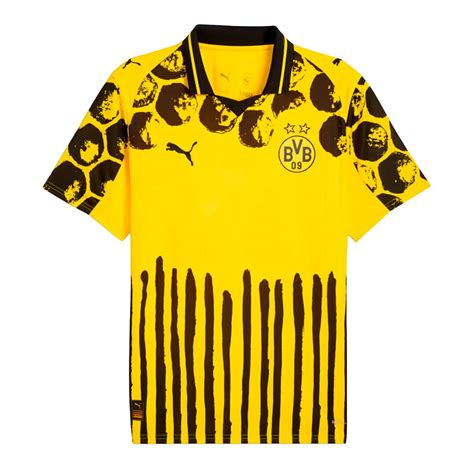
The economic and commercial impact of the Revierderby also extends to **merchandising**. Both clubs release special edition jerseys, scarves, and other memorabilia tied to the fixture. These items are not just purchased by local fans but also by international collectors, further expanding the revenue base. The exclusivity of derby-themed merchandise often leads to **premium pricing**, with fans willing to pay a higher cost for the sentimental value associated with owning a piece of the rivalry’s history. This merchandising strategy also supports the clubs’ broader commercial goals, as revenue from merchandise sales often contributes significantly to their annual budgets.
In summary, the Revierderby is a **commercial juggernaut** that extends its tendrils into various facets of the local and regional economy. From the direct revenues of match-day activities to the broader branding opportunities for sponsors and the global media exposure it generates, the event is a case study in how sports rivalries can drive economic activity. While the football itself is the centerpiece, the surrounding ecosystem of businesses, sponsors, and media entities ensures that the Revierderby is not just a game but a **regional economic engine** that sustains and elevates the Ruhr region’s profile year after year.
Memorable Revierderby Moments
The Revierderby, a fierce clash between Borussia Dortmund and Schalke 04, is one of the most storied rivalries in German football. Stemming from the proximity of the Ruhr region's two biggest clubs, this fixture has produced countless moments of drama, brilliance, and controversy that have etched themselves into the annals of football history. Below, we delve into some of the most iconic matches, goals, and controversies that define the legacy of the Revierderby.
One of the most memorable Revierderbies took place on November 26, 1997, just months after Dortmund had been crowned champions of Europe. Schalke, determined to assert themselves, hosted Dortmund in a match that would go down as a classic. The game ended in a 2-2 draw, but it was the manner of the result that captivated fans. Dortmund, trailing 2-1 in the dying minutes, saw Heiko Herrlich score a dramatic equalizer in the 88th minute. The goal was a masterclass in persistence, as Herrlich wrestled past two defenders before slotting the ball past the goalkeeper. This match exemplified the never-say-die attitude that defines the Revierderby, where even a draw can feel like a victory for the trailing side.
Another unforgettable moment came during the 2007 Revierderby at the Signal Iduna Park. Dortmund, struggling in the league at the time, faced a Schalke side brimming with confidence. However, the script was flipped when Dortmund’s Alexander Frei scored a stunning free-kick in the 89th minute to secure a 2-1 win. The goal itself was a thing of beauty—curled over the wall with pinpoint accuracy, leaving the Schalke keeper rooted to the spot. What made this moment iconic was not just the quality of the strike but the context: Dortmund were underdogs, and Frei’s goal became a symbol of defiance against their bitter rivals. Fans still recount this match as a turning point in Dortmund’s season, as it reignited their campaign and underscored the unpredictability of the Revierderby.
The 2017-18 season saw one of the most lopsided Revierderbies in recent memory. Dortmund, under manager Peter Bosz, trounced Schalke 4-4 in a match that defied logic. This was no ordinary draw—it was a game of two starkly contrasting halves. Dortmund raced to a 4-0 lead within 25 minutes, with goals from Pierre-Emerick Aubameyang, Mario Götze, and others showcasing their attacking prowess. However, Schalke staged an astonishing comeback in the second half, scoring four goals to level the match. The equalizer, scored by Naldo in stoppage time, was a thunderous header that sent the Schalke faithful into raptures. This match is often cited as a testament to the emotional rollercoaster that the Revierderby can be—where no lead is safe, and momentum can shift in an instant.
Beyond the goals, the Revierderby has also been a stage for controversies that have fueled the animosity between the two clubs. One such incident occurred in 2012, when Schalke midfielder Lewis Holtby celebrated a goal by running to the Dortmund ultras, cupping his ears in defiance. This act of provocation was met with a barrage of criticism from Dortmund fans and players alike, further stoking the flames of the rivalry. Similarly, in 2005, a disputed penalty decision in favor of Schalke led to accusations of referee bias from Dortmund supporters. These moments, while not celebratory, are integral to the Revierderby’s identity—it is a fixture where emotions run high, and every decision is scrutinized under the lens of rivalry.
Some Revierderbies are remembered not for their footballing brilliance but for their symbolic importance. The 2020 "Geisterderby" (Ghost Derby) was one such occasion. Played behind closed doors due to the COVID-19 pandemic, this match was the first Revierderby without fans in attendance. Dortmund won 4-0, but the absence of the roaring crowds—usually a defining feature of this fixture—lent the game a surreal quality. Despite the lack of atmosphere, the result was significant as it marked Dortmund’s dominance in a season where Schalke were enduring one of their worst campaigns. This match highlighted how the Revierderby, even stripped of its usual vibrancy, remains a pivotal moment in the football calendar.
Goals in the Revierderby often carry a weight beyond their immediate impact. One such goal was scored by Raphaël Guerreiro in 2020, a beautifully crafted team move that involved a series of one-touch passes before Guerreiro calmly slotted the ball into the net. This goal was not just technically impressive but also emblematic of Dortmund’s philosophy under Lucien Favre—prioritizing fluid, attacking football. For Schalke fans, it was a bitter pill to swallow, as it underscored the gulf in class between the two sides at the time. Goals like these are more than just points on the board; they are statements of intent in a rivalry where pride is often as important as points.
The Revierderby has also seen its share of youthful heroes making their mark. In 2019, Dortmund’s Jadon Sancho, then just 19 years old, scored a brace in a 2-1 victory over Schalke. His second goal, a solo effort that saw him dribble past multiple defenders before finishing with composure, announced his arrival as a star in one of football’s most intense rivalries. Sancho’s performance was not just a personal triumph but a reminder of how the Revierderby often serves as a platform for young talents to etch their names into the rivalry’s history.
Controversial moments are not limited to on-field actions. The 2015 Revierderby saw Schalke fans unfurl a tifo mocking Dortmund’s financial struggles earlier in the decade. This off-field jab was met with fierce backlash from Dortmund supporters, who viewed it as crossing a line in what is otherwise a sporting rivalry. Such incidents highlight how the Revierderby extends beyond the 90 minutes of play—it is a cultural phenomenon where every gesture, banner, and chant carries weight.
In summarizing the most memorable moments of the Revierderby, it is clear that this fixture is about more than football. It is about identity, pride, and the unrelenting passion of two sets of fans who live and breathe their clubs. From last-minute goals to heated controversies, the Revierderby has consistently delivered moments that transcend the sport. Whether it’s a stunning free-kick, a dramatic comeback, or a symbolic gesture, each chapter of this rivalry adds to its enduring appeal. As we look ahead to the 2023 edition, one can only wonder what new memories will be forged in this timeless clash of titans.
Predictions and Expert Opinions
The Revierderby, one of the most fiercely contested fixtures in German football, pits Borussia Dortmund against Schalke 04 in a clash that transcends sport and delves into regional pride, history, and rivalry. As we approach the 2023 edition of this iconic match, predictions and expert opinions are rife with speculation about how the teams will perform, who might emerge victorious, and what factors will shape the outcome. To provide a comprehensive view, we analyze expert insights, current team dynamics, and historical precedents to present a nuanced perspective on this year's Revierderby.
One of the most critical aspects of predicting the Revierderby's outcome is understanding the form and momentum of both teams leading into the match. Analysts have noted that Borussia Dortmund, under their new manager Edin Terzić, has shown a marked improvement in their attacking fluidity this season. With star players like Jude Bellingham and Julian Brandt in top form, Dortmund has been able to dominate possession and create high-quality chances in recent matches. Experts such as Raphaël Honigstein, a respected German football journalist, have pointed out that Dortmund's dynamic midfield could be the key to unlocking Schalke's defense, which has often looked vulnerable against high-pressing teams.
However, Schalke 04’s recent resurgence under coach Thomas Reis cannot be overlooked. After a rocky start to the season, Schalke has shown signs of stabilizing their backline, particularly with the inclusion of Maya Yoshida, whose experience and positioning have added much-needed solidity. Football analyst Lothar Matthäus opined in a recent column that Schalke’s ability to absorb pressure and hit Dortmund on the counter could be a decisive factor. He highlighted Schalke’s 2-1 victory over a mid-table team in their previous fixture as evidence of their growing confidence, particularly in set-piece situations where they have been particularly lethal this season.
Another dimension to consider is the psychological edge that can play a significant role in derbies. Dortmund has historically held the upper hand in this fixture, particularly in the last decade, where they have won the majority of Revierderby matches. This dominance has created a psychological burden for Schalke players, many of whom are acutely aware of the weight of expectation from their fans. Experts like Stefan Effenberg have noted that this mental pressure can sometimes lead to unforced errors or a lack of composure in critical moments. For instance, in the 2022 Revierderby, Schalke conceded a late goal due to a defensive lapse that many attributed to nerves rather than tactical shortcomings.
On the other hand, some experts believe that Schalke’s underdog status could work in their favor. Alex Chaffer, a Bundesliga correspondent, has suggested that Schalke might approach the match with a "nothing to lose" mentality, which could allow them to play with more freedom and unpredictability. He points to Schalke's 4-2 upset victory in 2019 as a prime example of how the perceived weaker side can capitalize on the overconfidence of their rivals. In that match, Schalke exploited Dortmund's high defensive line with quick through balls, a strategy that could still be effective given Dortmund’s tendency to commit numbers forward.
When it comes to the tactical battle, experts are divided on how the managers will approach the game. Dortmund’s Terzić is expected to stick with his preferred 4-2-3-1 formation, emphasizing width and rapid transitions through players like Donyell Malen on the wings. Analysts such as Lars Pollmann have suggested that Dortmund might prioritize isolating Schalke’s full-backs, who have struggled against pacey wingers this season. Conversely, Schalke’s Reis might opt for a more conservative 4-4-2, focusing on compactness and quick counterattacks. This approach was evident in their recent matches, where they prioritized defensive shape over expansive play.
Statistical models and data-driven predictions also provide interesting insights. According to FiveThirtyEight’s soccer predictions, Dortmund has a 62% chance of winning the match, compared to Schalke’s 18%, with a 20% likelihood of a draw. These numbers are based on factors like expected goals (xG), recent performances, and home-field advantage. However, experts caution against over-reliance on such models, as derbies often defy statistical logic due to their emotional intensity. For instance, Florian Plettenberg of Sky Sports Germany has emphasized that the electric atmosphere at the Signal Iduna Park could disrupt Dortmund’s rhythm if Schalke manages to silence the crowd early with an aggressive start.
Another factor that experts are closely watching is the injury situation of key players. Dortmund has recently struggled with injuries to their defensive line, particularly with Nico Schlotterbeck being a doubt for the match. If he is unavailable, Dortmund’s backline could be exposed to Schalke’s counterattacks, particularly through their pacy forward Simon Terodde. Conversely, Schalke has its own injury concerns, with Sebastian Polter potentially missing out, which could blunt their attacking options. Analysts like Kevin Hatchard have noted that injuries could level the playing field, making the match more unpredictable than the odds suggest.
Historical trends also provide a backdrop for expert opinions. The Revierderby has often been a high-scoring affair, with an average of over 3 goals per game in the last five meetings. Experts like James Thorogood of Bundesliga.com have suggested that this trend might continue, given both teams’ offensive strengths and occasional defensive lapses. Dortmund’s attacking output, averaging 2.3 goals per game this season, contrasts with Schalke’s more modest 1.1 goals per game. However, as Christoph Biermann of 11Freunde magazine points out, derbies often see unexpected heroes emerge—players who might not be regular goal-scorers but rise to the occasion in high-stakes matches.
Some experts have also raised the role of refereeing decisions in potentially shaping the outcome. The Revierderby has seen its share of controversial calls, from penalties to red cards, which have often swung the momentum. Refereeing analyst Manuel Gräfe has noted that the intensity of the rivalry often leads to a higher frequency of fouls and cards, which could influence the flow of the game. He suggests that the referee’s ability to maintain control without stifling the game’s tempo will be crucial in ensuring a fair contest.
- Key expert predictions:
- Raphaël Honigstein predicts a 3-1 victory for Dortmund, citing their superior attacking depth.
- Lothar Matthäus believes Schalke could snatch a 2-2 draw if they exploit Dortmund’s high line.
- Stefan Effenberg suggests a narrow 1-0 win for Dortmund, emphasizing their psychological dominance.
In conclusion, while Borussia Dortmund is widely considered the favorite due to their form, squad quality, and historical advantage, Schalke 04’s potential to disrupt expectations should not be dismissed. Experts agree that the Revierderby is a fixture where passion often trumps logic, and this year’s matchup promises to be no different. Whether Dortmund asserts their dominance or Schalke pulls off a shock result, the 2023 Revierderby is poised to be a thrilling chapter in this storied rivalry.
Conclusion and Future Outlook
The Revierderby of 2023, a clash between Borussia Dortmund and Schalke 04, was more than just another fixture in the Bundesliga calendar. It was a microcosm of the evolving dynamics within German football, reflecting not only the intense local rivalry but also broader shifts in the sport's competitive landscape, fan culture, and commercial ecosystem. As we analyze the implications of this year's derby, it becomes evident that the match could serve as a critical pivot point for how this storied rivalry—and German football as a whole—adapts to the pressures and opportunities of the modern era.
One of the most striking aspects of the Revierderby 2023 was the role of fan engagement and atmosphere. This year's match saw a return to full-capacity stadiums after the pandemic-induced restrictions of previous seasons. The electric energy of the Yellow Wall at Signal Iduna Park and the passionate support from Schalke's traveling fans underscored the unique cultural significance of this rivalry. However, the event also highlighted a growing tension between traditional fan culture and the increasing commercialization of football. As ticket prices rise and broadcasting rights become more lucrative, there is a risk of alienating the core supporter base that gives the Revierderby its authenticity. For the future of this rivalry, clubs must strike a balance between leveraging their global appeal and preserving the grassroots passion that defines German football's identity. Initiatives like affordable ticket schemes or community-focused events could ensure the derby remains a unifying force rather than a symbol of exclusivity.
Another key insight from Revierderby 2023 is the competitive parity—or lack thereof—between Dortmund and Schalke. Dortmund's financial and sporting dominance in recent years has created an uneven dynamic in the rivalry. While Schalke's promotion back to the Bundesliga injected fresh hope into their fanbase, their struggles to compete at the top level suggest a need for systemic changes in how smaller clubs are supported within the league. This is not merely a question of Schalke's management or squad quality but a broader issue of resource distribution in German football. The Revierderby 2023 could serve as a case study for the German Football Association (DFB) and the Bundesliga to consider measures that promote competitive balance. For instance, introducing revenue-sharing models or stricter financial fair play regulations could help Schalke and similar clubs bridge the gap, ensuring the rivalry remains compelling and unpredictable. Without such interventions, there is a danger that the Revierderby could lose its edge, becoming a one-sided affair that diminishes its cultural and sporting significance.
The match also brought to light the role of young talent in shaping the rivalry's future. Both Dortmund and Schalke have historically been known for their youth academies, producing players like Mario Götze and Manuel Neuer who have gone on to achieve global recognition. In Revierderby 2023, we saw glimpses of this tradition continuing, with Dortmund fielding promising youngsters like Youssoufa Moukoko and Schalke showcasing emerging talents eager to make their mark. However, the increasing reliance on youth development as a cost-saving measure in the face of financial pressures raises questions about sustainability. While nurturing young talent is a positive trend, clubs must also invest in experienced players to provide stability and mentorship. The future of the Revierderby could hinge on whether both clubs can maintain a pipeline of high-quality players while also competing at the highest level. This dynamic is not unique to this rivalry but reflects a broader challenge for German football, where the Bundesliga risks falling behind other leagues like the Premier League and La Liga in terms of global competitiveness.
From a technological and broadcast perspective, Revierderby 2023 demonstrated the growing influence of digital platforms in shaping how fans experience football. The match was streamed globally, with augmented reality (AR) features and real-time analytics enhancing the viewing experience for international audiences. This technological integration is a double-edged sword. On one hand, it expands the reach of the Revierderby, turning it into a global spectacle that attracts new fans and revenue streams. On the other hand, there is a risk of diluting the local flavor of the rivalry. For instance, the increasing focus on global branding could shift attention away from the unique traditions and narratives that make this derby special. To future-proof the Revierderby, stakeholders must ensure that digital innovations complement rather than replace the authentic, community-driven aspects of the event. This might involve integrating fan-generated content, local storytelling, or even virtual fan experiences that connect supporters from Dortmund and Gelsenkirchen in new ways.
Looking ahead, the geopolitical and economic context surrounding German football could also shape the Revierderby's trajectory. The energy crisis and economic challenges in the Ruhr region, where both clubs are based, have implications for fan spending power and club finances. Additionally, the increasing presence of foreign investors in the Bundesliga raises questions about how much control local stakeholders will retain over the direction of their clubs. The Revierderby 2023 could be seen as a call to action for both Dortmund and Schalke to reaffirm their identities as community-driven institutions. Collaborative efforts, such as joint initiatives to support the local economy or promote youth development in the region, could not only strengthen the rivalry but also position it as a symbol of resilience and unity in challenging times.
Finally, the globalization of the Bundesliga presents both opportunities and challenges for the Revierderby. As German football seeks to increase its international footprint, the derby could become a flagship event for promoting the league worldwide. However, this must be done carefully to avoid overshadowing the derby's intrinsic local significance. For example, pre-match events that celebrate the history of the Ruhr region or showcase fan traditions could help global audiences appreciate the derby's unique context. Moreover, the rise of women's football in Germany offers an exciting avenue for expanding the rivalry's scope. A women's Revierderby, if marketed effectively, could add a new dimension to this historic clash, broadening its appeal while staying true to its roots.
In conclusion, the Revierderby 2023 was not just a game but a lens through which we can view the future of German football. It highlighted the need to balance tradition and innovation, local pride and global ambition, competitive balance and commercial growth. If stakeholders can navigate these challenges thoughtfully, the Revierderby has the potential to remain a cornerstone of German football, evolving in ways that honor its past while embracing the future. Whether through fan initiatives, youth development, or strategic investments, the lessons of this year's derby could shape not only the rivalry between Dortmund and Schalke but the broader trajectory of the Bundesliga in the years to come.


