Introduction to Der Klassiker
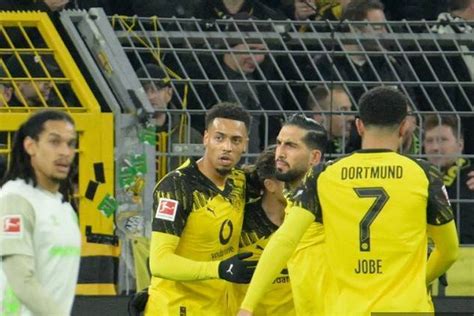
The rivalry between Bayern Munich and borussia dortmund, often referred to as "Der Klassiker," is one of the most electrifying and significant fixtures in German football. While it may lack the century-old historical underpinnings of rivalries like El Clásico or the North West Derby, its modern intensity, fueled by high-stakes matches and contrasting club philosophies, has elevated it to a status of global prominence. This section delves into the origins, evolution, and cultural significance of this rivalry, illustrating why it has become a cornerstone of the Bundesliga and a spectacle in European football.
To understand Der Klassiker, one must first recognize the stark differences between the two clubs. Bayern Munich, based in the Bavarian capital, is the behemoth of German football. Established in 1900, Bayern has a rich history of dominance, boasting a record 33 Bundesliga titles and six UEFA Champions League trophies. The club is synonymous with success, financial stability, and a global brand that extends far beyond Germany. In contrast, Borussia Dortmund, founded in 1909 in the industrial Ruhr region, represents a different ethos. Dortmund’s identity is rooted in its working-class origins, its passionate fanbase, and a more volatile history that includes periods of financial struggle. This dichotomy—Bayern as the polished, corporate giant and Dortmund as the plucky, emotional underdog—creates a dynamic that resonates deeply within German football culture.
The rivalry began to take shape in the 1990s, but it was the 2010s that truly cemented Der Klassiker as a must-watch event. During this period, both clubs were at the peak of their powers, consistently vying for domestic and European honors. Under the management of Jürgen Klopp, Dortmund emerged as a genuine threat to Bayern’s hegemony. Klopp’s high-energy, pressing style of play—dubbed "gegenpressing"—allowed Dortmund to challenge Bayern’s dominance. This era saw Dortmund win back-to-back Bundesliga titles in 2011 and 2012, breaking Bayern’s stranglehold on the league. The 2013 Champions League final at Wembley, where Bayern narrowly defeated Dortmund 2-1, was a defining moment. It was not just a clash of clubs but a clash of ideologies: Bayern’s calculated efficiency against Dortmund’s emotional intensity. This match encapsulated the essence of Der Klassiker, where the stakes are personal, and the outcomes ripple across German football.
What sets Der Klassiker apart from other rivalries is its modernity. Unlike older rivalries rooted in regional or cultural divisions, this one is largely a product of the Bundesliga’s commercial and competitive evolution. The rise of the Bundesliga as a global league in the 21st century has played a significant role. With Bayern and Dortmund being the two most successful German clubs in European competitions during this era, their matches have often served as a showcase for German football on the world stage. This has been amplified by the global fanbases both clubs have cultivated, particularly through their performances in the UEFA Champions League. For instance, Dortmund’s run to the 2013 final and Bayern’s treble-winning campaign the same year brought international attention to their domestic battles.
The significance of Der Klassiker is also tied to player transfers between the two clubs, which have often added fuel to the fire. Bayern Munich’s habit of signing key players from Dortmund—such as Robert Lewandowski, Mario Götze, and Mats Hummels—has been a point of contention. These transfers are seen by many Dortmund fans as emblematic of Bayern’s financial superiority and perceived poaching of talent. For Bayern, these moves reinforce their status as the dominant force in German football. This dynamic has created a narrative of resentment and rivalry that extends beyond the pitch. It is not merely about winning matches but about asserting dominance in a broader sense—culturally, financially, and symbolically.
Another layer of the rivalry lies in the fan culture of the two clubs. Dortmund’s Westfalenstadion, with its famous "Yellow Wall" of standing supporters, is a symbol of fan passion and loyalty. The atmosphere created by Dortmund’s supporters is often cited as one of the most intimidating in world football. In contrast, Bayern’s Allianz Arena, while impressive and modern, is sometimes criticized for lacking the same raw energy. This difference in fan culture reflects the broader philosophical divide between the clubs: Dortmund as the embodiment of grassroots passion and Bayern as the epitome of corporate efficiency. These contrasts are often played out in the stands, where chants, tifos, and the sheer volume of support add another dimension to the rivalry.
From a historical perspective, the rivalry has also been shaped by moments of crisis and resurgence for Dortmund. The club’s near-bankruptcy in 2005, followed by its resurgence under strong leadership and shrewd management, adds a layer of resilience to its identity. Bayern, on the other hand, has often been seen as the stabilizing force in German football, stepping in to provide financial assistance to Dortmund during their troubled times. This act of "support" is viewed with mixed feelings by Dortmund fans—some see it as a gesture of solidarity within German football, while others interpret it as a display of Bayern’s overarching control.
The rivalry’s intensity is further fueled by the media narrative surrounding it. German sports media often frames Bayern vs. Dortmund as a microcosm of broader societal and economic dynamics within the country. Bayern, with its base in prosperous Bavaria, is portrayed as representative of Germany’s affluent south, while Dortmund, hailing from the industrial Ruhr region, symbolizes the gritty, working-class north. This framing adds a sociocultural dimension to the rivalry, making it more than just a sporting contest. It becomes a reflection of Germany’s internal dynamics, where football serves as a lens through which societal tensions and aspirations are projected.
In terms of statistical dominance, Bayern’s superiority is undeniable. The club has consistently outperformed Dortmund in head-to-head matches and league standings. However, this very dominance has fueled Dortmund’s desire to upset the odds, creating a "David vs. Goliath" narrative that appeals to neutral fans. When Dortmund does triumph—such as their 3-2 victory in the 2012 DFB-Pokal final—it is celebrated not just as a win but as a moment of defiance against the established order.
The cultural and competitive significance of Der Klassiker extends beyond Germany. In the context of the UEFA Champions League, matches between these two clubs carry additional weight. Their shared history of European success means that any meeting, even in a group stage or knockout round, is viewed as a battle for German supremacy on the continental stage. This was evident in the 2020 UCL quarter-finals, where Bayern’s 1-0 win over Dortmund was a statement of intent in their eventual triumph in the tournament.
- The rivalry is not just about football—it is about identity, philosophy, and the soul of German football.
- It embodies the clash between tradition and modernity, grassroots passion and corporate power.
- It serves as a stage for players, managers, and fans to etch their names into the annals of the sport.
In conclusion, Der Klassiker is more than a fixture; it is a narrative that encapsulates the essence of modern German football. It is a rivalry that has grown from relatively recent roots into a spectacle that captures the imagination of fans worldwide. As Bayern and Dortmund continue to shape the Bundesliga and compete on the European stage, their clashes will remain a defining feature of the sport, a testament to the power of rivalry in elevating football to new heights.
Historical Context of the Rivalry
The term "Der Klassiker" has become synonymous with the clashes between two of Germany's most successful football clubs, Bayern Munich and Borussia Dortmund. While the rivalry is not as historically entrenched as some of Europe's other classic derbies, such as El Clásico or the Manchester Derby, its modern significance is rooted in a combination of on-field excellence, competitive balance, and the emergence of both clubs as dominant forces in German and European football. To fully understand the origins and evolution of this rivalry, we must delve into its early roots, the key moments that escalated its intensity, and the cultural and competitive factors that have sustained it over time.
The rivalry between Bayern Munich and Borussia Dortmund did not begin as a storied feud. In fact, during the early decades of German football, Dortmund was often overshadowed by other clubs, including Hamburg, Werder Bremen, and even local rivals Schalke 04. Bayern Munich, on the other hand, had already begun to establish itself as a powerhouse by the 1970s, winning multiple Bundesliga titles and European trophies under the guidance of legendary figures like Franz Beckenbauer and Gerd Müller. Dortmund, meanwhile, was in the process of building its identity, with its first Bundesliga title coming in 1995 under the stewardship of manager Ottmar Hitzfeld, who would later manage Bayern as well. This overlap of personnel and success in the 1990s planted the seeds for what would become a more direct competition in the decades to follow.
One of the earliest defining moments of the rivalry came in the 1997–98 season when Dortmund, fresh off their UEFA Champions League triumph the previous year, faced Bayern in a tense Bundesliga campaign. Bayern had narrowly missed out on the Champions League title to Manchester United in 1999, and both clubs were vying for supremacy in Germany. This period marked the start of a shift where Dortmund was no longer just a regional competitor but a legitimate threat to Bayern's dominance. However, it was not until the late 2000s and early 2010s that the term "Der Klassiker" began to take hold in the football lexicon, largely due to Dortmund's resurgence under Jürgen Klopp.
Klopp's arrival at Dortmund in 2008 marked a turning point. He implemented a high-intensity pressing style that revitalized the club and brought them back into the limelight. Dortmund won back-to-back Bundesliga titles in 2011 and 2012, breaking Bayern's stranglehold on the league. These victories were not just about trophies; they were symbolic of Dortmund's ability to challenge Bayern's perceived inevitability. The 2012 Bundesliga title, in particular, was clinched in a season where Dortmund remained unbeaten in their last 28 matches, a feat that underscored their growing confidence. This period also saw Dortmund defeat Bayern in the 2012 DFB-Pokal final, a 5-2 thrashing that remains one of the most emphatic victories in the history of their head-to-head clashes. Such results gave the rivalry a sharper edge, as Bayern could no longer dismiss Dortmund as a fleeting challenger.
The rivalry reached its zenith in the 2012–13 season, which culminated in the two teams meeting in the UEFA Champions League final at Wembley Stadium—a moment that solidified "Der Klassiker" as a term of global relevance. This was the first all-German final in Champions League history, and it carried immense weight. Dortmund, with their dynamic young squad featuring players like Robert Lewandowski, Marco Reus, and Ilkay Gündogan, represented the upstart challenger. Bayern, led by veterans such as Arjen Robben and Bastian Schweinsteiger, sought redemption after their heartbreaking loss to Chelsea in the previous year's final. The match itself was a microcosm of the rivalry's intensity: Dortmund started brightly, but Bayern's experience and resilience saw them claim a 2-1 victory with a late Robben winner. This result not only handed Bayern the European crown but also intensified the narrative of Bayern as the established giant and Dortmund as the plucky, ambitious underdog.
Beyond individual matches, the rivalry has been shaped by player transfers that have often felt like betrayals or power moves in the eyes of fans. The most notable of these was Robert Lewandowski's free transfer from Dortmund to Bayern in 2014. Lewandowski had been instrumental in Dortmund's success under Klopp, and his departure to their fiercest rival was seen as a microcosm of Bayern's financial and institutional power. This transfer, along with earlier moves like Mario Götze's switch in 2013, fueled the perception that Bayern was not just competing on the pitch but also engaging in a form of "economic imperialism" within German football. These transfers added a layer of animosity that went beyond the 90 minutes of play, embedding the rivalry in the broader context of German football's power dynamics.
The evolution of "Der Klassiker" has also been influenced by the clubs' contrasting identities. Bayern Munich, based in the affluent region of Bavaria, has long been associated with stability, financial muscle, and a relentless pursuit of success. Dortmund, by contrast, represents a more populist ethos, rooted in the industrial heartland of the Ruhr area. This socio-economic dichotomy has added a cultural dimension to their clashes, with Dortmund fans often framing their support as a rebellion against Bayern's perceived hegemony. This dynamic is reflected in the atmospheres of their matches, where Dortmund's famed Yellow Wall at Signal Iduna Park contrasts with Bayern's more corporate Allianz Arena.
In recent years, the rivalry has been sustained by the continued competitiveness of both clubs in domestic and European competitions. While Bayern has maintained its dominance in the Bundesliga, Dortmund has consistently pushed them, with matches often decided by fine margins. Key moments, such as Dortmund's 3-2 victory in the 2018–19 season that helped them briefly top the Bundesliga table, or Bayern's 3-2 win in the 2021 DFL-Supercup, have kept the fires of competition burning. These matches are not just about points; they are about legacy, bragging rights, and the ongoing question of whether Dortmund can truly disrupt Bayern's dominance over the long term.
The term "Der Klassiker" is also a reflection of how modern football narratives are shaped by media and marketing. Unlike traditional rivalries that are rooted in geography or history, this one has been amplified by the global reach of the Bundesliga and the UEFA Champions League. The branding of this fixture as a "classic" has helped elevate its status, turning regular season matches into must-watch events for fans worldwide. This commercial aspect, while sometimes criticized for oversimplifying the rivalry, has nonetheless played a role in embedding the term in the global football consciousness.
In summary, the origins and evolution of the Bayern-Dortmund rivalry are a blend of historical moments, cultural contrasts, and modern football's dynamics. From early signs of competition in the 1990s to the explosive clashes of the 2010s and beyond, "Der Klassiker" has grown into a fixture that encapsulates the best of German football. It is a rivalry defined not just by goals and trophies but by the broader struggle for identity, dominance, and legacy in one of Europe's most competitive football landscapes.
The UCL Final Stage
The UEFA Champions League (UCL) final is not merely a game; it is the pinnacle of European club football, a stage where legends are made and narratives are etched into the annals of sports history. When this stage is graced by a rivalry as storied and emotionally charged as "Der Klassiker" between Bayern Munich and Borussia Dortmund, the stakes are amplified to an almost surreal level. The UCL final transforms what is already a fierce domestic battle into a contest of continental supremacy, where the weight of history, the pressure of expectation, and the global spotlight converge to create an atmosphere unlike any other.
The first element that distinguishes a UCL final is its singularity. Unlike a league campaign, where a title can be clinched over 38 games, or even a domestic cup final, which might occur annually for a club, the UCL final is a once-in-a-season—and often once-in-a-generation—opportunity. For clubs like Bayern Munich and Borussia Dortmund, who share not just a rivalry but a stark contrast in resources, philosophy, and fanbases, the UCL final represents a rare moment to assert dominance on the biggest stage. For Bayern, it is about reinforcing their status as a European juggernaut; for Dortmund, it is about puncturing that aura and proving that their underdog spirit can overcome the Goliaths of the football world. This dynamic heightens the psychological tension because a loss in the final doesn’t just mean missing out on a trophy—it means ceding bragging rights in a rivalry that defines German football.
The global audience of the UCL final further intensifies the rivalry. While Der Klassiker is primarily a domestic clash with a strong German audience, the UCL final is watched by hundreds of millions worldwide. This global stage transforms the rivalry into a cultural event. For Dortmund, a club with a more modest international profile compared to Bayern, the final offers a chance to elevate their brand and attract global recognition. For Bayern, it is about maintaining their position as a symbol of German excellence. The stakes are not just about the 90 minutes on the pitch but about how the result will resonate across continents, influencing sponsorships, fan growth, and even national pride. A UCL final win for either side does not just settle a score—it reverberates in boardrooms, fan forums, and transfer markets.
The historical context of their rivalry adds another layer of complexity. Bayern Munich and Borussia Dortmund have met in a UCL final before—the 2013 edition at Wembley Stadium, where Bayern triumphed 2-1. That match is a touchstone in their rivalry, a moment that Bayern fans cherish and Dortmund fans rue. A UCL final rematch would inevitably dredge up those memories. For Dortmund, it would be a chance at redemption, to rewrite the script of that painful defeat. For Bayern, it would be an opportunity to reaffirm their dominance and show that history can repeat itself in their favor. This historical undercurrent means that the final is not just about the present; it is about exorcising ghosts or solidifying legacies. The psychological baggage of past encounters makes every tackle, every goal, and every mistake carry a weight far beyond the immediate game.
The contrast in playing styles between the two teams also adds unique flavor to a UCL final featuring Der Klassiker. Bayern Munich, with their relentless pressing, technical precision, and star-studded lineup, often approach the game with an air of inevitability. Their financial might and squad depth usually position them as favorites. Dortmund, however, thrives on their Gegenpressing roots, youthful exuberance, and the romantic notion of overachievement. In a UCL final, this contrast is magnified. Bayern’s methodical approach can seem like a steamroller, while Dortmund’s high-energy counterattacks and moments of individual brilliance embody the romanticism of the underdog. This stylistic clash creates a narrative of order versus chaos, control versus unpredictability—a dynamic that can swing the emotional pendulum of the match in unpredictable ways.
The role of key players in a UCL final cannot be overstated, and in the context of Der Klassiker, the individual battles take on added significance. Imagine a scenario where a Dortmund striker like Erling Haaland (or a future star of similar caliber) faces off against a Bayern defense anchored by a stalwart like Matthijs de Ligt. Or consider the midfield duel between Dortmund’s creative sparks and Bayern’s engine room of Joshua Kimmich and Leon Goretzka. These matchups are not just about skill but about the symbolic weight each player carries. A goal from a Dortmund academy graduate in a UCL final would feel like a triumph of their philosophy of nurturing young talent, while a decisive moment from a Bayern superstar would reinforce their reputation as a destination for the world’s best.
The emotional toll of the UCL final on players and fans is another dimension unique to this stage. For Dortmund fans, many of whom view their club as a bastion of resistance against Bayern’s financial dominance, the final is a moment of defiance. For Bayern supporters, it is about protecting their perch at the top of German and European football. The emotional investment in a UCL final is exponentially higher than in a league match because of its finality. There is no next game to recover; it is do-or-die. This emotional amplification is particularly acute in a rivalry like Der Klassiker, where the fanbases are geographically close and socially intertwined. The bragging rights extend beyond the stadium—they permeate workplaces, schools, and social media, making the result feel personal to millions.

The commercial and institutional implications of a UCL final win also cannot be ignored. For Bayern, a victory cements their status as a perennial contender, reinforcing their commercial appeal and ability to attract top-tier talent. For Dortmund, a win would represent a seismic shift in their trajectory, potentially allowing them to close the gap in domestic and European competitions. The financial windfall of a UCL final victory—through prize money, increased sponsorship deals, and marketability—can alter the long-term power dynamics of the rivalry. In this sense, the final is not just a game but a potential turning point in the broader narrative of Der Klassiker.
Finally, the tactical chess match between the coaches adds another fascinating element. In a UCL final, the margin for error is razor-thin, and the decisions made by the managers—be it in team selection, substitutions, or in-game adjustments—can define careers. For Dortmund, a bold tactical gamble might be necessary to upset Bayern’s rhythm. For Bayern, the challenge is to avoid complacency and find ways to break down a motivated and potentially unpredictable opponent. The UCL final stage demands not just physical and technical excellence but also strategic genius, and this layer of complexity further elevates the rivalry’s intensity.
In summary, the UCL final stage transforms Der Klassiker from a heated domestic rivalry into a battle for European immortality. The combination of global visibility, historical baggage, stylistic contrasts, emotional investment, and high-stakes outcomes creates a spectacle that is far more than a simple football match. It becomes a clash of identities, philosophies, and destinies—a moment where the very essence of the rivalry is distilled into 90 (or more) minutes of football. For both Bayern Munich and Borussia Dortmund, the UCL final is not just about winning a trophy; it is about claiming a legacy.
Team Analysis: Bayern Munich
Bayern Munich, one of the most storied clubs in European football, enters the UEFA Champions League (UCL) final with a blend of experience, tactical versatility, and a squad brimming with world-class talent. Their journey to the final has been marked by moments of brilliance and resilience, and understanding their squad dynamics, tactical approach, and recent form provides a comprehensive view of their readiness for this high-stakes encounter.
The Bavarian giants are renowned for their attacking philosophy, often referred to as "FC Hollywood" for their flair and dominance. Under manager Thomas Tuchel, who took over mid-season, Bayern have shown a willingness to adapt their traditional high-pressing 4-2-3-1 system to suit the personnel and opposition. This flexibility is a key strength, as it allows them to transition seamlessly between possession-based football and a more direct, counter-attacking style when needed. This adaptability has been tested in their UCL campaign, particularly against teams that deploy low blocks or aggressive pressing schemes.
At the heart of Bayern's squad is Harry Kane, their marquee summer signing. Kane has been nothing short of sensational in his debut season, providing not just goals but also a creative outlet in the final third. With over 20 goals and 7 assists in all competitions, his ability to drop deep and link play has added a new dimension to Bayern's attack. This dual role as both a finisher and a playmaker has alleviated some of the creative burden from midfielders like Jamal Musiala and Leon Goretzka. Kane's presence also forces opposition defenses to stay compact, creating space for wide players such as Leroy Sané and Kingsley Coman to exploit. In the context of the UCL final, Kane's ability to perform under pressure will be pivotal, especially given his experience in high-profile matches during his time at Tottenham Hotspur.
Another key figure is Joshua Kimmich, Bayern's midfield lynchpin. Kimmich’s versatility is unparalleled; he operates as a deep-lying playmaker, a box-to-box midfielder, and even as a makeshift right-back when required. His passing range, positional awareness, and set-piece delivery make him indispensable. In big games, Kimmich often serves as the metronome, dictating the tempo and ensuring Bayern maintain control in midfield. However, his defensive contributions will be equally critical in the final, as he will likely be tasked with neutralizing the opposition's creative midfielders or tracking dangerous late runs into the box.
Bayern's defense, while occasionally prone to lapses this season, boasts a blend of experience and emerging talent. Matthijs de Ligt and Dayot Upamecano form the central defensive partnership, with the latter's recovery speed being a valuable asset against quick counter-attacks. However, their susceptibility to errors under pressure has been a concern. Tuchel has worked to address this by reinforcing the defensive structure with a double pivot in midfield, often featuring Goretzka alongside Kimmich. This setup provides additional cover for the backline while allowing the full-backs, typically Alphonso Davies and Noussair Mazraoui, to push forward and contribute to attacks. Davies, in particular, has been a standout with his blistering pace and ability to overlap, stretching opposition defenses and creating overloads on the flanks.
In terms of recent form, Bayern have shown both promise and vulnerability. Their domestic campaign has been marked by inconsistency, with dropped points against mid-table Bundesliga teams raising questions about their focus. However, their UCL performances tell a different story. The knockout stages saw them dismantle tough opponents with clinical efficiency, particularly in the quarter-finals where they overwhelmed a defensively resolute side with a blend of high pressing and precise attacking movements. This suggests that Bayern thrive in high-stakes, one-off matches where their individual quality and experience come to the fore. Tuchel's tactical tweaks in these matches, such as deploying a false nine or shifting to a back three in possession, have proven effective in breaking down stubborn defenses.
One area of concern for Bayern is their midfield balance. While Kimmich and Goretzka provide a solid foundation, the absence of a natural defensive midfielder has occasionally left them exposed against teams with dynamic midfield runners. This was evident in their group-stage matches, where they struggled to contain opponents who targeted the space between their midfield and defense. Tuchel has experimented with deploying Konrad Laimer in a more defensive role, but this remains a potential weakness that astute opponents could exploit in the final.
The wide areas are where Bayern are most dangerous. Sané has been in scintillating form, combining his dribbling ability with improved decision-making in the final third. His partnership with Davies on the left flank has been a consistent source of goals and chances. On the right, Coman offers a different profile, using his trickery and close control to cut inside and create shooting opportunities. These wide players are supported by full-backs who are encouraged to bomb forward, making Bayern's attack multi-dimensional. However, this attacking intent can leave spaces behind, especially if the opposition targets transitions and looks to exploit the high defensive line.
Another aspect of Bayern's preparation is their psychological edge. As a club with a rich history in the UCL, they are no strangers to the pressure of the final. Many of their players, including Manuel Neuer, Thomas Müller, and Serge Gnabry, have experienced the euphoria of lifting the trophy before. This experience can be a double-edged sword; while it provides calmness under pressure, it also raises expectations. Tuchel’s role in managing this psychological aspect cannot be understated. His ability to instill belief and focus, particularly after a mid-season managerial change, will be tested in the final.
In summary, Bayern Munich's squad for the UCL final is a blend of proven stars and emerging talents. Their attack, spearheaded by Kane and supported by dynamic wingers, is among the most potent in Europe. The midfield, anchored by Kimmich, provides both creativity and stability, though defensive vulnerabilities in midfield remain a concern. The defense, while occasionally error-prone, has the tools to withstand pressure if Tuchel’s system is executed effectively. Their recent form suggests that they are peaking at the right time, with Tuchel’s tactical flexibility giving them an edge in adapting to different scenarios. As they approach the final, Bayern’s ability to balance their attacking prowess with defensive discipline will be the key determinant of their success.
- Kane’s impact as both a scorer and playmaker adds a new tactical dimension.
- Kimmich’s versatility and leadership in midfield are central to Bayern’s control.
- Wide players like Sané and Coman are pivotal in stretching defenses.
- Defensive lapses and midfield balance are areas to monitor closely.
- Tuchel’s adaptability in tactics could be a game-changer in high-pressure moments.
This comprehensive analysis underscores why Bayern Munich are formidable contenders in the UCL final, with their blend of individual brilliance and collective cohesion making them a team to watch.
Team Analysis: Borussia Dortmund
Borussia Dortmund, a club steeped in history and resilience, has often been viewed as the perennial underdog in the context of 'Der Klassiker' clashes, especially when pitted against the juggernaut that is Bayern Munich. However, in the context of a UEFA Champions League (UCL) final, their squad dynamics, tactical adaptability, and high-energy playing style present a fascinating case study of how they could potentially match up against their Bavarian rivals. A deep dive into their squad, playing philosophy, and strategic approach is essential to understanding their chances in such a high-stakes encounter.
Let us begin with Dortmund's squad, which has undergone significant evolution in recent years. While the departure of key players like Erling Haaland to Manchester City has left a void in the attacking third, Dortmund has managed to rebuild around a blend of experienced campaigners and promising young talents. The attacking line is now spearheaded by Sébastien Haller, whose physicality and aerial prowess offer a different dimension compared to Haaland's blistering pace. Supporting him are wingers like Donyell Malen and Karim Adeyemi, both of whom bring explosive speed and directness on the flanks. These players are complemented by the creative midfield engine of Jude Bellingham, whose box-to-box energy, dribbling ability, and defensive contributions make him one of Europe's most sought-after talents. In defensive midfield, the presence of Emre Can provides a steely shield in front of the backline, while his passing range allows Dortmund to transition quickly from defense to attack.
The defensive setup of Dortmund has often been a point of contention, but under the guidance of manager Edin Terzić, there has been a noticeable improvement in organization. The center-back pairing of Nico Schlotterbeck and Niklas Süle offers a mix of athleticism and technical ability. Schlotterbeck, in particular, is adept at playing out from the back, a trait that aligns with Dortmund's preference for a high-pressing, possession-based game. However, their defensive vulnerabilities, particularly against quick counterattacks, could be exploited by Bayern's rapid transitions led by players like Leroy Sané and Kingsley Coman. This is where Dortmund's fullbacks, such as Raphaël Guerreiro and Thomas Meunier, must strike a balance between contributing to attacks and maintaining defensive solidity. Guerreiro, in particular, is a creative outlet, often drifting into central areas to link play, but this can leave spaces behind him that Bayern's wingers are well-equipped to exploit.
Dortmund's playing style is characterized by a high-tempo, aggressive approach that seeks to dominate possession and suffocate opponents in their own half. This philosophy is rooted in the "Gegenpressing" system popularized by their former manager Jürgen Klopp but has been refined under Terzić to include more structured build-up play. Dortmund's pressing is often triggered by their forward line, with Haller leading the charge to disrupt the opposition's defensive buildup. This is complemented by Bellingham and Julian Brandt, who excel at winning the ball in advanced areas and quickly turning defense into attack. However, against Bayern, this aggressive pressing strategy must be executed with precision. Bayern's ability to play through the press, particularly with the composure of Joshua Kimmich and Leon Goretzka in midfield, could leave Dortmund exposed if their press is bypassed. This is a critical area of concern for Terzić, as Bayern’s midfield maestros are capable of finding incisive passes to release their forwards in behind.
In terms of strategic matchups, Dortmund's wide attacking play could pose problems for Bayern. The Bavarians have occasionally struggled against teams that exploit the flanks, as seen in their recent encounters with teams employing wing-focused tactics. Dortmund's wide forwards, supported by overlapping fullbacks, could target Bayern's fullbacks, particularly if Alphonso Davies is caught too high up the pitch. Adeyemi's pace, in particular, could be a weapon in isolating Davies or Benjamin Pavard in one-on-one situations. However, this approach requires Dortmund to maintain a high level of defensive discipline, as Bayern’s counterattacking threat is lethal. A lapse in concentration, particularly from their fullbacks or midfield, could result in Bayern exploiting the spaces left behind.
Another key aspect of Dortmund's strategy is their set-piece efficiency. With players like Schlotterbeck, Süle, and Haller, Dortmund has a significant aerial presence that they often leverage in dead-ball situations. This could be a potential equalizer against Bayern, especially given that set pieces are one of the few areas where Dortmund can claim a tangible advantage. Bayern's zonal marking system has been prone to lapses, and Dortmund's coaching staff will undoubtedly have identified this as a weakness to exploit. In a UCL final, where matches are often decided by fine margins, a well-executed set-piece goal could tilt the balance in Dortmund's favor.
However, a critical challenge for Dortmund lies in their mental fortitude and ability to manage the psychological pressure of a UCL final against their arch-rivals. Historically, Dortmund has shown moments of brilliance in 'Der Klassiker' matches but has often faltered under the weight of expectation, particularly in knockout scenarios. This is where Terzić's man-management skills will be tested. His ability to instill belief and maintain focus in his young squad could be the deciding factor. Bayern, with their experience of winning multiple UCL titles, holds a clear edge in this department, but Dortmund's youthful exuberance and fearlessness could serve as a double-edged sword—energizing them in moments of adversity while also exposing them to lapses in concentration.
In direct comparison to Bayern, Dortmund's squad may lack the depth and superstar pedigree of their rivals, but their cohesion and tactical flexibility make them a formidable opponent. Unlike Bayern, who often rely on individual brilliance from players like Robert Lewandowski (before his departure) or Thomas Müller, Dortmund's strength lies in their collective effort. Their high-energy style can disrupt Bayern's rhythm, especially if they can force errors in Bayern's buildup play. However, this requires near-perfect execution, as Bayern's ability to control the tempo of the game and switch play quickly can neutralize Dortmund's press if not applied relentlessly.
In summary, Borussia Dortmund's approach to a UCL final against Bayern would hinge on their ability to maximize their strengths—speed on the wings, set-piece efficiency, and a high-pressing game—while mitigating their weaknesses, particularly in defensive transitions. While they may not enter the match as favorites, their blend of youth, tactical nous, and fearless attacking play ensures they are more than capable of springing a surprise. In the theater of a UCL final, where form often takes a backseat to moments of brilliance, Dortmund's squad has the tools to challenge Bayern's dominance, provided they execute their game plan with precision and resilience.
- Dortmund's attacking depth, while not as star-studded as Bayern's, offers variety and unpredictability.
- Their pressing game, if executed flawlessly, could disrupt Bayern's rhythm.
- Set pieces could be a critical area where Dortmund gains an edge.
- Defensive lapses and mental pressure remain key vulnerabilities to address.
This analysis underscores that while Dortmund may not have the same resources or pedigree as Bayern, their tactical approach and squad dynamics make them a compelling contender in the context of a UCL final showdown.
Key Players to Watch
The UEFA Champions League (UCL) final is the pinnacle of European club football, and when it features a clash as storied as 'Der Klassiker' between Bayern Munich and Borussia Dortmund, the stakes are even higher. Both teams bring a rich history of rivalry and a roster of world-class talent. In this section, we delve into the **key players to watch** from both sides, analyzing their current form, historical performances in big matches, and the tactical roles they are likely to play in this high-pressure encounter.
For Bayern Munich, the Bavarian giants have consistently fielded some of the most lethal attackers and composed defenders in modern football. Their star power is undeniable, but certain individuals stand out as game-changers in a UCL final scenario.
Robert Lewandowski is the first name that comes to mind. The Polish striker, now plying his trade at Barcelona, may no longer be a Bayern player, but his shadow looms large over this fixture due to his history with both clubs. However, Bayern has found a worthy successor in Harry Kane. Since joining from Tottenham Hotspur, Kane has been nothing short of sensational. In the 2023-24 season, he has already notched 28 goals and 8 assists in 35 appearances across all competitions. His ability to drop deep, link play, and finish with clinical precision makes him a dual threat. In a UCL final, Kane's experience in high-stakes matches (he scored 7 goals in Tottenham's run to the 2019 UCL final) positions him as Bayern's most reliable outlet for goals. His aerial presence and hold-up play could also exploit Dortmund's occasional vulnerability to set-pieces.
Another key figure for Bayern is Jamal Musiala. At just 20 years old, Musiala has emerged as one of the most dynamic attacking midfielders in Europe. His stats this season—12 goals and 10 assists in 34 games—underscore his importance. Musiala's low center of gravity, quick dribbling, and vision allow him to operate in tight spaces, which is critical against Dortmund's high-pressing midfield. In past Der Klassiker clashes, Musiala has often been the player to unlock Dortmund's defense with incisive through balls or late runs into the box. His youthful energy and fearlessness in big games make him a player Dortmund must closely mark.
On the defensive end, Matthijs de Ligt is Bayern's rock at the back. The Dutch center-back has averaged 3.2 interceptions and 4.1 clearances per game in the UCL this season. His physicality and ability to read the game will be crucial in neutralizing Dortmund's counterattacks. De Ligt's battles with Dortmund's forwards, particularly in aerial duels, could be a decisive subplot in the final.
Shifting focus to Borussia Dortmund, they bring their own blend of youthful exuberance and tactical flexibility. While Bayern often relies on established stars, Dortmund's squad thrives on collective effort spearheaded by a few standout individuals.
Jude Bellingham, although now at Real Madrid, was a pivotal figure for Dortmund in recent years, and his absence leaves a creative void. However, Dortmund has found a new midfield maestro in Julian Brandt. Brandt has been in scintillating form this season, contributing 10 goals and 14 assists in 36 appearances. His ability to operate as a false nine or in a traditional number 10 role gives Dortmund flexibility in attack. Brandt's close control under pressure and his knack for threading defense-splitting passes could trouble Bayern's disciplined backline. In a UCL final, where space is at a premium, Brandt's ability to exploit half-spaces will be vital.
Upfront, Sébastien Haller is Dortmund's primary goal threat. After overcoming a battle with cancer, Haller has returned to form with 18 goals in 32 games this season. His physicality and aerial dominance make him a handful for any defense, and his link-up play with Brandt and Karim Adeyemi has been a bright spot for Dortmund. Haller's ability to hold up the ball and bring speedy wingers like Adeyemi into play could stretch Bayern's defense, especially if they are caught high up the pitch. In a one-off final, Haller's experience in decisive moments (he scored key goals in Dortmund's knockout stage matches) could prove invaluable.
Defensively, Dortmund's hopes rest heavily on Nico Schlotterbeck. The young German center-back has been a revelation this season, showcasing an impressive ability to win duels (72% success rate in aerial duels) and play out from the back. Schlotterbeck's composure on the ball will be tested against Bayern's high press, but his performances in big Bundesliga matches suggest he is up to the task. His partnership with Niklas Süle, a former Bayern player, will need to be at its best to contain Kane and Musiala.
Another player to watch for Dortmund is Karim Adeyemi. The 21-year-old winger has blistering pace and has been directly involved in 15 goals this season (8 goals, 7 assists). His ability to exploit space behind Bayern's full-backs, particularly if Alphonso Davies is caught out of position, could be a game-changer. Adeyemi's dribbling and willingness to take on defenders one-on-one could force Bayern into tactical adjustments, potentially opening up space for Haller or Brandt.
When analyzing the impact of these players, it is essential to consider their head-to-head performances in Der Klassiker fixtures. For instance, Harry Kane has scored 4 goals in 5 matches against Dortmund since joining Bayern, while Brandt has provided 3 assists in his last 4 games against Bayern. These stats highlight how both players tend to elevate their game in this fixture, making them even more critical in a UCL final setting.
Tactical flexibility is another area where these players shine. Bayern's Thomas Müller, though not as prolific in front of goal as he once was, remains a master of off-the-ball movement and creating space for teammates like Kane and Musiala. His experience in UCL finals (he has played in 3, winning 2) gives Bayern an edge in terms of leadership and game management. For Dortmund, Emre Can provides a similar veteran presence in midfield. His ability to break up play and distribute under pressure will be essential in stifling Bayern's attacking rhythm.
In summary, the UCL final between Bayern Munich and Borussia Dortmund will likely hinge on the performances of these star players. Harry Kane's goal-scoring prowess, Jamal Musiala's creativity, and Matthijs de Ligt's defensive stability give Bayern a formidable edge. On the other hand, Dortmund's Julian Brandt's playmaking, Sébastien Haller's physical presence, and Karim Adeyemi's pace provide them with the tools to upset the odds. Both teams are stacked with talent, but the players mentioned here are the ones who are most likely to leave an indelible mark on this historic encounter.
Tactical Breakdown
The UEFA Champions League (UCL) final is the pinnacle of European club football, and when it features a clash as storied as "Der Klassiker" between Bayern Munich and Borussia Dortmund, the tactical intrigue reaches fever pitch. Both teams bring rich histories, contrasting styles, and elite-level talent to the table. This section delves into the expected tactical approaches and formations each side might deploy in their quest for European glory, focusing on how their strategies could shape the match's dynamics.
Bayern Munich, under their current management, have typically favored a high-intensity, possession-based system that emphasizes verticality and quick transitions. Their default formation in recent UCL campaigns has been a 4-2-3-1, which provides both attacking fluidity and defensive balance. However, in high-stakes matches like the UCL final, they may opt for a slightly more conservative 4-3-3 to overload the midfield and deny Dortmund space to exploit on the counter. This formation would likely see Joshua Kimmich as the deep-lying playmaker, supported by Leon Goretzka and possibly Thomas Müller in a hybrid role. The trio would aim to dominate possession and set the tempo, while also being tasked with breaking Dortmund's pressing lines.
In attack, Bayern's wingers—likely Kingsley Coman and Serge Gnabry—will be instructed to stretch Dortmund's backline by hugging the touchline and making diagonal runs into the box. Robert Lewandowski, if fit, would be the focal point of their attack. His movement off the ball is key to drawing out Dortmund's center-backs, creating space for midfield runners like Müller or even Kimmich to exploit. Bayern’s full-backs, likely Alphonso Davies and Noussair Mazraoui, will provide width and act as auxiliary wingers in possession. Their overlapping runs could be a critical element in breaking down Dortmund’s compact defensive structure, particularly if Dortmund deploy a low block in certain phases of the game.
Defensively, Bayern will aim to press high up the pitch, particularly when Dortmund’s goalkeeper or center-backs are in possession. This approach is designed to force errors in Dortmund's build-up play and win the ball in advanced areas. However, this high press comes with risks, as Dortmund are adept at playing long balls over the top for their pacey forwards. Bayern's center-backs, likely Matthijs de Ligt and Dayot Upamecano, must be vigilant in tracking runs and avoiding being drawn out of position. Their ability to remain compact while maintaining a high line will be a critical factor in nullifying Dortmund's counterattacking threat.
On the other side, Borussia Dortmund are likely to adopt a more pragmatic approach. Historically, Dortmund have shown a willingness to adapt their style in big games, and against Bayern’s overwhelming firepower, they may favor a 4-4-2 or a 4-2-3-1 with a clear emphasis on defensive solidity. Their midfield pairing, likely comprising Jude Bellingham and Salih Özcan, will be tasked with disrupting Bayern’s rhythm. Bellingham, in particular, is a dynamic presence who can press high, win duels, and drive forward with the ball. His role will be pivotal in both breaking up Bayern’s play and initiating Dortmund’s transitions.
In attack, Dortmund’s strategy will likely revolve around exploiting space behind Bayern’s high line. This is where the pace of players like Karim Adeyemi and Donyell Malen becomes crucial. Both forwards are comfortable making runs in behind, and Dortmund’s midfielders will look to release them with incisive through balls. Additionally, Dortmund may use their wide midfielders—possibly Julian Brandt and Marco Reus—to drift inside and create numerical superiority in central areas. This could force Bayern’s full-backs to think twice about bombing forward, as doing so might leave space for Dortmund’s wingers to attack the channels.
A key feature of Dortmund’s approach will be their ability to switch between phases of pressing and sitting deep. Against Bayern’s possession-heavy system, Dortmund might employ a mid-block in the early stages to conserve energy and force Bayern to play through narrow spaces. However, when the opportunity arises—such as when Bayern’s full-backs are caught high—Dortmund can spring into a high press, particularly targeting Kimmich as Bayern’s primary ball distributor. Forcing turnovers in Bayern’s half could allow Dortmund to create quick, direct chances, a strategy they have used effectively in past "Klassiker" encounters.
Another intriguing aspect of Dortmund’s potential tactics is their set-piece strategy. With players like Niklas Süle and Nico Schlotterbeck offering aerial prowess, Dortmund might look to target Bayern’s occasional vulnerability from corners and free kicks. This could be a particularly effective avenue if the game becomes cagey, as it often does in finals where both teams are wary of making mistakes.
In terms of individual battles, the midfield zone will be the most contested area of the pitch. Bayern’s numerical advantage in a 4-3-3 could see them dominate possession, but Dortmund’s compact shape and disciplined pressing could frustrate their opponents. Conversely, if Dortmund opt for a higher press, they risk being overrun in transition by Bayern’s rapid counterattacks. This tactical chess match will likely see both managers make in-game adjustments, such as shifting to a 3-5-2 or 4-4-1-1 depending on the flow of the game.
One wildcard factor is how each team handles the emotional and psychological weight of the occasion. Bayern, as serial UCL contenders, might feel the pressure of expectation more acutely, while Dortmund, seen as underdogs in this fixture, could play with a sense of liberation. This dynamic might influence how both teams approach risk-taking in their tactics. For instance, Bayern might be more cautious in their build-up play to avoid costly mistakes, while Dortmund could take more gambles in attack, knowing they have less to lose.
In conclusion, the UCL final between Bayern Munich and Borussia Dortmund promises to be a fascinating tactical battle. Bayern’s possession-oriented, high-pressing system will look to suffocate Dortmund, while Dortmund’s counterattacking and set-piece prowess could provide the perfect foil. The outcome may well hinge on which team executes their game plan with greater precision and adapts better to the ebbs and flows of the match. Both squads have the talent and tactical flexibility to win, but it will be the small details—such as defensive organization, midfield control, and the ability to exploit transitions—that will likely decide the fate of "Der Klassiker" in the UCL final.
- Bayern’s likely formation: 4-3-3 or 4-2-3-1 with emphasis on midfield control and attacking width.
- Dortmund’s likely formation: 4-4-2 or 4-2-3-1 with a focus on defensive solidity and quick transitions.
- Key battlegrounds: midfield dominance, exploitation of space behind the high line, and set-piece efficiency.
This tactical breakdown illustrates how both teams are likely to approach the match, highlighting the nuances that could define the outcome of this high-stakes encounter.
Fan Engagement and Cultural Impact
The "Der Klassiker" rivalry between Bayern Munich and Borussia Dortmund is one of the most storied and intense clashes in German football. When this matchup takes center stage in a UEFA Champions League (UCL) final, its resonance extends far beyond the borders of Germany, captivating fans worldwide and leaving an indelible mark on football culture. This section delves into how **fan engagement** and the **cultural significance** of this rivalry shape its global perception, particularly when it culminates in the most prestigious club competition's final.
To understand the fan engagement surrounding "Der Klassiker" in a UCL final, one must first consider the **historical weight of the rivalry**. Bayern Munich and Borussia Dortmund represent two distinct identities within German football. Bayern, with its dominance and financial might, symbolizes power and consistency, while Dortmund, with its vibrant fanbase and emphasis on youth development, embodies a more grassroots, dynamic ethos. These contrasting identities create a compelling narrative for fans globally, as they are not just supporting a team but aligning with a philosophy of football. This dichotomy becomes even more pronounced in a UCL final, where the stakes are higher, and the world is watching. Fans from non-German backgrounds often pick sides based on these philosophical leanings, which amplifies the rivalry's global appeal.
The **social media era** has transformed how fans engage with such high-profile matches. Platforms like Twitter, Instagram, and TikTok allow supporters to express their allegiances in real time, creating a digital battleground parallel to the physical one on the pitch. For a "Der Klassiker" UCL final, these platforms are flooded with hashtags, memes, and fan art that showcase the emotional investment of supporters. For instance, Dortmund fans might rally around the **"Yellow Wall"**—their iconic standing terrace at Signal Iduna Park—using it as a symbol of solidarity and resistance against Bayern's perceived hegemony. Meanwhile, Bayern supporters might emphasize their club's unparalleled European success, using their record UCL titles as a point of pride. This online engagement not only fuels the rivalry but also introduces new fans to its nuances, making the cultural impact of the matchup more accessible to a global audience.
The **cultural significance of Der Klassiker in the UCL final** also extends to its role in shaping perceptions of German football on the world stage. Traditionally, German football has been seen as efficient and methodical, with Bayern Munich often at the forefront of this stereotype. However, Dortmund's presence in a UCL final injects an element of unpredictability and flair into this narrative. Their high-pressing, attacking style of play contrasts with Bayern's more controlled approach, offering fans a microcosm of modern football's tactical diversity. This dynamic not only elevates the matchup but also serves as a showcase of how German football can combine tradition with innovation. For fans in countries with less exposure to the Bundesliga, such as those in Asia or North America, a UCL final featuring this rivalry becomes a gateway to appreciating the league's quality and depth.
Another layer of fan engagement lies in the **shared experiences of diaspora communities**. Germany has a significant Turkish, Polish, and other immigrant population, many of whom support Dortmund or Bayern due to regional affiliations or personal connections. For these fans, a UCL final involving "Der Klassiker" is not just a football match but a celebration of identity and heritage. This is particularly evident in cities with large expatriate communities, such as Istanbul or New York, where fan clubs organize viewing parties that blend football with cultural festivities. These gatherings highlight how the rivalry transcends sport, becoming a medium for cultural expression and community building.

The **merchandising and marketing strategies** tied to a UCL final also play a crucial role in fan engagement. Both clubs, aware of the global audience, release limited-edition jerseys, memorabilia, and digital content tailored to the final. Bayern's global brand partnerships, such as with Adidas and Qatar Airways, and Dortmund's more localized yet passionate fan-focused campaigns, create a dichotomy in how each club approaches its fanbase. For instance, Dortmund's emphasis on affordable ticket pricing and fan ownership resonates with supporters who value accessibility and inclusivity in football. In contrast, Bayern's corporate polish appeals to fans who see the sport as a blend of entertainment and prestige. This contrast in approach mirrors the on-field rivalry, giving fans more reasons to engage deeply with the event.
From a **historical context**, the few occasions when "Der Klassiker" has graced the UCL final stage have been landmark moments in football history. The 2013 final at Wembley, where Bayern triumphed 2-1 over Dortmund, is a prime example. This match was not just a battle for European glory but a turning point in how the rivalry was perceived internationally. Dortmund's spirited performance, despite falling short, earned them global respect, while Bayern's victory solidified their status as a European giant. Such matches create lasting memories for fans, who often reminisce about key moments—like Arjen Robben's late winner—as part of their personal football journey. These memories are passed down through generations, embedding the rivalry into the fabric of football folklore.
The **role of neutral fans** in a "Der Klassiker" UCL final is also worth noting. Unlike domestic league matches, where local rivalries might limit neutral interest, a UCL final draws in a more diverse audience. Many neutrals are drawn to the spectacle not just for the quality of football but for the **storylines** surrounding the teams. Will Dortmund, the underdog with a rich history of defying odds, upset the established order? Or will Bayern continue its dominance, reinforcing its status as a footballing juggernaut? These questions create a sense of drama that appeals to casual viewers, further amplifying the cultural impact of the matchup.
In terms of **long-term cultural impact**, a "Der Klassiker" UCL final often leaves a legacy that influences future generations of fans and players. Young talents watching the match might aspire to play for one of these clubs, inspired by the passion and intensity on display. Additionally, the global spotlight on the rivalry often leads to increased interest in the Bundesliga, as fans seek to follow the teams beyond the UCL stage. This ripple effect benefits not just Bayern and Dortmund but the entire German football ecosystem, reinforcing its place in the global football hierarchy.
In conclusion, the cultural significance and fan engagement of "Der Klassiker" in a UCL final are multifaceted. From the philosophical clash of footballing identities to the vibrant digital and community-driven expressions of support, this rivalry encapsulates what makes football a unifying yet divisive force. Its presence in the UCL final amplifies these dynamics, turning a sporting event into a global cultural phenomenon that resonates with millions, regardless of their geographic or emotional proximity to the teams involved.
Predictions and Expert Opinions
The UEFA Champions League (UCL) final is the pinnacle of club football, and when it features a clash as storied as "Der Klassiker" between Bayern Munich and Borussia Dortmund, the stakes are amplified tenfold. This section delves into the predictions and expert opinions surrounding this monumental fixture, analyzing possible outcomes and scorelines based on recent form, historical data, and tactical insights.
To begin, it is essential to recognize the contrasting trajectories of the two teams leading into the final. Bayern Munich, perennial title contenders in both domestic and European competitions, have displayed a blend of attacking brilliance and occasional vulnerability in defense. Under their new manager, the team has transitioned to a more possession-heavy style while retaining their lethal counterattacking prowess. Analysts like Michael Cox of The Athletic highlight how Bayern's midfield trio—often spearheaded by Joshua Kimmich and Leon Goretzka—can dominate possession and create opportunities. However, their defensive line, particularly in wide areas, has shown susceptibility to high-pressing teams, a trait Dortmund has exploited in past encounters.
Borussia Dortmund, on the other hand, has been a study in resilience this season. Despite losing key players in recent transfer windows, they have cultivated a young, dynamic squad capable of explosive performances. Experts such as Raphaël Honigstein point to Dortmund's ability to thrive as underdogs, particularly in one-off matches where their high-energy approach can unsettle even the most composed opponents. The likes of Jude Bellingham and Karim Adeyemi provide not only technical skill but also the physical intensity needed to disrupt Bayern's rhythm. Dortmund's recent 3-2 victory over Bayern in the Bundesliga is a case in point, where their aggressive pressing and swift transitions exposed Bayern's defensive gaps.
When it comes to predictions, there is a divergence of opinion among football analysts. A significant camp believes Bayern's experience in high-pressure UCL finals gives them the edge. Since 2013, Bayern has appeared in four UCL finals, winning three. This familiarity with the occasion is a factor emphasized by Guillem Balague, who suggests that Bayern's seasoned players like Thomas Müller and Manuel Neuer can manage the mental toll of such a fixture better than Dortmund's younger squad. Balague predicts a 3-1 victory for Bayern, citing their superior squad depth and the likelihood of Robert Lewandowski—should he face his former club—finding the net against a Dortmund defense that has struggled against elite strikers.
Conversely, some experts argue that Dortmund's unpredictability could be their greatest weapon. Alex Stewart of Tifo Football notes that Dortmund's tactical flexibility under their coach allows them to switch between a back four and a back three, potentially confusing Bayern's attackers. This adaptability, combined with the pace of players like Adeyemi and Donyell Malen, could exploit Bayern's high defensive line. Stewart predicts a 2-2 draw in regular time, with Dortmund having a slight chance to edge the game in extra time or penalties, given their youthful exuberance and Bayern's occasional fatigue in prolonged matches.
From a statistical standpoint, historical head-to-head data provides intriguing insights. Over the last five UCL encounters between the two sides, Bayern has won three, Dortmund one, and one match ended in a draw. However, as Sophie Lawson of ESPN points out, these matches often hinge on individual brilliance rather than overarching team form. For instance, Bayern's 2020 UCL campaign saw them demolish Barcelona 8-2, but they were pushed to their limits by PSG in the final. Lawson predicts a 1-0 win for Dortmund, emphasizing the potential for a moment of magic from a player like Bellingham, whose performances in big games this season have drawn comparisons to a young Steven Gerrard.
Tactical setups will also play a critical role in determining the outcome. Bayern's preferred 4-2-3-1 formation relies heavily on wide overloads created by wingers such as Kingsley Coman and Leroy Sané. If Dortmund adopts a compact midfield and uses their full-backs to double up on Bayern's wingers, they could neutralize this threat. Analysts like Daniel Storey of iNews suggest that Dortmund might opt for a counterattacking 4-3-3, with Bellingham acting as the link between defense and attack. Storey predicts a 2-1 win for Bayern, but he cautions that this scoreline assumes Bayern can maintain their defensive shape under pressure—something they have struggled with in high-stakes games this season.
Another layer of analysis comes from the psychological aspect of the game. Experts like Simon Kuper of the Financial Times argue that the emotional weight of "Der Klassiker" adds an unpredictable element. While Bayern has the historical upper hand in this rivalry, Dortmund has often risen to the occasion in UCL fixtures, particularly when they are not burdened by the expectation of victory. Kuper suggests a penalty shootout win for Dortmund as a plausible scenario, given their goalkeeper's recent penalty-saving record and the team's tendency to perform under extreme pressure.
In terms of scoreline probabilities, betting markets and data models offer their own perspectives. According to FiveThirtyEight's soccer model, Bayern has a 60% chance of winning the final, with a 20% chance of a Dortmund victory and a 20% chance of a draw. These probabilities are influenced by Bayern's superior xG (expected goals) numbers throughout the tournament and their higher ranking in European club coefficients. However, models like this often fail to account for the intangibles of a one-off game—injuries, refereeing decisions, and the sheer unpredictability of football at its highest level.
A final consideration is the impact of key injuries or suspensions. For instance, if Bayern's defensive stalwart Matthijs de Ligt is unavailable, their high line could be further exposed by Dortmund's pace. Similarly, Dortmund's reliance on Bellingham means that any injury to him could severely hamper their midfield dynamism. Experts like Carrie Brown of beIN SPORTS suggest that such variables could swing the game either way, making a 1-1 draw in regular time a likely outcome, with the final result hinging on which team can better manage the psychological toll of extra time or penalties.
- Bayern's experience in UCL finals is a significant advantage, but their defensive vulnerabilities could be exploited.
- Dortmund's youth and high-energy approach make them dangerous in one-off matches.
- Individual brilliance, such as from Lewandowski or Bellingham, may decide the game.
- A penalty shootout is a realistic possibility given the evenly matched nature of the teams.
In conclusion, while Bayern Munich enters the final as slight favorites due to their pedigree and experience, Borussia Dortmund's ability to thrive in adversity should not be underestimated. The range of expert opinions—from a dominant Bayern win to a shock Dortmund triumph—reflects the finely balanced nature of this fixture. As with any UCL final, the beauty lies in its unpredictability, and "Der Klassiker" promises to deliver a spectacle worthy of its storied history.
Conclusion and Legacy
The 'Der Klassiker' UEFA Champions League (UCL) final between Bayern Munich and Borussia Dortmund is more than just a showcase of German footballing prowess; it is a moment that redefines the narrative of both clubs, the Bundesliga, and European football history. This match, regardless of its outcome, carries implications that ripple far beyond the final whistle, shaping legacies, influencing future strategies, and cementing the role of German football in the global sporting landscape.
For Bayern Munich, a club synonymous with dominance in German football, a UCL final victory in this context solidifies its reputation as not just a Bundesliga behemoth but also a perennial European contender. Bayern's involvement in this final underscores its ability to consistently reach the pinnacle of European competition, a feat that few clubs in the modern era can claim. If Bayern triumphs, it reinforces the narrative of their "winning machine" mentality—a club that thrives under pressure and delivers when it matters most. However, even in defeat, the very act of reaching the final against a domestic rival highlights their adaptability and resilience. It serves as a reminder that Bayern's success is not solely built on overwhelming financial superiority but also on a deeply ingrained culture of excellence, youth development, and strategic recruitment.
For Borussia Dortmund, the stakes are arguably higher. While Dortmund has had its moments of European success—most notably their 1997 UCL triumph—this final represents a chance to reassert themselves as a genuine European force rather than a plucky underdog. A victory here would signify more than just a trophy; it would symbolize a shift in power dynamics within German football. Dortmund has long played second fiddle to Bayern in the Bundesliga, often losing key players to their rivals due to financial disparities. A UCL win would not only elevate Dortmund's global profile but also embolden their ability to retain top talent and attract new stars. It would challenge the perception of Bayern as the unassailable giant of German football and potentially spark a new era of competitiveness in the Bundesliga.
The implications for the Bundesliga as a whole are profound. A 'Der Klassiker' UCL final is a marketing dream for the league, showcasing the quality of German football on the biggest stage. It dispels the notion that the Bundesliga is a "one-team league" dominated by Bayern Munich. Instead, it highlights the league's depth and the ability of its teams to compete at the highest level. This final also serves as a counterpoint to the narrative of financial dominance seen in other leagues like the Premier League or La Liga. The Bundesliga's model—rooted in fan ownership (the "50+1 rule"), affordable ticket prices, and a focus on youth development—proves that success can be achieved without the stratospheric spending seen elsewhere. However, the final also raises questions about sustainability. If Bayern continues to dominate both domestically and in Europe, it could entrench a cycle where other Bundesliga teams struggle to close the gap, potentially limiting the league's long-term appeal.
From a European football history perspective, this final is a landmark event. It is one of the few instances where two teams from the same country have met in the UCL final, joining the ranks of clashes like Real Madrid vs. Atlético Madrid or Liverpool vs. Tottenham. Such matchups often carry a unique intensity, as they are not just battles for European glory but also for national bragging rights. For German football, this final is a chance to etch its place more firmly in the annals of European competition. While the Bundesliga has produced iconic teams and moments—such as Bayern's treble-winning campaigns or Dortmund's exhilarating run in 2013—this final underscores the league's ability to produce high-stakes drama that captivates a global audience.
The match also has broader cultural and commercial implications. A 'Der Klassiker' UCL final is a boon for UEFA and its sponsors, as it guarantees high viewership from two of Europe's most passionate fan bases. This kind of matchup appeals not only to traditional football fans but also to casual viewers, particularly in markets where German football may not have been as prominent. It strengthens the Bundesliga's case as a league worth investing in, both for broadcasters and commercial partners. Furthermore, the final serves as a test case for the growing influence of German clubs in European football. If this matchup becomes a recurring theme, it could signal a shift in the traditional hierarchy of European football, where the dominance of Spanish, English, and Italian clubs is challenged by a resurgent German presence.
The legacy of this match also extends to player legacies and managerial reputations. For key figures like Bayern's star players or Dortmund's emerging talents, this final is a career-defining moment. A standout performance here can elevate players to legendary status within their clubs and among fans worldwide. Managers, too, are under the microscope. For Bayern's coach, this is an opportunity to showcase tactical acumen on a grand stage, while for Dortmund's manager, it is a chance to prove that innovative strategies and a focus on collective spirit can overcome structural disadvantages. The outcome of this match will be scrutinized not just for its immediate result but for how it shapes the trajectories of those involved.
Additionally, this final has the potential to influence future generations of German footballers. Young players watching this match—whether from academies in Germany or abroad—will see the Bundesliga as a pathway to European glory. This kind of visibility can inspire a new wave of talent to aim for the Bundesliga, further enriching the league's talent pool. It also reinforces the importance of rivalries like 'Der Klassiker' in fostering competitive spirit and ambition among players.
On a macro level, this final contributes to the evolving narrative of European football. In an era where the specter of breakaway leagues like the European Super League looms, matches like this serve as a reminder of the value of tradition and organic rivalries. The UCL final between two Bundesliga teams underscores the importance of domestic competition as a breeding ground for European success. It also highlights the tension between commercial interests and sporting integrity—while such a final is a commercial goldmine, it also reaffirms the idea that football's soul lies in its rivalries, history, and unpredictability.
In conclusion, the 'Der Klassiker' UCL final is not merely a game; it is a microcosm of the broader forces at play in modern football. For Bayern Munich, it is a chance to reinforce their dominance and legacy. For Borussia Dortmund, it is an opportunity to challenge the status quo and redefine their identity. For the Bundesliga, it is a moment of global exposure that could reshape perceptions of the league. And for European football, it is a testament to the enduring appeal of high-stakes, high-drama rivalries that transcend borders and generations. This match will be remembered not just for its result but for the questions it raises and the paths it sets in motion for the future of the sport.