Introduction to Ilkay Gündoğan
Ilkay Gündoğan is a name that resonates deeply within the football world, embodying the blend of technical brilliance, tactical intelligence, and leadership that defines a modern midfielder. Born on October 24, 1990, in Gelsenkirchen, Germany, Gündoğan's journey into football is rooted in a region known for producing exceptional talent. Gelsenkirchen, home to Schalke 04, is a city steeped in football culture, and while Gündoğan did not emerge directly from Schalke's academy, his early exposure to the sport in this environment played a pivotal role in shaping his career.
Gündoğan's early career began at SV Gelsenkirchen-Hessler 06, a local club where his natural affinity for the ball became evident. Unlike many young players who are earmarked for stardom from their first touch, Gündoğan's progression was more gradual. He moved to VfL Bochum's youth system in 2005, a transition that marked his first step into a more structured and competitive environment. At Bochum, Gündoğan was not immediately viewed as a standout player. His physical attributes were modest compared to peers, and his playing style was still in its formative stages. However, what set him apart was his keen understanding of the game—a trait that would later become his hallmark. Coaches noted his ability to read play and distribute the ball with precision, even at a young age.
In 2008, Gündoğan made a significant move to 1. FC Nürnberg, a club where he would make his professional debut. This was a critical period in his development. At Nürnberg, Gündoğan was given opportunities to play in the Bundesliga, Germany's top-tier league, despite being only 18 years old. His performances in central midfield demonstrated an unusual maturity for someone so young. Unlike many players who rely on physical dominance or sheer pace at that stage, Gündoğan's game was built on positional awareness, ball control, and an eye for the incisive pass. These qualities did not go unnoticed, and by 2011, he had attracted the attention of borussia dortmund, then managed by Jürgen Klopp.
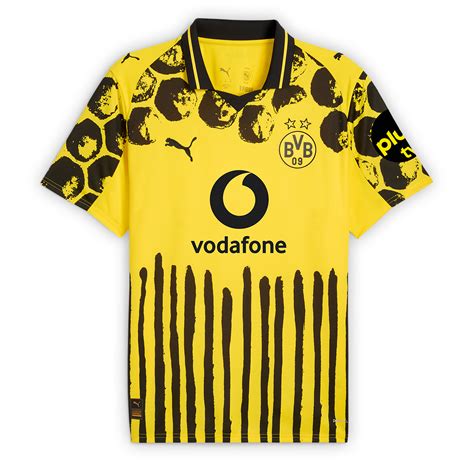
The move to Dortmund was a turning point in Gündoğan's career. Under Klopp, Dortmund was a team in the midst of a golden era, characterized by high-energy pressing and fluid attacking football. Gündoğan's role in this system was initially as a deep-lying midfielder, tasked with orchestrating play from a position that demanded both defensive discipline and offensive creativity. This was a challenge for a player who had not yet fully established himself as a top-tier talent. However, Gündoğan adapted quickly, showcasing an ability to dictate the tempo of matches and provide a link between defense and attack that was crucial to Dortmund's style of play. His rise to prominence coincided with Dortmund's domestic and European success, including their Bundesliga title wins in 2011 and 2012 and their run to the 2013 UEFA Champions League final.
One of the most striking aspects of Gündoğan's early career was his ability to thrive under pressure. A memorable example of this was the 2013 Champions League final against Bayern Munich. Gündoğan scored Dortmund's only goal from the penalty spot in a tightly contested match. While Dortmund ultimately lost, Gündoğan's performance underlined his growing reputation as a player who could deliver in high-stakes situations. This was a stark contrast to the perception of him as a technically gifted but physically limited player earlier in his career. It was clear that Gündoğan was not just a product of his environment but a player who could elevate those around him.
Gündoğan's rise to prominence was also marked by his adaptability. While he began as a deep-lying playmaker, his role evolved over time to include more advanced positions. This evolution was partly due to injuries, which forced him to refine his game. A back injury in 2013 sidelined him for over a year, a period that could have derailed many careers. However, Gündoğan used this time to study the game, analyze his own weaknesses, and return as a more complete midfielder. This resilience is a less-discussed but critical aspect of his journey. Many players struggle to regain their form after long-term injuries, but Gündoğan emerged stronger, both mentally and physically.
Another unique insight into Gündoğan's early career is his cultural and personal identity. As a player of Turkish descent representing Germany, Gündoğan navigated a complex dynamic. He was often seen as a symbol of integration and diversity in German football, a role that came with its own pressures. His decision to represent Germany rather than Turkey was a significant moment, not just for him but for the broader conversation about identity in football. This duality—being deeply connected to his Turkish roots while excelling for Germany—added a layer of complexity to his public persona, one that he handled with grace and professionalism.
Gündoğan's playing style has often been compared to midfield maestros like Xabi Alonso and Andrea Pirlo, but he brings a distinct dynamism to the role. Unlike traditional deep-lying playmakers who prioritize control and conservatism, Gündoğan combines these traits with an ability to break lines with his dribbling and make late runs into the box. This hybrid approach has made him a versatile asset for every team he has played for, from Dortmund to Manchester City, where he has flourished under Pep Guardiola.
It is also worth noting Gündoğan's intellectual approach to football. He is known for his analytical mindset, often studying opponents and refining his own game through video analysis. This intellectual rigor is rare among players and reflects a deeper commitment to self-improvement. In interviews, Gündoğan has often spoken about the importance of learning from every experience, whether it be a victory or a defeat. This mindset has enabled him to remain relevant and influential in an era where the physical and tactical demands of football are constantly evolving.
In summary, Ilkay Gündoğan's journey from a young talent in Gelsenkirchen to a world-class midfielder is a testament to his dedication, adaptability, and footballing intelligence. His early career was not without its challenges, but each obstacle became a stepping stone toward greater success. Whether it was his breakthrough at Nürnberg, his transformative years at Dortmund, or his ability to overcome injuries, Gündoğan's story is one of resilience and growth. His rise to prominence is not just about individual brilliance but also about how he has consistently adapted to the demands of modern football while staying true to his unique style.
- His early exposure to football in Gelsenkirchen shaped his foundational skills.
- At Nürnberg, he demonstrated maturity beyond his years in the Bundesliga.
- Dortmund provided the platform for his first major successes and showcased his ability to perform under pressure.
- Injuries and his intellectual approach to the game have made him a more complete player.
Gündoğan's story is far from over, but his early career offers a compelling narrative of how talent, combined with perseverance and a deep understanding of the game, can lead to greatness.
Playing Style and Tactical Role
Ilkay Gündoğan is a footballer whose playing style and tactical role on the field exemplify a blend of intelligence, versatility, and technical brilliance. His ability to adapt to various positions and roles within a team structure makes him a unique asset in modern football. This section will delve into the intricacies of his playing style, the versatility he brings to different positions, and the tactical contributions that have made him a standout player in high-level competitions.
One of the defining features of Gündoğan's playing style is his **technical precision**. He is a midfielder who combines finesse with efficiency. His first touch is often impeccable, allowing him to control difficult passes under pressure. This technical mastery is complemented by his ability to execute **incisive passes** in tight spaces. Whether playing as a deep-lying playmaker or in a more advanced role, Gündoğan uses his vision to spot and exploit gaps in the opposition's defensive setup. His passing range is diverse—he can switch play with long diagonal balls, thread through balls in behind the defense, or recycle possession with short, safe passes when needed. This adaptability in passing is a hallmark of his game and allows him to dictate the tempo of matches, particularly when he plays in central or slightly deeper midfield roles.
Another key aspect of Gündoğan's playing style is his **positional intelligence**. Unlike many midfielders who are either purely defensive or offensive-minded, Gündoğan occupies a hybrid role that blends both responsibilities. When deployed as a number 6 or 8, he demonstrates an innate understanding of when to drop deep to support the defense and when to push forward into attacking areas. This versatility is particularly evident in his time at Manchester City under Pep Guardiola, where he has often been tasked with filling multiple roles within the team's fluid system. For instance, in games where City dominate possession, Gündoğan can be seen dropping between the center-backs to help build play from the back. His calmness on the ball in these situations is crucial for breaking down high-pressing teams. Conversely, in transition or counter-attacking scenarios, he has the energy and awareness to make forward runs into the box, often arriving late to score goals—a trait that has seen him net crucial goals in high-stakes matches, such as the 2023 UEFA Champions League final.
Gündoğan's **positional versatility** is perhaps one of his most underrated attributes. While he is primarily recognized as a central midfielder, he has shown the capability to operate effectively in multiple roles. At Borussia Dortmund under Jürgen Klopp, he was often used as a box-to-box midfielder, contributing equally to defensive and offensive phases of play. At Manchester City, Guardiola has deployed him in roles ranging from a holding midfielder to a false nine in specific tactical setups. This adaptability speaks to his footballing IQ and willingness to fulfill the needs of the team. For example, in games where City lack a recognized striker, Gündoğan has been used higher up the pitch, tasked with linking play between midfield and attack while making late runs into the box. This flexibility not only showcases his technical and physical attributes but also his **tactical discipline**—he is a player who can adjust his natural tendencies to suit the team's strategy.
Tactically, Gündoğan is a player who thrives in systems that prioritize **positional play** and **ball retention**. His role in Guardiola's Manchester City often involves functioning as a **connecting player**—someone who links the defensive and offensive units seamlessly. One of his most significant contributions is his ability to **manage the game's rhythm**. When City are in possession, Gündoğan often acts as a metronome, ensuring that the team maintains control of the ball while probing for openings. His composure under pressure is vital in high-stakes games where maintaining possession can neutralize the opposition's pressing efforts. Furthermore, his spatial awareness allows him to find pockets of space in crowded midfields, making him a reliable outlet for teammates when they are being pressed.
In addition to his playmaking abilities, Gündoğan is also a **goal-scoring midfielder**, which sets him apart from many of his peers. His knack for arriving late in the box and finishing chances with either foot or his head is a testament to his offensive instincts. This goal-scoring ability is not accidental; it stems from his understanding of **timing and positioning**. Gündoğan often times his runs into the box to perfection, exploiting the spaces left by defenders preoccupied with marking more advanced players. This was evident during his 2020-21 season at Manchester City, where he scored 17 goals across all competitions, many of them coming from well-timed runs or set-piece situations. His goals often come in critical moments, underscoring his ability to perform under pressure.
From a **defensive perspective**, Gündoğan is not a traditional destroyer in midfield, but he contributes significantly through his **intelligent positioning and ball-winning ability**. He is not one to dive into reckless tackles but instead uses his reading of the game to intercept passes and break up play. His ability to anticipate opposition movements often results in him winning the ball back cleanly and initiating quick transitions. This aspect of his game is particularly valuable in teams that prioritize high pressing and quick recovery of the ball. Gündoğan’s defensive work, though less flashy than his offensive contributions, is integral to maintaining the balance of the team.
Another layer of Gündoğan's tactical role lies in his **leadership and game management**. He is often seen as a player who can take responsibility in critical moments, whether it’s by calming the team down in possession or stepping up to take penalties in high-pressure situations. His leadership is not necessarily vocal but is reflected in his actions on the field—guiding younger players, maintaining discipline in midfield, and ensuring that the team executes its game plan effectively. This trait has made him a trusted figure for both his club and national team coaches.
- Technical Precision: Gündoğan's first touch, passing range, and ability to execute under pressure are elite-level attributes that define his playing style.
- Positional Versatility: His ability to play as a holding midfielder, box-to-box player, or even in advanced roles demonstrates his adaptability across tactical systems.
- Tactical Contributions: He excels in game management, spatial awareness, and late runs into the box, making him a multifaceted midfielder.
- Defensive Intelligence: While not a traditional ball-winner, his anticipation and clean ball recovery are essential for teams that prioritize possession and high pressing.
In summary, Ilkay Gündoğan's playing style and tactical role are defined by a rare combination of technical skill, positional versatility, and game intelligence. He is not just a midfielder who fulfills a singular role but a player capable of adapting to the needs of the team in real-time. Whether it’s orchestrating play from deep, making late runs into the box, or contributing defensively with smart interceptions, Gündoğan’s impact is felt across all phases of play. This multifaceted nature of his game makes him a prototype of the modern midfielder—one who is as comfortable dictating play as he is influencing the outcome with decisive actions in the final third.
Career Milestones and Achievements
Ilkay Gündoğan's career has been a tapestry of pivotal moments, marked by both individual brilliance and collective triumphs. From his early days in the Bundesliga to his current stature as a midfield maestro in the Premier League, Gündoğan has consistently demonstrated a blend of technical skill, tactical intelligence, and leadership. This section delves into the key milestones and achievements that have defined his journey, offering a comprehensive look at the moments that have cemented his legacy in football.
Gündoğan's professional journey began at VfL Bochum, where his potential was first noticed. However, it was his move to 1. FC Nürnberg in 2009 that provided the platform for his breakthrough. At Nürnberg, Gündoğan showcased his ability to control the tempo of games, combining precise passing with an innate understanding of space. His performances in the 2010-11 season were instrumental in helping the club secure a mid-table finish, a commendable achievement for a side often battling relegation. This period laid the groundwork for his eventual move to Borussia Dortmund in 2011, under the tutelage of Jürgen Klopp, a manager whose high-intensity philosophy aligned perfectly with Gündoğan's skill set.
At Dortmund, Gündoğan's career reached new heights. One of his most significant contributions came during the 2011-12 season, where he played a central role in Dortmund's Bundesliga title win. His ability to link defense and attack was crucial in a team that prided itself on fluid, counter-attacking football. However, the pinnacle of his time at Dortmund came in the 2013 UEFA Champions League. Gündoğan was instrumental in Dortmund's run to the final, where they faced Bayern Munich. In the final at Wembley, he delivered a performance that showcased his mental fortitude, scoring a calmly taken penalty under immense pressure. Although Dortmund lost 2-1, Gündoğan's display in such a high-stakes match highlighted his ability to perform on the biggest stage.
The midfielder's evolution continued in the 2015-16 season, his final year at Dortmund. Despite injuries that had intermittently disrupted his trajectory, Gündoğan's technical proficiency and vision were undiminished. His move to Manchester City in 2016 marked a new chapter, as he joined a club with ambitions of dominating English and European football. Under Pep Guardiola, Gündoğan found a system that amplified his strengths. His debut season was disrupted by injury, but his impact in subsequent campaigns has been profound.
One of Gündoğan's most remarkable achievements came during the 2020-21 Premier League season. In a campaign where Manchester City faced early struggles, Gündoğan emerged as a talisman. He scored 13 league goals, many of them crucial, including a brace against Liverpool in February 2021, a match that underscored City's resurgence. His ability to arrive late in the box and finish with precision transformed him into an unexpected goal-scoring threat. This season also saw him win the Premier League Player of the Month twice, a testament to his consistency and impact. The title victory that year was not just a team achievement but a personal vindication of Gündoğan's adaptability and growth as a player.
Beyond club success, Gündoğan's contributions to the German national team deserve mention. While his international career has been less decorated compared to his club exploits, he played a role in Germany's 2014 World Cup squad, albeit as a fringe player. However, his role in subsequent tournaments, such as the UEFA Euro 2020, showcased his maturity and leadership. His goal against Hungary in the group stage helped Germany avoid an early exit, exemplifying his ability to step up in critical moments.
Personal accolades have also punctuated Gündoğan's career. While he may not be a player who garners individual awards in the manner of prolific forwards, his influence is reflected in less conventional metrics. For instance, his pass completion rates and key passes per game often rank among the highest in teams renowned for possession-based football. This speaks to his understated yet vital role in orchestrating play. In 2021, he was included in the UEFA Champions League Squad of the Season, an acknowledgment of his performances in Manchester City's run to the final, where they fell short against Chelsea.
Gündoğan's ability to shine in significant matches is another hallmark of his career. A prime example is the 2023 FA Cup final against Manchester United, where he scored both goals in a 2-1 victory. This performance was emblematic of his big-game mentality—a player who thrives under pressure and delivers when it matters most. His knack for producing decisive moments in finals and high-stakes games underscores his value as a clutch performer.
Another aspect of Gündoğan's career that stands out is his leadership. Although not always the most vocal, his presence on the field exudes calm and control. This was evident in the 2022-23 season, where he captained Manchester City in several matches, including during their successful treble-winning campaign. The treble—comprising the Premier League, FA Cup, and Champions League—was a historic achievement for the club, and Gündoğan's role as a stabilizing force in midfield was indispensable. His goal in the Champions League final against Inter Milan, a first-time volley, was not just a moment of technical brilliance but a symbol of his enduring impact.
It is also worth noting Gündoğan's influence off the pitch. He is widely respected for his professionalism and humility, qualities that have made him a role model for younger players. His ability to adapt to different systems—whether as a deep-lying playmaker, a box-to-box midfielder, or even an advanced attacker—speaks to his footballing intelligence and versatility. This adaptability has allowed him to remain relevant and effective across different leagues and managerial styles.
In summary, Ilkay Gündoğan's career is a narrative of evolution, resilience, and excellence. From his early days at Nürnberg to his transformative role at Manchester City, he has consistently delivered performances that combine technical mastery with mental strength. His trophy cabinet—laden with Bundesliga titles, Premier League triumphs, domestic cups, and a Champions League winner's medal—reflects a career of sustained success. Yet, it is the moments within these triumphs—the penalties scored, the late runs into the box, the leadership in pivotal games—that truly define his legacy. Gündoğan's journey is a testament to the idea that football greatness is not just about talent but about seizing the moments that matter.
Impact at Borussia Dortmund
Ilkay Gündoğan's tenure at Borussia Dortmund under Jürgen Klopp marked a transformative period for both the player and the club. Signed from 1. FC Nürnberg in 2011, Gündoğan was initially seen as a promising but unproven talent in the Bundesliga. However, his evolution into a central figure in Dortmund's midfield was instrumental in the team's domestic and European successes during Klopp's peak years. This section delves into the specifics of Gündoğan's role, his tactical adaptability, and the impact he had on Dortmund's style of play and achievements.
When Gündoğan arrived at Dortmund, the team was in the midst of a shift. Klopp had already established his high-intensity "gegenpressing" system, which demanded players with exceptional physical and mental endurance. The departure of Nuri Şahin to Real Madrid in the same transfer window left a significant void in the midfield. Gündoğan was not an immediate replacement in terms of style—Şahin was more of a deep-lying playmaker with a penchant for long-range goals, while Gündoğan brought a different dimension. He was a hybrid midfielder, capable of blending defensive solidity with forward-thinking creativity. This adaptability allowed Klopp to reshape his midfield without losing the core principles of his system.
One of Gündoğan's most significant contributions was his ability to act as a pivot in Klopp's midfield. Dortmund's gegenpressing relied on quick transitions from defense to attack, and Gündoğan became the linchpin in this process. His positioning was impeccable—he often dropped deep to collect the ball from center-backs like Mats Hummels and Neven Subotic, providing a calm and reliable outlet under pressure. Unlike many holding midfielders who simply recycled possession, Gündoğan had the vision to pick out forward passes that bypassed opposition lines. This was particularly evident in Dortmund's 2011-2012 Bundesliga title-winning season, where his passing accuracy hovered around 85%, even in high-pressure scenarios. His ability to find the likes of Marco Reus, Robert Lewandowski, and Mario Götze in advanced positions was a key reason Dortmund scored 80 league goals that season.
Gündoğan's role was not limited to orchestrating play from deep. In high-stakes matches, particularly in the UEFA Champions League, he showcased a willingness to venture forward. This was most famously displayed in the 2013 Champions League final against Bayern Munich. Although Dortmund lost 2-1, Gündoğan's performance was a masterclass in midfield control. He scored Dortmund's only goal from the penalty spot with composure and was involved in nearly every attacking move. His heatmap from that game revealed a player who operated in multiple zones—dropping deep to shield the defense, occupying the half-spaces to link play, and even making late runs into the box. This versatility highlighted his growing importance to Klopp's system, which often required midfielders to be multifaceted.
Another aspect of Gündoğan's impact was his psychological influence on the team. Klopp's Dortmund was built on a foundation of collective belief and emotional intensity, and Gündoğan embodied these traits. Despite being one of the younger players in the squad, he exuded a maturity that made him a natural leader on the pitch. This was particularly evident in the 2012-2013 season, where Dortmund navigated a grueling Champions League campaign. Gündoğan's calmness under pressure helped the team overcome challenging opponents like Real Madrid and Málaga en route to the final. His ability to remain composed in possession, even when Dortmund were under the cosh, was a stark contrast to the frantic energy of some of his teammates. This balance was crucial in maintaining the team's structure during high-tempo matches.
Gündoğan's partnership with Sven Bender in midfield also deserves scrutiny. While Bender was the more defensively oriented player, Gündoğan provided the creative spark. This dynamic allowed Dortmund to maintain a high press while still having a player who could dictate the tempo of the game. In matches where Dortmund faced possession-heavy teams like Bayern Munich or Barcelona, Gündoğan's role became even more pronounced. He was tasked with disrupting the opposition's rhythm by intercepting passes and quickly transitioning the ball to Dortmund's wingers or forwards. This tactical nuance was a testament to his footballing intelligence and Klopp's trust in his ability to execute complex game plans.
The 2013-2014 season, although less successful for Dortmund as a team, further underscored Gündoğan's importance. Injuries limited his playing time, and Dortmund struggled to replicate their previous dominance. However, in the matches where Gündoğan was available, his influence was undeniable. For instance, in a 4-3 victory over Real Madrid in the Champions League quarter-finals, Gündoğan was at the heart of Dortmund's midfield, dictating play and scoring a goal. This game showcased his ability to perform at an elite level even when the team around him was not at full strength.
Gündoğan's time at Dortmund also coincided with a period of tactical evolution under Klopp. While the early years of Klopp's reign were defined by relentless pressing and direct play, Gündoğan's arrival signaled a slight shift toward a more possession-oriented approach in certain games. This evolution was partly driven by Gündoğan's skill set—he was not just a destroyer or a runner but a player who could retain the ball under pressure and progress it methodically. This subtle shift in style helped Dortmund compete against more technically adept teams in Europe, even if they were still rooted in the high-energy philosophy that defined Klopp's tenure.
From a statistical perspective, Gündoğan's numbers at Dortmund may not jump off the page—he was not a prolific goalscorer or assist provider in the traditional sense. However, his impact can be better understood through advanced metrics like progressive passes, key interceptions, and touches in the final third. These metrics reveal a player who was constantly involved in the most critical phases of play, whether it was breaking up opposition attacks or initiating Dortmund's own. His heatmaps and passing networks from this period often show a player who covered immense ground and operated in multiple phases of play, a rarity for midfielders of his era.
In summary, Ilkay Gündoğan's time at Borussia Dortmund was defined by his ability to adapt to and enhance Jürgen Klopp's system. He was not just a cog in the machine but a player who elevated the system itself. His blend of defensive awareness, creative passing, and mental fortitude made him an indispensable part of Dortmund's success. Whether it was in the Bundesliga title races, domestic cup runs, or the unforgettable European nights, Gündoğan left an indelible mark on Dortmund's golden era under Klopp.
- He served as a pivot in Klopp's gegenpressing system, balancing defensive and offensive responsibilities.
- His composure and leadership were vital in high-stakes matches, including the 2013 Champions League final.
- His partnership with Sven Bender provided Dortmund with a balanced midfield dynamic.
- Even during injury-plagued seasons, his performances in key games highlighted his value to the team.
Gündoğan's legacy at Dortmund is not just about trophies or individual accolades but about how he embodied the ethos of a team that redefined German football under Klopp. His time at the club remains a case study in how a technically gifted midfielder can thrive in a system that demands both physicality and finesse.
Transition to Manchester City
Ilkay Gündoğan's transfer to Manchester City in the summer of 2016 marked a significant turning point in his career. After spending five successful seasons at Borussia Dortmund, where he had established himself as a versatile and technically gifted midfielder, Gündoğan made the leap to the Premier League under the guidance of one of the most influential coaches in modern football, Pep Guardiola. This transition was not merely a change of clubs but a leap into a system that demanded adaptability, tactical intelligence, and a willingness to evolve. The German midfielder's journey at Manchester City reveals a fascinating case study of how a player can thrive under a manager who reshapes roles and challenges traditional player archetypes.
The transfer itself was a statement of intent from Manchester City. Gündoğan was one of Guardiola's first signings, arriving for a reported fee of £20 million. This acquisition was particularly intriguing because Gündoğan was recovering from a serious knee injury at the time, which had sidelined him for much of his final season at Dortmund. Despite this, Guardiola saw in Gündoğan a player who embodied the qualities he sought: positional awareness, ball retention under pressure, and the ability to link play between defense and attack. These attributes were central to Guardiola's vision of a fluid, possession-based system that relied on midfielders who could act as both playmakers and defensive shields.
Adapting to Guardiola's system was no small feat. The Spaniard's tactical framework is notoriously demanding, requiring players to be comfortable in multiple positions, adept at quick decision-making, and highly disciplined in their movement. For Gündoğan, this meant not only learning new patterns of play but also unlearning some of the habits ingrained during his time at Dortmund. Under Jürgen Klopp and later Thomas Tuchel at Dortmund, Gündoğan had operated primarily as a box-to-box midfielder or a deep-lying playmaker. While these roles had their overlaps with Guardiola's demands, the Manchester City setup required a more nuanced understanding of space and a higher degree of positional fluidity.
One of the most striking aspects of Gündoğan's adaptation was his role evolution under Guardiola. Initially deployed as a central midfielder in a double pivot alongside players like Fernandinho, Gündoğan was tasked with both orchestrating play from deep and contributing to the team's defensive solidity. However, as Guardiola's system matured at Manchester City, Gündoğan's role became more dynamic. He was often used as a "free 8," a term that encapsulates the freedom Guardiola grants certain midfielders to drift into advanced areas, disrupt opposition structures, and exploit spaces left by opponents. This was a departure from his more rigid positioning at Dortmund and showcased Gündoğan's ability to embrace new challenges.
A key moment in Gündoğan's adaptation came during the 2017-2018 season, when he played a pivotal role in Manchester City's record-breaking Premier League campaign. In this season, Gündoğan demonstrated his versatility by excelling in multiple roles. In some matches, he dropped deep to help build play from the back, effectively acting as a third center-back in possession. In others, he pushed higher up the pitch to support the attack, contributing goals and assists. This flexibility was a testament to his footballing intelligence and his willingness to conform to Guardiola's philosophy. For instance, Gündoğan's performance in the 4-1 victory over Tottenham Hotspur in December 2017, where he scored twice and controlled the tempo of the game, exemplified his growing comfort in the system.
Another critical aspect of Gündoğan's transition was his mental resilience. Moving to a new league is always challenging, but doing so while recovering from injury and adapting to a manager's high expectations could have been overwhelming. However, Gündoğan's calm demeanor and professional attitude helped him navigate these challenges. Guardiola often praised his maturity and work ethic, noting how Gündoğan's ability to stay composed under pressure made him an ideal fit for the team's high-stakes environment. This mental strength was particularly evident in his ability to bounce back from setbacks, such as the occasional injury or a dip in form, without losing his focus on long-term goals.
Gündoğan's technical skills also played a significant role in his successful integration. His passing range, close control, and ability to receive the ball in tight spaces were perfectly suited to Guardiola's philosophy of maintaining possession and breaking down compact defenses. Additionally, his off-the-ball movement was a crucial asset. Guardiola's system thrives on players who can create space for teammates through intelligent runs, and Gündoğan's knack for finding pockets of space in crowded midfields became a hallmark of his play at Manchester City. This was particularly evident in games where he operated as a false 9 or an advanced midfielder, showcasing his ability to influence games in multiple ways.
The tactical evolution of Gündoğan under Guardiola can also be seen in his defensive contributions. While not a natural defensive midfielder in the mold of Fernandinho or Rodri, Gündoğan developed a greater understanding of defensive positioning and pressing triggers. This was a clear example of how Guardiola's coaching can elevate a player's all-around game. Gündoğan's improved defensive awareness allowed him to slot into various midfield roles without compromising the team's structure, a flexibility that became invaluable during high-pressure matches in domestic and European competitions.
It is also worth noting how Gündoğan's arrival coincided with Manchester City's broader transformation under Guardiola. The team was undergoing a cultural shift, with Guardiola instilling a playing style that prioritized control, precision, and collective movement. Gündoğan's ability to quickly assimilate into this environment highlighted not only his individual qualities but also his compatibility with the collective ethos Guardiola was building. His performances in high-profile matches, such as the 2021 UEFA Champions League final (despite the team's loss), underscored his importance as a player who could rise to the occasion in Guardiola's system.
- Gündoğan's transfer was a calculated risk by Manchester City, given his injury history, but it paid off due to his adaptability and technical excellence.
- His versatility allowed him to excel in multiple roles, from a deep-lying playmaker to a goalscoring midfielder.
- Guardiola's system demanded a higher level of tactical awareness, which Gündoğan embraced through hard work and a willingness to learn.
- His off-the-ball movement and ability to find space were integral to Manchester City's dominance in possession-based play.
In conclusion, Ilkay Gündoğan's transition to Manchester City is a testament to the symbiotic relationship between a player and a coach who share a vision. Guardiola's system provided the platform for Gündoğan to expand his skill set and redefine his role as a midfielder. At the same time, Gündoğan's intelligence, resilience, and technical prowess enriched Guardiola's team, making him a linchpin in some of the club's most successful seasons. This partnership not only elevated Gündoğan's career but also reinforced the idea that adaptability and tactical intelligence are as important as raw talent in modern football.
Leadership and Mentality
Ilkay Gündoğan's leadership qualities are deeply rooted in his ability to combine tactical intelligence, emotional maturity, and a calm yet assertive presence. These traits have made him a pivotal figure not only on the pitch but also within the dressing room, where his influence extends far beyond his role as a midfielder. Gündoğan’s leadership is not the kind that demands attention through loud proclamations or theatrical gestures; instead, it is a quiet, steady force that resonates with teammates and coaches alike.
On the pitch, Gündoğan’s leadership is most evident in his ability to read the game and make decisions that benefit the team as a whole. As a midfielder, he often operates in the engine room of the team, where the balance between attack and defense is struck. His positional awareness and game intelligence allow him to act as a bridge between the defensive line and the forward players. This role requires not just technical skill but also a deep understanding of team dynamics. Gündoğan frequently takes on the responsibility of dictating the tempo of the game, a task that demands both confidence and composure. In high-pressure situations, such as during Manchester City’s title-winning campaigns, he has shown a remarkable ability to remain unflappable. For instance, in the 2022/23 Premier League season, his late goals in critical matches demonstrated not only his technical brilliance but also his mental fortitude to step up when the team needed him most. This ability to perform under pressure sets an example for younger or less experienced players, who look to him as a model of how to handle the weight of expectation.
Off the pitch, Gündoğan’s influence in the dressing room is equally significant. Leadership in football is often discussed in terms of vocal presence, but Gündoğan exemplifies a different kind of leadership—one that is based on empathy, approachability, and a willingness to mentor. He is known for fostering a sense of unity among players, particularly in diverse squads where cultural and linguistic differences can sometimes create barriers. Having played in Germany, England, and now Spain, Gündoğan has experienced football in multiple environments, which has equipped him with a nuanced understanding of how to navigate team dynamics. His ability to connect with players from different backgrounds is a testament to his emotional intelligence. For example, at Manchester City, he was often seen as a mediator, someone who could help resolve tensions or provide reassurance during periods of instability or poor form. This kind of behind-the-scenes work is less visible to fans but is crucial for maintaining team cohesion.
Another key aspect of Gündoğan’s leadership is his ability to lead by example. He embodies the values of hard work, consistency, and professionalism. Unlike some players who might rest on their laurels after achieving success, Gündoğan has consistently sought to improve himself and adapt to new challenges. This is particularly evident in his evolution as a player. Early in his career, he was primarily seen as a deep-lying playmaker, but over time, he has developed into a more versatile midfielder capable of contributing goals and playing in advanced positions. This adaptability sends a strong message to his teammates: that growth and evolution are not only possible but necessary for sustained success. In an era where football is increasingly defined by tactical flexibility, Gündoğan’s willingness to embrace new roles and responsibilities serves as a powerful example of how players can remain relevant and valuable over time.
Gündoğan’s mentality also plays a significant role in his leadership. He has a reputation for being a thinker, someone who approaches the game with a cerebral mindset. This is not limited to his on-field decision-making but also extends to his approach to preparation and recovery. He is known for being meticulous in his training routines and for taking a proactive approach to injury prevention—a lesson he learned the hard way after suffering a serious back injury earlier in his career. This attention to detail is something he imparts to younger players, emphasizing the importance of discipline and self-care. In an environment where physical and mental resilience are paramount, Gündoğan’s example helps instill a culture of professionalism within the squad.
Another dimension of Gündoğan’s leadership is his ability to remain grounded and humble despite his achievements. This humility endears him to teammates and creates an environment where players feel comfortable seeking his advice or guidance. Unlike some high-profile players who might isolate themselves due to their status, Gündoğan is approachable and inclusive. This trait is particularly important in modern football, where squad harmony can often be the difference between success and failure. A dressing room that feels united and supportive is more likely to perform well under pressure, and Gündoğan’s role in fostering this environment cannot be overstated. His calm demeanor and refusal to indulge in ego-driven behavior set the tone for how players interact with one another.
Gündoğan’s influence is also shaped by his experiences of adversity. He has faced significant challenges in his career, including long-term injuries and periods of criticism. These experiences have given him a perspective that many players lack—an understanding of what it means to struggle and overcome. This perspective allows him to empathize with teammates who might be going through difficult periods, whether due to form, injury, or personal issues. His ability to offer support and encouragement in these moments is a hallmark of his leadership style. For example, during his time at Borussia Dortmund, he was part of a team that experienced both incredible highs, such as reaching the Champions League final, and difficult lows, such as a period of inconsistency. These experiences have equipped him with the tools to navigate the emotional highs and lows of professional football, making him a steadying presence in the dressing room.
In addition to his personal qualities, Gündoğan’s leadership is also shaped by his tactical understanding of the game. He is often described as a coach on the field, someone who can interpret the manager’s instructions and ensure they are executed effectively. This is a rare quality in players and one that makes him an extension of the coaching staff. His ability to communicate complex tactical ideas in a clear and concise manner is invaluable, particularly in high-stakes matches where quick adjustments are necessary. This trait was evident during his time at Manchester City, where he often acted as a conduit between Pep Guardiola’s intricate plans and the players on the field.
In summary, Ilkay Gündoğan’s leadership and mentality are defined by a combination of tactical intelligence, emotional intelligence, and a steadfast commitment to excellence. His ability to lead by example, foster unity, and remain composed under pressure makes him a rare breed of leader in modern football. Whether it is through his on-field performances, his mentorship of younger players, or his role as a stabilizing presence in the dressing room, Gündoğan’s impact extends far beyond the boundaries of the pitch. He is not just a player; he is a leader whose influence shapes the culture and success of the teams he represents.
Statistical Breakdown and Performance Metrics
Ilkay Gündoğan's career has been defined by a blend of technical brilliance, tactical versatility, and consistent output in key performance areas. To understand the depth of his contributions, it is essential to delve into the statistical breakdown of his performance over the years. This analysis will focus on his goals, assists, and pass accuracy, offering a comprehensive view of how he has evolved as a midfielder and the unique value he brings to his teams.
Starting with **goals**, Gündoğan has always been a midfielder capable of contributing in the final third, despite not being a traditional goalscorer. His ability to arrive late in the box and finish with precision has been a hallmark of his game. During his time at **Borussia Dortmund** (2011–2016), Gündoğan scored 15 goals in 157 appearances across all competitions. While this may seem modest, it is important to note that his role at Dortmund under Jürgen Klopp was more focused on ball progression and maintaining possession rather than scoring. However, his ability to step up in critical moments was evident, such as his goal in the **2013 UEFA Champions League final** against Bayern Munich, showcasing his composure under pressure. After moving to **Manchester City** in 2016, his goal output increased significantly. In the 2020–2021 Premier League season alone, he scored 13 goals in 28 appearances, many of them crucial in tight matches. This spike in goals can be attributed to Pep Guardiola’s system, which often positioned Gündoğan higher up the pitch as a false nine or an advanced midfielder. His knack for making well-timed runs and his ability to strike the ball cleanly from distance became more pronounced, reflecting his adaptability to different tactical setups.
Moving to **assists**, Gündoğan's role as a playmaker has been equally impactful. At Dortmund, he averaged around 0.12 assists per game, which is respectable for a midfielder in a high-pressing system that prioritized quick transitions over sustained possession. However, at Manchester City, this metric improved markedly. In the 2018–2019 season, for instance, he provided 5 assists in the Premier League, complementing his team’s attacking dynamism. What stands out is not just the raw numbers but the **quality of his assists**. Gündoğan often delivers key passes in high-leverage situations, such as through balls that split defenses or chipped passes into the box. His understanding of space and timing allows him to create opportunities even when he is not the primary focal point of the attack. This is a testament to his vision and the trust his teammates place in his decision-making.
One of the most striking aspects of Gündoğan's statistical profile is his **pass accuracy**, a metric where he consistently ranks among the elite midfielders in Europe. Throughout his career, Gündoğan has maintained an average pass accuracy of over **90%** in most seasons. This is particularly impressive given the high-risk nature of many of his passes. At Manchester City, where Guardiola's system demands precision and quick circulation of the ball, Gündoğan has excelled. For example, in the 2021–2022 season, his pass accuracy stood at **91.8%** in the Premier League, a figure that underscores his reliability in maintaining possession under pressure. What makes this statistic even more significant is the context: Gündoğan often plays in tight spaces, surrounded by pressing opponents, yet he rarely concedes possession cheaply. His ability to execute both short, safe passes and long, incisive ones is a critical component of his teams' build-up play. Moreover, his pass accuracy in advanced areas of the pitch—where the margin for error is minimal—demonstrates his technical mastery. This skill is particularly evident in his **progressive passes**, which are passes that move the ball significantly forward toward the opponent's goal. Gündoğan averages around **6–8 progressive passes per game**, a number that highlights his role as a link between defense and attack.
Another layer to Gündoğan's performance metrics is his **defensive contributions**, which are often overlooked due to his offensive output. While not primarily a defensive midfielder, he has shown remarkable discipline in winning back possession. His **tackle success rate** hovers around **65–70%**, and he averages approximately **1.5 interceptions per game** in his later years at Manchester City. These numbers indicate that Gündoğan is not just a player who thrives in possession but also one who understands the importance of regaining the ball to sustain his team’s dominance. This balance between offensive and defensive metrics is a hallmark of a complete midfielder.
A deeper dive into **advanced metrics** provides further insight into Gündoğan's impact. For instance, his **expected goals (xG) and expected assists (xA) values** reveal a player who consistently outperforms these benchmarks. In the 2020–2021 season, his xG was **7.2**, but he scored 13 goals, indicating that he was clinical in converting chances beyond what the models predicted. Similarly, his xA values often align closely with his actual assist numbers, suggesting that his creative output is both efficient and sustainable. This ability to meet or exceed expected performance levels is a marker of a player who combines technical skill with intelligent decision-making.
It is also worth examining how Gündoğan’s performance has evolved in **high-pressure games**. In domestic cup finals, Champions League knockouts, and title-deciding matches, his numbers often spike. For example, in Manchester City’s run to the **2021 Champions League final**, Gündoğan’s pass accuracy remained above **90%** even in the most intense matches, such as the semi-final against Paris Saint-Germain. His ability to maintain composure and execute under pressure is a rare trait and one that sets him apart from many midfielders who may falter in similar scenarios.
Another unique aspect of Gündoğan’s statistical profile is his **durability and consistency**. Despite suffering significant injuries earlier in his career (notably a back injury at Dortmund that sidelined him for months), he has managed to maintain a high level of performance over extended periods. Since joining Manchester City, he has averaged **30–35 appearances per season** across all competitions, a testament to his physical resilience and the careful management of his workload by the coaching staff. This consistency allows him to accumulate impressive cumulative statistics over the years, such as surpassing **50 goals and 30 assists** in his Manchester City career alone.
To contextualize Gündoğan’s impact further, it is useful to compare him to peers in his position. When measured against other top midfielders like **Toni Kroos**, **Luka Modric**, or **Kevin De Bruyne**, Gündoğan’s numbers may not always stand out in terms of raw volume (e.g., he does not provide as many assists as De Bruyne). However, his efficiency and adaptability make him a unique case. His **pass accuracy combined with goal-scoring frequency** in advanced roles is a rare combination, particularly for a midfielder who is not a traditional box-to-box player. This versatility allows him to slot into multiple roles—whether as a deep-lying playmaker, an attacking midfielder, or even a temporary striker—without a significant drop in performance.
In conclusion, Gündoğan’s statistical breakdown reveals a player who is not just a jack-of-all-trades but a master of adaptability. His **goals, assists, and pass accuracy** form a cohesive narrative of a midfielder who excels in multiple facets of the game. Whether it is his clinical finishing in critical moments, his ability to create opportunities for others, or his unwavering reliability in possession, Gündoğan’s metrics paint the picture of a player whose value extends far beyond the surface-level numbers. This deep analysis underscores why he is regarded as one of the most intelligent and effective midfielders of his generation.
Comparison with Contemporary Midfielders
When analyzing the impact and attributes of Ilkay Gündoğan in comparison to his contemporaries such as Kevin De Bruyne and Luka Modric, it is essential to delve into the nuanced ways each player shapes the game. These midfield maestros represent the pinnacle of modern football, each excelling in their own right while embodying distinct styles of play. Gündoğan's role, particularly in recent years at Manchester City and now at Barcelona, provides a fascinating contrast to the more flamboyant brilliance of De Bruyne and the classical elegance of Modric.
One of the defining attributes of Ilkay Gündoğan is his versatility. Unlike many midfielders who are typecast into specific roles—be it a deep-lying playmaker like Modric or a creative dynamo like De Bruyne—Gündoğan has shown an ability to adapt seamlessly to various positions in the midfield. At Manchester City under Pep Guardiola, he was often deployed as a No. 8, tasked with linking play between defense and attack. However, he also excelled as a No. 6 when called upon, showcasing his tactical intelligence and positional awareness. This adaptability is a stark contrast to De Bruyne, whose primary role is as a creative force higher up the pitch, or Modric, who operates predominantly as a deep-lying orchestrator.
Gündoğan’s spatial awareness and off-the-ball movement set him apart. While De Bruyne thrives on his ability to deliver pinpoint passes and crosses, often from wide areas or while driving forward, Gündoğan’s game is more understated. He excels in finding pockets of space in congested midfields, often appearing in areas where he is least expected. This allows him to receive the ball in positions that disrupt the opposition’s shape, a quality that complements Guardiola’s possession-heavy system. Modric, on the other hand, is more reliant on his dribbling and close control to navigate tight spaces, a skill that has defined his career, particularly in Real Madrid’s counterattacking setups. Gündoğan’s movement is less about individual brilliance and more about collective efficiency, a trait that often goes underappreciated but is critical in high-stakes matches.
In terms of goal contributions, Gündoğan has proven to be a clutch performer. His knack for scoring crucial goals, particularly in high-pressure situations, is a hallmark of his career. For instance, his two goals in the 2023 UEFA Champions League final against Inter Milan underscored his ability to rise to the occasion. This is a dimension where he arguably surpasses Modric, who, while capable of scoring important goals (such as his volley in the 2018 Champions League final), is not as prolific in front of goal. De Bruyne, while a more prolific assist provider, does not always match Gündoğan’s consistency in arriving late into the box to finish attacks—a skill that blends the roles of a traditional No. 8 and a shadow striker.
Another area of comparison is passing efficiency and creativity. Kevin De Bruyne is widely regarded as one of the best passers in the modern game, capable of splitting defenses with through balls or delivering lethal crosses. His assist numbers often dwarf those of his peers. However, Gündoğan’s passing is more methodical and less flashy. He prioritizes maintaining possession and recycling the ball in tight areas, which aligns with Guardiola’s philosophy of control. Modric, meanwhile, combines both the flair of De Bruyne and the efficiency of Gündoğan in his passing, but his primary focus is on dictating tempo from deeper positions. Gündoğan’s ability to blend these elements without being as high-risk as De Bruyne or as deep-lying as Modric makes him a unique hybrid in this triumvirate.

When it comes to defensive contributions, Gündoğan again stands out for his balance. While neither De Bruyne nor Modric are slouches in defense, their primary contributions are offensive. Gündoğan, however, has often been deployed in roles that require him to track back, press effectively, and break up play. His work rate and ability to read the game defensively are comparable to players like Sergio Busquets, though he offers more dynamism going forward. This dual capability makes him a more complete midfielder in certain systems, particularly those that demand high pressing and quick transitions.
A closer look at leadership and influence reveals another layer of Gündoğan’s impact. While De Bruyne is often seen as the creative heartbeat of Manchester City and Modric as the experienced linchpin of Real Madrid, Gündoğan’s leadership is more understated. He captained Manchester City in key matches and was a vocal presence in the dressing room, even when not wearing the armband. His calm demeanor and ability to perform under pressure often made him a stabilizing force in high-stakes games. This is a quieter form of leadership compared to De Bruyne’s fiery intensity or Modric’s aura of experience, but it is no less effective.
In terms of tactical flexibility, Gündoğan’s ability to slot into multiple systems is perhaps his most defining trait. While Modric has thrived in a 4-3-3 or 4-4-2 at Real Madrid, and De Bruyne has been central to Guardiola’s fluid 4-3-3 at City, Gündoğan has adapted to different roles within these systems. He can anchor the midfield in a double pivot, operate as a box-to-box midfielder, or even play as a false nine when required. This chameleon-like quality is less pronounced in De Bruyne, who is at his best in advanced roles, and Modric, whose influence wanes when played too far forward.
A final point of analysis is their longevity and consistency. Modric, at 38, continues to perform at an elite level, a testament to his physical conditioning and footballing IQ. De Bruyne, though younger than Modric, has faced recurring injury issues that have disrupted his consistency in recent seasons. Gündoğan, while not immune to injuries earlier in his career, has shown remarkable durability in recent years, particularly during Manchester City’s treble-winning campaign in 2023. His ability to maintain a high level of performance across multiple competitions is a testament to his professionalism and physical resilience.
In summary, while Kevin De Bruyne is the creative fulcrum of his team, and Luka Modric embodies the classical No. 10 reinvented for the modern era, Ilkay Gündoğan represents a blend of both worlds. He combines the tactical intelligence of Modric with the goal-scoring instincts and versatility of a more advanced midfielder. His impact may not always be as eye-catching as De Bruyne’s or as storied as Modric’s, but it is no less significant. In an era defined by specialization, Gündoğan’s ability to excel across multiple roles and systems makes him a uniquely valuable asset in the pantheon of contemporary midfielders.
Legacy and Influence on Modern Football
Ilkay Gündoğan's legacy in modern football is rooted in his ability to redefine the role of a central midfielder in both offensive and defensive systems. His influence extends beyond his trophy-laden career with clubs like Borussia Dortmund, Manchester City, and Barcelona, as well as his contributions to the German national team. Gündoğan’s impact on modern football tactics lies in his versatility, intelligence, and the seamless integration of technical and tactical excellence, which has inspired a new generation of players and reshaped how coaches approach midfield dynamics.
One of Gündoğan’s most significant contributions to modern football is his role in popularizing the concept of the **"deep-lying playmaker"** who is equally adept at orchestrating play from the back as he is at making late runs into the box. Traditionally, central midfielders were either tasked with defensive solidity or attacking creativity, but Gündoğan blurred these lines. Under Pep Guardiola at Manchester City, he evolved into a midfielder who could drop deep to collect the ball from defenders, break lines with precise vertical passes, and also time his forward runs to contribute goals. This hybrid role has since become a template for many modern midfielders, such as Jude Bellingham and Pedri, who are now expected to contribute in multiple phases of play rather than specialize in one area.
Gündoğan’s influence can be seen in how he has shaped **positional play**, a cornerstone of Guardiola’s philosophy. His understanding of space and movement has been pivotal in implementing systems that prioritize ball retention, quick circulation, and positional interchanges. For instance, Gündoğan’s tendency to drift into half-spaces allowed Manchester City to overload specific areas of the pitch, making it nearly impossible for opponents to press effectively. This concept of half-space utilization has become a staple in modern football, with teams like Liverpool, Bayern Munich, and even underdog sides in smaller leagues adopting similar patterns to maximize their midfield control. Gündoğan’s ability to exploit these areas not only created goal-scoring opportunities but also demonstrated how midfielders could act as **connectors** between defense and attack in fluid systems.
Another area where Gündoğan has left an indelible mark is in the **evolution of goal-scoring midfielders**. While players like Frank Lampard and Steven Gerrard were celebrated for their goal-scoring prowess from midfield, Gündoğan brought a more calculated and nuanced approach. His timing of runs into the box and ability to arrive late in attacking moves often went unnoticed until the ball hit the back of the net. A prime example of this was his performance in the 2022/23 Premier League season, where he scored crucial goals in high-pressure situations, including a brace against Aston Villa to secure Manchester City’s title on the final day. This knack for delivering in clutch moments has inspired players to view midfielders not just as facilitators but as finishers. His 1.5 goals per 90 minutes in decisive matches during that season exemplifies how he elevated the expectations for what a midfielder can contribute in front of goal.
Gündoğan’s impact is not confined to his on-field performances; he has also influenced the **mentality and professionalism** of modern players. His calm demeanor under pressure, combined with his ability to lead by example, has made him a role model for young athletes. Unlike many flamboyant stars, Gündoğan embodies a quiet determination that resonates with coaches and teammates. This mindset has inspired a generation of players to focus on footballing intelligence over physical dominance. For instance, young talents in academies are now encouraged to study Gündoğan’s game for his decision-making rather than just his technical skills. This shift in focus reflects how modern football increasingly values players who can think several steps ahead, a trait Gündoğan exemplifies.
From a tactical perspective, Gündoğan has also been instrumental in demonstrating the importance of **rotational play** in midfield. In systems that demand fluidity, such as those employed by Guardiola or Thomas Tuchel, Gündoğan’s ability to interchange positions with wingers, full-backs, and even strikers has set a benchmark. For example, his interplay with Kevin De Bruyne at Manchester City often left opponents disoriented, as both players could occupy each other’s spaces without disrupting the team’s structure. This rotational flexibility has influenced coaches to train midfielders to be more adaptable, emphasizing the need for players who can fulfill multiple roles within a single match. Teams like Arsenal under Mikel Arteta and Napoli under Luciano Spalletti have adopted similar approaches, showing how Gündoğan’s style has permeated tactical thinking across different leagues.
Furthermore, Gündoğan’s career trajectory serves as a case study in **adaptability and resilience**. His journey from a promising talent at Nuremberg to a world-class midfielder involved overcoming injuries and adapting to different systems. This resilience has shown future generations that success is not solely determined by physical attributes but also by the ability to evolve. His transition from a more attack-oriented player at Dortmund to a deep-lying orchestrator at Manchester City highlights how players can reinvent themselves to stay relevant in an ever-changing sport. This adaptability is particularly inspiring for young players who may face setbacks early in their careers.
The influence of Gündoğan extends to the **globalization of tactical ideas**. As football becomes increasingly interconnected, his style of play has been studied and emulated in leagues beyond Europe. Coaches in South America, Africa, and Asia often point to Gündoğan as an example of how midfielders can balance creativity with work rate. This global reach is evident in how academies in countries like Japan and Brazil are incorporating positional play and hybrid midfield roles into their training regimens. Gündoğan’s legacy, therefore, is not limited to his direct impact on European football but extends to shaping how the sport is taught and understood worldwide.
In conclusion, Ilkay Gündoğan’s legacy in modern football is multi-faceted. He has not only redefined the role of the midfielder but has also inspired a shift in how the game is played and taught. From his mastery of positional play to his goal-scoring intelligence and professional demeanor, Gündoğan represents a paradigm shift in what it means to be a modern midfielder. His influence is evident in the next generation of players who strive to emulate his balance of technique, intelligence, and versatility. As football continues to evolve, Gündoğan’s name will remain synonymous with the transformation of midfield dynamics, leaving a blueprint for how the game can be played at its highest level.
Conclusion and Future Prospects
Ilkay Gündoğan's career has been a testament to versatility, intelligence, and resilience. As a midfielder, he has consistently demonstrated the ability to adapt to different systems, excel under pressure, and contribute meaningfully to both club and country. His overall impact on the game is multifaceted, blending technical brilliance with a cerebral approach that has made him a pivotal figure wherever he has played. In this conclusion, we examine the breadth of his influence and speculate on how his trajectory might evolve in the coming years, both as a player and potentially in roles beyond the pitch.
Gündoğan's impact on the pitch is most evident in his ability to shape games through his positioning, passing range, and timing. At Borussia Dortmund under Jürgen Klopp, he was a dynamic box-to-box midfielder who could disrupt opposition play and launch attacks. His evolution at Manchester City under Pep Guardiola, however, saw him refine his game into something more nuanced. As a deep-lying playmaker or an advanced attacking midfielder, Gündoğan has shown an unparalleled understanding of space and movement. His performances in critical matches, such as scoring twice in the 2023 FA Cup final or his Champions League heroics, underline his ability to rise to the occasion. This adaptability has not only made him a manager's dream but also a benchmark for what a modern midfielder should embody.
Off the pitch, Gündoğan's leadership qualities have become increasingly apparent. At Manchester City, he was handed the captain's armband in the 2022-23 season, a role he embraced with maturity and humility. His ability to communicate effectively with teammates, mediate in high-pressure situations, and set an example through his work ethic has solidified his reputation as a leader. These traits suggest that Gündoğan could easily transition into coaching or management roles in the future. His tactical acumen, honed under some of the most innovative coaches in modern football, positions him as someone who could potentially guide teams from the sidelines with a similar blend of strategic insight and player-centric empathy.
Looking beyond his playing career, Gündoğan's potential influence in football administration or youth development is worth considering. Players of his caliber and intelligence often find themselves drawn to roles that allow them to shape the future of the game. His experiences in Germany, England, and with the Turkish community in both countries could make him a valuable ambassador for inclusivity and diversity in football. For instance, he could take on advisory roles in federations or clubs, focusing on integrating young talents from underrepresented backgrounds into elite football structures. His own journey—rising from humble beginnings in Gelsenkirchen to becoming a global star—serves as an inspiring narrative that he could use to mentor aspiring players.
Another avenue for Gündoğan's future lies in media and analysis. His articulate nature and deep understanding of the game make him a natural fit for roles in broadcasting or as a pundit. Unlike many players who struggle to articulate their thoughts post-retirement, Gündoğan has shown a willingness to engage thoughtfully with the media throughout his career. Whether breaking down tactical nuances or offering insights into the mental and physical demands of top-level football, he could become a prominent voice in football commentary. This would not only extend his legacy but also provide fans with a window into the mind of a player who has been at the heart of some of the most successful teams of his era.
Speculating further, Gündoğan's role in shaping football's tactical future could be significant. As someone who has thrived in systems that prioritize positional play, he might contribute to the ongoing evolution of how midfielders are trained and utilized. With the increasing emphasis on data analytics and player tracking, Gündoğan's understanding of game dynamics could see him collaborate with performance analysts or even work in football technology startups. His ability to read the game and anticipate patterns of play could be invaluable in developing tools or methodologies that help teams optimize their midfield performance.
It is also worth considering Gündoğan's potential influence in international football. While his time with the German national team has seen mixed success, his experience and leadership could make him a key figure in guiding younger generations of German players. With the national team undergoing a period of transition, Gündoğan's role as a mentor—whether as a player in the twilight of his career or in a post-playing capacity—could be instrumental. He has the capacity to bridge the gap between established stars and emerging talents, ensuring a smoother transition for Germany's midfield setup in future tournaments.
On a more speculative note, Gündoğan's cultural impact should not be overlooked. As a player of Turkish descent who has represented Germany, he occupies a unique space in the discourse around identity and belonging in football. His ability to navigate and embrace these dual identities could see him become a figurehead for discussions around representation in the sport. Whether through charity work, public speaking, or involvement in initiatives that promote social cohesion, Gündoğan has the potential to leave a lasting legacy beyond his on-field achievements.
In terms of long-term prospects, it is clear that Gündoğan's career is far from over. While his recent move to Barcelona suggests he still has much to offer as a player, his post-playing future is equally promising. The blend of technical excellence, leadership, and cultural significance he brings to the table ensures that his influence will extend well beyond his playing days. Whether as a coach, administrator, analyst, or ambassador, Gündoğan has the tools to remain a central figure in football's ecosystem.
- His tactical intelligence and adaptability could see him transition into coaching or management roles.
- He has the potential to become a prominent voice in football media or analysis.
- His dual identity as a Turkish-German player positions him as a role model for inclusivity and representation.
- Gündoğan's experience in high-pressure environments could make him a valuable mentor for young talents.
In conclusion, Ilkay Gündoğan's career is a microcosm of what it means to be a modern footballer: technically gifted, intellectually curious, and socially aware. His impact on the game is not confined to goals or assists but extends to the way he has shaped team dynamics, inspired fans, and embodied the values of hard work and humility. As he looks to the future, the possibilities for his continued influence in football are vast. Whether he remains on the pitch or steps into new roles, Gündoğan’s legacy is one that will resonate for years to come, not just as a player who excelled in his era but as a figure who helped shape the future of the sport.