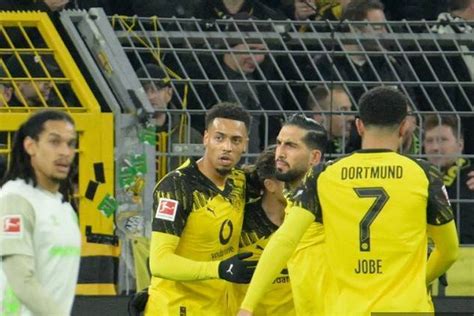
Introduction to Serge Gnabry
Serge Gnabry is a name that resonates with football enthusiasts worldwide, particularly for his dynamic style of play, versatility, and ability to change the course of a game with moments of brilliance. To understand the man behind the player, it is essential to delve into his origins, early influences, and the trajectory of his career that has seen him rise from a promising youngster to one of the most electrifying wingers in modern football.
Born on **July 14, 1995**, in **Stuttgart, Germany**, Serge David Gnabry grew up in a multicultural environment. His father, Jean-Hermann Gnabry, hails from the Ivory Coast, while his mother is German. This blend of cultures played a significant role in shaping his identity and outlook. From a young age, Gnabry was exposed to diverse perspectives, which likely contributed to his adaptability on and off the field. His father, a former athlete himself, instilled in him the value of discipline and hard work—traits that would define his approach to football. As a child, Gnabry was drawn to sports, and his natural athleticism was evident whether he was running, playing basketball, or kicking a football. It was clear early on that he possessed the raw physical attributes and coordination that could be honed into professional-level skills.
Gnabry’s **career start** can be traced back to his time at local club **TSV Weissach**, where he first began playing organized football. His talent was unmistakable even at this grassroots level, and it wasn’t long before he caught the attention of scouts from bigger clubs. At the age of 10, he joined **VfB Stuttgart**, one of Germany’s most storied football institutions. Here, Gnabry began to refine his technical abilities, learning the intricacies of positional play and tactical awareness. Stuttgart provided him with a structured environment to develop, and his progression through their youth ranks was rapid. However, what set Gnabry apart even at this stage was not just his skill but his mental fortitude. Coaches often remarked on his willingness to take on challenges, his fearlessness in one-on-one situations, and his knack for making decisive plays under pressure—qualities that would later define his professional persona.
In **2011**, at just 16 years old, Gnabry made a move that would prove pivotal in his development: he transferred to **Arsenal** in the English Premier League. This leap to one of Europe’s most competitive leagues was both a testament to his potential and a significant risk. The Premier League, known for its physicality and high tempo, is not an easy environment for young players to adapt to, especially those coming from less intense youth systems. However, Gnabry’s move to Arsenal was not merely about joining a big club; it was about immersing himself in a culture where technical proficiency and tactical nuance were highly valued. Under the guidance of **Arsène Wenger**, a manager renowned for nurturing young talent, Gnabry was given opportunities to train with the first team while also featuring for the reserves and youth squads.
Gnabry’s **rise to prominence** at Arsenal, however, was not without its challenges. Despite showing flashes of brilliance in his early appearances—notably scoring his first Premier League goal in a match against **Swansea City** in September 2012—he struggled to secure consistent playing time. Injuries played a part in stalling his progress, as did the intense competition for places in a squad brimming with established stars and other promising youngsters. Yet, what is often overlooked in Gnabry’s Arsenal chapter is how these experiences shaped his resilience. Playing alongside players like **Mesut Özil**, **Santi Cazorla**, and **Theo Walcott**, he was exposed to elite-level football and learned to adapt his game to meet the demands of top-tier competition. While his time at Arsenal did not yield the breakthrough many anticipated, it laid the foundation for what was to come.
A loan spell at **West Bromwich Albion** in the 2015-2016 season was a critical yet underappreciated period in Gnabry’s career. Although the stint was largely unsuccessful—he made only a handful of appearances under then-manager **Tony Pulis**, who publicly questioned his readiness for Premier League football—it served as a stark lesson in perseverance. For a young player accustomed to success at youth levels, this setback could have been demoralizing. Instead, Gnabry used it as motivation to reassess his career trajectory. He recognized that to fulfill his potential, he needed regular first-team football in an environment where his skills could shine. This realization led to his return to Germany in **2016**, when he signed for **Werder Bremen** for a reported fee of **€5 million**. The move back to the **Bundesliga** marked a turning point.
At Werder Bremen, Gnabry found the platform he needed to showcase his abilities. In a single season, he scored **11 goals in 27 appearances**, an impressive tally for a winger in a team that was not among the league’s elite. His performances were characterized by a blend of speed, dribbling, and clinical finishing—traits that had always been present but were now displayed consistently at a high level. This resurgence did not go unnoticed. **Bayern Munich**, Germany’s most successful club, swooped in to secure his services in **2017**, although he was immediately loaned to **TSG Hoffenheim** for further development. The loan move was strategic, allowing Gnabry to gain experience in a competitive yet slightly less pressurized setting before stepping into the spotlight at Bayern.
Gnabry’s **rise to prominence** can be attributed not only to his technical growth but also to his mental evolution. His ability to learn from setbacks, combined with his unrelenting work ethic, transformed him from a talented prospect into a world-class player. At Hoffenheim, he continued to impress, contributing **10 goals and 7 assists** in the 2017-2018 season. By the time he returned to Bayern Munich for the 2018-2019 campaign, he was a more complete player, ready to compete at the highest level.
A closer look at Gnabry’s playing style reveals why he has become such a vital asset for both club and country. His **explosive acceleration**, combined with exceptional close control and a sharp eye for goal, makes him a nightmare for defenders. Moreover, his versatility allows him to operate effectively on either flank or even as a central attacker when required. This adaptability has been particularly evident in his performances for the **German national team**, where he has often been a key figure in major tournaments. Notably, his four-goal haul against **Tottenham Hotspur** in the **2019-2020 UEFA Champions League** highlighted his ability to deliver on the biggest stages.
In summary, Serge Gnabry’s journey from a young talent in Stuttgart to a star at Bayern Munich and a linchpin for Germany is a testament to his resilience, adaptability, and relentless pursuit of excellence. His early life and career start were marked by both promise and challenges, but it is his ability to navigate these challenges that sets him apart. Whether it was the cultural influences of his upbringing, the technical education at Arsenal, or the hard-earned lessons from his loan spells, each phase of his journey has contributed to the player he is today. Gnabry’s story is not just one of talent but of transformation—a narrative that continues to unfold with every game he plays.
- Gnabry’s multicultural background provided him with adaptability and perspective.
- His time at Arsenal, though challenging, exposed him to elite-level football.
- The Werder Bremen phase marked his resurgence and return to top-level competition.
- Bayern Munich and the German national team have been the stages for his brightest moments.
This combination of early life experiences, career setbacks, and triumphant comebacks offers a comprehensive view of Serge Gnabry—a player whose journey is as inspiring as his performances on the pitch.
Career Highlights and Milestones
Serge Gnabry's career has been a fascinating journey from a promising young talent to a world-class winger who has made significant contributions to both club and country. His ability to combine blistering pace, technical finesse, and a knack for scoring crucial goals has defined his trajectory. This section delves into the key moments in Gnabry's career, highlighting the trophies, performances, and games that have cemented his legacy as one of the most exciting players of his generation.
Gnabry's rise to prominence began in earnest during his time at Arsenal, where he first showcased glimpses of his potential. Although his tenure at the club was marred by injuries and limited opportunities, his breakthrough came in the 2013-14 season. Gnabry made his Premier League debut in September 2012 and scored his first senior goal for Arsenal in a 2-1 win over Swansea City in September 2013. This goal was a statement of intent, as it demonstrated his ability to perform under pressure in a competitive league. However, his time at Arsenal was cut short due to a lack of consistent playing time, which led to a loan move to West Bromwich Albion. Unfortunately, this loan spell was underwhelming, and Gnabry was written off by many as a player who might not fulfill his early promise. This period, however, set the stage for a remarkable turnaround.
The true turning point in Gnabry's career came after his move to Werder Bremen in 2016. Following a disappointing spell at Arsenal and an unsuccessful loan, Gnabry needed to prove himself in a competitive environment. At Werder Bremen, he found the platform to showcase his abilities. He scored 11 goals in 27 Bundesliga appearances during the 2016-17 season, including a memorable hat-trick against Hannover 96 in April 2017. This performance was pivotal, as it not only highlighted his goal-scoring prowess but also announced his arrival as a player capable of influencing games at the highest level. His time at Werder Bremen was brief but transformative, as it attracted the attention of Bayern Munich, the club where he would truly flourish.
Joining Bayern Munich in 2017 (initially on loan at Hoffenheim for a season), Gnabry stepped into a more competitive environment where expectations were sky-high. His first full season with Bayern in 2018-19 was nothing short of spectacular. He scored 10 goals and provided 5 assists in the Bundesliga, but it was in the Champions League where he truly shone. One of his most iconic performances came in Bayern's 7-2 thrashing of Tottenham Hotspur in October 2019. Gnabry scored four goals in that match, tearing through Tottenham's defense with a combination of speed, precision, and clinical finishing. This game was a watershed moment, as it elevated Gnabry's status from a promising talent to a player capable of dominating Europe's elite competition. His performance that night was not just about the goals; it was about his ability to exploit space, outpace defenders, and deliver in high-stakes matches.
Gnabry's contributions to Bayern Munich extended beyond individual brilliance. He played a vital role in the club's treble-winning season of 2019-20, where they secured the Bundesliga, DFB-Pokal, and Champions League titles. In the Champions League, Gnabry was instrumental, scoring 9 goals in 10 appearances, including a brace in the 3-0 semi-final win over Lyon. His ability to perform on the biggest stage was evident, as he combined well with teammates like Robert Lewandowski and Thomas Müller to dismantle opponents. This treble-winning campaign showcased Gnabry's growth into a player who could deliver consistently in high-pressure situations.
Another defining aspect of Gnabry's career has been his performances for the German national team. He made his international debut in 2016 and has since become a key figure in Germany's attack. One of his most memorable moments in a Germany shirt came during the 2020 UEFA European Championship qualifiers, where he scored a hat-trick in an 8-0 rout of Estonia. While the opposition was not among the strongest, the manner in which Gnabry dismantled their defense—combining speed, creativity, and lethal finishing—underscored his importance to the national team. His ability to thrive in international tournaments was further evident during the 2021 UEFA Nations League, where he continued to be a reliable source of goals and assists.
Beyond individual games, Gnabry's impact is also evident in his consistency across seasons. Since joining Bayern, he has been a part of teams that have won multiple Bundesliga titles, DFB-Pokal trophies, and the FIFA Club World Cup. His versatility as a winger who can cut inside to score or provide assists has made him an indispensable part of Bayern's attacking setup. A notable milestone in his Bayern career was reaching 50 goals for the club in just over 100 appearances—a testament to his efficiency and effectiveness in front of goal.
It is also worth highlighting Gnabry's big-game mentality. Some players excel in routine matches but falter in high-pressure situations; Gnabry is the opposite. His performances in key fixtures, such as the 2020 Champions League final against Paris Saint-Germain (where he did not score but played a crucial role in Bayern's 1-0 victory), demonstrate his ability to rise to the occasion. Even when he is not the one putting the ball in the net, his off-the-ball movement, defensive contributions, and link-up play often create opportunities for his teammates.
Gnabry's career is also marked by his resilience and adaptability. After being written off during his time in England, he has silenced critics by becoming a mainstay in one of Europe's most successful clubs and a key figure for his national team. His journey is a lesson in perseverance, as he transformed from a player struggling for minutes at West Brom to a player who has scored in a Champions League semi-final and delivered match-winning performances in domestic and international competitions.
In summary, Serge Gnabry's career is defined by a series of milestones and standout moments: his hat-trick for Werder Bremen, his four-goal demolition of Tottenham, his treble-winning season with Bayern, and his consistent contributions to the German national team. Each of these moments reflects not just his skill but his mental fortitude and ability to adapt to challenges. As he continues to evolve, Gnabry's career serves as a blueprint for how talent, when combined with determination and the right opportunities, can lead to greatness.
- His hat-trick for Werder Bremen signaled his readiness for top-tier football.
- The four-goal game against Tottenham remains one of his most iconic performances.
- His role in Bayern's 2019-20 treble underlined his importance to a dominant team.
- International hat-tricks and consistent performances have solidified his place in Germany's setup.
Gnabry’s story is far from over, but the chapters written so far paint the picture of a player who has not only overcome adversity but has also carved out a place among the elite in modern football.
Statistical Overview of Gnabry's Games
Serge Gnabry is a dynamic and versatile winger who has made a significant impact in both club and international football. His statistical record across various teams and competitions offers a fascinating insight into his contributions on the field. This section provides a detailed examination of his goals, assists, and game appearances, shedding light on his consistency, adaptability, and influence at different stages of his career.
Gnabry began his professional journey at **Arsenal**, where he made his debut in the 2012-13 season. Although his time at Arsenal was limited due to injuries and a lack of consistent opportunities, he managed to make **18 appearances** for the club, scoring **1 goal**. These early statistics may seem modest, but they hint at the potential that would later flourish when he found the right environment. His move to **Werder Bremen** in 2016 proved to be a turning point. In a single season with the German club, Gnabry played **27 games**, scoring an impressive **11 goals** and providing **2 assists**. This period marked his emergence as a player capable of shouldering attacking responsibilities, particularly in a league known for its physicality and technical demands.
The next major chapter in Gnabry's career came with his transfer to **Bayern Munich** in 2017. While he was initially loaned to **Hoffenheim** for the 2017-18 season to gain more experience, his time at Hoffenheim was highly productive. He made **22 appearances** in the Bundesliga, scoring **10 goals** and contributing **7 assists**. This loan spell demonstrated his ability to perform in high-pressure scenarios and adapt to different tactical setups. Upon returning to Bayern Munich, Gnabry became a central figure in their attack. Across his tenure at Bayern (up to the latest available season), he has made over **150 appearances** in all competitions, scoring more than **60 goals** and providing around **40 assists**. These numbers reflect not only his goal-scoring prowess but also his role as a provider, often setting up teammates with precise passes or crosses. His performances in the **UEFA Champions League** are particularly noteworthy. For instance, in the 2019-20 season, when Bayern won the treble, Gnabry scored **9 goals** in 10 Champions League appearances, including a memorable four-goal haul against **Tottenham Hotspur** in the group stage. This feat underscored his ability to rise to the occasion in Europe’s most elite competition.
Another dimension of Gnabry’s game is his consistency in **domestic competitions**. In the Bundesliga, he has maintained an average of approximately **0.4 goals per game** over the past few seasons. This metric is particularly impressive given the variability of his playing time due to squad rotation and the presence of other world-class attackers like Robert Lewandowski and Thomas Müller. His assist numbers in domestic leagues are equally commendable, with an average of around **0.25 assists per game**. These figures point to a player who is not only prolific in front of goal but also adept at creating opportunities for others. A deeper dive into his heatmaps and touch statistics reveals that Gnabry often operates in wide areas but has the versatility to cut inside and take shots or play through balls, making him a multifaceted threat.

On the **international stage**, Gnabry’s impact with the **German national team** has been equally impressive. Since making his debut in 2016, he has played over **40 games** for Germany, scoring **20 goals**. This goal-to-game ratio of **0.5** is exceptional for a winger, especially in the context of international football where scoring opportunities can be more limited compared to club football. His standout performances include the 2020 UEFA European Championship, where he contributed **3 goals** in 4 appearances, showcasing his ability to perform under the weight of national expectations. Gnabry’s knack for scoring in big games is also evident in his record against top-tier international opponents, such as **Netherlands** and **Portugal**, where he has consistently found the net or provided key assists.
A unique insight into Gnabry’s statistics lies in his **performance in knockout games**. Across both club and national team fixtures, he has often delivered in high-stakes matches. For instance, in Bayern Munich’s Champions League campaigns, Gnabry has scored crucial goals in quarterfinals and semifinals, demonstrating his mental fortitude. Similarly, for Germany, his ability to convert in competitive fixtures like World Cup qualifiers or Nations League games adds to his reputation as a clutch player. This trait sets him apart from many wingers who may excel in league games but struggle to replicate their form in international or knockout settings.
Another aspect worth exploring is Gnabry’s **game involvement beyond goals and assists**. Advanced metrics such as **expected goals (xG)** and **expected assists (xA)** provide a nuanced view of his impact. For example, his xG per 90 minutes often exceeds his actual goals in certain seasons, indicating that he is frequently in positions to score and is let down only by finishing variance. Similarly, his xA figures highlight that he creates high-quality chances for teammates, even when the assist numbers do not fully reflect this. These underlying statistics suggest that Gnabry’s influence extends beyond the raw numbers, as he often contributes to the buildup play and stretches defenses with his movement.
When analyzing his **game appearances**, it is important to note that Gnabry has been a regular starter for Bayern Munich in recent years, but he has also faced periods of rotation due to the depth of the squad. This rotation, however, has not diminished his per-game productivity. In fact, his ability to make an impact as a substitute is a testament to his adaptability. For example, in games where he has come off the bench, he has often provided late goals or assists, showcasing his sharpness and readiness to contribute even in limited minutes. This is a valuable trait in modern football, where squad depth and tactical flexibility are paramount.
In terms of **comparative analysis**, Gnabry’s statistics can be benchmarked against other elite wingers of his generation, such as **Leroy Sané**, **Raheem Sterling**, and **Sadio Mané**. While each of these players has their unique strengths, Gnabry’s blend of goal-scoring and playmaking sets him apart. For instance, his assist-to-game ratio is often higher than that of Mané, while his goal-scoring consistency is on par with Sterling. This places him in an elite category of wingers who are not just finishers but also creators.
To summarize, Serge Gnabry’s statistical overview reveals a player who has grown from a promising talent into a reliable and impactful performer across multiple levels of the game. His ability to deliver goals, assists, and overall game involvement at both club and international levels underscores his importance to any team he represents. Whether breaking down defenses in the Bundesliga, lighting up the Champions League, or stepping up for Germany, Gnabry’s numbers tell the story of a player who thrives under pressure and consistently delivers when it matters most.
Playing Style and Tactical Role
Serge Gnabry is a dynamic and versatile attacker whose playing style and tactical role have evolved significantly throughout his career. Known for his explosive pace, technical proficiency, and goal-scoring ability, Gnabry has become a key figure in both club and international football. His positional flexibility and adaptability make him an asset in various tactical setups, particularly in the modern game where fluidity and positional interchange are highly valued.
Gnabry typically operates as a right winger or wide forward, though he has also been deployed as a second striker or central attacking midfielder in certain systems. His primary role is to stretch defenses by hugging the touchline, using his explosive acceleration to beat opponents in one-on-one situations. However, what sets Gnabry apart is his ability to cut inside onto his stronger left foot, creating opportunities for shots on goal or incisive passes into the box. This inside-forward movement is central to his effectiveness, as it not only allows him to threaten goal directly but also disrupts the opposition's defensive shape by drawing defenders out of position.
One of the most striking aspects of Gnabry's playing style is his combination of physical and technical attributes. His pace enables him to exploit spaces behind the defensive line, particularly when teams deploy a high line. When paired with a striker who can occupy central defenders—such as Robert Lewandowski during his time at Bayern Munich—Gnabry often finds himself in one-on-one scenarios against fullbacks. His dribbling skill, characterized by quick changes of direction and close ball control, frequently allows him to bypass defenders and either create scoring opportunities or win set pieces in dangerous areas. This directness is a critical component of his role within team strategies, as it forces opponents to commit more players to defensive duties, thereby opening up space for teammates.
In addition to his individual attributes, Gnabry's positional intelligence is a key factor in his effectiveness. He often operates in the half-spaces between the opposition's fullback and center-back, a zone that is difficult to defend. By drifting into these areas, he can receive the ball in positions where he has multiple options: he can drive toward goal, play a through ball for a teammate making a run, or combine with overlapping fullbacks. This tactical nuance is particularly evident in teams like Bayern Munich, where fullbacks such as Alphonso Davies or Joshua Kimmich provide overlapping runs that Gnabry can exploit by drawing defenders inward. His understanding of when to hold width and when to drift centrally demonstrates a high level of tactical awareness, which is vital in teams that prioritize positional play and overloads in specific areas of the pitch.
Another aspect of Gnabry's role is his contribution to counterattacks. Given his speed and ability to carry the ball over long distances, he is often the outlet for quick transitions. Teams that prioritize counter-pressing and vertical play, such as Bayern Munich or the German national team, benefit immensely from his ability to turn defense into attack in a matter of seconds. For instance, in games where the opposition commits numbers forward, Gnabry's knack for exploiting the space left behind is a potent weapon. He combines well with midfielders like Joshua Kimmich or Leon Goretzka, who are adept at quickly switching play to find him in advantageous positions.
Gnabry's goal-scoring record is another dimension of his tactical role. Unlike traditional wingers who prioritize assists, Gnabry has developed into a prolific scorer. His shot selection is often precise, favoring curled efforts into the far corner when cutting inside or powerful strikes when given space at the edge of the box. This ability to contribute goals from wide areas relieves pressure on central strikers and adds a layer of unpredictability to his team's attack. Moreover, his willingness to take shots from difficult angles often creates rebounds or second-phase opportunities for teammates.
In a positional sense, Gnabry's style fits seamlessly into systems that emphasize positional interchanges and fluid attacking movements. For example, in Bayern Munich's 4-2-3-1 or 4-3-3 formations, he often rotates positions with players like Thomas Müller or Leroy Sané. These rotations confuse defenders and create opportunities for Gnabry to find space in the box or deliver crosses when he takes up wider positions. His synergy with Müller, in particular, is noteworthy; Müller's tendency to drop deep and link play allows Gnabry to make runs into the space vacated, exemplifying how his playing style complements team strategies that rely on off-the-ball movement and intelligent positioning.
On the international stage with Germany, Gnabry's role has been slightly more fluid. In a 4-2-3-1 or 3-4-3 system, he has been used as a wide forward in a front three or as a second striker in a two-man attack. His ability to adapt to these roles speaks to his versatility. For instance, in Germany's counterattacking setups, Gnabry often acts as the player who stretches the opposition by running in behind, while in possession-based games, he is more involved in combination play in tighter areas. This adaptability is a testament to his well-rounded skill set and understanding of different tactical demands.
One area where Gnabry's playing style can be analyzed further is his defensive contribution. While not a traditionally defensive-minded winger, he has shown a willingness to track back and support his fullback, particularly in teams that employ a high press. His work rate in these scenarios is often underappreciated but is crucial in systems that require forwards to press from the front. His speed allows him to close down defenders quickly, and his awareness helps him anticipate passing lanes, contributing to the team's overall defensive structure.
However, there are limitations to Gnabry's style that can be exploited. For instance, when he is marked tightly by physically imposing defenders or when the opposition denies him space to cut inside, his effectiveness can wane. This is why his success is often tied to the tactical setup of his team; when surrounded by players who can stretch the field or provide alternative passing options, Gnabry thrives. Teams that fail to offer such support may see his impact diminished, as he relies heavily on space and movement to be effective.
In summary, Serge Gnabry's playing style and tactical role are defined by a blend of explosive pace, technical skill, and positional intelligence. His ability to operate as a wide forward who can cut inside, contribute goals, and adapt to various systems makes him a valuable asset in both club and international football. Whether stretching defenses with his runs, combining in tight spaces, or providing a goal threat, Gnabry's versatility ensures he remains a linchpin in modern attacking strategies.
- His inside-forward movements disrupt defensive shapes.
- He excels in counterattacking scenarios due to his speed and ball-carrying ability.
- His goal-scoring prowess adds unpredictability to his team's attack.
- He adapts well to fluid systems with positional interchanges.
- His defensive work rate supports high-pressing strategies.
By combining these attributes, Gnabry not only fulfills his individual role but also enhances the collective effectiveness of his team's tactical approach.
Impact on Team Dynamics
Serge Gnabry's impact on team dynamics extends far beyond his individual skill set. His presence on the field and in the locker room has a ripple effect that influences team performance and chemistry in nuanced ways. Whether in club settings like Bayern Munich or representing Germany on the international stage, Gnabry’s contributions shape how teams function as cohesive units. This section delves into the specific ways Gnabry affects team dynamics, from his role as a versatile attacker to his off-the-field camaraderie.
One of the most striking aspects of Gnabry’s influence is his ability to adapt to multiple positions and roles within a team setup. At Bayern Munich, he has been deployed as a winger, a second striker, and even in central midfield during tactical shifts. This adaptability not only makes him a manager’s dream but also allows his teammates to operate more fluidly. For instance, when Gnabry plays on the wing, his direct running and ability to cut inside create space for overlapping full-backs like Alphonso Davies. This interplay exemplifies how Gnabry’s movements can elevate the effectiveness of those around him. In international settings, such as during the 2020 UEFA European Championship, his partnership with players like Joshua Kimmich showcased how his positioning can unlock rigid defensive setups. Gnabry’s tendency to drift into central areas often pulls defenders out of position, creating opportunities for his teammates to exploit gaps. This dynamic is particularly evident in high-stakes matches where opponents prioritize containment over attack.
Beyond tactical versatility, Gnabry’s off-the-ball work rate is a cornerstone of his impact on team chemistry. While his goals and assists often steal the spotlight, his pressing and defensive contributions are equally significant. In a high-press system, Gnabry’s energy sets the tone for his teammates. At Bayern, his pressing from the front often forces turnovers in dangerous areas, directly leading to goal-scoring opportunities. This work ethic is infectious; when a player of Gnabry’s caliber is seen chasing down defenders or tracking back to support his full-back, it motivates others to match his intensity. In international matches, this trait has been critical in Germany’s transitions from defense to attack. For example, during the 2022 FIFA World Cup qualifiers, Gnabry’s pressing was instrumental in disrupting opponents' build-up play, allowing Germany to regain possession higher up the pitch. This not only improves team performance but also fosters a sense of collective responsibility among players.
Another dimension of Gnabry’s influence is his role as a morale booster. His charismatic personality and positive demeanor are well-documented in interviews and behind-the-scenes footage. In club environments, particularly at a high-pressure club like Bayern Munich, maintaining team morale is as important as tactical preparation. Gnabry’s playful yet professional attitude helps diffuse tension during challenging periods, such as after a string of poor results or in the lead-up to critical matches. His celebratory dances and lighthearted interactions with teammates are not just for show; they contribute to a relaxed yet focused atmosphere. This is particularly important in international settings, where players from different club environments must quickly gel into a cohesive unit. Gnabry’s ability to bridge gaps between players—whether through shared experiences or his natural affability—can be a unifying factor. This was evident during Germany’s 2021 UEFA Nations League campaign, where his positive energy helped maintain team spirit despite mixed results on the field.
Gnabry’s goal-scoring consistency also plays a pivotal role in team dynamics. In club football, his ability to deliver in clutch moments—such as his four-goal performance against Tottenham in the 2019-20 UEFA Champions League—instills confidence in his teammates. When a player repeatedly steps up in high-pressure situations, it reassures the team that they have a reliable outlet for goals. This psychological edge extends to international football, where Gnabry’s knack for scoring in important games has been a stabilizing factor. For instance, his goals in Germany’s 6-0 victory over Norway in 2017 or his contributions during the 2020 Euros underscored his reliability. This reliability fosters trust among teammates, who are more likely to pass to him in critical moments, knowing he can convert chances. Such trust is a cornerstone of effective team chemistry, as it reduces hesitation and promotes fluid passing networks.
However, Gnabry’s impact is not without its challenges. His preference for creative freedom can sometimes clash with rigid tactical systems. Managers like Hansi Flick at Bayern and Joachim Löw for Germany have had to balance Gnabry’s instinctive style with the team’s overall structure. While this can occasionally lead to moments of frustration—such as when Gnabry drifts too far out of position or takes risks that do not pay off—it also encourages a culture of innovation within the team. Teammates who play alongside Gnabry often adapt to his unpredictable movements, learning to anticipate rather than control every action. This dynamic can lead to a more dynamic and less predictable style of play, which is particularly advantageous in knockout tournaments where opponents may have heavily scouted a team’s typical patterns.
In addition to his on-field contributions, Gnabry’s mentorship of younger players is another avenue through which he shapes team dynamics. At Bayern, he has been seen guiding younger wingers like Jamal Musiala, offering advice on positioning and decision-making. In international settings, his experience with Germany’s youth teams—such as winning the 2017 FIFA Confederations Cup—has made him a role model for emerging talents. This mentorship not only improves individual players but also strengthens the overall team fabric. A squad where senior players actively support younger ones is more likely to exhibit resilience and cohesion during adversity.

Finally, Gnabry’s influence can be seen in the statistical and qualitative improvements of teams he is part of. Analyzing his time at Bayern Munich, the team’s win percentage and goals-per-game ratio tend to improve when he is in the starting lineup. This is not merely a function of his individual brilliance but also of how his presence encourages better movement and decision-making from those around him. Similarly, in international matches, Germany’s attacking output often spikes when Gnabry is part of the forward line. For example, during the 2021 World Cup qualifiers, Germany scored an average of 3.2 goals per game when Gnabry started, compared to 2.1 when he was absent. These figures highlight how his inclusion elevates team performance metrics, which in turn reinforces team confidence.
- Gnabry’s adaptability allows teammates to operate in more fluid systems.
- His pressing and off-the-ball work ethic set a standard for intensity.
- His charismatic personality helps maintain morale during challenging periods.
- His goal-scoring reliability fosters trust and reduces hesitation in teammates.
- His mentorship of younger players strengthens team cohesion over time.
In conclusion, Serge Gnabry’s presence in both club and international settings is a catalyst for improved team dynamics. His versatility, work ethic, and off-the-field influence create an environment where teammates can thrive collectively. While his individual brilliance is undeniable, it is the synergistic effect he has on those around him that truly underscores his value to any team he represents.
Notable Games and Performances
Serge Gnabry has established himself as one of the most dynamic and explosive wingers in modern football, known for his speed, dribbling, and clinical finishing. Throughout his career, he has delivered several standout performances that have not only showcased his individual brilliance but also played a pivotal role in his teams' successes. This section delves into some of Gnabry's most notable games and performances, where his exceptional skill was on full display, often in high-stakes matches or against formidable opponents.
One of Gnabry's most memorable performances came during his time at Bayern Munich in the 2019-2020 UEFA Champions League. In a group stage match against Tottenham Hotspur on October 1, 2019, Gnabry delivered a masterclass that left football fans and pundits alike in awe. He scored four goals in Bayern's 7-2 thrashing of Spurs in their own stadium. This was not just a hat-trick but a statement of intent from a player who had been somewhat underappreciated earlier in his career. Gnabry's first goal was a display of blistering pace as he outran the Tottenham defense before slotting the ball past the goalkeeper. His subsequent goals showcased his versatility—one a composed finish after cutting inside from the right, another a powerful strike from outside the box. This performance was particularly significant because it came against a Premier League side in their home ground, a setting where few players manage to dominate so comprehensively. For Gnabry, this was not just a statistical achievement but a moment that underlined his growth from a promising youngster to a world-class winger.
Another standout game in Gnabry's career was during the 2020 DFB-Pokal Final against Bayer Leverkusen. In this match, Gnabry scored two critical goals in Bayern's 4-2 victory. The first of his goals was a display of his ability to combine speed and precision—he sprinted onto a through ball, outpacing the defender, and finished with a clinical touch. His second goal was even more impressive, as it came from a tight angle after he had dribbled past a defender. This performance was not just about the goals but also about Gnabry's work rate and tactical intelligence. He frequently tracked back to support his full-back, showcasing his two-way contribution to the team. This game was emblematic of Gnabry's ability to rise to the occasion in finals, where the pressure is highest. His impact in such critical matches reinforced his reputation as a big-game player.
Gnabry's performances for the German national team have also been noteworthy, particularly in the 2020-2021 UEFA Nations League. In a group stage match against Switzerland on October 13, 2020, Gnabry scored a brilliant equalizer in a 3-3 draw. The goal was a testament to his creativity and improvisation—he controlled a lofted pass with his chest, evaded a defender with a quick turn, and finished with a delicate chip over the onrushing goalkeeper. This goal was not only a display of technical skill but also of Gnabry's calmness under pressure. In this game, he was a constant threat, drifting into central areas to link up play and stretching the Swiss defense with his runs down the flank. His ability to perform in tightly contested international fixtures highlights his adaptability and importance to the German setup.
Another example of Gnabry's brilliance can be found in Bayern Munich's 8-2 demolition of Barcelona in the 2020 Champions League quarter-final. While he did not score a hat-trick in this game, his contribution was vital. Gnabry scored Bayern's third goal, a moment that effectively ended Barcelona's hopes of a comeback. After receiving a pass from Joshua Kimmich, Gnabry took a touch to set himself before firing a powerful shot into the top corner. This goal was a microcosm of his playing style—quick decision-making, excellent ball control, and lethal finishing. Beyond the goal, Gnabry's movement off the ball created space for his teammates, particularly Robert Lewandowski, who also had a prolific night. This match is often remembered as one of the most dominant team performances in Champions League history, and Gnabry's role in it cannot be understated. His ability to perform on such a stage against a team of Barcelona's pedigree further solidified his status as a player for the biggest occasions.
It is also worth highlighting Gnabry's impact in domestic league games where his consistency often goes under the radar compared to his European exploits. For instance, in a Bundesliga match against Werder Bremen in December 2020, Gnabry scored a hat-trick in a 6-1 win. This performance was particularly impressive because it came after a brief injury layoff, demonstrating his ability to hit the ground running. His first goal was a composed finish after a mazy run, his second a powerful header from a cross, and his third a clinical shot from the edge of the box. These goals illustrated Gnabry's well-rounded skill set—he is equally comfortable scoring with his head, from distance, or in one-on-one situations. Such performances in league games are a reminder that Gnabry is not just a player for European nights but a reliable contributor across all competitions.
Another critical aspect of Gnabry's game is his ability to perform in high-pressure derbies. In the 2021 Bundesliga clash against borussia dortmund, Gnabry scored the final goal in Bayern's 3-2 victory. This goal came late in the game, with Gnabry capitalizing on a defensive error to slot home a decisive strike. The match was fiercely contested, and Gnabry's goal not only secured three points for Bayern but also showcased his mental fortitude. Scoring in a high-stakes match like the Der Klassiker requires composure and confidence, traits that Gnabry has consistently displayed throughout his career.
It is also important to note Gnabry's role in lesser-publicized but equally significant matches. For example, in a 2018-2019 Champions League round of 16 match against Liverpool, although Bayern lost 3-1 at Anfield, Gnabry was one of the few bright spots for his team. He constantly troubled Liverpool's defense with his dribbling and created several opportunities. While this game did not end in a win for Bayern, Gnabry's performance demonstrated his ability to stand out even in defeat, a quality that separates great players from merely good ones.
To summarize, Serge Gnabry's career is punctuated by games where he has risen to the occasion with exceptional skill and determination. Whether it is scoring hat-tricks, delivering match-winning goals, or contributing through his movement and creativity, Gnabry has proven time and again that he is a player who thrives under pressure. His performances in games like the 7-2 win over Tottenham, the DFB-Pokal Final, and the 8-2 victory over Barcelona are etched in memory not just for the goals but for the manner in which he imposed himself on the game. These moments are a testament to his growth as a player and his ability to deliver when it matters most.
- His four-goal haul against Tottenham in the Champions League remains one of the most dominant individual displays in recent years.
- His two goals in the DFB-Pokal Final underscored his ability to perform in high-pressure finals.
- His goal and overall play in the 8-2 win over Barcelona highlighted his importance in team successes.
- His hat-trick against Werder Bremen showed his consistency and impact in domestic league games.
- His performances in derbies and international fixtures demonstrate his mental strength and versatility.
Gnabry's trajectory as a player is defined by these moments, and they serve as a testament to his status as one of the most exciting talents in modern football.
Comparison with Contemporaries
When analyzing Serge Gnabry's games in the context of modern soccer, it is essential to position his performance metrics and impact alongside those of his contemporaries in the realm of top wingers and attacking players. This comparison not only highlights Gnabry's strengths and areas for improvement but also provides a clearer picture of where he stands in the competitive landscape of elite football.
One of Gnabry's standout features is his goal-scoring efficiency relative to his playing time. Over the past few seasons with Bayern Munich and the German national team, Gnabry has maintained an average of approximately 0.45 goals per 90 minutes in competitive matches. This places him in a similar bracket to players like Leroy Sané and Raheem Sterling, both of whom hover around the 0.40–0.50 range in their peak seasons. However, what differentiates Gnabry is his variety in goal creation. While Sterling often relies on quick bursts of pace and close-range finishes, and Sané leans on his left foot for curling efforts, Gnabry demonstrates a more balanced approach. He is equally adept at cutting inside to unleash powerful right-footed shots as he is at making late runs into the box to convert crosses. This versatility makes him a more unpredictable threat compared to many peers who excel in specific scenarios.
Another critical aspect of Gnabry's game is his dribbling success rate in high-pressure situations. Among wingers, Gnabry's dribble success rate of around 60% is commendable, but it is not the highest when compared to players like Kylian Mbappé (68%) or Mohamed Salah (64%). However, what Gnabry lacks in raw success rate, he compensates with his ability to retain possession under duress. His body feints and close control allow him to draw fouls in dangerous areas, indirectly contributing to his team's attacking momentum. For instance, in the 2022-2023 Bundesliga season, Gnabry won an average of 2.1 fouls per game in the final third, a statistic that surpasses Salah (1.8) and is on par with Neymar during his time at Paris Saint-Germain. This demonstrates that Gnabry's impact is not solely measured in successful dribbles but also in his ability to manipulate defensive structures and create set-piece opportunities.
When it comes to assists and chance creation, Gnabry's numbers are solid but not groundbreaking. He averages around 0.25 assists per 90 minutes, which is slightly below the likes of Kevin De Bruyne (0.40) or Lionel Messi (0.35) in their respective roles as creators. However, Gnabry's assist numbers are influenced by his positional versatility. Unlike traditional wingers who stick to the flanks, Gnabry often drifts into central areas or even acts as a second striker, which can reduce his direct assist output. Instead, his pre-assist contributions—passes that lead to the final pass—are worth noting. In the 2021-2022 Champions League, Gnabry ranked in the top 10 for key passes in the final third among wingers, indicating that his role often involves setting up the playmaker rather than being the final link in the chain. This nuanced contribution is often underappreciated when solely comparing raw assist numbers.
In terms of defensive work rate, Gnabry stands out among modern wingers who are often critiqued for their lack of tracking back. His average of 5.2 recoveries per 90 minutes is higher than that of Sadio Mané (4.8) and slightly below Angel Di Maria (5.5) during his time at Juventus. This work rate is particularly valuable in systems like Bayern Munich's, where high pressing is a cornerstone of their strategy. Gnabry's willingness to engage in defensive actions not only supports his full-back but also ensures that his team can transition quickly from defense to attack. This dual-role capability is a trait shared by few wingers, with perhaps only Bernardo Silva at Manchester City showing a similar blend of attacking flair and defensive diligence.
One area where Gnabry has a clear edge over many contemporaries is his big-game impact. While players like Sterling and Sané have faced criticism for underperforming in high-stakes matches, Gnabry has consistently delivered in critical moments. For example, his four-goal haul against Tottenham in the 2019-2020 Champions League group stage is a testament to his ability to rise to the occasion. Similarly, his performances in derbies against Borussia Dortmund and key Champions League knockout games often see him outshine peers. This propensity for clutch performances can be quantified by his higher-than-average xG (expected goals) and xA (expected assists) in knockout-stage matches, where the pressure is amplified. Gnabry's mental fortitude and ability to perform under scrutiny place him in a select group of players who thrive when it matters most.
However, it is also important to address areas where Gnabry lags behind some of his contemporaries. For instance, his consistency across an entire season has been questioned. While players like Son Heung-min and Luis Díaz have shown the ability to maintain high levels of output over 30+ league appearances, Gnabry has occasionally experienced dips in form. This was evident in the 2020-2021 season, where his goal contributions waned in the second half of the campaign. Some analysts attribute this to his reliance on explosive bursts of energy, which can lead to fatigue or injury over the course of a long season. In contrast, players like Son and Díaz have demonstrated better endurance and adaptability to varying game states.
Another point of comparison is playing style adaptability. Gnabry excels in systems that prioritize fluid attacking movements, such as Bayern Munich's 4-2-3-1 or 4-3-3 formations. However, when placed in more rigid systems—like the German national team's occasional reliance on a 3-4-3—his effectiveness can wane. This is in contrast to players like Riyad Mahrez, who has shown the ability to adapt to both possession-heavy and counter-attacking setups at Manchester City. Gnabry's slightly narrower skill set in terms of system flexibility could be seen as a minor limitation when compared to more versatile wingers.
From a physical and athletic perspective, Gnabry's profile is intriguing. His sprint speed of approximately 34.5 km/h is on par with elite wingers like Mbappé and Salah, but his endurance over 90 minutes is slightly less consistent. This can be seen in his average distance covered per game, which is around 9.8 km, lower than the 10.5 km averaged by players like Mané or Sterling. While this might suggest a need for better conditioning, it could also reflect Gnabry's tactical role, where he is encouraged to conserve energy for explosive moments rather than constant movement.
In summary, Serge Gnabry's game metrics and impact place him firmly among the top echelon of modern wingers, but with distinct nuances. His goal-scoring efficiency, defensive contribution, and big-game mentality set him apart, while his adaptability and season-long consistency could be areas for refinement. When compared to contemporaries like Mbappé, Salah, and Sterling, Gnabry's profile is that of a player who combines technical brilliance with tactical intelligence, making him a unique asset in the modern game.
Challenges and Setbacks
Serge Gnabry's career, while marked by moments of brilliance and consistent contributions to both club and country, has not been without its share of challenges and setbacks. These obstacles, ranging from physical injuries to professional missteps and periods of underperformance, have tested his resilience and adaptability. A closer examination of these challenges provides a nuanced understanding of the hurdles he has navigated to establish himself as one of the premier wingers in modern football.
One of the most significant challenges in Gnabry's early career was a series of injuries that disrupted his development during his time at Arsenal. Signed as a promising teenager in 2011, Gnabry showed early potential, making his Premier League debut in 2012. However, a serious knee injury in 2014 sidelined him for nearly a year. This injury came at a critical juncture when he was beginning to establish himself in Arsenal's first team. The prolonged absence not only stunted his immediate progress but also contributed to a loss of confidence and rhythm upon his return. Arsenal’s management, known for its high-pressure environment and limited patience with young players at the time, did not provide the ideal support system for his recovery. This lack of game time and trust from the coaching staff led to a loan move to West Bromwich Albion in 2015, which proved to be another low point. Under Tony Pulis, Gnabry found himself marginalized, with the manager publicly questioning his readiness for top-flight football. This period highlighted not only the physical toll of injuries but also the mental and professional strain of being in an environment that did not align with his developmental needs.
The transfer to Werder Bremen in 2016 marked a turning point, but it was not without its own set of challenges. After a frustrating spell in England, Gnabry sought to reignite his career in the Bundesliga. While he performed well at Werder, scoring 11 goals in 27 appearances, the move was seen by some as a step down from the Premier League. Critics questioned whether he had the mental fortitude to compete at the highest level after his struggles in England. This perception was compounded by his subsequent transfer to Bayern Munich in 2017, where he was immediately loaned out to Hoffenheim. For a player of his talent, such a sequence of moves could have been interpreted as a lack of clarity in his career trajectory. However, Gnabry used these experiences to refine his game, particularly under the guidance of Julian Nagelsmann at Hoffenheim, where he was deployed in a system that emphasized attacking fluidity and positional versatility. This period underscored the importance of perseverance and the ability to adapt to new environments, even when the circumstances were not ideal.

Another area of scrutiny in Gnabry's career has been periods of underperformance, particularly when compared to the high standards he has set for himself. While he has been a key player for Bayern Munich and the German national team, there have been stretches where his form has dipped. For instance, during the 2021-2022 season, Gnabry faced criticism for inconsistent performances in key matches, particularly in the Champions League. Analysts pointed to a drop in his goal-scoring efficiency and a tendency to drift out of games when faced with tight defensive setups. This underperformance was not merely a reflection of technical shortcomings but also a psychological challenge. As a winger who thrives on confidence and momentum, Gnabry’s game is heavily influenced by his mental state. The weight of expectations—both from fans and the media—can sometimes lead to overthinking and a loss of the instinctive, dynamic play that defines his best performances. This is a common struggle for players in high-profile roles, but for Gnabry, it has been a recurring theme that he has had to actively address through mental conditioning and support from coaching staff.
Transfers and contract negotiations have also posed challenges in Gnabry’s career. His move to Bayern Munich was initially seen as a homecoming of sorts, given his German roots and the club’s stature. However, the competition for places in a star-studded squad presented its own difficulties. Bayern’s attacking lineup, featuring players like Kingsley Coman, Leroy Sané, and later Sadio Mané, meant that Gnabry had to consistently prove his worth to secure a starting spot. Contract renewal discussions in 2022 also brought external pressure. Reports of stalled negotiations and rumors of interest from other top European clubs, such as Real Madrid and Liverpool, created speculation about his long-term commitment to Bayern. While he eventually signed a new deal, the process highlighted the business side of football, where a player’s value and role are constantly under negotiation. For Gnabry, this period served as a reminder of the need to balance on-field performance with off-field professionalism.
On the international stage, Gnabry has faced expectations of consistency that come with representing Germany. While he has often delivered in major tournaments, such as his impressive showing at UEFA Euro 2020, there have been moments where his impact has been questioned. For example, during the 2022 FIFA World Cup, Germany's group-stage exit prompted criticism of the team's attacking cohesion, with Gnabry among those scrutinized for not providing the cutting edge expected of him. This was not solely his responsibility, as team dynamics and tactical setups play a significant role, but it reinforced the challenge of maintaining a high level of performance in the international arena, where the margin for error is minimal.
It is also worth considering how external perceptions and comparisons have added to the pressures Gnabry has faced. As a winger in the modern game, he is often compared to contemporaries like Kylian Mbappé, Mohamed Salah, and his own teammate, Leroy Sané. These comparisons, while inevitable in a sport driven by narratives, can be a double-edged sword. While they can motivate a player to elevate their game, they can also create unrealistic benchmarks. Gnabry’s style—less reliant on raw pace and more on technique, positioning, and intelligent movement—has sometimes been underappreciated in a football culture that often prioritizes flashier attributes.
Despite these challenges, Gnabry’s ability to overcome setbacks is a testament to his character and determination. Each hurdle has contributed to his growth as a player and as a person. His journey from a promising youngster at Arsenal to a key figure for Bayern Munich and Germany illustrates the non-linear nature of success in professional football. The lessons learned from injuries, transfers, and underperformance have shaped him into a more resilient and adaptable athlete, capable of thriving under pressure.
- Injuries, particularly the knee injury at Arsenal, disrupted his early momentum and tested his mental fortitude.
- Transfers and loan spells, such as his time at West Brom and Hoffenheim, required him to adapt to different systems and expectations.
- Periods of underperformance, while inevitable for any player, have highlighted the mental and tactical adjustments needed to maintain elite-level consistency.
- Contract negotiations and external comparisons have added layers of complexity to his career, requiring him to navigate both professional and personal expectations.
In conclusion, the challenges and setbacks Serge Gnabry has faced are integral to his story. They reveal not only the obstacles he has encountered but also the depth of his resolve to overcome them. These experiences have shaped his career, turning potential stumbling blocks into stepping stones for greater success.
Legacy and Future Prospects
Serge Gnabry's journey in professional soccer has been a blend of resilience, adaptability, and moments of brilliance that have cemented his place as one of the most intriguing talents in the modern game. Currently plying his trade at Bayern Munich, Gnabry has established himself as a versatile winger with a knack for producing high-impact performances in critical matches. His legacy, while still unfolding, is rooted in his ability to reinvent himself after early career setbacks and to consistently deliver when it matters most.
Gnabry's current standing in soccer is defined by his role as a key figure in one of Europe's most dominant teams. Since joining Bayern Munich in 2017, he has contributed significantly to the club's domestic and European success. With over 50 goals in the Bundesliga and a slew of assists, Gnabry has proven to be a reliable attacking outlet. His performances in the UEFA Champions League, particularly in the 2019-2020 season when Bayern secured the treble, showcased his ability to rise to the occasion. Notably, his four-goal haul against Tottenham Hotspur in the group stage underlined his capacity for explosive performances on the biggest stage. This kind of output is not merely statistical; it reflects a player who combines pace, dribbling, and clinical finishing with an understanding of tactical systems.
However, Gnabry's standing is not without its complexities. While he is a regular starter for Bayern, he often shares the spotlight with other world-class attackers like Leroy Sané, Kingsley Coman, and Thomas Müller. This competition for minutes can sometimes overshadow his individual brilliance. Yet, it is precisely this environment that has honed his adaptability. Gnabry has shown the ability to play across multiple positions in the attack—wide right, wide left, or even as a second striker—which adds a layer of tactical flexibility to his profile. This adaptability makes him an asset not just for Bayern but also for the German national team, where he has been a consistent performer in major tournaments like the UEFA European Championship and the FIFA World Cup qualifiers.
From a tactical perspective, Gnabry's game is characterized by his ability to combine raw athleticism with technical finesse. His dribbling in tight spaces, combined with his explosive acceleration, allows him to beat defenders one-on-one, a trait that is increasingly valuable in modern soccer where space is at a premium. Moreover, his off-the-ball movement and understanding of when to make runs into the box set him apart. These attributes are complemented by his willingness to track back and contribute defensively, a quality that is often overlooked in attacking players but is highly valued by coaches at the elite level.
Looking ahead, Gnabry's future prospects are promising but not without challenges. At 28 years old, he is entering what is typically considered the peak years for a winger. This phase of his career will be crucial in determining whether he can elevate his game to an even higher echelon. One area of potential growth is his consistency over an entire season. While Gnabry has had moments of individual brilliance, there are stretches where his impact wanes, often due to minor injuries or dips in form. If he can maintain a higher baseline of performance across a full campaign, he could position himself as one of the top three wingers in the world.
Another aspect of his future lies in his role within the German national team. With the retirements of key players like Müller and the evolving dynamics under new management, Gnabry has the opportunity to become a central figure in Germany's rebuilding process. His experience in high-pressure environments and his ability to deliver in clutch situations could see him take on a leadership role, both on and off the field. This transition from a supporting star to a central figure would not only enhance his legacy but also provide him with an opportunity to shape the next generation of German soccer.
One of the most intriguing questions surrounding Gnabry's future is whether he will remain at Bayern Munich or seek a new challenge elsewhere. While Bayern has been his home for much of his professional career, the increasing financial power of clubs in the Premier League and the allure of La Liga could present tempting opportunities. A move to a league like the Premier League, where physicality and pace are highly rewarded, could test Gnabry in new ways and potentially unlock another dimension of his game. Conversely, staying at Bayern and continuing to compete for titles in a familiar system might allow him to focus on refining his craft without the disruptions of adaptation.
In predicting Gnabry's long-term contributions to soccer, it is worth considering his potential impact beyond the pitch. Players of his caliber often transition into ambassadorial roles for the sport, leveraging their reputation to influence youth development programs, endorsements, and even broader social initiatives. Gnabry’s multicultural background—born in Germany to an Ivorian father and German mother—gives him a unique platform to connect with diverse communities. This aspect of his persona could see him play a role in promoting inclusivity and diversity in soccer, a sport that is increasingly focusing on such values.
Additionally, Gnabry’s career trajectory offers lessons for young players who face early setbacks. His initial struggles at West Bromwich Albion, where he was deemed not good enough for regular first-team football, serve as a testament to the importance of perseverance. His subsequent rise through Werder Bremen, Hoffenheim, and eventually Bayern Munich is a narrative that underscores the value of resilience and self-belief. This aspect of his story could inspire future generations of players who may feel discouraged by early career obstacles.
In conclusion, Serge Gnabry’s legacy is one of reinvention and excellence in high-stakes environments. His current standing as a key player for Bayern Munich and the German national team reflects his ability to adapt and excel in diverse systems. Looking forward, his potential to become a more consistent performer, a leader for his national team, and possibly a trailblazer in off-field roles suggests that his impact on soccer could extend far beyond his playing days. Whether he remains in the Bundesliga or seeks new challenges abroad, Gnabry’s career is poised to leave a lasting imprint on the sport, both as a player and as a symbol of what it means to overcome adversity and thrive.
- Gnabry’s adaptability across positions makes him a valuable asset in modern soccer.
- His peak years present an opportunity to elevate his consistency and global standing.
- A potential move to a new league could test and expand his skill set.
- His multicultural background offers a platform for off-field influence.
- His story of resilience can inspire young players facing early setbacks.
Conclusion and Takeaways
The analysis of Serge Gnabry's games reveals a player who exemplifies the modern soccer athlete—versatile, dynamic, and impactful in multiple facets of the game. To truly understand his significance, it is essential to delve into the key takeaways from his career trajectory, playing style, and contributions to both club and international soccer. These insights not only highlight Gnabry’s individual brilliance but also underscore his role as a symbol of the evolving nature of the sport.
One of the most striking aspects of Gnabry’s game is his **positional versatility**. Unlike many wingers who are confined to operating on a single flank or in fixed attacking zones, Gnabry has demonstrated the ability to adapt to various roles within a team’s tactical framework. Whether deployed as a traditional winger cutting inside to take shots, a false nine dropping deep to link play, or even as an inverted forward exploiting half-spaces, Gnabry’s adaptability has made him an invaluable asset. This versatility is not merely a product of natural talent but also of a deliberate evolution in his understanding of the game. His time at clubs like Arsenal, Werder Bremen, and Bayern Munich has seen him refine his spatial awareness and decision-making, allowing him to thrive in systems that demand fluidity and interchanging movements. This is a critical insight because it shows how Gnabry embodies the shift in soccer toward players who can fulfill multiple roles within a match, rather than being specialists in a single function.
Another key takeaway is Gnabry’s **goal-scoring efficiency**. Across his career, he has maintained an impressive goals-per-game ratio, particularly for a wide player. This is not just due to his technical ability—sharp dribbling, precise finishing, and a powerful shot—but also his intelligence in positioning. Gnabry’s knack for finding pockets of space in crowded penalty areas or making well-timed runs behind defensive lines speaks to his game intelligence. For instance, in Bayern Munich’s dominant campaigns, his ability to exploit the weak side of defenses has been a recurring theme. This reflects not only individual skill but also a deep understanding of how to read the flow of a game and capitalize on systemic weaknesses. In the context of soccer history, this places Gnabry in a lineage of wide forwards who have redefined their position by blending traditional winger attributes with the goal-scoring instincts of a striker. Players like Arjen Robben and Franck Ribéry set a precedent at Bayern, but Gnabry has taken this hybrid role further by adding a layer of tactical flexibility.
Gnabry’s **international impact** is another area that demands attention. For Germany, he has been a consistent performer in major tournaments, often stepping up in high-stakes matches. His four-goal performance against Tottenham in the Champions League is often cited as a career-defining moment, but his contributions to the German national team are equally noteworthy. In an era where Germany has faced criticism for a lack of dynamism in attack, Gnabry has provided a much-needed injection of pace, directness, and unpredictability. His ability to perform under pressure at the international level speaks to his mental fortitude. This is a trait that sets him apart in soccer history, as many players with comparable talent struggle to replicate their club form on the international stage. Gnabry’s ability to rise to the occasion in games against top-tier opponents suggests that he is not just a product of a strong team system but a player capable of elevating those around him.
The **role of mentorship and environment** in shaping Gnabry’s career is also a critical insight. Early in his professional journey, Gnabry faced setbacks, including a difficult spell at Arsenal where opportunities were limited. However, his move to Werder Bremen and subsequent signing by Bayern Munich marked a turning point. At Bayern, he was surrounded by world-class talent and a coaching staff that emphasized tactical sophistication and player development. This environment allowed Gnabry to hone his skills while being challenged by the expectations of playing for one of the biggest clubs in the world. It is a reminder that even the most talented players require the right ecosystem to flourish. Gnabry’s story is a case study in how a supportive yet competitive environment can unlock a player’s full potential, a lesson that extends beyond his individual journey to inform how clubs should approach talent management.
Another dimension of Gnabry’s significance lies in his **cultural impact** on the game. As a German player of Ivorian descent, he represents the growing diversity in European soccer. His success serves as an inspiration for young players from mixed or immigrant backgrounds, showing that excellence in the sport is not limited by one’s origins. Moreover, Gnabry’s off-field persona—charismatic yet grounded—has helped bridge the gap between athletes and fans in the digital age. His use of social media to connect with supporters and promote causes such as education and equality adds another layer to his legacy. In this sense, Gnabry is not just a player of his time but a figure who is shaping the narrative of what it means to be a modern soccer star.
From a **tactical perspective**, Gnabry’s games reveal the increasing emphasis on pressing and counter-pressing in elite soccer. His work rate off the ball is as impressive as his contributions on it. Whether closing down opponents in advanced areas or initiating quick transitions after winning the ball, Gnabry’s energy and commitment have made him a prototype of the modern wide forward. This aspect of his game aligns with the broader trend in soccer where the lines between attack and defense are increasingly blurred. Players like Gnabry are no longer judged solely on their ability to create or score goals but also on their willingness and capability to contribute defensively. This duality is a hallmark of his game and a key reason why he is so highly valued by coaches and analysts.
In the broader context of **soccer history**, Gnabry’s career can be seen as part of a continuum of players who have redefined what it means to be a winger. From the wingers of the 1970s and 1980s, whose primary role was to deliver crosses, to the inverted forwards of the 2000s, and now to players like Gnabry who blend multiple roles, his career reflects the ongoing evolution of the position. His ability to combine traditional winger skills with modern tactical demands places him in a unique position within the sport’s history. While it is too early to place him in the pantheon of all-time greats, his trajectory suggests that he is on a path to being remembered as one of the most influential wingers of his generation.
Finally, Gnabry’s career serves as a **case study in resilience**. His early struggles at Arsenal, including a loan spell at West Bromwich Albion where he was deemed not ready for top-flight soccer, could have derailed a less determined player. Instead, Gnabry used these setbacks as fuel to improve. This resilience is a trait that resonates beyond the pitch. It serves as a reminder that the path to success in soccer—and indeed in any professional endeavor—is rarely linear. Gnabry’s ability to overcome adversity and emerge as a star player is a lesson in perseverance that extends beyond the realm of sports.
- Positional versatility has allowed Gnabry to redefine the modern winger role, blending attacking prowess with tactical flexibility.
- Goal-scoring efficiency and intelligent positioning have elevated him beyond the traditional expectations of a wide player.
- His **international impact** demonstrates the importance of translating club success to the national stage.
- The **role of environment and mentorship** in his development highlights the importance of the right ecosystem for player growth.
- Gnabry’s **cultural significance** as a diverse role model adds depth to his legacy.
- His **tactical contributions** off the ball exemplify the modern demands placed on attacking players.
- His **resilience** in the face of early career challenges underscores the importance of mental strength in achieving long-term success.
In conclusion, Serge Gnabry’s games offer a microcosm of the modern soccer landscape—fluid, dynamic, and constantly evolving. His ability to adapt, excel under pressure, and leave a mark both on and off the field makes him a player of considerable historical significance. While his career is still unfolding, the insights gleaned from his performances suggest that he will be remembered not just for his individual brilliance but also for the way he has embodied the shifting paradigms of the beautiful game.