Introduction to Mönchengladbach
Mönchengladbach, a city in western Germany, is situated in the state of North Rhine-Westphalia, one of the country's most densely populated and economically vibrant regions. Its location places it approximately 16 miles west of Düsseldorf and 30 miles north of Cologne, two of Germany's most significant urban centers. This proximity to major cities positions Mönchengladbach as a key player within the Rhine-Ruhr metropolitan area, which is not only one of Europe's largest conurbations but also a hub of industrial, commercial, and cultural activity. The city spans an area of about 170 square kilometers and is home to a population of around 260,000 residents, making it a mid-sized city by German standards. However, its influence extends beyond its size due to its historical, industrial, and cultural contributions to the region and the nation.
The city’s name itself is rooted in its historical evolution. "Mönchengladbach" combines "Mönch," meaning monk in German, and "Gladbach," referring to a stream that once flowed through the area. The presence of monks in the region dates back to the 10th century when a Benedictine monastery was established here. This monastic foundation was pivotal in the city's early development, as the monks not only contributed to the local economy through agriculture and trade but also laid the groundwork for what would become a thriving settlement. Today, the city’s historical roots are evident in its well-preserved medieval architecture, including the Abteiberg Museum, which houses one of Germany’s most significant collections of modern art. This blend of history and modernity underscores Mönchengladbach’s unique position as a city that respects its past while embracing contemporary innovation.
In terms of size, Mönchengladbach is neither among Germany’s largest cities like Berlin or Hamburg nor one of its smallest. However, its mid-sized status allows for a balance between urban amenities and a more manageable scale of life. This has made the city particularly attractive to families and professionals seeking a quieter alternative to the bustling metropolises of Düsseldorf or Cologne while still benefiting from their proximity. The city is divided into several boroughs, each with its distinct character. For instance, Rheydt, which was an independent city until its merger with Mönchengladbach in 1975, retains a strong sense of identity and is known for its historical market square and vibrant shopping streets. This diversity within the city’s boroughs adds to its appeal and reflects a broader trend in German urban planning where smaller units within a city maintain distinct cultural and social identities.
Mönchengladbach’s significance within Germany is multifaceted. Economically, the city has a strong industrial heritage, particularly in the textile industry. During the 19th and early 20th centuries, Mönchengladbach was a leading center for textile production, earning it the nickname "the Manchester of Germany." This industrial legacy is still visible in the city’s infrastructure and the entrepreneurial spirit of its residents. Although the textile industry has declined in importance, the city has successfully transitioned into other sectors, including mechanical engineering, logistics, and green energy technologies. Companies like Thyssenkrupp and ZF Friedrichshafen have a presence here, contributing to Mönchengladbach's role as a center for innovation and manufacturing in the region. This economic adaptability highlights the city’s resilience and its ability to pivot in response to changing global and national economic trends.
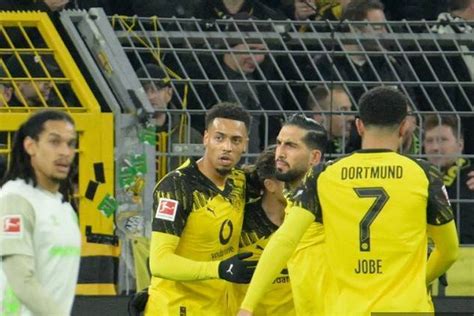
The city is also significant in the realm of sports, particularly football. Mönchengladbach is home to Borussia Mönchengladbach, one of Germany’s most successful football clubs. The team has a storied history, having won numerous Bundesliga titles and played a prominent role in European competitions during the 1970s. The club’s home stadium, Borussia-Park, is not just a venue for sporting events but also a symbol of local pride and community spirit. On match days, the city comes alive with fans, and the economic ripple effects of hosting games—from increased tourism to heightened local business activity—are palpable. This sporting prominence gives Mönchengladbach a national and even international profile that extends beyond its modest size.
Culturally, Mönchengladbach punches above its weight. The city has a vibrant arts scene, exemplified by institutions like the aforementioned Abteiberg Museum and the Theater Krefeld Mönchengladbach, which offers a diverse program of performances ranging from classical theater to modern dance. The city also hosts numerous festivals and events throughout the year, such as the "Mönchengladbacher Sommer," a summer festival that brings together music, theater, and culinary experiences. These cultural offerings not only enrich the lives of residents but also attract visitors from nearby cities and beyond, reinforcing Mönchengladbach’s role as a cultural destination within North Rhine-Westphalia.
Geographically, Mönchengladbach benefits from its location in the lower Rhine region, characterized by gently rolling hills, fertile plains, and proximity to the Dutch border. This setting provides the city with a pleasant natural environment that contrasts with the industrial image often associated with the Rhine-Ruhr area. Parks like the Bunter Garten and the proximity of the Schloss Rheydt, a Renaissance castle surrounded by landscaped gardens, offer residents and visitors spaces for recreation and relaxation. These green spaces are not merely ornamental but are integral to the city’s identity as a place where urban life coexists harmoniously with nature.
The city’s infrastructure further enhances its significance. Mönchengladbach is well-connected by road and rail, with direct train links to Düsseldorf, Cologne, and other major cities. The nearby Düsseldorf International Airport serves as a gateway for both business and leisure travelers, making the city accessible to international visitors. Additionally, Mönchengladbach has its own small airport, primarily used for business and private aviation, which supports the city’s role as a center for commerce and industry. This connectivity underscores the city’s importance as a logistical and transport hub within the region.
Education and research also play a role in Mönchengladbach’s significance. The city is home to institutions like the Niederrhein University of Applied Sciences, which offers programs in fields such as engineering, business, and design. These academic offerings not only support local industries by providing a skilled workforce but also attract students from across Germany and internationally, adding a youthful and dynamic element to the city’s population. Research initiatives, particularly in sustainable technologies and urban development, further position Mönchengladbach as a forward-looking city invested in shaping the future.
In summary, Mönchengladbach is a city of contrasts and synergies. Its location within the Rhine-Ruhr region grants it strategic importance, while its historical roots and modern adaptability make it a city of substance rather than mere size. From its industrial heritage to its cultural vibrancy, sporting prominence, and natural beauty, Mönchengladbach exemplifies the dynamic and multifaceted nature of urban life in Germany. This blend of tradition and innovation, coupled with its critical role in the regional economy and culture, ensures that Mönchengladbach remains a city of both historical significance and contemporary relevance.
Historical Foundations
The city of Mönchengladbach, located in the western part of Germany in the state of North Rhine-Westphalia, has a rich and layered history that reflects its strategic importance and cultural evolution over the centuries. To understand the city's origins, one must delve into its early settlement patterns, its medieval development, and the key events that shaped its identity as a modern urban center.
The area that is now Mönchengladbach was first inhabited during the Neolithic period, as evidenced by archaeological findings of tools and pottery. These early settlers were drawn to the region due to its fertile soil and the presence of the Niers River, which provided a reliable water source. However, the city's name and formal historical identity began to take shape during the early medieval period. The name "Gladbach" originates from the Old High German words "glad," meaning smooth or clear, and "bach," meaning stream, referring to the small stream that runs through the area. The prefix "Mönch-" was added later, referencing the monastic influence that would play a pivotal role in the city's development.
The foundation of Mönchengladbach as a significant settlement can be traced to the establishment of a Benedictine monastery in the 10th century. In 974, a nobleman named Gladbach donated land to the Church, and a monastery was built on the site. This monastery, dedicated to St. Vitus, became a center of religious and economic activity. The monks not only engaged in spiritual pursuits but also introduced advanced agricultural techniques and trade practices that contributed to the area's growth. The monastery's location near trade routes connecting the Rhine region to the rest of Europe further enhanced its importance. By the 12th century, the settlement around the monastery had grown into a market town, attracting merchants and craftsmen.
During the High Middle Ages, Mönchengladbach experienced significant growth due to its involvement in the textile trade. The city became known for its production of linen and later woolen goods. This economic specialization was not accidental; the region's access to raw materials such as flax and wool, combined with the skilled labor fostered by the monastery's workshops, positioned Mönchengladbach as a hub for textile production. By the 14th century, the city had been granted market rights, which allowed it to host regular markets and fairs. These events drew traders from across the region, solidifying Mönchengladbach's role as an economic center in the Lower Rhine area.
The city's history also includes periods of conflict and transformation. One of the most notable events was its involvement in the Thirty Years' War (1618–1648). Although Mönchengladbach was not a primary battleground, it suffered from the broader economic and social disruptions caused by the war. The city was occupied by various forces, and its economy stagnated during this time. However, the resilience of its textile industry helped it recover in the post-war period. The 18th century saw a revival of trade and manufacturing, with Mönchengladbach becoming part of the Electorate of Cologne and benefiting from its administrative and economic policies.
The Industrial Revolution in the 19th century marked a turning point for Mönchengladbach. The advent of mechanized textile production transformed the city into an industrial powerhouse. Factories sprang up, and the population grew rapidly as workers migrated to the city in search of employment. This period also saw the expansion of infrastructure, including the construction of railroads that connected Mönchengladbach to larger cities like Cologne and Düsseldorf. The city's evolution during this era was not limited to industry; it also saw the establishment of cultural institutions, such as theaters and museums, that reflected its growing urban identity.
A unique aspect of Mönchengladbach's historical trajectory is its ability to adapt to changing political landscapes. The city was part of Prussia after the Congress of Vienna in 1815 and later became part of the German Empire in 1871. These shifts influenced its governance and economic policies. For instance, under Prussian rule, Mönchengladbach benefited from centralized administrative support that encouraged industrial expansion. However, the city also faced challenges during the two World Wars. In World War II, Mönchengladbach was heavily bombed due to its industrial significance, resulting in the destruction of much of its historic architecture. The post-war period was marked by reconstruction efforts, with the city embracing modern urban planning while striving to preserve its historical landmarks.
The evolution of Mönchengladbach through the centuries is also reflected in its cultural and social developments. The city has long been a melting pot of influences, with its proximity to the Netherlands and Belgium contributing to a blend of German and Low Country traditions. This is evident in its architecture, which includes medieval churches like the Munster Basilica, baroque-style buildings, and modernist structures that emerged in the 20th century. The city's cultural scene has also been shaped by its artistic community, with Mönchengladbach being home to the Museum Abteiberg, a renowned institution for contemporary art.
In examining Mönchengladbach's historical foundations, it is important to recognize the interplay between local and broader European dynamics. For instance, the city's growth was not isolated but tied to the economic and political networks of the Holy Roman Empire, the Prussian state, and later the German nation-state. This duality of local initiative and external influence has been a recurring theme in its history. For example, while the monastery laid the groundwork for the city's early development, its later industrial success was deeply intertwined with the broader European Industrial Revolution.
Another unique insight is the role of community and social cohesion in Mönchengladbach's history. Despite the challenges posed by wars, economic shifts, and political changes, the city has maintained a strong sense of identity. This is partly due to its residents' commitment to preserving local traditions, such as the annual carnival celebrations and the continued emphasis on craftsmanship in its textile and design industries. These traditions serve as a reminder of the city's roots even as it embraces modernity.
- The Benedictine monastery established in 974 was a cornerstone of early Mönchengladbach, fostering both spiritual and economic growth.
- The city's textile industry, particularly its linen and wool production, was central to its medieval and industrial-era prosperity.
- Mönchengladbach's strategic location near trade routes and later its connection to rail networks were key to its development.
- The city's resilience through periods of conflict, such as the Thirty Years' War and World War II, underscores its adaptability and determination.
In conclusion, Mönchengladbach's historical foundations reveal a city shaped by a combination of monastic influence, economic specialization, and adaptability to external forces. From its origins as a small settlement around a monastery to its rise as an industrial center, the city's story is one of persistence and transformation. Understanding this history provides not only a glimpse into Mönchengladbach's past but also a framework for appreciating its present and future as a dynamic part of Germany's cultural and economic landscape.
Cultural Heritage
Mönchengladbach, a city nestled in the western part of Germany near the Dutch border, is a treasure trove of cultural heritage that reflects its deep-rooted traditions, vibrant festivals, and significant contributions to German art and culture. While it is often associated with its modern industrial and footballing identity, the city's historical and artistic contributions are equally compelling and deserve a closer examination.
One of the most striking aspects of Mönchengladbach's cultural heritage is its **historical architecture and religious significance**. The city is home to several medieval churches, including the Münster Church (Münsterkirche), a Romanesque structure that dates back to the 12th century. Its towering spires and intricate carvings are not merely architectural marvels but also serve as a testament to the city's early Christian roots. The church has been a focal point for local traditions, hosting ceremonies and gatherings that blend religious observance with communal spirit. Such structures are emblematic of how Mönchengladbach has preserved its medieval identity amidst rapid urbanization.
In addition to its ecclesiastical heritage, Mönchengladbach has a strong tradition of **textile art and craftsmanship**, a legacy that has shaped its cultural identity. The city was a hub of the textile industry during the 19th and early 20th centuries, and this industrial focus influenced its artistic output. Local artisans were known for their intricate weaving and embroidery work, which often incorporated motifs inspired by the surrounding natural landscapes of the Lower Rhine region. This tradition is celebrated even today through exhibitions at the Museum Abteiberg, a modern art museum that not only houses contemporary works but also pays homage to the city's artisanal past. The museum itself is a piece of modernist architecture, designed by the renowned Austrian architect Hans Hollein, symbolizing the city's ability to bridge its historical roots with modern innovation.
Mönchengladbach is also known for its **vibrant festival culture**, which serves as a living expression of its traditions. One of the most notable events is the Karneval, a festival deeply ingrained in the Rhineland region. While Karneval is celebrated across Germany, Mönchengladbach's version has a distinct local flavor, with parades featuring floats that often incorporate humor and satire reflecting current events. Participants don colorful costumes, and the streets come alive with music, dance, and a palpable sense of community. The festival is not merely an entertainment spectacle but a ritual that reinforces social bonds and preserves a sense of collective identity.
Another festival of note is the St. Martin’s Day celebrations, which are particularly significant in this part of Germany. The event, held in November, involves children parading through the streets with lanterns, singing traditional songs, and reenacting the story of St. Martin, a Roman soldier who shared his cloak with a beggar. The festival culminates in bonfires and the sharing of Weckmänner, sweet bread figures shaped like little men, symbolizing generosity and community. These rituals are not just nostalgic remnants of the past but active cultural practices that bring families and neighborhoods together, emphasizing the city's focus on shared values.
The city's contributions to **German art and culture** extend beyond its festivals and architecture. Mönchengladbach has been a nurturing ground for artists and thinkers who have left an indelible mark on the national stage. One of the most prominent figures associated with the city is Joseph Beuys, a revolutionary artist born in nearby Krefeld but closely connected to Mönchengladbach through his work and influence. Beuys' avant-garde approach to art, which often incorporated natural materials and explored themes of humanism and environmentalism, resonated with the city's ethos of blending tradition with innovation. His legacy is celebrated in Mönchengladbach through exhibitions and academic discussions, ensuring that his ideas continue to inspire new generations of artists.
The Museum Abteiberg, mentioned earlier, is a cornerstone of Mönchengladbach's modern cultural scene. Established in the 1980s, it has been a platform for contemporary art, showcasing works by international and local artists. The museum’s collection includes pieces that challenge conventional artistic norms, such as installations, conceptual art, and multimedia exhibits. This focus on contemporary art not only enriches the city’s cultural landscape but also positions Mönchengladbach as a city unafraid to engage with the cutting edge of artistic expression. The museum’s programming often includes workshops and community events, ensuring that art is not confined to elite circles but is accessible to all.
Another unique aspect of Mönchengladbach’s cultural contributions is its **literary heritage**. The city has been a source of inspiration for writers and poets who have drawn from its tranquil yet industrious ambiance. Local literary festivals and book fairs often highlight works that explore themes of regional identity, nature, and the interplay between rural and urban life. These events not only celebrate established authors but also provide platforms for emerging writers, fostering a dynamic literary ecosystem.
Mönchengladbach's **musical traditions** also deserve mention. The city has a rich choral tradition, with choirs performing everything from classical works to folk songs rooted in the Rhineland region. Annual music festivals, such as the Internationaler Chorwettbewerb (International Choir Competition), attract participants and audiences from across Europe, showcasing Mönchengladbach as a city that values both performance and participation in the arts. These events often take place in historic venues, adding a layer of cultural significance to the experience.
The city’s cultural contributions are not limited to the visual and performing arts. Mönchengladbach has also played a role in **culinary traditions** that are emblematic of the Rhineland region. Local specialties like Rheinischer Sauerbraten (a marinated pot roast) and Düsseldorfer Senfrostbraten (mustard-roasted beef) are often served during festivals and family gatherings, showcasing the city’s ability to preserve and adapt traditional recipes. Food here is not just sustenance but a medium for storytelling and cultural exchange.
Mönchengladbach’s **educational institutions** also contribute to its cultural vibrancy. The city is home to schools and academies that emphasize art, music, and history, ensuring that younger generations are steeped in the traditions while being encouraged to innovate. For instance, the Hochschule Niederrhein (University of Applied Sciences) offers programs in design and textile engineering, directly linking the city’s industrial past to its future creative potential.
In summary, Mönchengladbach’s cultural heritage is a rich tapestry of traditions, festivals, and artistic contributions that reflect its unique position as a city bridging the old and the new. From its medieval churches and textile craftsmanship to its lively festivals and modern art scene, the city offers a nuanced view of how cultural identity evolves while staying rooted in history. Whether through the lantern-lit streets of St. Martin’s Day or the bold installations at Museum Abteiberg, Mönchengladbach invites residents and visitors alike to experience a heritage that is both deeply German and distinctly local.
Economic Landscape
Mönchengladbach, a city in the western part of Germany within the state of North Rhine-Westphalia, boasts a dynamic and multifaceted economic landscape shaped by its industrial heritage, modern economic drivers, and strategic location within the European trade network. This city, historically rooted in textile manufacturing, has undergone significant transformation in recent decades to establish itself as a diverse economic hub with a balanced mix of traditional and emerging industries.
One of the defining features of Mönchengladbach's economic identity is its textile and fashion industry, which has deep historical roots. Dating back to the 19th century, the city was a prominent center for textile production, particularly in wool and cotton processing. While the global decline of traditional textile manufacturing in the late 20th century posed challenges, Mönchengladbach adapted by focusing on high-value niche markets such as technical textiles and fashion design. Companies like Van Laack, a renowned shirt manufacturer, and other fashion-oriented businesses continue to operate here, blending tradition with innovation. This sector not only provides employment but also supports ancillary industries such as logistics, marketing, and design services, creating a ripple effect in the local economy.
Beyond textiles, mechanical engineering and automation have become key economic drivers for Mönchengladbach. The city is home to several mid-sized enterprises specializing in precision machinery, industrial equipment, and automation technologies. These firms cater to both domestic and international markets, with a focus on sectors such as automotive manufacturing, renewable energy, and industrial production. A notable example is the presence of companies that produce components for wind turbines and other green energy solutions, aligning with Germany's broader push toward sustainability. This shift demonstrates how Mönchengladbach’s industries are not only economically significant but also contribute to regional and national goals for environmental sustainability.
The city’s role in regional trade and logistics is another critical aspect of its economic landscape. Mönchengladbach benefits from its proximity to major economic centers such as Düsseldorf and the Ruhr area, as well as its excellent transportation infrastructure. The city is served by the A61 and A52 motorways, which connect it to national and international trade routes. Additionally, its location near the Dutch border enhances its role as a gateway for cross-border trade. The Düsseldorf International Airport, just 30 kilometers away, further facilitates the movement of goods and people. Local businesses leverage this connectivity to engage in import-export activities, particularly with neighboring European countries like the Netherlands, Belgium, and France.
Mönchengladbach also plays a role in the digital economy, which has emerged as a modern economic driver. The city has invested in fostering a startup ecosystem, particularly in the fields of information technology and e-commerce. Initiatives such as the Digital Hub Mönchengladbach provide co-working spaces, networking opportunities, and access to funding for tech-oriented entrepreneurs. These efforts aim to diversify the local economy and position Mönchengladbach as a player in Germany’s growing tech landscape. While this sector is still developing compared to traditional industries, the city’s proactive approach indicates a forward-looking strategy to remain competitive in the digital age.
Agriculture and food production, though less prominent than manufacturing, also contribute to Mönchengladbach's economic profile. The surrounding rural areas support small-scale farming and the production of specialty food products. Local markets and artisanal food producers benefit from the city’s reputation for quality and authenticity, appealing to both residents and visitors. This sector may not be a primary economic driver, but it complements the broader economic framework by adding diversity and supporting tourism.
The city’s retail and service sector is another pillar of its economy. Mönchengladbach features several shopping centers, such as the Minto Mall, which attract consumers from the city and surrounding regions. Retail activity is bolstered by the city's relatively affluent population and its appeal as a shopping destination within the region. Additionally, Mönchengladbach’s service sector includes healthcare, education, and professional services, all of which provide stable employment and contribute to the city's economic resilience.
A unique aspect of Mönchengladbach’s economic landscape is its interplay between tradition and modernity. While the city celebrates its industrial past, it has also embraced change by diversifying its economic base. For instance, the transformation of former industrial sites into mixed-use developments has created opportunities for real estate, tourism, and cultural activities. The Stadtquartier Rheydt project, for example, repurposes historic spaces into vibrant urban areas, blending commerce, residential spaces, and leisure facilities. Such initiatives not only preserve the city’s heritage but also stimulate economic activity in non-traditional ways.
In terms of regional trade dynamics, Mönchengladbach benefits from its inclusion in the Rhineland economic area, one of Germany’s most economically productive regions. The city serves as a sub-regional trade node, connecting smaller towns and rural areas to larger trade networks. Its role in supply chains is particularly evident in industries like automotive parts manufacturing and logistics, where Mönchengladbach-based firms often act as intermediaries or suppliers for larger regional players. This integration into broader trade networks ensures that Mönchengladbach remains economically relevant despite the challenges of globalization and industrial decline in certain sectors.
The city’s economic strategy also emphasizes collaboration and innovation. Public-private partnerships are a common feature, with local government working alongside businesses to promote investment and growth. For instance, programs aimed at upskilling the workforce in fields like automation and digital technologies ensure that Mönchengladbach’s labor force remains competitive. Moreover, the city actively participates in regional trade fairs and business forums, showcasing its industries and fostering connections with potential investors and partners.
Mönchengladbach’s economic landscape is not without challenges. The city faces competition from larger urban centers and must contend with the pressures of globalization and technological disruption. However, its ability to adapt—whether by reinvigorating traditional industries or embracing new economic opportunities—demonstrates resilience. The presence of a skilled workforce, strong infrastructure, and a strategic location positions Mönchengladbach as a critical player in both the regional and national economies.
- The city’s textile heritage has evolved into a focus on technical textiles and high-end fashion.
- Mechanical engineering and automation are pivotal industries, with a focus on green energy solutions.
- Proximity to trade routes and digital economy initiatives are modern economic enablers.
- Collaboration between public and private sectors supports workforce development and innovation.
In conclusion, Mönchengladbach’s economic landscape is a blend of historical strength and contemporary adaptation. Its industries, ranging from textiles to digital technology, are supported by a robust infrastructure and strategic regional positioning. While challenges remain, the city’s proactive approach to diversification and innovation ensures it remains a vital contributor to the economic vibrancy of North Rhine-Westphalia and beyond.
Architectural Highlights
The city of Mönchengladbach, nestled in the western part of Germany, is a fascinating blend of historical richness and modern innovation when it comes to its architecture. This city, often overshadowed by its larger neighbors like Düsseldorf and Cologne, boasts a diverse architectural landscape that tells a story of evolution, resilience, and cultural identity. From medieval structures to cutting-edge contemporary designs, Mönchengladbach offers a compelling journey through time and style for architecture enthusiasts.
One of the most striking examples of Mönchengladbach’s historical architecture is the Münsterkirche, a Romanesque church that dates back to the 12th century. This imposing structure, with its massive stone walls and intricately designed portals, serves as a testament to the city’s medieval roots. The church is particularly renowned for its well-preserved crypt and the detailed carvings that adorn its exterior. Visitors can marvel at the interplay of light and shadow within its nave, a space that has witnessed centuries of worship, conflict, and community gatherings. The Münsterkirche is not just a religious site but also a symbol of the city’s enduring connection to its past.
In stark contrast to the medieval charm of the Münsterkirche is the Abteiberg Museum, a beacon of modern architecture that has garnered international acclaim. Designed by the celebrated Austrian architect Hans Hollein and completed in 1982, this museum is a masterpiece of postmodern design. Its unconventional layout, featuring terraces, ramps, and irregular geometries, challenges traditional notions of what a museum should look like. The building itself is as much a work of art as the contemporary art pieces it houses. Hollein’s vision was to create a space that interacts dynamically with its surroundings, and this is evident in the way the museum integrates with the natural slope of the Abteiberg hill. The use of materials like exposed concrete, glass, and steel contrasts sharply with the softer, more organic lines of the surrounding landscape, making the museum a bold statement of modernity in a city with deep historical roots.
Another standout example of Mönchengladbach’s architectural diversity is the Schloss Rheydt, a Renaissance palace that has been meticulously restored to its former glory. Originally built in the 16th century for the Bylandt family, this palace is a rare example of a well-preserved noble residence from the period. Its symmetrical façade, ornate gables, and carefully landscaped gardens evoke the opulence of the Renaissance era. What makes Schloss Rheydt particularly fascinating is its dual role as a historical monument and a venue for modern cultural events. The palace hosts art exhibitions, concerts, and festivals, blending the old with the new in a way that feels organic rather than forced. This adaptive reuse of historical spaces is a hallmark of Mönchengladbach’s approach to preserving its heritage while remaining relevant in the present.
The city’s commitment to harmonizing the old and the new is perhaps best exemplified in its urban planning initiatives. Take, for instance, the Hauptbahnhof area, where the central train station has undergone significant modernization in recent years. While the station retains elements of its original 19th-century structure, the surrounding area has been reimagined with sleek, glass-fronted buildings and pedestrian-friendly zones. This juxtaposition of old and new is deliberate, designed to create a seamless transition between Mönchengladbach’s industrial past and its service-oriented future. The area around the Hauptbahnhof is a microcosm of the city’s broader architectural philosophy: respect for history coupled with an eagerness to embrace progress.
Mönchengladbach is also home to a number of residential buildings that showcase innovative design. The city has seen a surge in sustainable architecture, with several housing projects incorporating green roofs, energy-efficient materials, and communal spaces that encourage social interaction. One such example is the Vitus Garden development, where modern apartment blocks are interspersed with green spaces and water features. These designs are not merely aesthetic choices but are rooted in a broader commitment to environmental sustainability. The architects behind these projects often draw inspiration from Mönchengladbach’s industrial heritage, repurposing materials like brick and steel in ways that honor the city’s past while addressing contemporary needs.
A lesser-known but equally intriguing aspect of Mönchengladbach’s architecture is its industrial heritage sites. The city was once a hub of textile production, and remnants of this era can still be seen in the form of repurposed factory buildings. The Textiltechnikum, for example, is a former textile factory that has been transformed into a center for innovation and education. The adaptive reuse of such spaces highlights Mönchengladbach’s ability to honor its industrial legacy while fostering new opportunities for growth. These buildings, with their red-brick façades and expansive interiors, serve as a bridge between the city’s economic history and its current focus on technology and creativity.
The blend of modern and historical architecture in Mönchengladbach is not limited to isolated landmarks; it is also reflected in the city’s urban fabric. Strolling through its streets, one can observe how residential neighborhoods with traditional half-timbered houses coexist with sleek, minimalist office complexes. This interplay is particularly evident in areas like the Bunter Garten, a sprawling park that serves as a green lung for the city. The park is bordered by a mix of architectural styles, from stately 19th-century villas to modernist apartment blocks. This diversity creates a visual and experiential richness that is rare in cities of similar size.
What sets Mönchengladbach apart is its ability to tell a story through its buildings. Each structure, whether medieval or modern, contributes to a narrative of adaptability and innovation. For instance, the Kunstverein Mönchengladbach, an art association housed in a former grain silo, is a prime example of how the city repurposes industrial spaces for cultural use. The silo’s cylindrical form, once purely functional, has been reimagined as a venue for avant-garde art exhibitions, symbolizing the city’s transformation from an industrial center to a cultural hub.
In conclusion, Mönchengladbach’s architectural highlights are a testament to its dynamic history and forward-thinking approach. From the solemn grandeur of the Münsterkirche to the bold experimentation of the Abteiberg Museum, the city offers a rich tapestry of styles and eras. Its ability to blend historical preservation with modern innovation is not just a matter of aesthetics but a reflection of its identity as a city that values both its roots and its potential. For those who take the time to explore, Mönchengladbach reveals itself as a city where architecture is not just about buildings but about the stories they tell and the communities they shape.
Education and Innovation
The city of Mönchengladbach, located in the western part of Germany, is not only known for its rich industrial history and thriving textile industry but also for its evolving role as a center for education and innovation. In recent years, the city has leveraged its academic institutions and partnerships to position itself as a hub for technological advancement and research. This section delves into the educational ecosystem of Mönchengladbach and explores how it contributes to fostering innovation, particularly in the realm of technology and entrepreneurship.
One of the key pillars of Mönchengladbach's educational framework is its higher education institutions. The city is home to the Hochschule Niederrhein (University of Applied Sciences), which plays a significant role in shaping the local educational landscape. With over 14,000 students enrolled across a range of disciplines, the university offers programs that are closely aligned with industry needs. For example, its Faculty of Textile and Clothing Technology reflects the city's heritage while integrating modern technological applications such as smart textiles and sustainable production methods. This blend of tradition and innovation is indicative of how Mönchengladbach seeks to bridge its industrial past with a forward-looking academic vision.
Another notable aspect of the Hochschule Niederrhein is its emphasis on practical, application-oriented learning. Unlike traditional research universities that may focus heavily on theoretical knowledge, this institution prioritizes hands-on experience through partnerships with local industries. Students often engage in projects with companies in Mönchengladbach and the surrounding region, which not only enhances their skills but also creates a direct pipeline for innovation. For instance, collaborations with SMEs (small and medium-sized enterprises) in fields like engineering, IT, and logistics have resulted in practical solutions to real-world challenges. These industry-academia partnerships are a testament to how Mönchengladbach fosters an environment where education is not isolated from the economic and technological needs of the region.
In addition to the Hochschule Niederrhein, Mönchengladbach has seen the rise of innovation-focused initiatives that aim to cultivate a culture of entrepreneurship and technological advancement. The city is part of the Innovation Region Mönchengladbach, a collaborative effort involving educational institutions, local businesses, and government bodies. This initiative seeks to create an ecosystem where startups and established companies can thrive by leveraging academic expertise. For example, the Gründerzentrum Mönchengladbach (Startup Center) provides a platform for young entrepreneurs to develop their ideas with the support of mentors, funding opportunities, and access to research facilities. The center often partners with the Hochschule Niederrhein to offer workshops, hackathons, and networking events that bring together students, researchers, and industry professionals.
A particularly compelling example of Mönchengladbach's focus on innovation is its emphasis on digital transformation and Industry 4.0. The city recognizes the importance of staying competitive in an increasingly digital world and has taken steps to ensure its educational institutions are at the forefront of this shift. Programs at the Hochschule Niederrhein now include courses on artificial intelligence (AI), data analytics, and automation, equipping students with skills that are in high demand across industries. Moreover, the university has established dedicated research centers, such as the Institute for Technology and Innovation Management, which focuses on areas like digital business models and process optimization. These centers not only serve as think tanks for new ideas but also act as catalysts for bringing these ideas to market through collaborations with local businesses.
Beyond formal education, Mönchengladbach also benefits from a strong network of research and development (R&D) facilities that support innovation. For example, the Textile Research Institute Mönchengladbach is a specialized institution that works on advanced materials and production techniques. While its primary focus is textiles, the institute often collaborates with other fields, such as engineering and environmental science, to explore cross-disciplinary solutions. This kind of interdisciplinary approach is a hallmark of Mönchengladbach's innovation strategy, as it encourages knowledge-sharing across sectors. Such collaborations are particularly important in tackling global challenges like sustainability, where the city's educational institutions play a role in developing eco-friendly technologies and practices.
It is also worth noting the role of vocational training in Mönchengladbach’s educational ecosystem. Germany's dual education system, which combines classroom learning with on-the-job training, is well-represented in the city. Local companies often partner with vocational schools to ensure that students are well-prepared for the demands of modern workplaces. This system not only ensures a steady supply of skilled workers for industries in Mönchengladbach but also fosters a mindset of continuous learning and adaptability. For instance, students trained in mechatronics or IT through this system are often at the forefront of implementing new technologies in manufacturing and service sectors, further solidifying the city’s reputation as a center for innovation.
Another unique feature of Mönchengladbach's approach to education and innovation is its focus on community engagement. The city actively involves its residents in initiatives aimed at promoting STEM (science, technology, engineering, and mathematics) education. Events such as Maker Faires and coding workshops for children are common, demonstrating a commitment to nurturing talent from a young age. These programs not only inspire the next generation of innovators but also help to demystify technology, making it accessible to a broader audience. This grassroots approach to fostering innovation ensures that Mönchengladbach is not just relying on its institutions but is also cultivating a culture of curiosity and creativity among its population.
Furthermore, Mönchengladbach’s location within the Rhineland region provides it with strategic advantages in terms of access to a broader network of innovation hubs. The city is well-connected to nearby centers like Düsseldorf and Aachen, both of which are renowned for their research output and tech ecosystems. This proximity allows for knowledge exchange and collaborative projects, enabling Mönchengladbach to punch above its weight in terms of innovation despite being a smaller city. For example, joint research initiatives between Mönchengladbach and Aachen’s RWTH University—one of Europe’s leading technical universities—have resulted in breakthroughs in fields like renewable energy and advanced manufacturing.
In conclusion, Mönchengladbach’s educational institutions and innovation-focused initiatives are deeply intertwined, creating a dynamic environment where learning and technological progress go hand in hand. From the practical, industry-focused education provided by the Hochschule Niederrhein to the city’s support for startups and R&D, Mönchengladbach exemplifies how a city can leverage its academic resources to drive innovation. Its emphasis on cross-disciplinary collaboration, digital transformation, and community engagement ensures that it remains a key player in Germany’s technological landscape. Through these efforts, Mönchengladbach not only supports its local economy but also contributes meaningfully to the broader narrative of how education can catalyze innovation in the modern world.
- Hochschule Niederrhein integrates traditional industries with modern technology, such as smart textiles.
- The Innovation Region Mönchengladbach supports startups and fosters entrepreneurial growth.
- Practical, hands-on learning is a cornerstone of the city’s educational approach.
- Focus on Industry 4.0 and digital transformation equips students with future-ready skills.
- Collaboration with nearby innovation hubs like Aachen enhances research opportunities.
These elements collectively demonstrate how Mönchengladbach has positioned itself as a city that not only educates but also innovates, ensuring its relevance in a rapidly changing technological landscape.
Sports and Recreation
The city of Mönchengladbach, located in the western part of Germany within the state of North Rhine-Westphalia, boasts a vibrant sports culture deeply rooted in its history and community identity. While the city may not be as internationally recognized as Berlin or Munich, its sports scene is a cornerstone of local life, driven primarily by its association with football and a range of other recreational activities that cater to diverse interests. This section delves into the intricacies of Mönchengladbach's sports culture, with a particular emphasis on its football legacy and the broader recreational landscape.
Football holds a revered position in Mönchengladbach, largely due to the prominence of Borussia Mönchengladbach, the city's most famous sports team. Established in 1900, the club has played a pivotal role in shaping the city's identity as a football hub. Borussia Mönchengladbach achieved its golden era during the 1970s, a period when it dominated the Bundesliga, Germany's top-tier football league. The team won five league titles between 1969 and 1977, a feat that solidified its place in German football history. This era also saw the club compete successfully in European competitions, including reaching the final of the UEFA Cup (now the Europa League) multiple times. Such achievements not only elevated the club's status but also instilled a sense of pride and unity among the city's residents.
The club's home ground, Borussia-Park, is a modern stadium with a capacity of over 54,000 spectators. It serves as more than just a venue for matches; it is a communal space where fans gather to celebrate their shared passion for the sport. The atmosphere in Borussia-Park during home games is electric, characterized by chants, banners, and the unwavering support of the "Fohlenelf" (the Foals), as the team is affectionately called. This nickname, derived from the club's youthful and dynamic style of play during its early successes, underscores the deep emotional connection between the team and its supporters. Beyond match days, the stadium hosts tours and events that allow fans to explore its facilities, including the museum dedicated to the club's history. These initiatives demonstrate how football in Mönchengladbach extends beyond the pitch to become a cultural experience.
However, the city's sports culture is not confined to professional football. Mönchengladbach actively promotes grassroots football through local clubs and youth academies. These programs aim to nurture young talent while fostering community engagement. For instance, the city's sports department collaborates with schools and amateur clubs to provide training facilities and organize tournaments. This focus on youth development is a testament to Mönchengladbach's commitment to sustaining its football legacy while ensuring inclusivity and accessibility for future generations.
Beyond football, Mönchengladbach offers a diverse range of recreational activities that cater to both residents and visitors. The city is home to numerous green spaces and parks that encourage outdoor activities. The Hockeypark, for example, is not only a venue for field hockey matches but also a hub for other sports like tennis and athletics. This multi-purpose facility highlights the city's versatility in accommodating various sports disciplines. Field hockey, in particular, has a dedicated following in Mönchengladbach, with local teams competing at regional and national levels.
For those inclined toward individual pursuits, the city's network of cycling and jogging trails provides ample opportunities for fitness enthusiasts. The proximity of Mönchengladbach to the Lower Rhine region offers scenic routes that wind through forests, meadows, and along riverbanks. These trails are well-maintained and cater to both casual users and competitive athletes. Events such as the annual Mönchengladbach Marathon further showcase the city's support for running culture. This event attracts participants from across Germany and even internationally, emphasizing the city's role as a host for sports events that go beyond football.
Water-based recreational activities are also a significant part of Mönchengladbach's sports scene. The city is home to several swimming pools and aquatic centers, including the Badesee Rheydt, an artificial lake popular for swimming, paddleboarding, and relaxation during the summer months. Additionally, the nearby lakes and rivers provide opportunities for kayaking and fishing, appealing to those who seek a quieter, nature-oriented form of recreation. These facilities reflect the city's balanced approach to sports, blending high-energy team activities with more serene, individual-focused options.
Another unique aspect of Mönchengladbach's recreational offerings is its emphasis on equestrian sports. The city has a strong tradition of horse riding, supported by local stables and equestrian clubs. Events such as dressage competitions and show jumping tournaments are held regularly, drawing participants and spectators alike. This focus on equestrian sports aligns with the broader German appreciation for equine activities and highlights Mönchengladbach's ability to cater to niche interests within its sports ecosystem.
In addition to structured sports, Mönchengladbach places a strong emphasis on community-driven recreational initiatives. The city organizes seasonal events such as outdoor yoga sessions in parks, group hiking excursions, and even winter sports like ice skating when the weather permits. These activities are often free or low-cost, making them accessible to a wide demographic. Such programs not only promote physical well-being but also foster a sense of belonging and social cohesion among participants.
It is also worth noting the role of local sports associations in Mönchengladbach. These organizations play a critical role in coordinating activities, providing resources, and advocating for the needs of athletes and enthusiasts. The city's sports council works closely with these associations to ensure that facilities are up-to-date and that there is a diverse range of options available. This collaborative approach has helped Mönchengladbach maintain a dynamic and evolving sports culture that adapts to the changing interests of its population.
The integration of sports into Mönchengladbach's urban planning is another distinctive feature. For instance, the city has invested in infrastructure such as multi-functional sports halls and fitness trails that blend seamlessly into the urban environment. These facilities are designed to encourage spontaneous physical activity, whether it's a quick workout on outdoor gym equipment or a pick-up basketball game in a public court. This integration reflects a forward-thinking approach to sports as a component of urban living rather than a separate entity.
In summary, Mönchengladbach's sports and recreation landscape is a rich tapestry of professional achievements, grassroots development, and community-oriented activities. While football remains the city's most celebrated sport, the breadth of recreational options—from field hockey and cycling to equestrian pursuits and water sports—demonstrates a holistic approach to physical activity. This diversity not only caters to a wide range of interests but also underscores the city's commitment to fostering a healthy, active, and inclusive community. Mönchengladbach's sports culture is not merely a series of activities but a reflection of its identity, where sports serve as a unifying thread that connects people across generations and backgrounds.
Sustainability and Urban Development
Mönchengladbach, a city in western Germany nestled in the state of North Rhine-Westphalia, has been quietly yet determinedly carving out a niche for itself as a model of sustainability and urban development. While it may not have the global profile of cities like Berlin or Munich, Mönchengladbach's approach to urban planning offers a compelling case study in how mid-sized cities can balance economic growth, environmental stewardship, and community well-being. This analysis delves into the city’s specific initiatives, the challenges it has faced, and the outcomes that demonstrate its commitment to sustainable practices.
One of the most striking aspects of Mönchengladbach's urban development strategy is its focus on brownfield redevelopment. The city has a rich industrial heritage, particularly in textiles, which left behind numerous disused factory sites. Rather than expanding into greenfield areas—a common but environmentally costly urban sprawl tactic—Mönchengladbach has prioritized the transformation of these brownfield sites into mixed-use developments. For instance, the former textile factories in the Eicken district have been repurposed into residential and commercial spaces that integrate energy-efficient designs. This approach not only preserves the city’s historical character but also minimizes land consumption and reduces the carbon footprint associated with new construction.
A key driver of this strategy is the city's master plan for urban redevelopment, which emphasizes compact urban forms. By concentrating development in existing urban areas, Mönchengladbach reduces the need for extensive transportation networks and preserves surrounding natural landscapes. This compactness also supports public transportation systems, which are more sustainable than car-dependent suburban sprawl. The city’s investment in bus rapid transit (BRT) and cycling infrastructure further complements this approach. Notably, Mönchengladbach has expanded its cycling network by over 20% in the past decade, with dedicated bike lanes and bike-sharing programs that encourage residents to adopt greener modes of transport. These initiatives align with Germany’s broader goals of reducing greenhouse gas emissions, particularly in urban centers where transportation contributes significantly to the carbon footprint.
Another area where Mönchengladbach shines is its commitment to renewable energy. The city has been a participant in Germany’s Energiewende (energy transition), a national effort to shift from fossil fuels to renewable energy sources. Mönchengladbach has leveraged its geographic advantages, including ample sunlight and wind resources, to invest in solar panels and small-scale wind turbines. For example, the Nordpark area features a mix of public and private buildings equipped with rooftop solar installations. Additionally, the city has partnered with local energy cooperatives to promote community-owned renewable energy projects. These cooperatives not only provide clean energy but also foster a sense of collective responsibility among residents, reinforcing the social aspect of sustainability.
Water management is another critical component of Mönchengladbach’s sustainability efforts. The city faces challenges related to urban flooding due to its location in a region prone to heavy rainfall. To address this, Mönchengladbach has implemented innovative stormwater management systems, such as green roofs, permeable pavements, and urban wetlands. These systems not only mitigate flooding risks but also enhance biodiversity by creating habitats for local flora and fauna. A standout example is the Bunter Garten, a large urban park that incorporates sustainable drainage solutions while serving as a recreational space for residents. This dual-purpose approach exemplifies how Mönchengladbach blends environmental and social benefits in its urban planning.
The city also recognizes the importance of community engagement in achieving long-term sustainability goals. Mönchengladbach has established citizen participation programs that invite residents to contribute ideas and feedback on urban development projects. For instance, the redevelopment of the Alten Markt (Old Market) area included public consultations to ensure the design met the needs of local businesses and residents while incorporating eco-friendly features like energy-efficient lighting and green spaces. This participatory approach not only ensures buy-in from the community but also fosters a sense of ownership over the city’s transformation, which is crucial for the success of sustainable initiatives.
However, Mönchengladbach’s journey has not been without challenges. One significant issue is the economic disparity between different neighborhoods. While some areas, such as the city center, have seen substantial investment in sustainable infrastructure, others, particularly in the outskirts, lag behind. This uneven development can lead to a perception of inequity, which risks undermining public support for sustainability initiatives. To address this, the city has begun piloting targeted programs in less affluent areas, such as energy-efficiency retrofits for low-income housing and job training in green industries. These efforts aim to ensure that sustainability benefits are distributed more equitably across the city.
Another challenge lies in balancing economic growth with environmental goals. Mönchengladbach is home to a diverse industrial base, including manufacturing and logistics, which are traditionally energy-intensive sectors. While the city has made strides in promoting green practices among businesses—such as offering incentives for companies to adopt energy-efficient technologies—there is still work to be done in aligning industrial growth with sustainability objectives. For example, the city is exploring the potential of circular economy models, where waste from one industry is used as a resource for another. This approach could help Mönchengladbach maintain its economic vitality while reducing its environmental impact.
A final area of focus is Mönchengladbach’s integration of digital technologies into its urban development framework. The city has adopted smart city initiatives that use data and IoT (Internet of Things) devices to optimize resource use. For instance, sensors in public spaces monitor air quality, noise levels, and energy consumption, providing real-time data that can inform policy decisions. These technologies also support more efficient waste management systems, such as smart bins that signal when they need to be emptied, reducing unnecessary collection trips and associated emissions. By embedding digital solutions into its sustainability strategy, Mönchengladbach is not only modernizing its infrastructure but also setting a precedent for how smaller cities can harness technology to achieve their environmental goals.
In summary, Mönchengladbach’s approach to sustainability and urban development is a nuanced blend of innovation, community involvement, and pragmatic problem-solving. Through initiatives like brownfield redevelopment, renewable energy adoption, stormwater management, and smart city integration, the city demonstrates how mid-sized urban centers can punch above their weight in addressing global sustainability challenges. While there are areas for improvement, particularly in equitable development and industrial alignment, Mönchengladbach’s progress serves as a model for other cities striving to create livable, environmentally responsible urban spaces. Its story underscores the idea that sustainability is not just about grand gestures but also about the cumulative impact of thoughtful, locally tailored solutions.
Tourism and Visitor Experience
Mönchengladbach, a city nestled in the western part of Germany near the Dutch border, offers a unique blend of history, culture, and modern vibrancy that makes it an intriguing destination for travelers. While it may not have the global fame of Berlin or Munich, Mönchengladbach carves out its niche with a rich tapestry of experiences that cater to diverse interests. This section delves into the city's top attractions, local culinary delights, and practical tips to enhance the visitor experience.
One of the city's most prominent attractions is the Abteiberg Museum, a striking example of postmodern architecture designed by Hans Hollein. This museum is not just a repository of contemporary art but also a work of art in itself. Its collection spans from the early 20th century to the present, featuring works by renowned artists like Joseph Beuys and Andy Warhol. The museum's integration into the hillside landscape and its thoughtful curation of exhibitions make it a must-visit for art enthusiasts. Beyond the permanent collection, temporary exhibits often explore themes that intertwine global contemporary art with local cultural narratives, offering visitors a chance to see Mönchengladbach's artistic pulse.
For those interested in history, the Schloss Rheydt is another highlight. This Renaissance palace, dating back to the 16th century, provides a window into the region's aristocratic past. Unlike many historical sites that feel static, Schloss Rheydt hosts regular events, including medieval markets, open-air concerts, and exhibitions. The surrounding parkland is meticulously maintained, offering a serene escape for a stroll or a picnic. The juxtaposition of the opulent palace against the simplicity of the green spaces creates a harmonious balance that appeals to both history buffs and nature lovers.
Sports enthusiasts, particularly football fans, will find Mönchengladbach synonymous with its famous football club, Borussia Mönchengladbach. A visit to the BORUSSIA-PARK, the team's home stadium, is an experience in itself. Even outside match days, guided tours of the stadium provide insights into the club's storied history and its role in shaping the city's identity. The energy of the local fanbase, known as the "Fohlenelf" (Foal Eleven), is palpable, and catching a live match can be a thrilling way to immerse oneself in the local culture.
When it comes to local cuisine, Mönchengladbach offers a culinary scene that reflects its location in the Rhineland region. Traditional German fare is abundant, but the city also embraces modern gastronomy. A visit to a local Brauhaus (brewery) is essential for trying regional beers paired with hearty dishes like Himmel und Erde (a dish of mashed potatoes, apples, and black pudding) or Sauerbraten (marinated pot roast). For those with a sweet tooth, the city's bakeries serve Printen, a type of gingerbread cookie that is a local specialty, often flavored with aniseed, cinnamon, or nuts. Additionally, Mönchengladbach has seen a rise in farm-to-table restaurants that emphasize fresh, locally sourced ingredients, appealing to travelers seeking sustainable dining options.
Travelers should also explore the Marktplatz in the city center, where weekly markets showcase regional produce, handmade goods, and street food. This is an excellent spot to sample local snacks like Reibekuchen (potato pancakes) served with apple sauce, a simple yet satisfying treat. Pairing this with a cup of locally roasted coffee from one of the independent cafes nearby makes for a quintessentially Mönchengladbach experience.
For a more immersive cultural experience, visitors can partake in the city's festivals and events. The Karneval season, which peaks in February, transforms Mönchengladbach into a hub of parades, costumes, and communal revelry. Even outside Karneval, smaller events like the Stadtfest (city festival) and open-air cinema nights in the summer provide opportunities to experience the city's community spirit. These events often feature local bands, food stalls, and craft vendors, creating a lively atmosphere that is both welcoming and authentic.
When planning a visit, practical tips can make the experience smoother. Mönchengladbach is well-connected by public transport, with an efficient network of buses and trains that make it easy to navigate. The city is also compact enough to explore on foot or by bicycle, particularly in areas like the Old Town, where narrow streets and historic buildings offer a charming backdrop. For those arriving by air, Düsseldorf International Airport is the closest major hub, just a 30-minute train ride away. English is widely spoken in tourist areas, but learning a few basic German phrases can enhance interactions with locals, who appreciate the effort.
Accommodation options in Mönchengladbach range from budget-friendly hotels to boutique stays. A unique option for travelers is to book a stay in one of the converted historic buildings, such as guesthouses near Schloss Rheydt, which offer a blend of modern amenities and old-world charm. For those looking to explore beyond the city, Mönchengladbach serves as a great base for day trips to nearby attractions like the Lower Rhine region or the Dutch city of Maastricht, both easily accessible by car or train.
One often-overlooked gem of Mönchengladbach is its green spaces. The city boasts numerous parks, such as the Hindenburgpark and the Bunter Garten, which provide tranquil retreats from urban life. These parks are particularly appealing during spring and summer when flowers are in bloom, and outdoor cafes within these spaces offer a relaxed setting for a midday break. For families, the Kinderferienpark Kinderland is a fantastic option, featuring playgrounds, mini-golf, and other kid-friendly activities.
Finally, Mönchengladbach's shopping scene deserves mention. The Minto shopping center offers a modern retail experience with a variety of international and local brands. However, for a more authentic shopping experience, visitors should explore the smaller boutiques and artisan shops scattered throughout the city. These shops often feature locally made products, from handcrafted jewelry to bespoke clothing, allowing travelers to take home a piece of Mönchengladbach's creative spirit.
In summary, Mönchengladbach is a city that rewards the curious traveler. Its blend of art, history, sports, and gastronomy, coupled with its warm and approachable atmosphere, makes it a destination worth exploring. Whether you’re wandering through its museums, savoring its culinary offerings, or simply soaking in the local ambiance, Mönchengladbach provides a rich and varied visitor experience that lingers long after the journey ends.
Future Prospects
The city of Mönchengladbach, located in the western part of Germany within the state of North Rhine-Westphalia, has a rich history rooted in textile manufacturing and industrial prowess. However, as global economic dynamics shift and urban centers evolve, the city is at a crossroads where it must redefine its path to sustainable growth. The vision for Mönchengladbach in the coming decades is shaped by a blend of modernization, environmental stewardship, and economic diversification. This entails addressing challenges such as post-industrial transition, demographic changes, and climate adaptation while seizing opportunities in innovation, education, and regional integration.
One of the most striking elements of Mönchengladbach's future prospects is its focus on **economic diversification**. Historically dependent on textiles and later on light manufacturing, the city recognizes the risks of over-reliance on any single sector. To counter this, local authorities and business leaders are actively encouraging the growth of **technology-driven industries** and **service-oriented businesses**. The establishment of the Mönchengladbach Innovation Cluster is a prime example of this strategy. This initiative aims to attract startups and tech companies by offering co-working spaces, funding opportunities, and partnerships with local universities. By fostering a culture of entrepreneurship, the city hopes to position itself as a hub for innovation in fields like artificial intelligence, renewable energy, and digital logistics.
Another critical area of focus is **infrastructure modernization**. Mönchengladbach's urban layout, while historically functional for an industrial economy, requires upgrades to meet the demands of a 21st-century city. Plans are underway to revamp public transportation systems, including the expansion of tram networks and the integration of electric bus fleets. These efforts are not merely about convenience but are part of a broader push toward **sustainability**. The city has set ambitious climate goals, aiming to reduce greenhouse gas emissions by 55% by 2030 compared to 1990 levels. This includes retrofitting older buildings with energy-efficient systems and promoting the use of renewable energy sources such as solar and wind. The Green City Plan outlines these initiatives, emphasizing a balance between urban development and environmental preservation.
Demographic shifts present both challenges and opportunities for Mönchengladbach. Like many cities in Germany, Mönchengladbach faces an **aging population**, which can strain healthcare systems and reduce the workforce. However, the city is looking to turn this challenge into an opportunity by investing in **lifelong learning programs** and **senior-friendly urban design**. For instance, there are proposals to create mixed-use neighborhoods that integrate housing, healthcare facilities, and recreational spaces tailored to older residents. Simultaneously, the city is working to attract younger professionals and families by enhancing its **cultural offerings** and improving access to affordable housing. Events like the Museum Abteiberg exhibitions and partnerships with local artists aim to position Mönchengladbach as a vibrant cultural destination, appealing to a younger demographic.
Education and workforce development are key pillars of Mönchengladbach’s long-term strategy. The city is home to Hochschule Niederrhein (University of Applied Sciences), which has been instrumental in training a skilled workforce for emerging industries. However, there is a recognition that the curriculum must adapt to meet the needs of a rapidly changing job market. Collaborations between the university and local businesses are being expanded to ensure that graduates are equipped with skills in **data analytics**, **green technology**, and **digital transformation**. Additionally, the city is exploring partnerships with international institutions to attract foreign students and researchers, further diversifying its academic ecosystem.
Regional integration is another area of opportunity for Mönchengladbach. Situated close to major economic hubs like Düsseldorf and the Ruhr area, the city has the potential to serve as a **logistics and connectivity node**. Investments in improving rail and road links are underway, with a focus on making Mönchengladbach a more accessible destination for businesses and tourists alike. The development of the Mönchengladbach-Düsseldorf Economic Corridor is a promising initiative that seeks to leverage the proximity of these two cities to create a shared economic zone. This could attract multinational companies looking for a base in a well-connected, cost-effective location.
Challenges remain, however, and they must be addressed to realize the city’s vision. One such challenge is the **perception gap**. Despite its efforts, Mönchengladbach sometimes struggles to shed its industrial past in the eyes of potential investors and residents. To combat this, the city is investing in **branding campaigns** that highlight its modern amenities, green spaces, and quality of life. Additionally, there is a need for greater **community engagement** to ensure that residents feel included in the city’s transformation. Public consultations and participatory urban planning are tools being used to bridge this gap.
Climate change and its associated risks also loom large on the horizon. Mönchengladbach, like many European cities, is vulnerable to **extreme weather events** such as heatwaves and flooding. The city's response includes not only infrastructural measures like improved drainage systems but also **community resilience programs**. For example, urban greening initiatives are being implemented to increase the city’s tree canopy and create cooling zones in densely built areas. These measures not only address climate risks but also enhance the livability of the city.
Opportunities for **tourism and heritage preservation** are also part of Mönchengladbach’s growth narrative. The city has a wealth of historical sites, including its medieval architecture and the iconic Abteiberg Museum. By promoting cultural tourism and integrating these sites into broader regional tourism strategies, Mönchengladbach can attract visitors while preserving its unique identity. Furthermore, the city is exploring **eco-tourism** options, such as guided nature trails and cycling routes, to appeal to environmentally conscious travelers.
In terms of **global competitiveness**, Mönchengladbach must also position itself within the context of Europe’s evolving economic landscape. The city’s proximity to Belgium and the Netherlands provides a strategic advantage for cross-border trade and collaboration. Initiatives like the Euregio Meuse-Rhine Partnership are helping Mönchengladbach build stronger ties with neighboring regions, creating opportunities for shared research projects, trade agreements, and joint sustainability efforts.
In conclusion, Mönchengladbach’s future prospects are shaped by a clear vision that balances the need for economic growth with environmental and social sustainability. While challenges such as demographic shifts, climate risks, and the need for rebranding exist, the city is taking proactive steps to address these issues. By investing in technology, education, regional integration, and urban renewal, Mönchengladbach is laying the groundwork for a dynamic and resilient future. The coming decades will test the city’s ability to adapt and innovate, but with its strategic initiatives and collaborative approach, Mönchengladbach is well-positioned to emerge as a model for post-industrial cities in the 21st century.