Introduction to Mönchengladbach
Mönchengladbach, a city nestled in the western part of Germany, is a compelling blend of history, modernity, and cultural richness. Located in the state of North Rhine-Westphalia, it occupies a strategic position within the Rhine-Ruhr metropolitan region, one of Europe's most densely populated and economically vibrant areas. The city lies approximately 16 miles west of Düsseldorf and 30 miles north of Cologne, two of Germany’s most prominent urban centers. This proximity to major economic hubs grants Mönchengladbach both a sense of connectedness and a degree of independence that allows it to carve out its unique identity within the German landscape.
Spanning an area of about 170 square kilometers, Mönchengladbach is home to a population of roughly 260,000 residents. While it is not among Germany’s largest cities by size or population, its significance extends far beyond mere numbers. The city is a microcosm of Germany's industrial evolution and post-industrial transformation. Historically, Mönchengladbach was a center for textile production, earning it the nickname "the Manchester of Germany" during the late 19th and early 20th centuries. This industrial legacy is deeply embedded in the city’s DNA, with remnants of its textile heritage visible in its architecture, museums, and even the entrepreneurial spirit of its people. However, unlike some industrial cities that struggled to adapt to globalization and economic shifts, Mönchengladbach has managed to reinvent itself as a hub for service industries, green technology, and small-to-medium enterprises (SMEs).
One of the most striking aspects of Mönchengladbach’s location is its integration into the natural environment. The city is bordered by the Lower Rhine Plain to the west and is interspersed with green spaces, including the Bunter Garden and the Schloss Rheydt Park. These natural features not only enhance the quality of life for its inhabitants but also underscore the city’s commitment to sustainability. Mönchengladbach is part of the "Green City" initiative in Germany, actively working to reduce carbon emissions and promote eco-friendly urban development. This focus on sustainability is not merely symbolic; it reflects a broader trend in German urban planning where smaller cities like Mönchengladbach are seen as testbeds for innovative environmental policies that could be scaled to larger metropolitan areas.
The city’s size and layout contribute to its accessibility and livability. Unlike sprawling metropolises, Mönchengladbach offers a more compact urban experience where key amenities—such as shopping districts, cultural venues, and public transportation hubs—are within easy reach. Its public transport network is well-integrated, featuring buses and rail services that connect the city to nearby urban centers like Düsseldorf and Cologne. This connectivity is a boon for both residents and businesses, as it facilitates easy access to larger labor markets and international trade networks while retaining the charm and manageability of a mid-sized city. For instance, the proximity to Düsseldorf International Airport, one of Germany’s busiest, makes Mönchengladbach an attractive location for companies engaged in international commerce.
In terms of general significance, Mönchengladbach plays a nuanced role in Germany’s economic and cultural framework. While it may not have the global name recognition of Berlin, Munich, or Hamburg, it is a vital player in the regional economy of North Rhine-Westphalia, which is Germany’s most populous state and a key driver of the national GDP. The city contributes to this economic engine through its diverse industrial base, which has evolved to include sectors like logistics, IT, and renewable energy. Companies such as Santander Consumer Bank, which has its German headquarters in Mönchengladbach, exemplify the city’s transition from a manufacturing-centric economy to one that is more service-oriented. This shift illustrates a broader trend in Germany, where smaller cities are increasingly seen as engines of innovation and resilience in the face of economic change.
The city’s cultural significance also deserves attention. Mönchengladbach is home to several notable institutions, including the Museum Abteiberg, a globally renowned museum of modern art. The museum’s bold architectural design and its collection of works by artists like Joseph Beuys and Gerhard Richter position Mönchengladbach as a cultural destination rather than just an industrial or economic one. Additionally, the city’s historical sites, such as the 12th-century Romanesque Minster and the Renaissance-era Schloss Rheydt, provide a tangible link to its past. These cultural assets not only enrich the lives of locals but also attract tourists and scholars, reinforcing the city’s role as a center of heritage and creativity within Germany.
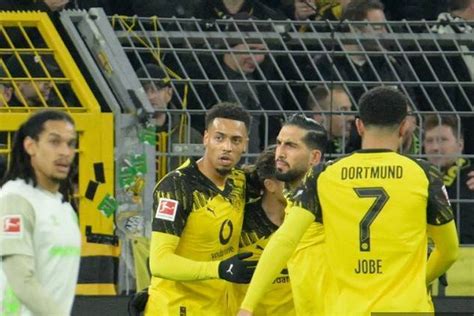
Another unique aspect of Mönchengladbach is its association with sports, particularly football. The city is home to Borussia Mönchengladbach, one of Germany’s most successful football clubs. The club’s storied history, including its dominance in the 1970s when it won multiple Bundesliga titles, has made Mönchengladbach a household name among football enthusiasts. The club’s presence contributes to the city’s identity and fosters a sense of community pride. On match days, the city comes alive with energy, as fans from across Germany and beyond converge to support their team. This sporting legacy is not just a point of local pride but also a driver of tourism and economic activity, as visitors spend on accommodations, dining, and merchandise.
From a demographic perspective, Mönchengladbach is a diverse city with a mix of long-standing residents and newer immigrant populations. This diversity is reflected in its neighborhoods, food scene, and cultural festivals. For example, the annual "Mönchengladbach Summer" event showcases a range of international cuisines, music, and performances, emphasizing the city’s openness to multicultural exchange. This inclusivity is a strength, as it positions Mönchengladbach as a model for how smaller German cities can navigate the challenges and opportunities of demographic change.
In sum, Mönchengladbach is a city of contrasts and synergies. Its industrial roots coexist with a forward-looking approach to sustainability and innovation. Its compact size belies its regional importance and cultural richness. Whether through its economic contributions, its artistic offerings, or its role as a sports hub, Mönchengladbach exemplifies the dynamism of mid-sized German cities. It serves as a reminder that significance in Germany—and indeed in Europe—is not solely determined by size or global fame but by the unique ways in which a city integrates its past, present, and future into a cohesive identity.
- Mönchengladbach’s location near Düsseldorf and Cologne enhances its connectivity and economic opportunities.
- The city’s industrial heritage in textiles has evolved into a diverse economic profile encompassing service industries and green technology.
- Cultural landmarks like Museum Abteiberg and Schloss Rheydt highlight its historical and artistic contributions.
- The presence of Borussia Mönchengladbach underscores the city’s role as a sports and community hub.
- Its focus on sustainability positions it as a model for smaller cities in Germany’s green transition.
This multifaceted overview underscores why Mönchengladbach deserves a closer look, not just as a dot on Germany’s map but as a city with a distinctive role in shaping the nation’s urban and cultural tapestry.
Historical Background
The city of Mönchengladbach, located in the western part of Germany in the state of North Rhine-Westphalia, has a rich and layered history that stretches back over a millennium. Its origins are rooted in the early medieval period, and the city's evolution provides a fascinating lens through which to understand the broader socio-political and cultural shifts of the region.
The area that is now Mönchengladbach was first settled during the Carolingian era in the 8th century. The name "Gladbach" is derived from the Low German words "glad" (meaning smooth or clear) and "bach" (meaning stream), referring to the small river that runs through the city. This stream was a vital resource for early settlers, providing water for agriculture and daily life. The prefix "Mönch-" (meaning monk) was added later to distinguish it from another town named Gladbach, emphasizing the influence of monastic communities in the area.
One of the most significant historical aspects of Mönchengladbach is its association with monastic life. The city’s origins are closely tied to the foundation of the Benedictine monastery of Gladbach, established around 974 by a monk named Sandrad from the Trier monastery. This monastery played a pivotal role in the city’s early development, not only as a religious center but also as an economic and cultural hub. The monks were instrumental in clearing and cultivating the surrounding land, transforming what was once a sparsely populated region into a productive agricultural area. The monastery also served as a center for learning, preserving manuscripts and fostering education during a time when such institutions were rare.
During the High Middle Ages, Mönchengladbach began to grow beyond its monastic roots. The town was granted market rights in the 12th century, which marked the beginning of its transformation into a commercial center. The market attracted traders and craftsmen, and the city's location along key trade routes further bolstered its economic significance. By the 13th century, Mönchengladbach had developed a thriving textile industry, particularly in the production of linen and wool. This industry would become a defining feature of the city’s economy for centuries to come, with weaving and textile manufacturing fueling its growth well into the early modern period.
The city’s history was not without conflict. Mönchengladbach found itself at the crossroads of various territorial disputes during the late medieval and early modern periods. It was part of the Duchy of Jülich, a region that often found itself embroiled in power struggles between neighboring states. During the Thirty Years' War (1618–1648), the city suffered from the widespread devastation that characterized much of Europe during this time. While Mönchengladbach was not a primary battleground, the economic and social upheaval of the war left its mark. The city's textile industry, in particular, faced challenges as trade routes were disrupted and resources became scarce.
The 18th and 19th centuries brought both challenges and opportunities for Mönchengladbach. The French Revolutionary Wars and the subsequent Napoleonic occupation in the late 18th century reshaped the political landscape of the region. Mönchengladbach was incorporated into the French Empire under Napoleon, and this period introduced administrative reforms that modernized the city’s governance. However, the occupation also brought economic strain, as the city was required to contribute to the French war effort. After the Congress of Vienna in 1815, Mönchengladbach became part of the Kingdom of Prussia, which marked a new phase in its development.
The Industrial Revolution had a profound impact on Mönchengladbach. By the mid-19th century, the city experienced rapid industrialization, particularly in the textile sector. The mechanization of weaving and spinning transformed Mönchengladbach into one of the leading textile production centers in Germany. This period also saw the expansion of infrastructure, including the construction of railroads that connected Mönchengladbach to larger urban centers like Cologne and Düsseldorf. The city’s population grew significantly during this time, as workers migrated to take advantage of new job opportunities in the burgeoning factories.
The 20th century brought both triumphs and tragedies to Mönchengladbach. During World War II, the city was heavily bombed due to its industrial significance. Much of its historic architecture was destroyed, including parts of the old town and the Abbey of Gladbach. However, the post-war period saw remarkable resilience and reconstruction. The city embraced modernization while also preserving elements of its heritage. For instance, the reconstructed Munster Church (Münsterkirche) stands as a testament to the city’s ability to blend its historical identity with contemporary needs.
In the decades following the war, Mönchengladbach continued to evolve. The decline of the textile industry in the late 20th century prompted the city to diversify its economic base. Today, Mönchengladbach is known for its role in sectors such as logistics, engineering, and information technology. Institutions like the Niederrhein University of Applied Sciences have positioned the city as a center for education and innovation, ensuring its relevance in a rapidly changing global economy.
Key historical events in Mönchengladbach’s timeline reveal a city that has continually adapted to external pressures while maintaining a strong sense of identity. For instance, the city’s medieval guilds, which organized the textile trade, were early examples of collective economic organization. These guilds not only regulated production standards but also provided social support networks for their members, highlighting the interconnectedness of economic and communal life in medieval Mönchengladbach.
Another unique aspect of the city’s history is its cultural contributions. Mönchengladbach has been home to notable figures such as Joseph Beuys, a renowned artist associated with the Fluxus movement, who was born in the city in 1921. His work, which often explored themes of nature, society, and human creativity, reflects a broader tradition of innovation that can be traced back to Mönchengladbach’s dynamic history.
The city’s evolution over centuries can be seen as a microcosm of broader European history. From its monastic origins to its industrial heyday and post-war recovery, Mönchengladbach exemplifies the resilience and adaptability of urban centers in the face of change. Its historical trajectory is not merely a sequence of events but a narrative of how human ingenuity, economic necessity, and cultural identity interact to shape the destiny of a place.
- The monastic foundation of Gladbach established the city as an early center of religion and learning.
- The granting of market rights in the 12th century marked the city’s transition to a commercial hub.
- The Industrial Revolution brought Mönchengladbach to prominence as a textile production center.
- Post-World War II reconstruction demonstrated the city’s resilience and ability to modernize while preserving its heritage.
In sum, Mönchengladbach’s historical background is a tapestry woven from threads of monastic influence, economic ingenuity, and cultural vitality. Its story is one of transformation, from a small settlement along a clear stream to a dynamic city that has navigated the tides of history with resilience and purpose.
Cultural Heritage
Mönchengladbach, a city nestled in the western part of Germany near the Dutch border, boasts a rich and layered cultural heritage that reflects its historical evolution from a medieval settlement to a modern urban center. Its cultural landmarks, time-honored traditions, and contributions to German art and music reveal a city deeply rooted in its past yet dynamic in its present.
One of the most striking aspects of Mönchengladbach's cultural landscape is its architectural landmarks, which serve as physical testaments to its historical significance. The Abteiberg Museum is a prime example of this synergy between history and modernity. Designed by the renowned architect Hans Hollein and opened in 1982, the museum is not merely a repository of art but a work of art itself. Its avant-garde design, characterized by geometric forms and integration into the natural landscape, has made it a symbol of the city's embrace of contemporary art. The museum houses an impressive collection of modern and contemporary art, including works by Joseph Beuys, a figure synonymous with post-war German art. Beuys, who had ties to the region, exemplifies how Mönchengladbach has been a cradle for artistic innovation, blending local talent with broader German and European artistic movements.
Beyond modern art, the city's cultural heritage is also evident in its historical churches and monasteries. The Minster Church of St. Vitus, a Romanesque structure dating back to the 12th century, stands as one of the city's oldest and most revered sites. Its towering spires and intricate stonework are not only architectural marvels but also symbols of the city's medieval piety and craftsmanship. The church has long been a center for religious and cultural gatherings, hosting events that fuse sacred traditions with communal celebrations. Such sites highlight how Mönchengladbach's cultural identity is intertwined with its ecclesiastical history, offering a window into the spiritual life of its inhabitants across centuries.
The city is also steeped in folk traditions that continue to shape its cultural fabric. One of the most notable is the Mönchengladbach Carnival, a vibrant and exuberant celebration that takes place annually in the lead-up to Lent. Unlike the more famous carnivals in Cologne or Düsseldorf, Mönchengladbach's version retains a distinct local flavor, with parades featuring elaborate floats, traditional costumes, and music that blends regional folk tunes with contemporary sounds. The carnival is not merely a spectacle but a living tradition where generations of families participate, reinforcing a sense of community and shared identity. This event underscores the city's ability to preserve its customs while adapting them to modern tastes, ensuring their survival in a rapidly changing world.
Mönchengladbach's contributions to German music are another cornerstone of its cultural heritage. The city has a long-standing tradition of choral music, with numerous choirs and ensembles that have gained regional and national recognition. The Mönchengladbach Cathedral Choir, for instance, has been a bastion of sacred music for decades, performing works that range from Gregorian chants to contemporary compositions. This focus on choral excellence is not isolated but part of a broader German tradition of valuing music as a communal and spiritual activity. Additionally, the city has been a nurturing ground for classical musicians. The Theater Mönchengladbach, housed in the historic Kurt-Krämer-Saal, regularly hosts orchestral performances, operas, and ballets. These performances not only entertain but also educate, as the theater often collaborates with local schools to introduce young audiences to the world of classical music.
A unique aspect of Mönchengladbach's artistic legacy is its textile heritage, which has influenced the city's cultural output in unexpected ways. During the 19th and early 20th centuries, Mönchengladbach was a hub of the textile industry, producing fabrics that were exported across Europe. This industrial prowess did not exist in isolation but spilled over into the realm of art and design. The city became a center for textile-based art, with local artisans experimenting with patterns, weaves, and materials that reflected both practical utility and aesthetic innovation. Today, this legacy is celebrated in exhibitions and workshops that explore the intersection of art and industry, reminding residents and visitors alike of the city's role in shaping German design traditions.
The city's cultural contributions are not confined to static landmarks or historical practices; they are also evident in its support for contemporary creativity. Mönchengladbach has fostered a vibrant local art scene, with numerous galleries and independent art spaces that showcase emerging artists. Initiatives like the Kunstverein Mönchengladbach provide platforms for experimental art forms, encouraging dialogue between artists and the public. This active engagement with contemporary art ensures that the city's cultural narrative is not frozen in time but continually enriched by new voices and perspectives.
Another dimension of Mönchengladbach's cultural heritage lies in its literary connections. The city has been home to writers and poets who have drawn inspiration from its landscapes and history. For instance, Joseph von Görres, a prominent 19th-century writer and cultural critic, had ties to the region, and his works often reflected the interplay between local traditions and broader German intellectual currents. Such literary contributions add a nuanced layer to Mönchengladbach's cultural identity, emphasizing how the written word has been a vehicle for exploring and preserving the city's essence.
In addition to its tangible cultural offerings, Mönchengladbach's culinary traditions play a role in its cultural narrative. The city's proximity to the Rhineland and the Netherlands has infused its cuisine with a blend of flavors. Local dishes, such as Sauerbraten (a marinated pot roast) and Rheinischer Dibbelabbes (a type of potato hash), are not just meals but expressions of regional identity. Food festivals and farmers' markets celebrate these culinary traditions, providing a sensory experience of the city's heritage. These events also serve as a reminder of how cultural heritage is deeply rooted in the everyday lives of its people.
Mönchengladbach’s cultural heritage is also marked by its community-driven initiatives. The city places a strong emphasis on education and accessibility in the arts, with programs designed to make cultural experiences available to all demographics. For example, the Museum im Wasserturm, located in a converted water tower, combines history and art in an accessible format, offering workshops and guided tours that cater to diverse audiences. Such efforts underscore the city's commitment to ensuring that its cultural wealth is not reserved for an elite few but is a shared resource that fosters inclusivity and engagement.
In summary, Mönchengladbach's cultural heritage is a tapestry woven from its architectural marvels, enduring traditions, and dynamic contributions to art and music. From the medieval echoes of St. Vitus Minster to the avant-garde contours of the Abteiberg Museum, from the communal joy of the carnival to the refined notes of its choirs, the city exemplifies how a place can honor its past while embracing the future. This blend of historical depth and contemporary vitality makes Mönchengladbach not just a city of cultural significance but a living, breathing testament to Germany's artistic and cultural diversity.
Economic Landscape
The economic landscape of Mönchengladbach, a city in western Germany within the state of North Rhine-Westphalia, is shaped by a blend of traditional manufacturing roots and a forward-looking embrace of modern industries. This section delves into the city's industrial composition, its major businesses, and the key economic drivers that sustain its growth and resilience in a competitive regional and global market.
Historically, Mönchengladbach has been synonymous with textile manufacturing, a legacy that dates back to the 19th century when the city became a hub for wool and textile production. This sector played a pivotal role in the city's economic rise, with numerous factories producing high-quality fabrics that were exported across Europe. Although the textile industry has declined in prominence due to globalization and outsourcing, the city has not abandoned this heritage entirely. Instead, Mönchengladbach has transitioned toward specialized textile production, focusing on technical textiles used in automotive, medical, and industrial applications. Companies like Niedieck, which specializes in high-performance textiles, exemplify this shift. Such businesses demonstrate how traditional industries can adapt to modern demands, integrating innovation to remain competitive.
Beyond textiles, mechanical engineering and manufacturing are significant pillars of Mönchengladbach's economy. The city is home to a range of small and medium-sized enterprises (SMEs) that produce precision machinery and components. These firms often serve as suppliers to larger industries, such as automotive and renewable energy sectors. A standout example is Kränzle, a company renowned for its high-pressure cleaning systems. The presence of such firms underscores Mönchengladbach's role as a center for industrial manufacturing excellence, where craftsmanship and engineering expertise are highly valued. This sector benefits from the city's proximity to the Rhine-Ruhr metropolitan region, one of Europe's most densely industrialized areas, which facilitates access to supply chains and skilled labor.
Another critical economic driver for Mönchengladbach is its involvement in trade and logistics. The city is strategically located near major transportation routes, including the A61 and A52 motorways, as well as rail connections that link it to the larger European market. This geographic advantage has spurred the growth of logistics and distribution centers in the region. Companies like METRO Group, a multinational wholesale and food specialist, have established significant operations in Mönchengladbach. These facilities not only support local businesses but also serve as vital nodes in the broader European supply chain. The city's trade infrastructure is further bolstered by its proximity to the Düsseldorf Airport, one of Germany’s busiest hubs, which facilitates the efficient movement of goods and people.
In recent years, Mönchengladbach has made deliberate efforts to diversify its economic base by fostering innovation and technology-driven industries. The establishment of the Mönchengladbach Innovation Campus (MIC) is a testament to this commitment. MIC serves as a collaborative space where startups, academic institutions, and established companies can work together on projects related to digital transformation, renewable energy, and advanced manufacturing. This initiative has attracted a new wave of businesses focused on green technologies, such as energy-efficient systems and sustainable production methods. For instance, the city has seen growth in companies developing smart textiles—materials embedded with sensors or conductive fibers for use in wearable technology and healthcare applications. These efforts position Mönchengladbach as a city that is not only preserving its industrial roots but also actively shaping its future in the digital and green economy.
The city's economic framework is also supported by its retail and services sector, which caters to both local residents and visitors. Mönchengladbach boasts one of the largest shopping centers in Germany, the Minto, which houses over 100 stores and serves as a significant source of employment and revenue. This retail hub not only enhances the city's appeal as a shopping destination but also reflects the broader trend of urban centers leveraging commercial spaces to drive foot traffic and stimulate local economic activity. Additionally, the city's services sector includes a growing focus on healthcare and education, with institutions like the University of Applied Sciences Niederrhein playing a dual role in educating the workforce and conducting research that supports local industries.
A unique aspect of Mönchengladbach's economic landscape is its interplay between sports and business. The city is home to Borussia Mönchengladbach, a Bundesliga football club with a global fan base. While sports might not immediately seem like an economic driver, the club's operations and associated tourism generate substantial revenue. Matchdays bring thousands of visitors to the city, boosting local hospitality, retail, and service sectors. Furthermore, the club’s brand partnerships and sponsorships often involve local businesses, creating a synergistic relationship between sports and commerce. This dynamic illustrates how non-traditional industries can contribute meaningfully to a city’s economic vibrancy.
On the manufacturing front, Mönchengladbach has also embraced sustainable practices as part of its economic evolution. The city has seen a rise in circular economy initiatives, where businesses focus on reducing waste and reusing materials. For example, several companies in the region are exploring ways to repurpose textile waste into new products or use recycled materials in production processes. These efforts align with Germany’s broader push toward sustainability and carbon neutrality, positioning Mönchengladbach as a city that is not only economically active but also environmentally responsible.
Trade also plays a significant role in the city's economic story. Mönchengladbach benefits from its location within the European Single Market, which allows businesses to trade freely across EU borders. Exports from the city include machinery, textiles, and automotive components, with key trading partners in neighboring EU countries like the Netherlands, Belgium, and France. The city’s Chamber of Commerce actively supports local businesses in navigating international trade regulations and identifying new markets, reinforcing Mönchengladbach’s role as a trade-friendly locale.
Despite its strengths, Mönchengladbach faces challenges common to many post-industrial cities. The decline of traditional manufacturing has led to job losses in some sectors, and the city must continually work to attract new businesses and retain skilled workers. However, its proactive approach to economic diversification—evident in its focus on green technologies, innovation hubs, and trade facilitation—demonstrates a willingness to adapt. This adaptability is further supported by public-private partnerships, where local government collaborates with businesses to create incentives for investment and growth.
In summary, Mönchengladbach's economic landscape is a dynamic mix of tradition and innovation. While its roots in textile manufacturing remain evident, the city has expanded into mechanical engineering, logistics, green technologies, and trade. Major businesses like Kränzle and METRO Group, alongside initiatives like the Mönchengladbach Innovation Campus, highlight a city that is not content to rest on past successes. Instead, Mönchengladbach is actively carving out a niche as a center for sustainable and technologically advanced industries, ensuring its place in Germany’s economic future.
- The city retains its textile heritage through specialized, high-tech applications.
- Mechanical engineering and logistics are key drivers of local employment and trade.
- Sustainability initiatives, such as circular economy projects, showcase the city’s adaptability.
- Proximity to the Rhine-Ruhr region and strong trade infrastructure support its economic vibrancy.
This comprehensive economic profile underscores Mönchengladbach as a city that balances its industrial legacy with a clear vision for future growth, making it a compelling case study in regional economic resilience.
Tourism and Attractions
Mönchengladbach, a city nestled in the western part of Germany near the borders of the Netherlands and Belgium, offers a rich tapestry of cultural, historical, and natural attractions that make it a compelling destination for tourists. While it may not be as globally renowned as Berlin or Munich, Mönchengladbach carves out its unique identity through a blend of historical depth, verdant green spaces, and vibrant community-driven events. This section delves into the top tourist destinations within the city, emphasizing its historical sites, parks, and annual festivals that are integral to its charm.
One of the city's most prominent historical sites is the Abteiberg Museum. This avant-garde structure, designed by the renowned architect Hans Hollein and completed in 1982, is as much a work of art as the modern art it houses. The museum is perched on a hill in the city center and offers a striking juxtaposition of contemporary architecture against the older urban fabric. Its collection spans from the early 20th century to the present day, featuring works by artists such as Joseph Beuys and Andy Warhol. What sets the Abteiberg Museum apart is not just its collection but its integration into the city's cultural ethos—it often hosts workshops, artist talks, and temporary exhibitions that invite active participation from visitors. For those interested in the intersection of art and architecture, the museum is a must-visit.
Another historical gem is the Münsterkirche, a Romanesque church that dates back to the 12th century. This church is a testament to Mönchengladbach's medieval roots and offers a serene space for reflection amid its bustling surroundings. The Münsterkirche is particularly noted for its intricate stone carvings and preserved frescoes that provide a glimpse into the artistic sensibilities of the Middle Ages. Guided tours of the church often emphasize its role as a spiritual and communal center during times of both peace and conflict, making it a site of both historical and cultural significance. Visitors can also explore the surrounding area, which includes quaint cafés and boutiques that add to the charm of this historical quarter.
For those who appreciate the outdoors, Mönchengladbach boasts an impressive array of parks and green spaces. The Bunter Garten (Colorful Garden) is one of the city's most beloved parks, offering a tranquil escape from urban life. Spanning over 30 hectares, this park is a kaleidoscope of flora, with themed gardens such as the rose garden, the rhododendron garden, and a Japanese garden that reflects careful landscaping and cultural appreciation. The park also features a small animal enclosure, making it a family-friendly destination. What is unique about Bunter Garten is its integration of art within nature—sculptures and installations are scattered throughout the park, creating an immersive experience that blends creativity with relaxation. Seasonal events, such as open-air concerts in the summer, further enhance its appeal.
Equally noteworthy is the Hastenrather Hof, a historic estate surrounded by sprawling meadows and forests. While not as centrally located as Bunter Garten, this site offers a more rustic experience for nature enthusiasts. Visitors can explore walking trails that meander through the estate's grounds, providing opportunities to spot local wildlife and enjoy the serenity of the countryside. Hastenrather Hof also hosts eco-friendly workshops and farm-to-table dining experiences, emphasizing sustainability and local heritage.
Mönchengladbach is also a city of festivals and traditions, with several annual events that draw both locals and tourists. One of the most anticipated is the Mönchengladbach Carnival, part of the Rhenish Carnival tradition that sweeps across the region in the weeks leading up to Lent. This festival is characterized by vibrant parades, elaborate costumes, and a jubilant atmosphere where participants and spectators alike are encouraged to let loose. The carnival is not just a spectacle but a deeply rooted cultural event that showcases the city's communal spirit and humor. Street food, music, and dance are central to the experience, making it a lively introduction to the city's social fabric.
Another highlight is the Christmas Market, held in the city center during the advent season. Unlike generic Christmas markets found in larger cities, Mönchengladbach's version is intimate and community-focused. Stalls are adorned with handcrafted goods, ranging from traditional wooden toys to locally made textiles. The scent of mulled wine and roasted almonds fills the air, while carolers and live performances add to the festive ambiance. A unique feature of this market is its emphasis on sustainability—many vendors prioritize eco-friendly packaging and locally sourced materials, reflecting the city's commitment to environmental consciousness.
For sports enthusiasts, Mönchengladbach is synonymous with its football culture, particularly through the Borussia-Park, the home stadium of the Bundesliga team Borussia Mönchengladbach. While not a traditional "tourist attraction," the stadium hosts guided tours that provide insights into the city's sporting legacy. These tours often include access to the locker rooms, the pitch, and the stadium's museum, which chronicles the team's history and its impact on the city's identity. During match days, the energy around Borussia-Park is electric, offering tourists a chance to experience the city's passion for football firsthand.
The Schloss Rheydt is another destination that blends history and leisure. This Renaissance palace, dating back to the 16th century, is set amidst beautifully landscaped gardens and hosts a variety of events throughout the year. One of its most popular attractions is the Schloss Rheydt Open-Air Festival, where the palace grounds are transformed into a venue for classical music concerts, theatrical performances, and even historical reenactments. The juxtaposition of the palace's grandeur with the relaxed festival atmosphere creates a memorable experience for visitors. Additionally, the palace houses a museum that showcases artifacts from the region's history, offering a deeper understanding of Mönchengladbach's evolution over centuries.
Finally, the city's annual craft beer festival is a relatively newer addition to its event calendar but has quickly gained popularity. Held in late summer, this festival brings together local breweries and food vendors to celebrate the art of brewing. What makes this festival stand out is its focus on small-batch, artisanal beers that reflect the region's brewing traditions. Visitors can sample unique flavors while enjoying live music and a convivial atmosphere that embodies Mönchengladbach's community-driven ethos.
In summary, Mönchengladbach offers a diverse range of attractions that cater to varied interests. From the modernist allure of the Abteiberg Museum to the medieval charm of the Münsterkirche, from the tranquil beauty of Bunter Garten to the energetic festivities of the carnival and Christmas market, the city is a microcosm of German culture with its own distinctive flavor. These destinations and events not only showcase the city's history and natural beauty but also its dynamic, forward-looking spirit, making Mönchengladbach a destination worth exploring in depth.
Infrastructure and Urban Development
Mönchengladbach, a city in western Germany situated in the state of North Rhine-Westphalia, has undergone significant transformations in its infrastructure and urban development in recent decades. While the city retains its historical charm with medieval architecture and green spaces, its modern infrastructure is a testament to its adaptability and forward-thinking approach to urbanization. This section delves into the city's modern infrastructure, its public transport systems, and its urban planning initiatives that position Mönchengladbach as a model for sustainable and efficient urban growth.
One of the most striking features of Mönchengladbach’s modern infrastructure is its emphasis on **blending historical preservation with contemporary needs**. The city has invested heavily in maintaining its architectural heritage while simultaneously ensuring that new developments cater to the demands of a growing population and a transitioning economy. For instance, the **"Stadttor" (City Gate)** building is a prime example of this duality. Completed in 1999, this iconic structure serves as a modern office complex while being seamlessly integrated into the cityscape. Its design, which includes a glass façade and energy-efficient features, symbolizes Mönchengladbach's ability to marry functionality with aesthetic coherence. Such projects demonstrate how urban development here is not merely about expansion but about creating spaces that respect the past while embracing the future.
The city's **public transport systems** are another area where Mönchengladbach shines. Unlike larger metropolitan areas in Germany like Berlin or Munich, Mönchengladbach benefits from a compact geography that allows for an efficient and well-connected transport network. The city is served primarily by the **"NEW mobil und aktiv Mönchengladbach"**, the local public transport operator. This network includes an extensive bus system that connects residential areas, business districts, and key amenities like shopping centers and schools. The bus network is complemented by the city’s proximity to regional train services operated by **Deutsche Bahn**, which link Mönchengladbach to other major cities such as Düsseldorf and Cologne. This interconnectivity ensures that residents and visitors can easily access regional and national transport hubs without relying solely on private vehicles.
A key feature of Mönchengladbach’s public transport strategy is its focus on **sustainability and innovation**. In recent years, the city has introduced **electric buses** into its fleet as part of its commitment to reducing carbon emissions. Additionally, there are plans to expand bike-sharing programs and improve pedestrian pathways to encourage non-motorized forms of transportation. These initiatives align with Germany’s broader push toward green mobility and demonstrate how Mönchengladbach is actively contributing to national sustainability goals. What sets the city apart is its **community-driven approach** to transport planning. Local authorities frequently engage with residents to gather feedback on transport routes, timings, and service quality, ensuring that the system evolves in response to actual user needs rather than theoretical models.
Urban planning in Mönchengladbach is characterized by a **holistic and inclusive approach** that prioritizes both functionality and livability. One of the most significant urban development projects in recent years is the revitalization of the **"Bahnhofsviertel" (train station district)**. This area, once considered underutilized and in need of modernization, has been transformed into a vibrant hub featuring mixed-use developments. The project incorporates residential spaces, office buildings, and retail outlets while maintaining ample green spaces and pedestrian-friendly zones. Such mixed-use developments are indicative of a broader urban planning philosophy in Mönchengladbach: the idea that cities should be designed not just for efficiency but for **human-centric experiences**.
Another standout initiative is the city’s focus on **smart city technologies**. Mönchengladbach has embraced digital tools to enhance urban management and improve the quality of life for its residents. For example, the city has implemented **smart traffic management systems** that use real-time data to optimize traffic flow and reduce congestion. These systems are particularly effective during peak hours and large events, such as football matches at the **Borussia-Park stadium**, which can draw tens of thousands of visitors. Smart lighting systems, which adjust brightness based on the time of day and pedestrian activity, are also part of this initiative. These technologies not only improve operational efficiency but also contribute to energy conservation, a critical consideration in an era of climate change.
The city’s approach to **green urban planning** is equally noteworthy. Mönchengladbach boasts an impressive network of parks and green spaces, such as the **Hockeypark** and the **Bunter Garten**, which serve as recreational areas and ecological buffers. These spaces are not merely ornamental; they are integral to the city’s urban cooling strategies and its efforts to combat urban heat islands. Furthermore, Mönchengladbach has implemented **green roof initiatives** in some of its newer buildings, which help manage stormwater runoff, improve air quality, and provide insulation. These measures reflect the city’s recognition of the interconnectedness between urban infrastructure and environmental sustainability.
A unique aspect of Mönchengladbach’s infrastructure is its **focus on small-scale, localized solutions** that address specific community needs. For instance, the city has invested in **neighborhood-level urban renewal projects** that target areas with aging housing stock or limited amenities. These projects often involve upgrading public facilities, improving accessibility for people with disabilities, and creating community spaces such as libraries or cultural centers. This localized approach ensures that urban development benefits all residents rather than favoring high-profile, centrally located projects. It also fosters a sense of inclusivity and ownership among the population, as people see tangible improvements in their immediate surroundings.
Another critical component of Mönchengladbach’s urban development strategy is its **resilience planning**. Like many cities in the region, Mönchengladbach faces challenges related to climate change, such as increased rainfall and the risk of flooding. To address this, the city has implemented **sustainable drainage systems** and expanded its network of green infrastructure to manage water more effectively. These measures are part of a larger strategy to future-proof the city against environmental risks while maintaining its liveability.
In summary, Mönchengladbach’s infrastructure and urban development efforts are marked by a **balanced approach that combines innovation, sustainability, and community engagement**. From its efficient public transport systems to its smart city initiatives and green urban planning, the city exemplifies how mid-sized urban centers can thrive in the face of modern challenges. By focusing on localized solutions, embracing smart technologies, and prioritizing environmental and social considerations, Mönchengladbach serves as a model for other cities seeking to navigate the complexities of 21st-century urbanization.
- The city blends historical preservation with contemporary infrastructure needs.
- Public transport is efficient, sustainable, and community-informed.
- Urban planning emphasizes mixed-use developments and smart city technologies.
- Green spaces and resilience planning are central to Mönchengladbach’s strategy.
Through these efforts, Mönchengladbach not only meets the immediate needs of its residents but also positions itself as a forward-looking city ready to adapt to the challenges of the future.
Education and Research
The city of Mönchengladbach, located in the western part of Germany within the state of North Rhine-Westphalia, boasts a rich educational and research landscape that plays a pivotal role in shaping its identity as a hub of innovation and knowledge. This section delves into the specific contributions of its educational institutions, universities, and research facilities, highlighting how they contribute to the city's socio-economic development and global relevance.
One of the most significant aspects of Mönchengladbach's educational ecosystem is the presence of **Hochschule Niederrhein (University of Applied Sciences)**. This institution is one of the largest universities of applied sciences in Germany, with a strong emphasis on practical, industry-oriented education. It offers courses across a wide range of disciplines, including engineering, business administration, design, and textiles. The university’s focus on **applied research** sets it apart; students and faculty collaborate closely with local industries to address real-world challenges. For instance, the university's **Institute of Textile Technology** is particularly noteworthy, given Mönchengladbach's historical association with the textile industry. This institute not only preserves the city’s textile heritage but also innovates in sustainable textile production methods, aligning with global sustainability goals. The practical approach of Hochschule Niederrhein ensures that graduates are well-equipped to transition seamlessly into the workforce, making the university a vital talent pipeline for regional businesses.
In addition to Hochschule Niederrhein, Mönchengladbach is home to **research facilities that bridge the gap between academia and industry**. A prominent example is the **Textile Academy Mönchengladbach**, which serves as a training and innovation center for the textile sector. This academy not only supports traditional textile manufacturing but also explores advanced materials, such as smart textiles embedded with sensors or conductive fibers. Such initiatives position the city as a leader in **textile innovation**, a field that is gaining traction globally due to the demand for wearable technology and eco-friendly materials. The presence of specialized research centers like this underscores Mönchengladbach’s ability to adapt its educational and industrial focus to meet contemporary needs.
The city also benefits from its proximity to larger research networks in the region. While Mönchengladbach itself may not host a full-fledged university with extensive research departments akin to RWTH Aachen or the University of Düsseldorf, it leverages its partnerships with these institutions. For example, collaborations between **Hochschule Niederrhein and RWTH Aachen** enable shared research projects in fields like renewable energy and advanced manufacturing. These partnerships amplify Mönchengladbach's role as a contributor to broader regional research initiatives, ensuring that its educational institutions are not isolated but integrated into a larger ecosystem of innovation.
Another critical dimension of Mönchengladbach’s educational landscape is its focus on **vocational training and dual education systems**. Germany is renowned for its dual education model, which combines classroom learning with on-the-job training. Mönchengladbach has embraced this model wholeheartedly, with institutions like the **Berufskollegs (vocational schools)** offering specialized training in fields such as IT, healthcare, and mechanical engineering. These schools work closely with local businesses to ensure that the training provided is aligned with industry needs. This synergy between education and employment is a key reason why Mönchengladbach maintains a low youth unemployment rate compared to other cities of similar size. The city’s emphasis on vocational training also reflects its pragmatic approach to education—prioritizing skills that have immediate applicability in the job market.
Research in Mönchengladbach is not confined to traditional academic institutions. The city has seen the rise of **independent research organizations and public-private partnerships** aimed at addressing niche challenges. For example, the **Energie- und Umweltzentrum (Energy and Environment Center)** focuses on sustainable energy solutions and environmental research. This center collaborates with local companies to test and implement green technologies, such as energy-efficient building materials and renewable energy systems. Such initiatives not only enhance the city’s environmental profile but also create opportunities for Mönchengladbach to position itself as a testbed for **green innovation**. This is particularly significant given the increasing global emphasis on climate action and sustainable urban development.
Furthermore, Mönchengladbach’s educational institutions play a role in fostering **interdisciplinary research**. A case in point is the exploration of **digital transformation** in industries such as logistics and manufacturing. Hochschule Niederrhein has established programs that examine how digital tools like artificial intelligence, machine learning, and IoT (Internet of Things) can optimize supply chains and production processes. These efforts are particularly relevant given Mönchengladbach's location within the economically vibrant Rhine-Ruhr region, where logistics and manufacturing are key drivers of the economy. The city’s educational institutions are thus not only responding to local needs but also contributing to the **digitalization agenda** of the broader region.
The role of **internationalization** in Mönchengladbach’s educational framework is also worth noting. Many of its institutions actively seek partnerships with universities and research centers abroad. For instance, Hochschule Niederrhein has exchange programs with institutions in Europe, Asia, and the Americas, enabling students and researchers to gain a global perspective. This international outlook not only enriches the educational experience for local students but also attracts talent from other regions, making Mönchengladbach a more diverse and dynamic city. These international collaborations often lead to joint research projects, particularly in areas like **sustainability, digital innovation, and industrial design**, further cementing the city’s reputation as a center for forward-thinking education.
It is also important to consider the role of **non-academic research entities** in Mönchengladbach. The city hosts several **innovation hubs and incubators** that support startups and small businesses in their research endeavors. For example, the **Zentrum für Innovation und Technik (ZENIT)** provides resources and guidance for companies looking to innovate in areas such as advanced manufacturing and green technologies. These hubs act as a bridge between educational research and commercial application, ensuring that the ideas generated within the city’s institutions can be scaled into viable products or services. This close integration of education, research, and entrepreneurship is a hallmark of Mönchengladbach’s approach to fostering a knowledge-based economy.
Finally, the city’s educational institutions contribute to **cultural and social development**. Many universities and research centers in Mönchengladbach host public lectures, workshops, and events that engage the local community. These activities not only disseminate knowledge but also foster a sense of civic pride and participation. For example, public exhibitions on sustainable fashion or smart city technologies organized by Hochschule Niederrhein allow residents to understand how research impacts their daily lives. This outreach ensures that education and research are not confined to academic silos but are seen as integral to the city’s cultural fabric.
In summary, Mönchengladbach’s educational institutions, universities, and research facilities form a cohesive network that drives innovation, supports industry, and enhances the city’s appeal as a center of learning and development. From its practical, industry-focused universities to its specialized research centers and international collaborations, the city demonstrates how a well-integrated educational ecosystem can serve as a catalyst for economic growth and societal progress. This focus on applied research, vocational training, and interdisciplinary innovation positions Mönchengladbach as a model for how smaller cities can punch above their weight in the realms of education and research.
Sports and Recreation
Mönchengladbach, a city in western Germany, is deeply intertwined with sports, particularly football, which has left an indelible mark on its identity. The city's sports culture is not merely a pastime but a defining element of its social fabric, shaped by its historical successes and the communal embrace of athletic pursuits. This section delves into the city's rich football legacy and its diverse recreational facilities that cater to residents and visitors alike.
The most prominent aspect of Mönchengladbach's sports culture is its association with **Borussia Mönchengladbach**, one of Germany's most storied football clubs. Founded in 1900, the club has played a pivotal role in shaping the city's reputation on both national and international stages. Known affectionately as "Die Fohlen" (The Foals), a nickname that encapsulates the team's youthful energy and attacking style during its golden era in the 1970s, Borussia Mönchengladbach has been a cornerstone of German football history. During this period, the club won five Bundesliga titles (1970, 1971, 1975, 1976, and 1977) and reached the European Cup final in 1977. This era of dominance not only elevated the club but also instilled a sense of pride and unity among the city's residents. Even today, the club's legacy reverberates through the streets, with local businesses, public spaces, and community events often reflecting the team's colors and symbols.
The club's home ground, **Borussia-Park**, is a modern stadium that exemplifies Mönchengladbach's commitment to maintaining its football heritage while embracing contemporary sporting infrastructure. Opened in 2004, the stadium has a capacity of over 54,000 spectators and is known for its vibrant atmosphere during matches. Beyond serving as a venue for Bundesliga games, Borussia-Park has hosted international fixtures, underlining the city's ability to position itself as a hub for high-profile sporting events. The stadium is not just a place for competitive sports but also a gathering point for the community. On non-match days, it offers guided tours, allowing fans to explore the inner workings of the facility, including the locker rooms, pitch, and VIP areas. This integration of sports infrastructure with public engagement is a testament to how Mönchengladbach leverages its football legacy to foster a sense of belonging and pride among its people.
However, the city's sports culture extends beyond professional football. Mönchengladbach has a strong tradition of promoting **grassroots sports**, ensuring that athletic opportunities are accessible to all age groups and skill levels. The city boasts an extensive network of sports clubs and associations that cater to disciplines ranging from handball and volleyball to athletics and swimming. These clubs are not merely competitive entities but also social hubs where individuals forge lifelong friendships and develop a sense of community. For instance, the **Mönchengladbach Sports Association** actively supports local clubs by providing resources, organizing events, and encouraging youth participation. This emphasis on inclusivity reflects the city's recognition of sports as a tool for social cohesion and personal development.
In addition to team sports, Mönchengladbach offers a wealth of **recreational facilities** that cater to diverse interests. The city is home to numerous parks and green spaces, such as the **Hocksteinpark** and **Bunter Garten**, which provide residents with opportunities for jogging, cycling, and leisurely walks. These spaces are particularly valued for their integration of natural beauty with well-maintained trails and play areas, making them ideal for families and fitness enthusiasts. The Bunter Garten, for example, features themed gardens, a pond, and even a mini-golf course, blending relaxation with lighthearted recreation. Such facilities underscore the city's dedication to creating environments where physical activity is both encouraged and enjoyable.
Another notable feature of Mönchengladbach's recreational landscape is its **indoor and outdoor swimming facilities**. The **Rheydt Indoor Pool** and **Warmfreibad Hardter Wald** are examples of how the city supports aquatic sports and leisure. These venues are equipped with modern amenities, including Olympic-sized pools, diving boards, and designated areas for children. The focus on swimming is particularly significant given Germany's broader emphasis on water safety and fitness. Moreover, these facilities host swimming competitions and training programs, ensuring that even niche interests within the realm of sports are supported.
For those seeking more specialized recreational activities, Mönchengladbach does not disappoint. The city has embraced **alternative sports and fitness trends**, such as climbing and obstacle course training. Facilities like the **Nordwandhalle Mönchengladbach**, a climbing center, provide enthusiasts with opportunities to engage in bouldering and rope climbing. These spaces are not only physically challenging but also foster a sense of adventure and problem-solving, appealing to a younger, more dynamic demographic. Similarly, the presence of fitness studios and yoga centers reflects the city's adaptability to modern wellness trends, ensuring that residents have access to holistic health options.
It is also worth noting how Mönchengladbach integrates **sports with education and youth development**. Schools and local sports academies often collaborate to nurture young talent, offering structured training programs and scholarships. This approach ensures that the city's sports culture is not limited to professional or recreational levels but also serves as a pathway for personal growth and future career opportunities in athletics. Programs aimed at promoting inclusivity, such as initiatives for disabled athletes, further demonstrate the city's progressive stance on sports accessibility.
Mönchengladbach's sports culture is also evident in its **annual events and tournaments**. The city regularly hosts marathons, cycling races, and community sports days that bring together people of all ages. These events not only celebrate athleticism but also serve as platforms for social interaction and local business promotion. For example, the **Mönchengladbach City Run** attracts participants from across the region, showcasing the city's ability to blend sports with community engagement.
From a historical perspective, the city's focus on sports can be seen as a reflection of its broader ethos of resilience and innovation. Following the industrial decline in the mid-20th century, Mönchengladbach invested in cultural and recreational development as a means of revitalizing its identity. This strategic shift has paid dividends, as the city is now recognized not only for its football prowess but also for its well-rounded approach to sports and recreation.
In conclusion, Mönchengladbach's sports culture is a dynamic blend of historical significance, modern infrastructure, and community-driven initiatives. Whether through the enduring legacy of Borussia Mönchengladbach, the accessibility of grassroots sports, or the diversity of recreational facilities, the city provides a compelling example of how sports can shape urban identity and enhance quality of life. For residents and visitors, Mönchengladbach offers a vibrant tapestry of athletic opportunities that extend far beyond the football pitch, embodying the idea that sports are not just games but a way of life.
Sustainability and Green Initiatives
Mönchengladbach, a city in western Germany, has embraced sustainability as a core tenet of its urban development strategy. This commitment is reflected not only in its environmental policies but also in its integration of green spaces and its push toward sustainable living practices. The city serves as a model for how mid-sized urban centers can balance economic growth with ecological responsibility, leveraging both historical awareness of its industrial past and forward-thinking initiatives to create a greener future.
One of the most striking aspects of Mönchengladbach's sustainability efforts is its comprehensive environmental policies. The city has adopted a multi-pronged approach that includes energy efficiency, waste management, and climate adaptation measures. A key policy is the city's participation in the Climate Alliance, a network of European municipalities dedicated to reducing greenhouse gas emissions. Mönchengladbach has set ambitious targets to cut CO₂ emissions by 50% by 2030 compared to 1990 levels. This involves a focus on transitioning to renewable energy sources such as wind and solar power. Notably, the city has invested in local energy cooperatives that allow residents to collectively own and manage renewable energy projects. These cooperatives not only reduce the city's reliance on non-renewable energy but also foster community engagement in sustainability efforts.
Another critical area of focus is waste management. Mönchengladbach has implemented a robust system for recycling and waste separation, with an emphasis on reducing landfill use. The city encourages residents to participate in its "Zero Waste" initiatives by providing accessible recycling facilities and educational campaigns. For instance, the local government has partnered with schools and community groups to teach waste reduction techniques, such as composting and upcycling. These efforts are complemented by a city-wide push to transition businesses and households to circular economy practices, where materials are reused or repurposed rather than discarded. This holistic approach to waste management demonstrates how Mönchengladbach is not only addressing immediate environmental concerns but also laying the groundwork for long-term sustainability.
The city’s green spaces are another cornerstone of its sustainability strategy. Mönchengladbach is home to an extensive network of parks, forests, and nature reserves that serve both ecological and social purposes. The Bunter Garten, a large urban park in the city center, is a prime example of how green spaces are integrated into urban planning. This park not only provides a recreational area for residents but also acts as a biodiversity hotspot, supporting various plant and animal species. Additionally, the city has undertaken projects to expand its urban green infrastructure, such as planting more trees along streets and creating green roofs on public buildings. These initiatives help combat the urban heat island effect, improve air quality, and enhance the overall livability of the city. Mönchengladbach also emphasizes the importance of preserving its surrounding natural areas, such as the Niers Valley, where conservation efforts focus on maintaining wetlands and protecting native species.
In terms of sustainable living, Mönchengladbach has introduced several programs aimed at encouraging residents to adopt environmentally friendly lifestyles. One of the most innovative is the city’s support for urban gardening. Community gardening projects have proliferated in recent years, providing residents with opportunities to grow their own food while reducing their carbon footprint. These gardens are often located in underutilized urban spaces, such as vacant lots or rooftops, and are supported by city grants and workshops on sustainable agriculture. Furthermore, Mönchengladbach has invested in expanding its cycling infrastructure, with dedicated bike lanes and bike-sharing programs that make non-motorized transportation more accessible. This not only reduces traffic congestion but also lowers emissions, contributing to cleaner air and a healthier population.
A unique aspect of Mönchengladbach’s approach to sustainability is its focus on collaborative governance. The city actively involves its citizens in decision-making processes related to environmental initiatives. For example, the Participatory Budgeting Program allows residents to propose and vote on projects that promote sustainability, such as the installation of solar panels on public buildings or the creation of new bike paths. This inclusive approach ensures that sustainability is not just a top-down mandate but a shared responsibility and opportunity for community-driven innovation. The city also hosts annual sustainability fairs where local businesses, non-profits, and government agencies showcase green technologies and services, fostering awareness and collaboration among stakeholders.
Mönchengladbach also stands out for its efforts in climate adaptation. Recognizing the challenges posed by climate change, the city has implemented measures to mitigate its impact. For instance, it has developed a flood management system that includes green infrastructure like rain gardens and permeable pavements to absorb excess water during heavy rainfall. These systems not only reduce the risk of urban flooding but also enhance the aesthetic and ecological value of public spaces. Additionally, the city has invested in smart city technologies to monitor environmental metrics such as air quality, energy consumption, and water usage. This data-driven approach allows Mönchengladbach to fine-tune its sustainability strategies based on real-time feedback, ensuring that its policies remain effective and adaptive to changing conditions.
The city’s commitment to education and awareness is another key driver of its green initiatives. Mönchengladbach has established programs to teach residents about sustainability, ranging from workshops on energy-saving techniques to campaigns promoting the benefits of local food consumption. Schools play a significant role in this effort, with curricula that emphasize environmental stewardship and hands-on activities like tree planting and recycling projects. By instilling these values in younger generations, Mönchengladbach ensures that its sustainability ethos is deeply embedded in the community’s culture.
A lesser-known but equally important aspect of Mönchengladbach’s green initiatives is its focus on industrial sustainability. As a city with a strong manufacturing heritage, Mönchengladbach has worked to transition its industrial sector toward greener practices. This includes supporting local companies in adopting energy-efficient technologies and reducing their carbon footprints. For instance, the city has partnered with industries to implement waste heat recovery systems, where excess heat from industrial processes is captured and used to power other operations or heat nearby buildings. Such measures demonstrate how Mönchengladbach is leveraging its industrial legacy to drive innovation in sustainability rather than viewing it as a barrier.
In conclusion, Mönchengladbach’s approach to sustainability is both comprehensive and nuanced, blending policy-driven initiatives with grassroots engagement and innovative practices. From its robust environmental policies and expansive green spaces to its focus on sustainable living and industrial transformation, the city exemplifies how urban centers can address environmental challenges while enhancing the quality of life for their residents. By prioritizing collaboration, education, and long-term planning, Mönchengladbach not only secures its own ecological future but also provides a roadmap for other cities seeking to balance growth with green living.
Conclusion and Future Prospects
The city of Mönchengladbach, nestled in the western part of Germany within the state of North Rhine-Westphalia, is a dynamic urban center characterized by its blend of historical significance and modern economic activity. Its current state is shaped by a mix of traditional industries, emerging tech-driven sectors, and a population that balances urban development with a strong sense of community. However, as the city looks toward the future, it faces both opportunities and challenges that will define its trajectory in the coming decades.
At present, Mönchengladbach is known for its strong roots in the textile industry, a heritage that has defined the city for centuries. While this sector has declined in prominence globally, the city has managed to retain some of its industrial identity by diversifying into advanced manufacturing and logistics. Companies like NEW YORKER, a fashion retailer headquartered here, exemplify how local businesses have adapted to global market demands. Additionally, Mönchengladbach has embraced the service sector, with a growing emphasis on education, healthcare, and small-scale entrepreneurship. The city's Hochschule Niederrhein (University of Applied Sciences) plays a crucial role in fostering innovation and providing a skilled workforce for these evolving industries. This blend of tradition and adaptation keeps the city's economic engine running, albeit with room for further optimization.
One of the city's standout features is its strategic location. Mönchengladbach benefits from its proximity to major economic hubs such as Düsseldorf and the wider Rhine-Ruhr metropolitan area. This geographic advantage positions the city as a potential logistics and distribution center, especially as e-commerce continues to reshape supply chains. Investments in infrastructure, including improved rail and road connectivity, have already started to enhance Mönchengladbach's accessibility. However, there is an opportunity to further capitalize on this by developing smart city initiatives that integrate sustainable urban planning with advanced technology. For instance, incorporating green transportation options like electric buses or expanding bike-sharing networks could not only reduce the city's carbon footprint but also improve the quality of life for its residents.
The city's commitment to sustainability is another area of focus. Mönchengladbach has taken steps toward renewable energy adoption, with several solar and wind energy projects underway. These initiatives align with Germany's broader push for a green economy and could serve as a model for other mid-sized cities in the region. However, the challenge lies in scaling these efforts while maintaining affordability for residents. Rising energy costs and the need for widespread public buy-in present hurdles that must be navigated carefully. Local government and private partnerships could play a pivotal role in addressing this by offering subsidies or educational campaigns to encourage greener practices among both businesses and individuals.
Another dimension of Mönchengladbach's current state is its cultural and recreational offerings. The city boasts a rich history reflected in landmarks such as the Abteiberg Museum, an internationally recognized center for contemporary art, and its well-preserved medieval architecture. These cultural assets not only enhance the city's appeal to tourists but also contribute to a vibrant local identity. However, there is room to expand this cultural footprint. Investing in events, festivals, and public art installations could attract a younger, more diverse demographic while fostering a sense of pride among residents. Furthermore, supporting creative industries—such as design, media, and digital arts—could help position Mönchengladbach as a hub for innovation in these fields, particularly as the global economy increasingly values creativity alongside traditional manufacturing.
Looking ahead, Mönchengladbach's growth potential is closely tied to its ability to attract and retain talent. The city's population has remained relatively stable, but like many mid-sized European cities, it faces the challenge of urban migration. Young professionals often gravitate toward larger cities with more extensive job markets and cultural scenes. To counter this, Mönchengladbach must emphasize its unique selling points: a lower cost of living compared to metropolitan areas, a strong sense of community, and opportunities for meaningful engagement in local development. Initiatives such as co-working spaces, startup incubators, and affordable housing programs could make the city more appealing to entrepreneurs and remote workers.
The city also faces challenges related to demographic shifts. An aging population is a common issue across Germany, and Mönchengladbach is no exception. This trend could strain healthcare systems and social services while reducing the active workforce. However, it also presents an opportunity to position the city as a leader in age-friendly urban planning. Investments in accessible infrastructure, senior-friendly housing, and community programs tailored to older residents could not only address these challenges but also create a model for inclusive urban development. Additionally, encouraging intergenerational collaboration—such as pairing younger workers with older mentors in tech or business—could create a more resilient and cohesive society.
On the technological front, Mönchengladbach has the potential to emerge as a regional tech hub. While it may not compete with Berlin or Munich in scale, its smaller size could be an advantage in fostering a tight-knit, collaborative tech ecosystem. Local government support for tech education, combined with partnerships between the university and industry, could nurture homegrown startups. Moreover, the city could explore niche areas such as green tech or AI-driven logistics, aligning its growth with global trends while leveraging its existing strengths in manufacturing and distribution.
However, the path forward is not without obstacles. One of the key challenges is economic inequality. While parts of Mönchengladbach are thriving, other neighborhoods face higher unemployment rates and limited access to resources. Addressing these disparities will require targeted policies, such as job training programs, investment in underdeveloped areas, and support for small businesses in less affluent regions. A failure to address these issues could lead to social fragmentation, which would undermine the city's long-term stability and growth.
In terms of global positioning, Mönchengladbach must also consider how it fits into the broader European and global landscape. As trade dynamics shift and supply chains become more fragmented, the city could position itself as a resilient economic node by focusing on localized production and sustainable trade practices. This would not only insulate the city from global disruptions but also enhance its reputation as a forward-thinking urban center.
In conclusion, Mönchengladbach stands at a crossroads. Its current state is a blend of historical richness, economic resilience, and untapped potential. While the city has made significant strides in adapting to modern challenges, its future prospects depend on its ability to innovate, invest in sustainability, and address social inequalities. By leveraging its strategic location, cultural assets, and community-driven ethos, Mönchengladbach has the opportunity to carve out a unique identity as a city that balances tradition with progress. The road ahead may be complex, but with thoughtful planning and collaborative efforts, Mönchengladbach can emerge as a model for sustainable, inclusive growth in the 21st century.