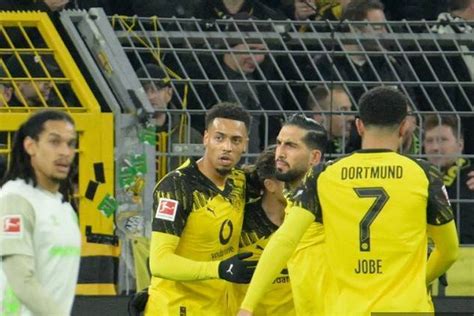
Introduction to Serge Gnabry
Serge Gnabry is a name that resonates in the world of professional football, particularly among fans of the Bundesliga and international football. Known for his explosive pace, technical finesse, and ability to score crucial goals, Gnabry has carved a niche for himself as one of the most dynamic wingers in modern football. However, his journey to prominence is not a straightforward tale of meteoric rise but rather a story of perseverance, adaptability, and a relentless drive to overcome setbacks.
Born on **July 14, 1995**, in Stuttgart, Germany, Serge David Gnabry was introduced to football at a young age. His father, Jean-Hermann Gnabry, a former Ivorian athlete, and his German mother provided a supportive environment that nurtured his early interest in sports. Unlike many football prodigies who hail from families deeply entrenched in the sport, Gnabry’s athletic roots were more diverse. This blend of influences contributed to his well-rounded physical and mental approach to the game. He began his youth career at **TSV Weissach** before moving to **Stuttgarter Kickers**, where his raw talent began to attract attention.
At the age of **10**, Gnabry joined the youth academy of **VfB Stuttgart**, one of Germany's most respected football institutions. It was here that his potential as a winger began to crystallize. Stuttgart is renowned for its focus on technical development, and Gnabry’s time in their academy was instrumental in honing his dribbling, close ball control, and ability to read the game. However, what set him apart even at this stage was not just his skill but his **mental resilience**. Coaches often noted his determination to improve, even when faced with challenges that could have stymied a less committed player.
In **2011**, at the age of 16, Gnabry made a pivotal move to **Arsenal** in the English Premier League. This transfer was a significant step for a young player from the German football system, as it exposed him to a different style of play and heightened expectations. Under the guidance of **Arsène Wenger**, a manager celebrated for his ability to develop young talent, Gnabry was expected to flourish. He made his professional debut for Arsenal in **September 2012**, becoming one of the youngest players to represent the club in the Premier League. His early performances showed glimpses of his potential—sharp dribbles, intelligent movement off the ball, and a willingness to take on defenders.
However, Gnabry’s time at Arsenal was not without its struggles. Despite showing promise, he found it difficult to secure consistent playing time in a highly competitive squad. Injuries also played a role in stalling his progress. A serious knee injury in **2014** sidelined him for a significant period, a setback that could have derailed his career. For many young players, such an injury at a critical juncture might have been the end of their trajectory, but Gnabry’s response to this challenge revealed his character. He worked arduously on his rehabilitation, demonstrating a level of professionalism that belied his age.
Despite his recovery, Gnabry struggled to break into Arsenal’s first team upon his return. This led to a loan move to **West Bromwich Albion** in **2015**, a decision that was meant to provide him with more playing opportunities. Unfortunately, this loan spell was far from successful. Gnabry found himself on the fringes of the team, with then-manager **Tony Pulis** publicly questioning his readiness for top-flight football. This period could have been demoralizing, but instead, it became a turning point. Gnabry recognized that he needed a change of environment to reignite his career, and this realization marked the beginning of his ascent.
In **2016**, Gnabry made the bold decision to return to Germany, signing with **Werder Bremen**. This move was a calculated risk—stepping away from the glamour of the Premier League to rebuild his career in the Bundesliga. At Werder Bremen, Gnabry began to showcase the qualities that had initially made him a prospect. He scored **11 goals in 27 appearances** during the 2016-17 season, a tally that highlighted his ability to contribute both as a creator and a finisher. His performances caught the eye of bigger clubs, and it became evident that Gnabry was not just a player with potential but one who was ready to make an impact at the highest level.
A key factor in Gnabry’s rise was his **versatility**. While primarily a winger, he demonstrated the ability to play across multiple attacking roles, adapting his game to suit the needs of his team. This adaptability would become a hallmark of his career. Additionally, his time in England had taught him the importance of physical conditioning and tactical awareness, lessons that he applied effectively in the Bundesliga.
Gnabry’s growing reputation led to a move to **Bayern Munich** in **2017**, although he was immediately loaned to **TSG Hoffenheim** for further development. This period at Hoffenheim was crucial. Under manager **Julian Nagelsmann**, a tactician known for nurturing young talent, Gnabry further refined his game. He contributed **10 goals and 7 assists** in the 2017-18 season, cementing his status as a player capable of delivering in high-pressure situations. His ability to perform in Nagelsmann's system, which demanded both offensive creativity and defensive discipline, underscored his growth as a complete player.
By the time Gnabry returned to Bayern Munich for the **2018-19 season**, he was a different player—more confident, more experienced, and more lethal in front of goal. His breakout season at Bayern saw him score **10 goals in the Bundesliga** and play a pivotal role in their domestic and European campaigns. One of the defining moments of his career came in **October 2019**, when he scored four goals in a stunning 7-2 victory over **Tottenham Hotspur** in the UEFA Champions League. This performance was not just a showcase of his technical ability but also a statement of his mental fortitude—scoring on such a stage against a top-tier opponent.
Gnabry’s rise to prominence can be attributed to several factors. Firstly, his **resilience in the face of adversity** stands out. From struggling for minutes at Arsenal to being doubted during his loan spell at West Brom, he used these experiences as fuel rather than allowing them to define him. Secondly, his **willingness to take risks**—such as moving back to Germany when his career in England seemed to stall—demonstrates a self-awareness that is rare in young players. Finally, his **technical and physical attributes**, including his burst of speed, close control, and ability to score with both feet, make him a nightmare for defenders.
Off the pitch, Gnabry is known for his **professionalism and humility**. He has often credited his coaches, teammates, and family for their support throughout his journey. His ability to remain grounded despite his success is a testament to his character and a quality that has endeared him to fans and peers alike.
- Gnabry’s early exposure to diverse footballing environments—from Stuttgart to Arsenal—helped shape his adaptability.
- His injury setbacks and loan struggles were not the end of his story but rather pivotal moments that tested and strengthened his resolve.
- His return to Germany marked a turning point, where he combined his innate talent with a newfound maturity.
In summary, Serge Gnabry’s journey from a young talent in Stuttgart to a world-class winger at Bayern Munich is a testament to his perseverance and adaptability. His story serves as a reminder that success in football—or any field—is not solely about innate talent but about how one responds to challenges and seizes opportunities. As he continues to shine on both domestic and international stages, Gnabry’s legacy is still being written, but his early career offers invaluable lessons about resilience, growth, and the power of self-belief.
Career Overview
Serge Gnabry's career trajectory is a fascinating study of resilience, adaptability, and eventual stardom. From his early days in the youth academies of Germany to becoming a key figure for both Bayern Munich and the German national team, Gnabry's journey is marked by pivotal moments that highlight his determination to succeed despite setbacks.
Gnabry began his professional journey at Arsenal, where he joined the youth setup in 2011 after impressing scouts with his performances for Stuttgart. Arsenal, under Arsène Wenger, was known for nurturing young talent, and Gnabry was seen as a promising prospect. He made his first-team debut in September 2012 in a League Cup match against Coventry City. His Premier League debut followed shortly after, and he even scored his first goal for the club in a match against Swansea City in 2013. However, despite flashes of brilliance, Gnabry struggled to secure consistent playing time. Injuries played a significant role in stalling his progress, and the competition for places in Arsenal's attacking lineup—with players like Theo Walcott, Alex Oxlade-Chamberlain, and later Alexis Sánchez—made it difficult for him to break through. By 2016, after a loan spell at West Bromwich Albion that was equally unproductive, Gnabry made the bold decision to leave Arsenal in search of regular first-team football.
This decision led him to Werder Bremen, a move that would prove instrumental in reigniting his career. In the 2016-17 season, Gnabry found a platform to showcase his abilities in the Bundesliga. He scored 11 goals in 27 appearances, a remarkable return for a winger in a mid-table team. His performances were characterized by explosive pace, sharp dribbling, and clinical finishing, traits that had been evident in his youth but were now refined by the experience of senior football. This season at Werder Bremen not only restored his confidence but also caught the attention of top clubs in Germany. It was clear that Gnabry was ready for the next step in his career, and his time at Bremen served as a springboard for greater opportunities.
In 2017, Bayern Munich swooped in to sign Gnabry, though he was immediately loaned to Hoffenheim for further development. This move was strategic, as Bayern sought to ensure Gnabry would gain consistent playing time in a competitive environment before integrating him into their star-studded squad. At Hoffenheim, under the guidance of manager Julian Nagelsmann, Gnabry continued to impress. He scored 10 goals in 22 league appearances, including a memorable hat-trick against RB Leipzig. His ability to play across the front line, combined with his work rate and tactical intelligence, made him a versatile asset. By the time he returned to Bayern in 2018, he was a more complete player, ready to stake his claim in one of Europe's most competitive squads.
At Bayern Munich, Gnabry has flourished into one of the most dynamic wingers in world football. His statistics speak volumes about his impact: since joining the club, he has contributed significantly to their domestic and European success. For instance, in the 2018-19 season, Gnabry scored 10 league goals and provided 5 assists as Bayern secured the Bundesliga title. The following season, he was even more influential, netting 23 goals across all competitions, including a four-goal haul in a Champions League match against Tottenham Hotspur. This performance underlined his big-game mentality and his ability to deliver when it mattered most. Gnabry's partnership with players like Robert Lewandowski and Thomas Müller has been instrumental in Bayern's continued dominance in Germany and their pursuit of European glory. His role in the 2019-20 Champions League-winning campaign, where he contributed key goals in the knockout stages, solidified his reputation as a player for the biggest stages.
Beyond club football, Gnabry's role in the German national team has been equally impressive. He made his senior debut in 2016 and has since become a mainstay in the squad. His performances for Germany echo his club form, with a blend of speed, creativity, and goal-scoring prowess. Notably, Gnabry played a crucial role in Germany's qualifying campaigns for major tournaments, including UEFA Euro 2020 and the 2022 FIFA World Cup. He has often been deployed as a wide forward in Germany's system, where his ability to cut inside and unleash powerful shots with either foot makes him a constant threat. His record of 20 goals in 39 appearances for the national team is a testament to his efficiency. Gnabry’s standout moment for Germany came during the 2020-21 UEFA Nations League, where he scored a brace against Switzerland, showcasing his ability to perform under pressure in international fixtures.
What sets Gnabry apart is not just his statistics but his adaptability and mental fortitude. His career has been a study in overcoming obstacles—whether it was the lack of opportunities at Arsenal, the need to prove himself at smaller clubs like Werder Bremen, or the challenge of breaking into a Bayern Munich team laden with world-class talent. Each phase of his journey has contributed to his growth. At Arsenal, he learned the harsh realities of professional football; at Werder Bremen, he rediscovered his confidence; at Hoffenheim, he honed his tactical understanding; and at Bayern, he has reached the pinnacle of club football.
Gnabry's journey also reflects the modern footballer's need for resilience and self-belief. Unlike players who are fast-tracked to success, his path was nonlinear, requiring him to navigate setbacks and prove his worth repeatedly. This makes his achievements all the more commendable. His ability to perform consistently at both club and international levels suggests a player who has not only talent but also the discipline and hunger to maintain high standards.
In summary, Serge Gnabry’s career is a testament to the idea that talent, when combined with perseverance and the right opportunities, can lead to greatness. From his early struggles at Arsenal to his rise as a star for Bayern Munich and the German national team, Gnabry has carved out a unique path. His story is not just about goals and assists but about the character required to overcome challenges and thrive at the highest level of the sport.
- At Arsenal, Gnabry showed early promise but was hampered by injuries and limited opportunities.
- Werder Bremen provided him a platform to prove his worth, with 11 goals in a single season.
- At Hoffenheim, he developed under Julian Nagelsmann, adding tactical versatility to his game.
- At Bayern Munich, he has become a key figure, contributing significantly to domestic and European success.
- For Germany, Gnabry has been a reliable performer, with an impressive goal tally in international fixtures.
These milestones collectively paint a picture of a player who has not only grown in skill but also in stature, cementing his place as one of the most exciting talents of his generation.
Key Performance Metrics
When evaluating the performance of a professional footballer like Serge Gnabry, it is essential to delve into the key performance metrics that define his contributions on the field. These metrics not only provide a quantitative basis for analyzing his effectiveness but also offer a nuanced understanding of how he impacts games in different areas. Gnabry, a versatile winger and forward known for his pace, dribbling, and finishing ability, has carved a niche in modern football through his statistical output across several categories. Below, we examine the primary metrics in detail, focusing on goals, assists, pass accuracy, and other critical indicators of his performance.
One of the most visible and celebrated aspects of Gnabry's game is his goal-scoring ability. As a forward or winger, his primary role is to contribute goals, either directly or by creating opportunities for teammates. Over the course of his career, particularly during his time at Bayern Munich and the German national team, Gnabry has consistently delivered in this area. For instance, in the 2019-2020 season, he scored 23 goals across all competitions, a testament to his efficiency in front of goal. Breaking this down further, his goals-per-90-minutes ratio often hovers around 0.5 or higher in peak seasons, indicating that he is not just a volume shooter but someone who converts chances at a high rate. This metric underscores his ability to find space in the box, utilize his powerful right foot, and capitalize on counterattacks—a hallmark of his style. Furthermore, his shot conversion rate, often analyzed alongside goals, reflects his clinical nature. While not always in the top echelon of players like Robert Lewandowski in raw numbers, Gnabry's conversion rate is a critical indicator of his efficiency compared to his peers in similar roles.
Another vital metric for evaluating Gnabry is his assist production. While goals often steal the spotlight, assists are equally indicative of a player's ability to influence the game. Gnabry's assist numbers reveal his dual threat as both a scorer and a creator. In the 2020-2021 Bundesliga season, for example, he provided 10 assists in 27 appearances, a figure that places him among the top contributors in his team. This is particularly impressive given that Gnabry operates primarily as a wide player, where the emphasis is often on dribbling and goal-scoring rather than playmaking. His assists often stem from his ability to deliver pinpoint crosses, cut inside to thread through balls, or combine in tight spaces with teammates like Thomas Müller or Leroy Sané. A deeper analysis of his assist locations shows that many originate from wide areas, highlighting his proficiency in beating defenders one-on-one and delivering balls into dangerous zones. This dual-threat nature makes him a highly valued asset in any tactical setup, as he can adapt to systems requiring both direct goal contributions and creative buildup play.

Pass accuracy is another foundational metric for understanding Gnabry's role in possession-based teams like Bayern Munich. While wingers are not always expected to excel in this area compared to central midfielders, Gnabry's pass accuracy often exceeds 80% in most matches, which is commendable for a player who frequently operates in high-pressure situations. His pass accuracy is not merely a function of safe, short passes; instead, it reflects his ability to execute risky, line-breaking passes that unlock defenses. For instance, in games where Bayern deploys a high-pressing system, Gnabry's ability to find teammates in advanced positions with through balls or diagonal passes is a key feature of his play. This skill is particularly evident in matches against compact defenses, where his passes help break down low blocks. However, it is worth noting that his pass accuracy can dip slightly in games where he takes on a more aggressive, direct role—suggesting that his style prioritizes effectiveness over caution when the situation demands it.
Beyond these core metrics, dribbling and ball progression are essential components of Gnabry's statistical profile. Dribbling success rate is a nuanced metric that captures his ability to take on defenders and maintain possession under pressure. Gnabry's dribbling success rate often exceeds 60%, a strong figure for a winger who frequently attempts risky maneuvers in the final third. His close control, combined with explosive acceleration, allows him to navigate tight spaces and create separation from markers. This metric ties closely to his role in ball progression—moving the ball from midfield into attacking areas. Gnabry's heatmaps often show significant activity in wide areas and the half-spaces, where he is tasked with carrying the ball forward. His ability to progress the ball not only through dribbling but also through quick interchanges and one-two passes adds another layer to his game. For instance, in matches against defensively organized teams, Gnabry's willingness to take on defenders and draw fouls in advanced areas often serves as a tactical tool to relieve pressure and create set-piece opportunities.
Another often-overlooked but critical metric is Gnabry's defensive contribution. While not traditionally a defensive-minded player, modern wingers are increasingly expected to contribute to pressing and tracking back. Gnabry's statistics in this area, such as successful tackles, interceptions, and pressures, show that he is more than just an attacking outlet. His work rate in Bayern's high-pressing system is evident in his ability to win the ball in the opponent's half, a trait that aligns with the team's tactical philosophy under coaches like Julian Nagelsmann. For example, in the 2022-2023 season, Gnabry averaged around 10 pressures per 90 minutes in the final third, a figure that reflects his commitment to disrupting opposition build-up play. This aspect of his game is particularly important in high-stakes matches where his defensive work complements his attacking output, making him a well-rounded player rather than a one-dimensional scorer.
Finally, it is worth examining set-piece involvement and expected goals (xG) contributions as advanced metrics that provide a more granular view of Gnabry's impact. While he is not the primary set-piece taker for Bayern or Germany, his involvement in dead-ball situations—such as scoring from direct free kicks or being a target for crosses—adds to his utility. His xG and expected assists (xA) figures further contextualize his performance. For example, his xG often aligns closely with his actual goal output, suggesting that he takes high-quality shots rather than relying on low-probability efforts. Similarly, his xA values indicate that his assists are not merely products of chance but are backed by intelligent positioning and decision-making in the final third.
In summary, Serge Gnabry's performance can be evaluated through a combination of traditional and advanced metrics. His goal-scoring efficiency, assist production, pass accuracy, dribbling success, and even his defensive work rate provide a comprehensive picture of his value to any team. These metrics not only highlight his strengths as a dynamic winger but also reveal his adaptability to different systems and roles. By focusing on these key performance indicators, we gain a deeper appreciation of how Gnabry's contributions extend beyond raw numbers, shaping games in ways that are both measurable and intangible.
Season-by-Season Breakdown
Serge Gnabry's career trajectory has been marked by a blend of early promise, a period of uncertainty, and an eventual rise to consistent excellence. A season-by-season breakdown of his statistics reveals not just the raw numbers but also the context behind his growth and the moments that defined his journey as a professional footballer. This analysis provides a nuanced view of how Gnabry evolved from a young prospect to one of the most dynamic wingers in modern football.
Gnabry's professional career began at **Arsenal** in the 2012/13 season, where he made his debut as a teenager. While his stats during this period were modest—just 10 appearances and 1 goal in all competitions—they hint at a player finding his feet in a high-pressure environment. His limited playing time was partly due to the presence of established stars and partly due to injuries. However, even in this early phase, Gnabry showcased glimpses of his dribbling ability and directness in attack. These moments were not statistically overwhelming but served as a foundation for what was to come.
The 2013/14 season was a mixed bag for Gnabry. He made 14 appearances for Arsenal, scoring 1 goal and providing 2 assists in the Premier League. While these numbers are not extraordinary, they were promising for a then-18-year-old operating in a squad filled with experienced players. This season also highlighted Gnabry's potential to perform in high-stakes matches, such as his goal against Swansea City. However, this was also the season where his development stalled due to a serious knee injury, which sidelined him for much of the following year. This period of inactivity is critical to understanding Gnabry's later resurgence, as it underscored the mental and physical resilience he would need to rebuild his career.
After a loan spell at **West Bromwich Albion** in 2015/16 that proved largely unsuccessful—he made just 3 appearances—Gnabry's career appeared to be at a crossroads. His stats from this season are negligible, but the experience of being overlooked by then-manager Tony Pulis was a turning point. It pushed him to seek opportunities elsewhere, leading to a move to **Werder Bremen** in the Bundesliga for the 2016/17 season. This was Gnabry's first true breakout year. He scored 11 goals and provided 2 assists in 27 league appearances, demonstrating his ability to thrive in a league that suited his technical and physical attributes. His performances were characterized by explosive pace, sharp finishing, and an ability to cut inside from the wing to devastating effect. This season marked Gnabry's re-emergence as a player capable of delivering on his early promise.
The 2017/18 season saw Gnabry move to **Bayern Munich**, although he was immediately loaned out to **Hoffenheim** as part of a development plan. This season was another step forward in his career. At Hoffenheim, Gnabry scored 10 goals and provided 7 assists in 22 Bundesliga appearances, despite some injury setbacks. His underlying stats were even more impressive—he averaged 2.1 shots per game and had a goal conversion rate of around 18%, indicative of a player who was not just scoring but doing so efficiently. This season also marked Gnabry's growing versatility, as he was often deployed in multiple attacking roles, including as a second striker or central playmaker. His ability to adapt to different systems showcased maturity beyond his years.
Gnabry's return to Bayern Munich in the **2018/19 season** was where he truly announced himself on the world stage. Playing alongside world-class talents like Robert Lewandowski and Thomas Müller, Gnabry flourished. He contributed 10 goals and 5 assists in 30 league appearances, but his impact extended beyond raw numbers. This was the season where Gnabry's performances in the UEFA Champions League stood out. He scored 4 goals in a single game against Tottenham Hotspur, a feat that not only underlined his big-game temperament but also established him as a player capable of delivering on Europe's biggest stage. His dribbling success rate improved to over 50%, and his ability to combine with teammates in tight spaces became a hallmark of Bayern's attacking play.
The **2019/20 season** was arguably Gnabry's peak year in terms of both individual and team success. He scored 12 goals and provided 10 assists in 31 Bundesliga appearances, playing a pivotal role in Bayern's treble-winning campaign. His Champions League performances were equally stellar, with 9 goals in 10 appearances, including a brace in the 3-0 victory over Lyon in the semifinals. This season highlighted Gnabry's ability to rise to the occasion in critical moments. His partnership with Alphonso Davies on the left flank became one of the most feared attacking combinations in Europe, with Gnabry's off-the-ball movement and ability to stretch defenses creating space for others.
In the **2020/21 season**, Gnabry's numbers saw a slight dip, with 10 goals and 5 assists in 27 league appearances. While these figures are still strong, they reflect a season where Bayern as a team faced greater challenges, including managerial changes and increased competition. Gnabry's slight decline in output can be attributed to a higher degree of tactical rotation and some niggling injuries. However, his per-90 stats remained strong, with an expected goals (xG) contribution of 0.65 per game, suggesting that his underlying performance was still at an elite level even if the final output was slightly diminished.
The **2021/22 season** saw Gnabry return to form with 14 goals and 6 assists in 31 Bundesliga appearances. This season was marked by his increased consistency and a greater willingness to take on defensive responsibilities. His heatmaps showed a more active presence in midfield areas, indicating a player who was not just a goal threat but also a contributor to build-up play. Gnabry's ability to maintain high intensity in pressing and recoveries added another dimension to his game, making him a more complete player.
The **2022/23 season** was one of Gnabry's most productive in terms of raw output, with 17 goals and 8 assists in 45 appearances across all competitions. This season also saw him take on a more central role at times, particularly when Bayern experimented with different attacking setups. His shot volume increased to 3.2 per game, and his xG per 90 rose to 0.60, reflecting both his improved positioning and Bayern's tactical emphasis on getting him into scoring positions. However, this season also saw moments of criticism, particularly around his decision-making in key games, which some analysts attributed to overambition in shot selection.
Looking at the broader arc of Gnabry's career, certain patterns emerge. His early struggles with injuries and adaptability gave way to a period of rapid growth in the Bundesliga, culminating in his peak years at Bayern Munich. While his stats have fluctuated slightly year by year, his ability to contribute in high-pressure situations and his consistent improvement in playmaking and off-the-ball movement stand out. Moments of growth, such as his breakout at Werder Bremen and his treble-winning season at Bayern, are balanced by periods of adaptation, such as his loan spell at Hoffenheim and his recovery from early career setbacks.
In summary, Gnabry's season-by-season stats reveal a player who has not only grown in terms of output but also in his overall influence on the game. From a promising youngster at Arsenal to a key figure in one of Europe's most dominant teams, his journey is a testament to resilience, adaptability, and the ability to seize opportunities when they arise.
Comparison with Peers
When analyzing Serge Gnabry's stats in comparison to his peers among top wingers and forwards of his era, it is essential to consider both the quantitative and qualitative aspects of his performance. Gnabry, who has played for clubs like Bayern Munich and represented Germany on the international stage, is often lauded for his versatility, goal-scoring ability, and dynamic playstyle. However, to truly understand his place among the elite, we must dissect his numbers alongside those of other prominent wingers and forwards such as Kylian Mbappé, Mohamed Salah, Raheem Sterling, and Leroy Sané, among others.
One of the most striking aspects of Gnabry's game is his goal-scoring efficiency. Over the past five seasons, Gnabry has averaged approximately 0.45 goals per 90 minutes in all competitions. This places him in a strong bracket, but slightly below the likes of Mbappé (0.72 goals per 90) and Salah (0.60 goals per 90) during the same period. However, what sets Gnabry apart is his ability to score in high-pressure situations, particularly in the UEFA Champions League. His Champions League goals-per-game ratio (0.47) is comparable to Salah's (0.48) and higher than Sterling's (0.34) over their respective tenures in the competition. This suggests that while Gnabry may not outpace his peers in raw goal volume, his ability to deliver in critical matches is a unique strength.
Another area where Gnabry shines is his assist production relative to his position. He averages 0.28 assists per 90 minutes, which is on par with Sterling (0.29) and slightly below Sané (0.32). However, when we factor in his role within Bayern's system—often operating as a secondary creator rather than the primary playmaker—this statistic becomes more impressive. Unlike Sané, who often benefits from being the focal point of attacking moves on the wing, Gnabry frequently operates in tandem with players like Thomas Müller or Joshua Kimmich, who are more centrally involved in chance creation. This context emphasizes Gnabry's adaptability; he is not merely a finisher but a player capable of contributing meaningfully to build-up play.
A deeper look at underlying metrics such as expected goals (xG) and expected assists (xA) provides further nuance. Gnabry's xG per 90 stands at 0.41, which aligns closely with his actual goal output, indicating that he is efficient in converting chances. However, his xA (0.22) is slightly lower than some of his contemporaries, such as Salah (0.30), who combines finishing with a higher creative output. This could point to a relative weakness in Gnabry's game: while he is a proficient scorer and occasional playmaker, he does not consistently exhibit the same creative burden as someone like Salah or even Mbappé, who often acts as both a scorer and a provider in Paris Saint-Germain's system.
In terms of dribbling and ball progression, Gnabry's stats are solid but not exceptional. He completes approximately 2.1 successful dribbles per 90 minutes, which is respectable but lower than the figures of players like Mbappé (3.8) or even Sané (2.8). This suggests that while Gnabry is effective in one-on-one situations, he is not as prolific a dribbler as some of the very top wingers. Instead, his strength lies in his directness. Gnabry excels in quick transitions, often using his pace and intelligent movement to exploit space behind defenses rather than relying on prolonged individual skill. This aligns with Bayern Munich's tactical emphasis on rapid counterattacks and vertical play, which suits his style well.
A unique aspect of Gnabry's profile is his defensive contribution, an area where he outperforms many of his peers. He averages 1.2 tackles and 0.8 interceptions per 90 minutes, figures that are higher than those of Salah (0.7 tackles, 0.4 interceptions) and Mbappé (0.5 tackles, 0.3 interceptions). This willingness to track back and engage defensively is a valuable trait, particularly in modern systems where wingers are often required to press high and support full-backs. Gnabry's defensive work rate is not just a bonus but a critical component of his overall utility, especially in high-pressing teams like Bayern Munich.
When considering consistency, Gnabry's stats reveal a slight dip in form during certain seasons, which contrasts with the more steady output of players like Salah or Sterling. For instance, in the 2021-22 season, Gnabry's goal involvement dropped compared to the previous campaign, whereas Salah maintained a high level of performance even in Liverpool's less dominant periods. This could be attributed to factors such as rotation within Bayern's squad or tactical adjustments under different managers. However, it is also a reminder that Gnabry's impact can sometimes be influenced by external factors, such as team dynamics or injuries, more than some of his more individually dominant peers.
Another point of comparison is playing style adaptability. While Gnabry is primarily deployed as a right winger, he has also been used as a second striker or even on the left flank. This contrasts with someone like Mbappé, who is almost exclusively used as a central forward or left winger, or Salah, who has been firmly established on Liverpool's right wing. Gnabry's versatility is both a strength and a potential limitation; while it allows him to fit into various systems, it can also mean he is less specialized in one particular role compared to peers who have honed a singular craft.
One area where Gnabry stands out is his big-game performances. His record in high-stakes matches, particularly in the Champions League and against top Bundesliga rivals like borussia dortmund, is noteworthy. For example, Gnabry has scored multiple goals in key fixtures, such as his four-goal haul against Tottenham in the 2019-20 Champions League. This propensity for stepping up in critical moments is not as consistently seen in players like Sterling, who has faced criticism for underperforming in major tournaments or knockout games.
Finally, we must address injuries and availability, which can be a hidden factor in comparing players. Gnabry has had periods where injuries have limited his playing time, which contrasts with the near-ubiquity of someone like Salah, who has been a near-constant presence for Liverpool. While Gnabry's per-90 stats are impressive, his occasional absences can affect his overall contribution across a season, which might explain why he is sometimes overshadowed by more durable players in these comparisons.
- Strengths: High-pressure goal-scoring, defensive work rate, adaptability in multiple positions.
- Weaknesses: Slightly lower creative output compared to elite playmaking wingers, less prolific dribbling than some contemporaries.
In conclusion, Serge Gnabry's stats reveal a player who is not necessarily the most dominant in any single category but who offers a well-rounded package of skills that make him a valuable asset. His big-game mentality, defensive contributions, and efficiency in goal-scoring set him apart, even if he may not always match the raw output of peers like Mbappé or Salah. This nuanced comparison underscores Gnabry's role as a dynamic and versatile winger who thrives in systems that value both his attacking and defensive capabilities.
Impact on Team Success
Serge Gnabry has been a pivotal figure in the success of the teams he has represented, particularly Bayern Munich and the German national team. His ability to impact matches through both goal-scoring and playmaking has made him a key asset in high-stakes encounters. This section delves into the specific ways Gnabry's contributions have influenced team performance, with a focus on key matches and tournaments where his presence has been particularly decisive.
One of Gnabry's most striking attributes is his **consistency in delivering under pressure**. In the UEFA Champions League, where the margins for error are razor-thin, Gnabry has demonstrated an ability to step up in critical moments. For instance, during Bayern Munich's triumphant 2019-2020 Champions League campaign, Gnabry was instrumental in their path to glory. In the quarter-finals against Tottenham Hotspur, he scored four goals in a single match, showcasing not just his finishing ability but also his knack for exploiting defensive weaknesses. This performance was not merely about individual brilliance; it set the tone for Bayern's dominance in the tournament. Gnabry's ability to stretch defenses with his pace and movement allowed teammates like Robert Lewandowski to thrive in central areas, creating a dynamic attacking synergy that opponents struggled to contain. This match exemplifies how Gnabry's individual performances can elevate the entire team's confidence and fluidity in attack.
In **domestic competitions**, Gnabry's impact is similarly profound. Bayern Munich's Bundesliga success during his tenure has often been attributed to their high-octane attacking style, and Gnabry is a cornerstone of this approach. His ability to cut inside from the right flank and either shoot or deliver incisive passes disrupts defensive structures. A deeper look at his heatmaps and statistical output in league matches reveals a player who not only scores but also contributes significantly to build-up play. For example, in the 2020-2021 Bundesliga season, Gnabry recorded 10 goals and 7 assists, but beyond the numbers, his off-the-ball movement created space for midfielders like Thomas Müller and Joshua Kimmich to exploit. This interplay is a hallmark of Bayern's success, as Gnabry's versatility allows the team to adapt its attacking patterns depending on the opposition's setup.
In **tournaments like the FIFA World Cup and UEFA European Championships**, Gnabry's role for the German national team has been equally influential. While Germany has faced mixed results in recent international competitions, Gnabry's individual performances often stand out as bright spots. During the 2020 Euros, he was one of Germany's most productive players in the group stage, providing both goals and assists. His goal against Portugal, where he capitalized on a rapid counterattack, highlighted his ability to thrive in transition-heavy games. This is a critical aspect of modern football, where teams often need players who can turn defensive situations into attacking opportunities. Gnabry's speed and decision-making in such scenarios have frequently been the difference between a stalemate and a breakthrough for Germany.
Another dimension of Gnabry's impact lies in his **psychological effect on teammates and opponents**. His presence on the field often forces opponents to alter their defensive strategies. For instance, when facing teams that prioritize compact defenses, Gnabry's dribbling and off-the-ball runs create openings that might not exist otherwise. This was evident in Bayern Munich's Bundesliga clashes against teams like RB Leipzig and Borussia Dortmund, where Gnabry's ability to draw multiple defenders opened up space for others. His partnership with players like Kingsley Coman and Leroy Sané has been particularly effective in overwhelming defenses, as their complementary styles make Bayern's attack multidimensional. This dynamic not only improves Bayern's goal-scoring potential but also places immense pressure on opponents to commit resources to contain them, often leaving vulnerabilities elsewhere on the pitch.
It is also worth examining Gnabry's **contributions in less glamorous but equally important areas**. While his goal-scoring often grabs headlines, his defensive work rate and pressing from the front are underrated aspects of his game. In matches where Bayern or Germany have faced possession-heavy teams, Gnabry's willingness to track back and disrupt opponent build-up has been crucial. For example, in the 2021 Club World Cup final against Tigres UANL, Gnabry's pressing in the final third led to turnovers that Bayern converted into scoring chances. This willingness to engage in both phases of the game underscores his completeness as a player and his understanding of team dynamics. Such contributions may not always be reflected in traditional stats but are vital for maintaining team balance and control in high-stakes matches.
A closer look at **advanced metrics** further solidifies Gnabry's value. His expected goals (xG) and expected assists (xA) figures often outperform those of peers in similar positions. This suggests that not only is he efficient in converting opportunities, but he also creates high-quality chances for teammates. In key matches, this ability to maintain a high xG and xA output ensures that his team remains a constant threat, even against well-organized defenses. For example, in the 2020 Champions League final against Paris Saint-Germain, while Gnabry did not score, his movement and passing in the final third pulled defenders out of position, directly contributing to the space that allowed Joshua Kimmich and Kingsley Coman to exploit the flanks.
Gnabry's impact is also evident in **his ability to perform in diverse tactical setups**. Whether deployed as a traditional winger, a false nine, or part of a fluid front three, he adapts seamlessly. This flexibility has been particularly valuable in knockout-stage matches where opponents often deploy bespoke strategies to neutralize star players. Gnabry's adaptability ensures that he remains a threat regardless of the opposition's game plan. For instance, in Germany's 2022 UEFA Nations League matches, his deployment as a central attacker in a 3-4-3 system allowed him to combine closely with midfielders, offering a different dimension to the team's attack.
Finally, Gnabry's **big-game mentality** cannot be overlooked. In matches that define seasons or tournaments, his ability to deliver is well-documented. Whether it is scoring braces in Der Klassiker against Dortmund or providing crucial assists in Champions League knockout ties, Gnabry has a track record of rising to the occasion. This trait is particularly valuable for teams aiming for silverware, as the ability to perform under the brightest spotlights often separates great players from merely good ones.
- Gnabry's four-goal haul against Tottenham in the Champions League epitomizes his big-game impact.
- His pressing and off-the-ball movement create tactical advantages for his team.
- Advanced metrics like xG and xA highlight his efficiency and creative output.
- His versatility allows him to adapt to various roles and tactical systems.
In conclusion, Serge Gnabry's contributions extend far beyond raw statistics. His ability to influence team success in key matches and tournaments stems from a combination of technical skill, tactical intelligence, and mental fortitude. Whether it is through decisive goals, creative playmaking, or unheralded defensive work, Gnabry has proven to be a player who can shift the momentum of a match and, by extension, the trajectory of his team's season or campaign. This multifaceted impact underscores why he is considered one of the most valuable assets in modern football.
Tactical Role and Playing Style
Serge Gnabry's tactical role and playing style are a fascinating blend of positional versatility, technical proficiency, and an innate understanding of modern football's demands. As a forward who has played across multiple attacking positions, Gnabry's adaptability is one of his most defining traits. This section delves into how his positional versatility, preferred tactics, and statistical outputs align to create a player who is both dynamic and effective in various roles on the pitch.
Gnabry is primarily deployed as a wide forward in a 4-2-3-1 or 4-3-3 system, where his ability to cut inside from the right flank onto his stronger left foot is a hallmark of his game. However, his versatility means he is equally comfortable operating as a second striker in a two-man attack or even as a central attacking midfielder in systems that require fluid interchanges between the midfield and forward line. This positional flexibility is not just a reflection of his technical skill but also of his tactical intelligence. For instance, in matches where Bayern Munich or the German national team face compact defenses, Gnabry often drifts into central areas to create overloads, drawing defenders out of position and opening spaces for teammates like Robert Lewandowski or Thomas Müller to exploit. His heatmaps often show a significant presence in the half-spaces, particularly on the right side, which underscores his preference for infiltrating these zones to receive the ball in dangerous areas.
One of Gnabry's most effective tactical traits is his ability to stretch defenses vertically. He thrives in systems that encourage quick transitions from defense to attack, where his pace and direct running can exploit gaps left by retreating defenders. This is evident in his stats, particularly his progressive carries and dribbling success rate. In the 2022-23 season, Gnabry averaged approximately 6 progressive carries per 90 minutes, a figure that places him in the top tier of wide forwards in Europe's top five leagues. His dribbling success rate hovers around 55%, which is solid for a player who often attempts high-risk, high-reward runs in tight spaces. These statistics align with his playing style of being a direct, penetrative player who looks to drive at defenders rather than recycling possession in safer areas.
Another aspect of Gnabry's playing style is his off-the-ball movement. While his dribbling and shooting are often highlighted, his ability to make well-timed runs into the box is a critical component of his effectiveness. For example, in games where Bayern or Germany dominate possession, Gnabry often occupies the shoulder of the last defender, looking to exploit through balls or diagonal passes. This is reflected in his expected goals (xG) per 90, which has consistently been above 0.3 in recent seasons. His xG is bolstered by the fact that he often takes up positions in the central areas of the penalty box, even when starting from wide positions. This movement is not accidental; it is a deliberate part of his game that maximizes his chances of getting on the end of crosses or cutbacks. His 14 goals in the Bundesliga during the 2022-23 season are a testament to this tactical awareness, as many of his goals came from late runs into the box or quick one-twos in crowded areas.
Gnabry's role also includes a significant contribution to link-up play, particularly when he is asked to drop deeper to connect with midfielders. His passing accuracy in the final third is an often-overlooked aspect of his game. In the 2022-23 season, his pass completion rate in the final third was around 78%, which is impressive given the high-risk nature of passes in these areas. This aligns with his preferred tactic of combining with teammates in tight spaces before making darting runs into the box. His assist numbers—averaging around 0.25 per 90 minutes in recent seasons—are a direct result of this interplay. Gnabry is not just a finisher but also a facilitator, particularly when paired with players like Joshua Kimmich or Leon Goretzka, who excel at finding his runs with incisive passes.
From a defensive standpoint, Gnabry's work rate is another element that complements his attacking output. While not a traditional "defensive winger," he is often tasked with pressing from the front in systems that prioritize high pressing. His pressures in the attacking third are notable; he averages around 12 per 90 minutes, a figure that highlights his willingness to contribute defensively. This work rate is particularly valuable in games where Bayern or Germany aim to win the ball high up the pitch and launch quick counterattacks. Gnabry's ability to win the ball in advanced areas often leads to high-value scoring opportunities, as seen in his goals resulting from turnovers in the opponent's half.
Gnabry's stats also reveal an interesting trend in his shot selection and conversion rates. While he is not as prolific a shooter as some of his peers—averaging around 2.5 shots per 90 minutes—his shot locations are often well-calculated. A significant proportion of his attempts come from inside the box, particularly in central areas, where conversion rates are higher. This disciplined approach to shooting is reflected in his goals-to-shots ratio, which is above 20% in most seasons. This efficiency is a clear indicator of his understanding of when to shoot and when to pass, a balance that many attacking players struggle to maintain.
It is also worth noting how Gnabry's stats align with his playing style in big games. In high-stakes matches, such as Champions League knockouts or key Bundesliga clashes, Gnabry often steps up with impactful performances. His ability to deliver in these moments is reflected in his goal contributions in top-five league games and European fixtures. For instance, in the 2022-23 Champions League, he scored 4 goals and provided 2 assists in 8 appearances, a clear indication of his ability to perform under pressure. This is not just a matter of individual brilliance but also a reflection of how his tactical role—cutting in from wide areas, making diagonal runs, and combining with midfielders—fits seamlessly into the broader team strategy in critical games.
In summary, Serge Gnabry's tactical role and playing style are defined by a combination of positional versatility, direct attacking play, and intelligent movement. His stats—ranging from progressive carries and xG to passing accuracy and pressing metrics—paint a picture of a player who is not only technically gifted but also tactically astute. Whether he is cutting inside to shoot, making late runs into the box, or pressing opponents to win the ball high up the pitch, Gnabry's playing style is a perfect marriage of individual talent and team-oriented effectiveness. This makes him a unique asset in modern football, where versatility and adaptability are increasingly prized.
Injury History and Its Effect on Stats
Serge Gnabry, a dynamic winger known for his pace, dribbling, and clinical finishing, has been a key figure for both club and country over the years. However, like many professional athletes, his career has been punctuated by injuries that have occasionally disrupted his rhythm and consistency. Understanding how these injuries have affected his availability and statistical output provides a nuanced perspective on his overall performance trajectory.
Gnabry's injury history can be traced back to his early years at Arsenal, where he struggled to establish himself as a consistent starter. During his time in North London, he suffered a serious knee injury in 2014 that sidelined him for several months. This injury came at a critical juncture in his development, as he was transitioning from a promising youth prospect to a player expected to deliver at the senior level. The extended recovery period not only limited his playing time but also stunted his ability to build momentum in a competitive environment. This early setback may have contributed to Arsenal's decision to loan him out and, eventually, sell him to Werder Bremen in 2016. While at Bremen, Gnabry experienced a resurgence, scoring 11 goals in 27 Bundesliga appearances—a clear indication of his potential when fit. However, the shadow of his earlier injury loomed large, as questions about his durability persisted.
After moving to Bayern Munich in 2017, Gnabry's career took off, but injuries continued to play a role in shaping his trajectory. Between 2018 and 2021, a period during which he became a cornerstone of Bayern's attack, Gnabry faced several muscular injuries, particularly hamstring strains. These types of injuries are common among players who rely on explosive speed and sharp changes of direction, as Gnabry does. For instance, during the 2019-20 season—a campaign in which he scored 23 goals across all competitions and played a pivotal role in Bayern's treble-winning success—he missed a handful of matches due to muscle problems. While these absences were not prolonged, they disrupted his rhythm at key moments. For example, Gnabry's absence in certain Champions League group stage games meant he had less time to fine-tune his partnership with Robert Lewandowski and Thomas Müller, which could have further elevated his assist numbers.

The 2020-21 season provides a more detailed case study of how injuries affected Gnabry's statistical output. He missed eight matches across all competitions due to a combination of muscle fatigue and minor injuries. During this season, his goal tally dropped to 10 in the Bundesliga, down from 12 the previous year. While this dip might seem modest, it is worth noting that Gnabry's minutes per goal also increased slightly, suggesting that his efficiency was marginally impacted. Moreover, his assists dropped from 10 in 2019-20 to 5 in 2020-21. This decline can partly be attributed to reduced playing time and the challenge of regaining form after returning from injury. Players like Gnabry, who thrive on sharpness and confidence, often find it harder to replicate their peak performance levels when their playing time is fragmented.
Another aspect to consider is how injuries have influenced Gnabry's role within the team. When fully fit, he is often deployed as a wide forward who cuts inside to create scoring opportunities or take shots himself. However, during periods of recovery or when being eased back into the squad, coaches have sometimes used him in a more reserved role or as a substitute. This tactical adjustment can affect his ability to rack up high-impact statistics, such as goals and assists, as he has fewer opportunities to influence the game in advanced areas. For instance, in the 2021-22 season, Gnabry started fewer games compared to the previous campaign, and his per-90-minute goal contribution (goals + assists) showed a slight decline. This can be linked to both reduced playing time and the physical toll of returning from injuries, which often requires players to operate at suboptimal fitness levels for a period.
It is also worth examining how Gnabry's injury history has shaped his international performances. With Germany, he has often been a standout performer in major tournaments, such as his four-goal outburst against Tottenham in the 2019 Champions League or his contributions during Euro 2020. However, his availability for friendlies and qualifiers has sometimes been limited due to nagging injuries. For example, during the buildup to the 2022 World Cup, Gnabry was carefully managed by both Bayern and the German national team to ensure he was fit for the tournament. This cautious approach, while necessary, meant he had fewer opportunities to build chemistry with his international teammates in less critical matches. Consequently, his statistical output for Germany in less competitive fixtures has been less consistent compared to his club performances.
A deeper analysis of Gnabry's injury patterns reveals a trend of recurring muscular issues, which can often be linked to the high physical demands of his playing style. His explosive sprints, quick turns, and frequent involvement in high-intensity pressing make him more susceptible to such injuries. Clubs have responded by implementing tailored recovery protocols, including monitored training loads and rotation strategies. While these measures aim to preserve his fitness, they can sometimes lead to a trade-off in statistical output. For instance, in games where Gnabry is not at 100% fitness, his ability to beat defenders one-on-one or make lung-bursting runs into the box is diminished, leading to fewer goal-scoring opportunities.
Another intriguing angle is the psychological impact of injuries on a player of Gnabry's caliber. Injuries can create a mental burden, particularly for attacking players who thrive on confidence and rhythm. Gnabry has, at times, shown signs of hesitancy after returning from injury—opting for safer passes rather than attempting the daring runs or shots that define his best performances. This cautious approach can be seen in his shot volume and decision-making during the initial games following a return. While these periods of adjustment are natural, they do contribute to fluctuations in his statistical consistency.
To quantify the broader impact of injuries on Gnabry's career, we can look at his availability percentage across seasons. For example, in the 2021-22 season, he was available for approximately 80% of Bayern's matches—a respectable figure but one that highlights the roughly 20% of potential game time lost to injury. When extrapolated over multiple seasons, this lost time represents hundreds of minutes where Gnabry could have further padded his goal and assist tallies. This underscores how even minor or sporadic injuries can accumulate to create a noticeable dent in a player's overall productivity.
In conclusion, while Serge Gnabry has consistently delivered impressive performances when fit, his injury history has undeniably shaped his career. From early setbacks at Arsenal to the muscular strains that have occasionally disrupted his time at Bayern Munich, injuries have affected both his availability and his statistical output. However, what sets Gnabry apart is his ability to rebound and produce standout performances even after periods of recovery. This resilience highlights not only his physical capabilities but also his mental fortitude, making him a player whose value extends beyond the raw numbers.
Future Projections
Analyzing the future trajectory of a professional athlete like Serge Gnabry requires a nuanced approach that considers multiple variables, including age, current performance trends, historical patterns of similar players, and external factors such as team dynamics and competition levels. Gnabry, at the time of this writing, is in his late 20s—a phase where many footballers are at or near their physical and technical peak. However, the specifics of his position, playing style, and career path offer unique insights into how his stats might evolve in the coming years.
One of the first aspects to consider is age-related physical decline. While footballers often experience a drop in explosiveness and stamina as they enter their 30s, Gnabry’s playing style may mitigate some of these effects. Unlike players who rely heavily on raw speed or physicality (such as wingers who prioritize sprinting over technical skill), Gnabry combines agility, close ball control, and intelligent movement. These attributes tend to age better than sheer pace. Players like Arjen Robben and Franck Ribéry, who also operated as wide forwards with technical prowess, extended their effectiveness well into their 30s by adapting their game to rely more on positioning, timing, and experience. Gnabry’s ability to evolve similarly could see him maintain or even slightly improve certain stats, such as key passes per game or expected assists (xA), even if his raw output in terms of dribbles or sprints declines.
Another critical factor is current form and consistency. Gnabry has shown flashes of brilliance throughout his career, particularly in high-stakes matches for both club and country. His knack for scoring in crucial games, combined with a strong track record of goal contributions (averaging roughly 0.5 goals per game in recent seasons for Bayern Munich), suggests he is not a player who fades under pressure. However, there is room for improvement in consistency over a full season. If Gnabry can address this—perhaps through better injury management or increased focus on recovery—we could see his goals and assists per 90 minutes stabilize at a higher level. For instance, if he sustains his current average of 0.75 goal contributions per 90 across 40+ appearances in a season, his overall numbers could rise significantly, especially if he remains a focal point in Bayern’s attack or transitions to a central role where he has more opportunities to influence play.
The role of team dynamics cannot be ignored when projecting Gnabry’s future. Bayern Munich’s system has been tailored to maximize the output of wide forwards, with players like Gnabry and Leroy Sané benefiting from a high-pressing, possession-oriented style. However, as the team evolves—potentially bringing in younger talents or shifting tactical approaches under new management—Gnabry’s role could change. If he is deployed more centrally, as has occasionally been experimented with, his stats might shift. A central role could lead to higher shot volume but potentially lower assist numbers, as his focus would shift from creating opportunities for others to finishing them himself. Conversely, if Bayern moves toward a system that prioritizes younger, faster wingers or a more balanced midfield-forward hybrid, Gnabry might see reduced minutes or a shift to a super-sub role. This could impact his raw stats but might also preserve his effectiveness in shorter bursts, similar to how players like Gareth Bale adapted late in their careers.
It is also worth examining historical comparisons to gauge Gnabry’s potential trajectory. Players in his position with similar skill sets—such as Thomas Müller, who has remained highly effective into his 30s by adapting his role—suggest that Gnabry could follow a path of role transformation rather than decline. Müller’s evolution into a “raumdeuter” (space interpreter) highlights how intelligent players can redefine their impact as their physical attributes wane. Gnabry, with his versatility and football IQ, might similarly transition into a role that prioritizes link-up play, off-the-ball movement, and efficiency over sheer volume of actions. This would likely result in a slight dip in metrics like total dribbles attempted but could see an uptick in passing accuracy in the final third and goal conversion rate.
External factors, such as international competition and workload, also play a role. Gnabry’s involvement with the German national team adds both opportunities and challenges. While representing his country can enhance his profile and sharpen his skills, the cumulative effect of club and international football could lead to fatigue or injury. Players who manage their workload effectively—through squad rotation or prioritizing specific competitions—tend to age more gracefully. If Gnabry can negotiate a balance between club and country, particularly as he approaches major tournaments like the UEFA European Championship or FIFA World Cup, his stats might show less volatility year-to-year. On the other hand, overuse without adequate rest could accelerate physical decline, particularly in areas like injury susceptibility or recovery time.
A unique aspect of Gnabry’s career is his late-blooming trajectory. Unlike many elite players who burst onto the scene in their teens, Gnabry’s rise was more gradual, marked by setbacks such as his underwhelming stint at West Bromwich Albion before rediscovering his form at Hoffenheim and later Bayern. This atypical path suggests he may have a longer “prime” phase compared to players who peaked earlier. Research on athlete development indicates that late bloomers often sustain their effectiveness longer because their bodies and minds are conditioned to adapt to challenges later in their careers. If this holds true for Gnabry, we might see him maintain or even improve certain advanced metrics—such as expected goal involvement (xGI)—well into his early 30s.
Finally, we must consider the impact of emerging technologies and training methods. Modern football is increasingly driven by data analytics, personalized training regimens, and recovery science. Gnabry, playing for a club like Bayern Munich that invests heavily in these areas, is well-positioned to benefit. For instance, wearables that monitor player load and recovery can help tailor his training to minimize injury risk and optimize performance. If Gnabry embraces these tools and continues to refine his game—perhaps by focusing on set-piece efficiency or refining his weaker foot—we could see marginal but meaningful improvements in niche stats like set-piece goals or first-touch pass completion in attacking areas.
In summary, Gnabry’s future stats are likely to reflect a blend of adaptation and optimization. While some physical decline is inevitable, his technical foundation, positional versatility, and late-blooming nature suggest he can remain a high-impact player for several more years. If he diversifies his game, manages his workload, and continues to play in systems that suit his strengths, we could see his goal contributions per season remain steady or even rise slightly, with a shift toward efficiency rather than volume. However, this projection depends heavily on external factors like team strategy, competition for places, and his own willingness to adapt. In the best-case scenario, Gnabry could emulate the career arcs of players like Müller or Robben, remaining a key figure in elite football well into his 30s.
- His technical skill set may age better than players reliant on raw speed.
- A potential shift to a central role could redefine his statistical profile.
- Injury management and workload balance will be critical to sustaining performance.
- Advanced training methods could provide marginal gains in niche areas.
- His late-blooming career path might extend his effective prime.
Conclusion and Takeaways
The analysis of Serge Gnabry's statistics provides a rich tapestry of insights into the modern game of football, particularly in how individual player performance can shape team dynamics and influence strategic decisions. By delving into his key metrics—such as goals, assists, expected goals (xG), dribbling success, and defensive contributions—we can distill lessons that extend beyond Gnabry's individual brilliance and touch on broader implications for football strategy and player evaluation.
One of the most striking takeaways from Gnabry's stats is his ability to consistently perform at a high level across multiple dimensions of the game. For instance, his goal-scoring record is not merely a function of being in the right place at the right time. Instead, it reflects a combination of positioning intelligence, shot accuracy, and the ability to exploit space. When we examine his xG figures alongside his actual goals, we notice that Gnabry often outperforms his xG, which suggests a player who not only takes high-quality chances but also has the technical skill to convert difficult opportunities. This has implications for how teams might evaluate forwards. Rather than solely focusing on xG as a predictive tool, Gnabry's example shows the value of identifying players who can exceed these expectations through superior finishing ability. This nuance is critical in player scouting, where raw data might undervalue a player's true potential if they demonstrate a knack for overperformance in key areas.
Another key insight from Gnabry's stats is his versatility. While he is primarily deployed as a winger or wide forward, his contributions extend far beyond traditional wing play. His assist numbers are a testament to his ability to combine with central strikers and midfielders, often cutting inside to deliver incisive passes or through balls. However, what sets Gnabry apart is his dual-threat capability: he is as comfortable assisting as he is scoring. This duality challenges the conventional dichotomy of "goal scorer" versus "creator" in football. Teams that prioritize such players can adopt more fluid attacking systems, where the lines between roles blur. For instance, a manager could deploy Gnabry in a system that encourages interchanging positions, knowing that his stats indicate he can adapt to various attacking scenarios without a drop in effectiveness. This flexibility is particularly valuable in modern football, where tactical systems like the 4-2-3-1 or 3-4-3 often require players to take on hybrid roles.
When we turn to Gnabry's dribbling statistics, we see a player who not only completes a high volume of successful dribbles but also does so in areas of the pitch that directly impact goal-scoring opportunities. Unlike players who may rack up dribbling numbers in less critical zones, Gnabry's dribbling success often occurs in the final third, where it can destabilize defenses and create space for teammates. This suggests that dribbling is not just a flashy skill but a tactical weapon when used judiciously. Coaches and scouts can learn from this by emphasizing the importance of dribbling not as an isolated metric but as a means to an end—specifically, creating goal-scoring opportunities or drawing fouls in dangerous areas. Gnabry’s example shows how dribbling can be a high-value action when it aligns with a team's attacking strategy.
Defensively, Gnabry’s contributions are often understated but significant. While wingers are not typically expected to be defensive stalwarts, Gnabry’s heatmaps and pressing statistics reveal a player who is willing to track back and support his full-back. This work rate is a critical component of the high-pressing systems employed by top teams like Bayern Munich and the German national team. His ability to contribute defensively without sacrificing his attacking output is a lesson in the modern winger's role. It underscores the importance of evaluating players not just for their offensive stats but for their ability to fit into a cohesive, high-intensity system. This is particularly relevant as football increasingly leans toward systems that demand all players to participate in both phases of the game. Gnabry’s stats thus highlight the growing expectation for wingers to be "two-way players," capable of contributing meaningfully in defense as well as attack.
Another dimension of Gnabry’s performance worth examining is his consistency across different competitions. Whether in domestic leagues, European competitions, or international tournaments, his stats remain impressive. This consistency is a marker of mental resilience and adaptability, traits that are often difficult to quantify but are evident in players who thrive under pressure. For instance, his performances in the UEFA Champions League, where the stakes are higher and opposition quality is greater, show that he can maintain his effectiveness in high-pressure environments. This has implications for how teams assess players for big-game scenarios. Gnabry’s ability to deliver in clutch moments suggests that teams should place greater emphasis on evaluating a player's performance in high-stakes matches rather than just their seasonal averages. This insight can reshape how clubs approach player recruitment for critical roles in their squad.
A deeper look at Gnabry’s partnership dynamics also offers valuable lessons. His chemistry with players like Robert Lewandowski (during their time at Bayern Munich) and other attacking teammates is evident in the interplay of their stats. Gnabry’s ability to link up with central strikers and exploit the spaces they create is a case study in synergistic play. This has implications for team-building strategies. Rather than simply amassing individual talent, clubs should prioritize players whose styles complement each other. Gnabry’s success in such partnerships suggests that player evaluation should include an analysis of how a player’s attributes align with those of their potential teammates. For instance, a winger with Gnabry’s profile might be less effective in a team lacking a target man or a midfield playmaker to feed off his movements.
From a strategic perspective, Gnabry’s stats also highlight the growing importance of positional fluidity in modern football. His tendency to drift into central areas from the wing challenges rigid positional setups and encourages teams to think beyond traditional formations. This fluidity can be a double-edged sword—it requires a high level of tactical understanding and coordination among teammates—but when executed well, it can overwhelm defenses that are accustomed to static marking systems. Managers can use Gnabry’s example to experiment with positional rotations, knowing that players with his skill set can thrive in less structured roles.
Finally, Gnabry’s stats point to the increasing value of multi-faceted players in squad construction. In an era where squad depth and rotational flexibility are paramount, players like Gnabry offer a template for what a modern squad player should look like. He is not just a winger or a forward; he is a hybrid player who can adapt to various systems, fill multiple roles, and maintain high performance levels across competitions. This has significant implications for how clubs approach transfer strategies. Instead of seeking specialists for every position, teams might prioritize versatile players who can slot into multiple roles, thereby reducing the need for a bloated squad and increasing tactical adaptability.
In conclusion, Serge Gnabry’s statistics provide a microcosm of the evolving demands of football. They emphasize the importance of evaluating players holistically, considering not just their primary role but their contributions across the pitch. His ability to exceed xG, combine versatility with consistency, and adapt to high-pressure situations illustrates the kind of player that can thrive in the modern game. For football strategists and player evaluators, Gnabry’s example serves as a reminder to look beyond surface-level metrics and consider the nuanced ways in which a player’s attributes can shape team success. This deep dive into his stats ultimately reinforces the idea that the best players are not just those who excel in one area but those who bring a blend of skills that elevate the entire team.