Introduction to 'Der Klassiker'
The term 'Der Klassiker' holds a special place in the lexicon of football enthusiasts worldwide, particularly those attuned to the drama and intensity of European club football. While it translates literally to "The Classic" in English, the phrase carries a weight far beyond its linguistic simplicity. It represents a modern football rivalry that, while not steeped in centuries of tradition like some of its European counterparts, has become a cornerstone of the sport's contemporary landscape. This section delves into the origins of 'Der Klassiker,' its evolution, and the cultural significance it holds in the football world.
At its core, 'Der Klassiker' refers to the high-stakes matches between two of Germany's most successful and globally recognized football clubs: **Bayern Munich** and **borussia dortmund**. These encounters are not merely games; they are spectacles that embody the clash of footballing philosophies, regional pride, and the pursuit of dominance in the Bundesliga, Germany's top-tier football league. Unlike traditional rivalries such as El Clásico (Barcelona vs. Real Madrid) or the Old Firm (Celtic vs. Rangers), which are rooted in historical, political, or cultural tensions, 'Der Klassiker' is a relatively recent phenomenon, shaped by the dynamics of modern football economics and media.
The origins of this rivalry can be traced to the late 20th century, but its prominence surged in the 2010s. Historically, Bayern Munich has been the more dominant club, with a legacy stretching back to its founding in 1900. The club has consistently been a powerhouse in German football, amassing titles and establishing itself as a symbol of Bavarian excellence. Borussia Dortmund, founded in 1909, has had its share of glory, particularly during the 1990s and early 2000s, but its rise to challenge Bayern’s supremacy is a more recent development. The 1990s saw Dortmund assert itself on the European stage, winning the UEFA Champions League in 1997, but it was the 2010s that truly cemented the rivalry as 'Der Klassiker.'
This period saw Dortmund, under the management of Jürgen Klopp, adopt an aggressive, high-pressing style of play that contrasted sharply with Bayern’s methodical and possession-oriented approach. Klopp’s Dortmund became a symbol of youthful energy and dynamism, capturing back-to-back Bundesliga titles in 2011 and 2012. These victories were not just sporting achievements but also a narrative of defiance against Bayern’s financial and institutional dominance. The 2013 Champions League final at Wembley, where Bayern defeated Dortmund 2-1, encapsulated the intensity of this rivalry on the biggest stage. It was a moment that underscored how 'Der Klassiker' had transcended domestic competition to become a European spectacle.
The significance of 'Der Klassiker' extends beyond the pitch. It is deeply intertwined with the broader economic and cultural shifts in German football. The advent of the Bundesliga’s global broadcasting deals and the commercialization of football in the 21st century played a pivotal role in popularizing this fixture. Bayern Munich, with its financial muscle and ability to attract top talent, represents the epitome of a modern footballing institution. Dortmund, while not as financially robust, has positioned itself as a club that nurtures young talent and embodies a more grassroots appeal. This dynamic creates a fascinating dichotomy: Bayern as the Goliath, with its consistent success and resources, and Dortmund as the David, often punching above its weight.
What makes 'Der Klassiker' particularly compelling is the player transfer dynamic between the two clubs. Over the years, Bayern has frequently signed key players from Dortmund, a practice that has fueled animosity and added a layer of drama to their encounters. Players like **Mario Götze**, **Robert Lewandowski**, and **Mats Hummels** have made high-profile moves from Dortmund to Bayern, often seen as symbolic of Bayern’s dominance and Dortmund’s struggle to retain its best assets. These transfers are not just business transactions; they are emblematic of the power imbalance that defines the rivalry. For Dortmund fans, each transfer feels like a loss in a larger battle for relevance and respect.
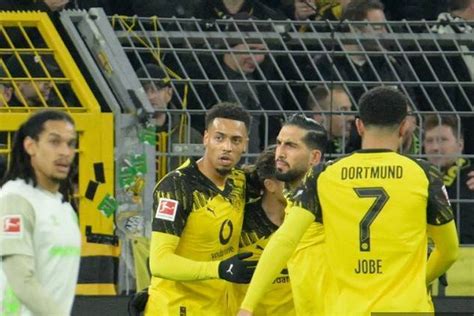
The fan culture surrounding 'Der Klassiker' is another dimension that sets it apart. German football is renowned for its passionate supporters, and the atmospheres in the **Allianz Arena** and **Signal Iduna Park** during these matches are electric. Dortmund’s **Yellow Wall**—the massive standing terrace in their stadium—is a visual and auditory spectacle, representing the unwavering support of their fans. Bayern’s fanbase, while more corporate in some respects, still brings a sense of pride and expectation to these fixtures. The contrast in fan dynamics adds to the narrative of 'Der Klassiker' as a clash not just of teams but of cultures.
From a global perspective, 'Der Klassiker' has become a key fixture in the football calendar for international audiences. The Bundesliga markets this rivalry as a showcase of German football’s quality and competitiveness. With players like **Erling Haaland**, **Robert Lewandowski**, and **Joshua Kimmich** gracing recent editions of the fixture, it has become a stage for some of the world’s best talents. This global appeal is further amplified by the presence of international stars who bring their own narratives and fanbases to the rivalry.
The rivalry also serves as a barometer for the health of German football. When 'Der Klassiker' delivers thrilling contests, it reinforces the Bundesliga’s claim to being one of Europe’s top leagues. However, when one side dominates—as Bayern has in recent years—it sparks debates about competitiveness and the need for structural reforms in the league. This duality highlights how 'Der Klassiker' is not just a game but a reflection of the broader challenges and opportunities within German football.
In summary, 'Der Klassiker' is more than a football match; it is a modern saga that encapsulates ambition, rivalry, and the evolving identity of German football. Its origins may lack the deep historical roots of other iconic rivalries, but its significance lies in its ability to capture the zeitgeist of contemporary football. Whether viewed through the lens of player transfers, fan culture, or the broader economic landscape of the sport, 'Der Klassiker' stands as a testament to how rivalries can be shaped and redefined in the modern era.
- The rivalry is rooted in the contrasting styles and ambitions of Bayern Munich and Borussia Dortmund.
- It gained prominence in the 2010s due to Dortmund's resurgence and high-profile clashes.
- Player transfers between the clubs have added emotional weight to the fixture.
- The global appeal of 'Der Klassiker' showcases the Bundesliga's ability to market its flagship rivalry.
- It reflects broader themes of competitiveness and power dynamics in German football.
By understanding the layered significance of 'Der Klassiker,' one gains insight not just into a football rivalry but into the cultural and economic forces that shape the sport today.
Historical Context of the Rivalry
The rivalry encapsulated by "Der Klassiker" between Bayern Munich and Borussia Dortmund is one of the most compelling narratives in modern football, but its historical roots extend far beyond the spectacle of recent years. To understand the depth of this rivalry, one must delve into the historical development of both clubs, their paths to prominence, and the key moments that have defined their competitive dynamic.
Bayern Munich, founded in 1900, and Borussia Dortmund, established in 1909, began as regional teams with modest ambitions. In the early decades of German football, neither club was a dominant force. Bayern, based in Bavaria, and Dortmund, hailing from the industrial Ruhr region, were shaped by their local contexts. Bayern's early years were marked by financial instability, while Dortmund found initial success in the 1940s and 1950s, winning regional titles. However, it was post-World War II Germany and the advent of the Bundesliga in 1963 that set the stage for their eventual collision.
The Bundesliga's formation was a turning point for both clubs. Bayern Munich was not among the original teams selected for the inaugural season, a decision that fueled their hunger to prove themselves. Dortmund, on the other hand, was part of this initial group and won the championship in 1963. This early success for Dortmund contrasted with Bayern's delayed entry into the league in 1965, after they earned promotion. However, once Bayern arrived, they quickly made their mark, winning their first Bundesliga title in 1969. This period marked the beginning of Bayern's ascent to national dominance, a trajectory that Dortmund, despite early promise, struggled to match consistently in the 1970s.
The 1970s and 1980s saw Bayern establish themselves as the preeminent force in German football. With a golden generation featuring players like Franz Beckenbauer, Gerd Müller, and Sepp Maier, Bayern won multiple Bundesliga titles and three consecutive European Cups (1974–1976). Dortmund, meanwhile, faced periods of instability, including relegation in 1972. This era entrenched a disparity between the clubs—Bayern as the consistent winner and Dortmund as a team grappling with rebuilding.
The dynamic began to shift in the late 1980s and early 1990s. Dortmund's resurgence under manager Ottmar Hitzfeld in the 1990s marked a new chapter. Hitzfeld led Dortmund to back-to-back Bundesliga titles in 1995 and 1996, followed by their UEFA Champions League victory in 1997. This period of success coincided with Bayern's own dominance, creating the first inklings of a rivalry rooted in competition for domestic and European supremacy. The 1990s were significant because they represented the first time both clubs were simultaneously at the peak of their powers, setting the stage for a more intense contest in the decades to come.
The true ignition of "Der Klassiker" as we understand it today occurred in the 2010s. This decade saw Dortmund, under Jürgen Klopp, challenge Bayern's hegemony in a way few other teams had managed. Klopp's Dortmund was built on a high-energy, pressing style of play that captured the imagination of fans and posed a direct threat to Bayern's methodical approach. Between 2010 and 2012, Dortmund won two consecutive Bundesliga titles, breaking Bayern's stranglehold. Their 2012 league win was particularly symbolic, as it came with a 20-point margin over Bayern, the largest in Bundesliga history at the time. This success was compounded by Dortmund's victory over Bayern in the 2012 DFB-Pokal final, completing a domestic double.
However, Bayern's response to this challenge was swift and ruthless. In 2013, they not only reclaimed the Bundesliga title but also defeated Dortmund in the UEFA Champions League final at Wembley Stadium. This match, often referred to as the "German Clasico" final, was a watershed moment. It symbolized Bayern's ability to reassert dominance when challenged and underscored the stakes of their rivalry. The transfer of key Dortmund players like Mario Götze (2013) and Robert Lewandowski (2014) to Bayern further fueled animosity, as it was seen as a direct attempt by Bayern to weaken their fiercest competitor.
The rivalry has also been shaped by off-field dynamics. Bayern's financial muscle, bolstered by their commercial success and ability to attract top talent, has often been a point of contention for Dortmund fans. Dortmund, while also a financially successful club, operates on a different scale, relying heavily on their youth academy and shrewd transfers. This economic disparity has added a layer of tension, with Dortmund often cast as the underdog fighting against Bayern's financial hegemony. This narrative is particularly resonant in the broader context of German football, where the Bundesliga's "50+1" rule is intended to preserve fan ownership but has been navigated differently by the two clubs.
Key milestones in the rivalry include not just on-pitch battles but also symbolic moments that have deepened the animosity. For instance, the 2013 Champions League final was not just a football match but a statement about the balance of power in German football. Similarly, the 2019 DFB-Pokal final, where Bayern thrashed Dortmund 5-0, exemplified the gulf that can exist between the two teams despite their shared ambition. These moments are not isolated; they are part of a broader tapestry of competition that includes player transfers, managerial changes, and even fan culture.
Fan culture is another critical element of the rivalry's historical context. Bayern's supporters often emphasize their club's sustained success and European pedigree, while Dortmund fans take pride in their club's working-class roots and the fervent atmosphere of Signal Iduna Park. The "Yellow Wall," Dortmund's famous terrace, stands as a symbol of their identity, contrasting with Bayern's more corporate image. This cultural dichotomy has added emotional weight to their clashes, elevating them beyond mere sporting contests.
The rivalry has also been influenced by the media and commercial interests. The branding of "Der Klassiker" as a marquee fixture has been a deliberate effort to market the Bundesliga internationally, drawing comparisons to El Clásico in Spain. While the term "Der Klassiker" is a modern invention, it reflects the growing global significance of the fixture, which now attracts viewership far beyond Germany's borders. This commercialization has, in some ways, amplified the historical weight of the rivalry, framing it as a battle for supremacy not just within Germany but in the global football landscape.
In summary, the historical context of the rivalry between Bayern Munich and Borussia Dortmund is a layered narrative of regional pride, financial disparity, on-field battles, and cultural identity. From their humble beginnings to their modern-day status as global footballing giants, the interplay between these two clubs has evolved through key milestones such as Dortmund's 1990s resurgence, Bayern's response in the 2010s, and the symbolic clashes that have defined their relationship. This history is not just about football; it is about the broader socio-economic and cultural forces that have shaped German football, making "Der Klassiker" a fixture rich in meaning and legacy.
Cultural Significance in Germany
The term 'Der Klassiker' refers to the high-stakes football matches between Bayern Munich and Borussia Dortmund, two of Germany’s most successful and iconic clubs. While on the surface, this rivalry might appear to be just another sports contest, it carries a profound cultural resonance that extends far beyond the football pitch. In Germany, 'Der Klassiker' serves as a mirror reflecting the nation’s complex cultural identity, its historical evolution, and the regional pride that underpins much of German society.
At its core, 'Der Klassiker' encapsulates a clash of two distinct regional identities within Germany. Bayern Munich, based in Bavaria, represents the affluent, traditional, and somewhat conservative south of the country. Bavaria is known for its picturesque landscapes, strong regional autonomy, and a sense of separateness from the rest of Germany. This is a region that often prides itself on being "not quite German" in the stereotypical sense—favoring local customs, dialects, and even a degree of political autonomy. Bayern Munich, as the club of this region, embodies these traits. It is a symbol of Bavarian pride, success, and economic power. The club’s consistent dominance in the Bundesliga and its international success are often viewed as extensions of Bavaria’s broader cultural and economic hegemony within Germany.
In contrast, Borussia Dortmund hails from the industrial Ruhr region in western Germany, an area historically defined by coal mining, steel production, and working-class culture. Unlike Bavaria’s more idyllic image, the Ruhr is gritty, urban, and rooted in hard labor. Dortmund’s fan base is deeply tied to this working-class ethos. The club is seen as a symbol of resilience and community, reflecting the region’s history of economic hardship and post-industrial transformation. The supporters of Dortmund often identify with the club as an underdog—a team that fights against the odds, much like the region itself has had to adapt and reinvent in the face of deindustrialization. This dynamic adds a layer of cultural tension to 'Der Klassiker,' as it is not merely a contest of skill but a symbolic struggle between two very different conceptions of German identity: the polished, prosperous south versus the rugged, industrious west.
This regional pride is deeply ingrained in German culture, where the concept of Heimat—a word that loosely translates to "homeland" or "home region"—carries significant emotional weight. Germans often feel a strong attachment to their local regions, and this is particularly evident in how fans of Bayern and Dortmund perceive their clubs. For Bavarians, supporting Bayern is not just about football; it is about upholding the reputation of their Heimat as the standard-bearer of German excellence. For Dortmund fans, their club represents the pride of a region that has faced economic decline but continues to thrive culturally and emotionally through its footballing success. This duality illustrates how 'Der Klassiker' serves as a stage for broader cultural narratives about regional identity and economic disparity within Germany.
Historically, the rivalry also reflects Germany’s post-war trajectory. After World War II, Germany was divided and later reunified, but the economic and cultural differences between its regions persisted. Bavaria, bolstered by American investment and its own entrepreneurial spirit, became an economic powerhouse. The Ruhr region, while also receiving support for reconstruction, faced more prolonged struggles due to the decline of heavy industry. 'Der Klassiker' can be seen as a microcosm of this economic divide. Bayern Munich’s financial dominance and ability to attract top talent globally often draw criticism for being representative of a system where wealthier regions perpetuate their advantage. Dortmund, despite its own financial challenges (such as near-bankruptcy in the early 2000s), is celebrated for its ability to compete at the highest level with a more sustainable, community-focused model. This tension highlights how 'Der Klassiker' is not just about football but also about the ongoing dialogue in Germany regarding wealth distribution, regional development, and the role of tradition versus modernity.
Another dimension of 'Der Klassiker'’s cultural significance lies in its role as a unifying spectacle in a country that has historically been fragmented. Germany’s history is marked by division—whether through the split between East and West during the Cold War or the regional differences that have existed since the time of the Holy Roman Empire. Football, and particularly matches like 'Der Klassiker,' provides a rare opportunity for the nation to come together in a shared experience. While fans of the two clubs are naturally divided, the match itself draws immense national and international attention, making it a cultural event that transcends local loyalties. In this sense, 'Der Klassiker' becomes a symbol of German unity, even as it underscores regional differences. The passion and fervor surrounding the game illustrate how sport can act as a bridge between competing identities, offering a space where rivalries can coexist with a collective sense of belonging.
Additionally, the global appeal of 'Der Klassiker' has transformed it into a vehicle for projecting German culture onto the world stage. German football is often associated with efficiency, discipline, and technical excellence—traits that are frequently attributed to the nation as a whole. Bayern Munich’s meticulous organization and Dortmund’s dynamic, high-energy style of play are seen as embodiments of these national characteristics. The global viewership of the match allows Germany to present itself not just as a country of industrial and economic prowess but also as a nation with a vibrant, competitive, and emotionally charged cultural life. This international exposure reinforces the idea that 'Der Klassiker' is not merely a domestic event but a representation of Germany’s place in the global sports and cultural landscape.
The symbolism of 'Der Klassiker' also extends to the role of football in modern German society. In a country where football is often described as a "people’s sport," the rivalry exemplifies how deeply intertwined the game is with social and cultural life. Clubs like Bayern and Dortmund are not just teams; they are community institutions. They provide a sense of belonging and identity for their supporters, particularly in a society that has grappled with questions of national identity in the aftermath of its complex 20th-century history. For many Germans, supporting one of these teams is a way to connect with a collective narrative that is both regional and national.
To illustrate this further, consider the rituals and traditions associated with 'Der Klassiker.' The Yellow Wall at Dortmund’s Signal Iduna Park—a towering stand of passionate fans—is as much a cultural symbol as it is a physical one. It represents the raw, communal energy of football fandom in Germany. Similarly, Bayern’s Allianz Arena, with its sleek, modern design, reflects the club’s association with innovation and success. These contrasting atmospheres underscore how 'Der Klassiker' is a clash not just of teams but of cultural aesthetics and values.
In summary, 'Der Klassiker' is far more than a football match; it is a cultural event that reflects the multifaceted nature of German identity. It embodies regional pride, economic disparity, post-war transformation, and the unifying power of sport. Through its symbolism, it tells a story of Germany’s past and present, offering a lens through which to understand the interplay of tradition, modernity, and community in one of Europe’s most dynamic nations.
Translation and Interpretation in English
The term Der Klassiker, originating from German, directly translates to "The Classic" in English. On the surface, this translation seems straightforward, but the nuances and cultural connotations embedded in the phrase require a deeper exploration to fully grasp how it is understood and interpreted in English-speaking contexts. While the literal translation captures the essence of a significant event, the term's adoption and resonance in English hinge on the interplay between its sporting roots, historical weight, and the broader sociocultural perceptions of "classics" in different linguistic and cultural settings.
In German, Der Klassiker is most famously associated with the football (soccer) rivalry between Bayern Munich and Borussia Dortmund. This rivalry is one of the most prominent in German football, embodying a clash of titans that often determines the trajectory of the Bundesliga season. When this term is brought into English, it carries with it the weight of a "classic" sporting event—something that is not merely a game but a fixture laden with history, emotion, and significance. However, the English interpretation does not always fully align with the German cultural understanding of what makes something a "Klassiker."
In English, the word classic often connotes something timeless, enduring, and of high quality. A "classic" might refer to a piece of literature, a film, or an event that has stood the test of time and remains relevant or revered. When applied to sports, the term can suggest a fixture with a long-standing history, such as El Clásico in Spanish football (between Barcelona and Real Madrid), which has a global resonance. However, Der Klassiker in English does not yet carry the same universal recognition as El Clásico. This is partly because the term's adoption in English-speaking football circles is relatively recent, and its usage is still in the process of being normalized. The English interpretation, therefore, often requires additional context to establish its gravitas—explaining that it refers specifically to the Bayern-Dortmund rivalry rather than assuming immediate recognition.
One challenge in the translation of Der Klassiker to English lies in the inherent cultural differences in how rivalries are framed. In Germany, the term is used with a sense of pride and acknowledgment of the fixture's importance within the domestic football landscape. It suggests not just a game of high stakes but a match that encapsulates the essence of German football itself—a showcase of skill, passion, and national footballing identity. In contrast, English-speaking audiences might perceive "classic" more as a descriptor of quality or nostalgia rather than as a title imbued with the same depth of cultural specificity. For instance, a "classic" in English might evoke images of a bygone era or a universally celebrated event, whereas in German, Der Klassiker feels more immediate and tied to the present rivalry rather than being exclusively retrospective.
Another layer of interpretation arises from the marketing and globalization of football. The term Der Klassiker has been actively promoted by broadcasters, leagues, and sponsors to elevate the Bayern-Dortmund rivalry to a global audience. In this context, the English translation serves as a tool for branding. By using a recognizable term like "The Classic," marketers aim to position the fixture as a must-watch event for international viewers. However, this approach can sometimes strip the term of its deeper cultural resonances. In German, the phrase is not merely a marketing label; it is a reflection of how the rivalry is perceived within the country. In English, there is a risk of the term feeling imposed or artificial, especially if the audience is unfamiliar with the rivalry's historical and cultural underpinnings.
The connotations of Der Klassiker in English are also influenced by how "classics" are understood in other domains. For example, in literature, a "classic" often refers to works like those of Shakespeare or Dickens—texts that are studied, analyzed, and revisited across generations. In sports, however, the idea of a "classic" is more fluid. A classic match might be one that is remembered for its drama, skill, or significance in a championship race, but it does not necessarily require decades of history to earn the label. This flexibility allows Der Klassiker to be embraced in English as a modern "classic," even if the rivalry itself is not as ancient as some others in global football. This flexibility, however, can also dilute the term's impact if it is not accompanied by a clear narrative explaining why this particular rivalry deserves the title.
From a linguistic perspective, the translation of Der Klassiker into English also raises questions about whether to retain the German phrasing or fully anglicize it. Some English-speaking commentators and fans prefer to use the German term as a mark of authenticity and respect for the original context. This choice preserves the term's distinctiveness and avoids oversimplifying its meaning. However, others argue for a full translation to "The Classic," emphasizing accessibility and ease of understanding for a global audience. This tension between preservation and adaptation reflects broader debates in translation theory—should the goal be to maintain the original's cultural specificity, or should it prioritize universal comprehension?
The English interpretation of Der Klassiker is also shaped by the broader global sports lexicon. English, as a lingua franca of international sports, often absorbs and adapts terms from other languages. For instance, terms like hat-trick (from cricket) or catenaccio (from Italian football tactics) have been integrated into English with varying degrees of fidelity to their original meanings. In this sense, Der Klassiker is part of a larger trend where non-English terms are selectively adopted to enrich the sporting vocabulary. However, the success of this adoption depends on how well the term is explained and contextualized for English-speaking audiences. Without this effort, the phrase risks being seen as a superficial label rather than a meaningful descriptor.
To further explore the nuances, it is worth considering how English-speaking fans and media frame the term. In forums, articles, and broadcasts, Der Klassiker is often accompanied by explanations or comparisons to other high-profile rivalries. This practice suggests that the term is not yet self-explanatory in English and requires supplementary framing to resonate. For example, a commentator might say, “This is Bayern versus Dortmund—what they call Der Klassiker, or The Classic, in Germany,” thereby bridging the gap between the original term and its English interpretation.
In summary, the translation of Der Klassiker into English is a complex process that involves balancing literal meaning, cultural connotations, and the demands of global sports communication. While the term can be directly translated as "The Classic," its full understanding in English requires an appreciation of its origins, the specific rivalry it denotes, and the broader dynamics of how "classics" are conceptualized in different linguistic and cultural contexts. By acknowledging these layers, we can better appreciate how the term functions as both a descriptor and a bridge between German football culture and the global English-speaking audience.
- The term's adoption in English is still evolving, requiring contextual explanation to establish its significance.
- The cultural weight of "classic" differs between German and English, with the former emphasizing immediacy and national identity, and the latter often leaning toward nostalgia or universality.
- The choice between retaining the German term or fully translating it reflects broader debates in translation and sports branding.
- Globalization and marketing efforts play a significant role in shaping how the term is understood and used in English.
This deep dive into the translation and interpretation of Der Klassiker underscores the importance of context, cultural nuance, and the evolving nature of language in sports. It is not merely a matter of direct translation but of navigating the complexities of how meaning is conveyed and received across linguistic and cultural boundaries.
Key Matches and Moments
The phrase "Der Klassiker" has become synonymous with one of the most electrifying rivalries in modern football, pitting **Bayern Munich** against **Borussia Dortmund** in a clash that captures the imagination of fans worldwide. While not as historically rooted as some other rivalries, its intensity and significance in the **Bundesliga** and beyond have made it a centerpiece of the global football narrative. This section delves into the **iconic matches, players, and moments** that define this spectacle, underscoring its role in shaping football's contemporary landscape.
One of the earliest defining moments of Der Klassiker came in the **2012-2013 season**, a period that encapsulated the rivalry's ascent to global prominence. Bayern Munich, under the stewardship of **Jupp Heynckes**, was on a mission to assert dominance after years of Dortmund's resurgence under **Jürgen Klopp**. The two teams met in the **2013 Champions League final at Wembley Stadium**—a match that was not just a Bundesliga showdown but a European decider. Bayern triumphed 2-1, with **Arjen Robben** scoring a late winner, etching his name into Der Klassiker lore. This match was particularly significant because it symbolized a shift in power. Dortmund had won back-to-back Bundesliga titles in 2011 and 2012, but this victory marked Bayern's reassertion as the preeminent force in German football.
The rivalry has also been defined by the presence of **marquee players** who have left indelible marks on both sides. Players like **Robert Lewandowski** epitomize the fluidity and drama of Der Klassiker. Initially a Dortmund star, Lewandowski was instrumental in their 2012 title win, scoring a memorable hat-trick against Bayern in a 5-2 DFB-Pokal final victory. His subsequent move to Bayern in 2014 on a free transfer was a seismic event, stoking the flames of the rivalry. His performances in Der Klassiker have been nothing short of extraordinary—he holds the record for the most goals in this fixture. The symbolism of a player switching allegiances in such a high-profile manner added a layer of personal and professional drama that few other rivalries can replicate.
Another iconic moment came in the **2019 Bundesliga match at the Westfalenstadion**, where Dortmund, then leading the league, hosted Bayern in a top-of-the-table clash. The game ended in a thrilling 3-2 victory for Bayern, showcasing the relentless pace and attacking prowess that characterize this fixture. **Joshua Kimmich's audacious chipped goal** over Roman Bürki in that match is often cited as one of the most technically brilliant moments in Der Klassiker history. Such moments are not just about the result but about the sheer spectacle—this game demonstrated how Der Klassiker often serves as a microcosm of the Bundesliga's blend of tactical discipline and attacking abandon.
The **tactical evolution** of the fixture also deserves mention. Under Klopp, Dortmund's high-pressing "gegenpressing" system challenged Bayern's more possession-oriented approach. This dynamic created some of the most frenetic matches in Der Klassiker history, particularly in the early 2010s. For instance, the **2013 Supercup** saw Dortmund dismantle Bayern 4-2, with their aggressive style overwhelming a Bayern side still adjusting to life after Heynckes. However, as Bayern adapted under **Pep Guardiola** and later **Hansi Flick**, the rivalry took on a new dimension. Guardiola's focus on positional play and Flick's high-intensity football ensured that Bayern could counter Dortmund's energy while maintaining their own identity. These tactical clashes reveal how Der Klassiker is not just about individual brilliance but also about how two contrasting footballing philosophies collide.
A deeper look at the fixture's history reveals how **individual moments of brilliance** often define its legacy. Take, for example, the **2015 DFB-Pokal semifinal**, where Bayern won 1-0 thanks to a stunning free-kick from **Thiago Alcântara**. Such moments underscore how Der Klassiker often hinges on the finest of margins. Similarly, Dortmund's 3-2 win in 2018, fueled by a **Pacode Alcácer double**, showcased how even when Bayern seemed ascendant, Dortmund could produce moments of magic to keep the rivalry alive.
The global appeal of Der Klassiker is also tied to its **narrative arcs** involving players and managers. The managerial duel between Klopp and **Carlo Ancelotti** in the mid-2010s, for instance, highlighted the contrast between Dortmund's emotional, high-energy approach and Bayern's methodical efficiency. When **Erling Haaland** burst onto the scene for Dortmund in the late 2010s, his explosive performances added a new layer of intrigue. His brace in a 2-3 loss to Bayern in 2020 exemplified how even in defeat, Dortmund could produce moments that kept the rivalry's flame burning bright.
What makes Der Klassiker stand out in the global football narrative is its **consistent delivery of high-stakes drama**. Unlike some rivalries that ebb and flow with the fortunes of the teams involved, this fixture has maintained its intensity due to the teams' perennial competitiveness at the top of the Bundesliga. This is evident in the **2021-2022 season**, where Dortmund, bolstered by young talents like **Jude Bellingham**, pushed Bayern in a 2-3 loss that was far closer than the scoreline suggested. The fixture's ability to produce nail-biting finishes, regardless of the broader context of the season, is a testament to its enduring appeal.
Beyond the matches themselves, Der Klassiker has also been shaped by its **cultural and commercial impact**. The fixture is a showcase event for the Bundesliga, often scheduled at prime times to maximize viewership. This has elevated its status beyond Germany, turning it into a global event that draws millions of viewers. The presence of international stars like **Lewandowski**, **Haaland**, and **Thomas Müller** has further cemented its place in the football zeitgeist. For instance, Müller's description of the fixture as "the mother of all games" reflects its weight in the minds of players and fans alike.
The fixture's history is also punctuated by **controversial moments** that add spice to the rivalry. From disputed refereeing decisions to contentious transfers, Der Klassiker has rarely been short of drama. One such moment was the 2014 DFB-Pokal clash, where a late **penalty decision in Bayern's favor** sparked outrage among Dortmund fans. These incidents, while divisive, contribute to the rivalry's emotional resonance, ensuring that every edition of Der Klassiker is awaited with bated breath.
In summary, Der Klassiker is not merely a football match; it is a **theater of dreams and heartbreak**, where iconic players, unforgettable goals, and tactical masterclasses converge. From the tactical battles of Klopp and Guardiola to the goalscoring exploits of Lewandowski and Haaland, the fixture has provided some of the most memorable chapters in modern football history. Its ability to blend high-stakes competition with human drama ensures that it remains a cornerstone of the global football narrative, a fixture that defines not just the Bundesliga but the very essence of the sport's competitive spirit.
Impact on Global Football Fans
The rivalry known as "Der Klassiker" between Bayern Munich and Borussia Dortmund is one of the most electrifying fixtures in German football. While its roots are deeply embedded in the domestic Bundesliga, its impact on global football fans has grown significantly over the past two decades. This section delves into how this rivalry resonates with international audiences and its pivotal role in popularizing German football on the world stage.
One of the primary reasons "Der Klassiker" has captured the imagination of global fans is the **star power** associated with the two clubs. Bayern Munich and Borussia Dortmund have consistently fielded some of the most talented players in the world, many of whom have gone on to become household names. Players like Robert Lewandowski, who transitioned from Dortmund to Bayern, or the rise of young stars such as Erling Haaland and Jude Bellingham, have drawn attention not just from German supporters but from fans across continents. These players are not only ambassadors for their clubs but for the Bundesliga as a whole. When they take to the pitch in "Der Klassiker," the match becomes a showcase of elite talent that appeals to a broad audience. The visibility of these stars in international competitions like the UEFA Champions League further amplifies the rivalry's appeal. For instance, when Dortmund faced off against Bayern in the 2013 Champions League final at Wembley, it was a moment that cemented the fixture's status as a must-watch event for football fans beyond Germany.
Another critical factor is the **narrative of competition** that "Der Klassiker" provides. Unlike some other football rivalries that are rooted in local or regional tensions, this one has evolved into a battle for supremacy that resonates with the modern, globalized football fan. The dynamic of Bayern Munich as the perennial powerhouse and Borussia Dortmund as the plucky challenger creates a story arc that is easy for international audiences to follow. Bayern's dominance—often characterized by their financial might and ability to attract top talent—contrasts sharply with Dortmund's reputation for nurturing young talent and playing an exciting, high-pressing style of football. This David-versus-Goliath dynamic appeals to fans who enjoy rooting for the underdog or marveling at the efficiency of a footballing giant. Such narratives are universal and allow fans from diverse football cultures to find a point of connection, whether they are in Asia, South America, or North America.
The **broadcast and digital reach** of "Der Klassiker" has also played a significant role in its global resonance. The Bundesliga has invested heavily in international broadcasting rights, ensuring that matches are accessible to viewers in over 200 countries. This widespread availability means that fans in markets like India, the United States, and China can tune in to watch "Der Klassiker" live. Social media platforms have further amplified this reach. Highlights, player interviews, and pre-match build-up are shared widely, often accompanied by hashtags like #DerKlassiker that trend globally. This digital engagement allows fans to participate in the rivalry even if they are thousands of miles away from the Allianz Arena or Signal Iduna Park. For example, during the 2020 "Geisterspiele" (ghost games) era due to COVID-19, the absence of stadium crowds did not diminish the global interest in "Der Klassiker." Instead, the match became a focal point for fans engaging in virtual watch parties, live chats, and online debates, underscoring its role as a global event rather than a purely domestic one.
The rivalry also contributes to **the perception of the Bundesliga as an entertaining league**. While other leagues like the English Premier League or La Liga often dominate discussions about the world's best football, "Der Klassiker" serves as a flagship event that showcases the Bundesliga's unique qualities. German football is often associated with high-scoring games, fast-paced action, and a strong emphasis on youth development. These characteristics are on full display during matches between Bayern and Dortmund, which frequently feature end-to-end play and dramatic goals. For instance, the 2012/13 season saw Dortmund and Bayern combine for over 150 goals in the league, with their head-to-head clashes epitomizing the attacking ethos of the Bundesliga. This style of play stands in contrast to the more defensively-oriented approaches seen in some other leagues, making "Der Klassiker" an attractive proposition for fans who crave excitement and unpredictability.
Additionally, the rivalry has a **symbolic importance in the globalization of German football**. Historically, German football was not as widely followed internationally as its English or Spanish counterparts. However, "Der Klassiker" has acted as a gateway for fans to explore the Bundesliga. When international viewers tune in to watch Bayern and Dortmund, they are often exposed to other teams and storylines within the league. For example, a neutral fan watching "Der Klassiker" might become interested in the rise of RB Leipzig or the tactical innovations of coaches like Julian Nagelsmann. This ripple effect helps elevate the profile of the entire league, making it more than just a two-team competition in the eyes of global audiences. The success of "Der Klassiker" in drawing attention to German football is evident in the growing number of international fan clubs for both Bayern and Dortmund, as well as the Bundesliga's increasing presence in overseas markets.
It is also worth noting the **cultural exchange facilitated by "Der Klassiker."** The rivalry has become a cultural touchstone for fans who may not have a direct connection to Germany but are drawn to the passion and spectacle of the match. The vibrant atmospheres of both clubs' stadiums—particularly Dortmund's "Yellow Wall," the largest standing terrace in Europe—have become iconic images associated with German football. These visuals are often shared in documentaries, highlight reels, and promotional content aimed at international audiences. Such exposure not only popularizes the clubs but also fosters a sense of curiosity about German football culture, traditions, and even the country itself. This cultural resonance is particularly strong in regions where football is seen as more than just a sport—it becomes a way to connect with a global community.
From a **commercial perspective**, "Der Klassiker" has been instrumental in attracting sponsors and partners who see the fixture as a platform to reach a global audience. Brands associated with Bayern and Dortmund benefit from the visibility of this high-profile match, which often draws higher viewership numbers than regular Bundesliga fixtures. This commercial aspect indirectly supports the growth of German football by providing clubs with the resources to invest in infrastructure, youth academies, and marketing campaigns aimed at international fans. For instance, the presence of international stars like Alphonso Davies (a Canadian playing for Bayern) or Shinji Kagawa (a Japanese player who starred for Dortmund) demonstrates how the rivalry can serve as a bridge between German football and new markets.
In conclusion, "Der Klassiker" is more than just a fixture between two German clubs; it is a **global phenomenon** that has reshaped how international audiences perceive German football. Through its star-studded lineups, compelling narratives, digital accessibility, and cultural significance, the rivalry has become a key driver in popularizing the Bundesliga worldwide. As the competition continues to evolve, its ability to captivate fans from all corners of the globe ensures that "Der Klassiker" will remain a cornerstone of football's international appeal.
Comparison with Other Football Rivalries
When discussing football rivalries, the term "Der Klassiker" often emerges as one of the most prominent fixtures in modern European football. However, to fully understand its place in the pantheon of iconic clashes, it is essential to compare it with other celebrated rivalries such as El Clásico and the Manchester Derby. Each of these matches carries its own historical weight, cultural significance, and footballing drama, but Der Klassiker offers a set of unique aspects that distinguish it from its counterparts.
First, let us consider El Clásico, the storied rivalry between FC Barcelona and Real Madrid. This fixture is steeped in political and cultural overtones that go beyond football. Originating in the early 20th century, El Clásico has long symbolized the tensions between Catalonia and Castile, with Barcelona representing Catalan identity and Madrid embodying the central Spanish state. The rivalry is as much about regional pride and historical grievances as it is about the beautiful game. This backdrop gives El Clásico a layer of intensity that is hard to replicate in other rivalries. However, Der Klassiker, while lacking the overt political dimension of El Clásico, offers a different kind of narrative rooted in modern footballing dominance. The matches between Bayern Munich and Borussia Dortmund epitomize the clash of two German clubs that have dominated the Bundesliga in recent decades. Unlike El Clásico, where the political undertones often overshadow the football itself, Der Klassiker is a more straightforward contest of sporting excellence. This focus on athletic competition rather than external narratives sets it apart as a rivalry defined by on-field brilliance rather than off-field symbolism.
The Manchester Derby, between Manchester United and Manchester City, offers another point of comparison. This rivalry has evolved significantly over the years, particularly with the rise of Manchester City as a financial and footballing powerhouse following their acquisition by the Abu Dhabi United Group in 2008. Before this, the Manchester Derby was a more localized affair, with United traditionally holding the upper hand. The modern era has seen City challenge United's historical dominance, creating a dynamic of shifting power. In this sense, the Manchester Derby shares some similarities with Der Klassiker, particularly in the way it represents a competition between two clubs vying for supremacy within a single league. However, the Manchester Derby often retains a sense of parochialism—it is a battle for the city of Manchester, with fans from both sides living in close proximity. In contrast, Der Klassiker is less about geographic proximity and more about national dominance. Bayern Munich and Borussia Dortmund are not city rivals but rather the two most successful clubs in Germany, making their rivalry a macro-level contest for the soul of the Bundesliga rather than a localized skirmish.
One of the most intriguing aspects of Der Klassiker is its fluidity of power dynamics compared to other rivalries. While Real Madrid and Barcelona have historically been titans of Spanish football, their rivalry has often been characterized by a sense of permanence—Barcelona as the symbol of free-flowing, possession-based football and Real Madrid as the embodiment of clinical efficiency and star power. Similarly, the Manchester Derby, despite City's recent successes, still carries the weight of United's historical dominance. Der Klassiker, on the other hand, has seen a more pronounced shift in power over the last two decades. Bayern Munich has been the unquestioned giant of German football, but Dortmund's rise in the early 2010s under Jürgen Klopp brought a period of genuine competition. Dortmund's back-to-back Bundesliga titles in 2011 and 2012, coupled with their run to the UEFA Champions League final in 2013, represented a genuine threat to Bayern's hegemony. This ebb and flow of power—where Dortmund can rise and fall as a genuine contender—makes Der Klassiker a rivalry that is less static and more dynamic than its counterparts. The unpredictability of Dortmund's ability to challenge Bayern, even if intermittently, adds a layer of excitement that is sometimes missing in the more entrenched rivalries like El Clásico or the Manchester Derby.
Another distinguishing factor is the style of play associated with each rivalry. El Clásico is often a showcase of contrasting philosophies—Barcelona’s tiki-taka versus Real Madrid’s counterattacking prowess. The Manchester Derby, depending on the era, can oscillate between physical battles and tactical chess matches. Der Klassiker, however, is often defined by a shared commitment to high-intensity, attacking football. Both Bayern and Dortmund prioritize aggressive, forward-thinking play, which often results in matches that are end-to-end spectacles. This shared ethos of attacking football creates a different kind of spectacle—one where the focus is less on tactical divergence and more on sheer entertainment value. For instance, matches like the 2013 Champions League final between the two teams at Wembley showcased this shared DNA, with both teams prioritizing attack over caution. This aspect of Der Klassiker makes it unique in the sense that it often feels like a celebration of German football's attacking identity rather than a clash of opposing styles.
The global appeal of these rivalries also provides an interesting point of comparison. El Clásico is undoubtedly one of the most-watched sporting events in the world, with its blend of star players, historical significance, and global fanbases. The Manchester Derby, while growing in international viewership, still largely appeals to a UK-centric audience with a sprinkling of global interest. Der Klassiker, while not as universally followed as El Clásico, has seen its global profile rise significantly in the last decade. This is largely due to the export of talent—players like Robert Lewandowski, who has played for both clubs, and the visibility of managers such as Jürgen Klopp and Pep Guardiola, who have had stints at Dortmund and Bayern respectively. Additionally, the Bundesliga’s accessible broadcasting model and its emphasis on fan-friendly practices (such as affordable ticket prices and a strong focus on youth development) have helped elevate Der Klassiker’s appeal. This makes it a rivalry that is accessible and relatable to a global audience without the sometimes alienating aura of El Clásico’s political baggage or the Manchester Derby’s localized intensity.
Finally, the commercial and marketing aspects of these rivalries play a role in their perception. El Clásico benefits from the star power of players like Lionel Messi and Cristiano Ronaldo in its recent history, making it a fixture that transcends football into the realm of global entertainment. The Manchester Derby has similarly been boosted by the financial clout of Manchester City and the historical prestige of Manchester United. Der Klassiker, while not as star-studded in terms of individual player rivalries, benefits from the consistent quality of its teams. Bayern Munich’s dominance in the Bundesliga and Dortmund’s ability to produce and sell world-class talent (such as Erling Haaland and Jude Bellingham) ensure that the rivalry remains relevant even without the hyper-individualized narratives of other clashes. This focus on team-based success rather than individual stardom is a subtle but important distinction.
In summary, while Der Klassiker may lack some of the historical and political gravitas of El Clásico or the localized fervor of the Manchester Derby, it carves out its own niche as a rivalry defined by modern footballing excellence, dynamic power shifts, and a shared commitment to attacking play. Its global appeal, fueled by the Bundesliga's accessibility and the consistent quality of its participants, ensures that it stands as a unique fixture in the world of football rivalries—one that is less about history and more about the here and now of the sport's evolution.
Media and Marketing of 'Der Klassiker'
The marketing of 'Der Klassiker' in English-speaking regions represents a fascinating interplay between traditional football rivalry and global sports media dynamics. While the term itself—originally German for "The Classic"—has been adopted to describe the matches between Bayern Munich and Borussia Dortmund, its appeal to an international audience hinges on how the rivalry is framed and presented through media and marketing strategies. This section explores the ways in which the rivalry is packaged for English-speaking audiences, its role in global sports media, and the broader implications for football as a commercial product.
One of the key aspects of marketing 'Der Klassiker' in English-speaking regions is the **localization of narrative**. Unlike domestic rivalries such as El Clásico (Barcelona vs. Real Madrid), which have a clear historical and political backdrop, 'Der Klassiker' lacks a similarly entrenched narrative for non-German audiences. To bridge this gap, marketers have leaned into **personality-driven storytelling**. The rivalry between players like Robert Lewandowski (formerly of Dortmund, now at Bayern) and Erling Haaland (now at Manchester City but a former Dortmund star) is highlighted as a central theme. These individual rivalries are easier for global audiences to grasp, as they focus on familiar tropes of competition, ambition, and legacy. For instance, when Lewandowski moved to Bayern from Dortmund in 2014, the media framed it as a "betrayal" in some quarters, adding emotional weight to matches involving the two teams. This personal angle is amplified in pre-match promos, where broadcasters use highlight reels and interviews to emphasize the stakes for individual players rather than just the teams.
Another critical element is **the role of the Premier League as a benchmark**. English-speaking audiences, particularly in the United States, Canada, and the UK, are accustomed to seeing the Premier League as the pinnacle of global football. To position 'Der Klassiker' as a must-watch event, marketers often draw comparisons to high-profile Premier League fixtures like Manchester United vs. Liverpool or the Manchester Derby. For example, promotional campaigns might frame 'Der Klassiker' as "Germany’s answer to the Manchester Derby," leveraging the Premier League’s established global brand to elevate the Bundesliga’s profile. This strategy is evident in partnerships between Bundesliga broadcasters and Premier League networks, where cross-promotion is used to capture audience overlap. By associating 'Der Klassiker' with the high-octane action and star power of Premier League fixtures, marketers can tap into an existing audience base that already values the spectacle of top-tier football.
The **globalization of football fandom** has also played a significant role in the marketing of 'Der Klassiker'. English is the lingua franca of global sports media, and as such, the rivalry is frequently discussed in terms accessible to a non-German audience. Social media platforms like Twitter, Instagram, and TikTok are central to this effort. Hashtags like #DerKlassiker and #BayernDortmund are promoted heavily before matchdays, often accompanied by English-language content such as player interviews, tactical breakdowns, and fan polls. These platforms allow the Bundesliga to directly engage with fans who might not watch German football regularly but are drawn in by the spectacle of a marquee event. For instance, ahead of a 'Der Klassiker' match, the Bundesliga’s official accounts might share infographics comparing the two teams’ recent form or player stats, all presented in English to maximize reach. This approach not only educates casual fans but also reinforces the idea that 'Der Klassiker' is a globally significant event.

In addition to social media, **broadcast partnerships** are instrumental in shaping the global perception of 'Der Klassiker'. Networks like ESPN, Sky Sports, and beIN SPORTS often dedicate extensive pre- and post-match coverage to the fixture, with English-speaking pundits and analysts providing context for viewers. These broadcasts often include features on the history of the rivalry, the economic stakes for both clubs, and the broader implications for the Bundesliga title race. The presence of former players or managers from the Premier League as guest analysts further helps to localize the narrative for English-speaking audiences. For example, a former Premier League striker might compare the intensity of 'Der Klassiker' to their own experiences in high-stakes matches, making the event feel more relatable to viewers unfamiliar with the Bundesliga’s nuances.
A unique challenge for marketers is **differentiating 'Der Klassiker' from other global football rivalries**. Unlike El Clásico or the Manchester Derby, which are steeped in decades of history and cultural significance, 'Der Klassiker' is a relatively modern phenomenon. The term itself only gained widespread use in the 2010s, coinciding with Dortmund’s resurgence under Jürgen Klopp and their back-to-back Bundesliga titles in 2011 and 2012. To address this, marketers have positioned 'Der Klassiker' as a **contemporary classic**, emphasizing its role in modern football’s global era. This framing appeals to younger, digitally native audiences who are less concerned with historical pedigree and more interested in high-quality, fast-paced football. Promotional materials often focus on the attacking styles of both teams, showcasing their prolific goal-scoring records and the fast transitions that characterize their matches. This emphasis on entertainment value ensures that the rivalry is marketed not just as a historical event but as a spectacle tailored to the preferences of a global, digitally engaged audience.
The **economic dimension** of marketing 'Der Klassiker' cannot be overlooked. English-speaking regions represent a lucrative market for Bundesliga sponsors and broadcasters. Companies like Adidas (a sponsor of both Bayern and Dortmund) and global brands associated with the league use the fixture as a platform to reach international consumers. Marketing campaigns often tie in product launches or exclusive merchandise drops around 'Der Klassiker' matchdays, leveraging the event’s visibility to drive sales. For instance, limited-edition jerseys or "rivalry packs" featuring both teams’ colors are marketed heavily in the lead-up to the match, often with English-language advertising tailored to online shoppers in the US, UK, and other key markets. This commercial angle underscores how 'Der Klassiker' is not just a football match but a **global brand event**.
Finally, the role of **fan engagement initiatives** must be considered. English-speaking fan groups, particularly in North America, are courted through watch parties, fan zones, and digital experiences. The Bundesliga has been proactive in organizing events in cities like New York, Los Angeles, and Toronto, where local supporters can gather to watch 'Der Klassiker' in a communal setting. These initiatives are often accompanied by English-language content, such as matchday guides, fan interviews, and even trivia contests, all designed to make the event feel inclusive and accessible. This grassroots approach complements the high-level media campaigns, creating a sense of community among international fans and reinforcing the idea that 'Der Klassiker' is a shared global experience.
In conclusion, the marketing of 'Der Klassiker' in English-speaking regions is a multi-faceted effort that combines **localized storytelling**, **comparisons to established rivalries**, and **digital engagement strategies**. By framing the rivalry as both a contemporary spectacle and a globally relevant event, marketers have successfully positioned it as a key fixture in the international sports calendar. This approach not only elevates the Bundesliga’s profile but also demonstrates how football rivalries can be reimagined for a global, English-speaking audience while retaining their core competitive spirit.
Challenges in Preserving Its Identity Abroad
The concept of 'Der Klassiker'—the storied rivalry between German football giants Bayern Munich and Borussia Dortmund—carries a weight of history, emotion, and cultural significance that is deeply rooted in the fabric of German football. When this term is localized for English-speaking audiences, however, there are inherent challenges in preserving its identity. These challenges stem from linguistic nuances, cultural dissonance, and the risk of diluting the term's essence in translation and adaptation. To address these issues comprehensively, we must consider the interplay of cultural context, audience expectations, and the globalization of sports branding.
One of the primary challenges lies in the literal translation of 'Der Klassiker.' While the term translates directly to 'The Classic' in English, this phrase lacks the gravitas and specificity that the original German conveys. In German football culture, 'Der Klassiker' is not merely a label for a high-profile match; it is a symbol of the rivalry's historical depth, its role in shaping Bundesliga narratives, and its embodiment of national football pride. In English, 'The Classic' is a generic term often used to describe any noteworthy event or match, which risks reducing the unique identity of this fixture to something mundane or interchangeable. This dilution can erode the emotional resonance that German fans associate with the term and, by extension, alienate international audiences who might not grasp its full significance.
Another challenge arises from the differences in how rivalries are framed in English-speaking sports cultures. In countries like the United States or the United Kingdom, sports rivalries are often marketed with a heavy emphasis on spectacle, individual star power, and commercial appeal. For instance, the NFL’s Super Bowl or the Premier League’s Manchester Derby are branded as entertainment events as much as they are athletic contests. 'Der Klassiker,' however, has a more organic and community-driven identity in Germany, rooted in the clubs' histories, regional pride, and fan culture. When localized, there is a risk of over-commercializing the term to fit the mold of English-speaking sports marketing, which might strip away its authenticity. For example, if promotional campaigns focus too heavily on star players like Robert Lewandowski or Erling Haaland rather than the clubs' collective legacies, the rivalry’s deeper meaning might be overshadowed by individual narratives that are easier to market but less culturally resonant.
The issue of audience segmentation also plays a role. English-speaking audiences are diverse, ranging from die-hard football enthusiasts familiar with Bundesliga traditions to casual viewers who may only tune in for marquee events like the UEFA Champions League. This heterogeneity creates a dilemma for content creators and broadcasters. Should 'Der Klassiker' be presented as a niche event for purists who appreciate its historical depth, or should it be packaged as a mainstream spectacle to attract broader audiences? Striking this balance is difficult. Overemphasizing accessibility might alienate purists who value the rivalry’s intricacies, while catering exclusively to hardcore fans could limit its reach and commercial potential in English-speaking markets.
Moreover, the localization process must contend with the risk of cultural misinterpretation. In Germany, the rivalry between Bayern and Dortmund is infused with socio-political undertones, such as the contrast between Bayern’s perceived corporate dominance and Dortmund’s image as a club rooted in working-class ethos. These subtleties might not translate easily into English-language narratives, particularly if the target audience lacks familiarity with German football history or socio-economic dynamics. Without proper contextualization, the rivalry could be reduced to a surface-level "clash of titans" narrative, which fails to capture the layers of meaning that make 'Der Klassiker' unique.
A related challenge is the potential homogenization of football rivalries in the global sports landscape. As leagues and clubs increasingly market themselves to international audiences, there is a tendency to present rivalries in a standardized way that emphasizes universal appeal over local distinctiveness. This approach can lead to a phenomenon where 'Der Klassiker' becomes just another entry in a global catalog of "big matches," losing its distinctive identity in favor of a one-size-fits-all branding strategy. For instance, if promotional materials emphasize generic themes like "the best players in the world" or "high-stakes drama," they risk overshadowing the rivalry’s specific historical and cultural context.
To address these challenges, a thoughtful approach to localization is required. One potential strategy is to adopt a hybrid approach that preserves the German term while providing English-language audiences with context. For example, instead of translating 'Der Klassiker' to 'The Classic,' broadcasters and marketers could use the original term alongside explanatory content. This could include short videos, infographics, or commentary that highlights the rivalry’s history, key moments, and cultural significance. Such an approach not only respects the term’s original meaning but also educates international audiences, fostering a deeper appreciation for its uniqueness.
Another solution is to involve German football experts or cultural ambassadors in the localization process. These individuals can provide authentic insights into the rivalry’s nuances, ensuring that its identity is preserved even as it is adapted for new audiences. For instance, former players or journalists with deep ties to the Bundesliga could be enlisted to create localized content that bridges the gap between German and English-speaking football cultures. This would help convey the emotional and historical weight of 'Der Klassiker' in a way that resonates with international viewers without compromising its authenticity.
Additionally, there is value in leveraging digital platforms to create immersive experiences that showcase the rivalry’s identity. For example, interactive timelines, fan testimonials, and behind-the-scenes documentaries can provide English-speaking audiences with a richer understanding of what makes 'Der Klassiker' special. These efforts can serve as a counterbalance to the commercial pressures of localization, ensuring that the term’s essence is not lost amid efforts to appeal to a global audience.
Finally, it is essential to recognize that the challenge of preserving 'Der Klassiker'’s identity abroad is not solely a linguistic or marketing issue—it is also a question of respect for the cultural origins of the term. Localization efforts must be rooted in a genuine appreciation for the rivalry’s roots rather than a superficial attempt to repackage it for profit. This requires collaboration between German and English-speaking stakeholders to ensure that the term’s legacy is honored even as it is introduced to new audiences. By prioritizing authenticity over commercial expediency, the global football community can ensure that 'Der Klassiker' retains its identity while gaining new admirers abroad.
- Preserving the term’s original meaning while providing contextual education can help maintain its authenticity.
- Involving cultural ambassadors ensures a nuanced understanding of the rivalry’s significance.
- Digital platforms can offer immersive experiences that deepen audience appreciation for 'Der Klassiker.'
In conclusion, the challenges of preserving 'Der Klassiker'’s identity abroad are multifaceted, involving linguistic, cultural, and commercial considerations. However, with a thoughtful and respectful approach to localization, it is possible to introduce this iconic rivalry to English-speaking audiences without sacrificing its essence. By emphasizing education, collaboration, and authenticity, stakeholders can ensure that 'Der Klassiker' remains a symbol of German football pride even as it finds a place in the global sports lexicon.
Conclusion and Future Outlook
The legacy of 'Der Klassiker' extends far beyond the boundaries of German football. It represents a microcosm of the sport's evolution, a clash of identities, and a stage where narratives of rivalry, excellence, and cultural significance converge. To understand its enduring impact, one must look at the historical weight it carries and its ability to shape perceptions of German football on the global stage. This is not merely a fixture between two teams—it is a spectacle that encapsulates the essence of modern football's drama, passion, and global reach.
At its core, 'Der Klassiker' symbolizes a duality of tradition and modernity. On one hand, it is rooted in the storied histories of Bayern Munich and Borussia Dortmund, two clubs that have come to define German football's domestic and European ambitions. Bayern, with its unparalleled dominance in the Bundesliga and consistent presence in European competitions, represents the archetype of institutional success. Dortmund, with its vibrant fan culture, emphasis on youth development, and moments of brilliance, stands as the spirited challenger, embodying the romance of the underdog. This dichotomy enriches the fixture's narrative and ensures it remains a central pillar of the Bundesliga's appeal.
The rivalry has also been a proving ground for some of the sport's most iconic players and managers. From the tactical masterclasses of Jürgen Klopp to the clinical efficiency of Pep Guardiola, 'Der Klassiker' has often been a showcase of footballing innovation. Players like Robert Lewandowski, who crossed the divide, and Erling Haaland, who brought a new dimension of physicality and goal-scoring prowess, have elevated the fixture's status. These individual stories, intertwined with the clubs' trajectories, add layers of intrigue that resonate with global audiences. This is not just a match—it is a stage where legacies are forged and tested.
The global appeal of 'Der Klassiker' has grown exponentially in the digital age. Streaming platforms, social media engagement, and international broadcast deals have turned it into a marquee event that transcends national borders. For fans in Asia, the Americas, and Africa, this fixture often serves as an introduction to the Bundesliga. Its timing, intensity, and star power make it a gateway for audiences who might otherwise gravitate toward the Premier League or La Liga. In this sense, 'Der Klassiker' acts as a cultural ambassador for German football, bridging the gap between local traditions and international audiences. This global outreach is likely to play an even more significant role as football becomes increasingly commercialized and digitized.
However, the future of 'Der Klassiker' is not without challenges. One of the key questions is whether the fixture can maintain its allure in the face of changing football dynamics. The rise of state-backed clubs like Paris Saint-Germain and Manchester City has shifted the balance of power in European football. While Bayern Munich has managed to remain competitive at the highest level, Dortmund has often struggled to retain its top talents, a trend that could dilute the competitive edge of the rivalry. If Dortmund's ability to challenge Bayern diminishes further, there is a risk that 'Der Klassiker' could lose some of its luster as a true contest rather than a predictable outcome.
This leads to speculation about the evolving role of 'Der Klassiker' in global football narratives. One potential trajectory is its transformation into a symbol of resilience and adaptability. For Dortmund, the challenge lies in reinventing itself as a sustainable competitor. Investing in infrastructure, retaining key talents for longer periods, and continuing to innovate tactically could redefine the rivalry. For Bayern, the question is how to balance dominance with the need for compelling competition. A one-sided rivalry risks alienating neutral fans who crave unpredictability. Thus, the evolution of 'Der Klassiker' may hinge on how both clubs navigate these pressures while staying true to their identities.
Another intriguing aspect is the role of emerging talents and the global football market. The fixture has historically been a stage for young players to announce themselves to the world. As football academies in Germany and beyond produce a new generation of stars, 'Der Klassiker' could serve as a launchpad for careers that shape the sport's future. This dynamic not only reinforces the fixture's importance but also positions it as a bellwether for the health of German football's talent pipeline. The involvement of players from diverse backgrounds also highlights the growing multiculturalism of the Bundesliga, a trend that could deepen the fixture's global resonance.
Additionally, the fixture's role in the broader football ecosystem could expand as leagues and clubs grapple with sustainability and fan engagement. The environmental impact of football, fan activism, and the push for financial fairness are all factors that could influence how 'Der Klassiker' is perceived. Clubs like Dortmund, with their strong community ties and vocal supporter base, might use the fixture to champion causes that resonate with modern audiences. Bayern, as a leader in the Bundesliga, could also use its platform to address issues of inclusivity, fairness, and the future of the sport. These narratives, if integrated into the rivalry, could elevate 'Der Klassiker' from a simple match to a symbol of football's capacity for positive change.
Speculating further, the fixture might also adapt to new formats and competitions. With discussions around a European Super League resurfacing periodically, and the increasing focus on global tournaments like the expanded Club World Cup, 'Der Klassiker' could find itself recontextualized within a larger framework of elite football. Imagine a scenario where Bayern and Dortmund meet not just in the Bundesliga but as representatives of Europe in a global championship. Such developments would add new dimensions to the rivalry, potentially amplifying its significance while challenging its traditional structure.
In conclusion, 'Der Klassiker' is more than a fixture—it is a living, breathing entity within the football world. Its legacy is built on decades of fierce competition, iconic moments, and the ability to capture the imagination of fans worldwide. Yet, its future is not set in stone. As football evolves, so too must this rivalry. Whether through greater emphasis on sustainability, the integration of new talents, or the exploration of innovative competition formats, 'Der Klassiker' has the potential to remain a cornerstone of global football narratives. It is a story that is still being written, one match at a time, and its next chapters promise to be as compelling as its past.
- The rivalry encapsulates a blend of tradition and modernity, making it a unique fixture in football.
- Global outreach and digital engagement have amplified its significance beyond Germany.
- Challenges such as talent retention and one-sided dominance must be addressed to sustain its appeal.
- Emerging talents and evolving football ecosystems could redefine its role in the sport.
- Potential adaptations to new formats or global competitions could recontextualize the rivalry.
As 'Der Klassiker' continues to evolve, it will not only reflect the state of German football but also serve as a mirror to the sport's broader trajectory. Its ability to adapt, inspire, and endure will determine whether it remains a fixture of historical importance or transforms into a beacon of football's future.