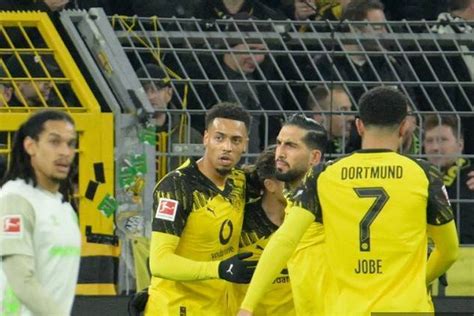
Introduction to Serge Gnabry
Serge Gnabry, a name synonymous with pace, precision, and versatility in modern football, has established himself as one of the most dynamic wingers in the world. To understand the journey of this prodigious talent, we must delve into his early life, his roots, and the formative experiences that shaped his path to professional football. This section offers a detailed exploration of Gnabry’s upbringing, his initial exposure to the sport, and the key moments that set him on the trajectory to stardom.
Born on **July 14, 1995**, in Stuttgart, Germany, Serge David Gnabry was introduced to a multicultural environment from the outset. His father, Jean-Hermann Gnabry, hails from the Ivory Coast, while his mother is German. This blend of African and European heritage not only influenced his identity but also instilled in him a unique perspective on life and sport. Growing up in the suburban town of Weissach, Gnabry was exposed to a supportive yet competitive atmosphere within his family. His father, a former athlete himself, played a pivotal role in nurturing Serge’s athletic potential. Jean-Hermann emphasized discipline and hard work, values that would later define Gnabry’s approach to his career.
From an early age, Gnabry displayed a natural aptitude for sports. While football was his primary passion, he also excelled in athletics, particularly sprinting. This early exposure to sprinting is often cited as a key factor in his explosive speed on the pitch today. His ability to outpace defenders and make sharp, incisive runs can be traced back to those formative years when he combined football training with track and field activities. This dual focus on speed and endurance laid the groundwork for the physical attributes that would later make him a nightmare for defenders in one-on-one situations.
Gnabry’s entry into organized football came through **TSV Weissach**, a local club where he began honing his skills as a youngster. Even at this stage, his talent was evident. Coaches and peers alike noted his ability to control the ball with finesse and his instinctive understanding of space and movement. However, it was his move to **VfB Stuttgart’s youth academy** at the age of 12 that marked a turning point. Stuttgart, renowned for its strong youth development program, provided Gnabry with the platform to refine his technical abilities and tactical awareness. Here, he was not just another talented youngster; he was seen as a player with the potential to rise through the ranks and make a mark at the professional level.
During his time at Stuttgart, Gnabry’s performances caught the attention of scouts from some of Europe’s top clubs. In 2011, at just 16 years old, he made a bold move to **Arsenal** in the English Premier League. This transition was significant not only because it represented a leap to one of the most competitive leagues in the world but also because it highlighted Gnabry’s willingness to step out of his comfort zone. Moving to a new country at such a young age required adaptability, resilience, and a strong mental framework—qualities that would later define his career. At Arsenal, Gnabry was part of a youth setup that included other promising talents, but he quickly distinguished himself with his direct style of play and ability to influence games.
However, Gnabry’s early professional journey was not without its challenges. While he made his first-team debut for Arsenal in 2012, his opportunities were limited, and he often found himself on the fringes of the squad. This period was critical in shaping his character. Rather than becoming disillusioned, Gnabry used these setbacks as motivation to improve. He was loaned to **West Bromwich Albion** in 2015, a move that initially seemed like a step backward but ultimately provided him with valuable experience in adapting to the physicality and intensity of English football. Although his time at West Brom was not particularly fruitful in terms of game time, it reinforced his determination to prove himself.
To fully appreciate Gnabry’s early development, it is essential to consider the broader context of German football during this period. The success of Germany at the **2014 FIFA World Cup**, where a young, dynamic team showcased a blend of technical skill and tactical discipline, created an environment where young players like Gnabry were inspired to aim higher. Gnabry’s early exposure to the German youth setup, including appearances for the **U16**, **U17**, and **U18** national teams, provided him with a structured pathway to develop his skills within a system that prioritized technical excellence and versatility.
A closer look at Gnabry’s playing style during his early years reveals a player who was not just fast and skillful but also highly intelligent in his decision-making. Unlike many young wingers who rely solely on raw pace, Gnabry demonstrated an ability to read the game, make incisive passes, and contribute defensively when required. This well-rounded approach to the game set him apart from his peers and hinted at the multifaceted player he would become.
It is also worth noting the influence of his upbringing in shaping his mentality. Gnabry’s parents instilled in him a strong sense of responsibility and humility. Despite the early hype surrounding his talent, he remained grounded, a trait that has endeared him to teammates and coaches throughout his career. This humility, combined with his natural talent, made him a coachable player who was eager to learn and adapt.
In reflecting on Gnabry’s early life and entry into professional football, several key themes emerge. First, his **multicultural background** provided him with a unique blend of influences that shaped his identity and approach to the game. Second, his **exposure to diverse sporting disciplines**, particularly sprinting, contributed to his physical attributes. Third, his **resilience in the face of early career challenges** demonstrated a mental fortitude that would serve him well in later years. Finally, his **integration into top-tier youth systems** at Stuttgart and Arsenal underscored the importance of structured development in nurturing raw talent.
In summary, Serge Gnabry’s journey from a young boy in Weissach to a rising star in European football is a testament to the interplay of talent, opportunity, and determination. His early life and background not only highlight the external factors that contributed to his success but also reveal the internal drive and work ethic that have propelled him to the upper echelons of the sport. As we explore the subsequent phases of his career, it becomes clear that Gnabry’s story is one of perseverance, adaptability, and an unrelenting pursuit of excellence.
- Gnabry’s multicultural heritage enriched his perspective and approach to football.
- His early exposure to sprinting enhanced his physical capabilities on the pitch.
- The move to Arsenal marked a significant step in his professional development, despite initial setbacks.
- His time in the German youth system provided a strong foundation for his technical and tactical growth.
This deep dive into Gnabry’s early life not only sheds light on his personal journey but also offers insights into the broader dynamics of talent development in modern football. His story serves as a compelling example of how a combination of nature, nurture, and opportunity can shape a world-class athlete.
Career Trajectory
Serge Gnabry's career trajectory is a fascinating study of resilience, adaptability, and the relentless pursuit of excellence. From his early days as a prodigious talent in Germany to his rise as a key figure in one of Europe's most dominant teams, Gnabry's journey has been anything but linear. His path through clubs like Arsenal, Werder Bremen, and Bayern Munich reveals not just the external opportunities and challenges he faced but also the internal drive that propelled him forward despite setbacks.
Gnabry's story begins in Stuttgart, where he was identified as a promising young talent. His move to Arsenal in 2011 at the age of 16 marked the first major step in his professional journey. At Arsenal, Gnabry was seen as a player with immense potential, combining pace, technical ability, and a knack for scoring goals. Under Arsène Wenger, he was given opportunities to train with the first team and made his Premier League debut in 2012. However, the path at Arsenal was not as smooth as it initially appeared. While Gnabry showed glimpses of brilliance—notably in a standout performance against Swansea in 2013—he struggled to secure consistent playing time. Injuries played a significant role in stalling his progress, particularly a serious knee injury in 2014 that sidelined him for almost a year. This period was crucial in shaping Gnabry's mental fortitude; rather than being disheartened, he used the time to analyze his game and work on his physical conditioning.
Despite the promise he showed, Gnabry's time at Arsenal was ultimately characterized by a lack of trust from the coaching staff in his ability to consistently deliver at the highest level. Loan spells, such as the one at West Bromwich Albion in 2015, were intended to provide him with experience, but they often proved counterproductive. At West Brom, Gnabry was rarely used by then-manager Tony Pulis, who publicly questioned his readiness for top-flight football. This period could have been a breaking point for many young players, but for Gnabry, it was a moment of introspection. He recognized that staying in England might not offer him the platform he needed to flourish, leading to a pivotal decision to return to Germany.
The move to Werder Bremen in 2016 was a turning point in Gnabry's career. This transfer was not just a step back to his home country but a strategic reset. Werder Bremen, a mid-table Bundesliga club at the time, offered Gnabry the opportunity to play regularly in a competitive environment. It was here that he truly began to showcase his potential. In the 2016-17 season, Gnabry scored 11 goals in 27 league appearances, a remarkable return for a 21-year-old in his first full season in the Bundesliga. His performances were marked by a blend of directness and creativity; he was equally comfortable cutting inside from the wing to score or providing incisive passes to teammates. This season not only reestablished Gnabry as a top prospect but also caught the attention of bigger clubs in Germany and beyond.
What made Gnabry's time at Werder Bremen particularly noteworthy was his ability to take ownership of his development. Unlike at Arsenal, where he was often a peripheral figure, Gnabry became a central figure at Werder Bremen. This shift in responsibility helped him mature as a player. He demonstrated not just technical skill but also a growing understanding of the tactical nuances of the game. His ability to perform under pressure—whether it was scoring crucial goals or shouldering the creative burden for a team lacking star power—was a clear indicator of his readiness for the next step.
The next step came in the form of a move to Bayern Munich in 2017, although it was initially structured as a loan to TSG Hoffenheim for the 2017-18 season. This intermediary step was another example of Gnabry's willingness to take calculated risks for long-term gain. At Hoffenheim, under the guidance of Julian Nagelsmann, Gnabry honed his game further. He was deployed in multiple attacking roles, which allowed him to expand his versatility. His 10 goals and 7 assists in the Bundesliga that season were a testament to his growing influence. By the time he officially joined Bayern Munich in 2018, Gnabry was no longer just a promising youngster—he was a player with proven Bundesliga credentials.
At Bayern Munich, Gnabry has reached the pinnacle of his career thus far. His integration into one of the most competitive squads in world football was seamless, a testament to both his technical quality and his mental resilience. Gnabry has thrived in a team that demands not just individual brilliance but also the ability to contribute to a collective system. His partnership with players like Robert Lewandowski and Thomas Müller has been particularly fruitful. Gnabry's knack for scoring in big games—such as his four-goal haul against Tottenham in the 2019-20 Champions League—has cemented his reputation as a clutch performer. Moreover, his versatility has been a key asset for Bayern; he has been used on both wings, as a central attacker, and even in a more withdrawn role when required.
What sets Gnabry apart at Bayern is his consistency in high-pressure environments. Unlike many players who falter after moving to elite clubs, Gnabry has embraced the expectations that come with wearing the Bayern shirt. His statistics speak for themselves: over 50 goals in his first three full seasons at the club, multiple Bundesliga titles, and a Champions League winner's medal in 2020. However, beyond the numbers, Gnabry's impact can be seen in his ability to influence games in critical moments. Whether it is his explosive dribbling, his precise finishing, or his intelligent off-the-ball movement, Gnabry has become a player who can change the course of a match.
A deeper look at Gnabry's journey reveals some unique insights into his development. First, his time at Arsenal, while often viewed as a period of stagnation, was instrumental in building his resilience. The challenges he faced—limited playing time, injuries, and loan struggles—forced him to develop a strong sense of self-belief. Second, his decision to move to Werder Bremen rather than another high-profile club demonstrated a maturity beyond his years. He recognized the need for regular playing time over immediate prestige, a choice that paid dividends in the long run. Finally, his adaptability at Bayern Munich underscores his growth as a complete player. Gnabry is no longer just a winger with pace; he is a multifaceted attacker who can influence games in multiple ways.
In summary, Serge Gnabry's career trajectory is a testament to the idea that talent alone is not enough to succeed at the highest level. It requires perseverance, strategic decision-making, and the ability to learn from setbacks. From the highs of Bayern Munich to the lows of his time at West Brom, Gnabry's journey is a compelling narrative of how a player can transform potential into sustained excellence.
- His early promise at Arsenal was hampered by injuries and a lack of trust from the coaching staff.
- Werder Bremen provided the platform for Gnabry to reassert himself as a top-tier talent in the Bundesliga.
- The loan spell at Hoffenheim under Julian Nagelsmann was a critical phase in his tactical and technical development.
- At Bayern Munich, Gnabry has proven himself as a reliable and versatile performer in high-stakes games.
Gnabry's story is not just about football; it is about the interplay of opportunity, adversity, and the choices a player makes to shape their destiny. His career trajectory serves as an inspiration for young players navigating the complexities of professional football.
Playing Style and Attributes
Serge Gnabry is a player whose playing style and attributes have become synonymous with versatility, dynamism, and efficiency on the field. His ability to blend raw athleticism with technical precision makes him a standout in modern football. To truly understand what sets Gnabry apart, we must delve into the core components of his game: his speed, dribbling, and goal-scoring prowess.
One of Gnabry's most defining attributes is his speed. Unlike many players who rely solely on straight-line pace, Gnabry combines his acceleration with an ability to change direction quickly. This makes him incredibly difficult to mark in one-on-one situations. His explosive first step allows him to burst past defenders in tight spaces, particularly when he receives the ball in transition. This speed is not just limited to open-field sprints; it is also evident in his movements off the ball. Gnabry has a knack for timing his runs into the box or down the flanks to exploit defensive gaps. For instance, in Bayern Munich's high-press system, Gnabry often positions himself to receive long diagonal balls from central defenders or midfielders. His speed enables him to reach these passes before opposing fullbacks, creating scoring opportunities or stretching the opposition's defensive shape. This blend of linear speed and spatial awareness is a key reason why he thrives in counterattacking setups.
Another critical facet of Gnabry’s game is his dribbling. While he may not have the intricate close control of players like Lionel Messi or Neymar, Gnabry’s dribbling is characterized by efficiency and purpose. He tends to dribble with a directness that prioritizes end product over showmanship. This means he often uses his dribbling to bypass defenders in a way that maintains momentum rather than slowing down the attack. His low center of gravity, combined with quick footwork, allows him to shield the ball effectively even when under pressure. A closer look at his dribbling reveals a preference for cutting inside from the right flank onto his stronger left foot. This movement is a signature of Gnabry’s playstyle and is often used to set up shooting opportunities. However, what makes his dribbling particularly effective is his ability to vary his approach. Sometimes, he uses feints and body swerves to wrong-foot defenders; at other times, he relies on sheer pace to drive past them. This unpredictability makes him a nightmare for fullbacks, as they must constantly second-guess whether he will cut inside or go down the line.
When it comes to goal-scoring prowess, Gnabry is a player who combines natural finishing ability with intelligent positioning. Unlike traditional wingers who are primarily focused on providing width and delivering crosses, Gnabry has evolved into a goal-hungry forward who consistently finds himself in goal-scoring positions. His shot selection is one of his strongest attributes—he has a keen eye for when to take a first-time shot versus when to take a touch to set himself up. This decision-making is rooted in his understanding of space and timing. For example, Gnabry often scores goals by arriving late into the box, a trait that reflects both his footballing intelligence and his physical sharpness. His goal tally is not inflated by penalties or set pieces; instead, he scores a high proportion of goals from open play, which speaks to his ability to create and finish chances in dynamic situations. Notably, his left foot is lethal, capable of curling shots into the far corner or smashing the ball with power when needed. However, he is not one-dimensional—his right foot is also reliable, and he has scored several goals with it, showcasing his two-footedness.

A deeper look at Gnabry’s goal-scoring also reveals his versatility in scoring methods. He is equally adept at scoring tap-ins, long-range efforts, and headers. This variety makes him a multifaceted threat in the final third. For example, in the 2019-2020 UEFA Champions League campaign, Gnabry scored a brace against Tottenham Hotspur with two very different types of goals—one a powerful run and finish from outside the box, and the other a close-range finish following clever movement. This versatility not only speaks to his technical ability but also his tactical adaptability. He is comfortable playing as a wide forward in a 4-2-3-1 or as part of a front two in a 4-4-2, which highlights how his goal-scoring is not positionally restricted.
Beyond these individual skills, Gnabry’s playing style is also shaped by his off-the-ball movement. While speed and dribbling often steal the spotlight, his ability to read the game and position himself effectively is just as critical. He excels at making diagonal runs behind the defensive line, particularly when playing alongside a target man like Robert Lewandowski. These runs are often timed to perfection, ensuring he is on the end of through balls or cutbacks. Additionally, Gnabry has developed a strong understanding of how to combine with midfielders, particularly in Bayern Munich’s system, where quick interchanges with players like Thomas Müller and Joshua Kimmich are common. This interplay not only showcases his technical synergy with teammates but also his willingness to work within a collective structure rather than as a soloist.
It is also worth noting Gnabry’s physical resilience and stamina, which complement his technical attributes. He is capable of playing at a high intensity for 90 minutes, which is crucial in the modern game where pressing and counter-pressing are integral. His work rate is evident in his willingness to track back and support his fullback defensively, a trait that adds another layer to his value as a team player. This defensive contribution, while not as flashy as his attacking output, underscores his well-roundedness.
To further appreciate Gnabry’s uniqueness, we can compare him to other top wingers. While players like Raheem Sterling or Mohamed Salah also possess speed and goal-scoring ability, Gnabry stands out for his balance of attributes. He is neither overly reliant on raw pace like some wingers nor overly focused on dribbling at the expense of end product. Instead, he strikes a rare equilibrium that allows him to be both a creator and a finisher.
In summary, Serge Gnabry’s playing style is a testament to his multifaceted skill set. His speed allows him to exploit space and outrun defenders, his dribbling combines directness with unpredictability, and his goal-scoring prowess is rooted in intelligent positioning and clinical finishing. These attributes, when combined with his off-the-ball intelligence and physical robustness, make him one of the most complete attacking players in modern football. Gnabry is not just a winger who scores goals—he is a player who embodies the evolution of the wide forward role into a hybrid attacker capable of influencing games in multiple ways.
- His speed is both linear and multidirectional, making him a dynamic presence in transition and counterattacks.
- His dribbling is purposeful, favoring efficiency and end product over excessive flair.
- His goal-scoring versatility includes tap-ins, long-range efforts, and headers, reflecting a well-rounded attacking repertoire.
- His off-the-ball movement and defensive work rate add depth to his overall contribution.
This comprehensive analysis reveals why Gnabry is not just a product of his physical gifts but also a player whose technical and tactical maturity sets him apart in the elite tier of modern footballers.
Major Achievements
Serge Gnabry's career has been marked by a series of impressive achievements that underscore his talent, versatility, and impact on the pitch. From his early days at Arsenal to his rise as a key figure for Bayern Munich and the German national team, Gnabry has accumulated a trophy cabinet that reflects both his individual brilliance and his contributions to team success. This section delves into the major milestones of his career, emphasizing his trophies, awards, and the context of his achievements in both domestic and international football.
One of the most significant highlights of Gnabry's career is his success in the Bundesliga, where he has established himself as a prolific winger for Bayern Munich. Since joining the club in 2017, Gnabry has been part of a dominant Bayern side that has won multiple league titles. As of now, he has contributed to five Bundesliga championships (2017–18, 2018–19, 2019–20, 2020–21, and 2022–23). His role in these triumphs goes beyond mere participation; Gnabry has consistently been one of Bayern's top goal contributors. For instance, in the 2018–19 season, he scored 10 league goals and provided 5 assists, showcasing his ability to influence games. His knack for delivering in high-pressure situations, particularly in matches against direct rivals like borussia dortmund, has made him a player who thrives under the spotlight of title races.
The 2019–20 season stands out as a watershed moment in Gnabry's career. This was the year Bayern Munich completed a historic treble, winning the Bundesliga, the DFB-Pokal, and the UEFA Champions League. Gnabry played a pivotal role in this campaign, particularly in the Champions League. He scored 9 goals in 10 appearances, including a memorable four-goal haul against Tottenham Hotspur in the group stage. This performance not only announced his arrival as a world-class talent on the European stage but also highlighted his ability to dominate games against top-tier opposition. His Champions League success is particularly noteworthy because it came in a season where Bayern faced stiff competition from teams like Paris Saint-Germain in the final. Gnabry's composure and clinical finishing in such high-stakes matches underline his mental fortitude and technical prowess.
In addition to his club success, Gnabry has also made a mark in international football. Representing Germany, he has been part of squads that have competed at the highest level. One of his standout achievements with the national team came during the 2020 UEFA European Championship (held in 2021 due to the pandemic). Although Germany did not win the tournament, Gnabry's performances were instrumental in their progress. He scored key goals and provided assists, demonstrating his ability to adapt to different tactical systems and perform under the weight of national expectations. His contribution to Germany's 4-2 victory over Portugal in the group stage, where he scored a goal, exemplifies his impact in major tournaments.
Another dimension of Gnabry's achievements lies in his recognition through individual awards and milestones. While he may not have a trophy cabinet filled with personal accolades like some of his contemporaries, his consistent performances have earned him respect and accolades within the football community. For instance, he was named in the UEFA Champions League Squad of the Season for 2019–20, a testament to his influence in Bayern's European triumph. Additionally, his role in Germany's 2016 Summer Olympics campaign, where the team won a silver medal, is often overlooked but significant. Gnabry finished as the tournament's top scorer with 6 goals, showcasing his ability to shine even in non-club settings.
Gnabry's journey to these achievements is also worth examining in the context of his career trajectory. Unlike many players who experience a linear rise to stardom, Gnabry's path was fraught with challenges. His early struggles at Arsenal, where he was unable to secure a consistent starting spot, and a loan spell at West Bromwich Albion that was largely unproductive, could have derailed his career. However, his move to Werder Bremen in 2016 marked a turning point. It was here that he began to showcase the form that would eventually catch Bayern Munich's attention. This resilience and ability to overcome setbacks add a layer of depth to his achievements, making them not just a measure of talent but also of perseverance.
Another unique insight into Gnabry's success is his ability to perform in big games. While some players may accumulate trophies as part of a strong team, Gnabry has often been the difference-maker in critical matches. For example, his two goals in Bayern's 8-2 demolition of Barcelona in the 2020 Champions League quarter-finals were not just statistics but symbolic of his ability to rise to the occasion. Similarly, his performances in Bundesliga title-deciding matches, such as his brace against Dortmund in 2020, have often swung momentum in Bayern's favor. This ability to deliver in high-stakes scenarios sets him apart from many of his peers.
Beyond trophies and goals, Gnabry's impact can also be seen in his stylistic evolution. He has become a more complete player over the years, adding defensive work rate and positional versatility to his game. This development has allowed him to fit seamlessly into different systems under various managers, whether it’s the high-pressing style of Hansi Flick or the more possession-oriented approach of Julian Nagelsmann. His adaptability has ensured that he remains a key figure in Bayern's plans despite the club's tendency to rotate its attacking options.
It is also worth noting Gnabry's role in team dynamics. While he is often seen as a goalscorer and creator, his off-the-ball movement and ability to draw defenders out of position create space for teammates like Robert Lewandowski (during his time at Bayern) and Thomas Müller. This unselfish aspect of his play is less quantifiable but equally important in understanding his value to the teams he has represented.
In terms of milestones, Gnabry's 100th appearance for Bayern Munich in 2021 was a symbolic moment that highlighted his journey from a promising youngster to a mainstay in one of Europe's most successful clubs. Additionally, his consistency in scoring double-digit goals in the Bundesliga season after season reflects his reliability as a top-tier winger. Such milestones, while not as glamorous as trophies, are indicative of the sustained excellence required to remain at the pinnacle of modern football.
Finally, Gnabry's achievements must be viewed in the broader context of modern football's competitiveness. The Bundesliga and Champions League are among the most challenging environments for a player to excel, given the quality of opposition and the physical demands of the game. Gnabry's ability to thrive in these settings, coupled with his international contributions, places him in an elite category of players who have managed to balance domestic and European success while also making an impact on the global stage.
- Five Bundesliga titles with Bayern Munich, showcasing his dominance in German football.
- A Champions League winner in 2020, with 9 goals in a treble-winning campaign.
- Top scorer at the 2016 Summer Olympics, highlighting his early potential.
- Inclusion in the UEFA Champions League Squad of the Season for 2019–20.
- Key goals in high-stakes matches, such as against Barcelona and Dortmund.
In summary, Serge Gnabry's major achievements are not just a collection of trophies but a narrative of resilience, adaptability, and excellence. From overcoming early-career hurdles to becoming a linchpin for one of the most successful clubs in Europe, his journey is a testament to what can be achieved through talent, hard work, and the right opportunities. His trophies and milestones are not just markers of success but symbols of his enduring impact on the teams he has played for.
Role in the Germany National Team
Serge Gnabry has established himself as a key figure in the Germany national team, bringing a blend of pace, technical skill, and goal-scoring prowess that has proven invaluable in international competitions. Since making his debut for Die Mannschaft in 2016, Gnabry has not only adapted to the demands of international football but has also elevated his game to become one of the team's most reliable and dynamic attacking players.
One of Gnabry's most striking contributions to the national team lies in his ability to perform under pressure in high-stakes tournaments. His debut goal for Germany came in a 2016 friendly against San Marino, where he scored a hat-trick in a resounding 8-0 victory. While such a match might be dismissed as a routine win against a minnow, it was significant for Gnabry as it showcased his knack for finding the back of the net in his very first appearance—a rare feat for any international player. This early success set the tone for his future contributions, particularly in competitive fixtures.
Gnabry’s role in the 2018-2019 UEFA Nations League and the subsequent 2020 European Championship (held in 2021 due to the pandemic) highlighted his growing importance. In the Nations League, Gnabry was part of a transitional phase for the German team, as manager Joachim Löw sought to integrate younger talents while phasing out some of the older guard. Gnabry seized this opportunity, scoring crucial goals that helped Germany navigate a challenging group. His ability to operate in wide areas or cut inside as a second striker gave the team tactical flexibility. For instance, in a match against the Netherlands in 2019, Gnabry scored a stunning goal, dribbling past defenders before curling the ball into the top corner. This goal not only showcased his individual brilliance but also underscored his ability to produce moments of magic in tightly contested games.
The 2020 European Championship provided another platform for Gnabry to shine. While Germany’s campaign was marked by inconsistency, Gnabry’s performances were a bright spot. He was deployed primarily on the right wing but often drifted centrally to link up with players like Thomas Müller and Kai Havertz. In the group stage match against Portugal, Gnabry’s off-the-ball movement and interplay were critical in Germany’s 4-2 victory. Although he did not score in that match, his ability to stretch the opposition defense created space for others to exploit. This unselfish aspect of his play is often overlooked but is a hallmark of his effectiveness in the national team setup.
Another standout aspect of Gnabry’s international career is his consistency in goal-scoring. As of 2024, he boasts an impressive goal-to-game ratio for Germany, a metric that places him among the elite forwards in the modern game. This is particularly impressive given that Gnabry often operates in systems where the focus is not solely on him as the primary goal-scorer. His ability to find space in crowded penalty areas and his composure in front of goal have made him a reliable outlet in games where Germany has struggled to break down defensively organized teams. For example, in the 2022 FIFA World Cup qualifiers, Gnabry scored vital goals against teams like Romania and Iceland, helping Germany secure their place in the tournament. These goals were not just products of individual skill but also of his understanding of the team’s tactical framework, where he often acted as the link between midfield and attack.
Gnabry’s versatility is another dimension of his role in the national team. While he is naturally a winger, he has occasionally been used as a false nine or second striker, particularly when Germany has faced injuries or sought to experiment with formations. This adaptability was evident during the 2022 World Cup, where Gnabry was tasked with playing in a more central role in certain matches. Although Germany’s campaign in Qatar was disappointing, Gnabry’s willingness to take on different responsibilities showcased his commitment to the team’s needs. His ability to drop deep, receive the ball under pressure, and initiate attacking moves demonstrated a level of tactical intelligence that is often required at the highest level of international football.
In addition to his on-field contributions, Gnabry’s off-field demeanor and professionalism have made him a well-liked figure within the national team setup. He is known for his positive attitude and willingness to mentor younger players, a role that has become increasingly important as Germany looks to rebuild after a period of underwhelming performances in major tournaments. Gnabry’s experience at top clubs like Bayern Munich has given him a wealth of knowledge about what it takes to succeed at the elite level, and he has often been seen encouraging teammates during training sessions and matches.
It is also worth noting Gnabry’s impact in games where Germany has faced traditional rivals. Matches against teams like France, England, and Italy often require a blend of mental resilience and technical excellence, and Gnabry has delivered in these encounters. For instance, in a UEFA Nations League match against France in 2018, Gnabry’s energy and direct running were instrumental in unsettling the French backline. While the match ended in a draw, his performance was widely praised for its intensity and effectiveness against one of the world’s best defenses.

However, Gnabry’s journey with the national team has not been without challenges. There have been moments where he has faced criticism for inconsistency, particularly in games where Germany has underperformed as a collective. Some analysts have pointed to his tendency to drift in and out of games when the team lacks cohesion. This is a valid observation, but it is also a reflection of the broader issues within the German setup rather than an indictment of Gnabry’s abilities. In fact, his ability to still produce moments of quality in such scenarios is a testament to his mental strength and technical skill.
Looking ahead, Gnabry’s role in the Germany national team will likely continue to evolve as the team undergoes further transitions under new management. With the 2024 European Championship set to be hosted in Germany, there is significant expectation for the team to perform well on home soil. Gnabry, now in his prime years, will be a central figure in this campaign. His experience in major tournaments, combined with his ability to deliver in clutch situations, positions him as a potential game-changer for Germany. Moreover, his understanding of modern attacking systems, honed through his time at Bayern Munich and in the Champions League, makes him an ideal player to lead the line in high-pressure scenarios.
- Gnabry’s hat-trick on debut was a statement of intent, signaling his readiness for international football.
- His performances in the UEFA Nations League and Euro 2020 demonstrated his ability to influence games against top-tier opponents.
- His versatility as a winger, false nine, or second striker adds tactical depth to Germany’s attacking options.
- His off-field professionalism and leadership qualities make him a valuable asset beyond his on-field contributions.
In conclusion, Serge Gnabry’s role in the Germany national team extends beyond mere statistics. He embodies the modern forward—versatile, intelligent, and capable of producing match-winning performances when it matters most. While the team has faced its share of struggles in recent years, Gnabry remains a beacon of consistency and quality, offering hope for a brighter future as Germany seeks to reclaim its place among the elite of international football.
Impact on Modern Football Tactics
Serge Gnabry's influence on modern football tactics is a subject that warrants detailed examination, particularly in how his dynamic style of play has reshaped the role of wingers and contributed to the evolution of team strategies. Gnabry, known for his explosive pace, technical skill, and versatility, has become a prototype for the modern winger, blending traditional attributes with contemporary demands. His career trajectory, from a promising youngster at Arsenal to a key figure at Bayern Munich and the German national team, offers a rich case study in how individual brilliance can inspire tactical adaptation and innovation.
One of the most striking aspects of Gnabry’s impact is his ability to operate in multiple phases of the game. Unlike wingers of previous eras who were primarily tasked with stretching play and delivering crosses, Gnabry embodies the modern demand for wingers to be involved in all aspects of attack. He is as comfortable cutting inside to take shots as he is hugging the touchline to create width. This duality has forced teams to rethink how they deploy wingers, particularly in systems that prioritize fluidity and positional interchanges.
For instance, Gnabry’s tenure at Bayern Munich under various managers, including Hansi Flick and Julian Nagelsmann, showcased how his style could complement and enhance a high-pressing, possession-oriented system. In these setups, Gnabry’s off-the-ball movement became just as critical as his on-the-ball contributions. His knack for making diagonal runs into the box from wide positions often disrupted the opposition's defensive shape, creating space for teammates like Robert Lewandowski or Thomas Müller. This has led to a tactical trend where teams increasingly expect wingers to not only provide width but also act as secondary strikers, exploiting gaps in the defense created by their movement.
Another key area where Gnabry has influenced modern tactics is in the emphasis on **directness and efficiency**. While many wingers are judged on their ability to beat defenders one-on-one, Gnabry’s effectiveness lies in his decision-making. He often chooses the most efficient option—whether it is a quick pass, a shot, or a dribble—depending on the situation. This efficiency has inspired a new generation of wingers to prioritize end product over flashy play. The rise of players like Vinícius Júnior and Phil Foden, who combine flair with a results-oriented approach, can partly be attributed to the standard set by players like Gnabry.
Gnabry’s role in breaking down low-block defenses is another area where his influence is evident. In an era where many teams defend deep and compact, the traditional winger's role of crossing from wide areas has become less effective. Gnabry, however, thrives in these scenarios by using his close control and quick bursts of acceleration to penetrate tight spaces. His ability to receive the ball in central areas after drifting inside has prompted teams to experiment with wingers who are equally adept at occupying central zones. This has led to the rise of "inverted wingers" who can operate as auxiliary playmakers, a trend seen in teams like Manchester City and Liverpool, where wingers are often the primary creators in the final third.
Furthermore, Gnabry’s versatility has had a ripple effect on how teams structure their attacking setups. His proficiency in playing on either flank or even as a central forward has enabled managers to experiment with asymmetrical formations. For example, in games where Bayern Munich deployed Kingsley Coman on one wing and Gnabry on the other, the team often adjusted its approach depending on the strengths of each player. Gnabry’s tendency to drift inside allowed Bayern to overload central areas, while Coman’s direct wing play stretched the opposition horizontally. This dynamic has influenced how coaches design attacking patterns, encouraging the use of wingers with complementary rather than identical skill sets.
Gnabry’s impact is also evident in the way he has inspired a new generation of players to embrace **physical conditioning and mental resilience**. His journey—from being written off at Arsenal to becoming a key player for one of Europe’s most dominant teams—highlights the importance of perseverance and adaptability. Young wingers today are not only studying his technical skills but also his work ethic and ability to perform under pressure. This has led to a greater emphasis on holistic player development, where academies focus not just on technical and tactical training but also on building mental fortitude and physical endurance.
From a tactical perspective, Gnabry’s influence can also be seen in the increasing use of **transition-based attacks**. Modern football places a premium on quick transitions from defense to attack, and Gnabry excels in this area. His speed and ability to carry the ball at pace make him a lethal outlet during counterattacks. This has encouraged teams to prioritize wingers who can not only retain possession in tight spaces but also launch rapid attacks when space opens up. The success of teams like Liverpool under Jürgen Klopp, with wingers such as Mohamed Salah and Sadio Mané, demonstrates how Gnabry-like qualities have become central to effective counterattacking systems.
Additionally, Gnabry’s international performances for Germany have further amplified his influence. In tournaments like UEFA Euro 2020 and FIFA World Cup qualifiers, he has often been deployed in systems that prioritize attacking fluidity. His ability to link up with midfielders and fullbacks has set a benchmark for how wingers can act as connectors in a team’s attacking structure. This has led to a broader trend where national teams and clubs alike are looking for wingers who can seamlessly integrate into multifaceted attacking systems rather than operating as isolated individuals.
- Gnabry’s diagonal runs and finishing ability have redefined the expected output of wingers, making them more goal-oriented.
- His adaptability across multiple positions has encouraged teams to value versatility over specialization.
- His efficiency in decision-making has set a new standard for wingers, emphasizing results over style.
- His success in breaking down low-block defenses has inspired teams to prioritize creative wingers over traditional crossers.
In conclusion, Serge Gnabry’s impact on modern football tactics extends beyond his individual brilliance. He represents a shift in how wingers are perceived and utilized within a team structure. His ability to blend traditional winger roles with modern tactical demands has not only influenced how teams approach their attacking strategies but has also inspired a new generation of players to adopt a more multifaceted approach to the game. As football continues to evolve, Gnabry’s legacy will likely be seen in the continued emphasis on versatile, efficient, and dynamic wingers who can thrive in diverse tactical systems.
Off-Pitch Influence and Brand
Serge Gnabry is not just a dynamic winger for Bayern Munich and the German national team; he is also a burgeoning public figure whose influence extends far beyond the football pitch. While his on-field exploits often dominate the spotlight, Gnabry’s off-field activities and brand-building efforts are equally compelling, showcasing a multifaceted individual who leverages his platform to engage with fans, promote causes, and cultivate a personal brand rooted in style, culture, and social awareness.
One of Gnabry’s most prominent off-field roles is as a **brand ambassador and endorser**. He has partnered with global brands such as **Adidas**, which aligns with his footballing identity given their strong ties to the sport. However, what sets Gnabry apart is how he integrates these endorsements into his personal narrative. Unlike many athletes who treat endorsements as mere transactions, Gnabry uses them to express his personality. For instance, his collaborations with Adidas often feature him in campaigns that emphasize individuality and creativity—core attributes of his playing style. These campaigns frequently showcase him not just as a footballer but as a trendsetter, wearing both sporty and streetwear-inspired outfits that resonate with younger audiences. This approach helps Gnabry position himself as a bridge between sport and fashion, appealing to fans who see athletes as style icons as much as competitors.
Beyond sportswear, Gnabry has also ventured into partnerships with **luxury brands**, a trend increasingly common among high-profile athletes. His appearance in campaigns for brands like **Prada** highlights his ability to transcend the traditional "footballer" image. These collaborations suggest that Gnabry is not merely content with being a face for athletic gear but is actively curating a brand that blends athleticism with high fashion. This strategy is particularly effective in an era where athletes are seen as influencers capable of shaping consumer behavior across industries. By associating himself with luxury brands, Gnabry taps into a demographic that values exclusivity and sophistication, further diversifying his appeal.
Another dimension of Gnabry’s off-field presence is his **engagement with social media and digital content**. With millions of followers across platforms like Instagram and Twitter, Gnabry uses these channels not just to share football-related updates but to give fans a glimpse into his life outside the game. His posts often feature a mix of candid moments, travel diaries, and fashion shoots, creating a persona that is both aspirational and relatable. Notably, Gnabry’s social media presence is marked by a sense of authenticity; he avoids overly curated or impersonal content, instead opting for posts that feel personal and unscripted. This approach helps him build a deeper connection with his audience, particularly younger fans who value sincerity in the public figures they admire.
In addition to personal branding, Gnabry has shown a commitment to **philanthropy and social causes**. While he is not as vocal about this aspect of his life as some other athletes, his involvement in initiatives like **Common Goal**—a movement where footballers pledge a portion of their earnings to support global charitable projects—demonstrates his desire to use his success for the greater good. Gnabry’s participation in Common Goal is particularly significant because it aligns with a growing trend among athletes to prioritize impact over visibility. Rather than seeking headlines for his charitable efforts, Gnabry’s quiet involvement suggests a genuine commitment to making a difference without the need for public fanfare. This understated approach reinforces his image as a thoughtful and grounded individual.
Gnabry’s role as a **cultural ambassador** is another intriguing facet of his off-field influence. Born to an Ivorian father and a German mother, he embodies a blend of cultures that resonates in an increasingly globalized world. He has occasionally used his platform to celebrate this heritage, whether through fashion choices that incorporate African-inspired patterns or by speaking about the importance of diversity in football. These moments are subtle yet powerful, as they allow Gnabry to connect with fans who see themselves reflected in his story. By embracing his multicultural background, he not only broadens his appeal but also serves as a role model for young athletes navigating similar identity dynamics.
Another interesting aspect of Gnabry’s public persona is his **interest in music and entertainment**. He has been spotted at high-profile music events and has even dabbled in creative projects that hint at a broader artistic sensibility. For instance, his appearance in a music video for German rapper **Capital Bra** showcases his willingness to explore avenues beyond football. While these forays into entertainment are not as central to his brand as they are for some athletes, they do suggest that Gnabry is open to experimenting with his image and expanding his influence into new domains. This willingness to step outside the traditional boundaries of a footballer’s role reflects a forward-thinking approach to personal branding.
It is also worth noting Gnabry’s **impact on youth development and mentorship**. As a player who faced challenges early in his career—including a difficult stint at Arsenal before finding success in Germany—he is well-positioned to offer guidance to young players navigating similar hurdles. While he has not yet launched formal mentorship programs, his story serves as an inspiration for aspiring athletes. Gnabry often speaks about the importance of resilience and adaptability, themes that resonate deeply with young fans who see him as a symbol of perseverance. This narrative of overcoming adversity adds depth to his public image, making him not just a talented athlete but a source of motivation for those facing their own struggles.
Finally, Gnabry’s off-field influence is amplified by his **association with team success and national pride**. As a key figure in Bayern Munich’s dominance in the Bundesliga and a regular starter for the German national team, he is often seen as a representative of German football’s modern era. His charismatic presence in media appearances and interviews further cements his role as a public figure who embodies the values of hard work, sportsmanship, and excellence. This association with success ensures that his brand is not only tied to individual achievement but also to collective triumphs that resonate with fans on a national and global scale.
In summary, Serge Gnabry’s off-field activities and brand are a study in how modern athletes can craft a multifaceted identity that extends beyond their primary profession. Through his endorsements, social media presence, philanthropic efforts, and cultural engagement, he has built a brand that is both aspirational and accessible. His ability to balance athletic excellence with a nuanced public persona positions him as not just a footballer but as a role model and influencer in the broader cultural landscape. This holistic approach to off-pitch influence ensures that Gnabry’s legacy will be defined not only by his goals and assists but by the broader impact he has on fans, communities, and the industries he touches.
Comparative Analysis
When analyzing Serge Gnabry in comparison to other contemporary football stars in similar roles, it is essential to consider his playing style, statistical output, versatility, and impact on team dynamics. Gnabry operates primarily as a winger but has also been deployed as a forward or attacking midfielder in certain systems. This flexibility makes him an intriguing subject for comparison with players like Leroy Sané, Mohamed Salah, Sadio Mané, and Raphinha, who share similar positional roles but differ in their approach to the game.
One of Gnabry's defining traits is his explosive pace combined with technical precision. Unlike players like Mohamed Salah, who often relies on cutting inside from the right to unleash left-footed shots, Gnabry is more unpredictable in his movement. He can go outside to deliver pinpoint crosses or cut inside to take shots with either foot. This two-footedness gives him an edge over many wingers, including Raphinha, who predominantly favors his right foot. For instance, in the 2022-23 season, Gnabry scored 14 goals and provided 6 assists in all competitions, showcasing a balanced contribution compared to Raphinha, who had 7 goals and 6 assists in a less dominant Barcelona side. However, Salah outperforms Gnabry in raw goal output, with 31 goals in the same season, underscoring the Egyptian’s role as a more goal-focused winger.
Another area of comparison is off-the-ball movement. Gnabry’s runs are characterized by intelligent diagonal sprints into the box, often exploiting space left by a target man like Robert Lewandowski or Harry Kane in Bayern Munich’s setup. This contrasts with Sadio Mané, whose off-the-ball runs are more about stretching play horizontally to open gaps for midfielders. While Mané thrived in Liverpool’s high-press system, Gnabry excels in Bayern’s possession-heavy approach, where his ability to drift into half-spaces and link play with midfielders like Joshua Kimmich is crucial. In this regard, Gnabry’s role is closer to that of Leroy Sané, another Bayern winger, but Sané’s directness and preference for dribbling set him apart. Gnabry, by contrast, is more efficient in decision-making, often opting for a quick pass or shot rather than prolonged individual play.

Statistically, Gnabry’s goal involvement per 90 minutes is competitive but not class-leading among his peers. For example, in the 2021-22 season, Gnabry had a non-penalty xG (expected goals) of 0.42 per 90 minutes, slightly lower than Salah’s 0.55 but higher than Mané’s 0.38 during his final Liverpool season. This suggests that while Gnabry is not as prolific as Salah in front of goal, he provides a consistent threat that complements his team’s overall strategy. Moreover, Gnabry’s assist rate is bolstered by his excellent crossing ability, something that Raphinha also excels at but in a less structured team environment. Gnabry benefits from playing in a system where players like Thomas Müller and Kingsley Coman create space for him to operate, whereas Raphinha often has to create opportunities in isolation at Barcelona.
A deeper look at physical attributes reveals another layer of differentiation. Gnabry combines speed with a stockier build than someone like Sané or Mané, giving him better resistance in physical duels. This physicality allows him to hold off defenders when cutting inside or shielding the ball during counterattacks. However, this is an area where he lags slightly behind Mané, who is renowned for his relentless work rate and ability to press defenders into mistakes. Gnabry is no slouch in the press—his 0.25 tackles per 90 in the 2022-23 season indicate a willingness to contribute defensively—but he does not match Mané’s intensity in this regard. This difference is partly due to tactical instructions; Bayern’s system often prioritizes controlled possession over high-pressing intensity, whereas Liverpool’s approach under Jürgen Klopp demands constant energy from its forwards.
In terms of tactical adaptability, Gnabry stands out for his ability to perform in multiple roles. While Salah is largely confined to the right wing in Liverpool’s 4-3-3, Gnabry has been used as a false nine, a wide playmaker, and even as part of a front-two pairing. This versatility was evident during Germany’s UEFA Nations League matches, where he was deployed centrally to link play and create space for wingers like Kai Havertz. This adaptability is not as pronounced in players like Raphinha, who thrives in wide areas but struggles when asked to play more centrally. Gnabry’s versatility is a testament to his technical skill set and football IQ, which allow him to adjust to various tactical setups without a significant drop in performance.
When considering big-game impact, Gnabry’s record is mixed but impressive in key moments. He has delivered standout performances in the UEFA Champions League, such as his four-goal haul against Tottenham in 2019. This ability to rise to the occasion is shared by Salah, who has consistently delivered in high-stakes matches for Liverpool. However, players like Mané and Sané have had more mixed results in similar scenarios, with Mané sometimes fading in games where Liverpool’s midfield struggled to supply him. Gnabry’s knack for decisive contributions in knockout games, combined with his technical skill, makes him a player who can be relied upon when the stakes are highest.
Another dimension to consider is team context. Gnabry benefits from playing in a Bayern Munich side that dominates possession and creates numerous chances, which naturally inflates the statistics of its attacking players. In contrast, Salah and Mané (during his Liverpool tenure) often had to work harder for their opportunities in a more transitional system. Raphinha, playing for a Barcelona side in transition, faces similar challenges but without the same level of midfield support that Gnabry enjoys at Bayern. This contextual difference means that while Gnabry’s numbers are strong, they must be viewed through the lens of the system he operates in.
Finally, consistency is a critical factor in comparing Gnabry to his contemporaries. While he has had seasons of exceptional output, such as 2018-19 and 2021-22, there have also been periods where his form has dipped, particularly when rotated or deployed in less familiar roles. Salah, by contrast, has shown remarkable consistency over multiple seasons, while Mané’s form waned slightly before his move to Bayern. Gnabry’s inconsistency can partly be attributed to injuries and rotation, but it also suggests room for growth in maintaining peak performance across an entire campaign.
- Gnabry’s two-footedness and versatility outshine Raphinha and Mané in certain scenarios.
- His goal involvement is competitive but not as dominant as Salah’s.
- His physicality and pressing contribution are stronger than Sané’s but less intense than Mané’s.
- Tactical adaptability makes him a unique asset compared to more positionally rigid players like Salah.
In conclusion, Serge Gnabry occupies a unique space among contemporary football stars in similar roles. He combines technical proficiency, tactical flexibility, and moments of brilliance that set him apart, even if he does not consistently outperform peers like Salah in raw statistics. His ability to adapt to various systems and deliver in key moments makes him a valuable asset, particularly in high-possession teams like Bayern Munich. However, his occasional dips in form and reliance on system support highlight areas where he can further evolve to challenge the very top echelon of wingers.
Challenges and Criticisms
Serge Gnabry's career, while marked by impressive highs and moments of brilliance, has not been without its fair share of challenges and criticisms. Like many professional athletes, Gnabry has faced setbacks that tested his resilience, adaptability, and determination. These challenges range from early career struggles to criticisms of his consistency and even questions about his decision-making off the pitch.
One of the most notable setbacks in Gnabry's career came during his early days at Arsenal. Having joined the Gunners as a highly-rated teenager in 2011, Gnabry was seen as a player with immense potential. However, his time at Arsenal was fraught with difficulties. Despite showing flashes of promise in limited opportunities, he struggled to secure a consistent place in the first team under manager Arsène Wenger. This lack of game time, coupled with a serious knee injury in 2014, derailed his progress. The knee injury, which required surgery and a lengthy rehabilitation period, kept him out of action for almost a year. For a young player trying to establish himself in a highly competitive environment, this was a significant blow. Critics began to question whether Gnabry had the physical robustness to cope with the demands of top-tier football.
Another point of contention during his time at Arsenal was the decision to send him on loan to West Bromwich Albion in the 2015-16 season. This move, intended to provide Gnabry with regular playing time and experience in the Premier League, turned out to be a disaster. He made only one league appearance for West Brom, with then-manager Tony Pulis publicly stating that Gnabry was "not at the level required" for his team. This comment not only damaged Gnabry's confidence but also fueled speculation about his ability to perform in a physically demanding league like the Premier League. Such public criticism from a manager was a stark contrast to the high expectations that had surrounded him as a youth player. For Gnabry, this period was a low point, and it forced him to reevaluate his career trajectory.
Following his disappointing spell at West Brom, Gnabry made the bold decision to return to Germany, joining Werder Bremen in 2016. This move was seen by many as a step down from the Premier League, and it invited criticism from those who viewed it as a lack of ambition. However, this decision proved to be a turning point. At Werder Bremen, Gnabry was given the opportunity to play regularly, and he began to showcase the talent that had initially made him a standout prospect. His performances, including a memorable hat-trick against Hannover 96, earned him a move to Bayern Munich the following year. While this marked a resurgence in his career, the early criticisms of his time in England lingered in the minds of some observers, who wondered whether he could consistently deliver at an elite level.
Even at Bayern Munich, where Gnabry has enjoyed tremendous success—including multiple Bundesliga titles and a UEFA Champions League win in 2020—he has not been immune to criticism. One recurring critique has centered on his consistency. While Gnabry is capable of producing match-winning performances, such as his four-goal display against Tottenham Hotspur in the 2019-20 Champions League, there have been periods where his form has dipped. Some analysts have suggested that he can be prone to inconsistent performances over the course of a season, particularly when compared to teammates like Thomas Müller or Leroy Sané, who are often more reliable in their output. This has led to questions about whether Gnabry can maintain the high standards expected of a player at one of Europe's top clubs.
In addition to questions about his on-field consistency, Gnabry has also faced criticism for off-pitch decisions. Notably, his contract negotiations with Bayern Munich have been a source of tension. In 2023, as his contract was nearing its end, there were rumors of a potential departure amid reported disagreements over salary demands. Some critics argued that Gnabry's focus on financial terms rather than purely footballing considerations could be seen as a lack of commitment to the club. While he eventually signed a new deal, the episode highlighted how even a player of Gnabry's stature is not immune to scrutiny over his professional choices. For a player who is often in the public eye, such moments can tarnish his reputation among fans and pundits alike.
Injuries have also continued to be a recurring challenge for Gnabry. While he has largely avoided the kind of long-term absences that plagued his early career, he has experienced niggling muscle injuries that have occasionally disrupted his rhythm. For a player who relies on explosive speed and agility, even short-term injuries can have a disproportionate impact on his effectiveness. This has led to debates about whether Gnabry's playing style—which often involves high-intensity sprints and sharp changes of direction—might make him more susceptible to such issues over the long term. Critics have pointed out that for a winger operating at the highest level, maintaining peak physical condition is non-negotiable, and any dip in fitness can be exploited by opponents.
Another area where Gnabry has faced scrutiny is his role within the German national team. While he has been a key figure for Die Mannschaft, particularly during their run to the UEFA Euro 2020 knockout stages, there have been moments where his performances have been questioned. For instance, during the 2022 FIFA World Cup, where Germany underperformed and exited in the group stage, Gnabry's contributions were underwhelming. He failed to score in the tournament, and some critics suggested that he struggled to impose himself in key matches. This led to debates about whether he is best utilized as a wide forward or in a more central role, and whether he can truly step up as a leader in high-pressure situations.
It is also worth considering the psychological impact of the criticisms Gnabry has faced. As a player who rose to prominence amid high expectations, the weight of external opinions—both positive and negative—has likely shaped his career. Some observers have suggested that the early setbacks at Arsenal and West Brom could have left a lasting impression on his mentality, making him more sensitive to external judgment. However, others argue that these experiences have made him more resilient, as evidenced by his ability to bounce back and establish himself as a key player for both Bayern Munich and the German national team.
In summary, Serge Gnabry's career has been a mixture of triumphs and trials. From the injury woes and loan struggles of his early years to the criticisms of his consistency and off-pitch decisions, he has faced a range of challenges that have tested his character. Yet, what sets Gnabry apart is his ability to overcome these obstacles and continue to perform at a high level. While the criticisms and setbacks are an inevitable part of any athlete's journey, they also serve as a reminder of the resilience required to thrive in professional football. For Gnabry, these experiences are not just footnotes in his story—they are integral to understanding the player he has become.
Conclusion and Future Prospects
Serge Gnabry has established himself as one of the most dynamic and versatile attacking players in modern football. His journey from a promising youth talent at Arsenal to a key figure in both Bayern Munich and the German national team has been marked by resilience, adaptability, and an unyielding drive to succeed. At this stage in his career, Gnabry is not merely a product of his environment but a player who has actively shaped his narrative, combining technical brilliance with tactical intelligence. This section explores his current standing in the football world and ventures into the potential legacy he might leave behind, as well as the avenues his future might take.
At present, Gnabry is a central figure in Bayern Munich's attacking setup. His ability to operate across multiple positions—be it as a winger, a false nine, or even a central midfielder in certain tactical schemes—makes him an invaluable asset. His statistics speak volumes: consistently contributing double-digit goals and assists in the Bundesliga and Champions League. Beyond the numbers, Gnabry's game is characterized by a rare blend of explosive pace, close ball control, and an uncanny knack for finding space in congested areas. These attributes not only make him a threat in open play but also a reliable outlet in counterattacking scenarios, where his decision-making often shines.
However, what sets Gnabry apart from many of his contemporaries is his mental fortitude. Having endured a tumultuous early career—including a loan spell at West Bromwich Albion where he was underutilized and seemingly written off—he has shown remarkable resilience. This period of adversity has instilled in him a sense of determination that is evident in his performances. He does not shy away from high-pressure situations, as seen in his crucial goals in Champions League knockout stages and international fixtures. This mental edge, combined with his physical and technical prowess, positions him as a player capable of thriving at the highest level for years to come.
Looking ahead, Gnabry’s potential legacy in football is intriguing to speculate upon. While he may not yet be mentioned in the same breath as generational talents like Lionel Messi or Cristiano Ronaldo, he belongs to a cohort of players who are redefining what it means to be a modern attacker. His versatility, coupled with his ability to perform in high-stakes environments, suggests that he could become a model for future generations of wide forwards. Unlike traditional wingers who rely solely on speed and crossing, Gnabry’s game incorporates elements of playmaking, goal-scoring, and defensive contribution. This holistic approach to his role is indicative of how football is evolving, with players required to be multifaceted rather than specialists.
In terms of his future, much will depend on how Gnabry navigates the latter stages of his career. At 28, he is entering what is often considered the peak years for an attacking player. However, the physical demands of his style of play—reliant on explosive sprints and sharp changes of direction—could pose challenges as he ages. To prolong his effectiveness, Gnabry may need to adapt his game slightly, perhaps by focusing more on positional play and intelligent movement rather than raw speed. This transition is not uncommon among elite players; veterans like Thomas Müller and Andrés Iniesta have shown how tactical nous can compensate for a decline in physical attributes.
Another factor that will shape Gnabry’s future is his role within the German national team. As the side undergoes a period of transition following underwhelming performances in recent international tournaments, Gnabry has the opportunity to emerge as a leader. His experience at Bayern Munich, where he has been part of a winning culture, positions him as a potential mentor for younger talents like Jamal Musiala and Florian Wirtz. If he can take on this role effectively, his legacy may extend beyond his on-field achievements to include his influence in shaping the next wave of German footballers.
On the club front, Gnabry’s future at Bayern Munich seems secure for the time being, but the rapidly changing landscape of European football could present new challenges. The rise of state-backed clubs and the increasing financial power of the Premier League may test Bayern’s ability to retain top talent. Should Gnabry seek a new challenge, a return to the Premier League—where he has unfinished business after his unfulfilling stint at Arsenal—could be a compelling option. Alternatively, he might explore leagues like Serie A or La Liga, where his technical skills could flourish in more possession-oriented systems.
From a legacy perspective, Gnabry has the potential to be remembered as a player who epitomized the fusion of athleticism and artistry in the 2020s. His performances in the Champions League, particularly his four-goal demolition of Tottenham in 2019, are already etched in the annals of the competition’s history. If he can add more silverware to his name—particularly a Ballon d’Or nomination or a World Cup triumph with Germany—his place among the greats of his era will be cemented. Moreover, his off-field persona, characterized by humility and a focus on philanthropy, could further enhance his reputation as a role model in the sport.
However, there are risks to consider. Injuries, a common pitfall for players reliant on explosive movements, could derail his trajectory. Additionally, the pressure to consistently deliver in a team as dominant as Bayern Munich can be both a blessing and a curse. Should the club experience a dip in form or undergo a rebuild, Gnabry’s ability to maintain his high standards will be tested. Similarly, his international career could hinge on Germany’s ability to rebuild a competitive side capable of challenging for major honors. Without a strong supporting cast, even a player of Gnabry’s caliber may struggle to leave the impact he is capable of.
In conclusion, Serge Gnabry stands at a crossroads in his career where his current excellence could pave the way for a legacy that transcends individual brilliance. Whether he becomes a symbol of adaptability in the evolving landscape of football or a cautionary tale of unfulfilled potential will depend on how he approaches the challenges ahead. His story is far from complete, but the foundation he has built—through perseverance, skill, and a willingness to embrace change—suggests that his future prospects are as bright as his present.
- Gnabry’s versatility and mental resilience set him apart as a modern attacker.
- His potential legacy could hinge on his ability to adapt as he ages and take on leadership roles.
- External factors, such as Bayern’s competitiveness and Germany’s team dynamics, will influence his future.
- A successful transition into a more cerebral playing style could extend his career at the top level.
Ultimately, Gnabry’s journey is a testament to the idea that football is not just about raw talent but also about the ability to grow, adapt, and leave a lasting imprint on the sport. His story is one of reinvention and ambition, and the chapters yet to be written hold the promise of further greatness.