Introduction to the Revierderby
The Revierderby is one of the most storied and intense rivalries in German football, a clash that transcends the boundaries of sport to embody the cultural, historical, and regional identities of the Ruhr region. This fixture pits two of Germany's most iconic football clubs, **borussia dortmund** and **FC Schalke 04**, against each other in a battle that resonates far beyond the pitch. To understand the Revierderby is to delve into the heart of the Ruhrgebiet—a region shaped by industry, labor, and a shared sense of community that has fueled the fire of this rivalry for over a century.
The term "Revierderby" is derived from "Revier," a colloquial name for the Ruhr area, which is Germany's largest urban agglomeration and a hub of coal mining and steel production. This industrial backdrop is crucial to understanding the derby's significance. Both Dortmund and Schalke were born in the early 20th century amidst the rapid industrialization of the region. The clubs were not merely sports teams but symbols of local pride for the working-class populations who toiled in the mines and factories. For the people of the Ruhr, football became a unifying force, a way to escape the hardships of daily life and channel their collective spirit. This shared origin story is what gives the Revierderby its unique emotional weight—it is not just about football; it is about identity.
Cultural Significance The cultural fabric of the Revierderby is woven with stories of camaraderie and competition. In the Ruhr, where cities and towns are closely packed together, the proximity of Dortmund and Gelsenkirchen (home to Schalke) means that fans of both clubs often live side by side. This geographical closeness adds a layer of personal intensity to the rivalry. Unlike other derbies where the opposing teams might hail from different cities or even regions, the Revierderby is a neighborhood affair. A Schalke fan might work alongside a Dortmund supporter, shop at the same stores, and share the same public spaces. This creates an environment where the rivalry is deeply personal yet rooted in mutual respect for the shared struggles of the region.
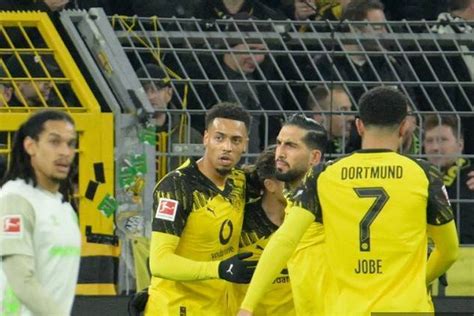
The cultural aspects of the Revierderby are also reflected in the songs, chants, and traditions of the fans. Both sets of supporters are known for their passionate displays, with Dortmund's **Yellow Wall** at Signal Iduna Park and Schalke's **Nordkurve** at Veltins-Arena being among the most vibrant and vocal in Europe. These fan bases are not just spectators; they are active participants in the drama of the derby, creating an atmosphere that is as much about community as it is about competition.
Football Significance From a footballing perspective, the Revierderby has produced some of the most memorable moments in German football history. The fixture has seen high-scoring thrillers, last-minute winners, and dramatic comebacks that have etched themselves into the annals of the sport. One of the most famous matches, often referred to as the "Mother of All Derbies," took place in 1997 when Schalke, on the brink of relegation, defeated Dortmund 1-0 in a game that symbolized the underdog spirit of the Gelsenkirchen side. Conversely, Dortmund's dominance in the early 2010s, including a 5-1 thrashing of Schalke in 2019, showcased the cyclical nature of their rivalry—each team having its moments of glory.
The Revierderby is also significant because of the clubs' contrasting philosophies. Dortmund, with its focus on high-energy, attacking football and a reputation for nurturing young talent, often represents a forward-looking approach. Schalke, historically, has been associated with a more pragmatic style, emphasizing defensive solidity and a deep connection to its roots as a "people's club." These differences in approach add another dimension to the rivalry, as it is not just about who wins on the day but also about which philosophy triumphs in the broader narrative of German football.
Another layer of significance comes from the clubs' successes on the national and international stage. Dortmund has won multiple Bundesliga titles and a UEFA Champions League trophy, elevating its status as one of Germany's premier clubs. Schalke, while not as decorated in recent years, has a rich history that includes seven German championships and a UEFA Cup win. This juxtaposition of past glories and present challenges adds tension to the Revierderby—each match is not just about the here and now but also about reclaiming or maintaining regional bragging rights in the context of broader footballing legacies.
Why the Revierderby is a Key Fixture The Revierderby is more than a game; it is a fixture that encapsulates the essence of German football's grassroots spirit. Unlike derbies in other countries that are often defined by stark class or political divides, the Revierderby is unique in its egalitarian nature. Both Dortmund and Schalke were born of the working class, and their rivalry is less about division and more about a shared heritage. This makes the derby a celebration of the Ruhr's collective identity, even as it pits neighbor against neighbor.
The importance of the Revierderby is also evident in its impact on the Bundesliga. Matches between Dortmund and Schalke often draw some of the highest television ratings and attendance figures, underscoring its status as a marquee event. For the Bundesliga, the Revierderby serves as a showcase of the league's ability to blend tradition with spectacle. It is a game where local pride meets national interest, and where the stakes are amplified by the emotional investment of the fans.
Moreover, the Revierderby has played a role in shaping the narratives of both clubs. For Dortmund, victories in the derby often serve as a springboard for broader success, while for Schalke, a win can provide a much-needed morale boost in challenging times. This dynamic ensures that the Revierderby is not just a fixture on the calendar but a pivotal moment in the season for both teams.
The Broader Implications In recent years, the Revierderby has also taken on added significance due to the economic and structural challenges facing Schalke. The club's relegation to the 2. Bundesliga in 2021 and subsequent promotion highlighted the volatility of its fortunes, while Dortmund has remained a consistent presence in the upper echelons of the Bundesliga. This contrast has only deepened the emotional stakes of the derby, as Schalke fights to reclaim its place among Germany's elite while Dortmund seeks to maintain its dominance.
The Revierderby is also a microcosm of the broader shifts in German football. The Ruhr region, once the industrial heart of Germany, has faced economic decline, and the clubs have had to adapt to changing realities. The derby serves as a reminder of the resilience of the region and its people, who continue to find joy and purpose in their football even amidst adversity.
In conclusion, the Revierderby is not just a football match—it is a cultural event, a historical touchstone, and a symbol of the enduring spirit of the Ruhr region. Its significance lies in its ability to bring together the past and present, the local and the national, in a way that few other fixtures can. For German football, the Revierderby is a testament to the power of sport to reflect and shape the identity of a community.
- The Revierderby is rooted in the industrial history of the Ruhr region.
- It represents a deeply personal rivalry due to the geographical closeness of Dortmund and Schalke.
- The fixture has produced iconic moments that highlight the cyclical nature of the clubs' fortunes.
- It serves as a key event in the Bundesliga, drawing widespread attention and interest.
- The derby reflects the resilience of the Ruhr region amidst economic and social changes.
Historical Origins of the Rivalry
The Revierderby, one of the most fiercely contested rivalries in German football, is rooted in a deep historical and cultural context that extends far beyond the sport itself. This clash between Borussia Dortmund and Schalke 04 is not merely a battle for points on the pitch but a reflection of the industrial, economic, and social dynamics of the Ruhr region. To understand the origins of this rivalry, one must delve into the histories of the two clubs and the broader regional factors that set the stage for their enduring competition.
The story begins with the founding of Borussia Dortmund in 1909. The club was established by a group of young men dissatisfied with the local parish-run football team, Trinity Youth. These young men, primarily workers in Dortmund’s burgeoning industrial landscape, sought independence and a club that represented their identity. The choice of the name "Borussia" (Latin for Prussia) symbolized a sense of regional pride, even as Dortmund itself was a city shaped by heavy industry, particularly coal mining and steel production. This working-class ethos became a cornerstone of Dortmund's identity, and the club quickly became a symbol of local resilience and community spirit in an area where life was often grueling and economically precarious.
Just over a decade later, in 1924, Schalke 04 was founded in the neighboring city of Gelsenkirchen. Like Dortmund, Schalke’s origins were tied to the industrial character of the Ruhr region. The club initially emerged as Westfalia Schalke before adopting its current name. Schalke, too, was a product of the working class, with many of its early supporters and players hailing from the coal mines and factories that dominated the area. However, Schalke quickly distinguished itself through its unique playing style and the dominance it would achieve in the 1930s and 1940s, earning the nickname "Die Knappen" (the miners) as a nod to its working-class roots. This era saw Schalke rise to prominence, winning multiple national championships and solidifying its place as a titan of German football in the pre-Bundesliga era.
The geographical proximity of Dortmund and Gelsenkirchen—separated by a mere 30 kilometers—meant that the two cities were often in competition for resources, recognition, and economic opportunities. The Ruhr region was the industrial heart of Germany, and both cities were key players in this landscape. However, the economic disparities between Dortmund and Gelsenkirchen also played a role in fueling the rivalry. While Dortmund was known for its steel production and broader industrial diversity, Gelsenkirchen was more closely associated with coal mining. This created a perceived dichotomy: Dortmund as the slightly more economically versatile city and Gelsenkirchen as the gritty, blue-collar stronghold. These distinctions were not merely economic but cultural, with each city's inhabitants developing a sense of pride and sometimes animosity toward their neighbors.
The historical and political climate of the early 20th century further intensified the rivalry. During the 1930s and World War II, football in Germany was heavily influenced by the Nazi regime, which sought to use the sport as a tool for propaganda and national unity. Both Borussia Dortmund and Schalke 04 navigated this era in different ways. Schalke, in particular, was a dominant force during this time, winning six German championships between 1934 and 1942. This success often led to accusations that the club was favored by the regime, a perception that did not sit well with rival clubs, including Dortmund. While Dortmund was less successful during this period, the club maintained a sense of defiance and independence, which resonated with its supporters. These contrasting trajectories during a politically charged era planted seeds of resentment that would grow into a full-fledged rivalry in the post-war years.
Another critical factor in the rivalry’s development was the post-war reconstruction of Germany and the Ruhr region. The 1950s and 1960s saw both clubs rebuild and grow in prominence as the Bundesliga was established in 1963. This era marked the professionalization of German football, and both Dortmund and Schalke were among the clubs that helped define the early years of the league. Matches between the two sides during this time were not just sporting contests but symbolic clashes of identity. Dortmund’s rise in the Bundesliga, particularly with their 1956 and 1957 championship wins, began to challenge Schalke’s earlier dominance. This shift in power dynamics added a new layer to the rivalry—one of competition not just for regional supremacy but for recognition on the national stage.
The regional factors that fueled the rivalry were not limited to economics and politics. The Ruhr region has a distinct cultural identity, often described as gritty, hardworking, and community-oriented. This shared identity paradoxically deepened the divide between Dortmund and Schalke supporters. Both sets of fans viewed their club as the true embodiment of the Ruhr’s spirit, and matches between them became a way to assert dominance over this shared cultural space. The term "Revierderby" itself reflects this—Revier is a German word for "district" or "region," emphasizing the local nature of the rivalry. It is not just about football; it is about which city and which club better represents the heart of the Ruhr.
The rivalry also has a psychological dimension shaped by memorable matches and incidents. One of the most iconic moments in Revierderby history occurred in 1947 during the "Schalke disaster" when Dortmund inflicted a crushing 11-1 defeat on Schalke. This result, though anomalous, became a symbol of Dortmund’s ability to challenge and humiliate their rivals. Conversely, Schalke’s successes in the 1930s and 1940s are often recalled by their fans as a golden era that Dortmund has struggled to replicate. These historical flashpoints are not just statistics; they are woven into the collective memory of both fan bases, serving as rallying points for pride or defiance depending on which side of the divide one stands.
Additionally, the fan culture surrounding both clubs has played a significant role in sustaining the rivalry. Dortmund’s Yellow Wall at Signal Iduna Park and Schalke’s passionate support at the Veltins-Arena are testaments to the intensity of their supporters. The chants, banners, and rituals associated with each club often include jibes at the other, further stoking the flames of competition. The proximity of the two cities means that fans often live and work side by side, leading to a rivalry that is as much about daily life as it is about matchdays.
In summary, the historical origins of the Revierderby are deeply intertwined with the industrial, economic, and cultural fabric of the Ruhr region. The rivalry is not a modern construct but a product of over a century of shared history, competition, and occasional animosity. From the working-class origins of both clubs to the economic and political forces that shaped the region, the Revierderby is a microcosm of the Ruhr’s identity. It is a rivalry fueled by pride, proximity, and the shared experience of hardship and triumph in one of Germany’s most distinctive regions.
- The rivalry stems from the industrial and working-class roots of both clubs.
- Economic and cultural disparities between Dortmund and Gelsenkirchen intensified the competition.
- Historical events, such as Schalke’s dominance in the 1930s and Dortmund’s post-war rise, shaped the narrative of the rivalry.
- The shared cultural identity of the Ruhr region paradoxically deepened the divide between the two fan bases.
This deep-rooted context ensures that the Revierderby remains one of the most emotionally charged and historically significant rivalries in world football.
Geographical and Cultural Significance
The **revierderby**, the storied football rivalry between Borussia Dortmund and FC Schalke 04, is deeply rooted in the **geographical and cultural fabric of the Ruhr region**. To understand the emotional intensity of this rivalry, one must delve into the **industrial history** and **socio-economic dynamics** that have shaped not just the clubs but the identity of the region itself. The Ruhr area, often referred to as the "Ruhrpott," is a densely populated region in western Germany known for its coal mining, steel production, and heavy industry. These industries not only defined the region’s economic landscape but also created a working-class ethos that permeates the psyche of both clubs and their supporters.
The **Ruhr region's industrial history** is a tale of transformation and resilience. During the late 19th and early 20th centuries, the area experienced rapid industrialization as coal and steel became the backbone of Germany's economic growth. Towns like Gelsenkirchen (home to Schalke 04) and Dortmund became hubs of this industrial boom, attracting workers from across Germany and beyond. This influx of labor created a **melting pot of cultures and identities**, where people from diverse backgrounds were united by the shared experience of hard labor in often harsh conditions. Football became a unifying outlet for these workers, offering a sense of community and pride amidst the grind of daily life. Both Borussia Dortmund and Schalke 04 were founded during this period—Dortmund in 1909 and Schalke in 1904—and quickly became symbols of local pride for their respective towns.
The **proximity of Dortmund and Gelsenkirchen**, separated by just about 30 kilometers, further fueled the rivalry. In a region where distances are short and communities are tightly knit, the competition between these two cities was not merely about football but about **regional dominance and identity**. The Ruhr area’s industrial landscape meant that workers often lived in close quarters, and the proximity of Schalke and Dortmund allowed for a rivalry that was not abstract but deeply personal. Workers from one town would often know, work with, or even be related to those from the other. This created a dynamic where **success on the football pitch was seen as a reflection of the town’s worth**. A victory in the revierderby was not just about bragging rights for the players but about affirming the dignity and superiority of one’s community over the other.

The **socio-economic dynamics** of the Ruhr region also played a pivotal role in shaping the emotional tenor of the rivalry. The mid-20th century saw the decline of the coal and steel industries, leading to widespread economic hardship. Unemployment, urban decay, and a sense of **regional disenfranchisement** became prevalent themes. In this context, football clubs like Schalke and Dortmund were more than just sports teams; they were **beacons of hope and symbols of resilience** for their supporters. When factories closed and jobs disappeared, the clubs provided a sense of continuity and purpose. Supporters clung to their teams as emblems of a proud past, even as the economic realities of the region shifted beneath their feet. This made the revierderby not just a game but a **battle for collective self-worth** in a region grappling with its identity in a post-industrial era.
The **class dynamics** inherent in the rivalry add another layer of complexity. Schalke 04, often associated with Gelsenkirchen’s working-class roots, has historically been seen as the team of the "little guy," embodying the grit and determination of miners and steelworkers. Dortmund, while also rooted in industrial labor, has at times been perceived as slightly more cosmopolitan due to its larger size and broader economic base. This dichotomy has created a perception of Schalke as the **underdog** and Dortmund as the **slightly more privileged rival**, even though both clubs are deeply tied to working-class origins. These perceptions are not merely abstract; they are reinforced by the clubs' histories. Schalke’s dominance in the 1930s and 1940s, for instance, coincided with a period when the Ruhr region was at the height of its industrial power. Dortmund’s rise in the post-war era, particularly during the 1950s and 1960s, mirrored the broader economic shifts in the region as new opportunities and identities began to emerge.
The **shared suffering and solidarity** of the Ruhr region also play a role in the emotional intensity of the revierderby. The area was heavily bombed during World War II due to its industrial significance, and the subsequent rebuilding efforts required a collective spirit of endurance. Both Dortmund and Schalke fans share this historical memory, and while they may be rivals on the pitch, there is an underlying **mutual respect born of shared struggle**. This is evident in moments of solidarity, such as when both sets of fans have come together in times of tragedy or to support initiatives that benefit the region. However, this shared history does not dilute the rivalry; instead, it **amplifies its emotional stakes**, as each match becomes a chance to assert one’s place in the ongoing narrative of the Ruhr region’s identity.
The **cultural significance** of the revierderby is also tied to the **distinctive fan culture** of the Ruhr region. The supporters of both clubs are known for their passion, creativity, and unwavering loyalty. The terraces of Signal Iduna Park (Dortmund) and Veltins-Arena (Schalke) are arenas not just for football but for **expressions of regional pride and defiance**. Chants, banners, and tifos often reference the industrial heritage of the area, with imagery of coal mines, steel mills, and the iconic "hard-hat worker" serving as symbols of the clubs' shared roots. This cultural connection to the region's past is not incidental; it is a deliberate effort to preserve and celebrate an identity that is under threat in a modern, globalized world where the Ruhr’s traditional industries have largely faded.
Moreover, the **economic disparities** that persist in the Ruhr region today add a modern dimension to the rivalry. While Dortmund has seen some economic revitalization through tourism, services, and its successful football club, Gelsenkirchen has faced more prolonged struggles with poverty and unemployment. This has led to a perception of Schalke as the team of a **harder-hit community**, further deepening the emotional investment of its fans. For Schalke supporters, a win against Dortmund is not just about football glory but about **proving that their hardships have not diminished their spirit**. Conversely, Dortmund’s success can sometimes be seen as a **reminder of the uneven recovery** of the Ruhr region, adding a subtle but powerful undercurrent to the rivalry.
In summary, the **geographical and cultural significance** of the revierderby is inseparable from the **industrial and socio-economic history of the Ruhr region**. The rivalry is not just about football; it is about **class, identity, and survival** in a region that has endured immense change. The emotional intensity of the derby is fueled by a shared past of labor, loss, and resilience, as well as the ongoing challenges of economic disparity and regional pride. Each match is a reflection of the Ruhr’s history and its people—a testament to how deeply football can be woven into the social and cultural fabric of a place.
Key Matches and Moments
The **Revierderby**, the fierce rivalry between Borussia Dortmund and Schalke 04, is one of the most storied clashes in German football. Rooted in the industrial heartland of the Ruhr region, this derby has produced countless moments of drama, joy, and heartbreak for both sets of fans. This section delves into some of the **memorable matches, dramatic outcomes, and iconic goals** that have etched the Revierderby into the annals of football history.
One of the most **dramatic outcomes** in recent memory occurred during the 2017-2018 Bundesliga season. On April 15, 2018, Schalke hosted Dortmund at the Veltins-Arena in a match that would go down as the "Mother of all Derbies." Schalke, vying for a Champions League spot, found themselves 4-0 up within 25 minutes, a lead that seemed insurmountable. Dortmund, however, staged one of the most remarkable comebacks in Bundesliga history. Goals from Pierre-Emerick Aubameyang, Michy Batshuayi, and others saw Dortmund level the score at 4-4 in the dying minutes. This match encapsulated the unpredictable nature of the Revierderby—where form and logic often bow to sheer emotion and willpower. The result left Schalke shell-shocked and Dortmund buoyant, despite the points being shared.
Another unforgettable moment came in **2007**, during a match that showcased the derby's knack for late drama. With the game poised at 1-1 in stoppage time, Schalke’s Gerald Asamoah thought he had scored the winner, only for the goal to be disallowed for offside. Seconds later, Dortmund’s Alexander Frei capitalized on a defensive lapse to snatch a last-gasp winner for Dortmund. The sheer ecstasy of Dortmund fans contrasted with the despair of Schalke supporters, highlighting how the Revierderby often hinges on razor-thin margins and late heroics.
The Revierderby has also been a stage for **iconic goals** that resonate beyond the final whistle. One such goal came in 1997, when Dortmund’s Lars Ricken scored a sensational long-range effort in a 2-0 victory over Schalke. This goal was particularly significant as it came during a period when both teams were competing at the highest level, with Dortmund fresh off their UEFA Champions League triumph. Ricken’s goal symbolized Dortmund’s dominance in that era and served as a painful reminder for Schalke of their rivals' ascendancy. Similarly, Schalke’s Kevin Kuranyi etched his name into derby folklore with a stunning volley in 2004, a goal that not only showcased technical brilliance but also underscored the high stakes of this rivalry. Such goals are not merely points on a scoreboard; they are cultural touchstones for fans who relive these moments for years.
Beyond individual matches, the Revierderby has often been shaped by **broader narratives** that amplify the drama. For instance, the 1996-97 season saw Schalke fighting for their first Bundesliga title in decades, only to be pipped to the post by Bayern Munich on the final day. In the midst of this title race, Schalke faced Dortmund in a high-pressure encounter. Although the match ended in a 2-2 draw, it was emblematic of the psychological toll the Revierderby can inflict. Schalke’s inability to secure a win in this fixture contributed to their ultimate heartbreak, as Bayern clinched the title by a single point. This match serves as a reminder that the Revierderby is not just about local bragging rights—it can have profound implications for the wider ambitions of both clubs.
The rivalry has also seen its share of **off-field symbolism** that spills onto the pitch. In 2019, Dortmund’s Jadon Sancho celebrated a goal by revealing a shirt with the message “Justice for George Floyd” during a time of global protests. While not directly tied to the Revierderby, the moment highlighted how this fixture often serves as a platform for players to make statements that resonate far beyond football. Such instances demonstrate how the derby is not isolated from the sociopolitical context of the time, adding another layer of significance to these matches.
The **early 2000s** provided another series of dramatic clashes, particularly during the 2003-04 season. Schalke, determined to assert their dominance, trounced Dortmund 4-0 in a match that many Schalke fans still recall with glee. This result was a stark contrast to the tightly contested nature of most Revierderbies and served as a rare instance of one-sided dominance. However, Dortmund would have their revenge in subsequent seasons, proving that no team can rest on past laurels in this fixture. The ebb and flow of fortune in the Revierderby mirrors the cyclical nature of football rivalries, where no team can claim perpetual superiority.
It is also worth noting the **role of local pride** in shaping the intensity of these matches. The Ruhr region, once defined by its coal and steel industries, views the Revierderby as a representation of its identity. Both Dortmund and Schalke draw much of their support from working-class communities, and the derby often feels like a battle for the soul of the region. This is evident in the passionate displays of fans, from the Yellow Wall at Dortmund’s Signal Iduna Park to the vociferous chants of Schalke’s supporters at the Veltins-Arena. These atmospheres amplify the stakes of every tackle, goal, and save, making even a mid-table clash feel like a cup final.
Some matches stand out not for their drama but for their historical weight. The first Revierderby of the Bundesliga era took place in 1963, with Schalke securing a 3-0 victory. This win set an early tone for the rivalry, as Schalke sought to establish themselves as the region's premier team. However, Dortmund’s subsequent rise, particularly in the 1990s and 2010s, has shifted the balance of power. This historical progression adds depth to the rivalry, as each match is viewed through the lens of decades of competition and shifting dynamics.
In terms of **statistical quirks**, the Revierderby has seen its share of anomalies. For instance, Schalke holds the record for the longest unbeaten streak in the fixture, going 12 matches without a loss between 1999 and 2004. Conversely, Dortmund has had periods of dominance, such as their run of six consecutive wins between 2012 and 2014, a period when they were one of Europe’s most formidable sides under Jürgen Klopp. These streaks illustrate how the Revierderby can swing between periods of one-sidedness and equilibrium, keeping fans on edge year after year.
Finally, the Revierderby has also been a breeding ground for **young talent** to announce themselves. Players like Mario Götze and Leon Goretzka have used this stage to showcase their abilities, often under immense pressure. Their performances in these matches have not only shaped their careers but also reinforced the derby’s reputation as a proving ground for future stars.
In summary, the Revierderby is more than just a football match; it is a theater of emotions where history, rivalry, and high-stakes football converge. From last-minute winners to iconic goals, and from comebacks that defy logic to matches that decide titles, the Revierderby has provided fans with a treasure trove of memories. These moments are not just about football—they are about identity, community, and the unrelenting passion of the Ruhr region.
Player Contributions and Legends
The Revierderby, contested between Borussia Dortmund and Schalke 04, is one of the most storied rivalries in German football. At the heart of this intense competition are the players who have shaped its narrative through their performances, skills, and moments of brilliance. These individuals are not just remembered for their contributions to their respective teams but are often etched into the collective memory of fans on both sides of the divide, embodying the passion, drama, and history of the fixture.
One of the most iconic figures in the Revierderby is Michael Zorc, a Borussia Dortmund legend who played for the club from 1981 to 1998. Zorc, a midfielder known for his tactical intelligence and scoring ability, featured in numerous derbies and was instrumental in Dortmund's rise during the 1980s and 1990s. His consistency and leadership during matches against Schalke symbolized Dortmund's fighting spirit. Fans fondly recall his ability to control the midfield in high-pressure situations, often dictating the tempo of the game. Zorc's legacy is amplified by his later role as Dortmund's sporting director, where he continued to influence the club's success. For Dortmund supporters, Zorc is a symbol of loyalty and dedication, qualities that resonate deeply in a rivalry where emotional investment runs high.
On the Schalke side, Klaas-Jan Huntelaar stands out as a modern-day legend whose impact on the Revierderby is hard to overstate. The Dutch striker, who played for Schalke in two stints (2010–2017 and 2021), was a goal-scoring machine whose predatory instincts often came to the fore in matches against Dortmund. Huntelaar's knack for finding the back of the net in critical moments made him a thorn in Dortmund's side. One of his most memorable contributions came in a 2-1 victory for Schalke in 2013, where he scored a late winner that sent the Veltins-Arena into a frenzy. For Schalke fans, Huntelaar is a symbol of resilience and the embodiment of their team's counterattacking ethos. His ability to rise to the occasion in derbies elevated his status among the Schalke faithful, even as the club endured turbulent periods.
Another player who left an indelible mark is Roman Weidenfeller, Dortmund's long-serving goalkeeper who played for the club from 2002 to 2018. Weidenfeller's performances in the Revierderby often came under intense scrutiny due to the high stakes of the fixture. His ability to produce match-winning saves, particularly in tightly contested games, made him a fan favorite. One of his defining moments came in a 3-1 victory for Dortmund in 2015, where he made a series of crucial stops to deny Schalke's attacking threats. For Dortmund fans, Weidenfeller is remembered not just for his shot-stopping prowess but also for his vocal leadership and unwavering commitment to the cause. In contrast, Schalke fans saw him as a formidable opponent, a player whose presence in goal often required their team to work harder to break through.
No discussion of Revierderby legends would be complete without mentioning Ingo Anderbrügge, a player who uniquely straddled the rivalry. Anderbrügge began his career at Dortmund in the 1980s before moving to Schalke in 1988, where he became a central figure. Known for his set-piece expertise, Anderbrügge scored several crucial goals in derbies, including free kicks that left audiences in awe. His transition from Dortmund to Schalke adds a layer of complexity to his legacy; he is both admired and scrutinized by fans of each club. For Schalke supporters, he is a hero who brought them joy in the derby, while Dortmund fans remember him with a mix of respect and the sting of his defection. This duality underscores the emotional weight of the Revierderby, where player loyalties and histories are deeply intertwined with fan sentiment.
The Revierderby has also seen moments of individual brilliance from less celebrated players who nonetheless left their mark. Lars Ricken, for instance, is remembered by Dortmund fans for his ability to deliver in big games. While his overall career was marked by intermittent brilliance rather than sustained dominance, his contributions in derbies were often game-changing. One such instance was his goal in a 2-0 win in 1998, which showcased his knack for timing and precision. For Schalke, players like Gerald Asamoah are celebrated for their tenacity and physical presence. Asamoah's combative style and ability to unsettle Dortmund's defense made him a key figure in Schalke's derby strategies during the early 2000s.
Beyond individual performances, the way players are remembered often depends on the cultural and emotional resonance of their actions. For instance, Marco Reus, Dortmund's current captain, has played in numerous derbies and is celebrated for his ability to embody the spirit of the fixture. Reus's goals and assists in Revierderbies are complemented by his visible passion on the pitch, whether celebrating a goal or rallying his teammates. For Dortmund fans, he is a modern embodiment of what it means to represent the club in this rivalry. Conversely, Schalke fans view him as a symbol of Dortmund's dominance in recent years, a source of frustration given Schalke's struggles to match their rivals' successes.
The Revierderby has also seen its share of controversies involving players, which have only deepened the rivalry. Jens Lehmann, Schalke's goalkeeper in the late 1990s, is remembered for his confrontational style and his role in high-stakes matches. His heated exchanges with Dortmund players and his ability to rile up the opposition made him a polarizing figure. While Schalke fans appreciated his fiery demeanor, Dortmund supporters often viewed him as a provocation incarnate. Such dynamics add layers to the way players are remembered, as their on-field persona often becomes as significant as their technical contributions.
In reflecting on the Revierderby's history, it is clear that players are more than just participants; they are custodians of the rivalry's legacy. Their performances are not only judged by goals, assists, or saves but also by their ability to rise to the occasion in a fixture that demands more than skill—it demands heart. Whether it is the consistency of Zorc, the goal-scoring prowess of Huntelaar, or the fiery presence of Lehmann, these players are remembered not just for what they did but for how they made fans feel. Their names are chanted in stadiums, debated in pubs, and immortalized in the annals of German football history.
- Players like Zorc and Weidenfeller embody loyalty and consistency for Dortmund.
- Huntelaar and Asamoah represent Schalke's fighting spirit and counterattacking threat.
- Anderbrügge's dual legacy showcases the emotional complexity of the rivalry.
- Reus and Lehmann highlight how player personalities can amplify the derby's intensity.
In the end, the Revierderby's allure lies in its ability to turn players into legends, not just through their skill but through their connection to the emotional core of the rivalry. These individuals, whether celebrated or vilified, are forever part of the fabric of one of football's greatest clashes.
Fan Culture and Atmosphere
The Revierderby, contested between Borussia Dortmund and Schalke 04, is one of the most fiercely contested fixtures in German football. Beyond the on-pitch battles, the match is defined by the vibrant and unique fan culture that surrounds it. This section delves into the traditions, chants, and the electric atmosphere that make the Revierderby a spectacle unlike any other in the Bundesliga.
At the heart of the Revierderby's fan culture is the regional pride that fuels the rivalry. The Ruhr region, often referred to as the "Revier," is a densely populated industrial area with a deep-rooted footballing history. Both Dortmund and Schalke hail from this region, and their fans view the derby not just as a football match but as a representation of their identity. For supporters, the Revierderby is a chance to assert dominance over their closest geographical rivals, a sentiment that permeates every chant, banner, and gesture in the stadium.
One of the most striking aspects of fan culture in the Revierderby is the intensity of the chants and songs. Dortmund's "Yellow Wall," the iconic Südtribüne at Signal Iduna Park, is home to some of the most passionate supporters in world football. During the Revierderby, this stand becomes a cauldron of noise, with chants like "Borussia, Borussia BVB" reverberating around the stadium. The lyrics often include references to Schalke's perceived shortcomings, blending humor with sharp jabs. For instance, Dortmund fans have been known to sing about Schalke's lack of recent success, a taunt that stings given the historical weight of the fixture. Schalke fans, in turn, respond with their own repertoire of chants, often emphasizing their blue-collar roots and the pride of Gelsenkirchen, their home city. Phrases like "Wir lieben Schalke, wir hassen Dortmund" (We love Schalke, we hate Dortmund) are common, underscoring the deep animosity between the two sets of fans.
The chants are not merely about rivalry; they also reflect regional solidarity and humor. Many songs reference the industrial heritage of the Ruhr area, with mentions of coal mines, steelworks, and the shared struggles of the working class. This creates a unique dynamic where, despite the rivalry, there is an underlying acknowledgment of shared history. For example, both sets of fans might chant about their pride in the Ruhr region, even as they jeer at each other's teams. This duality adds a layer of complexity to the fan culture, making it more than just a binary opposition.
Another defining feature of the Revierderby is the traditions that surround the match. For Dortmund fans, the pre-match build-up often includes a march to the stadium, with thousands of supporters waving flags, lighting flares, and singing in unison. This procession is not just a show of support but a symbolic display of territorial dominance. Schalke fans, on the other hand, are known for their own pre-match rituals, such as gathering at the Veltins-Arena to create a sea of blue and white. These traditions serve to heighten the anticipation and emotional investment in the fixture, making the atmosphere in the hours leading up to kickoff almost as intense as the game itself.
The atmosphere inside the stadiums during the Revierderby is unparalleled in its fervor. Dortmund's Signal Iduna Park and Schalke's Veltins-Arena are both known for their raucous crowds, but the derby elevates this to another level. The decibel levels often reach staggering heights, with fans on both sides determined to outdo each other in their vocal support. This is not limited to organized chants; spontaneous roars, boos, and collective gasps add to the sensory overload. For instance, when a goal is scored, the eruption of noise from the winning side's supporters is so intense that it can feel like the stadium itself is shaking. Conversely, the silence that follows a goal for the opposition is equally deafening, a stark reminder of the stakes involved.
A unique aspect of the Revierderby's atmosphere is the use of tifo displays. Both Dortmund and Schalke fans are renowned for their elaborate choreographed displays, which often involve thousands of coordinated banners, flags, and even pyrotechnics. These tifos are not just visual spectacles; they are deeply symbolic. For example, Dortmund fans might unfurl a tifo depicting the club's storied history or a message of defiance against their rivals. Schalke fans, meanwhile, might use their tifos to emphasize their loyalty and resilience, often referencing their club's nickname, "Die Knappen," which harks back to the miners of the region. These displays are a visual manifestation of the rivalry's intensity and the fans' dedication to their teams.
The role of ultra groups in shaping the fan culture of the Revierderby cannot be overlooked. Groups like Dortmund's "The Unity" and Schalke's "Ultras Gelsenkirchen" play a pivotal role in organizing chants, tifos, and other matchday activities. These groups are the lifeblood of the fan culture, often setting the tone for how the rest of the stadium responds. Their influence extends beyond the stands; they are custodians of the derby's traditions, ensuring that the passion and animosity are passed down through generations. However, this also comes with challenges, as ultra groups are sometimes associated with more aggressive behaviors, such as confrontations with opposing fans or clashes with security. While these incidents are not representative of the majority, they underscore the raw emotion that the Revierderby evokes.
One cannot discuss the atmosphere of the Revierderby without mentioning the impact of away fans. In German football, away supporters are often allocated a significant section of the stadium, and this is especially true for the Revierderby. The presence of away fans adds an extra layer of tension and excitement. Dortmund fans traveling to Gelsenkirchen or Schalke fans making the short trip to Dortmund are met with a mix of hostility and respect, as both sets of supporters recognize the courage it takes to enter enemy territory. The away section often becomes a focal point for chants and taunts, with home fans directing their energy toward the visitors in an attempt to unsettle them.
The psychological impact of the atmosphere on players is also worth noting. Many players who have participated in the Revierderby have spoken about how the intensity of the crowd can be both inspiring and intimidating. For younger or less experienced players, the wall of sound and the sight of thousands of passionate fans can be overwhelming. Veterans of the fixture, however, often thrive in this environment, using the energy of the crowd to elevate their performance. This interplay between players and fans creates a feedback loop, where the atmosphere in the stadium directly influences the dynamics of the game.
In summary, the fan culture surrounding the Revierderby is a rich tapestry of tradition, rivalry, and regional pride. From the chants that echo the industrial heritage of the Ruhr to the tifos that tell stories of loyalty and defiance, the atmosphere in these fixtures is a testament to the deep emotional investment of the fans. The Revierderby is not just a football match; it is a cultural event that brings the Ruhr region to life, showcasing the power of football to unite and divide in equal measure.
Impact on German Football
The Revierderby, contested between Borussia Dortmund and Schalke 04, is one of the most storied and intense rivalries in German football. While it is rooted in the industrial heartland of the Ruhr region, its influence extends far beyond the confines of local pride. This fixture has played a significant role in shaping the broader landscape of German football, from the evolution of rivalries to the competitive dynamics that define the Bundesliga.
One of the most profound impacts of the Revierderby on German football is its role in crystallizing the concept of football as a cultural identity. The Ruhr region, historically characterized by coal mining and steel production, has long been a microcosm of working-class ethos. Both Dortmund and Schalke emerged as clubs deeply embedded in their communities, with fan bases that saw football not merely as a sport but as a reflection of their social and economic struggles. This dynamic elevated the Revierderby into a symbol of regional pride and solidarity. Over time, this localized rivalry became a template for how other clubs in Germany could position themselves as representatives of their regions, fostering a sense of belonging that transcends individual matches. For instance, the passionate support seen in the Revierderby inspired the development of similar local derbies, such as those between Hamburg and St. Pauli or Frankfurt and Kaiserslautern, where cultural and historical narratives play a central role in fan engagement.
The competitive dynamics of the Bundesliga have also been shaped by the intensity of the Revierderby. Dortmund and Schalke have, at various points in their histories, been among the most successful clubs in Germany. Their clashes have often had direct implications for title races, European qualification, and relegation battles. These high-stakes matches have contributed to the Bundesliga’s reputation as a league where any team can rise to challenge the established order. The unpredictability of the Revierderby outcomes—where form often goes out the window—has reinforced the idea that German football thrives on parity and drama. This aspect has influenced how the league markets itself internationally, emphasizing the excitement of derbies and close contests as a counterpoint to the dominance seen in other European leagues like Spain’s La Liga or France’s Ligue 1.
Another key influence of the Revierderby is its contribution to the development of youth systems and grassroots football in Germany. Both Dortmund and Schalke have been pioneers in nurturing homegrown talent, a necessity borne partly out of financial constraints and partly out of the desire to maintain a connection with their communities. The fierce competition between the two clubs to identify and develop young players has spurred innovation in academy structures. Dortmund’s success in producing players like Marco Reus and Nuri Sahin, and Schalke’s track record with talents such as Mesut Özil and Manuel Neuer, illustrate how the rivalry has indirectly driven excellence in youth development. This focus on homegrown players has had a ripple effect across the Bundesliga, encouraging other clubs to invest in their academies and adopt similar long-term strategies. The success of these programs has also made the Bundesliga a fertile ground for nurturing players who go on to excel in international competitions, further solidifying Germany’s reputation as a footballing powerhouse.
The Revierderby has also played a role in shaping the emotional and psychological landscape of German football rivalries. Unlike some other high-profile derbies in Europe, such as El Clásico or the Manchester Derby, which often involve clubs with stark differences in financial power or global reach, the Revierderby is marked by its equality of passion. Both Dortmund and Schalke fans view the fixture as the pinnacle of their season, regardless of their respective league positions. This parity has contributed to a broader understanding in German football that derbies are not just about points or trophies but about emotional stakes. This has influenced how other rivalries in the league are perceived and marketed. For example, the Berlin Derby between Hertha and Union has gained prominence in recent years, partly because the Revierderby has set a standard for how local clashes can become a cultural phenomenon.
In terms of media and commercial impact, the Revierderby has helped establish the Bundesliga as a league that thrives on narratives. The intense atmosphere in sold-out stadiums, the colorful displays of fan choreography, and the raw emotion on display during these matches have become iconic images associated with German football. Broadcasters and sponsors have capitalized on this, using the Revierderby as a centerpiece for promoting the league’s unique appeal. This has, in turn, raised the profile of other derbies within the Bundesliga, such as the Munich Derby or the Baden-Württemberg clashes between Stuttgart and Freiburg. The commercial success of these fixtures owes a debt to the template set by the Revierderby, which demonstrated how local rivalries could be leveraged as a marketing tool to attract global audiences.
The rivalry has also had a subtle influence on the tactical evolution of German football. Matches between Dortmund and Schalke are often characterized by a blend of high-energy pressing, counterattacking football, and moments of individual brilliance. These styles have, at times, reflected broader trends in the Bundesliga. For instance, Dortmund’s emphasis on aggressive, high-pressing football under managers like Jürgen Klopp has often been tested and refined in the cauldron of the Revierderby. Schalke, known for its defensive resilience and occasional reliance on set-piece mastery, has provided a contrasting approach. These tactical battles have not only entertained fans but also served as a laboratory for strategies that other teams in the league have adopted or adapted.
Moreover, the Revierderby has had a historical role in bridging divides within German football. The Ruhr region has often been a site of social and economic tension, particularly during periods of industrial decline. The shared experience of supporting either Dortmund or Schalke has provided a unifying force for communities otherwise divided by economic hardship or political differences. This unifying aspect of the rivalry has had a broader symbolic value in German football, illustrating how the sport can act as a bridge between disparate groups. This is particularly relevant in a country that has used football as a means of national healing and integration, particularly after reunification in 1990.
Finally, the Revierderby’s influence can be seen in how it has inspired fan culture and activism across Germany. Both Dortmund and Schalke boast some of the most vocal and organized supporter groups in the country. Their choreographies, chants, and tifos have set a benchmark for fan engagement that other clubs aspire to replicate. This has contributed to the Bundesliga’s reputation as a league where fans are central to the matchday experience. The Revierderby’s role in fostering this culture has also extended to issues of social responsibility. Both clubs have been vocal in supporting initiatives related to anti-discrimination, community outreach, and environmental sustainability, further embedding the derby’s legacy in the fabric of German football’s progressive identity.
- The Revierderby has elevated local pride into a national narrative, inspiring other clubs to embrace regional identity.
- It has driven innovation in youth development and tactical experimentation within the Bundesliga.
- The emotional intensity of the derby has set a standard for how rivalries are perceived and marketed in German football.
- It has reinforced the Bundesliga’s image as a league defined by passion, unpredictability, and fan-driven spectacle.
In conclusion, the Revierderby is not merely a local skirmish between two clubs; it is a cornerstone of German football’s identity. Its impact on rivalries, competitive structures, youth development, and fan culture has left an indelible mark on the sport. By serving as both a battleground and a unifying force, the Revierderby has helped shape the Bundesliga into a league that balances fierce competition with a deep sense of community and tradition.
Media and Commercial Influence
The Revierderby, contested between Borussia Dortmund and Schalke 04, is not merely a football match; it is a cultural phenomenon that reverberates well beyond the confines of the Ruhr region in Germany. Its historical significance and the intense rivalry between the two clubs have made it a focal point for media, sponsors, and commercial entities seeking to capitalize on its widespread appeal. This section delves into how the Revierderby is marketed, the nature of its media coverage, and its ripple effects on sponsorships, merchandise, and global viewership.
The **marketing of the Revierderby** begins long before the first whistle is blown. Both clubs leverage their rich histories and the emotional connection fans have with the fixture to craft narratives that amplify anticipation. For instance, Borussia Dortmund often uses its social media platforms to share archival footage of past derbies, emphasizing the high-stakes drama and iconic moments. Schalke 04, meanwhile, taps into its identity as a "people's club" rooted in the working-class ethos of Gelsenkirchen, using storytelling to frame the match as a battle of pride and survival. These pre-match campaigns are designed not just to energize local fans but also to capture the attention of a global audience.
The **media coverage** of the Revierderby is unparalleled in German football outside of the Bundesliga title race or Champions League fixtures. Broadcasters such as Sky Deutschland and DAZN dedicate extensive pre- and post-match programming to the fixture, often featuring panel discussions with former players who have participated in the rivalry. This coverage is not limited to Germany; international sports networks like ESPN and beIN SPORTS provide live broadcasts and analysis tailored to audiences in North America, Asia, and the Middle East. The global reach of the media narrative is amplified by the presence of international stars in both squads, such as Dortmund’s English winger Jadon Sancho in previous seasons or Schalke’s American forward Weston McKennie. These players serve as bridges to overseas markets, enhancing the derby’s visibility.
What sets the Revierderby apart in terms of media strategy is its **use of localized content with a global appeal**. For example, matchday vlogs, player interviews in multiple languages, and fan-driven content such as chants and tifo displays are packaged for consumption on platforms like YouTube and TikTok. This approach ensures that while the derby retains its gritty, local charm, it simultaneously positions itself as a must-watch event for football fans worldwide. The interplay between grassroots storytelling and high-production-value media packages creates a dual-layered appeal that few other fixtures can replicate.
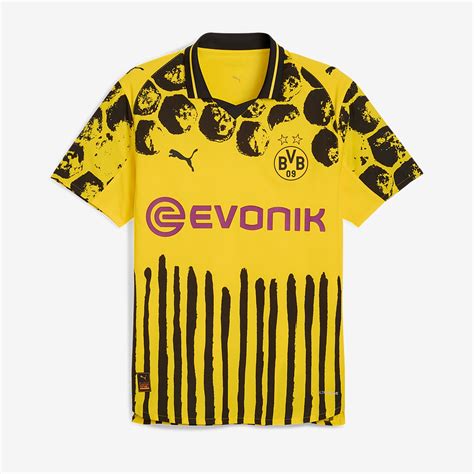
The **impact on sponsorships** is significant. Brands associated with either club recognize the Revierderby as a prime opportunity to maximize exposure. For instance, Dortmund’s partnership with Puma and Schalke’s association with Umbro are amplified during derby weeks through limited-edition merchandise releases, co-branded campaigns, and in-stadium activations. Sponsors are also keenly aware of the derby's emotional intensity, which translates into higher engagement rates for advertisements aired during the match. A study by Nielsen Sports found that brand recall for sponsors of teams involved in high-profile rivalries like the Revierderby is 15-20% higher compared to regular league matches. This statistic underscores why companies are willing to invest heavily in derby-specific marketing initiatives.
The **merchandise boom** surrounding the Revierderby is another area of commercial interest. Both clubs release special-edition jerseys, scarves, and other memorabilia tailored to the fixture. These items often feature slogans or designs that play on the rivalry, such as phrases like "Ruhr Pride" or "Battle of the Ruhr." The exclusivity of these products drives demand, especially among collectors and international fans who view owning such memorabilia as a way to connect with the rivalry. Online sales data from previous derbies indicate a spike in e-commerce activity in the weeks leading up to the match, with overseas shipments accounting for a growing share of revenue. This trend highlights how the Revierderby serves not just as a regional event but as a global commercial opportunity.
The **global viewership** of the Revierderby is a testament to its growing status as a marquee fixture. While the Bundesliga itself enjoys strong international viewership—particularly in markets like China, the United States, and India—the Revierderby often outperforms regular league matches in terms of audience numbers. For instance, the 2017 Revierderby saw a viewership of over 1 million on international platforms, a figure comparable to some Champions League group-stage games. This popularity is driven by a combination of factors: the high-energy nature of the matches, the presence of global stars, and the universal appeal of a heated rivalry. Advertisers and broadcasters are well aware of this, which is why time slots for the Revierderby are often optimized for prime viewing hours in key international markets.
One unique aspect of the Revierderby's commercial influence is its **role in shaping fan engagement strategies**. Both clubs have used the fixture as a testing ground for innovative fan experiences. Dortmund, for example, has experimented with virtual reality (VR) experiences that allow fans to "attend" the derby remotely, offering a 360-degree view of the Yellow Wall—the club's famous South Stand. Schalke, on the other hand, has focused on creating interactive fan zones in Gelsenkirchen where supporters can participate in pre-match activities and interact with club legends. These strategies not only deepen the emotional investment of local fans but also create opportunities for global fans to feel included in the spectacle.
The **long-term impact on sponsorships and brand partnerships** is perhaps the most intriguing commercial facet of the Revierderby. The fixture’s reputation as a high-stakes, emotionally charged event makes it a valuable property for brands looking to associate themselves with passion and loyalty. This is evident in the growing number of non-football-related sponsors—such as tech companies, automotive brands, and even financial institutions—who view the derby as a platform to reach diverse demographics. For example, a fintech company sponsoring Dortmund might use the Revierderby to launch a campaign targeting younger, tech-savvy fans, while Schalke might partner with a local energy firm to emphasize its community roots.
In conclusion, the **Revierderby’s commercial and media influence extends far beyond the 90 minutes of play**. It is a carefully curated event that blends local tradition with global commercial strategies. From the innovative use of media platforms to the strategic partnerships with sponsors and the explosion of merchandise sales, the derby exemplifies how a football rivalry can be transformed into a multi-faceted commercial enterprise. Its ability to balance the raw emotion of a local clash with the polished appeal of a global spectacle ensures that the Revierderby remains not just a fixture on the calendar but a cornerstone of football’s commercial ecosystem.
Modern Challenges and Evolution
The Revierderby, the storied clash between Borussia Dortmund and Schalke 04, is more than a football match; it is a cultural phenomenon rooted in the industrial heartlands of Germany's Ruhr region. However, as modern football evolves, this iconic rivalry has faced pressures to adapt to new realities. These challenges span financial constraints, shifting fan dynamics, and the globalization of the sport, all of which have demanded a recalibration of how the derby is experienced, marketed, and sustained.
One of the most significant modern challenges for the Revierderby is the **financial pressures** that have reshaped the landscape of football. Historically, both Dortmund and Schalke were representative of working-class communities, with budgets tied closely to local economies. However, the influx of television rights, sponsorship deals, and billionaire owners in football has created a stark contrast between clubs that can leverage global wealth and those rooted in regional identity. Dortmund, with its consistent performances in the Bundesliga and Champions League, has managed to position itself as a financially robust entity. Its revenue streams, bolstered by a massive fan base and savvy commercial operations, have allowed it to compete at higher levels. Schalke, on the other hand, has struggled. The club's relegation in the 2020-2021 season highlighted the vulnerabilities of relying on traditional revenue models in an era where financial mismanagement can lead to rapid decline. This disparity has introduced a new dimension to the Revierderby—one where financial stability often overshadows on-pitch rivalry. Clubs must now navigate the tension between preserving their local ethos and competing in a financially stratified football ecosystem.
Another critical aspect is the **changing fan expectations** in the digital age. Fans today are no longer passive spectators; they are active participants in the narrative of their clubs. Social media platforms have amplified the voices of supporters, creating a demand for constant engagement, transparency, and success. For the Revierderby, this has meant that the stakes are higher than ever. A loss is not just a blow to pride but a potential trigger for online backlash, memes, and trolling that extend far beyond the 90 minutes of play. Moreover, younger fans, influenced by global football cultures, often prioritize spectacle and star players over the gritty, local intensity that defined the derby in earlier decades. This shift has prompted both clubs to invest in digital marketing strategies, from behind-the-scenes content to player interviews tailored for international audiences. While this approach helps maintain relevance, it also risks diluting the raw, unfiltered passion that made the Revierderby unique. Clubs must strike a delicate balance between catering to a global audience and honoring the deeply local roots of their rivalry.
The **globalization of football** presents yet another layer of complexity. The Revierderby was once a fiercely regional affair, played for the pride of miners, steelworkers, and their families. Today, it is broadcast to millions worldwide, with fans tuning in from Asia, the Americas, and beyond. This global exposure has created new opportunities—expanded merchandise sales, international sponsorships, and a broader supporter base—but it also risks commodifying the derby into just another fixture on the global football calendar. For instance, Dortmund’s partnership with brands like Puma and Evonik, coupled with Schalke’s collaborations with Gazprom in the past, underscores how both clubs have courted international capital. While this globalization can provide financial relief, it can also dilute the derby's essence. Long-time fans may feel alienated when the focus shifts from local bragging rights to appealing to a global market. There is a palpable tension between maintaining the derby as a symbol of regional identity and packaging it for consumption by audiences who may not understand its historical significance.
In response to these challenges, both Dortmund and Schalke have sought to **innovate while staying true to their traditions**. Dortmund, for example, has leaned into its reputation as a club that nurtures young talent, emphasizing its academy and transfer strategy as a counterpoint to the big-spending habits of clubs like Bayern Munich or Paris Saint-Germain. This approach not only aligns with the club's financial realities but also resonates with fans who value sustainability and youth development. Schalke, meanwhile, has attempted to rebuild its identity post-relegation by focusing on grassroots initiatives and re-establishing its connection with its fan base. The club’s promotion back to the Bundesliga in 2022 was framed not just as a sporting achievement but as a testament to the resilience of its supporters and its regional roots.
The **role of technology** in modernizing the Revierderby cannot be overlooked. Both clubs have embraced advanced analytics, player performance tracking, and even virtual reality training methods to gain a competitive edge. These tools are particularly important for Schalke, which must maximize limited resources to compete with Dortmund's superior financial standing. Additionally, digital fan engagement tools—such as apps, augmented reality experiences, and interactive match-day content—have become integral to keeping fans invested. However, this technological evolution also raises questions about accessibility. As ticket prices rise and digital experiences become more central, there is a risk of alienating older, less tech-savvy fans who form the bedrock of the Revierderby's traditional support.
Another modern trend impacting the Revierderby is the **rise of global competition for attention**. With leagues like the Premier League and La Liga dominating international viewership, the Bundesliga—and by extension, the Revierderby—must work harder to stand out. This has led to innovative marketing campaigns, such as Dortmund’s use of its "Yellow Wall" as a visual centerpiece for global promotion or Schalke’s efforts to highlight its rich history through documentaries and heritage-focused content. These initiatives aim to position the Revierderby not just as a local skirmish but as a globally relevant event with a unique backstory.
Despite these adaptations, the Revierderby faces a paradox. While it must evolve to survive in a modern football landscape, its appeal lies in its authenticity and historical weight. The challenge for both clubs is to ensure that this evolution does not come at the expense of what makes the derby special. For instance, the intense atmosphere of the Signal Iduna Park or the Veltins-Arena during a Revierderby match remains a key selling point. Efforts to preserve this atmosphere—through affordable ticket schemes, community outreach, and fan-focused events—are critical to ensuring that the derby does not lose its soul in the quest for commercial success.
In summary, the Revierderby’s journey through modern football trends is a microcosm of the broader challenges facing traditional football rivalries. Financial pressures demand innovation without losing sight of fiscal responsibility. Changing fan expectations require clubs to be more accessible and engaging while preserving their core identity. And in a globalized football world, the Revierderby must find ways to stand out while staying grounded in its regional roots. These are not easy tasks, but they are essential for ensuring that this iconic rivalry continues to thrive in an era of rapid change.
Conclusion and Future Outlook
The Revierderby, a storied clash between Borussia Dortmund and Schalke 04, is more than a football match; it is a cultural phenomenon that encapsulates the industrial heritage, regional pride, and fierce rivalry of Germany's Ruhr region. As one of the most passionately contested derbies in world football, it has woven itself into the fabric of the sport. Its enduring legacy lies not only in the on-field battles but also in its ability to symbolize broader societal and economic shifts in the area it represents. To understand its future outlook, we must first consider the elements that have sustained its significance over decades.
The Revierderby's legacy is rooted in the Ruhr's industrial past. Both Dortmund and Schalke emerged as clubs from working-class communities tied to coal mining and steel production. This shared socioeconomic backdrop created an intense local rivalry, as the success of one club often reflected the aspirations and struggles of its supporters. Over time, the derby became a unifying yet divisive event, where fans could channel their collective identity through football. Even as the region transitioned away from its industrial roots, the derby retained its emotional weight. This adaptability is a testament to its cultural depth—it is not merely about football but about a shared history that transcends the sport.
Another aspect of its legacy is the unpredictability of match outcomes. Unlike some derbies where one team historically dominates, the Revierderby has seen moments of parity that amplify its drama. Schalke's "Eurofighter" era in the late 1990s contrasted with Dortmund's rise under Jürgen Klopp in the 2010s, illustrating how the rivalry has ebbed and flowed with the fortunes of each club. This dynamism has kept the derby relevant even as the global football landscape has become increasingly commercialized and stratified. It remains a fixture where form books are often thrown out the window, a rare quality in modern football where financial disparities often dictate results.
However, as we speculate on the future of the Revierderby, it is impossible to ignore the changing dynamics of football. The increasing influence of global broadcasting, digital fan engagement, and commercial interests has altered how rivalries are perceived and consumed. For instance, younger generations of fans, particularly those outside Germany, are more likely to engage with football through curated highlights, social media narratives, and fantasy leagues rather than through the raw, communal experience of attending a match in the Ruhr. This shift poses a challenge to the Revierderby's traditional identity—how does a rivalry so deeply tied to its local roots maintain its emotional resonance in a globalized fanbase?
One potential evolution lies in the clubs' ability to leverage digital platforms to tell the story of the Revierderby in a way that appeals to a broader audience while preserving its authenticity. Clubs could create immersive content—documentaries, interactive timelines, or virtual reality experiences—that delve into the history of the rivalry and the region. Such initiatives would not only educate newer fans but also reinforce the derby's unique place in football culture. Additionally, both Dortmund and Schalke could collaborate on community-focused projects in the Ruhr, emphasizing their shared commitment to the region's future. This approach would add a layer of modern relevance to the rivalry while staying true to its historical essence.
Another key factor in the derby's future is the performance and stability of the two clubs. Schalke's recent struggles, including relegation and financial difficulties, have somewhat dimmed the competitive edge of the rivalry in the short term. However, their return to the Bundesliga in 2023 signaled a potential resurgence. For the Revierderby to thrive, both clubs must remain competitive in their respective leagues. Dortmund's consistent presence in European competitions provides a platform for the rivalry to gain international exposure, but Schalke must find ways to rebuild and sustain their status as a top-tier contender. This balance is crucial—a lopsided rivalry risks losing its allure, as fans crave the unpredictability that has defined the Revierderby for so long.
The broader football ecosystem also plays a role. The rise of superclubs and the push for formats like the European Super League could marginalize domestic rivalries in favor of global spectacles. However, the Revierderby's deeply local nature might act as a counterbalance to this trend. While globalized football often prioritizes revenue over tradition, the Revierderby's grassroots appeal could position it as a symbol of resistance to the homogenization of the sport. This is where the Ruhr region's identity as a bastion of working-class values could serve as an anchor. Clubs and fans might increasingly frame the derby as a celebration of football's roots, emphasizing its role as a counterpoint to the excesses of modern football.
Additionally, the future of the Revierderby might be influenced by the integration of technology in football. Advances in data analytics, player tracking, and even AI-driven match simulations could change how teams prepare for such high-stakes encounters. While this might reduce some of the unpredictability that has characterized the derby, it could also lead to more tactical sophistication, making the matches even more intriguing for purists. For instance, Dortmund's pressing style under successive managers or Schalke's potential adoption of modern defensive systems could create new dimensions to the rivalry on the pitch.
There is also the question of how societal changes might impact the Revierderby. The Ruhr region, like many industrial areas, is grappling with economic transformation, environmental concerns, and demographic shifts. As younger populations in the area become more diverse, the supporter base of both clubs may evolve. This could lead to new traditions and fan behaviors, potentially reshaping the atmosphere of the derby. Clubs will need to navigate these changes carefully, ensuring that inclusivity does not dilute the passionate, localized nature of the rivalry.
In conclusion, the Revierderby's enduring legacy is a blend of historical significance, emotional intensity, and adaptability. Its future depends on how well the clubs and their stakeholders can navigate the dual pressures of modernization and tradition. By embracing digital storytelling, fostering regional solidarity, and maintaining competitive balance, the Revierderby can continue to thrive as a symbol of football's ability to connect the past with the present. Amid changing football dynamics, the derby has the potential to remain not just a fixture of the Bundesliga calendar but a beacon of what makes football uniquely human—a celebration of rivalry, identity, and shared experience in an ever-evolving world.