Introduction to Thomas Tuchel
Thomas Tuchel is a name synonymous with modern football management, characterized by his tactical acumen, adaptability, and an unwavering commitment to innovation. Born on August 29, 1973, in Krumbach, Germany, Tuchel's journey from a modest playing career to one of the most respected coaches in world football is a testament to his intellect, perseverance, and deep understanding of the game. While his playing days were cut short by injury, his transition into coaching marked the beginning of a career that would redefine how many perceive the role of a manager in the contemporary football landscape.
Tuchel's early foray into coaching began at the youth level with VfB Stuttgart in 2000, where he worked as a coach for the club's under-19 team. This period allowed him to hone his skills in player development and tactical experimentation, setting the stage for his eventual rise. However, it was at Mainz 05, where he took over as head coach in 2009, that Tuchel began to make waves. Mainz, a club with limited resources compared to the giants of the Bundesliga, became a proving ground for Tuchel's ability to maximize potential. Under his guidance, Mainz played an attractive, high-pressing style of football that belied their financial constraints. They achieved two top-half finishes in the Bundesliga during his tenure, including a remarkable fifth-place finish in the 2010-11 season—a feat that underscored Tuchel's ability to craft competitive teams with limited resources.
One of the defining aspects of Tuchel's time at Mainz was his emphasis on a fluid, dynamic system that allowed players to interchange positions and exploit space. This was a clear departure from the rigid structures often seen in lower-tier teams aiming for survival. Tuchel's philosophy was rooted in the idea of collective movement and individual freedom within a structured framework. This approach not only brought success to Mainz but also caught the attention of larger clubs, setting the stage for his move to borussia dortmund in 2015.
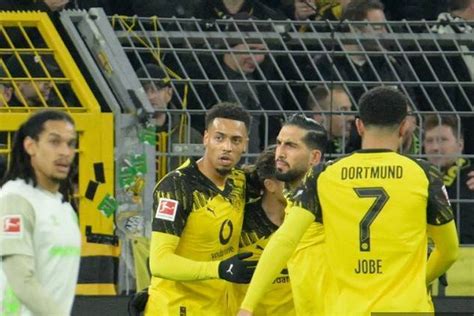
At Borussia Dortmund, Tuchel inherited a side that had been shaped by the charismatic Jürgen Klopp but was in need of rejuvenation. While Klopp's legacy was built on high-energy, emotionally charged football, Tuchel brought a more methodical and nuanced approach. He introduced a possession-based style that emphasized control and precision, while still retaining the aggressive pressing that had become a hallmark of Dortmund's identity. During his two seasons at the club, Tuchel led Dortmund to a DFB-Pokal victory in 2017 and a second-place finish in the Bundesliga in 2016. His ability to develop young talents like Ousmane Dembélé and Christian Pulisic showcased his knack for identifying and nurturing potential.
However, Tuchel's time at Dortmund was not without its challenges. His relationship with the club's hierarchy was often strained, particularly over transfer policies and the handling of certain incidents, such as the team bus bombing before a Champions League match in 2017. Despite these tensions, Tuchel's impact on Dortmund's style of play and his ability to deliver silverware in a highly competitive environment cemented his reputation as a top-tier coach.
The next chapter of Tuchel's career took him to Paris Saint-Germain (PSG) in 2018, where he faced a different kind of challenge: managing a squad of superstars in a league often criticized for its lack of competitiveness. At PSG, Tuchel was tasked not only with maintaining domestic dominance but also with delivering success in the Champions League—a long-standing ambition for the club's Qatari owners. During his tenure, PSG won back-to-back Ligue 1 titles (2019 and 2020) and reached the Champions League final in 2020, losing narrowly to Bayern Munich. This was PSG's first-ever appearance in the final of Europe's premier club competition, a milestone that highlighted Tuchel's ability to navigate the pressures of managing at the highest level.
At PSG, Tuchel demonstrated his flexibility by adapting his tactics to suit the strengths of his squad. While his Dortmund teams were built on collective pressing and fluidity, his PSG side often relied on the individual brilliance of players like Neymar and Kylian Mbappé. This adaptability is a hallmark of Tuchel's coaching philosophy—he does not impose a one-size-fits-all system but tailors his approach to the players at his disposal. However, as with Dortmund, Tuchel's time at PSG was marked by friction with the club's management, leading to his departure in December 2020 despite his successes.
Tuchel's next move was perhaps his most high-profile yet: taking over at Chelsea in January 2021. Arriving mid-season to a team struggling for consistency under Frank Lampard, Tuchel quickly implemented a structured, defensively solid system that transformed Chelsea into a formidable unit. His impact was immediate and profound. In just five months, Tuchel guided Chelsea to a top-four finish in the Premier League and, most notably, to Champions League glory in May 2021. The victory over Manchester City in the final was a masterclass in tactical discipline, with Tuchel's side nullifying City's attacking threats while capitalizing on their own opportunities. This achievement marked Tuchel as only the second manager in history to reach the Champions League final in consecutive seasons with different clubs.
Beyond the trophies, Tuchel's time at Chelsea has been defined by his ability to revitalize players who had previously underperformed. The resurgence of players like Antonio Rüdiger, Jorginho, and Mason Mount under his management is a testament to his man-management skills and his ability to instill confidence in his squad. His tactical versatility, switching between back-three and back-four systems depending on the opposition, further underscores his strategic depth.
What sets Tuchel apart from many of his contemporaries is his cerebral approach to the game. He is known for his meticulous preparation, often spending hours analyzing opponents and devising game plans that exploit their weaknesses. This attention to detail is complemented by his willingness to experiment—whether it is deploying unconventional formations or introducing new roles for players. For instance, his use of Kai Havertz as a false nine during Chelsea's Champions League run exemplifies his innovative thinking.
Tuchel's career is also marked by his ability to thrive under pressure. Whether it is turning around a struggling team mid-season or managing the expectations of billionaire owners, he has consistently delivered results. His journey reflects a combination of technical expertise, psychological insight, and an unrelenting desire to improve both himself and his teams.
- At Mainz, he demonstrated how to overachieve with limited resources.
- At Dortmund, he blended youth development with high-level tactical execution.
- At PSG, he navigated the complexities of managing egos and expectations in a star-studded environment.
- At Chelsea, he proved his ability to deliver immediate impact and long-term vision in one of the most competitive leagues in the world.
In summary, Thomas Tuchel's career is a study in evolution and excellence. From his early days at Mainz to his triumphs at Chelsea, he has continually adapted and grown, leaving an indelible mark on every club he has managed. His journey is not just about trophies but about the transformative influence he has had on players, teams, and the broader footballing landscape. As he continues to ply his trade at the highest level, Tuchel remains a figure who embodies the intersection of innovation, resilience, and success in modern football.
Early Life and Coaching Beginnings
Thomas Tuchel's journey into the world of football and coaching is a story of determination, adaptability, and an unrelenting desire to understand the intricacies of the game. His early life and formative experiences laid the foundation for a career that would see him rise to prominence as one of the most innovative and tactically astute managers in modern football. To fully appreciate Tuchel's coaching beginnings, it is essential to examine the environment and influences that shaped his early years.
Born on August 29, 1973, in Krumbach, a small town in Bavaria, Germany, Tuchel grew up in a region where football was deeply ingrained in the culture. However, unlike many professional players or coaches who hail from football-centric families, Tuchel's upbringing was more modest in its connection to the sport. His father was a coach at a local amateur level, which provided young Thomas with early exposure to the tactical and organizational aspects of football. This environment instilled in him not just a love for playing the game but also an early curiosity about its mechanics. As a youth player, Tuchel was noted for his intelligence on the field rather than overwhelming physical attributes. He played as a defender, a position that often requires a high level of strategic thinking and an ability to read the game—qualities that would later define his coaching philosophy.
Tuchel's playing career was cut short by injury, a turning point that would redirect his passion for football from the pitch to the sidelines. At the age of 25, while playing for SSV Ulm in the second division of German football, a chronic knee injury forced him to retire. This premature end to his playing days could have been a crushing blow, but Tuchel demonstrated resilience by immediately channeling his energy into understanding the game from a different perspective. His transition from player to coach was not merely a fallback but a deliberate choice to remain connected to football in a meaningful way. This period of reflection and adaptation is a critical aspect of Tuchel's story, as it highlights his ability to pivot and find opportunity in adversity—a trait that would become a hallmark of his coaching style.
One of the most significant early influences on Tuchel was Ralf Rangnick, a figure often credited with popularizing the high-pressing, counter-pressing style of play in German football. Rangnick, who was Tuchel's coach at Ulm, introduced him to a methodical and systematic approach to the game. This exposure to Rangnick’s philosophy planted the seeds for Tuchel’s own coaching identity. Under Rangnick, Tuchel learned the importance of positional play, structured defending, and the value of collective organization over individual brilliance. These principles would later become central to Tuchel's coaching methodology, particularly during his time at Mainz and Borussia Dortmund.
Tuchel's entry into coaching was marked by a combination of grassroots experience and a hunger for knowledge. After retiring, he took on a role coaching the youth teams at VfB Stuttgart. This was a humble beginning, but it allowed him to experiment with training methods and develop his own ideas about player development. Stuttgart provided Tuchel with a laboratory of sorts, where he could test theories about how to improve young players’ technical and tactical abilities. During this time, he also immersed himself in studying the works of influential coaches and theorists. Notably, Tuchel was deeply inspired by the ideas of Arrigo Sacchi, the legendary Italian coach known for his emphasis on tactical discipline and the collective over individualism. Sacchi's belief in a well-drilled team capable of executing complex systems resonated with Tuchel, who began to see coaching as a means of orchestrating a symphony of movements on the field.
Another formative influence was Tuchel's own insatiable curiosity. He was known to be a voracious reader of coaching manuals, sports psychology texts, and even books outside the realm of football that dealt with leadership and human behavior. This intellectual approach set him apart from many of his contemporaries. While some coaches relied on experience and intuition alone, Tuchel sought to blend practical knowledge with theoretical understanding. For instance, he studied the works of Pep Guardiola and José Mourinho, drawing lessons from their contrasting styles. Guardiola’s focus on possession-based football and spatial control complemented Tuchel’s own evolving ideas about how to dominate games through positioning and movement. Meanwhile, Mourinho’s emphasis on mental strength and game management offered Tuchel a different lens through which to view the psychological aspects of coaching.
Tuchel’s first major coaching role came at FC Augsburg II, where he began to implement his ideas in a more structured environment. Here, he focused on creating a high-intensity training regime that emphasized quick transitions, coordinated pressing, and positional awareness. His work at Augsburg was not just about results but about embedding a style of play that reflected his philosophy. This period also saw Tuchel experimenting with video analysis and data-driven insights, tools that were still relatively new in the lower tiers of German football. His willingness to embrace technology and innovation demonstrated a forward-thinking mindset that would serve him well as he progressed through his career.
A key moment in Tuchel's early coaching journey came when he joined Mainz 05 in 2009. Mainz was a club with limited resources but a strong identity rooted in hard work and collective effort. Tuchel’s appointment was seen as a gamble, given his relative lack of experience at the senior level. However, he quickly silenced skeptics by leading Mainz to unprecedented success. His ability to maximize the potential of a modest squad was a testament to his tactical acumen and man-management skills. At Mainz, Tuchel began to refine his high-pressing system, using it as a weapon to unsettle more established teams. His work here was not just about winning matches but about crafting a cohesive unit that could compete against teams with greater resources. This period solidified Tuchel’s reputation as a coach who could outthink opponents, even when outgunned in terms of talent.
- Tuchel’s early life in Krumbach provided him with a foundational understanding of football, albeit in a modest setting.
- Injury forced him to retire early, but this setback became an opportunity to transition into coaching with a clear sense of purpose.
- Influences like Ralf Rangnick and Arrigo Sacchi shaped his tactical outlook, blending German pragmatism with Italian discipline.
- His time at Stuttgart and Augsburg allowed him to experiment with training methods and develop a distinct coaching identity.
- At Mainz, Tuchel proved his ability to succeed with limited resources, laying the groundwork for future successes.
In summary, Thomas Tuchel's early life and coaching beginnings reveal a man shaped by both circumstance and choice. His injury-enforced retirement could have been the end of his football story, but instead, it became the prologue to a remarkable career. Influenced by mentors like Rangnick and inspired by the intellectual rigor of coaches like Sacchi, Tuchel carved out a unique path. His blend of theoretical knowledge, practical application, and a relentless pursuit of improvement marked him as a coach destined for greater stages. The lessons learned in these formative years would not only define his approach to the game but also set the stage for his later successes at clubs like Borussia Dortmund, Paris Saint-Germain, and Chelsea.
Philosophy and Tactical Approach
Thomas Tuchel is widely regarded as one of the most tactically astute managers in modern football. His philosophy and tactical approach are rooted in a blend of pragmatism and innovation, shaped by his experiences across different leagues and with diverse squads. This section delves into the core elements of Tuchel's preferred playing style, the formations he employs, and the tactical innovations that set him apart.
At the heart of Tuchel's philosophy is a commitment to **possession-based football** with a clear emphasis on control. He prioritizes maintaining possession not merely as a means of retaining the ball but as a tool to dominate the game. This is evident in his teams' ability to patiently build from the back, utilizing short passes and positional play to advance up the pitch. Tuchel's approach often involves a high defensive line and a compact midfield, which ensures that his team can press effectively when out of possession while maintaining a structured shape to recycle the ball when in possession. This style is heavily influenced by the principles of **positional play (juego de posición)**, where players are encouraged to occupy specific zones on the field to create passing lanes and overloads in key areas.
One of Tuchel's most recognizable formations is the **3-4-2-1** or **3-4-3** system, which he has deployed with great success at clubs like Chelsea and Paris Saint-Germain. This formation allows for a balanced approach, offering both defensive solidity and attacking fluidity. The back three provides a solid foundation, with one of the center-backs often tasked with initiating play. Full-backs or wing-backs are crucial in this setup, as they are expected to provide width and support in both defensive and offensive phases. For instance, at Chelsea, players like Reece James and Ben Chilwell thrived in these roles, contributing both defensively and as auxiliary attackers.
The midfield pairing in Tuchel's 3-4-2-1 is critical to his system. He often deploys one deep-lying playmaker—a player capable of dictating tempo and switching play—alongside a more dynamic, box-to-box midfielder. This pairing ensures that the team can control the central areas while also offering verticality in attack. The two attacking midfielders or inside forwards in the system are given license to drift into half-spaces, creating opportunities for combination play and penetrating the opposition's defensive block. This was evident in Chelsea's Champions League-winning campaign in 2021, where Mason Mount and Kai Havertz often exploited these spaces to devastating effect.
A key feature of Tuchel's tactical approach is his emphasis on **flexibility and adaptability**. While he has a preferred system, he is not married to it. Tuchel has shown a willingness to switch formations mid-game or across different fixtures depending on the opponent. For example, he has used a **4-2-3-1** or **4-3-3** when facing teams that sit deep, as these formations allow for greater width and penetration in the final third. This adaptability reflects Tuchel's ability to read the game and make in-game adjustments, a trait that has often given his teams an edge in high-stakes matches.
Another hallmark of Tuchel's philosophy is his focus on **pressing and counter-pressing**. His teams are trained to win the ball back quickly after losing it, often employing a high-intensity press in the opponent's half. This approach is not just about regaining possession but also about disrupting the opposition's build-up play and forcing errors in dangerous areas. At Chelsea, this style of play was particularly effective against top teams, as it denied them time and space to execute their own game plans. However, Tuchel is also pragmatic enough to adjust the intensity of the press based on the opponent and the physical condition of his squad.
Tuchel's tactical innovations often lie in the **micro-adjustments** he makes within his systems. For instance, he has been known to deploy a **false full-back** system, where a nominal center-back or midfielder drops into the defensive line during build-up play to create numerical superiority against a high press. This was evident in his time at Paris Saint-Germain, where Marquinhos often played this role. Similarly, at Chelsea, Tuchel experimented with using players like César Azpilicueta in hybrid roles that blurred the lines between center-back and full-back. These adjustments not only confuse opponents but also provide Tuchel's teams with a numerical advantage in key areas of the pitch.
Another area where Tuchel has shown innovation is in his use of **set pieces**. While not traditionally associated with a possession-based coach, Tuchel places significant emphasis on dead-ball situations as a means of breaking down stubborn defenses. His teams often employ intricate routines that involve decoy runners and well-timed movements to create scoring opportunities. This focus on set pieces was particularly evident during Chelsea's Champions League run, where several crucial goals originated from well-rehearsed routines.
Tuchel's philosophy also places a strong emphasis on **player development and role clarity**. He is known for tailoring his tactics to suit the strengths of his players while also challenging them to evolve. For example, at Dortmund, he transformed players like Christian Pulisic and Ousmane Dembélé into dynamic wingers capable of both beating defenders one-on-one and contributing to intricate build-up play. At Chelsea, he revitalized the careers of players like Antonio Rüdiger and N'Golo Kanté by giving them clearly defined roles within his system. Rüdiger, for instance, became a more proactive defender under Tuchel, often stepping into midfield to disrupt play, while Kanté was used as a box-to-box dynamo rather than purely a defensive midfielder.
One of the most intriguing aspects of Tuchel's approach is his ability to **balance attacking ambition with defensive solidity**. While his teams are capable of scoring goals in abundance, they are equally adept at shutting out opponents. This balance is achieved through a combination of positional discipline and individual player instructions. For example, Tuchel often instructs his forwards to press in a coordinated manner, while his midfielders are tasked with covering shadow zones to cut off passing lanes. This dual focus ensures that his teams are difficult to break down while remaining a constant threat in transition.
In summary, Thomas Tuchel's philosophy and tactical approach are characterized by a deep understanding of the game's nuances. His preference for possession-based football, adaptability in formations, and innovative use of player roles make him a standout manager. Whether it is through his focus on positional play, his emphasis on pressing, or his willingness to experiment with hybrid roles, Tuchel has consistently demonstrated an ability to evolve his tactics while staying true to his core principles. This blend of innovation and pragmatism has not only brought him success but also established him as a manager capable of leaving a lasting impact on the teams he leads.
Success at Borussia Dortmund
Thomas Tuchel's tenure at Borussia Dortmund, which spanned from 2015 to 2017, was a period of both innovation and complexity. Taking over from the charismatic Jürgen Klopp, Tuchel inherited a squad in transition and a fanbase still reeling from a disappointing final season under Klopp. Despite these challenges, Tuchel's time at Dortmund was marked by tactical evolution, significant player development, and a series of high-profile matches that showcased his ability to adapt and innovate within the constraints of a highly competitive environment.
One of the most striking aspects of Tuchel's success at Dortmund was his immediate impact on the team's playing style. While Klopp's Dortmund was defined by its high-intensity pressing and counter-attacking football, Tuchel sought to implement a more possession-oriented approach. This shift was evident in the team's improved ball retention and the introduction of a more structured build-up play. Key to this transformation was Tuchel's emphasis on positional play, ensuring players maintained specific zones of control on the pitch. This allowed Dortmund to dominate possession against mid-table teams while still retaining the ability to explode into quick transitions against stronger opponents.
A standout example of Tuchel's tactical acumen was the 2015-16 DFB-Pokal quarterfinal against Stuttgart. In this match, Dortmund exhibited a fluid 4-1-4-1 formation that transitioned seamlessly into a 3-4-3 during attacking phases. The use of players like Julian Weigl as a deep-lying playmaker was a masterstroke. Weigl, who had been a relatively unknown talent before Tuchel's arrival, thrived under the new system. His ability to dictate tempo and distribute the ball with precision was a direct result of Tuchel's trust and tactical framework. This match not only highlighted Tuchel's willingness to experiment but also underscored his knack for elevating players' potential.
Player development was a hallmark of Tuchel's time at Dortmund. Beyond Weigl, he played a pivotal role in nurturing young talents such as Ousmane Dembélé and Christian Pulisic. Dembélé, signed in the summer of 2016, was a raw but immensely talented winger. Under Tuchel's guidance, he became a more refined player, learning to use his pace and dribbling in a way that complemented the team's structure. Pulisic, then a teenager, was given consistent opportunities in high-stakes matches, which accelerated his growth. Tuchel's trust in youth was not merely a byproduct of necessity but a deliberate strategy to build a sustainable core for the future. This approach paid dividends, as Dortmund finished as runners-up in the Bundesliga in his first season and reached the quarterfinals of the UEFA Europa League.
However, Tuchel's tenure was not without its challenges. One of the most significant hurdles was managing the aftermath of the 2017 bus attack before Dortmund's Champions League quarterfinal against Monaco. The traumatic event understandably affected the players' mental state, yet Tuchel was tasked with preparing the team for one of the most important fixtures of the season just 24 hours later. The 2-3 loss to Monaco was a bitter pill to swallow, but Tuchel's ability to rally the team and maintain a semblance of focus in such extraordinary circumstances demonstrated his leadership qualities. While the result was disappointing, the match highlighted the resilience Tuchel instilled in his squad.
Another challenge was navigating the club's complex hierarchy and relationship with the board. Tuchel often found himself at odds with Dortmund's leadership, particularly over transfer policies and the club's long-term vision. His public disagreements with CEO Hans-Joachim Watzke were well-documented and eventually contributed to the strained atmosphere surrounding his departure. Despite this friction, Tuchel's on-field results were undeniable. His Dortmund side played some of the most aesthetically pleasing football in Europe during this period, exemplified by their 4-1 thrashing of Borussia Mönchengladbach in September 2016, a match where their intricate passing and movement were on full display.
Tuchel's ability to prepare for and win key matches was another defining feature of his Dortmund tenure. The 2017 DFB-Pokal final against Eintracht Frankfurt stands out as a testament to his tactical flexibility. Facing a physically robust Frankfurt side, Tuchel adjusted his system to include a back three, allowing Dortmund to control the midfield while neutralizing Frankfurt's aerial threat. The 2-1 victory, secured by goals from Pierre-Emerick Aubameyang and Dembélé, was a fitting culmination of Tuchel's work. It was not just the result but the manner of the performance—fluid, confident, and decisive—that encapsulated his philosophy.
Despite these successes, Tuchel's time at Dortmund was also marked by internal friction within the squad. Reports suggested that some senior players, including Mats Hummels and Henrikh Mkhitaryan, found it difficult to adapt to Tuchel's demanding and detail-oriented approach. This tension was exacerbated by the departures of key players like Hummels and Ilkay Gündogan before the 2016-17 season. Tuchel's insistence on high standards and his occasional aloofness with certain players created a divide that, while not fatal to the team's performance, added a layer of complexity to his management style.
In retrospect, Tuchel's tenure at Dortmund can be seen as a microcosm of his broader career: innovative, intense, and at times polarizing. His ability to develop players and implement a distinct playing style left a lasting legacy. The team's improvement in possession statistics, their consistent threat in attacking transitions, and their ability to compete with Bayern Munich in domestic competitions all point to a coach who maximized the resources at his disposal. However, the challenges he faced—both external and internal—serve as a reminder of the complexities of managing a top-tier club in modern football.
In summary, Tuchel's success at Borussia Dortmund was multifaceted. It was defined by tactical innovation, player development, and the ability to deliver results in high-pressure scenarios. Yet, it was also shaped by the friction and challenges that come with managing a club of Dortmund's stature. This duality makes his time at Dortmund a fascinating chapter in his career, one that laid the foundation for his future successes while also exposing the inherent difficulties of balancing ambition with institutional constraints.
Transformation at Paris Saint-Germain
Thomas Tuchel's tenure at Paris Saint-Germain (PSG) marked a fascinating chapter in his managerial career, as he navigated the complexities of leading a club defined by its star power and financial might. Managing a squad filled with world-class talents such as Neymar, Kylian Mbappé, and Ángel Di María presented a unique set of challenges. Tuchel's approach to this environment was a blend of tactical innovation, man-management, and a clear vision for PSG's ambitions in European competition. This section delves into how Tuchel adapted to managing such a star-studded squad and the impact of his strategies on PSG's European trajectory.
One of the first areas of focus for Tuchel was establishing a cohesive team identity amidst the egos and individual brilliance of his players. PSG had long been criticized for prioritizing individual performances over collective strength, particularly in high-stakes Champions League matches. Tuchel recognized that while the squad possessed extraordinary talent, their lack of a defined system in critical moments had often led to underperformance on the European stage. He sought to implement a system that balanced the creative freedom of his star players with a structured framework that emphasized defensive solidity and counter-pressing.
Tuchel’s tactical flexibility was evident in his willingness to experiment with formations. While he often deployed a 4-3-3 to leverage the pace and skill of Mbappé and Di María on the flanks, he was not afraid to shift to a 3-5-2 or even a 4-2-2-2 when the situation demanded. This adaptability was particularly noticeable in the 2019-2020 season, where PSG reached the Champions League final for the first time in their history. In that campaign, Tuchel demonstrated his ability to tailor his approach to specific opponents. For instance, in the knockout stages, he deployed a compact midfield to neutralize the attacking threats of Borussia Dortmund and later adjusted his lineup to stifle Atalanta’s high-pressing game in the quarter-finals. These tactical shifts underscored Tuchel’s ability to read the game and adjust his team’s setup according to the strengths and weaknesses of the opposition.
However, managing a squad of such high-profile players required more than just tactical acumen; it demanded exceptional man-management skills. Tuchel was often seen as a coach who could connect with his players on a personal level, fostering a sense of trust and respect. This was particularly evident in his handling of Neymar, a player whose temperament and injury history had often been points of contention. Tuchel worked closely with Neymar, not only to maximize his on-field contributions but also to ensure he remained motivated and integrated within the team dynamic. This approach paid dividends, as Neymar delivered some of his most consistent performances under Tuchel, particularly in the Champions League. Similarly, Tuchel’s ability to manage the sometimes-fraught relationship between Neymar and Mbappé was crucial in maintaining harmony within the squad.
Another critical aspect of Tuchel’s impact at PSG was his emphasis on mental preparation for European competitions. PSG had often been accused of crumbling under pressure in the latter stages of the Champions League, a reputation that Tuchel sought to change. He introduced a more rigorous approach to preparing for high-pressure matches, focusing on both the physical and psychological aspects of performance. This included detailed video analysis, simulated scenarios in training, and an increased focus on set-piece efficiency—a previously underutilized area for PSG. Tuchel’s attention to these details was instrumental in PSG’s run to the 2020 Champions League final, where they ultimately fell short against Bayern Munich. Despite the loss, the progress made under Tuchel was evident, as PSG displayed a level of resilience and tactical discipline that had been lacking in previous campaigns.
Tuchel also had to contend with the expectations and pressures unique to managing a club of PSG's stature. The Qatari ownership demanded not just domestic dominance but also success in Europe, a goal that had eluded previous managers despite significant investment. Tuchel’s ability to deliver Ligue 1 titles and domestic cup victories was almost a given, given the squad's quality. However, his true test lay in how he handled the Champions League, where PSG’s history was marked by high-profile collapses, such as the infamous "Remontada" against Barcelona in 2017. Tuchel’s focus on building a team that could withstand the mental and physical toll of European football was a step forward for the club. His emphasis on squad rotation and maintaining player fitness was particularly important given the grueling schedule of modern football, especially during the COVID-19-affected 2019-2020 season.
Despite these successes, Tuchel’s time at PSG was not without its challenges. One of the criticisms leveled at him was his occasional struggle to impose a long-term vision for the club. PSG’s transfer policy, driven by the ownership’s desire for immediate success, often left Tuchel with a squad that lacked balance. For example, while the attack was world-class, the midfield and defense were occasionally exposed against top-tier European opposition. Tuchel’s public comments about the need for reinforcements in certain areas occasionally created friction with the club’s hierarchy, highlighting the tension between his ambitions and the club’s broader strategy. This dynamic underscored the difficulty of managing a club where short-term success often took precedence over sustainable development.
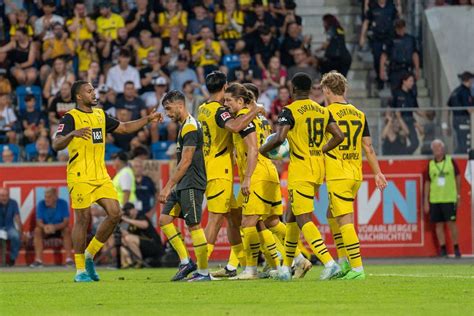
In terms of long-term impact on PSG’s European ambitions, Tuchel laid a foundation that his successors could build upon. His ability to guide the team to their first Champions League final was a significant milestone, even if the ultimate prize eluded them. He demonstrated that PSG could compete with the traditional European powerhouses when equipped with the right tactical approach and mental fortitude. Furthermore, his emphasis on a more collective style of play helped to shift the narrative around PSG from being a collection of individuals to a more cohesive unit capable of challenging for Europe’s top honors.
In conclusion, Tuchel’s transformation of PSG during his tenure can be seen as a case study in adapting to the unique challenges of managing a star-studded squad. He combined tactical innovation with a human-centric approach to man-management, enabling PSG to reach new heights in European competition. While his time at the club was cut short due to off-field dynamics, his legacy at PSG is one of progress and ambition. Tuchel not only elevated the team’s performance in Europe but also set a benchmark for how to manage the delicate balance between individual brilliance and collective success in a high-pressure environment.
- Tuchel adapted tactically, using flexible formations to suit different opponents.
- He prioritized man-management, particularly with high-profile players like Neymar and Mbappé.
- His focus on mental preparation and set-piece efficiency contributed to PSG's improved European performances.
- He faced challenges in aligning his long-term vision with the club’s immediate success-driven strategy.
Ultimately, Tuchel’s tenure at PSG serves as a compelling example of how a manager can navigate the complexities of a star-laden team while striving for European glory, leaving a lasting imprint on the club’s trajectory.
Chelsea's Champions League Triumph
When Thomas Tuchel took over as manager of Chelsea in January 2021, the club was in a precarious position. Frank Lampard, a club legend, had been dismissed after a string of disappointing results left Chelsea ninth in the premier league table. The team, despite significant investment in the previous summer transfer window, appeared disjointed and lacking a clear identity. What followed was one of the most remarkable managerial turnarounds in recent football history, culminating in Chelsea lifting the 2021 Champions League trophy just four months after Tuchel's appointment.
Tuchel’s immediate impact was rooted in his ability to instill a sense of tactical clarity and discipline within the squad. One of his first moves was to switch Chelsea to a 3-4-2-1 formation, a system that provided defensive solidity while maximizing the attacking potential of players like Mason Mount, Timo Werner, and Kai Havertz. This formation leveraged the wing-backs—particularly Reece James and Ben Chilwell—as dual threats in attack and defense. The change was not just about formation but about philosophy: Tuchel emphasized compactness without the ball and swift, vertical transitions when in possession. This approach transformed Chelsea into a team that was difficult to break down while maintaining an edge in key attacking moments.
A critical aspect of Tuchel’s success was his man-management skills. Upon arrival, he faced a dressing room that was low on confidence and fraught with uncertainties. High-profile signings like Werner and Havertz had struggled to adapt to the Premier League, and there were murmurs of discord among players. Tuchel, however, adopted a pragmatic and empathetic approach. He publicly supported his players, even those who were underperforming, and made it clear that he valued every member of the squad. For instance, he reintegrated players like Antonio Rüdiger and Marcos Alonso, who had fallen out of favor under Lampard, into the starting lineup. This not only boosted morale but also showcased Tuchel’s ability to see potential where others might not.
The Champions League campaign under Tuchel was a masterclass in game management and adaptability. In the knockout stages, Chelsea faced formidable opponents, including Atlético Madrid, Porto, and Real Madrid. Tuchel’s tactical nous was on full display in these matches. Against Atlético, he neutralized their high-pressing game by encouraging his team to play out from the back with precision. In the semi-finals against Real Madrid, Chelsea’s high-intensity pressing and ability to exploit spaces behind Madrid’s aging midfield were pivotal. Tuchel’s willingness to make bold decisions—such as starting Kai Havertz as a false nine in the final against Manchester City—demonstrated his confidence in his vision and his players.
The final against Manchester City was perhaps the clearest example of Tuchel’s impact. Pep Guardiola’s City were overwhelming favorites, having dominated the Premier League with their possession-based style. However, Tuchel had already beaten City twice in domestic competitions since taking over, and he approached the final with a clear plan. He deployed a midfield trio of N’Golo Kanté, Jorginho, and Mason Mount to disrupt City’s rhythm, while Havertz, playing as the focal point of the attack, exploited the spaces left by City’s high defensive line. The lone goal of the match, scored by Havertz after a perfectly weighted through ball from Mount, was a testament to Tuchel’s ability to prepare his team for big moments. It was not just the result but the manner of the victory—a controlled, disciplined performance against one of Europe’s best teams—that underscored Chelsea’s transformation.
Equally impressive was Tuchel’s focus on defensive organization. In the 19 games leading up to the Champions League final, Chelsea conceded just eight goals. This was a stark contrast to their defensive frailty earlier in the season. Tuchel’s emphasis on a high defensive line, combined with the trio of Rüdiger, Thiago Silva, and César Azpilicueta, created a backline that was both aggressive and resilient. The role of Édouard Mendy in goal cannot be overlooked; Tuchel’s trust in the Senegalese goalkeeper provided stability at a position that had been a source of inconsistency earlier in the campaign.
Beyond tactics and results, Tuchel’s ability to galvanize the squad was a key factor in Chelsea’s success. He fostered a sense of unity and purpose, emphasizing collective effort over individual brilliance. This was evident in the way the team celebrated defensive actions as enthusiastically as goals. Players like Kanté, who delivered a series of world-class performances in the knockout stages, embodied this collective spirit. Tuchel’s post-match comments often highlighted the team’s work ethic and cohesion, reinforcing the idea that the Champions League win was a shared achievement rather than the result of individual genius.
It is also worth noting the broader context of Tuchel’s achievement. Taking over mid-season is inherently challenging, as managers have little time to implement their ideas and must work within the constraints of an existing squad. Tuchel’s ability to quickly diagnose Chelsea’s weaknesses—such as their lack of defensive cohesion and underutilized attacking talent—and address them with surgical precision was remarkable. His impact was not limited to the Champions League; Chelsea also secured a top-four finish in the Premier League, an achievement that seemed unlikely when he took over.
The contrast between Chelsea’s state before and after Tuchel’s arrival is stark. In less than four months, he turned a team that was struggling for identity and consistency into European champions. This was not a gradual process but a rapid and deliberate overhaul of the team’s mindset and approach. Tuchel’s success at Chelsea in 2021 is a case study in how a manager’s vision, adaptability, and leadership can transform a club’s fortunes in a short span of time.
- Tuchel’s 3-4-2-1 system provided both defensive solidity and attacking flexibility.
- His man-management skills revived underperforming players like Rüdiger and Havertz.
- Chelsea’s defensive record improved dramatically under his stewardship.
- The Champions League win was built on tactical preparation and collective effort.
In summary, Thomas Tuchel’s Champions League triumph with Chelsea in 2021 was not merely a testament to his tactical acumen but also a reflection of his ability to rebuild confidence, reshape a team’s identity, and deliver results under pressure. It was a victory that showcased the transformative power of a manager who could blend strategy, psychology, and execution to achieve the pinnacle of European club football.
Leadership and Player Management
Thomas Tuchel's leadership and player management style is a fascinating study in how a modern football manager navigates the complexities of handling diverse personalities while maintaining a cohesive team environment. Unlike many coaches who rely on a singular approach to team dynamics, Tuchel has demonstrated a nuanced ability to adapt his methods to suit the individuals within his squad. This adaptability is rooted in his deep understanding of human psychology, which he combines with a clear vision of how his team should function on and off the pitch.
One of the most striking aspects of Tuchel's leadership is his personalized approach to player management. In a sport where egos and individual ambitions often clash, Tuchel has shown an uncanny ability to address each player's needs while keeping the collective goal in focus. For instance, during his tenure at Paris Saint-Germain, he managed a dressing room filled with some of the most high-profile and demanding players in world football, such as Neymar and Kylian Mbappé. These players, while exceptionally talented, are known for their strong personalities and occasional clashes with authority. Tuchel's success in Paris was not merely about delivering trophies but also about maintaining harmony in a volatile environment. He did this by engaging players on a one-on-one basis, often holding private conversations to understand their motivations and concerns. This approach allowed him to build trust, which is crucial when dealing with elite athletes who are accustomed to being the center of attention.
Tuchel's ability to foster trust is closely tied to his communication skills. He is known for being direct yet empathetic in his interactions. Rather than adopting a "one-size-fits-all" communication style, he tailors his messages to resonate with individual players. For example, while some players might respond well to tough love or blunt feedback, others require a more supportive and encouraging tone. Tuchel's flexibility in this regard stems from his belief that every player is unique, and their performance is closely tied to their emotional state. This is evident in how he handled players like Christian Pulisic at Chelsea. Pulisic, who had struggled for consistency under previous managers, found renewed confidence under Tuchel, who provided him with clear instructions and consistent opportunities to play, even when form was fluctuating. This kind of tailored support not only boosts individual performance but also reinforces the idea that the manager values each player's contribution.
Another key element of Tuchel's leadership is his focus on creating a shared identity within the team. While he recognizes the importance of individual brilliance, he places equal emphasis on how players fit into the broader system. At Chelsea, for example, he inherited a squad that had recently won the Champions League under Frank Lampard but was struggling to find consistency in the league. Tuchel quickly implemented a clear tactical framework that emphasized defensive solidity and positional discipline. However, he did not force players into rigid roles; instead, he encouraged them to express themselves within the system. This balance between structure and freedom is a hallmark of his management style. By giving players a sense of purpose and clarity about their roles, he fosters a sense of cohesion that transcends individual differences.
Tuchel's management of diverse personalities also extends to how he handles conflict. Football squads are often microcosms of society, with players from different cultural, social, and professional backgrounds. At PSG, for instance, he had to mediate between players from South America, Europe, and Africa, each bringing their own set of cultural expectations and work ethics. Tuchel’s approach to such diversity is rooted in his ability to empathize and adapt. He does not shy away from addressing conflicts head-on but does so in a way that seeks to understand the root cause rather than apportion blame. For example, when tensions arose between Neymar and Edinson Cavani over penalty duties, Tuchel did not take sides publicly. Instead, he worked privately to resolve the issue by emphasizing the importance of teamwork and collective success. This ability to defuse potentially explosive situations without alienating any party is a testament to his emotional intelligence.
In addition to managing individual personalities, Tuchel places a strong emphasis on team-building activities that go beyond the football pitch. He often organizes informal gatherings or team-bonding exercises to help players develop a sense of camaraderie. These activities are not merely social but are designed to break down barriers and create an environment where players feel comfortable expressing themselves. This is particularly important in high-pressure environments like the Premier League or the Champions League, where the margin for error is slim, and team unity can make the difference between success and failure. Tuchel’s emphasis on off-pitch bonding is rooted in his belief that a happy and connected team is more likely to perform at its best when it matters most.
Another aspect of Tuchel's player management is his focus on mental well-being. Modern football is as much a mental battle as it is a physical one, and Tuchel recognizes the toll that pressure can take on players. He has been vocal about the need to support players not just as athletes but as individuals. This is evident in how he has handled players recovering from injuries or going through personal struggles. For instance, at Chelsea, he was patient with players like N’Golo Kanté, who has had a history of fitness issues, ensuring that he was gradually reintroduced to the team rather than being rushed back. This approach not only protects the player’s long-term health but also reinforces the idea that the manager cares about their overall well-being, not just their on-field output.
Tuchel’s leadership is also marked by his willingness to challenge players when necessary. While he is supportive and empathetic, he is not afraid to demand more from his squad when he feels they are underperforming. This was evident during his time at Borussia Dortmund, where he had to manage a young and talented but sometimes inconsistent squad. Tuchel’s ability to push players while maintaining their respect is a fine line that few managers can walk successfully. He achieves this by combining high expectations with a clear explanation of why those expectations are necessary. Players are more likely to respond positively when they understand the rationale behind a manager’s decisions, and Tuchel excels at providing this context.
In summary, Thomas Tuchel’s approach to leadership and player management is a blend of emotional intelligence, tactical clarity, and a deep understanding of human nature. He manages diverse personalities by fostering trust, creating a shared identity, and addressing conflicts with empathy. His ability to balance structure with freedom, coupled with his focus on mental well-being and team cohesion, makes him a standout figure in modern football management. While his methods are not without challenges—no manager is infallible—Tuchel’s track record of success across multiple leagues and with varied squads underscores his effectiveness in this critical aspect of the game.
Challenges and Criticisms
Thomas Tuchel is a highly regarded football manager who has achieved significant success at clubs like Paris Saint-Germain, Chelsea, and Bayern Munich. However, his career has not been without its share of controversies, managerial sackings, and critiques of his methods. These challenges provide a nuanced view of his managerial journey, offering insights into the pressures and complexities of elite football management.
One of the most prominent controversies in Tuchel's career came during his time at Paris Saint-Germain (PSG). Despite delivering back-to-back Ligue 1 titles and leading the club to its first-ever UEFA Champions League final in 2020, Tuchel often found himself at odds with the club's hierarchy. PSG's ownership, led by Qatar Sports Investments, is known for its high expectations and heavy-handed approach. Tuchel publicly expressed frustration over transfer policies, particularly the lack of input he had in squad-building decisions. This tension was exacerbated by his comments in interviews, where he occasionally appeared to criticize the club's structure. Such public dissent is rarely tolerated in top-tier clubs with autocratic ownership models, and it set the stage for his eventual departure in December 2020. While Tuchel's on-pitch success was undeniable, his willingness to voice concerns suggested a clash of philosophies that some interpreted as a lack of adaptability to the demands of working under such ownership.

Another key criticism of Tuchel has been his perceived inconsistency in man-management. At Chelsea, where he initially enjoyed immense success—winning the Champions League in his first half-season—there were murmurs of discontent among players over his communication style. Tuchel is known for being highly analytical and detail-oriented, often providing players with extensive tactical instructions. While this approach can be effective, it has also been a double-edged sword. Some players, particularly younger or less experienced ones, have reportedly found his methods overwhelming. For instance, at Chelsea, there were suggestions that certain squad members felt Tuchel's rotation policy was erratic, leaving them uncertain about their roles. This critique is not unique to Tuchel—many modern managers face similar challenges in balancing squad depth with player satisfaction—but it underscores how his intensity can sometimes alienate rather than motivate.
Tuchel's managerial sackings also warrant closer examination. His dismissal from PSG, while partly driven by off-field tensions, also came amid a dip in form. The team was third in Ligue 1 at the time of his sacking, and there were concerns about his ability to maintain long-term momentum. Similarly, his departure from Chelsea in September 2022 was framed as a response to poor results, but the context was more complex. Under new ownership following Roman Abramovich's sale of the club, Chelsea was undergoing significant transition. The club had spent heavily in the transfer market, but the integration of new signings was slow, and Tuchel was seen as struggling to adapt his system to the influx of talent. Critics argued that Tuchel's tactical rigidity—often favoring a back-three system—did not suit the profiles of some of the new players. This raised questions about whether his methods were flexible enough to evolve with changing circumstances, particularly in a club undergoing rapid transformation.
At Bayern Munich, Tuchel's arrival in 2023 was met with both excitement and skepticism. While he delivered the DFB-Pokal and maintained the team's Bundesliga dominance, his tenure has not been without critiques of his methods. One recurring theme is his tendency to overcomplicate games with tactical adjustments. For example, in high-stakes matches, Tuchel has been known to make bold changes to formations or player roles, sometimes with mixed results. This was evident in Bayern's Champions League exits, where his team was accused of lacking a clear identity under pressure. Some analysts have suggested that Tuchel's focus on micro-tactics can sometimes come at the expense of instilling a broader, more intuitive playing style. This critique is particularly significant given Bayern's traditionally fluid and attacking ethos; any perceived deviation from this identity can draw ire from fans and pundits alike.
Another area of critique is Tuchel's handling of high-pressure environments. While he thrives in short-term scenarios—as seen in his immediate impact at Chelsea—there are questions about his ability to sustain success over multiple seasons. This is partly due to his intense, high-energy approach, which can lead to burnout—both for himself and his squads. At PSG and Chelsea, there were reports of training ground tensions and player fatigue, particularly during congested fixture periods. Tuchel’s demanding style, while effective in spurring short-term improvements, may not always be sustainable over the course of a grueling season. This has led some to label him as a "firefighter" manager—exceptional in crisis management but less adept at building long-term projects.
It is also worth considering the role of external expectations in shaping perceptions of Tuchel. Managing at clubs like PSG, Chelsea, and Bayern means operating under a microscope, where even minor setbacks are magnified. For instance, Tuchel's public disagreements with sporting directors or board members—such as his clashes with PSG's Leonardo or Chelsea's new ownership—have fueled narratives of him being "difficult to work with." While some of this criticism may stem from cultural or organizational mismatches, it also highlights how his strong personality and assertive approach can be interpreted as combative rather than collaborative. In an era where managerial stability is increasingly valued, such perceptions can be damaging to a coach's longevity.
However, it is important to balance these criticisms with an acknowledgment of Tuchel's innovative qualities. His tactical acumen, particularly in big games, is widely respected. He has shown a knack for devising game plans that neutralize formidable opponents, as seen in Chelsea's Champions League triumph over Manchester City. His ability to implement a clear structure in a short period is a testament to his coaching intelligence. Yet, this same quality has sometimes been viewed as a limitation when applied too rigidly or without sufficient adaptation to the unique dynamics of a club.
In summary, Thomas Tuchel's career is a study in contrasts. While he has delivered remarkable success at the highest level, his journey has been punctuated by controversies, sackings, and critiques that reveal the challenges of managing in the modern game. His willingness to challenge authority, his intense tactical focus, and his occasional struggles with long-term consistency all point to a manager who operates at the edge of innovation and friction. These aspects of his career do not diminish his achievements but instead offer a more complete picture of a manager who is both brilliant and polarizing.
Legacy and Influence on Modern Football
Thomas Tuchel's legacy in modern football is characterized by his innovative approach to tactics and his ability to adapt to diverse challenges across multiple top-tier clubs. His influence extends beyond his direct managerial successes, shaping the way the game is played and understood by both contemporaries and the next generation of coaches. To assess Tuchel's impact on the evolution of football tactics and his influence on younger managers, it is essential to delve into the specific elements of his philosophy, the adaptability he has demonstrated, and the ripple effects of his methods on the broader football landscape.
One of Tuchel's most significant contributions to the evolution of football tactics lies in his emphasis on **positional play** and **fluid systems**. While the foundational principles of positional play were popularized by managers like Pep Guardiola, Tuchel has taken this concept and infused it with a dynamic edge. At Borussia Dortmund, Paris Saint-Germain, and Chelsea, he displayed a remarkable ability to implement systems that prioritized spatial awareness and player interconnectivity. Unlike rigid formations, Tuchel's teams often operated in a state of **controlled chaos**, where players were encouraged to interpret their roles within a framework rather than being confined to strict positions. For example, at Chelsea, his use of a back-three system with wingbacks like Reece James and Ben Chilwell allowed for both defensive solidity and offensive width. This adaptability was not merely about formation but about creating **overloads in key areas** of the pitch, forcing opponents to stretch their defensive shape.
A key aspect of Tuchel's tactical evolution is his **focus on in-game adjustments**. Modern football is increasingly defined by how managers respond to the ebb and flow of a match, and Tuchel has been a master of this art. His ability to shift systems mid-game—whether moving from a 3-4-3 to a 4-2-3-1 or altering the roles of specific players—has set a benchmark for tactical flexibility. This was evident in Chelsea's 2021 UEFA Champions League triumph, where Tuchel's strategic tweaks, such as assigning Mason Mount to press specific zones or using N'Golo Kante as a roaming destroyer, were pivotal. These adjustments not only secured results but also showcased how a manager could impose his vision on high-stakes games without being predictable. Younger managers observing Tuchel have learned that **success in modern football often hinges on the ability to read and manipulate the game in real time**, rather than sticking to a pre-determined plan.
Another dimension of Tuchel's influence is his **integration of data-driven insights into training and match preparation**. While the use of analytics in football is not new, Tuchel has been at the forefront of managers who blend traditional scouting with advanced statistical models. For instance, at PSG, he used detailed performance metrics to optimize the output of star players like Kylian Mbappé and Neymar, ensuring their movements aligned with the team's overall structure. This approach has inspired younger managers to view analytics not as a supplementary tool but as a core component of their tactical arsenal. Tuchel’s ability to use data to identify **under-utilized player strengths**—such as transforming Marcos Alonso into a more defensively aware wingback or reimagining Kai Havertz as a false nine—demonstrates how tactical theory can be married with empirical evidence to achieve practical results.
Tuchel’s influence on younger managers is particularly evident in the **rise of "holistic coaching"**, where the role of a manager extends beyond tactics to encompass **mental and emotional management** of players. Tuchel is known for his intense yet empathetic approach to player relationships. At Chelsea, he navigated a dressing room filled with high-profile personalities, fostering a sense of unity and purpose that had eluded previous managers. This approach has resonated with younger coaches who see the modern game as not just about formations and strategies but also about **building a cohesive team culture**. Managers like Julian Nagelsmann and Xavi Hernández, both of whom have cited Tuchel as an influence, have adopted similar philosophies of blending tactical acumen with a focus on player psychology. This holistic approach is particularly relevant in an era where player power and mental health are increasingly central to team dynamics.
Another area where Tuchel has left a lasting imprint is in his **handling of transitional phases** in football. The modern game is defined by how teams manage the moments immediately after losing or regaining possession. Tuchel's teams are often characterized by their **aggressive counter-pressing** and **rapid vertical progression**. At Dortmund, his teams were noted for their ability to win the ball high up the pitch and launch quick, incisive attacks. This emphasis on transitions has influenced a new wave of managers who prioritize **high-intensity pressing systems**. For instance, managers like Roberto De Zerbi at Brighton have taken cues from Tuchel’s methods, blending positional play with aggressive counter-pressing to dominate possession and suffocate opponents. This focus on transitions has redefined how younger managers approach the balance between attack and defense.
It is also worth noting Tuchel's **adaptability across different leagues and club environments**. Unlike some managers who thrive only within specific systems or with certain types of players, Tuchel has proven his effectiveness in the Bundesliga, Ligue 1, and the Premier League. Each league presents unique challenges—the physicality of the Premier League, the technical demands of Ligue 1, and the tactical intricacy of the Bundesliga—yet Tuchel has consistently found ways to impose his style. This adaptability has set a precedent for younger managers who aspire to manage at the highest level. They see in Tuchel a model of how to **tailor one's philosophy to different contexts** without losing sight of core principles.
Finally, Tuchel’s influence is reflected in the **increased emphasis on youth development** among modern managers. While Tuchel has worked with some of the world’s most expensive talents, he has also shown a willingness to trust young players and integrate them into his systems. At Dortmund, he gave opportunities to players like Christian Pulisic and Ousmane Dembélé, while at Chelsea, he brought through talents like Trevoh Chalobah and Armando Broja. This trust in youth has inspired a generation of managers to view academy prospects not as backup options but as integral parts of their tactical frameworks. The willingness to blend experience with youthful energy is a hallmark of Tuchel’s approach that has resonated with the next generation of coaches.
In conclusion, Thomas Tuchel’s legacy in modern football is multi-faceted. His tactical innovations—particularly in positional play, in-game adjustments, and transitional phases—have reshaped how the game is played at the elite level. His holistic approach to management, blending technical expertise with emotional intelligence, has set a new standard for what it means to be a modern football manager. Moreover, his adaptability across different leagues and his trust in youth have provided a template for younger managers seeking to make their mark. As football continues to evolve, Tuchel’s influence will likely be felt not just in the teams he has managed but in the broader strategic and cultural shifts he has inspired across the sport.
Conclusion and Future Prospects
Thomas Tuchel's career trajectory is a fascinating study of adaptability, tactical evolution, and an unrelenting pursuit of excellence. From his early days as a lower-league manager in Germany to his tenure at some of Europe's most prestigious clubs, Tuchel has shown an ability to not only adapt to different footballing cultures but also to leave a distinct imprint on each team he has managed. This section will analyze his career in retrospect and explore the potential paths his future might take, considering both his strengths and the challenges he faces in the ever-evolving landscape of modern football.
Tuchel's journey began at Mainz 05, a club where he first showcased his ability to work with limited resources and craft competitive teams. At Mainz, he inherited a squad that was far from the elite tier of the Bundesliga but managed to instill a high-pressing, dynamic style of play that often punched above its weight. This period laid the foundation for his reputation as a coach who could maximize the potential of his players while adhering to a clear tactical philosophy. However, it was at Borussia Dortmund where Tuchel truly began to make waves on the European stage. His time at Dortmund was marked by a blend of attacking flair and tactical experimentation. Despite the club's storied history and high expectations, Tuchel managed to introduce a more possession-oriented and flexible system, which was a departure from the counter-attacking style of his predecessor, Jürgen Klopp. While he won the DFB-Pokal, his tenure was also characterized by clashes with the club's hierarchy, a theme that would recur in his career.
The move to Paris Saint-Germain (PSG) represented a significant step up in terms of resources and expectations. At PSG, Tuchel was tasked with delivering the club's first UEFA Champions League title, a goal that had eluded previous managers despite the club's financial dominance in Ligue 1. Here, Tuchel demonstrated his ability to manage a squad filled with superstar egos while also navigating the unique pressures of a club where domestic success was a given, and European glory was the ultimate benchmark. Under his guidance, PSG reached the Champions League final in 2020, losing narrowly to Bayern Munich. This achievement, combined with his ability to manage a high-profile dressing room, solidified his status as a top-tier manager. However, his departure from PSG was acrimonious, underscoring the challenges of balancing short-term results with long-term vision in a politically charged environment.
Tuchel's most defining chapter to date came at Chelsea, where he took over a team in mid-season turmoil and transformed them into Champions League winners within months. His impact at Chelsea was immediate and profound. He reorganized the squad, implemented a back-three system that provided defensive solidity, and unlocked the potential of players like Mason Mount and N'Golo Kanté in a way that had not been seen under previous managers. The Champions League victory in 2021 was a testament to his ability to quickly assess and address a team's weaknesses while fostering a winning mentality. Yet, even at Chelsea, the challenges of managing in a high-stakes environment eventually led to his departure, highlighting the precarious nature of modern football management.
What stands out in Tuchel's career is his ability to adapt his tactical approach to the strengths of his squad while maintaining a clear identity. Whether it was the high-pressing system at Mainz, the fluid attacking football at Dortmund, or the pragmatic yet effective setups at PSG and Chelsea, Tuchel has shown a chameleon-like ability to evolve. This adaptability is a double-edged sword; while it allows him to thrive in diverse environments, it also means he is often seen as a "fixer" rather than a long-term builder. This perception could influence his future prospects. Clubs may view him as the ideal candidate to take over a team in need of immediate revitalization rather than one embarking on a multi-year project.
Looking ahead, Tuchel's next steps are likely to be shaped by his ambition and the opportunities available to him. One potential avenue is a return to the Bundesliga, where his roots lie. A club like Bayern Munich, should the managerial position become available, could be a natural fit. Bayern's emphasis on dominance in Germany and competitiveness in Europe aligns with Tuchel's proven ability to deliver results in high-pressure situations. However, the Bundesliga's relative lack of global exposure compared to the Premier League or La Liga might not fully satisfy his aspirations if he seeks to further cement his legacy on the world stage.
Another intriguing possibility is a move to Serie A or La Liga, leagues where Tuchel has yet to test his mettle. A club like Real Madrid or Barcelona, both of which have a history of hiring managers with a strong tactical identity, could provide an exciting challenge. In Spain, Tuchel's emphasis on possession and positional play could thrive, especially at Barcelona, a club that has historically valued these principles. In Italy, the tactical diversity of Serie A could offer a new dimension to his coaching repertoire, though the slower pace of the league might require adjustments to his preferred high-intensity systems.
Beyond club football, Tuchel's name has occasionally been linked with national team roles. Managing Germany, for instance, could be a natural progression for a coach of his stature. The German national team is in a transitional phase, and Tuchel's experience in handling young talents and implementing structured systems could make him an ideal candidate to guide the team through its next era. However, the transition from club to international management is not without its challenges, particularly for a coach used to the daily involvement and influence that club management affords.
In terms of legacy, Tuchel is likely to be remembered as a manager who thrived in moments of crisis and delivered results under pressure. His ability to take over struggling or underperforming teams and lead them to immediate success is a hallmark of his career. However, questions remain about his ability to sustain long-term projects. Unlike managers like Pep Guardiola or Jürgen Klopp, who have built dynasties at their respective clubs, Tuchel's tenure at each club has been relatively short-lived. This could be attributed to the volatile nature of modern football or his own restlessness, but it is a factor that could shape how history views his contributions.
In conclusion, Thomas Tuchel's career is a blend of remarkable achievements and unresolved questions. His tactical acumen, ability to manage egos, and knack for delivering results in high-stakes environments make him one of the most intriguing figures in modern football. Whether he chooses to pursue another club role, take on the challenge of international management, or even step back to reassess his path, Tuchel's future is likely to be as dynamic and unpredictable as his past. What is certain is that his legacy will be defined not just by the trophies he has won but by the impact he has had on the teams and players he has led—a legacy that is still very much in the making.