Introduction to Thomas Tuchel
Thomas Tuchel is a name synonymous with tactical innovation and managerial success in modern football. His journey from a modest playing career to becoming one of the most respected coaches in the sport is a testament to his adaptability, intellectual rigor, and passion for the game. To understand Tuchel's impact as a coach, it is essential to explore his origins, the influences that shaped his approach, and the early steps he took into the world of coaching.
Born on August 29, 1973, in Krumbach, a small town in Bavaria, Germany, Tuchel grew up in an environment where football was a central part of the community. As a youngster, he displayed a keen interest in the sport, playing for local teams and gradually honing his skills. However, unlike many of his contemporaries who would go on to have glittering playing careers, Tuchel's trajectory was more understated. He joined the youth academy of FC Augsburg, where he developed as a defender. While he possessed a solid understanding of the game, his physical attributes and injury proneness limited his potential at the highest level. Tuchel’s playing career peaked when he played for Stuttgarter Kickers in the second division of German football and later for SSV Ulm 1846, where he spent the majority of his time as a professional player. His career was not defined by trophies or international caps but rather by the quiet determination to remain involved in football despite the challenges he faced on the field.
In 1998, at the age of 25, Tuchel retired from professional football due to a chronic cartilage injury. This premature end to his playing days could have been a moment of despair for many, but for Tuchel, it marked the beginning of a new chapter. His transition into coaching was not immediate, but it was driven by a deep-seated desire to remain connected to the sport. After retirement, he took on a role at VfB Stuttgart as a youth team coach, a position that allowed him to begin understanding the intricacies of player development. This early exposure to coaching planted the seeds of what would later become a hallmark of Tuchel's managerial style: a focus on tactical detail and individual player improvement.
Tuchel’s entry into coaching was not accidental but rather a calculated move rooted in his personality and intellectual curiosity. Those who worked with him during his playing days often noted his analytical nature and his tendency to question conventional methods. This trait became more pronounced as he immersed himself in coaching. He was known to spend hours dissecting match footage, studying the patterns of play, and experimenting with new ideas. His approach was influenced by his own experiences as a player who had to outthink opponents rather than outmuscle them. This mindset—combined with his education in sports science, which he pursued alongside his early coaching roles—allowed him to view the game through a lens that blended physical preparation, psychological insight, and tactical innovation.
One of the most defining moments in Tuchel’s early coaching journey came when he joined Mainz 05 in 2008, initially as a youth team coach before being promoted to the first team in 2009. This appointment was significant because it provided him with the platform to implement his ideas at a professional level. Mainz, a club with limited resources compared to the giants of the Bundesliga, was an ideal environment for Tuchel to experiment. He inherited a team that needed to punch above its weight, and he did so by focusing on high-intensity pressing, positional flexibility, and a commitment to attacking football. Under his guidance, Mainz achieved remarkable results, including qualification for the UEFA Europa League, which was a feat beyond the club's traditional expectations. This period showcased Tuchel’s ability to maximize the potential of a squad, a skill that would become a recurring theme in his career.
Tuchel’s playing career, though brief and unremarkable by elite standards, offered him a unique perspective that many former top-tier players lack. His time as a lower-league defender exposed him to the grit and grind of football at its most raw, and this experience instilled in him a sense of humility and adaptability. Unlike coaches who had been star players and might rely on their reputation to command respect, Tuchel had to earn his place through his ideas and work ethic. This lack of a “golden pedigree” as a player allowed him to approach coaching with a fresh perspective, unburdened by the weight of past glories or the expectation to replicate his playing style in his teams.
Another aspect of Tuchel’s background worth noting is his willingness to draw inspiration from diverse sources. While many coaches are shaped predominantly by the football cultures they grew up in, Tuchel has been open about his admiration for coaches and thinkers outside the traditional football sphere. For instance, he has cited influences such as Pep Guardiola and Arsène Wenger, but he has also drawn lessons from other disciplines, including psychology and business management. This interdisciplinary approach has enabled him to craft teams that are not only tactically astute but also mentally resilient. It is this blend of footballing knowledge and broader intellectual curiosity that sets Tuchel apart from many of his peers.
Tuchel’s early career in coaching can also be seen as a reflection of the broader trends in German football during the late 1990s and early 2000s. The period saw a shift toward a more structured and scientific approach to the game, influenced by the likes of Ralf Rangnick and the broader Gegenpressing movement. Tuchel was part of a generation of coaches who embraced these ideas but also sought to refine and personalize them. His time at Mainz demonstrated his ability to take these principles and adapt them to the specific needs of his squad, rather than rigidly adhering to a predefined system.
In summary, Thomas Tuchel’s journey into coaching is a story of resilience, intellectual depth, and a relentless pursuit of excellence. From his humble beginnings as a lower-league player to his emergence as a forward-thinking coach, Tuchel’s background is a rich tapestry of experiences that have shaped his unique approach to the game. His early struggles as a player, combined with his analytical mindset and openness to learning, provided the foundation for a coaching career that would see him rise to manage some of Europe’s most prestigious clubs. This introduction to Tuchel’s background not only highlights his path into coaching but also underscores the qualities that have made him a transformative figure in modern football.
- Tuchel’s playing career was modest but provided him with a grounded perspective on the game.
- His transition to coaching was driven by a combination of necessity and intellectual curiosity.
- Early roles at Stuttgart and Mainz allowed him to experiment with innovative tactical ideas.
- His interdisciplinary approach, drawing from sports science and other fields, has been a key factor in his success.
This blend of personal history, tactical exploration, and intellectual depth offers a comprehensive view of the man behind the manager, setting the stage for a deeper exploration of the teams he has coached and the impact he has had on them.
Early Coaching Career
Thomas Tuchel's journey into football management is a fascinating study of how a deep understanding of the game, combined with an innovative approach to coaching, can elevate a relatively unknown figure into one of the most respected tacticians in modern football. His early coaching career laid the foundation for the philosophies and strategies he would later employ at elite clubs. It is in these formative years, particularly at lower-tier teams like Augsburg II, that Tuchel began to shape his identity as a coach who prioritizes tactical flexibility, player development, and an almost academic approach to the sport.
Tuchel's first significant foray into management came in 2007 when he was appointed as the coach of **Augsburg II**, the reserve team of FC Augsburg in Germany's lower divisions. At this stage, Tuchel was far from a household name. He had recently retired as a player due to a chronic knee injury, and his transition into coaching was not the result of a glittering playing career but rather a calculated pivot driven by his passion for the game. Augsburg II was a modest starting point, but it offered Tuchel the opportunity to experiment and refine his ideas without the intense scrutiny that comes with managing at higher levels.
At Augsburg II, Tuchel was tasked with developing young players and preparing them for the first team or higher levels of competition. This role required a blend of mentorship, tactical instruction, and an ability to identify and nurture talent—qualities that would become hallmarks of his coaching style. What set Tuchel apart even at this early stage was his **meticulous attention to detail**. He was known to spend hours analyzing match footage, not just of his own team but of opponents, to identify weaknesses and opportunities. This analytical approach was uncommon in the lower tiers of German football at the time, where resources were limited, and most coaches relied on more traditional methods.
One of the most intriguing aspects of Tuchel's time at Augsburg II was his emphasis on **individual player development**. He viewed each player as a unique project, tailoring training sessions to address their specific strengths and weaknesses. This bespoke approach was a precursor to the personalized coaching he would later implement at clubs like Mainz and borussia dortmund. For instance, Tuchel was known to design drills that mimicked real match scenarios, ensuring that players not only improved their technical skills but also developed a deeper understanding of positional play and decision-making under pressure. This focus on **contextual learning** was a clear indicator of Tuchel's forward-thinking mindset, even in the relatively low-pressure environment of reserve team football.
Another noteworthy element of Tuchel's early coaching philosophy was his **willingness to challenge conventional wisdom**. While many coaches at this level adhered to rigid systems, Tuchel experimented with flexible formations and encouraged his players to adapt their roles based on the flow of the game. This adaptability was not just a practical necessity given the limited squad depth of a reserve team but also a reflection of Tuchel's belief in the importance of **tactical intelligence** over rigid structures. He was unafraid to try unconventional setups, such as inverting fullbacks or deploying midfielders in hybrid roles, long before these strategies became mainstream in elite football.
During his time at Augsburg II, Tuchel also demonstrated a **keen interest in sports science and psychology**, areas that were not yet fully integrated into coaching at lower levels. He worked closely with fitness coaches and physiotherapists to ensure his players were physically prepared for the demands of the game. Moreover, he placed significant emphasis on the mental aspect of football, encouraging open communication with his players and fostering an environment where they felt comfortable expressing their thoughts and concerns. This holistic approach to coaching was ahead of its time and underscored Tuchel's belief that success on the pitch was as much about mental resilience as it was about physical prowess.
Tuchel's tenure at Augsburg II was relatively short, lasting only one season, but it was impactful enough to catch the attention of **Mainz 05**, a club with a reputation for giving opportunities to promising young coaches. However, before moving to Mainz, Tuchel's work at Augsburg II revealed several key traits that would define his career: a **commitment to innovation**, a focus on **long-term player development**, and a **relentless pursuit of improvement**. These qualities were evident even in the constrained environment of a reserve team, where success was often measured not by trophies but by the progress of individual players and the cohesion of the team.
It is also worth noting that Tuchel's early coaching experiences were shaped by his own **intellectual curiosity**. He was known to draw inspiration from a wide range of sources, including books on leadership, sports psychology, and even business management. This eclectic approach allowed him to bring fresh ideas to a level of football that was often resistant to change. For example, he incorporated elements of **positional play**, a concept popularized by coaches like Pep Guardiola, into his training sessions at Augsburg II. While this might seem ambitious for a lower-tier team, it demonstrated Tuchel's belief that even players at the earliest stages of their careers could benefit from exposure to high-level concepts.
The challenges Tuchel faced at Augsburg II also played a role in shaping his resilience as a coach. Managing a reserve team often meant working with limited resources, unpredictable player availability, and the constant turnover of talent as players were promoted or transferred. These constraints forced Tuchel to be **resourceful and adaptable**, traits that would serve him well in his later roles. For instance, he often had to improvise solutions when key players were unavailable, a skill that would later help him navigate the pressures of managing top-tier clubs with high expectations.
In retrospect, Tuchel's time at Augsburg II can be seen as a microcosm of his broader coaching philosophy. Even in a modest setting, he was already laying the groundwork for the innovative and player-centric approach that would define his career. The lessons he learned—about the importance of adaptability, the value of individual development, and the need for a holistic view of the game—were instrumental in his subsequent success. While Augsburg II may not have been a glamorous starting point, it provided Tuchel with the platform to experiment, learn, and grow as a coach, setting the stage for the remarkable trajectory that would follow.
- Tuchel's focus on **individual player development** was evident even in his early days at Augsburg II.
- He introduced **flexible formations** and encouraged players to adapt roles dynamically.
- His integration of **sports science and psychology** was forward-thinking for lower-tier football.
- Tuchel's willingness to **challenge conventional wisdom** set him apart from his peers at this level.
In summary, Thomas Tuchel's early coaching career, particularly at Augsburg II, was characterized by a blend of innovation, adaptability, and a deep commitment to player development. These formative experiences not only shaped his coaching identity but also provided him with the tools to navigate the complexities of managing at higher levels. While his time at Augsburg II may seem like a small chapter in his career, it was a crucial one, offering him the space to experiment and refine the ideas that would later make him a standout figure in European football.
Mainz 05: The Breakout Role
Thomas Tuchel's tenure at Mainz 05, which spanned from 2009 to 2014, marked the beginning of his rise as a tactically astute and innovative coach in European football. Appointed as the head coach after a brief stint with the club's youth team, Tuchel inherited a side that operated on a modest budget and was not considered a powerhouse in the Bundesliga. However, his ability to transform Mainz into a competitive outfit through tactical ingenuity and a clear vision of how football should be played made this period a defining chapter in his coaching career. This section delves into the key aspects of Tuchel's time at Mainz 05, focusing on his tactical innovations and the team's performance under his guidance.
One of the most striking features of Tuchel's approach at Mainz was his emphasis on positional play and fluidity in formations. While many coaches at the time adhered to rigid systems, Tuchel experimented with dynamic setups that allowed players to interchange positions seamlessly during matches. This was particularly evident in his use of a 4-2-3-1 formation, which he adapted to suit the strengths of his squad. For instance, Tuchel often deployed wide players who could cut inside to support the central striker, creating overloads in the final third. This not only made Mainz unpredictable in attack but also stretched opposing defenses, forcing them to commit errors. Such tactical flexibility was a hallmark of Tuchel's philosophy and laid the groundwork for his future success at higher-profile clubs.
Another area where Tuchel excelled was in his ability to maximize the potential of limited resources. Mainz 05 operated with one of the smallest budgets in the Bundesliga, which meant Tuchel had to rely on developing young talents and implementing a cohesive team structure rather than signing high-profile players. Players like André Schürrle, Lewis Holtby, and Adam Szalai thrived under Tuchel's tutelage, showcasing the coach's knack for identifying raw talent and refining it. His training sessions were known for their intensity and focus on technical precision, with an emphasis on quick passing, high pressing, and exploiting space. This approach not only improved individual players but also fostered a strong collective identity within the team.
Tuchel's Mainz teams were also characterized by their high-energy pressing game, a precursor to the styles he would later implement at Borussia Dortmund and Paris Saint-Germain. At Mainz, Tuchel instilled a system where the team pressed high up the pitch, aiming to win the ball back quickly and transition into attack. This was not a simple "gegenpressing" system but a more nuanced approach where the pressing was calibrated based on the opponent. For example, against teams that favored a possession-heavy style, Tuchel instructed his players to press in specific zones rather than chasing the ball aimlessly. This strategic pressing often disrupted the rhythm of stronger opponents and allowed Mainz to punch above their weight in matches against traditional Bundesliga giants like Bayern Munich and Borussia Dortmund.
The team's performance metrics during Tuchel's tenure underscore the effectiveness of his methods. In the 2010-11 season, Mainz achieved a historic seventh-place finish in the Bundesliga, securing European qualification for the first time in the club's history. This was no small feat for a club of Mainz's stature, and it was achieved through a combination of disciplined defending and clinical counterattacking football. Tuchel's side scored 52 goals that season, a respectable tally for a mid-table team, and conceded only 42—a testament to their organized defensive structure. The following season, although Mainz finished 13th, the team continued to play with an identity that was distinctly Tuchel's, even as key players were sold to bigger clubs.
One of the most fascinating aspects of Tuchel's time at Mainz was his focus on game-specific preparation. Unlike many coaches who relied on a one-size-fits-all approach, Tuchel was known for tailoring his tactics to the strengths and weaknesses of the opposition. This level of detail was unusual for a coach at a smaller club and demonstrated Tuchel's deep understanding of the game. For instance, before facing Bayern Munich, Tuchel would often adjust his team's pressing triggers to target Bayern's buildup play from the back, forcing their center-backs into rushed passes. This meticulous preparation not only earned Mainz some memorable results but also showcased Tuchel's ability to outthink more established managers.
Tuchel's tenure at Mainz also highlighted his innovative training methods. He was one of the early adopters of video analysis in the Bundesliga, using it to break down both his team's performances and those of their opponents. This analytical approach allowed Tuchel to identify patterns in play and make adjustments that were often game-changing. For example, he used video analysis to refine Mainz's set-piece routines, which became a potent weapon during his time at the club. Mainz scored several crucial goals from well-rehearsed set pieces, a reflection of Tuchel's attention to detail and willingness to explore every avenue for gaining an edge.
The impact on Mainz 05's identity was perhaps one of the most enduring aspects of Tuchel's legacy at the club. Before his arrival, Mainz was seen as a plucky underdog with limited ambitions. Under Tuchel, the team developed a reputation for being tactically sophisticated and fearless, often taking the game to opponents regardless of their pedigree. This shift in identity was not just about results but also about the way Mainz played the game—with purpose, energy, and a clear plan. This transformation resonated with fans and established Mainz as a team that could challenge the established hierarchy of German football, even if only temporarily.
In terms of broader implications, Tuchel's success at Mainz 05 demonstrated that a coach with limited resources could still achieve significant results through innovation, adaptability, and a clear vision. This period also served as a proving ground for Tuchel's ability to manage the psychological aspects of the game. He was known for fostering a strong team spirit and maintaining a close relationship with his players, which helped him navigate the challenges of managing a team with limited depth. These qualities would become central to his coaching philosophy in subsequent roles.
In conclusion, Tuchel's time at Mainz 05 can be seen as a blueprint for his future success. His tactical innovations, focus on player development, and ability to outthink opponents with limited resources set him apart as a coach who was ahead of his time. Mainz 05 was not just a stepping stone for Tuchel; it was the stage where he first demonstrated the depth of his footballing intellect and the breadth of his ambition. This breakout role laid the foundation for a coaching career that would see him rise to the pinnacle of European football.
Borussia Dortmund: High Expectations
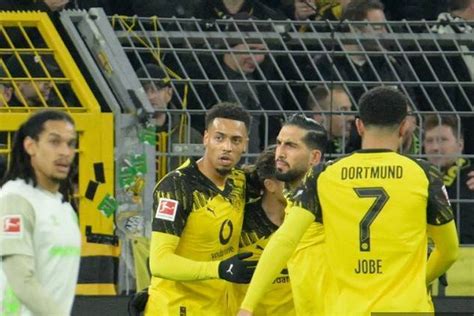
Thomas Tuchel's tenure at Borussia Dortmund, which spanned from 2015 to 2017, was a period marked by both glittering achievements and persistent challenges. Taking over from the beloved Jürgen Klopp, Tuchel was tasked with revitalizing a squad that had endured a difficult final season under Klopp, while also meeting the sky-high expectations of a club accustomed to competing at the highest level in the Bundesliga and Europe. His time at Dortmund provides a fascinating case study of a coach who sought to implement a distinct tactical philosophy while navigating institutional and external pressures.
One of Tuchel's most immediate achievements was his ability to restore Dortmund as a force in the Bundesliga. In his first season, the team finished second in the league, amassing 78 points—their highest tally since their title-winning campaign in 2011-12. This was no small feat given the dominance of Bayern Munich, who had won the league in each of the previous three seasons. Tuchel's Dortmund played an attractive, possession-based style of football that contrasted with Klopp's high-intensity "gegenpressing." Under Tuchel, the team prioritized fluid movement, positional play, and intricate passing sequences. This approach saw Dortmund score 82 league goals in that season, second only to Bayern, and showcased players like Pierre-Emerick Aubameyang, who thrived under Tuchel's system, finishing as the league's top scorer with 31 goals.
Another key achievement was Tuchel's impact on Dortmund's European campaigns. In the 2015-16 season, Dortmund reached the quarter-finals of the Europa League, where they were narrowly defeated by Liverpool in a dramatic tie that ended 5-4 on aggregate. Tuchel's ability to adapt his tactics for European competition was evident, as Dortmund often deployed a more cautious and calculated approach against stronger opponents. This was a clear departure from the all-out attacking style that had sometimes left Klopp's teams exposed defensively. Tuchel's emphasis on ball retention and controlled build-up play allowed Dortmund to compete with some of Europe's best teams, even if they fell short of silverware in this arena.
However, Tuchel's time at Dortmund was not without its challenges. One of the most significant was the tension between his vision for the team and the club's transfer strategy. Dortmund, known for their shrewd business model of buying young talent and selling at a profit, often prioritized squad turnover over continuity. This posed difficulties for Tuchel, who sought to build a cohesive unit with a clear identity. The departures of key players like Mats Hummels, Ilkay Gündogan, and Henrikh Mkhitaryan in the summer of 2016 disrupted the team's stability. While Tuchel was able to integrate new signings such as Ousmane Dembélé and Raphaël Guerreiro effectively, the constant churn of personnel created a sense of instability that hindered long-term planning.
Another challenge was Tuchel's strained relationship with the Dortmund hierarchy, particularly CEO Hans-Joachim Watzke. This tension came to a head during the aftermath of the 2017 bomb attack on the team bus before a Champions League quarter-final match against Monaco. While the attack was a traumatic event for the players and staff, Tuchel publicly criticized the club's decision to play the rescheduled match less than 24 hours later, feeling that the players were not in the right mental state. This disagreement exposed a rift between Tuchel and the club's leadership, highlighting a lack of alignment in how crises were managed. Such friction underscored the broader issue of Tuchel's perceived difficulty in managing relationships beyond the pitch, a trait that would recur later in his career.
On the field, Tuchel also faced criticism for his inability to deliver silverware consistently. While Dortmund won the DFB-Pokal in 2017—Tuchel's final match in charge—this was the only major trophy of his tenure. For a club of Dortmund's stature, this was seen as underwhelming, particularly given the high bar set by Klopp, who had led the team to back-to-back Bundesliga titles and a Champions League final. Tuchel's Dortmund often faltered in key matches, including a disappointing loss to Bayern in the 2016 DFB-Pokal final. These setbacks fueled whispers that Tuchel's tactical sophistication sometimes came at the expense of pragmatic results, particularly in high-stakes games where a more direct approach might have been beneficial.
Tuchel's eventual exit from Dortmund in May 2017 was as much a product of off-field dynamics as on-field results. The aforementioned tensions with Watzke and the broader leadership team created an environment where trust eroded. Tuchel's demanding and sometimes abrasive personality—a trait he shares with other elite coaches—did not endear him to everyone within the club. There were reports of clashes with senior players, and while these were never fully substantiated, the perception of discord lingered. When Dortmund announced Tuchel's departure, it was framed as a mutual decision, but the underlying narrative suggested a breakdown in the coach-club relationship rather than a straightforward parting of ways.
Despite the challenges, Tuchel's time at Dortmund left a lasting impact on the club and its players. He was instrumental in the development of young talents like Christian Pulisic and Ousmane Dembélé, both of whom would go on to secure high-profile transfers. His emphasis on technical precision and positional flexibility helped modernize Dortmund's style of play, laying the groundwork for future coaches to build upon. Moreover, Tuchel's ability to achieve strong results despite a turbulent backdrop demonstrated his resilience and tactical acumen.
In retrospect, Tuchel's Dortmund tenure can be seen as a microcosm of his coaching philosophy: ambitious, innovative, and at times polarizing. While he did not fully escape the shadow of Klopp, he managed to carve out his own identity at the club. The legacy of his time at Dortmund is one of unfulfilled potential—a coach who showed flashes of brilliance but was ultimately undone by the complex interplay of institutional expectations, personal dynamics, and external pressures. This period served as a crucial stepping stone in Tuchel's career, providing lessons that would shape his approach in subsequent roles at Paris Saint-Germain and Chelsea.
- Tuchel's first season saw Dortmund achieve their highest Bundesliga points tally since 2012.
- He implemented a possession-based style that contrasted with Klopp's gegenpressing.
- Tensions with the club hierarchy, particularly over the Monaco bus attack response, played a role in his departure.
- Tuchel's focus on youth development benefited players like Pulisic and Dembélé.
- The 2017 DFB-Pokal win was his only major trophy at Dortmund, leaving a sense of unfulfilled potential.
In summary, Tuchel's time at Borussia Dortmund was a blend of promise and complexity. While he elevated the team's performance and left an indelible mark on its playing style, the challenges he faced—both structural and interpersonal—ultimately curtailed his tenure. This chapter of his career is a testament to the dual nature of coaching at elite clubs: the pursuit of greatness is often accompanied by an unforgiving spotlight.
Paris Saint-Germain: European Ambitions
When Thomas Tuchel took over as head coach of Paris Saint-Germain (PSG) in 2018, he inherited a team that was already the dominant force in French football. However, his arrival marked a shift in focus toward not just maintaining domestic supremacy but also elevating the club’s stature in European competitions. PSG had previously struggled to translate their Ligue 1 success into meaningful Champions League performances, and Tuchel was tasked with addressing this gap. His tenure at PSG can be viewed as a period of consolidation in domestic competitions and a bold, albeit imperfect, push for European glory.
Under Tuchel, PSG secured **back-to-back Ligue 1 titles** in the 2018-19 and 2019-20 seasons, continuing the club’s streak of domestic dominance. However, what set Tuchel apart was the manner in which he achieved these results. PSG not only won games but also did so with an attacking flair and tactical flexibility that reflected Tuchel's coaching philosophy. He often deployed a fluid 4-3-3 system that could transition into a 3-5-2 or 4-2-3-1 depending on the opposition. This adaptability was particularly evident in high-stakes matches, where Tuchel demonstrated his ability to tailor his approach to exploit weaknesses in even the most organized defenses. For instance, his use of Kylian Mbappé as a central striker in certain games showcased how he could maximize individual talents within a cohesive team structure.
One of the hallmarks of Tuchel's time at PSG was his emphasis on squad rotation and depth management. Ligue 1’s less competitive nature compared to other top European leagues often led to PSG coasting through matches, but Tuchel was keen to avoid complacency. He rotated his squad strategically, giving younger players like Colin Dagba and Mitchel Bakker opportunities to gain experience while keeping key players fresh for European fixtures. This approach not only helped PSG win domestic cups—including the Coupe de France and Coupe de la Ligue in 2020—but also ensured that the team was better prepared for the physical and mental demands of the Champions League.
Tuchel’s impact on PSG’s Champions League campaigns was perhaps the most significant aspect of his tenure. In the 2019-20 season, he guided the team to its first-ever Champions League final. This achievement was no small feat for a club that had often faltered in the knockout stages of the competition. PSG’s journey to the final included a dramatic comeback against Borussia Dortmund in the Round of 16, a tie that showcased Tuchel’s ability to inspire his team under pressure. The 2-0 victory in the second leg, played behind closed doors due to the COVID-19 pandemic, was a testament to Tuchel’s tactical acumen and his ability to galvanize a squad that had previously been criticized for lacking mental fortitude.
In the quarterfinals and semifinals of that same campaign, PSG demonstrated a level of composure and tactical discipline rarely seen in their previous European outings. The 3-0 aggregate win over RB Leipzig in the semifinals was particularly impressive, as Tuchel’s team nullified Leipzig’s high-pressing system with a mix of positional play and rapid counterattacks. However, the final against Bayern Munich ended in a narrow 1-0 defeat, highlighting the fine margins at the highest level of European football. While PSG did not lift the trophy, Tuchel’s ability to take the team within touching distance of European glory was a clear indicator of his influence.
Tuchel’s approach to the Champions League was not without its challenges. PSG’s domestic dominance often meant that their players were not regularly tested in high-pressure scenarios, which sometimes translated into moments of fragility in Europe. For example, the 2020-21 group stage saw PSG struggle against teams like Manchester United and İstanbul Başakşehir, losing matches they were expected to win comfortably. These results exposed some of the limitations in Tuchel’s management, particularly in maintaining consistent motivation and focus in a team that was often accused of being too comfortable in Ligue 1.
Despite these setbacks, Tuchel’s tenure at PSG can be credited with instilling a sense of belief in the squad when it came to European competitions. He fostered a more cohesive team spirit, often seen in how players like Neymar and Mbappé spoke positively about his management style. Tuchel was also unafraid to make bold decisions, such as benching high-profile players when their form or attitude did not align with the team’s objectives. This willingness to prioritize the collective over individual egos was a stark contrast to some of his predecessors and helped PSG navigate tricky periods during his time in charge.
Another area where Tuchel left a lasting impact was in his handling of star players. PSG’s squad was filled with world-class talents, and managing their egos and expectations was no small task. Tuchel demonstrated a knack for building strong relationships with key players while also demanding accountability. For instance, his ability to manage Neymar’s return to form after injury in the 2019-20 season was crucial to PSG’s Champions League run. Similarly, his trust in players like Ángel Di María and Marquinhos allowed them to perform at their peak in critical moments.
- Tuchel’s emphasis on high-intensity training sessions helped improve PSG’s defensive organization, an area that had often been a weak point in previous seasons.
- He introduced a more structured approach to set pieces, both offensively and defensively, which contributed to PSG conceding fewer goals in key matches.
- Tuchel’s willingness to experiment with youth players in domestic competitions provided a glimpse into PSG’s long-term development under his watch, even if his departure curtailed this initiative.
However, Tuchel’s time at PSG was not without friction. Reports of tensions with the club’s hierarchy, particularly over transfer policy and the management of certain players, hinted at underlying issues. These disagreements, coupled with the pressure to deliver a Champions League title, created an environment where success was both celebrated and scrutinized. His eventual departure in December 2020, despite leading PSG to the top of their Champions League group that season, underscored the high-stakes nature of coaching at a club with such lofty ambitions.
In retrospect, Tuchel’s time at PSG can be seen as a period of progression rather than perfection. While he did not achieve the ultimate goal of winning the Champions League, he laid the groundwork for the club’s future European success, including their run to the semifinals in the 2020-21 season under his successor. His ability to blend domestic dominance with tangible progress in Europe ensured that PSG was no longer seen as a team that faltered when it mattered most. Instead, under Tuchel, PSG began to be perceived as a genuine contender on the continental stage, even if the final step remained elusive.

Chelsea FC: A Midas Touch
Thomas Tuchel's tenure at Chelsea FC is a case study in how a manager can reshape a club's fortunes in a remarkably short period. Appointed in January 2021 as a replacement for club legend Frank Lampard, Tuchel inherited a talented but underperforming squad. What followed was a whirlwind of transformation, characterized by tactical ingenuity, psychological acumen, and an almost immediate impact that culminated in one of the most unexpected Champions League triumphs in modern football history.
When Tuchel took over, Chelsea was languishing in ninth place in the Premier League, despite significant investment in players like Timo Werner, Kai Havertz, and Hakim Ziyech. The team struggled with inconsistent performances, defensive vulnerabilities, and a lack of clear identity under Lampard. Tuchel's first task was to stabilize the ship, and he did so with a calculated approach that prioritized defensive solidity and tactical discipline. One of his earliest and most impactful decisions was to switch the team to a 3-4-2-1 formation, a system that leveraged Chelsea's depth in wing-backs and central defenders while providing a more structured platform for attacking players to flourish.
This tactical shift was not merely about plugging holes; it was a masterstroke that played to the strengths of players like Antonio Rüdiger, César Azpilicueta, and Ben Chilwell, who thrived in the new system. The three-at-the-back formation allowed Chelsea to control space more effectively, particularly in transition, where they had previously been vulnerable. Tuchel's emphasis on positional play and rapid counter-pressing ensured that the team could stifle opponents while maintaining a threat on the break. This was evident in their improved defensive record; in Tuchel's first 19 games, Chelsea conceded just 10 goals, a stark contrast to their earlier struggles.
However, Tuchel's influence extended beyond tactics. He demonstrated an ability to manage egos and restore confidence in players who had been underperforming. Timo Werner and Kai Havertz, both struggling to adapt to the physicality and pace of the Premier League, found a more defined role under Tuchel. While their goal contributions did not skyrocket immediately, their integration into the team's rhythm improved. For instance, Havertz's decisive goal in the Champions League final against Manchester City was a product of Tuchel's belief in his ability to operate as a false nine, a position that maximized his technical skill and movement off the ball.
The Champions League run under Tuchel was nothing short of remarkable. Taking over mid-season, Tuchel guided Chelsea through knockout rounds against Atlético Madrid, Porto, and Real Madrid with a blend of defensive resilience and moments of attacking brilliance. The semi-final victory over Real Madrid was particularly indicative of Tuchel's impact. Chelsea neutralized Real's midfield maestros, Toni Kroos and Luka Modrić, while exploiting their high line with the pace of players like Mason Mount and Werner. This victory was not just about individual brilliance but a collective understanding of Tuchel's philosophy—discipline, intensity, and tactical flexibility.
The final against Manchester City was a testament to Tuchel's ability to outthink even the most highly regarded coaches. Pep Guardiola's City, the Premier League champions, were heavy favorites. However, Tuchel's game plan was both bold and calculated. He identified City's lack of a natural striker as a potential weakness and set up Chelsea to absorb pressure and exploit the spaces left by City's aggressive full-backs. The decision to deploy Havertz as a false nine paid off spectacularly, as he scored the only goal of the match following a perfectly weighted through-ball from Mason Mount. This victory was not just a triumph of tactics but also of Tuchel's ability to instill belief in a team that had been written off by many.
Beyond the Champions League, Tuchel's influence was felt in Chelsea's broader season performance. While they finished fourth in the Premier League—a respectable position given their mid-season struggles—it was the manner of their performances that stood out. Tuchel's Chelsea became a team that was hard to beat, losing just five games in all competitions after his appointment. This included a run of 13 clean sheets in his first 15 games, a record that underscored his focus on defensive organization.
Tuchel's man-management skills also deserve attention. At Chelsea, he inherited a squad with a mix of young talents and experienced players, many of whom had been signed for significant fees. Rather than making wholesale changes, he focused on maximizing the potential of the existing squad. For example, N'Golo Kanté, already a world-class midfielder, was deployed in a more dynamic role that showcased his ability to dominate both defensively and in transition. Similarly, Reece James and Mason Mount, products of Chelsea's academy, were given the freedom to express themselves within Tuchel's structured system, further cementing their roles as key players for the club.
It is also worth noting how Tuchel navigated the club's off-field challenges. The abrupt departure of Lampard, a beloved figure at Stamford Bridge, could have created divisions within the fanbase and the dressing room. However, Tuchel's calm demeanor and clear communication style helped bridge any potential rifts. He was not afraid to make tough decisions, such as benching high-profile players like Olivier Giroud or Christian Pulisic at times, but he did so with transparency and a focus on the team's collective goals.
The Champions League win was not just a personal achievement for Tuchel but a validation of his methods. It was the fastest any manager had ever won the competition after taking charge mid-season. This success also highlighted Tuchel's knack for thriving under pressure, a trait he had previously demonstrated at Paris Saint-Germain. However, at Chelsea, the circumstances were different—there was less margin for error, and the expectations were sky-high.
- Tuchel's immediate impact was rooted in his ability to diagnose and address Chelsea's key weaknesses within weeks of his arrival.
- His tactical flexibility allowed Chelsea to adapt to different opponents, whether it was the physicality of Atlético Madrid or the possession-based style of Manchester City.
- He fostered a sense of unity and purpose in a squad that had previously appeared fragmented.
In retrospect, Tuchel's time at Chelsea during this period can be described as a Midas touch. Every decision he made seemed to turn to gold, from the tactical switches to the player management. Yet, it was not luck but a combination of deep footballing knowledge, psychological insight, and an unwavering focus on immediate goals that defined his success. While his eventual departure from Chelsea would come later, the legacy of his first few months remains etched in the club's history as a period of transformation and triumph.
Tactical Philosophy Across Teams
Thomas Tuchel's managerial career has been characterized by a blend of tactical consistency and adaptability, which has allowed him to leave a distinct imprint on every team he has coached. From Mainz 05 to Paris Saint-Germain, and later Chelsea and Bayern Munich, Tuchel's approach to the game reflects both a core philosophy and an ability to tailor his methods to the strengths and weaknesses of the squads he inherits. This section delves into the evolution and nuances of Tuchel's tactical philosophy across these teams, emphasizing how his methods have both remained true to his principles and evolved to meet the demands of different leagues and player pools.
At Mainz 05, where Tuchel first made his mark as a manager, his philosophy was deeply rooted in high-intensity pressing and a structured yet flexible 4-2-3-1 or 4-4-2 formation. Mainz, a team with limited resources compared to the Bundesliga's giants, needed a system that could maximize their energy and exploit the spaces left by more possession-oriented opponents. Tuchel emphasized verticality in attack, encouraging his players to move the ball quickly from defense to attack, often bypassing the midfield with long diagonal passes to wingers or forwards. This was not merely a pragmatic approach but a calculated one; Tuchel believed in using the press as a mechanism to win the ball in advanced areas and launch quick counterattacks. This early iteration of his philosophy highlighted his belief in gegenpressing, a concept he would refine further in subsequent roles.
When Tuchel moved to Borussia Dortmund in 2015, he inherited a squad accustomed to Jürgen Klopp's aggressive pressing style. However, Tuchel brought a more nuanced and possession-oriented approach. While maintaining the high-pressing DNA of Dortmund, he introduced a greater emphasis on positional play. His teams sought to dominate possession and control the tempo of the game, often deploying a 4-1-4-1 or 3-4-3 system that allowed for fluid movement between the lines. Players like Julian Weigl and İlkay Gündoğan thrived in Tuchel's system as deep-lying playmakers, tasked with dictating play from the base of midfield. This shift highlighted Tuchel's willingness to adapt his philosophy to the technical quality of his squad. At Dortmund, he also displayed a keen eye for individual player development, nurturing young talents like Ousmane Dembélé and Christian Pulisic, who benefited from his structured yet creative approach to attacking play.
Tuchel's tenure at Paris Saint-Germain marked a significant evolution in his tactical approach. Managing a team with world-class attacking talents such as Neymar, Kylian Mbappé, and Ángel Di María, he had to balance his preference for structured systems with the need to accommodate star players' individual brilliance. At PSG, Tuchel often employed a 4-3-3 formation that allowed his front three to operate with freedom while relying on a midfield pivot to provide balance. However, he also experimented with a back three in certain high-stakes matches, particularly in the Champions League, where he sought greater defensive solidity against top European sides. This period revealed Tuchel's growing comfort with tactical flexibility. For instance, in games where PSG faced compact low blocks, he encouraged his fullbacks to invert and act as additional midfielders, creating numerical superiority in central areas. This adaptability was a stark departure from his earlier, more rigid systems and showcased his maturation as a coach capable of tailoring his approach to the demands of specific matches.
At Chelsea, Tuchel's arrival in January 2021 brought immediate success, most notably winning the Champions League within months of taking over. His impact was rooted in a clear and immediate shift to a 3-4-2-1 system, which provided defensive stability through a back three while maximizing the creative potential of players like Mason Mount and Kai Havertz in advanced roles. This system was a deliberate response to Chelsea's struggles under Frank Lampard, where defensive vulnerabilities and a lack of cohesion in attack were evident. Tuchel's focus on compactness and counterpressing transformed Chelsea into a team that could suffocate opponents in midfield and launch incisive attacks. The use of wingbacks, particularly Reece James and Ben Chilwell, became central to his strategy, as they provided width in attack and additional cover in defense. This period underscored Tuchel's ability to rapidly diagnose and address systemic issues within a squad, a skill that set him apart as a troubleshooter as much as a strategist.
In his most recent role at Bayern Munich, Tuchel has continued to demonstrate his tactical evolution. Taking over a team already drilled in possession-heavy football under Julian Nagelsmann, Tuchel has sought to instill a greater sense of game management and defensive organization. While Bayern's attacking philosophy remains rooted in dominance and high pressing, Tuchel has introduced subtle changes, such as a more measured approach to transitioning from defense to attack. He has also shown a willingness to rotate formations, oscillating between a 4-2-3-1 and a 3-4-2-1 depending on the opponent. This flexibility reflects Tuchel's ongoing commitment to contextual tactics—adapting not only to the players at his disposal but also to the specific challenges posed by opponents in the Bundesliga and Champions League.
A consistent thread across Tuchel's career is his emphasis on detailed preparation and in-game adjustments. Whether at Mainz, Dortmund, PSG, Chelsea, or Bayern, he has shown a propensity for analyzing opponents meticulously and making half-time or even in-game tactical shifts to exploit weaknesses. For example, his decision to switch to a back four in the second half of Chelsea's Champions League final against Manchester City in 2021 was a masterstroke that disrupted City's rhythm and secured victory. Similarly, at Bayern, his ability to tweak the team's shape during matches has been a hallmark of his leadership.
However, Tuchel's philosophy is not without its challenges. Critics argue that his teams can sometimes lack a clear offensive identity when faced with highly organized defenses, particularly in games where his possession-based approach is stifled. This was evident during his time at PSG, where the team occasionally struggled against deep-lying opponents despite their attacking talent. Additionally, his intense and demanding style of play can lead to player burnout, as seen in some of his squads over the course of a long season.
In summary, Tuchel's tactical philosophy is a blend of principled consistency and contextual evolution. From the high-energy pressing of Mainz to the positional sophistication of Dortmund, the star-driven flexibility of PSG, the pragmatic adaptability of Chelsea, and the measured control at Bayern, Tuchel has consistently demonstrated an ability to impose his ideas while tailoring them to the unique circumstances of each team. This duality—of staying true to his core beliefs while evolving with the demands of modern football—is what makes Tuchel one of the most intriguing and successful coaches of his generation.
Player Development Under Tuchel
Player development is a cornerstone of Thomas Tuchel's managerial philosophy, and his ability to nurture and improve players at various stages of their careers is a defining feature of his coaching tenure. Whether working with young prospects, mid-career professionals, or seasoned veterans, Tuchel has demonstrated an exceptional capacity to identify strengths, address weaknesses, and tailor his approach to maximize individual potential. This section delves into specific examples and strategies that illustrate how Tuchel has left an indelible mark on the players he has managed.
One of Tuchel's most notable attributes is his emphasis on personalized development plans. Rather than applying a one-size-fits-all approach, he invests time in understanding each player's unique attributes, psychological profile, and career trajectory. At Borussia Dortmund, for instance, Tuchel played a pivotal role in the rise of Ousmane Dembélé. The French winger was a raw talent when he joined Dortmund in 2016, known for his speed and dribbling but lacking tactical discipline. Under Tuchel, Dembélé was given the freedom to express himself in attacking phases while being coached intensively on positional awareness and decision-making. This dual approach—balancing freedom with structure—helped Dembélé record 10 goals and 21 assists in his debut season, earning him a high-profile move to Barcelona. The case of Dembélé exemplifies how Tuchel can take a young, unpolished player and refine their raw potential into world-class output through a blend of trust and targeted coaching.
Another aspect of Tuchel’s player development strategy is his focus on adaptability. At Paris Saint-Germain (PSG), he inherited a squad brimming with world-class talent but often criticized for underperforming in high-stakes matches. Tuchel recognized the need to challenge players like Kylian Mbappé to evolve beyond their comfort zones. Mbappé, already a prodigious scorer, was encouraged to improve his off-the-ball movement and defensive contributions. This not only enhanced Mbappé’s overall game but also made PSG more cohesive in critical Champions League fixtures. Similarly, Tuchel worked with Marquinhos, a center-back by trade, to transition him into a holding midfielder in certain tactical setups. This experiment showcased Tuchel’s willingness to experiment with player roles to unlock new dimensions of their abilities. Marquinhos’ success in this hybrid role underscores Tuchel’s ability to identify latent potential and reimagine how players can contribute to the team’s overall structure.
Tuchel’s time at Chelsea provides further evidence of his player development acumen, particularly with mid-career professionals who had plateaued or faced criticism. A prime example is Mason Mount, who was already a promising talent but lacked consistency in his final output. Tuchel’s arrival saw Mount being deployed in a more dynamic role within a fluid 3-4-2-1 system, where his pressing intensity, vision, and ability to link play were emphasized. Mount’s output improved significantly under Tuchel, culminating in a Champions League-winning campaign where he was one of the team’s most influential players. Beyond Mount, Tuchel also rejuvenated the careers of players like Antonio Rüdiger and Jorginho, both of whom were under scrutiny before his arrival. Rüdiger, in particular, benefited from Tuchel’s tactical clarity and man-management skills. The German defender was transformed into a cornerstone of Chelsea’s backline, excelling in a high-pressing system that demanded physicality, concentration, and technical distribution. This transformation not only elevated Rüdiger’s market value but also restored his confidence, a testament to Tuchel’s ability to rebuild players mentally and technically.
For veteran players, Tuchel has shown a knack for extending their peak years by adapting their roles to suit his system. At Chelsea, Thiago Silva was 36 years old when Tuchel took charge, and many questioned whether the Brazilian could maintain his influence in the physically demanding Premier League. Tuchel not only trusted Silva but also designed a system that leveraged his reading of the game and leadership qualities. Silva’s positioning and composure were central to Chelsea’s defensive solidity during their Champions League triumph. Moreover, Tuchel’s man-management ensured Silva felt valued, which is crucial for veterans who might otherwise struggle with motivation or physical decline. This ability to integrate older players seamlessly into his plans demonstrates Tuchel’s holistic approach to squad management, where age is not a barrier but a variable to be optimized.
Tuchel’s developmental impact is not limited to star players; he has also shown a keen eye for squad players and fringe talents. At Mainz 05, where he began his managerial career, Tuchel often worked with limited resources and relied on unearthing hidden potential. Players like André Schürrle and Lewis Holtby were given opportunities to shine under Tuchel’s tutelage, and their subsequent careers in bigger clubs can be traced back to the foundation laid during this period. Even at Chelsea, lesser-known players such as Trevoh Chalobah were given chances to prove themselves. Chalobah, a youth academy graduate, was integrated into the first team under Tuchel and performed admirably in high-pressure matches. This willingness to trust young or unheralded players reflects Tuchel’s belief in meritocracy and his ability to spot diamonds in the rough.
Another layer of Tuchel’s approach is his emphasis on mental fortitude. He places significant importance on building a player’s psychological resilience, often using one-on-one conversations to address doubts or setbacks. For instance, at PSG, Neymar faced criticism for his inconsistency in key matches. Tuchel worked closely with the Brazilian, not only on the pitch but also in fostering a sense of accountability and focus. This personalized approach helped Neymar deliver some of his most memorable performances in Tuchel’s system, particularly in the Champions League. This focus on mental conditioning is a less visible but equally critical aspect of Tuchel’s developmental philosophy.
In addition to individual development, Tuchel’s training sessions are designed to enhance collective understanding, which indirectly benefits player growth. His teams are known for their positional play and coordinated movements, which require players to think and act as part of a cohesive unit. This system demands that players improve their spatial awareness, passing accuracy, and off-the-ball intelligence—skills that elevate their overall game. At Dortmund, Chelsea, and PSG, players often spoke of the intense yet rewarding nature of Tuchel’s training, where the focus was as much on how they played as on what they achieved.
In summary, Thomas Tuchel’s player development philosophy is rooted in individualized attention, tactical adaptability, and psychological nurturing. Whether transforming young talents like Dembélé, reinvigorating mid-career professionals like Rüdiger, or extending the longevity of veterans like Thiago Silva, Tuchel has consistently demonstrated an ability to bring out the best in his players. His approach is not just about technical improvement but also about instilling confidence, adaptability, and a sense of purpose. This multi-faceted developmental strategy has not only elevated individual players but also contributed significantly to the success of the teams he has managed.
Challenges and Criticisms
Thomas Tuchel's coaching journey has been marked by both remarkable successes and notable challenges. While his tactical acumen and ability to rejuvenate teams have earned him widespread acclaim, his career has not been without controversies, criticisms, and setbacks. These issues provide a nuanced understanding of his approach to management and the complexities of navigating the high-pressure world of elite football.
One of the most prominent criticisms of Tuchel revolves around his **handling of player relationships**. Throughout his tenure at various clubs, including Borussia Dortmund, Paris Saint-Germain (PSG), and Chelsea, there have been instances where his communication style and management of key players have come under scrutiny. At Dortmund, for instance, his strained relationship with the club's hierarchy and certain players was evident. Tuchel's confrontational approach with club officials, particularly over transfer policies and the club's focus on commercial success, created friction. This culminated in his departure in 2017, despite delivering a DFB-Pokal trophy. The perception that he prioritized his own vision over collaborative decision-making left a mark on his reputation as a manager who could be difficult to work with.
At PSG, similar issues arose. While Tuchel led the team to back-to-back Ligue 1 titles and a historic Champions League final in 2020, his tenure was not without friction. Reports suggested that his relationship with star players like Neymar and Kylian Mbappé was at times fraught with tension. Tuchel's insistence on tactical discipline and his occasional public critiques of player performances were seen as a challenge to the egos of some of the world's most high-profile athletes. For example, his decision to bench Neymar or Mbappé in key matches was met with mixed reactions. While some saw it as a bold assertion of authority, others viewed it as a risky move that could destabilize the dressing room. This dynamic highlighted a recurring theme in Tuchel's career: his willingness to challenge star players, even at the cost of internal harmony.
Another area of criticism has been Tuchel's **inconsistent adaptability in high-stakes situations**. While he is often praised for his tactical flexibility, there have been moments where his teams appeared unprepared or overly rigid. During his time at Chelsea, particularly in the latter half of the 2021-2022 season, the team's form dipped significantly. Critics pointed to Tuchel's reluctance to adjust his system in response to injuries or the opposition's strategies. For example, Chelsea's over-reliance on a back-three system, while effective in certain scenarios, was seen as a liability when the team struggled to break down compact defenses. This was particularly evident in matches against mid-table Premier League sides, where Chelsea often looked toothless in attack. The perception that Tuchel was slow to address these issues fueled speculation about his ability to sustain long-term success at a club.
Tuchel's **handling of off-field distractions** has also been a point of contention. At Chelsea, his tenure was marked by the unprecedented upheaval caused by the club's ownership change in 2022. While he navigated the initial uncertainty with poise, earning praise for steadying the ship during a turbulent period, his subsequent comments about the new ownership's approach to recruitment and strategy were seen as contentious. Tuchel's candid remarks about the club's lack of cohesion in the transfer market were interpreted by some as a lack of loyalty or an inability to align with the broader vision of the organization. This incident underscored the fine line Tuchel often walks between being a candid and principled manager and one who risks alienating key stakeholders.
Setbacks in **knockout competitions** have also been a recurring theme in Tuchel's career. While he has achieved significant success in cup competitions—such as winning the Champions League with Chelsea in 2021—there have been notable failures that have drawn criticism. At PSG, for instance, the team's repeated collapses in the later stages of the Champions League were a source of frustration for fans and management alike. The defeat to Manchester United in the 2019 round of 16, despite holding a 2-0 first-leg advantage, was particularly damaging. Tuchel was criticized for his inability to instill the mental resilience needed to close out such ties. Similar questions were raised during Chelsea's unexpected exits in domestic cup competitions under his watch, where tactical missteps or a lack of squad rotation were cited as contributing factors.
Another recurring critique is Tuchel's **perceived over-reliance on certain tactical systems**. His preference for a structured, possession-based style of play has sometimes been seen as inflexible, particularly when his teams face opponents who press aggressively or sit deep. This was evident during his time at Chelsea, where the team's struggles to adapt to a high-pressing system under certain conditions were evident. While Tuchel's teams are often lauded for their defensive solidity, the lack of a clear Plan B has been a point of contention among analysts. This was particularly noticeable in matches where Chelsea's buildup play became predictable, leading to a lack of creativity in the final third.
It is also worth noting that Tuchel has faced **external pressures beyond his control**, which have shaped perceptions of his coaching journey. At Dortmund, the shadow of Jürgen Klopp's legacy loomed large, and comparisons were inevitable. While Tuchel achieved success, he was often judged against the emotional and cultural impact of his predecessor, which created an additional layer of scrutiny. Similarly, at PSG, the weight of expectations from the club's Qatari ownership—focused on delivering Champions League glory—placed immense pressure on him. The fact that he was dismissed just months after reaching the Champions League final highlighted the unforgiving nature of modern football management, where even near-success can be deemed insufficient.
A more personal criticism leveled at Tuchel is his **perceived intensity and emotional volatility**. While this trait can inspire players and drive performance, it has also been a double-edged sword. At times, his emotional outbursts—whether directed at referees, the media, or his own players—have been seen as unprofessional. For instance, his public disagreements with Chelsea's hierarchy over transfer policies or his visible frustration on the touchline during matches have occasionally overshadowed his achievements. This intensity, while a hallmark of his passion for the game, has at times been interpreted as a lack of composure under pressure.
Despite these challenges, it is important to recognize that Tuchel's career is a testament to his ability to overcome adversity. Each controversy or setback has provided him with opportunities to grow and adapt. For instance, his Champions League triumph with Chelsea demonstrated his capacity to instill belief in a squad that had been underperforming under his predecessor. Similarly, his ability to manage a high-pressure environment at PSG, despite the unique challenges of Ligue 1 and the club's internal dynamics, speaks to his resilience.
In summary, Thomas Tuchel's coaching journey is a complex tapestry of triumphs and trials. The controversies and criticisms he has faced are not merely blemishes on his record but rather reflections of the demanding environment in which he operates. From player relations to tactical rigidity and off-field pressures, Tuchel's career offers a case study in the challenges of modern football management. While his methods and decisions have at times been polarizing, they are also indicative of a coach who is unafraid to take risks and stand by his principles—even when those choices invite criticism.
- Tuchel's strained relationships with players and hierarchies have occasionally hindered team cohesion.
- His tactical inflexibility in certain scenarios has drawn criticism, particularly in high-stakes matches.
- Off-field distractions, such as ownership changes, have tested his ability to maintain focus.
- Setbacks in knockout competitions reveal areas where his teams have underperformed.
- His emotional intensity, while a strength, has sometimes been a liability.
These challenges, while significant, are part of what defines Tuchel as a coach who is both ambitious and human—prone to mistakes but also capable of extraordinary feats when given the right circumstances.
Conclusion and Legacy
Thomas Tuchel's tenure across various clubs has left a distinct imprint on the footballing world, shaping not only the teams he managed but also the broader landscape of modern football management. His approach, characterized by tactical innovation, meticulous preparation, and a strong emphasis on player development, has solidified his reputation as one of the most influential coaches of his generation. As we examine his legacy and potential future, it is evident that Tuchel’s impact extends beyond mere results on the pitch; it is rooted in the way he has redefined team dynamics and challenged conventional coaching paradigms.
At Mainz 05, Tuchel’s first major coaching role, he demonstrated an ability to maximize limited resources. Mainz was not a club with significant financial backing, yet Tuchel transformed them into a competitive Bundesliga side. His emphasis on high-pressing football and fluid positional play allowed Mainz to punch above their weight. This period showcased Tuchel’s early ability to instill a clear identity in his teams, even when operating under constraints. The legacy here is not just about achieving results but about proving that a well-coached team with a strong tactical framework can compete with more illustrious opponents. This set the stage for his future endeavors and established him as a coach capable of overachieving with underdog teams.
Tuchel’s move to Borussia Dortmund marked a step up in scale and expectation. At Dortmund, he inherited a squad that was still recovering from the departure of Jürgen Klopp, a beloved figure who had brought immense success to the club. Tuchel’s task was not merely to maintain the club’s competitive edge but to evolve its style of play. He introduced a more possession-oriented system while retaining the high-energy ethos that defined Dortmund. Under Tuchel, players like Ousmane Dembélé and Christian Pulisic flourished, exemplifying his knack for spotting and nurturing young talent. However, his time at Dortmund was also marked by friction with the club’s hierarchy, a recurring theme in Tuchel’s career. Despite this, his two-year spell left an indelible mark on Dortmund’s tactical evolution, as he pushed the club to embrace a more sophisticated brand of football that blended attacking flair with positional discipline.
Perhaps the most defining chapter of Tuchel’s career so far has been his time at Paris Saint-Germain (PSG). Managing a club of PSG’s stature, with its constellation of superstar players and lofty ambitions, presented unique challenges. Tuchel navigated the complexities of managing egos and expectations while delivering tangible success, including back-to-back Ligue 1 titles and a historic run to the UEFA Champions League final in 2020. At PSG, Tuchel showed his ability to adapt his tactical approach to suit the strengths of his squad. He seamlessly integrated Neymar and Kylian Mbappé into a system that balanced their individual brilliance with collective discipline. His tenure also highlighted his willingness to experiment, often deploying unorthodox formations to address specific tactical problems. While his departure from PSG was tinged with controversy, his legacy there is one of pushing a club accustomed to domestic dominance to strive for European excellence.
The pinnacle of Tuchel’s career to date has arguably been his time at Chelsea, where he achieved immediate success by winning the Champions League in his first season. This feat was particularly remarkable given the mid-season upheaval at the club and the need to quickly impose his ideas on a talented but underperforming squad. Tuchel’s impact at Chelsea was characterized by his ability to instill a sense of defensive solidity and tactical clarity. His switch to a back-three system revolutionized Chelsea’s structure, turning them into one of the most difficult teams to break down in Europe. Beyond the tactical successes, Tuchel’s man-management skills were on full display as he managed to rejuvenate players like Antonio Rüdiger and revitalize the confidence of the squad. However, his subsequent struggles in his second season, culminating in his dismissal, serve as a reminder of the volatile nature of football management, particularly at elite clubs with high turnover rates.
A common thread across Tuchel’s coaching journey is his ability to adapt to diverse environments and challenges. Whether it was transforming Mainz into a competitive side, modernizing Dortmund’s playstyle, navigating the star-studded complexities of PSG, or delivering instant success at Chelsea, Tuchel has shown a chameleon-like ability to tailor his methods to the context. This adaptability is a hallmark of his coaching philosophy and suggests that his potential future in football management is bright, provided he finds the right fit. His reputation for being both a tactical innovator and a demanding leader means that he is suited to clubs with ambitious projects but also those that require a clear and structured approach to rebuild or evolve.
Looking ahead, Tuchel’s legacy is likely to be defined by his role as a transformational coach rather than a long-term builder. His coaching stints have often been intense but relatively short-lived, a pattern that may stem from his uncompromising nature and high standards. While this can lead to friction with club hierarchies or players, it also underscores his commitment to excellence and his refusal to compromise on his vision. This trait, while sometimes a source of conflict, is also what makes him a sought-after figure in the footballing world. Clubs seeking a rapid turnaround or a fresh tactical direction often view Tuchel as the ideal candidate to inject new life into their setup.
In terms of his future in football management, Tuchel’s next steps will likely be shaped by his desire to take on projects that align with his ambition and philosophy. There is speculation about his suitability for roles at clubs like Bayern Munich, where his German roots and tactical acumen could thrive, or even a return to the Premier League, where his meticulous approach has already proven effective. Additionally, the growing trend of clubs prioritizing short-term success over long-term stability could play to Tuchel’s strengths, as he has repeatedly demonstrated an ability to deliver immediate impact.
However, for Tuchel to solidify his legacy as one of the all-time greats, he may need to embrace a project that allows him to build a legacy over several seasons. His coaching career so far has been marked by flashes of brilliance rather than sustained dominance. A club where he can shape a squad over multiple transfer windows and embed his philosophy at all levels of the organization could provide the platform for him to achieve even greater heights. This would also allow him to address one of the lingering criticisms of his tenure—that his teams, while tactically brilliant in the short term, sometimes lack the consistency or depth to sustain success over multiple seasons.
In conclusion, Thomas Tuchel’s impact on the teams he has coached is profound and multifaceted. He has left each club better equipped tactically and often with a renewed sense of purpose. His legacy is one of innovation, adaptability, and a relentless pursuit of excellence, even if it comes at the cost of longevity. As football continues to evolve, Tuchel’s ability to blend tactical sophistication with a deep understanding of player psychology positions him as a coach who will remain relevant and influential in the years to come. Whether he chooses to embrace a long-term project or continue his pattern of short, high-impact stints, his place in the pantheon of modern football coaches is already assured.