Introduction
Thomas Tuchel is a name that resonates deeply within the world of modern football, particularly for his tactical ingenuity, high-pressure systems, and ability to adapt to diverse challenges across Europe's top leagues. His journey from a lower-tier coach in Germany to a manager who has lifted some of the most prestigious trophies in world football is a testament to his relentless work ethic, innovative approach to the game, and unwavering belief in his methods. This white paper aims to explore Thomas Tuchel's career through the lens of his trophy-winning exploits, offering a comprehensive analysis of how his managerial philosophy has translated into success on the pitch. By delving into his triumphs, we can better understand not only the man behind the accolades but also the broader impact he has had on the teams he has led and the sport as a whole.
Tuchel's career began in somewhat modest circumstances. Unlike many of his contemporaries who enjoyed storied playing careers before transitioning to management, Tuchel’s path was unconventional. A knee injury cut short his playing days, and he transitioned into coaching at an early age. His first significant role came at Mainz 05, a club where he had previously played. Here, Tuchel demonstrated an early aptitude for tactical experimentation and player development. His ability to maximize the potential of limited resources at Mainz foreshadowed his future success. Under his guidance, Mainz achieved European qualification for the first time in their history, a feat that drew the attention of larger clubs. This early phase of his career laid the groundwork for what would become a hallmark of Tuchel’s approach: the ability to build cohesive, high-performing teams even when faced with structural or financial limitations.
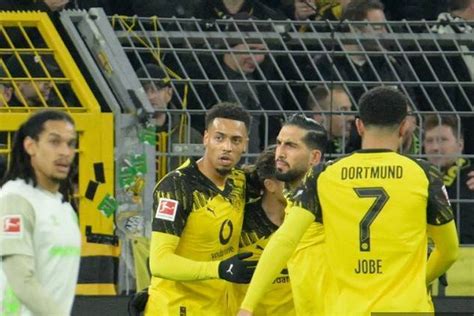
The next chapter of Tuchel’s career at borussia dortmund marked a significant step up in both expectations and resources. Taking over from Jürgen Klopp, Tuchel inherited a squad in transition but one still brimming with talent. At Dortmund, he showcased his ability to blend youth and experience while implementing a high-octane, possession-based style of play. His tenure was marked by a DFB-Pokal victory in 2017, which, while not the pinnacle of his ambitions, was an important milestone. However, it was not just the silverware that defined his time at Dortmund; it was his emphasis on tactical flexibility and his willingness to challenge conventional norms. For instance, his use of innovative positional plays and his focus on quick, vertical transitions were ahead of their time and set the stage for his later achievements. Despite the success, Tuchel's departure from Dortmund was mired in controversy, highlighting one of the recurring themes of his career—his sometimes fraught relationships with club hierarchies.
The move to Paris Saint-Germain (PSG) represented Tuchel’s first foray into managing a club with the explicit expectation of dominating domestically and competing for European glory. PSG provided Tuchel with a vastly different challenge—managing egos, navigating the pressures of an ultra-wealthy ownership group, and competing in a league where the margin for error in European competition was razor-thin. During his time in Paris, Tuchel delivered multiple Ligue 1 titles, but the crowning achievement was undoubtedly leading the team to their first-ever UEFA Champions League final in 2020. This feat, though ending in defeat to Bayern Munich, underscored Tuchel's ability to elevate a team to the highest level of European competition. His tactical nous was particularly evident in how he managed to organize a star-studded squad into a cohesive unit capable of competing against Europe’s elite. Yet, as with Dortmund, his time at PSG was not without its challenges, including clashes with the club’s hierarchy over transfer policy and long-term vision.
Tuchel’s move to Chelsea in 2021 was perhaps the most defining phase of his career to date. Taking over mid-season from Frank Lampard, he inherited a talented but underperforming squad. Within months, Tuchel masterminded one of the most remarkable transformations in recent football history, leading Chelsea to UEFA Champions League glory in 2021. This triumph was not merely a result of good fortune; it was a masterclass in adaptability. Tuchel reorganized Chelsea’s defense into a near-impenetrable unit, implemented a 3-4-3 system that suited the players’ strengths, and instilled a sense of belief and cohesion that had been lacking. The Champions League win was accompanied by an FA Cup final appearance and a top-four finish in the Premier League, achievements that demonstrated Tuchel’s capacity to deliver under immense pressure. His time at Chelsea also highlighted his ability to handle the intricacies of the English game, where the physicality and pace often differ from the continental styles he had previously encountered.
The purpose of this white paper is not merely to catalog Thomas Tuchel’s trophies—though they are an essential measure of his success—but to explore the deeper narrative of how he has achieved them. Each trophy represents a chapter in a story of evolution, resilience, and innovation. From Mainz to Chelsea, Tuchel's career has been a study in contrasts: the small-club overachiever turned big-club winner, the idealist who must navigate the pragmatic realities of modern football. This white paper seeks to dissect these dynamics, asking questions such as: What tactical innovations has Tuchel introduced that have directly contributed to his success? How has he managed the often-delicate balance between player management and organizational expectations? And, perhaps most intriguingly, what can his journey tell us about the evolving nature of football management in an era defined by globalized competition and hyper-scrutiny?
Moreover, this exploration is not just about Tuchel as an individual but about the broader implications of his career trajectory. His ability to win trophies across multiple leagues and with teams of varying profiles speaks to a universal quality in his approach—flexibility. Whether it is adapting to the high-pressing demands of the Bundesliga, the star-centric environment of Ligue 1, or the physical rigor of the Premier League, Tuchel has shown an almost chameleon-like ability to tailor his methods to the context. This adaptability is a central theme that will be explored in subsequent sections of this white paper, as we analyze not just the trophies themselves but the systems, strategies, and interpersonal dynamics that underpinned them.
In addition to this, the white paper will examine the legacy Tuchel is building. While trophies are the most visible markers of success, his influence extends beyond silverware. His emphasis on youth development, his role in revitalizing struggling teams, and his impact on the tactical landscape of modern football all point to a manager whose legacy is still being written. By focusing on his trophy-winning journey, this white paper aims to provide a nuanced understanding of Thomas Tuchel as a manager, a strategist, and a leader whose impact extends far beyond the confines of any single club or competition.
- The paper will trace his career chronologically, highlighting key moments and decisions that led to his trophy successes.
- It will analyze the tactical frameworks he employed at each club and how they evolved over time.
- It will consider the external factors—such as club politics, player dynamics, and league-specific challenges—that shaped his journey.
In essence, this section serves as an introduction to a deep dive into the career of a manager who, despite the occasional controversy and setback, has consistently found ways to win. Thomas Tuchel’s story is one of ambition, innovation, and an unrelenting pursuit of excellence—a story that this white paper will unpack in meticulous detail.
Early Career and Influences
Thomas Tuchel's journey to becoming one of the most tactically astute managers in modern football is rooted in his early coaching experiences and the diverse influences that shaped his approach to the game. Unlike many of his contemporaries who had illustrious playing careers to lean on, Tuchel's path to success was built on an analytical mind, a deep curiosity about the sport, and an ability to adapt his philosophy based on the environments he worked in. This section delves into the formative years of his coaching career and the key factors that contributed to the development of his tactical identity.
Tuchel's coaching career began in earnest at FC Augsburg II in 2007, where he took on the role of youth team coach. This was a modest starting point for someone who had retired from playing due to a chronic knee injury at the age of 25. However, it was at Augsburg that Tuchel's inclination toward meticulous preparation and innovative training methods began to take shape. Working under the guidance of Jurgen Schreiber, Tuchel was exposed to the importance of structured coaching and player development. His time here was not just about teaching young players the basics of the game but also about experimenting with training drills that emphasized spatial awareness, ball retention, and positional play—elements that would later become hallmarks of his tactical style.
One of the most significant influences on Tuchel during this period was his exposure to Ralf Rangnick's philosophy. Rangnick, often regarded as the "godfather" of the high-pressing, intense style of play that defines modern German football, was a proponent of gegenpressing and a focus on verticality in attack. Tuchel, while not directly mentored by Rangnick, absorbed these ideas through the broader footballing culture in Germany at the time. This period coincided with the rise of teams like RB Leipzig and Hoffenheim, which were experimenting with these high-energy approaches. Tuchel's curiosity led him to study these systems in depth, and he began to integrate elements of high pressing and quick transitions into his own coaching framework.
After Augsburg, Tuchel moved to Mainz 05 in 2009, initially as the coach of their under-19 team before being promoted to the first team in 2009 following the departure of Jürgen Klopp. This transition was pivotal because Mainz, a club with limited resources, demanded a manager who could maximize the potential of a squad lacking star power. Here, Tuchel demonstrated his ability to craft a team identity that was greater than the sum of its parts. He inherited a squad that was physically limited compared to top-tier Bundesliga sides but compensated by emphasizing tactical flexibility and a focus on positional play. Mainz under Tuchel became known for their ability to adapt formations mid-game, switching between a 4-2-3-1 and a 4-4-2 depending on the opponent's weaknesses. This adaptability was a direct result of Tuchel's belief in game intelligence over rigid systems, a principle he would carry throughout his career.
Another critical factor in Tuchel's early development was his openness to external influences beyond football. He has often cited his fascination with other sports, particularly basketball and handball, as sources of inspiration for his tactical thinking. For instance, he studied how basketball teams used spacing and movement off the ball to create scoring opportunities, concepts he then applied to football. This interdisciplinary approach allowed Tuchel to think beyond conventional footballing norms and experiment with innovative setups. At Mainz, this translated into a team that could exploit half-spaces effectively and use quick, incisive passing to break down compact defenses—a style that was both pragmatic and aesthetically pleasing.
Tuchel's time at Mainz also saw him develop a keen interest in psychology and player management. He was known for his ability to connect with players on a personal level while still demanding high standards. This balance of empathy and expectation was shaped by his readings on leadership and psychology, including works by authors like Daniel Goleman on emotional intelligence. Tuchel understood that creating a cohesive team required not just technical instruction but also an environment where players felt valued and motivated. This human-centric approach was particularly evident in how he managed young talents like André Schürrle and Lewis Holtby, helping them develop into key players for the team.
The influence of Pep Guardiola also looms large in Tuchel's early coaching philosophy. While Guardiola was making waves at Barcelona with his tiki-taka style, Tuchel was closely studying the Spaniard's methods. He admired Guardiola's obsession with detail, particularly in how he used positional play to dominate games. Tuchel was particularly intrigued by Guardiola's ability to create numerical superiority in key areas of the pitch, a concept he began to experiment with at Mainz. Although Tuchel's Mainz did not have the technical prowess of Guardiola's Barcelona, he adapted these ideas to suit his squad, focusing on compactness in defense and rapid counterattacks to exploit space. This blend of Guardiola-inspired positional play with pragmatic German efficiency became a signature of Tuchel's early teams.
Another less discussed but equally important aspect of Tuchel's development was his willingness to learn from setbacks and failures. At Mainz, he experienced both highs, such as qualifying for the Europa League, and lows, including periods of inconsistency. These experiences taught him the value of resilience and the need to constantly evolve his methods. For instance, when his high-pressing system was countered by physically dominant teams, Tuchel adapted by introducing more variety in his pressing triggers and focusing on controlled possession as a means of regaining control. This adaptability became a core tenet of his coaching philosophy.
In summary, Tuchel's early coaching journey was shaped by a combination of practical experience, theoretical study, and cross-disciplinary inspiration. From Augsburg to Mainz, he honed a philosophy that blended high-pressing intensity with positional sophistication, all while maintaining a deep focus on player development and psychological management. These early years laid the foundation for the tactical mastermind we see today, demonstrating how a coach with no elite playing background could rise to prominence through sheer determination, intellectual curiosity, and a willingness to innovate. This period not only defined Tuchel's tactical identity but also set the stage for his later successes at Borussia Dortmund, Paris Saint-Germain, and beyond.
- Tuchel's early exposure to Ralf Rangnick's gegenpressing philosophy influenced his focus on high-energy systems.
- His curiosity about other sports, like basketball, provided fresh perspectives on spacing and movement.
- Mainz 05 served as a testing ground for his adaptive and flexible tactical approach.
- His study of psychology helped him build strong relationships with players while maintaining high expectations.
- Failures at Mainz taught him the importance of resilience and continual evolution in coaching.
By examining these early influences, we see how Tuchel's coaching ethos was not born overnight but was instead a product of years of learning, experimentation, and a relentless pursuit of improvement. This foundation would later enable him to adapt his methods to the demands of top-tier clubs and secure the trophies that define his legacy.
Breakthrough at Mainz 05
Thomas Tuchel's tenure at Mainz 05, though often overshadowed by his later triumphs at Borussia Dortmund, Paris Saint-Germain, and Chelsea, represents a critical period in his managerial evolution. It was at Mainz that Tuchel first showcased his ability to implement innovative tactics, nurture young talent, and achieve results that defied the club's modest resources. This phase of his career not only cemented his reputation as a promising coach but also laid the groundwork for the tactical sophistication and adaptability that would define his future successes.
Tuchel took charge of Mainz 05 in 2009, inheriting a team that had just been promoted to the Bundesliga after a season in the second division. The club, with its limited budget and relatively small fan base, was not expected to compete at the highest levels of German football. However, Tuchel’s arrival signaled a shift in mentality. He approached the role with an almost academic rigor, emphasizing detailed preparation, innovative training methods, and a clear vision for how his team should play. This was a stark contrast to the more traditional, results-driven approaches often seen at smaller clubs.
One of Tuchel’s most significant achievements at Mainz was leading the team to a ninth-place finish in the 2009-10 Bundesliga season, their first back in the top flight. This was no small feat for a club of Mainz’s stature. Tuchel’s ability to organize a cohesive unit despite limited resources was evident in the team’s disciplined defensive structure and energetic counter-attacking style. He often deployed a 4-2-3-1 formation, which allowed Mainz to remain compact defensively while utilizing quick transitions to exploit space in the opposition half. This tactical setup was not just about survival; it was about maximizing the strengths of a squad that lacked star power but thrived on collective effort.
In the 2010-11 season, Tuchel’s Mainz achieved something extraordinary. The team won seven consecutive matches at the start of the campaign, a record that stood as the best start by any team in Bundesliga history at the time. This run included victories over established sides like Bayern Munich and Werder Bremen. While Mainz eventually finished fifth that season, securing a spot in the UEFA Europa League qualifiers, the early streak highlighted Tuchel’s knack for instilling belief and momentum in his players. His ability to motivate a group of players to overachieve spoke volumes about his man-management skills and tactical acumen.
A closer look at Tuchel’s approach at Mainz reveals a coach who was already experimenting with ideas that would become hallmarks of his later career. He was unafraid to take risks, often fielding young players and giving them significant responsibilities. For instance, players like André Schürrle and Lewis Holtby flourished under his guidance, with Schürrle in particular developing into a key attacking threat before moving on to bigger clubs. Tuchel’s focus on youth development was not merely about filling gaps in the squad; it was a deliberate strategy to build a team that could grow together and adapt to his system. This emphasis on youth was a clear indicator of Tuchel’s long-term thinking, a trait that would serve him well in subsequent roles.
Another key aspect of Tuchel’s time at Mainz was his obsession with detail. He was known for spending hours analyzing opponents, often tailoring his team’s approach to exploit specific weaknesses. This meticulous preparation was not limited to matchdays; it extended to training sessions, where Tuchel implemented drills designed to simulate game scenarios with precision. For example, he would often set up exercises that required players to make quick decisions under pressure, a reflection of his belief in the importance of mental sharpness in high-stakes situations. This attention to detail was a clear departure from the more generalized coaching styles prevalent at smaller clubs and hinted at Tuchel’s future as a tactician who could outthink even the most established managers.
Tuchel’s tenure at Mainz also demonstrated his ability to adapt to adversity. In the 2011-12 season, after the departure of key players like Schürrle, Mainz faced a more challenging campaign. Despite this, Tuchel managed to keep the team competitive, finishing 13th in the league. This period highlighted his resilience and problem-solving abilities, as he adjusted his tactics to compensate for the loss of talent. Rather than sticking rigidly to a preferred system, Tuchel showed a willingness to experiment with formations and player roles, a flexibility that would become a defining feature of his managerial philosophy.
The impact of Tuchel’s work at Mainz extended beyond the pitch. He fostered a culture of innovation and ambition within the club, challenging the perception that smaller teams should adopt conservative approaches to survive in the Bundesliga. His success at Mainz served as a proof of concept for the idea that a well-coached, tactically disciplined team could punch above its weight. This philosophy resonated with clubs looking for managers who could deliver results while operating within financial constraints, a factor that undoubtedly contributed to his eventual move to Borussia Dortmund.
It is also worth noting how Tuchel’s time at Mainz shaped his personal development as a coach. Working with limited resources forced him to be creative and resourceful, qualities that would later enable him to thrive in high-pressure environments. His experience at Mainz taught him how to maximize output from a squad while also learning to navigate the psychological challenges of managing a team with lower expectations. These lessons were instrumental in preparing him for the bigger stages of European football.
In retrospect, Tuchel’s time at Mainz 05 can be seen as a microcosm of his broader career arc. The breakthrough successes, the focus on youth, the tactical experimentation, and the ability to overachieve all point to a manager who was already thinking several steps ahead. While Mainz may not have the glamour of Dortmund, PSG, or Chelsea, it was here that Tuchel first demonstrated his potential to reshape teams and challenge established hierarchies. The foundation he built at Mainz was not just about trophies or league positions; it was about establishing a reputation as a forward-thinking coach capable of achieving the extraordinary. This period set the stage for the trophies and accolades that would follow, proving that even in the early days, Tuchel was a manager destined for greatness.
- Tuchel's Mainz achieved a record-breaking seven-game winning streak at the start of the 2010-11 season.
- He emphasized youth development, with players like Schürrle thriving under his guidance.
- His detailed preparation and adaptability were evident even in his early career.
- Mainz’s success under Tuchel challenged the traditional hierarchy of the Bundesliga.
In conclusion, Tuchel’s time at Mainz 05 was not merely a stepping stone but a transformative period that showcased his ability to innovate, inspire, and achieve against the odds. This chapter of his career is a testament to how a manager’s early experiences can shape their future trajectory, and in Tuchel’s case, it was the beginning of a journey that would redefine modern football coaching.
Borussia Dortmund Era
Thomas Tuchel's tenure at Borussia Dortmund, which spanned from 2015 to 2017, was marked by a blend of tactical innovation, high-energy football, and a relentless pursuit of success in both domestic and European competitions. While his time at the club was brief, it was impactful, laying the groundwork for some of the stylistic and strategic shifts that would define his later managerial career. To fully understand Tuchel's contribution during this era, it is essential to analyze his performances in the Bundesliga, the DFB-Pokal, and the UEFA Champions League.
Tuchel inherited a Dortmund side that was in transition following the departure of Jürgen Klopp, who had led the club to back-to-back Bundesliga titles and a Champions League final. The team was in need of rejuvenation, both in terms of morale and playing style. Tuchel's immediate impact was evident in his ability to implement a more possession-oriented and structured approach compared to Klopp's high-intensity gegenpressing. This shift was not merely aesthetic but strategic, as Tuchel sought to maximize the technical abilities of players like Henrikh Mkhitaryan, Marco Reus, and Pierre-Emerick Aubameyang, all of whom thrived under his system.
In the Bundesliga, Dortmund finished as runners-up in both of Tuchel’s seasons, which might seem like a modest achievement given the club's earlier dominance. However, this result must be contextualized against the backdrop of Bayern Munich's overwhelming financial and squad superiority during this period. Tuchel's Dortmund amassed 78 points in his first season, the highest points total for a runner-up in Bundesliga history at the time. This was a clear indication of Tuchel's ability to maximize the potential of his squad despite the gap in resources. His team played with a fluidity and precision that often unsettled opponents, particularly at Signal Iduna Park, where Dortmund maintained a formidable home record.
A deeper look at Dortmund's domestic performances reveals Tuchel's tactical flexibility. He often deployed a 4-1-4-1 or 4-2-3-1 formation, emphasizing quick transitions and intricate passing sequences. The use of Julian Weigl as a deep-lying playmaker was a hallmark of Tuchel's system, allowing Dortmund to control the tempo of matches. This approach not only elevated Weigl's profile but also provided the attacking trident of Reus, Mkhitaryan, and Aubameyang with the service they needed to excel. Aubameyang, in particular, enjoyed a prolific spell under Tuchel, scoring 39 goals across all competitions in the 2015-16 season.
While domestic league success eluded Dortmund in terms of titles, the DFB-Pokal offered a chance for silverware. In the 2016-17 season, Tuchel guided Dortmund to their first trophy since 2012 by winning the DFB-Pokal final against Eintracht Frankfurt. This victory was significant not only for ending the trophy drought but also for showcasing Tuchel's ability to prepare his team for high-stakes matches. The final itself was a testament to Dortmund's attacking prowess, with Aubameyang scoring the decisive goal in a 2-1 win. This triumph, however, came amidst growing tensions between Tuchel and the club's hierarchy, which would ultimately contribute to his departure.
In European competition, Tuchel's Dortmund also displayed moments of brilliance, though the outcomes were mixed. In the 2015-16 Champions League, Dortmund reached the quarter-finals, where they were narrowly defeated by Klopp's Liverpool in a dramatic tie that ended 5-4 on aggregate. This campaign was notable for Dortmund's group stage performance, where they won five out of six matches, including a resounding 5-1 victory over Tuchel's future club, Chelsea. The team's attacking verve and defensive solidity in Europe highlighted Tuchel's ability to adapt his tactics to the demands of different opponents.
The following season, however, Dortmund's Champions League journey was less successful. Drawn into a challenging group with Real Madrid, Sporting CP, and Legia Warsaw, Dortmund advanced to the round of 16 but were eliminated by Monaco in a tie overshadowed by the traumatic bus bombing incident before the first leg. Despite the circumstances, Tuchel's ability to rally his players and maintain focus was commendable, though the elimination left a sense of unfulfilled potential. This European campaign also underscored the limitations of Dortmund's squad depth compared to Europe's elite, a factor that Tuchel often had to navigate creatively.
One of the most intriguing aspects of Tuchel's Dortmund era was his emphasis on youth development and integration of young talents. Players like Ousmane Dembélé and Christian Pulisic were given significant opportunities under Tuchel, who recognized their potential and provided them with a platform to shine. Dembélé, in particular, flourished in Tuchel's system, using his pace and dribbling ability to devastating effect. This focus on youth was not merely a stopgap measure but a deliberate strategy to build for the future while competing in the present.
However, Tuchel's tenure was not without its challenges. His relationship with the club's management was often strained, particularly over transfer policies and the handling of the bus bombing incident. These off-field issues sometimes overshadowed his on-field achievements, leading to a sense of unfinished business. Despite this, Tuchel's impact on Dortmund's playing style and squad development was undeniable. He left the club with a clearer identity and a group of players who were better equipped to compete at the highest level.
In summary, Thomas Tuchel's time at Borussia Dortmund was a period of innovation and ambition. While he did not secure a Bundesliga title, his domestic performances were impressive given the context, and his DFB-Pokal victory remains a highlight of his tenure. In Europe, he showcased tactical acumen and the ability to navigate challenging situations, even if the results did not always match the promise of his team's performances. Ultimately, Tuchel's Dortmund era can be seen as a microcosm of his broader managerial philosophy: a commitment to attacking football, player development, and the pursuit of excellence, even in the face of external constraints.
- Tuchel's Bundesliga record was strong, with the highest points total for a runner-up at the time.
- He won the DFB-Pokal in 2017, Dortmund's first trophy in five years.
- His Champions League campaigns demonstrated tactical flexibility but were hindered by external factors.
- Youth development was a key feature, with players like Dembélé and Pulisic thriving under his guidance.
This comprehensive analysis of Tuchel's Dortmund era reveals a manager who, despite the pressures and complexities of managing a top-tier club in transition, left an indelible mark on the team's trajectory and identity.
Paris Saint-Germain Triumphs
Thomas Tuchel's tenure at Paris Saint-Germain (PSG) was marked by a blend of success and challenges that tested his managerial acumen. During his time at the club from 2018 to 2020, Tuchel guided PSG to several trophies, solidifying their dominance in Ligue 1 while also navigating the unique pressures of managing a club with sky-high expectations. This section delves into the trophies he won and the intricacies of managing in France's top division.
Under Tuchel's leadership, PSG clinched **two Ligue 1 titles** in the 2018–19 and 2019–20 seasons. These victories were almost expected given PSG's financial superiority and star-studded roster, yet Tuchel's ability to maintain focus and deliver results despite the predictability of Ligue 1's competitive imbalance deserves recognition. Ligue 1 is often criticized for its lack of parity, with PSG's financial might creating a gulf between them and the rest of the league. However, Tuchel's PSG did not merely coast to titles; they often showcased tactical flexibility and resilience, particularly in high-pressure matches against teams that adopted ultra-defensive setups to stifle their attacking prowess. For instance, during the 2019–20 season, PSG won the league with a 12-point margin despite the season being curtailed due to the COVID-19 pandemic. This demonstrated Tuchel's ability to keep the team motivated and consistent even when external circumstances disrupted the normal flow of competition.
In addition to the Ligue 1 titles, Tuchel also secured **two Coupe de France titles** (2019 and 2020) and a **Coupe de la Ligue trophy** in 2020. These domestic cup triumphs were particularly significant because they required PSG to overcome not just the usual suspects like Lyon and Marseille but also lower-tier teams that often treated matches against PSG as their "cup final." Managing such games presented a unique challenge for Tuchel. Unlike league fixtures, where PSG's quality usually ensured dominance, cup matches often saw opponents adopt highly defensive or physically aggressive strategies. Tuchel's approach to these games often involved rotating his squad to keep key players fresh while still fielding a team capable of breaking down stubborn defenses. This balancing act was not always seamless—there were moments when PSG struggled to find fluency against compact defenses—but Tuchel's willingness to experiment with formations and player roles showcased his adaptability.
One of the standout moments of Tuchel's tenure was PSG's victory in the **2020 Coupe de France final against Saint-Étienne**, a match that ended 1-0 but was far from straightforward. The game was marred by a red card for Saint-Étienne's Loïc Perrin, which led to a heated exchange between the teams. Despite the chaotic nature of the match, Tuchel managed to keep his players focused on the task at hand, securing the trophy in a manner that underscored his ability to handle volatile situations. This was a microcosm of the broader challenges he faced in Ligue 1, where managing player egos, media scrutiny, and the weight of expectations often posed greater challenges than the matches themselves.
Another critical aspect of Tuchel's time at PSG was his success in the **Trophée des Champions**, the French equivalent of the Super Cup, which he won in both 2018 and 2019. These matches, typically played at the start of the season, pitted PSG against the Coupe de France winners (or Ligue 1 runners-up if PSG had won both). While these games are often seen as glorified friendlies, they held symbolic importance for Tuchel. Winning them allowed him to set the tone for the season and assert PSG's dominance early. However, these matches also highlighted the dual-edged sword of managing a team like PSG, where even minor slip-ups in supposedly less significant competitions could invite criticism. Tuchel navigated this pressure by instilling a winning mentality in his squad, ensuring that no competition was taken lightly.
Despite the trophies, managing in Ligue 1 was not without its difficulties. One of the most significant challenges Tuchel faced was the **perception of Ligue 1 as a "farmer's league,"** a term often used derisively to suggest that the competition was too easy for PSG. This perception created a paradox: while PSG were expected to win every game, their victories were often downplayed, and any missteps were magnified. Tuchel had to constantly balance the need to keep his team motivated in a league where they were overwhelming favorites while also preparing them for the more competitive battles in the UEFA Champions League. This dynamic was particularly evident in the 2019–20 season when PSG reached the Champions League final for the first time in their history, only to lose to Bayern Munich. While this was a bittersweet moment for Tuchel, it highlighted how his domestic success was often overshadowed by the club's European ambitions.
Another challenge was the **internal politics at PSG**, which often involved navigating the demands of the club's ownership and managing a dressing room filled with high-profile players. Tuchel had to mediate between stars like Neymar, Kylian Mbappé, and Edinson Cavani while ensuring team cohesion. This was no small feat, as clashes of egos and reports of discontent occasionally surfaced in the media. For example, the tension between Neymar and Cavani over penalty duties early in Tuchel's tenure required delicate handling. While Tuchel managed to maintain a semblance of harmony, such issues underscored the additional layer of complexity in managing a club where individual brilliance often vied with collective goals.
Tuchel's time in Ligue 1 also saw him grapple with the **physical and tactical diversity of the league.** While PSG were often criticized for their perceived lack of competition, the reality was that many teams in Ligue 1 adopted highly specific game plans to counter PSG's strengths. Teams like Lille and Lyon occasionally managed to disrupt PSG's rhythm, particularly when they exploited transitional moments or set pieces. Tuchel's response to these challenges involved experimenting with hybrid formations, such as a 4-2-2-2 or a 4-3-3 with fluid midfield roles, to ensure his team could adapt to varying styles of play. This willingness to innovate was a hallmark of his managerial approach and demonstrated that his success at PSG was not merely a product of superior resources but also of tactical ingenuity.
In summary, Thomas Tuchel's trophy haul at PSG—two Ligue 1 titles, two Coupe de France wins, a Coupe de la Ligue, and two Trophée des Champions—was impressive, especially when viewed in the context of the unique pressures of managing in Ligue 1. His ability to navigate the league's competitive imbalances, internal club politics, and the weight of European expectations showcased a manager capable of thriving under pressure. While his time at PSG was eventually cut short due to a combination of European disappointments and off-field dynamics, Tuchel's successes in France laid the foundation for his later achievements, proving that his tenure was far more than a simple exercise in managing a dominant team in a less competitive league.
Chelsea: A Turning Point
When Thomas Tuchel took over as the manager of Chelsea in January 2021, the club was in a state of flux. Frank Lampard, a club legend, had been dismissed after a string of poor results, and the squad was underperforming despite significant investment in the transfer market. Tuchel's arrival marked a turning point for Chelsea, not just in terms of results but in the way the team operated tactically and mentally. His impact was both immediate and profound, culminating in one of the most remarkable achievements in modern football: winning the UEFA Champions League within five months of his appointment.

One of the first and most noticeable changes Tuchel brought to Chelsea was a shift in tactical structure. Lampard had largely relied on a 4-3-3 system that emphasized attacking dynamism but often left the team exposed defensively. Tuchel, however, introduced a 3-4-2-1 formation that prioritized defensive solidity while maintaining attacking flexibility. This system utilized wing-backs—such as Reece James and Ben Chilwell—to provide width, while the double pivot in midfield (often Jorginho and N'Golo Kante) offered control and protection. The three center-backs, including Thiago Silva and Antonio Rudiger, provided a robust defensive foundation that was previously lacking.
The change in formation was not merely a reactive measure to shore up the defense; it was a calculated move to bring out the best in Chelsea's personnel. Tuchel's ability to analyze and adapt to the strengths of his squad was evident in how he managed key players. For instance, he revitalized the careers of players like Antonio Rudiger, who had been on the fringes under Lampard, and turned him into one of the most commanding defenders in Europe. Similarly, he found a way to integrate Kai Havertz and Timo Werner—two German signings struggling to adapt to the Premier League—into roles where their movement and technical ability could shine without the burden of being the focal point of the attack.
Another critical aspect of Tuchel's immediate impact was his emphasis on mental resilience and collective discipline. Chelsea's squad was filled with talented individuals, but under Lampard, there were signs of fragility, particularly in high-pressure games. Tuchel instilled a sense of calm and focus, often emphasizing the importance of "playing without fear." This was particularly evident in their Champions League run. In the knockout stages, Chelsea faced Atletico Madrid, Porto, Real Madrid, and Manchester City—all formidable opponents. Tuchel's ability to prepare his team mentally for these challenges was as important as his tactical nous. The semi-final victory over Real Madrid, where Chelsea dominated a team steeped in European pedigree, was a testament to the belief and structure he had instilled in the squad.
The Champions League victory itself was a masterclass in Tuchel's approach. In the final against Manchester City, Tuchel outwitted Pep Guardiola, a manager widely regarded as one of the greatest tactical minds in the game. He identified City's tendency to overload the midfield and used Chelsea's compact 3-4-2-1 to deny them space in central areas. N'Golo Kante, in particular, delivered a performance for the ages, covering every blade of grass and disrupting City's rhythm. Tuchel's decision to deploy Havertz as a false nine paid dividends when the young German scored the only goal of the game, exploiting the space left by City's high line. This was not just a victory of tactics but of preparation and execution—qualities that defined Tuchel's early tenure at Chelsea.
Beyond the tactical and mental overhaul, Tuchel also benefited from a clear alignment between his philosophy and Chelsea's broader ambitions. The club's hierarchy had invested heavily in young, high-potential players, and Tuchel's ability to extract performances from this group aligned perfectly with their long-term vision. Unlike some managers who demand immediate overhauls, Tuchel worked with what he had, demonstrating an adaptability that is often underappreciated in football management. This pragmatic yet ambitious approach resonated with the players and the board, creating a sense of unity that had been missing under Lampard.
It is also worth noting the ripple effect of Tuchel's success on the broader perception of Chelsea as a club. Winning the Champions League so soon after his appointment sent a message to the football world: Chelsea was not just a club with financial muscle but one capable of strategic and immediate success under the right leadership. This victory also had a galvanizing effect on the squad. Players who might have been uncertain about their futures under Lampard now saw Chelsea as a destination where they could compete for—and win—the biggest trophies. This shift in mentality was crucial for building a winning culture that extended beyond the 2020-21 season.
However, Tuchel's impact was not without its challenges. The rapid success raised expectations, and the subsequent season brought questions about consistency and the ability to sustain such high levels of performance. Yet, even amidst these challenges, the foundation laid during those first few months remained evident. Chelsea's defensive record improved dramatically under Tuchel, and their ability to compete in high-stakes games—a weakness under Lampard—became a hallmark of their play.
Tuchel's tenure at Chelsea also highlighted the importance of timing and context in football management. While his predecessor had struggled to integrate new signings and manage expectations, Tuchel arrived at a moment when the team was ripe for a fresh approach. His calm demeanor, clear communication, and tactical acumen provided the stability Chelsea needed at a critical juncture. This is not to diminish Lampard's contributions—he had laid the groundwork by blooding young players like Mason Mount and Reece James—but Tuchel's arrival represented the final piece of the puzzle.
- Tuchel's 3-4-2-1 system provided both defensive solidity and attacking flexibility.
- He revitalized underperforming players like Rudiger and Havertz.
- His emphasis on mental resilience was key to navigating high-pressure games.
- The Champions League victory was a blend of tactical brilliance and execution.
- His success redefined Chelsea's identity as a club capable of immediate, high-level success.
In summary, Thomas Tuchel's arrival at Chelsea was a watershed moment for the club. His ability to quickly diagnose and address the team's weaknesses, combined with his tactical innovation and man-management skills, transformed Chelsea into a force to be reckoned with on the European stage. The Champions League victory was not just a trophy; it was a statement of intent, a proof of concept for Tuchel's methods, and a defining moment in Chelsea's modern history. This period under Tuchel will likely be remembered as a blueprint for how a manager can make an immediate and lasting impact in the high-stakes world of elite football.
Tactical Evolution and Style
Thomas Tuchel's ability to adapt his tactical systems to different leagues, teams, and competition dynamics has been a cornerstone of his success in securing trophies. His approach is not static; instead, it is characterized by a deep understanding of his squad's strengths, the opposition's vulnerabilities, and the unique demands of each competition. This section delves into the tactical evolution and style Tuchel has employed to achieve success across various leagues, highlighting the nuanced strategies that have defined his tenure at clubs like Borussia Dortmund, Paris Saint-Germain, and Chelsea.
At Borussia Dortmund, Tuchel inherited a team that was transitioning from Jürgen Klopp's high-intensity, pressing-oriented philosophy. While Klopp's system relied heavily on aggressive counter-pressing and vertical play, Tuchel introduced a more possession-based approach. He retained the high press but emphasized a more structured buildup from the back. This was evident in Dortmund's 2016–17 DFB-Pokal victory, where Tuchel utilized a 4-1-4-1 formation that allowed players like Julian Weigl to act as a deep-lying playmaker. Weigl's role was pivotal in dictating tempo and ensuring the team could transition smoothly from defense to attack. Tuchel's focus on positional play and quick interchanges in the final third enabled Dortmund to exploit spaces left by opponents who were often stretched by the team's fluid movement. Notably, this trophy was secured despite the club's challenges in maintaining defensive solidity against top-tier opponents, showcasing Tuchel's ability to prioritize offensive efficiency when defensive structure was compromised.
Moving to Paris Saint-Germain, Tuchel faced a different set of challenges. PSG's squad was laden with world-class attacking talent, including Neymar, Kylian Mbappé, and Ángel Di María. However, the team often struggled in high-stakes matches, particularly in the UEFA Champions League. Tuchel adapted by implementing a flexible 4-3-3 or 4-2-3-1 system that could morph into a 3-4-3 during possession. This allowed PSG to dominate possession while maintaining defensive cover through players like Marquinhos, who was often deployed in a hybrid role as a defensive midfielder or center-back. Tuchel's tactical ingenuity was particularly evident in the 2019–20 Champions League campaign, where PSG reached the final for the first time in their history. In the knockout stages, Tuchel adjusted his system to counter specific threats. For instance, against Atalanta in the quarter-finals, he deployed a double pivot of Idrissa Gueye and Ander Herrera to stifle Atalanta's high-intensity midfield while ensuring Neymar and Mbappé had the freedom to operate in advanced areas. This victory underscored Tuchel's ability to tailor his system to neutralize opponents while leveraging his squad's attacking prowess.
At Chelsea, Tuchel's tactical evolution reached new heights. Taking over midway through the 2020–21 season, he inherited a team struggling for consistency under Frank Lampard. Tuchel immediately implemented a 3-4-2-1 system, a formation that provided defensive stability while maximizing the creative output of his attacking players. This system relied on wing-backs like Reece James and Ben Chilwell to provide width, while the double pivot of N'Golo Kanté and Jorginho offered a blend of energy and control in midfield. The transformation was immediate and profound. Chelsea's defensive record improved dramatically, conceding only 11 goals in Tuchel's first 19 Premier League games. This solidity was instrumental in their UEFA Champions League triumph, where they defeated Manchester City in the final. The tactical setup nullified City's fluid attacking system by congesting central areas and forcing them wide, where Chelsea's wing-backs could press effectively. Moreover, Tuchel's use of Kai Havertz as a false nine in the final was a masterstroke, exploiting the space behind City's high line and creating the decisive goal.
One of the most striking aspects of Tuchel's tactical evolution is his ability to adapt to league-specific challenges. In the Bundesliga, where high-pressing and transition-heavy football are prevalent, Tuchel's Dortmund emphasized quick vertical passes and positional interchanges to break down compact defenses. In Ligue 1, where PSG often faced low blocks, he prioritized width and overloads in wide areas to stretch opponents. In the Premier League, Tuchel recognized the physicality and pace of the league and adjusted by prioritizing defensive solidity and counterattacking efficiency. This adaptability is a testament to his deep tactical acumen and willingness to experiment.
Another key feature of Tuchel's approach is his emphasis on in-game adjustments. While many managers set up their teams with a fixed game plan, Tuchel is known for making bold changes mid-match to exploit emerging opportunities. For example, in Chelsea's 2021 Champions League run, he frequently altered his system during games, such as shifting from a back three to a back four when chasing a goal or bringing on a defensive midfielder to shore up the team when protecting a lead. This dynamic approach not only secured trophies but also demonstrated Tuchel's ability to read the flow of a game and impose his will on it.
Tuchel's success also lies in his ability to integrate individual player strengths into his systems. At Dortmund, he maximized the creative potential of players like Marco Reus and Pierre-Emerick Aubameyang by giving them freedom in advanced areas. At PSG, he tailored his tactics to suit the unique skill sets of Neymar and Mbappé, ensuring they had the space and support needed to thrive. At Chelsea, he revived the careers of players like Antonio Rüdiger and transformed Kanté into an even more influential box-to-box midfielder. This player-centric approach is a hallmark of Tuchel's management style and has been a critical factor in his ability to win trophies across different contexts.
It is also worth noting Tuchel's focus on defensive organization as a foundation for success. While his teams are often lauded for their attacking flair, Tuchel places immense importance on a well-drilled defensive structure. This was evident in Chelsea's Champions League victory, where the team kept clean sheets in both legs of the semi-final against Real Madrid and in the final against Manchester City. Tuchel's 3-4-2-1 system provided a solid base, with the wing-backs tucking in to form a back five when out of possession. This balance between attack and defense is a recurring theme in his trophy-winning campaigns.
In summary, Thomas Tuchel's tactical evolution is characterized by a blend of adaptability, innovation, and a deep understanding of his players' capabilities. Whether it was Dortmund's possession-based counterattacks, PSG's flexible formations to accommodate star talent, or Chelsea's defensive solidity combined with incisive attacking play, Tuchel has consistently demonstrated the ability to craft systems that deliver results. His willingness to experiment, combined with his meticulous preparation and in-game management, has made him one of the most tactically astute managers of his generation. This analytical and dynamic approach to football has been the bedrock of his success across multiple leagues and competitions.
Challenges and Criticisms
Thomas Tuchel's career as a football manager has been marked by both remarkable success and significant challenges. While he has lifted numerous trophies and implemented innovative tactical systems, his journey has not been without controversies, criticisms, and setbacks. These aspects of his career provide a nuanced perspective on his management style and the pressures of elite-level football.
One of the most prominent criticisms leveled at Tuchel revolves around his handling of player relationships. Throughout his tenure at various clubs, including Borussia Dortmund, Paris Saint-Germain (PSG), and Chelsea, Tuchel has often been described as a demanding and intense figure. While this approach has yielded results on the pitch, it has also created friction with players. At Dortmund, for instance, his strained relationship with the club's hierarchy and some players was well-documented. Tuchel's disagreements with club officials over transfer policies and his perceived lack of support for the team's broader vision led to his departure in 2017, despite winning the DFB-Pokal. This fallout highlighted a recurring theme in Tuchel's career: his willingness to challenge authority and assert his ideas, even when it creates conflict.
At PSG, Tuchel faced similar issues. Despite leading the club to back-to-back Ligue 1 titles and their first-ever Champions League final in 2020, he was often at odds with the club's star-studded dressing room. Reports suggested that Tuchel struggled to manage the egos of high-profile players like Neymar and Kylian Mbappé. While he was able to coax performances out of them in critical matches, there were moments of public discord. For example, Tuchel’s decision to substitute Mbappé in certain games led to visible frustration from the player. These incidents underscored the difficulty of balancing player management with the need to enforce discipline in a club where individual talent often overshadows collective cohesion.
Another area of criticism has been Tuchel's tactical rigidity in certain scenarios. While he is widely praised for his tactical acumen, some detractors argue that he can be overly wedded to specific systems, even when they are not yielding results. This was evident during his time at Chelsea, particularly in the 2021-2022 season. After a strong start that included winning the UEFA Champions League in 2021, Chelsea's form dipped significantly in the following season. Critics pointed to Tuchel's insistence on a three-at-the-back system, even when the team's attacking output suffered. The lack of flexibility in adapting to opponents or addressing defensive vulnerabilities was seen as a key reason for Chelsea's inconsistent performances. This criticism gained traction as the team struggled to maintain their earlier momentum, eventually leading to his dismissal in September 2022.
Tuchel's career has also been marked by setbacks in high-stakes matches. While he has enjoyed success in knockout competitions, particularly in cup finals, there have been instances where his teams have fallen short in critical moments. At PSG, for example, the club's repeated failures in the Champions League group stage and early knockout rounds before the 2020 final were a source of frustration for fans and management alike. Some attributed these shortcomings to Tuchel's inability to instill a winning mentality in the team beyond domestic competitions. Similarly, at Chelsea, the team’s inability to sustain a title challenge in the Premier League despite significant investment raised questions about his long-term strategic planning.
A more contentious issue in Tuchel's career has been his perceived political stances and off-field controversies. During his time at Dortmund, Tuchel was criticized for his response to the 2017 bomb attack on the team bus. While the incident was a traumatic experience for the players and staff, Tuchel's public disagreement with the club over whether the team should play their Champions League quarter-final match so soon after the attack was seen by some as insensitive. This incident, coupled with his clashes with Dortmund's CEO Hans-Joachim Watzke, painted a picture of a manager who could be combative and uncompromising, even in situations requiring unity.
At Chelsea, Tuchel found himself embroiled in off-field controversies related to the club's ownership transition. Following the UK government's sanctions on then-owner Roman Abramovich due to his links with the Russian government, Chelsea faced operational challenges. Tuchel was often tasked with addressing media questions about the situation, a role he handled with professionalism but which undoubtedly added stress to his already demanding job. His eventual dismissal came amid reports of disagreements with the new ownership over transfer strategy and the club's direction, suggesting that his strong personality and insistence on autonomy may have clashed with the priorities of the incoming regime.
Another notable criticism is Tuchel's inconsistent approach to youth development. While he has given opportunities to young players like Reece James and Mason Mount at Chelsea, his track record at PSG was less impressive in this regard. PSG's academy has produced talented players, but Tuchel was often accused of favoring established stars over promoting youth. This created a perception that he was more focused on immediate success than on building a sustainable future for the club. Such critiques are particularly pointed in an era where clubs are increasingly judged on their ability to balance short-term results with long-term development.
It is also worth considering the external pressures Tuchel has faced in managing high-profile clubs. The modern football landscape demands not only tactical brilliance but also media savviness and the ability to navigate complex political dynamics within clubs. Tuchel's propensity for outspokenness has occasionally backfired. For instance, his candid remarks about fixture congestion, player fitness, and even VAR decisions have sometimes been interpreted as excuses rather than legitimate concerns. This has led to moments where his public image has suffered, particularly among fans who expect managers to shoulder blame without pointing fingers elsewhere.
Despite these challenges, it is important to note that Tuchel's career is far from defined solely by setbacks. However, these controversies and criticisms provide a lens through which to understand the complexities of managing at the highest level. His willingness to take risks, both tactically and interpersonally, has been both a strength and a vulnerability. For instance, while his confrontational style has led to clashes, it has also driven his teams to achieve remarkable feats under pressure. Similarly, his tactical experiments, while sometimes flawed, have often been ahead of their time, showcasing his innovative mindset.
In summary, Thomas Tuchel's career is a study in contrasts. While he has been lauded for his achievements, the criticisms and setbacks he has faced reveal the inherent difficulties of managing elite football clubs. From player relations to tactical decisions and off-field controversies, Tuchel's journey is a testament to the highs and lows of a career spent in the spotlight. These challenges do not diminish his accomplishments but rather highlight the multifaceted nature of success in modern football.
Legacy and Impact on Football
Thomas Tuchel's career as a football manager has been marked not only by the trophies he has won but also by the indelible mark he has left on the teams he has managed and the sport at large. His approach to the game, characterized by tactical innovation, adaptability, and an emphasis on mental resilience, has positioned him as one of the most influential figures in modern football management. To assess his broader influence and place among elite managers, it is essential to look beyond the silverware and delve into the systemic and philosophical contributions he has made to the sport.
One of Tuchel’s most significant contributions is his ability to reinvent teams tactically in short periods. When he took over at Paris Saint-Germain in 2018, the club was already a dominant force in Ligue 1 but struggled to translate domestic success into European glory. Tuchel introduced a flexible system that could switch between a back four and a back three mid-game, allowing PSG to adapt to high-pressing opponents in the UEFA Champions League. This adaptability was on full display during PSG's run to the 2020 Champions League final, where his side overcame challenges from Atalanta, RB Leipzig, and Bayern Munich (though they ultimately fell short in the final). Such tactical malleability is a hallmark of elite managers, and Tuchel demonstrated that he could implement these systems even in high-pressure environments.
At Chelsea, Tuchel inherited a team in disarray midway through the 2020-21 season. Within months, he transformed a struggling squad into Champions League winners. This feat was not merely about motivation or morale-boosting; it was a masterclass in strategic clarity. Tuchel’s decision to shift Chelsea to a 3-4-2-1 formation provided defensive solidity while maximizing the creative potential of players like Mason Mount and Kai Havertz. This tactical shift was not just about winning matches—it was about creating a system that could neutralize some of Europe’s most potent attacks, including those of Atlético Madrid, Real Madrid, and Manchester City in the Champions League knockout stages. Such rapid and effective overhauls of team dynamics are rare and speak to Tuchel’s ability to diagnose and address systemic issues with surgical precision.
Beyond trophies, Tuchel’s influence extends to his role as a mentor of young talent. At Mainz 05, Borussia Dortmund, and even Chelsea, he has shown a knack for identifying and developing players who fit his philosophy. At Dortmund, he nurtured young talents like Christian Pulisic and Ousmane Dembélé, giving them the freedom to express themselves within a structured system. At Chelsea, he revitalized the careers of players such as Antonio Rüdiger and Jorginho, who were previously under scrutiny. This ability to blend youth development with the optimization of experienced players is a trait shared by managers like Pep Guardiola and Jürgen Klopp, further cementing Tuchel’s place in their company.
Another area where Tuchel has left a lasting impact is in his approach to mental and emotional management. Football is as much a psychological battle as it is a physical one, and Tuchel has often been praised for his ability to instill belief in his players. After taking over at Chelsea, he emphasized the importance of creating a "winning mentality" and fostering a sense of collective responsibility. This was particularly evident in how he managed the aftermath of high-profile losses, such as the 2021 FA Cup final defeat to Leicester City. Instead of dwelling on the negative, Tuchel used these moments to reinforce lessons and strengthen the team’s resolve. This psychological acumen is a critical element of his success and places him in the echelon of managers who understand that trophies are won not just on the pitch but in the minds of players.
Tuchel’s broader influence on football also lies in his role as a pioneer of modern pressing systems. While pressing has become a staple of elite football, Tuchel’s interpretation of it is unique. He combines high-intensity pressing with a structured defensive shape that minimizes risk while maximizing opportunities for counterattacks. This approach was evident at Mainz, where he first gained attention for implementing a style that could challenge Bayern Munich despite limited resources. At PSG and Chelsea, this evolved into a more refined system where pressing was not just about winning the ball back but about controlling the tempo of the game. This blend of aggression and control has inspired other managers and teams to adopt similar philosophies, demonstrating Tuchel’s ripple effect on the sport’s tactical landscape.
When comparing Tuchel to other elite managers, it is clear that he occupies a unique space. Unlike Guardiola, whose teams are often associated with possession-dominant football, or Klopp, whose "heavy metal football" thrives on relentless energy, Tuchel’s style is more pragmatic and chameleonic. He adapts his tactics to the strengths of his squad and the weaknesses of his opponents. This flexibility has allowed him to succeed across different leagues and with teams of varying resources, a trait that sets him apart from many of his contemporaries. While some managers are typecast into specific styles, Tuchel’s ability to excel in diverse contexts—whether it’s the high-spending environment of PSG or the more competitive and resource-constrained Premier League—underscores his versatility.
However, Tuchel’s legacy is not without its challenges. His tenure at clubs has often been marked by short-term success but long-term instability. At Dortmund, clashes with the board over transfer policy and club philosophy led to his departure despite delivering a DFB-Pokal trophy. At PSG, despite back-to-back league titles and a Champions League final appearance, internal politics and a perceived lack of alignment with the club’s broader vision saw him dismissed. Even at Chelsea, his tenure ended abruptly despite delivering the Champions League. This pattern suggests that while Tuchel excels at immediate impact, his management style may not always align with the long-term visions of club hierarchies. This duality—of being both a transformative figure and a potentially disruptive one—adds complexity to his legacy.
In the pantheon of elite managers, Tuchel’s place is secure but evolving. He is often compared to managers like Carlo Ancelotti for his ability to win quickly and across different environments. However, his relatively shorter stints at clubs compared to the longevity of someone like Sir Alex Ferguson or Arsène Wenger means his legacy is still being written. What is undeniable is that Tuchel has redefined what it means to be a modern manager—someone who can blend tactical innovation, player development, and psychological insight into a cohesive approach. His influence is not limited to the trophies he has won but extends to the way he has shaped the expectations of what a manager can achieve in a short period.
In conclusion, Thomas Tuchel’s legacy in football is multifaceted. He is a tactical innovator, a developer of talent, and a master of adaptation. While his place among elite managers is affirmed by his trophy haul, it is his broader impact on the sport’s tactical and psychological dimensions that truly sets him apart. Whether he will achieve the longevity of some of his peers remains to be seen, but his influence on the teams he has managed and the wider footballing world is undeniable. Tuchel’s career serves as a case study in how a manager can leave a lasting imprint on the sport, even in an era defined by rapid transitions and high turnover.
Conclusion and Future Prospects
Thomas Tuchel's managerial career has been a study in adaptability, tactical innovation, and a relentless pursuit of excellence. His journey from Mainz 05 to becoming one of the most sought-after coaches in European football is a testament to his ability to evolve with the game while staying true to his core principles. As we reflect on his career highlights, it is clear that Tuchel's trajectory has been defined by moments of triumph, resilience in the face of adversity, and a consistent ability to elevate the teams he manages to new heights.
One of the most striking aspects of Tuchel's career is his early success at Mainz 05, where he managed to establish the club as a competitive force in the Bundesliga despite limited resources. His ability to implement a high-pressing, dynamic style of play with a relatively modest squad demonstrated a precocious understanding of how to maximize potential. This period laid the groundwork for his reputation as a coach capable of overachieving with limited tools—a trait that would later define his stints at Borussia Dortmund and Paris Saint-Germain.
At Borussia Dortmund, Tuchel inherited a team in transition following the departure of Jürgen Klopp. Despite the weight of expectation and the shadow of his predecessor, Tuchel quickly stamped his authority on the team. He guided Dortmund to a DFB-Pokal victory in 2017, but perhaps more importantly, he revitalized their attacking identity. Under Tuchel, Dortmund played some of the most fluid and aesthetically pleasing football in Europe, blending high-energy counter-pressing with intricate passing sequences. This period showcased his ability to instill confidence in young talents like Ousmane Dembélé and Christian Pulisic, a theme that has recurred throughout his career. However, his time at Dortmund was also marked by tensions with the club's hierarchy, hinting at the challenges he would face in navigating the politics of top-tier football.
Tuchel's move to Paris Saint-Germain represented a step into a different kind of pressure cooker—one where domestic dominance was expected, and European success was the ultimate benchmark. During his tenure, he delivered back-to-back Ligue 1 titles, as well as a host of domestic cups. Yet, the crowning achievement of his time in Paris was undoubtedly leading the team to their first-ever UEFA Champions League final in 2020. Although they fell short against Bayern Munich, the run to the final underscored Tuchel's ability to manage high-stakes matches and navigate the unique challenges of a star-studded dressing room. His handling of superstars like Neymar and Kylian Mbappé demonstrated a blend of man-management and tactical acumen that few coaches can rival. However, as with Dortmund, internal club dynamics and a perceived lack of alignment with the ownership led to his departure, illustrating the fine line between success and the politics of elite football.
The pinnacle of Tuchel's career thus far came at Chelsea, where he took over a team in disarray midway through the 2020-21 season and transformed them into Champions League winners within months. This achievement was not merely a result of good fortune but a masterclass in crisis management and tactical recalibration. Tuchel's switch to a back-three system provided Chelsea with defensive solidity while maintaining an attacking threat, and his ability to reinvigorate underperforming players like Antonio Rüdiger and Mason Mount was instrumental. The Champions League victory was a culmination of Tuchel's ability to instill belief, structure, and discipline in a short timeframe—qualities that define his coaching ethos.
Beyond trophies, Tuchel's career is also marked by his adaptability across different footballing cultures and systems. Whether it was the high-octane style at Dortmund, the star-driven approach at PSG, or the pragmatic yet effective philosophy at Chelsea, he has shown a chameleon-like ability to tailor his methods to the context. This trait suggests that his future prospects are not limited to any one type of club or league. Instead, Tuchel's potential lies in his capacity to thrive in diverse environments, provided he is given the autonomy to implement his vision.
Looking ahead, Tuchel's future prospects are tantalizing. Having already proven himself in Germany, France, and England, he is well-positioned to take on new challenges in other top European leagues or even at the international level. His tactical flexibility and experience with managing egos in star-studded squads make him a strong candidate for clubs like Real Madrid or Barcelona, where the demands for both style and substance are paramount. Alternatively, a return to the Bundesliga with a project like Bayern Munich could allow him to test his mettle in a league where he has unfinished business.
Another intriguing possibility is Tuchel's potential impact on younger generations of players and coaches. His emphasis on youth development—evidenced by his work with players like Pulisic, Dembélé, and Mason Mount—suggests that he could play a pivotal role in shaping the next wave of footballing talent. This focus on nurturing young players could make him an ideal fit for a club with a strong academy system or even a role within a national team setup, where long-term player development is a key focus.
However, speculating on Tuchel's future also requires acknowledging the challenges he may face. His intense, detail-oriented approach has occasionally led to friction with club hierarchies, as seen at Dortmund and PSG. To sustain long-term success, Tuchel may need to find a club where there is alignment between his vision and the organizational structure. Additionally, the ever-increasing demands of modern football—where success is expected immediately and consistently—could test his resilience. Yet, his track record suggests that he is more than capable of rising to these challenges.
One can also imagine Tuchel embracing a role as a trailblazer in tactical innovation. His use of hybrid systems, such as the fluid back-three at Chelsea or the inverted fullbacks at PSG, hints at a coach who is unafraid to experiment. As the game continues to evolve, particularly with the increasing influence of data analytics and sports science, Tuchel's intellectual curiosity and willingness to adapt could position him as a pioneer in the next phase of football strategy.
In conclusion, Thomas Tuchel's career has been a blend of immediate success and long-term impact. His ability to win trophies across multiple leagues while fostering young talent and adapting to different footballing cultures sets him apart as a truly modern manager. While the future is inherently uncertain, Tuchel's blend of tactical brilliance, man-management skills, and a proven track record of delivering under pressure suggests that his best years may still lie ahead. Whether he takes on a new league, seeks to conquer Europe again with a different club, or even transitions to a role in international football, the footballing world will undoubtedly be watching with great anticipation. His story is far from over, and the next chapter promises to be as compelling as the ones that have come before.
- Tuchel's career is defined by adaptability across different leagues and club dynamics.
- He has a proven track record of elevating teams to new levels, from Mainz to Chelsea.
- His focus on youth development could see him play a pivotal role in shaping future talent.
- Potential future roles could include managing in Spain, returning to Germany, or even leading a national team.
Ultimately, Tuchel's legacy is still being written, and the combination of his past achievements and future potential ensures that he will remain a central figure in the narrative of modern football.