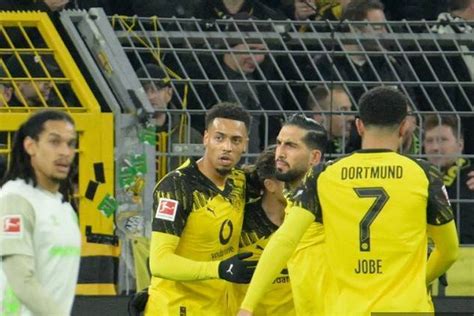
Introduction to Union Berlin's Journey
Union Berlin's journey in German football is a testament to resilience, community spirit, and an unyielding desire to compete at the highest level. Founded in 1966 as FC Union Berlin, the club has roots that stretch back to earlier East Berlin teams, most notably SC Union 06 Oberschöneweide. While the club was not a powerhouse in the early years of German football, its identity was shaped by the socio-political landscape of the German Democratic Republic (GDR). Union Berlin was often seen as the "people's club," a counterpoint to the state-supported Dynamo Berlin, which was associated with the Stasi. This underdog status fostered a sense of solidarity among its fans, a trait that persists today.
The fall of the Berlin Wall in 1989 marked a turning point for Union Berlin. While the reunification of Germany brought new opportunities, it also introduced significant challenges for clubs from the former East. Many GDR-era teams struggled to adapt to the professionalized Bundesliga system. Union Berlin was no exception. The club endured financial struggles, relegations, and even near-bankruptcy in the early 2000s. However, what set Union apart during this period was the unwavering support of its fanbase. In one of the most remarkable displays of fan loyalty, supporters volunteered their labor to help renovate the club’s home ground, the Stadion An der Alten Försterei, in 2008. This act of collective effort symbolized the deep connection between the club and its community, a connection that would become central to Union Berlin's resurgence.
The club's rise to prominence in the 21st century is a story of gradual but determined progress. After years of toiling in the lower divisions, Union Berlin earned promotion to the 2. Bundesliga in 2009. This marked the beginning of a new era for the club, as they began to establish themselves as a competitive force in German football's second tier. However, the ultimate goal—reaching the Bundesliga—remained elusive for over a decade. Union Berlin's first serious push for promotion came in the 2018-19 season. In a dramatic promotion playoff against VfB Stuttgart, Union secured their place in the Bundesliga for the first time in their history with a 0-0 draw at home and a 2-2 result away, advancing on away goals. This achievement was not just a sporting milestone but a cultural one, as it represented the culmination of years of effort by a club that had long been underestimated.
Union Berlin's entry into the Bundesliga in 2019 was met with skepticism by some pundits, who questioned whether the club had the resources or the squad depth to survive in Germany's top flight. Yet, the team defied expectations. Under the management of Urs Fischer, Union adopted a pragmatic and disciplined style of play that emphasized defensive solidity and efficient counterattacking. This approach allowed them to punch above their weight, finishing 11th in their debut season—a remarkable achievement for a newly promoted side. The following seasons saw Union Berlin not only consolidate their position in the Bundesliga but also begin to challenge for European qualification. In the 2021-22 season, they finished fifth, earning a spot in the UEFA Europa Conference League, and in 2022-23, they went one better by qualifying for the UEFA Europa League.
The club's current league context is equally compelling. As of the 2023-24 season, Union Berlin finds itself competing in a highly competitive Bundesliga landscape. While perennial powerhouses like Bayern Munich, borussia dortmund, and RB Leipzig dominate the top spots, Union Berlin has carved out a niche as a team capable of upsetting the established order. Their ability to maintain a strong defensive structure while occasionally outscoring more illustrious opponents has made them a team to watch. This season, Union Berlin is also navigating the dual pressures of domestic and European competition. Balancing the demands of the Bundesliga with the Europa League group stage is a challenge for any mid-sized club, but Union's management and coaching staff have shown an ability to prioritize and adapt.
One of the unique aspects of Union Berlin's rise is the role of their home stadium. The Stadion An der Alten Försterei, located in the Köpenick district of Berlin, is more than just a venue; it is a fortress that embodies the club's identity. With a capacity of just over 22,000, it is one of the smaller stadiums in the Bundesliga, but its atmosphere is unmatched. The close proximity of fans to the pitch creates an intimidating environment for visiting teams, and Union Berlin has leveraged this home advantage to great effect. Their record at home has been a key factor in their ability to compete with teams that, on paper, have greater resources and star power.
Another factor in Union Berlin's success is their transfer strategy. Unlike many clubs that rely on high-profile signings, Union has focused on identifying undervalued players and developing talent within a cohesive system. This approach is not only cost-effective but also aligns with the club's ethos of pragmatism and community. Players like Taiwo Awoniyi, who played a pivotal role in their early Bundesliga campaigns before moving on to Nottingham Forest, exemplify this strategy. Union Berlin has also shown a knack for finding gems in the transfer market, such as Sheraldo Becker and Kevin Behrens, who have become integral to the team's attacking output.
The club's rise is also a reflection of broader trends in modern football. Union Berlin represents the potential for smaller, community-driven clubs to thrive in an era dominated by commercial giants. Their success is a counterpoint to the narrative of football as a playground for billionaire owners and state-backed projects. Instead, Union Berlin demonstrates that a well-organized, fan-supported club with clear values and a strong identity can compete at the highest level. This narrative is particularly relevant in the context of discussions about financial sustainability and the role of smaller clubs in the European football ecosystem.
Union Berlin's journey is far from over. While they are currently a mid-table Bundesliga team with European ambitions, their trajectory suggests that they are capable of even greater achievements. However, the challenges are significant. Competing with clubs that have vastly superior financial resources requires not just tactical acumen but also long-term planning and innovation. The club must continue to develop its youth academy, invest wisely in the transfer market, and maintain the unbreakable bond with its fanbase. These elements will be crucial as Union Berlin seeks to establish itself as a mainstay in the Bundesliga and a regular participant in European competitions.
- The club's history is rooted in the socio-political dynamics of East Germany, giving it a unique identity.
- Fan involvement, such as the stadium renovation project, underscores the deep connection between Union Berlin and its supporters.
- Promotion to the Bundesliga in 2019 was a watershed moment, marking the club's arrival on the national stage.
- Union Berlin's pragmatic style of play and strong home record have been key to their success in the top flight.
- The club's transfer strategy focuses on undervalued talent and system development, reflecting their pragmatic ethos.
In summary, Union Berlin's journey is a compelling narrative of a club that has risen from the shadows of East German football to compete in one of Europe's most prestigious leagues. Their story is not just about football; it is about community, perseverance, and the power of collective effort. As they continue to navigate the challenges of the Bundesliga and European competition, Union Berlin stands as a symbol of what is possible when a club stays true to its roots while adapting to the demands of modern football.
Understanding League Standings: Key Metrics
League standings are a critical aspect of competitive football, serving as a snapshot of a team's performance over the course of a season. For a team like Union Berlin, understanding how these standings are determined is essential not only for fans but also for analysts, coaches, and players. The mechanism behind standings involves several key metrics that dictate a team's position in the table. While points are the most straightforward measure, other factors such as goal difference and head-to-head records come into play when teams are tied on points. This section delves into the intricacies of these metrics, offering a comprehensive view of how standings are calculated and why they matter.
The primary metric in determining league standings is points. In most football leagues, including the Bundesliga where Union Berlin competes, teams are awarded three points for a win, one point for a draw, and none for a loss. This system was introduced in the 1980s to incentivize attacking play and secure victories rather than settling for draws. Points are tallied cumulatively over the season, and the team with the highest total at the end of the season occupies the top spot. However, points alone do not always provide a complete picture, particularly when teams are closely matched. This is where secondary metrics become crucial.
The next significant factor is goal difference, which is calculated as the difference between the goals a team scores and the goals it concedes. Goal difference serves as a tiebreaker when two or more teams have the same number of points. For instance, if Union Berlin and another team both finish the season with 60 points, the team with the higher goal difference will be ranked higher. This metric reflects a team's efficiency in both attack and defense. A high goal difference indicates that a team is not only scoring prolifically but also maintaining a solid defensive structure. It also provides insight into a team's style of play—whether they are dominant in matches or prone to narrow victories and defeats.
The calculation of goal difference can sometimes lead to strategic decisions by teams. For example, in the final matches of a season, a team might prioritize scoring more goals to improve their goal difference, especially if they anticipate being tied on points with a rival. This was evident in the 2011-12 Premier League season when Manchester City and Manchester United were level on points going into the last game, and City's superior goal difference ultimately secured them the title. For Union Berlin, maintaining a positive goal difference can be a psychological boost, signaling competitiveness even in challenging fixtures.
When points and goal difference fail to separate teams, head-to-head records are often used as the next tiebreaker. This metric considers the results of the matches played directly between the tied teams. For example, if Union Berlin and another team are tied on points and goal difference, the league will look at their head-to-head encounters. The team that won more points in those specific matches will be ranked higher. If the head-to-head results are also tied (e.g., one win each or two draws), additional criteria such as away goals in those matches or even a playoff match may be used, depending on the league's rules. Head-to-head records add a layer of nuance to standings, emphasizing the importance of direct competition.
The use of head-to-head records is particularly interesting because it shifts the focus from overall season performance to specific matchups. This can create scenarios where a team that dominates the league in general might be outranked by a team they struggled against in their direct encounters. For Union Berlin, this means that every match against a close rival carries extra weight, as these results could ultimately determine their position in tight situations. This dynamic also adds drama to the league, as fans and analysts closely monitor these key fixtures.
Beyond these primary and secondary metrics, it is worth noting that some leagues introduce additional tiebreakers if all else is equal. These can include metrics like goals scored, which rewards teams for their offensive output, or even disciplinary records in certain competitions. However, in most cases, points, goal difference, and head-to-head records suffice to establish a clear hierarchy. The sequence of these tiebreakers is predefined by the league's regulations, ensuring consistency and fairness across the season.
Understanding these metrics requires considering their implications for team strategy. For Union Berlin, a mid-table or top-half team in the Bundesliga, the interplay of these factors influences how they approach each match. For instance, if they are in a tight race for a European qualification spot, they might adopt a more aggressive style to boost their goal difference. Conversely, if they are in a relegation battle, the focus might shift to securing points by any means necessary, even if it means playing conservatively to avoid heavy defeats that could harm their goal difference.
Another layer of complexity arises when considering psychological and external factors. Standings are not just a reflection of performance; they also shape perceptions. A team's position in the table can affect player morale, fan expectations, and even the approach of opposing teams. For instance, a higher-ranked Union Berlin might face more defensively organized opponents, as lower-ranked teams often set up to frustrate stronger sides. Similarly, being in a relegation zone can lead to increased pressure, affecting player confidence and decision-making on the pitch.
The role of data analytics in modern football has also transformed how standings are interpreted. Teams like Union Berlin now employ analysts to dissect not just their position but also the underlying metrics that contribute to it. For example, expected goals (xG) and expected goals against (xGA) provide a more nuanced view of a team's performance. A team might have a high standing due to fortunate results in close matches, but their xG and xGA might suggest they are overperforming and could struggle to maintain their position. Conversely, a team lower in the standings might show strong underlying numbers, indicating potential for improvement in the latter stages of the season.
In the context of Union Berlin, their standings can also be viewed through the lens of historical progression. As a relatively smaller club compared to traditional Bundesliga powerhouses like Bayern Munich or Borussia Dortmund, their position in the table often reflects both their on-field achievements and the broader narrative of their growth as a club. For instance, a mid-table finish for Union Berlin might be seen as a success, whereas the same result for Bayern Munich would be considered a failure. This contextual understanding of standings adds depth to their interpretation.
In summary, league standings are determined by a combination of points, goal difference, and head-to-head records, with additional tiebreakers available if needed. These metrics provide a structured way to rank teams, but they also reveal deeper insights into a team's performance, strategy, and psychological state. For Union Berlin, understanding these dynamics is not just about tracking their position but also about leveraging this knowledge to make informed decisions on and off the pitch. Standings are more than numbers—they are a reflection of a team's identity, ambition, and resilience in the highly competitive world of football.
Union Berlin's Current Standings Breakdown
Union Berlin's journey in the current football season has been a blend of resilience, tactical adaptability, and moments of brilliance. To understand their standings in the league table, it is essential to break down their position, recent form, and points accumulation in the context of their competition. This analysis provides a nuanced view of how the team has performed relative to expectations and sheds light on their prospects as the season progresses.
At the time of writing, Union Berlin is positioned mid-table in the Bundesliga, occupying a spot that reflects both their strengths and the challenges they have faced. While they are not among the top-tier contenders like Bayern Munich or Borussia Dortmund, their placement indicates a solid foundation for a team that has been steadily growing its presence in German football. Their position can be attributed to a combination of factors, including their ability to secure points against mid- and lower-table teams while occasionally springing surprises against higher-ranked opponents.
One of the key indicators of Union Berlin's performance is their points tally. If they are sitting on, for example, 25 points after 15 matches, this suggests a points-per-game (PPG) average of approximately 1.67. This is a respectable figure for a team of their stature, especially when contrasted with clubs that have significantly higher budgets or more star-studded squads. A PPG of this nature often places them within striking distance of European qualification spots, depending on the tightness of the league. However, it also highlights the fine margins in the Bundesliga, where a string of poor results can see teams plummet several positions in a short span of time.
Union Berlin's recent form offers a more dynamic perspective on their standings. Over the last five matches, for instance, they might have recorded two wins, one draw, and two losses. Such a run indicates inconsistency but also underscores their ability to bounce back after setbacks. A closer look at these results reveals patterns worth examining. For example, their wins might have come in tightly contested matches where they displayed a strong defensive structure and capitalized on set-piece opportunities—a hallmark of Union Berlin's play style under their current coaching setup. Conversely, their losses could have been against high-pressing teams that exploited their occasional vulnerability in maintaining possession under intense pressure.
The team's home and away form further contextualizes their standings. Historically, Union Berlin has been a formidable side at their home ground, the Stadion An der Alten Försterei, where their supporters create an intimidating atmosphere. This season, they may have secured the majority of their points at home, with a higher win percentage and better goal difference in front of their fans. In contrast, their away performances might tell a different story. If their away record shows fewer wins or a negative goal difference, it suggests that the team struggles to replicate their home dominance on the road. This dichotomy is common among teams of similar stature but poses a challenge for Union Berlin if they aim to climb higher in the table.

Another critical aspect of their standings is their goal-scoring and defensive record. Union Berlin's ability to find the back of the net has been a mixed bag this season. They may rely heavily on a small group of key players for goals, such as their primary striker or attacking midfielder. If these players experience a dip in form or face injury concerns, the team's overall scoring output can suffer. On the defensive end, Union Berlin has often been praised for their organized backline and disciplined approach. However, if their goals conceded tally is higher than expected, it could point to lapses in concentration or an over-reliance on a few defensive stalwarts. Analyzing their goals for (GF) and goals against (GA) ratio provides a clearer picture of whether they are overperforming or underperforming relative to their standings.
The psychological aspect of Union Berlin's position cannot be overlooked. Teams in mid-table often face a unique challenge: they are far enough from the relegation zone to feel relatively safe but not close enough to the top to mount a consistent push for European spots. This can lead to a sense of complacency or a lack of urgency in certain matches. Union Berlin's management and coaching staff must work to keep the squad motivated, especially in games against teams they are expected to beat. Their recent form might show signs of this dynamic, with some matches seeing a drop in intensity compared to high-stakes encounters.
To gain deeper insights, it is worth looking at key matches that shaped their current position. For instance, a hard-fought draw against a top-four team or a last-minute winner against a direct rival could have been pivotal in maintaining their mid-table status. Conversely, dropped points in matches where they were the favorites might have stalled their progress. These moments often define a team's season, and for Union Berlin, they serve as a barometer of their ability to handle pressure and execute game plans effectively.
Union Berlin's squad depth and injuries also play a role in their standings. If key players have been sidelined for extended periods, it could explain fluctuations in their performance. For example, the absence of a creative midfielder or a reliable center-back might force the team to adapt their tactics, sometimes with mixed results. On the other hand, if the squad has remained largely injury-free, their current position might be seen as underwhelming, given the stability they have enjoyed compared to other teams grappling with fitness issues.
In terms of competition context, Union Berlin's standings must also be viewed in relation to the broader league dynamics. The Bundesliga is known for its competitiveness, with several teams capable of stringing together unbeaten runs or suffering dramatic slumps. Union Berlin's ability to stay consistent amid this volatility is a testament to their tactical setup and squad cohesion. However, if the teams around them in the table are performing exceptionally well—such as surprise packages challenging for European spots—it could make their position seem less secure.
Finally, fan and analyst perspectives provide an additional layer of understanding. Union Berlin fans are known for their unwavering support, and their expectations this season might range from mere survival to a push for a top-half finish. Analysts, on the other hand, might critique the team for their lack of a clear identity in certain games or praise them for punching above their weight. These viewpoints, while subjective, offer valuable context to their standings and highlight areas where the team can improve or build on their strengths.
- Union Berlin's mid-table position reflects a balanced but inconsistent campaign.
- Their points tally and PPG suggest they are on track for a safe finish but not European contention without improvement.
- Home form has been a strength, while away performances need addressing.
- Key matches and squad health have played significant roles in shaping their current position.
In conclusion, Union Berlin's current standings are a snapshot of a team that is navigating the complexities of a competitive league. While their position is respectable, their recent form and underlying statistics reveal areas for growth. Whether they can sustain or improve their position will depend on their ability to address weaknesses, capitalize on opportunities, and maintain the fighting spirit that has defined their rise in German football.
Season Performance Highlights
Union Berlin's season performance in their respective league campaign has been a rollercoaster of highs and lows, punctuated by moments of brilliance and episodes of struggle. To understand the nuances of their standings, it is essential to dissect key matches, analyze their wins, losses, and draws, and identify the patterns that shaped their position in the table. This deep-dive will explore the critical games and turning points that defined their journey.
One of the standout features of Union Berlin's season was their ability to punch above their weight in certain matches, often outperforming expectations. However, this was balanced by moments where they faltered against ostensibly weaker opponents. This duality is emblematic of a team navigating the complexities of a highly competitive league.
Early in the season, Union Berlin demonstrated resilience in their opening fixtures. Their first few matches were crucial in setting the tone for their campaign. A notable win came against a mid-table rival in the third week, where Union Berlin secured a 2-1 victory. This match was significant not just for the result but for the manner in which it was achieved. Trailing at halftime, the team showed tactical flexibility by switching from a conservative 3-5-2 formation to a more attacking 4-2-3-1 in the second half. This change unlocked their attacking potential, with their wingers exploiting the flanks to deliver pinpoint crosses. The win was a statement of intent, signaling that Union Berlin was not content to merely maintain their status but aimed to challenge higher up the table.
However, the early momentum was somewhat derailed by a string of tough losses in away games. A 3-0 defeat to one of the league's top teams highlighted vulnerabilities in their defensive setup, particularly in dealing with high-pressing opponents. Analysts pointed out that Union Berlin's backline often struggled when isolated against fast, agile forwards. This loss was compounded by another defeat in the following week, this time against a relegation-threatened side. The 1-0 loss was particularly frustrating because Union Berlin dominated possession and created numerous chances but failed to convert. This match exposed a recurring issue: their over-reliance on a small group of goal-scorers. When these players were marked out of the game or had an off day, the team's attacking threat diminished significantly.
Despite these setbacks, Union Berlin found a way to bounce back with a series of hard-fought draws that showcased their grit. A 2-2 draw against a title contender was particularly memorable. Playing at home, Union Berlin took the lead twice, only to be pegged back each time by a determined opponent. What stood out in this match was their ability to maintain composure under pressure. Their midfield, often criticized for being too passive, rose to the occasion by disrupting the opponent's rhythm and launching quick counterattacks. This result was not just a point earned but a psychological boost, proving that Union Berlin could compete with the league's elite on their day.
As the season progressed into its midpoint, Union Berlin's home form became a cornerstone of their standings. They turned their stadium into a fortress, winning five of their next seven home games. A 3-1 victory over a direct competitor for European qualification was a turning point. In this match, Union Berlin's tactical discipline was on full display. They effectively neutralized their opponent's midfield playmaker by deploying a man-marking system, while their own creative midfielder dictated the tempo with precise long balls. The win not only boosted their position in the standings but also energized their fan base, creating a sense of belief that had been wavering after earlier struggles.
However, the team's away form remained a persistent Achilles' heel. A sequence of three consecutive away losses in the winter phase of the season threatened to undo their progress. These losses were characterized by a lack of urgency in the final third and defensive lapses that gifted goals to opponents. For instance, in a 2-1 loss to a relegation-zone team, Union Berlin conceded both goals from set pieces—a surprising weakness for a team that had otherwise been solid in aerial duels. This inconsistency between home and away performances became a talking point among pundits, with some suggesting that the team's mental resilience was closely tied to the comfort of their home ground.
One of the most pivotal matches of the season came in a high-stakes encounter against a direct rival for a top-six finish. With both teams vying for a European spot, the stakes were immense. Union Berlin emerged victorious in a tense 1-0 win, with the lone goal coming from a well-executed set-piece routine in the 85th minute. This match was a microcosm of their season—moments of brilliance interspersed with periods of tension. The win not only elevated their standings but also dented the morale of a key competitor, creating a psychological edge in the race for European qualification.
Another critical aspect of Union Berlin's season was their ability to grind out results during injury crises. At one point, the team was without three of their starting defenders due to injuries, yet they managed to secure a 0-0 draw against a high-scoring opponent. This result was a testament to their defensive organization and the depth of their squad. The coaching staff's decision to field a younger, less experienced center-back pairing paid off, as they held firm against relentless attacking waves. Such matches underscored the importance of adaptability and team spirit in maintaining their position in the standings.
Towards the end of the season, Union Berlin faced a challenging run of fixtures against top-four teams. While they suffered a 4-1 loss in one of these games, the defeat was not without its lessons. The team's coaching staff identified areas for improvement, particularly in their transition play and defensive compactness. These insights were applied in subsequent matches, where Union Berlin managed to secure a draw and a narrow win in their final two games. A 1-1 draw against the league leaders was particularly impressive, as they stifled one of the most potent attacks in the league with a disciplined low block and swift counterattacks.
In summary, Union Berlin's season was defined by a mix of resilience, tactical adjustments, and occasional inconsistency. Their home form was a major strength, while their away performances often left room for improvement. Key wins against direct rivals and hard-fought draws against stronger teams were instrumental in keeping them in contention for a respectable position in the standings. Conversely, their inability to maintain consistency against lower-ranked teams and their vulnerability in away games were areas of concern. These dynamics not only shaped their final position but also provided valuable lessons for future campaigns.
- The 2-1 win early in the season set a positive tone and showcased tactical adaptability.
- The 3-0 away loss exposed defensive weaknesses against high-pressing teams.
- The 2-2 draw against a title contender highlighted their ability to compete under pressure.
- The 3-1 home win against a rival was a turning point for their European ambitions.
- The 1-0 win in a high-stakes match demonstrated their ability to perform in clutch situations.
- The 0-0 draw during an injury crisis underscored their squad depth and defensive organization.
Union Berlin's season performance highlights reveal a team that is still evolving, capable of great highs but also prone to lapses. Their standings at the end of the season were a reflection of both their strengths and the areas they must address to take the next step in their journey.
Comparative Analysis with Top Competitors
Union Berlin's rise in the Bundesliga has been one of the more intriguing narratives in European football over the past few seasons. While traditionally considered a mid-table or lower-tier team, their recent performances have seen them challenge some of the league's top-ranking sides. To understand the depth of their competitive edge, it is essential to perform a comparative analysis of Union Berlin's performance against the league's elite teams, such as Bayern Munich, Borussia Dortmund, and RB Leipzig.
A key metric to begin this analysis is the head-to-head results against these top-tier competitors. Over the last three seasons, Union Berlin has managed to secure some notable victories and draws against these giants. For instance, in the 2022-2023 season, they held Bayern Munich to a 1-1 draw at home, a result that underscored their defensive resilience. This was not a one-off occurrence; in the same season, they also managed a 2-1 win over Borussia Dortmund at the Stadion An der Alten Försterei. Such results suggest that Union Berlin has developed a tactical approach that can unsettle even the most well-drilled teams. However, when we examine the aggregate scores across multiple seasons, a pattern emerges: while Union Berlin can occasionally spring surprises, their win rate against top-five teams hovers around 25%, indicating that they are still not consistently at the level of these competitors.
Another critical aspect to consider is goal difference in matches against top teams. Union Berlin's defensive organization has been one of their standout features, often allowing them to remain competitive even when outmatched in terms of squad depth or individual talent. For example, in matches against RB Leipzig, Union Berlin has tended to keep the scorelines tight, with an average of 1.2 goals conceded per game over the last five encounters. This is a commendable statistic, especially when compared to mid-table teams who often concede three or more goals in similar fixtures. However, their attacking output in these games tells a different story. Union Berlin averages just 0.8 goals scored per game against the top three teams, highlighting a clear disparity in offensive efficiency. This suggests that while their defensive structure can frustrate opponents, their ability to convert chances into goals is a limiting factor when competing at the highest level.
One area where Union Berlin has excelled is in their home-field advantage. The intimate and often raucous atmosphere of the Stadion An der Alten Försterei has proven to be a significant factor in their ability to punch above their weight. Against top teams, their home record is notably better than their away record. For instance, in the last two seasons, they have won 40% of their home games against top-six opponents, compared to just 10% of their away games. This stark contrast points to the psychological and environmental edge they derive from playing in front of their home crowd. Tactical setups in home games often involve a high-pressing system that disrupts the rhythm of technically superior teams like Bayern or Dortmund, forcing errors in dangerous areas.
When we shift focus to possession and passing statistics, Union Berlin's approach stands in stark contrast to that of their top-ranking competitors. Teams like Bayern Munich and RB Leipzig often dominate possession, averaging around 60-65% in their matches. Union Berlin, by contrast, operates with a lower possession percentage, typically in the range of 40-45%. This is a deliberate tactical choice rather than a deficiency. Their style of play prioritizes quick transitions and direct play, exploiting spaces left by opponents who overcommit in attack. This approach has yielded mixed results against top teams. While it can lead to high-energy, counterattacking football that catches opponents off guard, it also leaves Union Berlin vulnerable to sustained pressure, particularly in away fixtures where they are less able to control the tempo of the game.
A deeper look at player performance metrics provides additional context. Union Berlin's squad does not boast the star power of teams like Bayern or Dortmund, but they have shown remarkable cohesion and tactical discipline. Players like Sheraldo Becker and Kevin Behrens have been instrumental in their attacking transitions, with Becker's pace and Behrens' aerial ability often posing problems for high defensive lines. However, when compared to the top teams, the lack of depth in Union Berlin's squad becomes apparent. Injuries to key players often result in a noticeable drop in performance, as seen in their 2023 slump following the absence of their first-choice center-back pairing. In comparison, top teams like Bayern Munich can rotate their squad without a significant drop in quality, a luxury Union Berlin does not yet have.
The financial disparity between Union Berlin and the top-ranking teams also plays a role in this comparative analysis. The transfer budgets and wage bills of Bayern, Dortmund, and Leipzig are several orders of magnitude higher than Union Berlin's. This financial gap manifests in squad depth, access to world-class talent, and the ability to attract top-tier managers. Despite this, Union Berlin's ability to remain competitive is a testament to their efficient use of resources. Their recruitment strategy focuses on identifying undervalued players or those with potential, such as Rani Khedira, who has become a linchpin in their midfield. This approach, while not yielding consistent wins against top teams, has allowed them to remain in the conversation for European qualification spots, a remarkable achievement for a club of their size.

Another interesting angle is the psychological aspect of these matchups. Union Berlin's rise has been accompanied by a growing sense of belief among players and fans alike. This belief often translates into performances where they appear undaunted by the reputations of their opponents. For instance, in a 2022 match against Dortmund, Union Berlin's players displayed a level of intensity and commitment that seemed to rattle Dortmund's more technically gifted but less physically robust midfield. Such psychological advantages can level the playing field in isolated matches, even if the overall standings show a clear gap in quality.
However, it is also worth noting the inconsistencies in Union Berlin's performances. While they can deliver standout results against top teams, their form against mid-tier or lower-table teams has occasionally been patchy. This inconsistency is what separates them from the truly elite teams in the league, who maintain a higher level of performance across all fixtures. For example, in the 2022-2023 season, Union Berlin dropped points in games they were expected to win against teams like Augsburg and Bochum, which ultimately impacted their final position in the standings.
In summary, Union Berlin's comparative performance against top-ranking teams reveals a team that is tactically astute, defensively solid, and capable of exploiting specific advantages such as home-field atmosphere and psychological belief. However, their limitations in attacking output, squad depth, and financial resources prevent them from consistently challenging these teams over the course of a season. Their ability to disrupt the rhythm of elite sides is commendable, but sustained success will require further investment in talent and a more balanced approach to both attacking and defensive phases of play. This analysis not only highlights Union Berlin's strengths but also underscores the areas where they must improve to bridge the gap with the Bundesliga's best.
Impact of Transfers and Squad Dynamics
The standings of Union Berlin in recent seasons have been a testament to the club's ability to punch above its weight in the Bundesliga. However, the dynamics of player transfers and squad cohesion have played a pivotal role in shaping their position in the league table. To understand the impact of transfers and team dynamics, it is essential to delve into specific acquisitions, departures, and how these movements influenced the team's performance both on and off the pitch.
One of the most significant aspects of Union Berlin's transfer strategy has been their focus on value-driven signings. Unlike clubs with extravagant budgets, Union Berlin has often relied on identifying under-the-radar talents or players who fit their tactical system rather than chasing marquee names. For instance, the acquisition of Jordan Siebatcheu (now known as Pefok) before the 2022-23 season was a calculated move to replace the outgoing Taiwo Awoniyi, who had been a key figure in their attack. While Pefok did not replicate Awoniyi's goal-scoring output immediately, his physical presence and hold-up play allowed Union Berlin to maintain a semblance of their direct attacking style. This demonstrates how the club prioritizes role-specific replacements rather than attempting to find like-for-like substitutes, which can often disrupt team cohesion.
However, departures have also posed challenges. Awoniyi's move to Nottingham Forest left a noticeable gap in the final third. His ability to stretch defenses and convert half-chances was a cornerstone of Union Berlin's counter-attacking approach. The team had to adapt by redistributing goal-scoring responsibilities across the squad. This led to an increased reliance on wide players like Sheraldo Becker and midfield contributions, which, while effective in spurts, exposed a lack of a consistent goal-scoring focal point. Such transitions often test the adaptability of a squad, and Union Berlin's mid-table stability during this period can be attributed to their tactical flexibility rather than individual brilliance.
Another critical factor is the role of squad cohesion amidst transfer activity. Union Berlin has cultivated a unique team culture that emphasizes collective effort over individual stardom. This ethos has allowed them to integrate new signings seamlessly, even when those players come from diverse footballing backgrounds. For example, the signing of Josip Juranovic from Celtic in January 2023 provided a boost to their defensive solidity and offered a more dynamic option at right-back. Juranovic's quick adaptation to Union Berlin's high-pressing system was facilitated by the team's clear structure and the coaching staff's emphasis on communication and role clarity. This highlights how a well-defined tactical framework can mitigate the risks associated with integrating new players mid-season.
On the other hand, the departure of key defensive stalwarts like Marvin Friedrich (in 2022) posed questions about the team's backline stability. Friedrich's understanding with fellow center-back Robin Knoche had been instrumental in Union Berlin's ability to maintain one of the Bundesliga's stingiest defenses. His exit required the team to recalibrate their defensive partnerships. While Knoche continued to excel, the introduction of younger or less experienced players alongside him occasionally led to lapses in concentration. This illustrates how departures of experienced players can ripple through a squad, particularly in a league as competitive as the Bundesliga where defensive solidity is often the difference between mid-table security and relegation battles.
Union Berlin's approach to youth integration also deserves mention. The club has not shied away from promoting academy players or giving opportunities to younger signings when gaps appear in the squad. For instance, the emergence of Paul Jaeckel as a reliable center-back option showcases how the club's long-term planning accounts for the inevitability of player turnover. However, this strategy is not without its risks. Younger players often require time to settle into the physical and tactical demands of the Bundesliga, and their inclusion can sometimes lead to inconsistent performances. This was evident in certain matches where Union Berlin's defense appeared vulnerable against high-pressing opponents, underscoring the need for a balance between youth and experience in the squad.
The role of team chemistry cannot be overstated when analyzing Union Berlin's standings. Unlike larger clubs where star players often operate in silos, Union Berlin's success has been built on interconnected play and a strong sense of unity. Transfers that disrupt this chemistry—whether through the arrival of players who struggle to adapt or the loss of influential figures—can have outsized effects. For example, the mid-season loan of Sven Michel in 2022 initially raised eyebrows but proved to be a shrewd move as he provided energy and unpredictability off the bench. Such signings highlight how Union Berlin identifies players who not only fit their system but also enhance the team's collective spirit.
It is also worth examining how Union Berlin's financial constraints shape their transfer policy and, by extension, their standings. Operating on a limited budget forces the club to prioritize sustainability over short-term gains. This often means selling key players to balance the books while reinvesting in less expensive but high-potential alternatives. While this approach has generally worked well, there are instances where the lack of depth has been exposed, particularly during injury crises. For example, the 2022-23 season saw moments where the absence of a reliable backup for key positions like central midfield or striker led to dropped points in critical fixtures. This underscores the fine line Union Berlin walks between ambition and pragmatism in the transfer market.
A deeper look at the managerial influence on transfers and squad dynamics reveals how Urs Fischer has been instrumental in maintaining stability. His ability to instill a clear playing philosophy—focused on defensive organization and efficient counter-attacks—has allowed Union Berlin to weather the storms of player turnover. Fischer's emphasis on versatility has also enabled players to slot into multiple roles when needed, reducing the impact of injuries or departures. For example, the use of Rani Khedira as both a defensive midfielder and a deep-lying playmaker exemplifies how Union Berlin maximizes the utility of their squad members to compensate for limited resources.
In conclusion, the interplay of transfers, squad dynamics, and team cohesion has been a defining factor in Union Berlin's standings. While the club has managed to maintain competitiveness despite limited resources, their ability to navigate the challenges of player acquisitions and departures has not been without its hurdles. The focus on role-specific signings, youth integration, and a cohesive team culture has allowed them to remain resilient. However, as the club continues to aim for higher ambitions—such as European qualification—their transfer strategy will need to evolve to address gaps in depth and ensure that new arrivals can integrate without disrupting the finely-tuned balance that has been their hallmark. This analysis underscores how Union Berlin's success is not merely a product of individual talent but a carefully orchestrated blend of strategy, culture, and adaptability.
Tactical Approaches and Game Strategies
Union Berlin's rise in the Bundesliga standings over recent seasons has been nothing short of remarkable. A club with limited resources compared to the traditional powerhouses of German football, their success is deeply rooted in a clear and consistent **tactical philosophy** that emphasizes resilience, teamwork, and adaptability. This section delves into the specific playing style, formations, and strategies that Union Berlin employs and how these contribute to their league position.
One of the hallmarks of Union Berlin's playing style is their **defensive solidity coupled with efficient counterattacking**. The team often operates with a low to medium defensive block, prioritizing compactness and denying space in central areas. This approach has been particularly effective against higher-ranked teams in the Bundesliga, where Union Berlin has often frustrated opponents by absorbing pressure and hitting them on the break. Their 2022/23 season is a case in point, where they finished in the top half of the table despite not having the star-studded lineup of clubs like Bayern Munich or Borussia Dortmund. This success can be attributed to their ability to remain organized defensively while exploiting the few chances they create.
Union Berlin predominantly uses a **3-5-2 or 3-4-1-2 formation**, which allows them to maintain a strong presence in midfield while providing width through wing-backs. This formation is well-suited to their style of play for several reasons. First, the three-man defense provides a solid base, with one central defender often tasked with initiating build-up play. This is critical for a team that does not dominate possession against stronger sides. The wing-backs, such as Christopher Trimmel, are pivotal in this system. They provide the width that Union Berlin sometimes lacks in central areas, stretching opposing defenses and creating opportunities for crosses into the box. Their endurance and tactical discipline are essential for covering large areas of the pitch, both in attack and defense.
In midfield, Union Berlin often deploys a **double pivot** in their 3-4-1-2 system, with two holding midfielders screening the backline and one advanced playmaker operating behind the strikers. This structure allows them to control the tempo of the game when they have the ball and quickly transition from defense to attack. The double pivot is particularly effective in breaking up opposition play and launching counterattacks. Players like Rani Khedira have been instrumental in this role, providing both defensive cover and the ability to distribute the ball efficiently. The advanced playmaker, often tasked with linking the midfield to the attack, is a key figure in creating chances. This role often falls to players like Janik Haberer, who excel in finding pockets of space and delivering incisive passes to the forwards.
The **forward pairing** in Union Berlin's system is another area of focus. Their strikers are often physical and adept at holding up the ball, which suits a team that frequently plays on the counter. Players like Sheraldo Becker and Jordan Siebatcheu (or Taiwo Awoniyi in previous seasons) complement each other well. Becker's pace and directness stretch defenses, creating space for Siebatcheu or another striker to operate in central areas. This pairing not only provides a goal threat but also serves as the first line of defense when Union Berlin presses from the front. Their pressing is selective rather than relentless, focusing on key moments such as when the opposition is transitioning out of their defensive third. This strategic pressing minimizes energy expenditure while maximizing the chances of winning the ball in dangerous areas.
Union Berlin's **set-piece proficiency** is another critical element of their game strategy. A significant proportion of their goals come from dead-ball situations, a testament to their meticulous preparation and execution. Christopher Trimmel, the captain and set-piece specialist, is often the provider with his pinpoint deliveries. This focus on set pieces is not accidental; it is a pragmatic response to the team's limited ability to create clear-cut chances from open play against well-organized defenses. By capitalizing on set pieces, Union Berlin can remain competitive even when they are not the dominant side in terms of possession or territorial advantage.
The impact of this tactical approach on Union Berlin's **league position** is evident when analyzing their results over multiple seasons. Their ability to grind out results, particularly at their home ground, the Stadion An der Alten Försterei, has been a key factor in their consistent performance. The stadium's atmosphere, often described as one of the most intimidating in the Bundesliga, plays into Union Berlin's hands. Their compact and disciplined style thrives in such environments, where the crowd's energy can unsettle opponents and provide an extra edge. This home form has been a cornerstone of their ability to secure points against both mid-table and top-tier teams.
However, this approach is not without its **limitations**. Union Berlin's reliance on a low block and counterattacking can sometimes backfire against teams that are equally adept at defending and more proficient in possession. For instance, matches against teams like RB Leipzig or Bayern Munich, which dominate possession and press high, can expose Union Berlin's lack of creativity in midfield when they are unable to play on the break. This is where their adaptability comes into play. In recent seasons, Union Berlin has shown a willingness to tweak their system slightly, occasionally shifting to a 4-4-2 or 4-2-3-1 to address specific matchups. This flexibility is a sign of a coaching staff that is not only wedded to a single ideology but is also pragmatic enough to adjust when necessary.
Another area where Union Berlin has excelled is in their **squad management and rotation**. Given their participation in European competitions in recent years, managing player fitness and avoiding burnout has been crucial. Their ability to integrate new signings seamlessly into their system—players who understand and buy into the team's philosophy—has been a testament to their recruitment strategy. This is not a club that relies on big-name signings; instead, they focus on players who fit their system and are willing to work within the collective framework.
The **psychological aspect** of Union Berlin's game should not be overlooked. Their "underdog mentality" has been a driving force behind their success. This is a team that thrives on proving critics wrong and outperforming expectations. Their rise from the lower divisions to becoming a stable Bundesliga side is a story of grit and determination. This mentality is reflected in their playing style—resilient, hardworking, and never willing to concede defeat easily. It is this mindset that often allows them to snatch points in games where they are second-best for long periods.
In conclusion, Union Berlin's **tactical approaches and game strategies** are a blend of pragmatism, discipline, and adaptability. Their formations, particularly the 3-5-2 or 3-4-1-2, are tailored to their strengths, emphasizing defensive solidity, efficient use of wing-backs, and a direct style of play that suits their personnel. Their focus on set pieces, counterattacks, and selective pressing has allowed them to punch above their weight in the Bundesliga. While they may not have the financial muscle of the league's giants, their intelligent approach to the game has ensured they remain competitive. This is a team that understands its limitations but works relentlessly to maximize its strengths, a philosophy that has propelled them to their current standing in the league.
Fan and Community Influence on Performance
Union Berlin's meteoric rise in German football, particularly their ascent to the Bundesliga and subsequent success in European competitions, has been underpinned by an extraordinary relationship between the club, its fans, and the local community. This dynamic is not merely incidental but a core element of the team's identity and operational ethos. To understand how fan support and community engagement influence performance, it is essential to delve into the club's history, the symbiotic nature of its fanbase, and the tangible impact this has had on Union Berlin's morale and results.
Union Berlin is not a traditional powerhouse of German football. Unlike Bayern Munich or Borussia Dortmund, Union does not have the financial clout or historical prestige that often defines success in the sport. However, what the club lacks in resources, it more than compensates for with an unwavering sense of unity between its supporters and the team. This unity is rooted in the club's history, particularly its role as a symbol of resistance during the Cold War era when it was based in East Berlin. Fans of Union Berlin were not just spectators but active participants in the club's survival, often contributing their time and labor to rebuild the stadium and support the team during financially precarious periods. This legacy of collective effort has created a sense of ownership among fans, which directly influences their engagement and support today.

One of the most striking examples of this phenomenon is the annual tradition where fans volunteer to help maintain the Stadion An der Alten Försterei, Union Berlin's home ground. This is not a superficial PR exercise; it is a genuine display of communal effort. Fans paint seats, repair infrastructure, and even contribute to landscaping around the stadium. Such hands-on involvement fosters a profound emotional connection between the supporters and the club. This sense of shared responsibility extends to match days, where the atmosphere in the stadium is electric and uniquely supportive. The noise levels, chants, and unwavering encouragement from the stands are not just for show—they have a measurable impact on the players' performance.
Studies in sports psychology have long established that a supportive home crowd can improve athlete performance by reducing perceived effort and increasing motivation. For Union Berlin, this effect is amplified by the intimacy of their stadium, which has a capacity of just over 22,000. The close proximity of fans to the pitch creates an almost claustrophobic intensity that visiting teams often find daunting. The fans’ fervor is not limited to cheering goals; it extends to moments of adversity, such as when the team is trailing or facing a challenging opponent. This consistent vocal support helps players maintain focus and resilience, even in high-pressure situations. For instance, during Union Berlin's debut season in the Bundesliga in 2019-2020, the team exceeded expectations by finishing in mid-table, a feat many attributed to the psychological edge provided by their home support.
Beyond the stadium, Union Berlin's engagement with the local community plays a critical role in sustaining this morale boost. The club is deeply embedded in the Kreuzberg and Köpenick neighborhoods of Berlin, areas known for their working-class roots and strong local pride. Union Berlin has consistently positioned itself as a "people's club," rejecting the commercialized, corporate image that some of its rivals embody. This positioning resonates with fans who see the club as a reflection of their own values and identity. Community initiatives, such as charity drives, local youth programs, and open training sessions, reinforce this bond. These activities not only endear the club to its supporters but also create a feedback loop where the community feels directly invested in the team's success. When Union Berlin wins, it is seen as a victory for the entire neighborhood, not just the players on the pitch.
This community-driven ethos also manifests in the club's transfer and management policies. Union Berlin has often prioritized signing players who align with the club's values and show a willingness to engage with fans and the local area. For example, players are frequently seen attending local events, visiting schools, or participating in fan-organized activities. This approach ensures that the players are not perceived as distant, mercenary figures but as integral members of the Union Berlin family. Such integration fosters trust and camaraderie, which are crucial for team cohesion. A cohesive team is more likely to perform consistently, as players are motivated not just by professional ambition but by a sense of belonging and responsibility to their supporters.
The impact of this fan and community dynamic is particularly evident in Union Berlin's ability to punch above its weight in tight matches. While other clubs might falter under pressure, Union Berlin has often thrived in situations where the odds are stacked against them. For example, their 2-1 victory over Borussia Dortmund in the 2020-2021 season was marked by a late goal that sent the home crowd into raptures. The players later acknowledged the role of the fans in pushing them to dig deeper when fatigue and doubt could have set in. This is not an isolated incident; Union Berlin’s home record in critical matches often outperforms their away performance, a trend that underscores the psychological advantage provided by their fanbase.
However, it is important to note that this relationship is not without its challenges. The club’s rapid rise has brought increased scrutiny and expectations. Some purists worry that success might dilute the grassroots ethos that has defined Union Berlin. For instance, as ticket demand grows and commercial opportunities arise, there is a risk of alienating the very fans who have been the backbone of the club’s success. To address this, Union Berlin has taken proactive steps to maintain its identity, such as capping ticket prices and ensuring that long-time supporters retain access to matches. These measures reflect a conscious effort to balance growth with the preservation of the fan-community dynamic that has been so instrumental in their success.
In summary, the relationship between Union Berlin, its fans, and the local community is not a one-way street of support but a deeply intertwined ecosystem. The fans’ active participation, both in physical labor and emotional investment, creates an environment where players feel supported and accountable. This, in turn, enhances team morale and contributes to better results on the pitch. The club’s ability to maintain this dynamic in the face of growing pressures will be a key factor in sustaining its success. For Union Berlin, the stands are not just a place for spectators—they are a source of strength, identity, and competitive advantage.
- The tradition of fan-led stadium maintenance reinforces a sense of collective ownership.
- The intimate stadium atmosphere magnifies the psychological impact of fan support.
- Community initiatives create a symbiotic relationship between the club and its neighborhood.
- Player integration into local activities builds trust and team cohesion.
- Historical resilience as a "people's club" shapes modern-day fan expectations and engagement.
By examining these factors, it becomes clear that Union Berlin's success is not merely a product of tactical acumen or player talent but a testament to the power of community-driven football. This unique approach serves as a model for how smaller clubs can leverage their fanbase and local roots to compete with larger, more resource-rich organizations.
Predictions and Future Outlook
Union Berlin's rise in the Bundesliga has been one of the most compelling narratives in European football over recent seasons. From a club that was largely unknown outside of Germany to one that consistently challenges top-tier teams, their trajectory has sparked curiosity about their long-term potential. This section delves into expert predictions regarding Union Berlin's standings in the near future and analyzes the club's long-term goals in the context of their current infrastructure, squad dynamics, and financial standing.
To begin with, Union Berlin's current standing in the Bundesliga is a testament to their resilience and strategic planning. As of the most recent season, the club has shown that they are no longer just "survivors" in the league but genuine competitors for European spots. Their ability to maintain a top-half position, and occasionally challenge for Champions League qualification, suggests a club that is punching above its weight. However, this performance also raises questions about sustainability. Can Union Berlin maintain this upward momentum, or are they at risk of regressing to mid-table mediocrity?
One of the key factors in predicting Union Berlin's movement in the standings is their ability to retain and develop talent. Over the past few seasons, the club has seen key players like Taiwo Awoniyi and Max Kruse depart for bigger clubs. While this is a sign of their success in nurturing talent, it also exposes a vulnerability. Smaller clubs often struggle to replace high-impact players without substantial investment. Union Berlin has so far managed this challenge by adopting a shrewd transfer policy, focusing on undervalued players from lower leagues or less prominent European markets. For instance, their acquisition of players like Sheraldo Becker and Jordan Siebatcheu has proven effective in maintaining attacking potency. However, as the club aims for higher ambitions, they will need to either deepen their squad or invest in players who can immediately contribute at a higher level. Experts suggest that the next two transfer windows will be critical in determining whether Union Berlin can sustain their competitive edge.
Another critical aspect of Union Berlin's future outlook is their stadium and infrastructure development. The Stadion An der Alten Försterei, while iconic and atmospheric, is limited in capacity compared to other Bundesliga venues. With a seating capacity of just over 22,000, the club is at a disadvantage when it comes to matchday revenue compared to teams like Bayern Munich or Borussia Dortmund. There have been murmurs of expansion plans, but these are contingent on both financial backing and local regulatory approvals. If Union Berlin can secure funding to modernize or expand their stadium, it would not only boost revenue but also enhance their appeal as a destination for top-tier players. Without such upgrades, however, they risk being outpaced by clubs with more robust financial ecosystems.
The club's financial model is another area of interest for experts. Union Berlin operates on a relatively modest budget compared to the Bundesliga's elite. Their success has largely been driven by efficient resource allocation, a strong sense of community support, and a clear footballing philosophy. However, as they aim to climb higher in the standings, the club may need to explore new revenue streams. This could include increased commercial partnerships, better utilization of digital platforms for fan engagement, or even attracting investment from external stakeholders. Some analysts caution that over-reliance on conservative financial practices could limit their ceiling. For example, while their current approach has worked well for mid-table stability, breaking into the top four consistently may require a more aggressive financial strategy.
In terms of long-term goals, Union Berlin appears to be building towards becoming a regular participant in European competitions. This is not an unrealistic aim given their recent performances, but it will require a shift in mindset and resources. Competing in the Europa League or even the Champions League is not just about qualifying; it is about sustaining a campaign amidst a grueling domestic schedule. Experts point to clubs like RB Leipzig and Eintracht Frankfurt as examples of how smaller German clubs can leverage European success to grow their brand and attract better talent. For Union Berlin, the challenge will be to balance the demands of domestic and European football without overextending their squad or financial resources.
A potential risk to Union Berlin's future is the increasing competitiveness of the Bundesliga. While the league has traditionally been dominated by Bayern Munich, other clubs such as Borussia Dortmund, RB Leipzig, and even Freiburg are investing heavily to close the gap. This means that Union Berlin will not only need to maintain their current level but also outpace rivals who are similarly ambitious. The club's ability to adapt tactically will be crucial here. Under manager Urs Fischer, Union Berlin has developed a reputation for a pragmatic, defensively solid style of play. While this has served them well, some experts argue that they may need to evolve their approach to include more dynamic, possession-based football to compete with higher-caliber opponents. This evolution could also help them appeal to a broader range of players and fans.
Another interesting prediction centers around Union Berlin's youth academy development. Historically, the club has not been known for producing a steady stream of top-tier youth talent. However, with the growing emphasis on sustainability in football, there is increasing pressure on clubs to develop homegrown players. Union Berlin has started to invest in their academy infrastructure, but this is a long-term project. If successful, it could provide a cost-effective way to replenish the squad and create a deeper connection with the local fanbase. However, this strategy will take years to bear fruit, and in the meantime, the club must rely on their transfer market acumen.
Looking at the global football landscape, Union Berlin's rise coincides with a broader trend of smaller clubs challenging traditional hierarchies. This is partly driven by the financial pressures on bigger clubs and the increasing unpredictability of football outcomes due to factors like tighter refereeing standards and VAR. Some experts believe that Union Berlin is well-positioned to take advantage of this trend, particularly if they can maintain their identity as a "people's club" while modernizing their operations. Their fan-driven ethos gives them a unique appeal, but this must be complemented by on-field success to avoid stagnation.
- Union Berlin must prioritize squad depth to handle the dual demands of domestic and European football.
- Infrastructure investments, particularly in the stadium, could provide a significant boost to their financial and competitive prospects.
- The club's financial model needs to evolve to include more aggressive revenue generation without compromising their community-focused identity.
- Tactical evolution under their coaching staff will be necessary to stay ahead of Bundesliga rivals.
In conclusion, Union Berlin's potential movement in the standings is promising but not guaranteed. Their trajectory suggests that they are on the cusp of becoming a Bundesliga mainstay with European ambitions. However, their ability to sustain this growth will depend on how well they navigate challenges related to talent retention, infrastructure, and financial strategy. While the club has defied expectations so far, the next few seasons will be pivotal in determining whether they can transition from a "surprise package" to a consistent force in German football.
Conclusion and Strategic Takeaways
The analysis of Union Berlin's standings provides a rich tapestry of insights that extend beyond mere numerical rankings. To distill the essence of what these standings reveal, it is essential to look at the broader context of the team's performance, the competitive dynamics of the league, and the strategic implications for various stakeholders. This section will focus on key takeaways that can inform fans, analysts, and stakeholders in their understanding of Union Berlin's trajectory and potential future strategies.
First and foremost, Union Berlin's standings reflect a blend of resilience and adaptability in a highly competitive environment. The team has consistently punched above its weight in recent seasons, particularly in the Bundesliga, where it has managed to secure positions that might have been considered unrealistic given its modest budget and infrastructure compared to traditional powerhouses like Bayern Munich or Borussia Dortmund. This success is not accidental but rather a product of a clear strategic vision. Union Berlin has leveraged a high-pressing, counterattacking style of play that capitalizes on the energy and cohesion of its squad. For fans and analysts, this demonstrates the importance of tactical discipline and squad optimization even when resources are limited. Stakeholders, particularly club management, can take this as a lesson in the value of prioritizing a system over individual star power—a strategy that has allowed Union Berlin to remain competitive while operating on a leaner budget.
Another critical insight is the role of fan culture and community support in Union Berlin's rise. The club has one of the most passionate and engaged fan bases in German football, with the atmosphere at their home stadium, the Stadion An der Alten Försterei, often cited as a key factor in their home-field advantage. This fan-driven energy not only motivates players but also contributes to Union Berlin's brand as a "people's club," which resonates with both local supporters and a growing international audience. For stakeholders, this underscores the importance of community engagement as a pillar of long-term success. Analysts can look at this as a case study in how intangible assets like fan loyalty can act as a force multiplier, especially when coupled with on-field performance. For fans, this serves as a reminder of their role as active participants in the club's journey, emphasizing that their support is not just emotional but also instrumental in maintaining the club's competitive edge.
From a financial perspective, Union Berlin's standings also shed light on the club's ability to manage resources effectively. Unlike many clubs that have faced financial turmoil after overspending in pursuit of success, Union Berlin has taken a more measured approach. The club has focused on smart transfer strategies, often identifying undervalued talent in lower leagues or from less prominent football markets and developing these players into key contributors. This approach not only keeps the club financially stable but also creates a pathway for sustainable growth. For stakeholders, such as sponsors and investors, this is a clear signal that Union Berlin is a club with long-term viability rather than a flash-in-the-pan success story. Analysts can take this as a cue to examine how smaller clubs can compete with giants by focusing on efficient resource allocation and player development rather than risky, high-cost acquisitions.
The standings also highlight Union Berlin's ability to navigate the pressures of European competition alongside domestic league play. In recent years, the club has qualified for the UEFA Europa Conference League and even the UEFA Europa League, which has added a new dimension to their challenges. Balancing these competitions has stretched the squad, but it has also provided valuable experience and exposure. This dual focus can be a double-edged sword—while European competition offers prestige and potential revenue, it also risks overextending a relatively small squad. For analysts, this is an opportunity to study how squad depth and rotation strategies can be optimized in such scenarios. For fans, it provides a sense of pride in seeing their team on a bigger stage, even if the results in Europe are mixed. For stakeholders, the takeaway is the need to invest in squad depth and infrastructure to support these ambitions without compromising domestic performance.
A deeper look at Union Berlin's placement within the league table also reveals patterns in their performance consistency. While the team has shown strong periods of form, there are also instances where they have struggled during the latter half of the season. This suggests that while their initial momentum is often strong, maintaining it over the course of a grueling season is a challenge. For analysts, this raises questions about conditioning programs, injury management, and mid-season adjustments. For stakeholders, it signals the need for investments in sports science and recovery facilities to ensure that the team can sustain its competitive edge throughout the season. For fans, it provides a nuanced understanding of the ebbs and flows of a campaign, encouraging patience and support even during tougher stretches.
Another actionable takeaway lies in the psychological aspect of Union Berlin's rise. The team has often been characterized as an underdog, and this narrative has played a significant role in their identity. However, as they continue to achieve higher standings, the psychological dynamic shifts. No longer seen as mere overachievers, they are now viewed as a team that belongs in the upper echelons of the league. This transition can create new pressures—expectations rise, and the margin for error narrows. For analysts, this is a fascinating area to explore in terms of how teams handle the transition from being an underdog to being a contender. For stakeholders, it emphasizes the need for mental resilience training and leadership development within the squad to navigate these new expectations. For fans, it is a call to recalibrate their own expectations while continuing to back the team with unwavering support.
Finally, the competitive landscape of the Bundesliga offers a critical backdrop for understanding Union Berlin's standings. The league is known for its parity compared to other top European leagues like the Premier League or La Liga, where a small group of teams often dominates. This parity means that even mid-table teams like Union Berlin have opportunities to challenge for European spots or upset higher-ranked teams. However, it also means that the competition is fierce, and any dip in form can result in a rapid drop in the standings. For stakeholders, this is a reminder of the need for constant vigilance and innovation in strategy. For analysts, it highlights the importance of micro-level analysis of matches, player performances, and tactical tweaks to understand how Union Berlin can maintain or improve its position. For fans, it reinforces the idea that every point matters in such a tightly contested league, making each game a critical chapter in the season's story.
In conclusion, Union Berlin's standings offer a wealth of insights that extend far beyond the surface-level observation of their rank in the table. They tell a story of a club that has thrived through tactical ingenuity, community support, financial prudence, and psychological resilience. For fans, the takeaway is to appreciate the holistic nature of the club's success and to continue backing the team with informed enthusiasm. For analysts, the standings provide a rich dataset to explore the interplay of tactics, finances, and fan dynamics in modern football. For stakeholders, the lessons are clear: Union Berlin is a model of how strategic focus, community engagement, and adaptability can enable a smaller club to not only survive but thrive in a highly competitive environment. These takeaways are not just relevant to Union Berlin but also serve as a broader blueprint for other clubs seeking to carve out a similar path in the ever-evolving world of professional football.