Introduction to the Rivalry
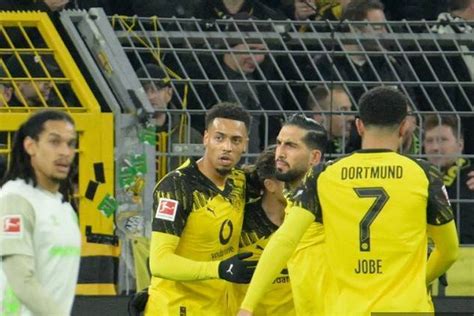
The rivalry between Wolfsburg and Bayern Munich, though not as historically entrenched or emotionally charged as some of the other clashes in German football, holds a unique place in the narrative of the Bundesliga. This matchup represents a fascinating dynamic between a club that has consistently dominated the league and another that has, at times, challenged the status quo with moments of brilliance and resilience. To understand the depth of this rivalry, one must delve into its historical context, the contrasting identities of the two clubs, and the significance of their encounters over the years.
Bayern Munich, often referred to as "FC Hollywood," is the undisputed giant of German football. With a record number of Bundesliga titles and a global fanbase, Bayern's reputation as a footballing behemoth is well-established. The club’s financial prowess, coupled with its ability to attract top-tier talent, has made it a perennial favorite in domestic and European competitions. However, this dominance has not been without its challengers, and Wolfsburg, particularly in the early 2000s and mid-2010s, emerged as an intriguing counterpoint to Bayern's hegemony.
Wolfsburg, a relatively younger club founded in 1945, does not share the storied history of Bayern but has carved out its own identity as a club with a strong connection to its industrial roots. Owned by Volkswagen, Wolfsburg has leveraged its corporate backing to compete at a high level in the Bundesliga. This corporate association has often drawn criticism, with detractors labeling Wolfsburg as a "company team," but it has also enabled the club to punch above its weight. Their crowning achievement came in the 2008-09 season when they clinched the Bundesliga title, breaking Bayern's stranglehold and asserting themselves as a team capable of disrupting the established order.
The historical significance of Wolfsburg vs Bayern matches can be traced back to this 2008-09 season. Wolfsburg’s title win was not just a triumph for the club but also a symbolic moment for the Bundesliga. It demonstrated that, despite Bayern’s overwhelming resources, other teams could rise to the occasion and challenge their dominance. This season featured a memorable head-to-head clash where Wolfsburg showcased their attacking dynamism, led by the prolific duo of Grafite and Edin Džeko, who combined for an astonishing 54 goals that season. Their 5-1 victory over Bayern in that campaign was a statement of intent, illustrating that Wolfsburg could not only compete with but also overpower the Bavarian giants on their day.
This result was not an isolated incident but part of a broader pattern of competitive matches between the two teams. While Bayern has largely maintained its superiority in head-to-head statistics, Wolfsburg has often managed to produce upsets or tightly contested games that belie the apparent gulf in resources and stature. For instance, Wolfsburg’s 4-1 victory over Bayern in the 2014-15 season stands out as another example of their ability to rise to the occasion. This match was particularly significant as it came during a period when Bayern was at the peak of its powers under Pep Guardiola, yet Wolfsburg managed to exploit defensive vulnerabilities and assert their attacking prowess.
The contrast in playing styles between the two teams has also added a layer of intrigue to their rivalry. Bayern Munich is synonymous with a possession-based, high-pressing game that seeks to dominate opponents through technical superiority and tactical discipline. In contrast, Wolfsburg has often adopted a more pragmatic approach, particularly in big games, focusing on defensive solidity and exploiting counterattacking opportunities. This clash of philosophies has produced some of the most engaging matches in the Bundesliga, where Wolfsburg’s disciplined counterattacks have occasionally unsettled Bayern’s fluid system.
Another dimension of this rivalry lies in the transfer market dynamics between the two clubs. Bayern Munich has a well-documented history of acquiring top talent from domestic rivals to maintain its competitive edge. Wolfsburg, despite being a financially well-supported club, has often found itself on the receiving end of this strategy. Notable examples include the transfer of Kevin De Bruyne from Wolfsburg to Manchester City after a breakout season, during which he played a pivotal role in Wolfsburg's strong performances against Bayern. Such transfers underscore the broader power imbalance in German football, where Bayern’s financial dominance allows it to indirectly influence the competitive landscape.
The rivalry is also shaped by the broader socio-economic and cultural differences between the two cities. Munich, as the capital of Bavaria, represents tradition, wealth, and a sense of footballing aristocracy. Wolfsburg, on the other hand, is a city built around the Volkswagen factory, symbolizing industrial modernity and corporate-driven ambition. This dichotomy extends to the fanbases, with Bayern drawing support from a wide and diverse demographic, while Wolfsburg’s support is more localized and tied to its regional identity. These contrasts add a subtle but meaningful subtext to their matches, as they represent not just a battle on the pitch but also a clash of ideologies and identities.
The matches between Wolfsburg and Bayern have also been significant in the context of title races and European qualification. While Bayern has often been the team chasing silverware, Wolfsburg has occasionally played the role of spoiler or contender. For instance, in the 2014-15 season, Wolfsburg finished as runners-up to Bayern, highlighting their ability to sustain a challenge over the course of a season. Their victories in direct clashes during such seasons have often carried added weight, as they impacted the narrative of the title race and showcased Wolfsburg’s potential to disrupt Bayern’s plans.
From a psychological standpoint, these matches often serve as a barometer for Wolfsburg’s ambitions. A strong performance against Bayern is seen as a statement of intent, not just for the club but for the players involved. For Bayern, matches against Wolfsburg, while not as emotionally charged as their fixtures against borussia dortmund or RB Leipzig, represent a test of their consistency and ability to overcome teams that adopt a more defensive or counterattacking approach. This dynamic ensures that every Wolfsburg vs Bayern encounter is more than just a routine fixture—it is a microcosm of the broader power struggle within the Bundesliga.
In summary, the Wolfsburg vs Bayern rivalry is a blend of historical moments, contrasting identities, and competitive intrigue. While Bayern’s dominance is undeniable, Wolfsburg’s occasional triumphs and ability to challenge the status quo have added depth to their encounters. These matches are not just about points on the table but about the broader narrative of German football, where tradition meets ambition, and the established order is occasionally questioned. This dynamic ensures that the rivalry remains relevant and engaging, offering fans a glimpse into the competitive spirit that defines the Bundesliga.
Historical Performance Overview
The head-to-head encounters between Wolfsburg and Bayern Munich have long been a fascinating subplot in the Bundesliga, offering a blend of competitive spirit, occasional upsets, and the sheer dominance of one of Europe's most successful clubs. To understand the historical performance overview of these matchups, one must delve into the data, key moments, and underlying trends that define their rivalry.
Since the early days of the Bundesliga, Bayern Munich has established itself as the dominant force in German football, with a trophy cabinet that dwarfs most competitors. However, Wolfsburg, while not a traditional giant, has had its moments of glory—particularly during the mid-2000s and early 2010s when they managed to secure a Bundesliga title (2008-09) and occasional strong league finishes. This juxtaposition of a perennial champion against a club with sporadic but significant success creates an interesting dynamic in their head-to-head clashes.
Looking at the overall record, Bayern Munich has overwhelmingly dominated this fixture. As of recent years, Bayern has won the majority of their matches against Wolfsburg, often by significant margins. However, this dominance is punctuated by a few memorable Wolfsburg victories that serve as reminders of the unpredictability of football. For instance, in the 2014-15 season, Wolfsburg handed Bayern a rare home defeat, winning 4-1 at the Allianz Arena. This result was not just a statistical anomaly but a statement of intent from a Wolfsburg side that featured players like Kevin De Bruyne and Bas Dost in peak form. Such results underscore that while Bayern often holds the upper hand, Wolfsburg has shown they can exploit moments of vulnerability in the Bavarian side.
Examining the historical data, one notices a clear trend: Bayern's superiority is most pronounced in the last decade. Between 2010 and 2023, Bayern has won over 75% of their matches against Wolfsburg across all competitions. This period coincides with Bayern's era of unparalleled domestic success, including multiple Bundesliga titles and Champions League triumphs. During this time, Bayern's squad depth, tactical flexibility, and world-class talent—such as Robert Lewandowski, Thomas Müller, and Manuel Neuer—often overwhelmed Wolfsburg's defenses. For example, in the 2019-20 season, Bayern routed Wolfsburg 6-0 in a match that highlighted their attacking prowess and Wolfsburg's defensive frailties against top-tier opposition.
However, the key moments in this rivalry are not solely defined by lopsided victories. There are instances where Wolfsburg managed to stand toe-to-toe with Bayern, particularly in tightly contested matches. One such example is the 2008-09 season, when Wolfsburg, en route to their first and only Bundesliga title, managed a 5-1 thrashing of Bayern. This result was emblematic of a Wolfsburg team brimming with confidence and tactical cohesion under coach Felix Magath. The match showcased Wolfsburg's ability to exploit Bayern's occasional defensive lapses, with Grafite and Edin Džeko running riot. Such moments are critical in understanding that while the overall trend favors Bayern, Wolfsburg has had periods where they could challenge the status quo.
Another intriguing aspect of this rivalry is the role of individual performances in shaping match outcomes. For Bayern, players like Lewandowski have often been the difference-makers. The Polish striker has a remarkable record against Wolfsburg, including his famous five-goal haul in nine minutes during the 2015-16 season. This extraordinary feat, coming off the bench, not only underlined Lewandowski's brilliance but also symbolized Bayern's ability to turn matches on their head even when the odds seemed level. On the other hand, Wolfsburg has relied on moments of individual brilliance from players like Max Kruse, Wout Weghorst, and earlier, Diego, to create opportunities against a typically well-organized Bayern defense.
Trends in the head-to-head encounters also reveal how both teams' styles of play have evolved over time. Bayern's approach, characterized by high pressing, possession dominance, and fluid attacking movements, often forces Wolfsburg into a reactive stance. Wolfsburg, particularly in the last few seasons, has adopted a more pragmatic approach when facing Bayern, often prioritizing defensive solidity and looking to exploit counterattacks. This tactical shift is evident in matches where Wolfsburg has managed to keep the scoreline respectable, even in defeat. For instance, in the 2021-22 season, Wolfsburg lost 2-4 to Bayern but showcased periods of promising play, particularly in transition, where their wingbacks and midfielders found space to challenge Bayern's backline.
It is also worth noting the psychological aspect of this matchup. Bayern's historical dominance often creates a psychological barrier for Wolfsburg players, particularly in high-stakes matches. This is evident in how Wolfsburg has struggled to maintain leads against Bayern. A prime example is the 2018-19 season, where Wolfsburg took an early lead but eventually succumbed to a 3-2 defeat, with Bayern's relentless pressure and experience proving decisive. Such patterns suggest that while Wolfsburg can compete in phases, sustaining performance over 90 minutes against a team of Bayern's caliber is a significant challenge.
From a statistical perspective, the goal difference in these matches further illustrates the gulf in class. In the last 20 encounters, Bayern has outscored Wolfsburg by a significant margin, often averaging over three goals per game in their victories. However, Wolfsburg's occasional ability to score against Bayern—particularly through set pieces or quick counterattacks—shows that they are not entirely outclassed in every department. This dynamic creates an element of unpredictability, particularly in cup competitions or matches where Bayern may rotate their squad.
The venue factor also plays a role in this rivalry. Matches at the Volkswagen Arena (Wolfsburg's home ground) have occasionally seen tighter results compared to those at the Allianz Arena. Wolfsburg has managed draws and narrow defeats at home more frequently than on the road, suggesting that their familiarity with the pitch and the support of their fans can provide a slight edge. However, this advantage is often neutralized by Bayern's ability to adapt and impose their game plan regardless of the venue.
In summary, the historical performance overview of Wolfsburg vs Bayern reveals a fascinating dynamic. While Bayern Munich has been the dominant force, Wolfsburg's occasional triumphs and competitive showings highlight the nuanced nature of their rivalry. These matches are not merely a showcase of Bayern's superiority but also a testament to Wolfsburg's ability to rise to the occasion on specific occasions. The interplay of tactical evolution, individual brilliance, and psychological factors makes this fixture a compelling chapter in Bundesliga history, one that continues to offer intrigue despite the clear imbalance in overall results.
Team Strategies and Playing Styles
When analyzing the tactical approaches and playing styles of Wolfsburg and Bayern Munich, it is essential to delve into how each team's strategies are shaped by their squad composition, managerial philosophy, and historical tendencies. These two clubs, while both operating at the top tiers of German football, exhibit distinct tactical frameworks that reflect their respective ambitions and resources.
Wolfsburg, traditionally a team that oscillates between mid-table stability and European qualification, often adopts a pragmatic and structured approach to their play. Under various managers, including their recent tenures, Wolfsburg has leaned towards a **4-2-3-1 formation** as their default setup. This formation allows them to maintain a solid defensive base while also offering the flexibility to transition quickly into counter-attacks. The two holding midfielders in this system—typically players like Maximilian Arnold, who provides both creativity and defensive cover—are crucial in shielding the back four. This setup is designed to absorb pressure and exploit spaces left by opposing teams, especially when facing high-pressing sides like Bayern.
One of Wolfsburg's key tactical features is their **reliance on wing play**. The use of fast wingers or wide forwards, such as Jonas Wind or Patrick Wimmer, is central to their strategy. These players are tasked with stretching the opposition's defense, often cutting inside to either take shots or combine with the central striker. This emphasis on width is complemented by a disciplined backline that rarely ventures too far forward, ensuring they remain compact when out of possession. Wolfsburg’s midfield often operates in a double pivot, with one player given more license to roam forward while the other stays deeper to maintain balance. This structured approach can be both a strength and a limitation; while it provides stability against stronger opponents, it can also lead to a lack of dynamism when trying to break down compact defenses.
In contrast, Bayern Munich's playing style is far more fluid and aggressive, reflecting their status as one of Europe's most dominant teams. Bayern typically deploys a **4-2-3-1 or 4-3-3 formation**, but their interpretation of these systems is highly adaptable and often shifts during matches based on the flow of play. Under managers like Julian Nagelsmann and now Thomas Tuchel, Bayern has prioritized **positional play (or "spielverlagerung")**, a concept that involves maintaining numerical superiority in key areas of the pitch. This approach ensures they can dominate possession and control the tempo of the game.
Bayern’s midfield trio, often consisting of players like Joshua Kimmich, Leon Goretzka, and occasionally Thomas Müller in a hybrid role, is central to their strategy. Kimmich, in particular, acts as the metronome of the team, dictating play from deep while also having the versatility to push higher when needed. This contrasts sharply with Wolfsburg’s more rigid midfield structure. Bayern’s midfielders are encouraged to rotate positions, with full-backs like Alphonso Davies and Noussair Mazraoui providing overlapping runs that stretch the opposition. This creates space for their forwards—such as Serge Gnabry, Leroy Sané, and Harry Kane—to operate in central areas with greater freedom.
A critical difference between the two teams lies in their **pressing intensity**. Bayern employs a high-pressing system that seeks to win the ball back in advanced areas, often within seconds of losing possession. This "gegenpressing" style is a hallmark of their identity, and it requires immense physical conditioning and coordination among players. Wolfsburg, while capable of pressing, tends to do so in a more selective manner. Their pressing is often zonal rather than man-oriented, focusing on denying passing lanes rather than aggressively hunting the ball. This difference in pressing intensity often dictates the flow of matches between the two sides; Bayern’s ability to suffocate opponents in their own half can force Wolfsburg into long balls or errors in their defensive third.
Another area of distinction is in **attacking patterns**. Wolfsburg’s attacks are often more direct, with a focus on quick transitions and exploiting the space behind the opposition's defensive line. This is particularly evident when they face teams that leave gaps while attacking. Their striker, often a physical presence like Wout Weghorst in previous seasons or the more mobile Wind currently, acts as the focal point for these direct attacks. Support from the wingers and occasional late runs from midfielders like Yannick Gerhardt add layers to their offensive play.
Bayern, on the other hand, thrives on **positional interchanges and combination play** in the final third. Their forwards and attacking midfielders are constantly moving, creating triangular passing networks that are difficult for opponents to track. For instance, Thomas Müller’s "raumdeuter" role—a term he popularized to describe his ability to find space—exemplifies how Bayern’s attackers exploit gaps in even the most organized defenses. This fluidity often forces Wolfsburg into a reactive stance when facing Bayern, as they must prioritize defensive solidity over their usual counter-attacking ambitions.
Defensively, Wolfsburg tends to prioritize a **low to medium block**, especially against top teams like Bayern. Their back four remains compact, with full-backs tucking in to deny space in central areas. This conservative approach can frustrate Bayern’s attackers, particularly if they are unable to find the quick combinations that unlock deep defenses. However, this strategy also leaves Wolfsburg vulnerable to Bayern’s ability to switch play rapidly and exploit the wings, where their full-backs and wingers can create overloads.
Bayern’s defensive approach, while not as frequently tested due to their dominance in possession, is equally methodical. They often use a **high defensive line** to compress space and maintain control of the game. This can be a double-edged sword, as it leaves them exposed to counter-attacks—a scenario where Wolfsburg could potentially capitalize if they are clinical in their execution. However, Bayern’s defensive setup is bolstered by aggressive ball-winning midfielders and a goalkeeper like Manuel Neuer, who excels in sweeping up long balls aimed at exploiting the space behind the defense.
In terms of **managerial influence**, the contrast is stark. Wolfsburg’s managers often prioritize results over style, which is reflective of their status as a club with more limited resources compared to Bayern. This pragmatism can lead to matches where Wolfsburg focuses on frustrating Bayern rather than outplaying them. Bayern, by contrast, has the luxury of building a system around world-class talent and a culture of winning. Their tactical flexibility allows them to shift from a possession-heavy approach to a more direct style if needed, as seen in matches where they are chasing a result.
In summary, the tactical approaches of Wolfsburg and Bayern reflect their respective positions in the football hierarchy. Wolfsburg’s structured and counter-attacking style is designed to maximize their resources and exploit weaknesses in stronger teams. Bayern, with their fluid and aggressive approach, seeks to dominate games through superior technical quality and relentless pressing. These differences make their encounters a fascinating study in how strategy and resources shape the beautiful game.
- Wolfsburg: Pragmatic, counter-attacking, structured 4-2-3-1.
- Bayern: Fluid, aggressive, positional play in 4-2-3-1 or 4-3-3.
- Pressing: Wolfsburg zonal, Bayern high-intensity gegenpressing.
- Attacking focus: Wolfsburg direct transitions, Bayern combination play.
- Defensive priorities: Wolfsburg compact low block, Bayern high line with aggressive midfield support.
This comparison underscores how each team’s identity is rooted in their tactical DNA, with Wolfsburg’s resilience often pitted against Bayern’s overwhelming firepower.
Key Players and Impactful Performers
The matches between Wolfsburg and Bayern Munich have often been defined by the performances of key players who bring a blend of skill, strategy, and sheer determination to the pitch. These players not only influence the flow of the game but also often serve as the linchpins for their respective teams' successes or failures in this fixture. Examining the star players from both sides provides a deeper understanding of how individual brilliance can shape the outcomes of these high-stakes encounters.
For Bayern Munich, the team's dominance in the Bundesliga is often attributed to its ability to field world-class talent consistently. One of the most impactful players in recent years has been Robert Lewandowski. During his tenure at Bayern, Lewandowski was a consistent thorn in Wolfsburg's side. His record-breaking performances, such as the infamous five-goal haul in nine minutes during a 2015 match against Wolfsburg, exemplify his ability to single-handedly dismantle defenses. Lewandowski's positioning, aerial prowess, and clinical finishing made him a nightmare for Wolfsburg's backline. Even after his departure to Barcelona, his legacy in these matches lingers as a benchmark for attacking excellence.
Another key figure for Bayern is Thomas Müller, whose influence often goes beyond goals and assists. Müller's role as a "raumdeuter" (space interpreter) allows him to exploit gaps in Wolfsburg's defensive structure. His off-the-ball movement and ability to link play between midfield and attack have often been critical in unlocking stubborn Wolfsburg defenses. In matches where Bayern has struggled to find rhythm, Müller's experience and tactical intelligence have provided the necessary spark. For instance, in tightly contested games, his ability to find teammates in advanced positions or draw fouls in dangerous areas has been a recurring theme.
In midfield, Joshua Kimmich has been a central figure in dictating the tempo of these matches. Kimmich's versatility—whether as a holding midfielder or a right-back—allows Bayern to control possession and launch attacks from deep. His precise passing and defensive work rate are particularly impactful against Wolfsburg, a team that often relies on quick counterattacks. Kimmich's ability to break up play and initiate transitions ensures that Bayern maintains control even in high-pressure situations. His performances in Wolfsburg vs. Bayern fixtures often highlight his importance as a player who can both shield the defense and act as a playmaker.
On the defensive end, Manuel Neuer has been a steadying presence for Bayern. His shot-stopping abilities and sweeper-keeper instincts have thwarted many Wolfsburg attacks that could have otherwise changed the course of the game. Notably, Neuer's command of the penalty area and his ability to act as an extra defender during Wolfsburg's counterattacks have been pivotal in maintaining Bayern's dominance.
For Wolfsburg, the challenge of facing Bayern has often brought out the best in their key players, especially those tasked with countering Bayern's attacking might. One such player is Wout Weghorst, the towering Dutch striker who played a significant role for Wolfsburg in past seasons. Weghorst's physicality and aerial ability made him a constant threat in set-piece situations and in holding up the ball to bring teammates into play. His knack for scoring against top teams, including Bayern, often gave Wolfsburg a fighting chance. For example, his well-taken goals in tightly contested matches showcased his ability to rise to the occasion when facing a team of Bayern's caliber.
Another standout performer for Wolfsburg has been Maximilian Arnold, the team's midfield engine. Arnold's ability to distribute the ball with precision and his set-piece expertise have been vital in creating scoring opportunities for Wolfsburg. In matches against Bayern, Arnold often takes on the role of a disruptor, pressing high to disrupt Bayern's build-up play. His long-range shooting ability has also been a weapon, as he has scored memorable goals from distance to keep Wolfsburg in the game. Arnold's leadership on the field, particularly in emotionally charged fixtures, has been instrumental in maintaining Wolfsburg's competitive edge.
Defensively, John Brooks was a key figure for Wolfsburg in past seasons. His ability to read the game and make crucial interceptions was particularly important against Bayern's high-powered attack. Brooks' physical presence and aerial dominance were crucial in dealing with Bayern's crosses and set-pieces. His performances often dictated how well Wolfsburg could withstand Bayern's relentless pressure, especially in the early stages of the game when Bayern typically seeks to assert dominance.
In more recent times, Jonas Wind has emerged as a promising figure for Wolfsburg in this fixture. The Danish forward combines technical skill with a strong physical presence, making him a versatile option in attack. His ability to drop deep, link play, and finish chances has added a new dimension to Wolfsburg's approach against Bayern. Wind's performances in recent matches suggest that he could become a recurring figure in shaping the outcome of these games, especially as Wolfsburg seeks to evolve its strategy against a dominant Bayern side.
It is also worth noting the role of impact substitutes in these matches. For Bayern, players like Serge Gnabry and Leroy Sané have often come off the bench to change the dynamics of the game. Their pace and directness have been particularly effective in exploiting tired Wolfsburg legs in the latter stages of matches. For Wolfsburg, substitutes such as Renato Steffen have provided moments of inspiration, using their fresh energy to exploit spaces left by a sometimes overcommitted Bayern side.
The interplay between these star players often determines the narrative of Wolfsburg vs. Bayern matches. While Bayern's players are often expected to dominate due to their superior squad depth and quality, Wolfsburg's key performers have occasionally managed to punch above their weight. This dynamic creates a fascinating contrast: Bayern's structured, possession-based approach versus Wolfsburg's more reactive, counterattacking style. The star players on both sides are not just individuals showcasing their talent but are also representatives of their team's broader tactical philosophies.
In summary, the outcomes of Wolfsburg vs. Bayern matches are often shaped by the performances of these star players. Whether it is Lewandowski's goal-scoring exploits, Müller's spatial intelligence, Kimmich's control of midfield, or Arnold's defiant creativity for Wolfsburg, these players leave an indelible mark on the fixture. Their ability to rise to the occasion, adapt to the pressures of the game, and deliver when it matters most underscores their importance in one of the Bundesliga's most intriguing rivalries.
Managerial Influence
The rivalry between Wolfsburg and Bayern Munich has seen its fair share of twists and turns over the years, and much of the ebb and flow of this dynamic can be attributed to the influence of the managers who have helmed the two clubs. In a clash that often pits a perennial powerhouse against a team striving to disrupt the established order, the strategic decisions, tactical innovations, and psychological warfare waged by coaches have played a critical role in shaping the narrative of this matchup.
One of the most striking examples of managerial influence in this rivalry can be seen in the tenure of **Felix Magath**, who managed both Wolfsburg and Bayern Munich during his career. Magath's time at Wolfsburg from 2007 to 2009 was transformative. Under his guidance, Wolfsburg achieved their first and only Bundesliga title in the 2008-09 season. Magath’s emphasis on physical fitness, tactical discipline, and a direct style of play allowed Wolfsburg to punch above their weight. This period also saw the emergence of a potent attacking duo in **Edin Džeko** and **Grafite**, whose combined goal-scoring exploits were a direct result of Magath's ability to maximize individual talents within a cohesive system. When Wolfsburg faced Bayern during this period, they were no longer seen as mere underdogs but as a legitimate threat capable of unsettling the Bavarian giants. Magath’s ability to instill belief in his squad was evident in the way Wolfsburg approached these matches with a fearless mindset, often targeting Bayern’s high defensive line with swift counterattacks.
On the other side of the spectrum, **Louis van Gaal**, who managed Bayern Munich from 2009 to 2011, brought a philosophical shift to the Bavarian club that indirectly impacted their matches against Wolfsburg. Van Gaal’s focus on possession-based football and a high-pressing system aimed to dominate games from the outset. This style often forced Wolfsburg into a more reactive approach when facing Bayern. However, it also left Bayern vulnerable to well-organized counterattacking sides, a scenario Wolfsburg occasionally exploited. For instance, in the 2009-10 season, Wolfsburg managed to secure a draw against Bayern at the Allianz Arena, showcasing how Magath’s successor, **Armin Veh**, adapted to van Gaal’s system by prioritizing defensive solidity and exploiting space behind Bayern’s full-backs. This dynamic underlined how the clash of managerial philosophies could create tactical chess matches that went beyond the perceived gulf in squad quality.
Another fascinating chapter in this rivalry unfolded during the era of **Pep Guardiola** at Bayern Munich (2013-2016). Guardiola’s arrival heralded a period of tactical evolution for Bayern, characterized by positional play, fluid formations, and an obsession with ball retention. Against Wolfsburg, this often meant overwhelming possession statistics and a suffocating press that left Wolfsburg little room to breathe. However, one of the most memorable upsets in this rivalry occurred in January 2015, when Wolfsburg, then managed by **Dieter Hecking**, defeated Bayern 4-1 at the Volkswagen Arena. This result was not merely a fluke but a testament to Hecking’s ability to exploit Guardiola’s high defensive line. With **Kevin De Bruyne** orchestrating attacks and **Bas Dost** capitalizing on defensive lapses, Wolfsburg exposed the risks inherent in Guardiola’s aggressive system. This match highlighted how a manager’s ability to identify and exploit the weaknesses of a dominant side could level the playing field, even momentarily.
The influence of **Niko Kovač** during his brief stint at Bayern (2018-2019) also offers an interesting case study. Kovač’s Bayern often struggled with inconsistency, and this was evident in their matches against Wolfsburg. In the 2018-19 season, Wolfsburg, under **Bruno Labbadia**, managed to secure a 2-2 draw at the Allianz Arena. Labbadia’s approach was pragmatic, focusing on compact defensive structures and quick transitions. Kovač’s Bayern, despite their superior talent, often found themselves frustrated by Wolfsburg’s disciplined low block. This period revealed how a manager’s inability to adapt tactically could allow a less-favored opponent to take points off them, even in a rivalry where Bayern were expected to dominate.
More recently, the managerial duel between **Julian Nagelsmann** (Bayern) and **Niklas Klinger** (Wolfsburg interim manager in 2023) showcased how the dynamics of this rivalry continue to evolve. Nagelsmann’s emphasis on positional flexibility and aggressive in-possession play has made Bayern even more formidable, but it has also occasionally left them exposed to teams willing to sit deep and exploit transitional moments. Wolfsburg, under Klinger and subsequently **Niko Kovač** in his second stint, have attempted to adopt a more proactive approach, emphasizing youth development and high-energy pressing. While results have been mixed, these managerial choices reflect a broader trend in the Bundesliga where smaller clubs are no longer content to simply park the bus against Bayern but instead seek to challenge them on a more even footing.
It is also worth examining how **managerial longevity** has played a role in this rivalry. Bayern Munich, as a club, has often benefited from the stability provided by long-serving managers like **Jupp Heynckes** and **Hansi Flick**, both of whom brought sustained success and a clear vision. Their ability to maintain high performance levels across seasons meant that Wolfsburg often faced a Bayern side operating at peak efficiency. In contrast, Wolfsburg’s tendency to cycle through managers—sometimes due to boardroom instability or inconsistent results—has often disrupted their ability to build a consistent game plan against Bayern. This contrast in managerial continuity has often been a silent yet powerful factor in determining the outcome of matches.
Another layer to consider is the psychological aspect of this rivalry. Managers like **Ottmar Hitzfeld**, who had immense success with Bayern in the late 1990s and early 2000s, often used matches against Wolfsburg as opportunities to test new systems or rotate squads. This approach sometimes backfired, as Wolfsburg, even as a mid-table team, relished the opportunity to play without pressure and occasionally snatched unlikely victories. Hitzfeld’s occasional overconfidence in these fixtures underscored how even the most accomplished managers could underestimate the unpredictability of this matchup.
In summary, the managerial influence in the Wolfsburg vs Bayern rivalry is a microcosm of broader themes in football: the clash of styles, the impact of tactical innovation, and the psychological battles waged on and off the pitch. From Magath’s ability to turn Wolfsburg into title contenders to Guardiola’s struggles against pragmatic opponents, the coaches in this rivalry have often been the architects of its most compelling narratives. Whether through bold strategies, adaptability, or even missteps, the managers have consistently shaped how this fixture is perceived and contested, proving that in football, the man on the touchline can be as influential as the players on the field.
- Magath’s tenure at Wolfsburg showcased how a manager could elevate an underdog team to challenge Bayern.
- Guardiola’s high-risk system was occasionally undone by Wolfsburg’s counterattacking approach.
- Labbadia and other Wolfsburg managers demonstrated the value of disciplined, reactive setups against dominant Bayern sides.
- The contrast in managerial stability between the two clubs has often tilted the balance in Bayern’s favor.
This deep dive into the managerial influence on the Wolfsburg vs Bayern rivalry illustrates that while squad quality and financial resources play significant roles, the tactical and psychological imprint of coaches often defines the outcome of this fixture. It is a reminder that in football, the battle of wits between managers can be just as thrilling as the action on the pitch.

Fan Culture and Match Atmosphere
The fan culture and match atmosphere surrounding Wolfsburg vs Bayern games are a vivid representation of the contrasting identities of these two clubs and their supporters. While Bayern Munich is a global footballing powerhouse with a rich history of success and a massive, diverse fan base, VfL Wolfsburg represents a more localized and industrial heritage tied closely to the city's automotive roots. This dynamic creates a unique tension in the stands, where the atmosphere is shaped not only by the on-field competition but also by the distinct fan cultures that each club brings to the fixture.
Bayern Munich's supporters, often referred to as the Schickeria, are known for their passionate and highly organized displays of support. Their fan base includes a mix of long-standing local supporters and an international following that attends matches both at the Allianz Arena and during away games. This diversity creates a blend of traditional chants, modern fan choreography, and an unmistakable sense of expectation. When Bayern travels to Wolfsburg's Volkswagen Arena, their fans often arrive in large numbers, bringing with them a sense of entitlement born from decades of domestic dominance. This can provoke a reaction from Wolfsburg’s home supporters, who view such displays as an intrusion into their territory.
Wolfsburg’s fan base, by contrast, is more compact and rooted in the city's identity as an industrial hub. The club is owned by Volkswagen, and this corporate connection has shaped the supporter culture in interesting ways. While some critics argue that this creates a less "organic" fan culture compared to clubs with deeper historical roots, Wolfsburg fans take pride in their unique identity. The Wölfe (Wolves) supporters often emphasize their role as underdogs in this fixture, rallying around the idea of defending their home turf against the Bavarian giants. This creates an atmosphere of defiance, where chants and displays are less about grandeur and more about solidarity and resilience. For instance, the use of green and white banners, the club colors, is often more minimalist but highly coordinated to create a unified visual impact in the stands.
The atmosphere during these matches is further intensified by the geographical and cultural differences between Bavaria and Lower Saxony. Bayern Munich represents the prosperous south of Germany, a region with a reputation for tradition, wealth, and footballing excellence. Wolfsburg, located in the north, is a younger city with a more modern and industrial character. This regional rivalry is subtly reflected in the stands. Bayern fans might chant about their club's legacy of European trophies, while Wolfsburg fans might lean into humor or irony, mocking Bayern's perceived arrogance. For example, it is not uncommon to hear Wolfsburg fans repurpose chants about Volkswagen’s success as a tongue-in-cheek response to Bayern's corporate sponsorship deals.
One of the most fascinating aspects of this fixture is the way fan behavior adapts to the stakes of the game. In high-stakes matches, such as those with title implications or during cup competitions, the atmosphere becomes electric. Bayern fans, accustomed to success, often display an air of confidence, with organized flag-waving and synchronized singing that can feel almost ritualistic. However, this can backfire in Wolfsburg if the home team takes an early lead. Wolfsburg supporters, fueled by the energy of defying expectations, can turn the Volkswagen Arena into a cauldron of noise. Their chants often focus on the immediate moment—celebrating goals or defensive stands—rather than dwelling on historical achievements. This creates a dynamic where the home crowd’s energy can feel more spontaneous and reactive compared to Bayern's methodical support.
The role of away fans in this fixture is also worth examining. Bayern's traveling support is among the most vocal in the Bundesliga, and their presence often introduces an additional layer of tension. Wolfsburg fans, aware of Bayern's reputation for "taking over" away stadiums due to their large following, often make a concerted effort to out-sing and out-support the visitors. This can lead to a fascinating dynamic where the volume and intensity of the chants from both sides ebb and flow based on the on-field action. For instance, a Bayern goal might be met with a wall of sound from their fans, only to be countered moments later by a surge of noise from Wolfsburg supporters determined to reclaim the atmosphere.
Another unique element of this fixture is the corporate presence at the Volkswagen Arena. Given Wolfsburg's ties to Volkswagen, the stadium often hosts a mix of traditional football fans and corporate guests. This can sometimes dilute the "raw" atmosphere associated with other Bundesliga matches, but it also introduces an interesting contrast. Corporate guests, often neutral or aligned with Bayern due to the club's global appeal, can find themselves surrounded by passionate Wolfsburg fans who are deeply invested in the outcome. This juxtaposition can create moments of tension, particularly when the home crowd senses that neutral or opposing voices are dampening their energy.
The role of ultras from both sides is also pivotal in shaping the match atmosphere. Bayern's ultras are known for their elaborate displays, including tifos and coordinated chanting that can last for entire halves of the game. Their presence is a visual and auditory spectacle, often setting the tone for the traveling support. Wolfsburg's ultras, while smaller in number, are fiercely dedicated to creating an intimidating environment for visiting teams. Their chants often emphasize themes of industrial pride and resilience, with slogans like "Wir sind Wolfsburg" (We are Wolfsburg) serving as rallying cries. These groups, despite their differences in scale and resources, both contribute to making the fixture feel like more than just a game—it becomes a clash of identities.
In recent years, the emergence of social media has further amplified the fan culture surrounding this matchup. Both sets of supporters use platforms like Twitter and Instagram to share videos of their pre-match rituals, post-match reactions, and even playful banter. This digital dimension has allowed Wolfsburg fans to punch above their weight in terms of visibility, often using humor and creativity to challenge Bayern's dominance in the narrative space. Meanwhile, Bayern fans use these platforms to showcase their global reach, often sharing content that emphasizes their club's status as a European heavyweight. This interplay between physical presence in the stadium and digital engagement has added a modern layer to the traditional fan rivalry.
In summary, the fan culture and match atmosphere of Wolfsburg vs Bayern games are shaped by a fascinating interplay of regional pride, corporate influence, and contrasting supporter identities. Bayern's global stature and organized fan displays meet Wolfsburg's localized defiance and underdog mentality, creating a dynamic that is as much about the stands as it is about the pitch. Whether it’s the coordinated chants of Bayern’s Schickeria or the rebellious energy of Wolfsburg’s Wölfe, this fixture exemplifies how fan bases can elevate a football match into a broader cultural event.
Economic and Commercial Impact
The rivalry between Wolfsburg and Bayern Munich extends beyond the football pitch, encompassing significant economic and commercial dimensions that influence the financial health and brand value of both clubs. This dynamic is rooted in the contrasting economic ecosystems of the two clubs, their respective revenue streams, and the broader commercial benefits derived from their competitive encounters.
Wolfsburg, backed by the automotive giant Volkswagen, represents a unique case in German football where a club's financial stability is intrinsically tied to its corporate ownership. Volkswagen's deep pockets have allowed Wolfsburg to maintain a competitive edge in the Bundesliga, particularly in terms of player acquisitions and infrastructure development. However, the economic implications of facing a commercial juggernaut like Bayern Munich are twofold. On one hand, Wolfsburg benefits from the heightened visibility and media attention that comes with playing against Bayern, a team with one of the largest global fan bases. On the other hand, the financial disparity between the two clubs often creates a scenario where Wolfsburg must strategically allocate resources to remain competitive without overextending its budget.
For Bayern Munich, the rivalry with Wolfsburg represents a different set of commercial opportunities. As one of the most successful and globally recognized football clubs, Bayern’s revenue model is built on a diversified portfolio that includes broadcasting rights, sponsorship deals, merchandise sales, and matchday income. Matches against Wolfsburg, particularly in high-stakes scenarios such as title races or cup competitions, amplify Bayern’s commercial appeal. These fixtures draw larger audiences both domestically and internationally, leading to increased viewership numbers and advertising revenue for broadcasters. This, in turn, strengthens Bayern’s bargaining power when negotiating television and streaming deals.
The commercial benefits for Wolfsburg are more nuanced but no less impactful. While Wolfsburg may not command the same global audience as Bayern, the rivalry serves as a platform to showcase its brand to a wider demographic. High-profile matches against Bayern often lead to spikes in ticket sales and merchandise revenue for Wolfsburg. Additionally, the club leverages its association with Volkswagen to attract sponsors who see value in aligning with a team that regularly competes against one of Europe’s elite clubs. This dynamic creates a symbiotic relationship where Wolfsburg’s competitive performances against Bayern can indirectly enhance its commercial partnerships.
One of the most significant financial implications of this rivalry lies in the transfer market. Bayern Munich’s dominance in the Bundesliga often positions it as a buyer in transactions involving Wolfsburg’s top talents. Over the years, Bayern has signed key players from Wolfsburg, such as Kevin De Bruyne and Luiz Gustavo, reinforcing its squad while simultaneously affecting Wolfsburg’s long-term planning. These transfers not only provide Wolfsburg with substantial financial windfalls but also underscore the economic asymmetry between the two clubs. For Wolfsburg, such deals are a double-edged sword; while the revenue from player sales can be reinvested into the squad, the loss of top performers often weakens their on-field competitiveness, potentially impacting their ability to consistently challenge Bayern.
From a sponsorship perspective, the rivalry offers unique opportunities for both clubs to enhance their appeal to corporate partners. Bayern’s association with global brands like Adidas, Allianz, and Siemens is well-documented, but matches against Wolfsburg provide additional exposure in specific markets, particularly those influenced by Volkswagen’s corporate presence. For Wolfsburg, the visibility of playing Bayern can attract smaller or regional sponsors looking to capitalize on the exposure provided by such high-profile fixtures. This is particularly important for Wolfsburg, as its revenue base is less diversified compared to Bayern’s, making each commercial opportunity critical to sustaining its operations.
The economic impact of this rivalry also extends to the local economies of Wolfsburg and Munich. Home matches against Bayern are among the most lucrative for Wolfsburg in terms of ticket sales, hospitality, and local business engagement. Hotels, restaurants, and transport services in Wolfsburg experience a surge in demand during these fixtures, as fans from both sides travel to the city. Similarly, Munich benefits from the economic activity generated by home games against Wolfsburg, particularly when the match is framed as a title decider or a critical league encounter. These localized economic boosts are a testament to the broader financial ecosystem that football rivalries support.
Another layer of commercial benefit comes from the merchandising angle. High-profile matches often lead to the release of limited-edition merchandise tailored to the event. For instance, Wolfsburg might release special jerseys or memorabilia tied to their clashes with Bayern, appealing to collectors and fans who view these games as significant milestones. Bayern, with its massive global fan base, similarly capitalizes on such fixtures by promoting branded content, exclusive merchandise, and digital engagement campaigns that drive traffic to its online store and social media platforms.
The rivalry also plays a role in shaping the clubs' international brand strategies. Bayern Munich, with its established global presence, uses matches against Wolfsburg to reinforce its image as the dominant force in German football. For Wolfsburg, these matches are an opportunity to position itself as a credible challenger, particularly in markets where Volkswagen has a strong footprint. This interplay of local and international branding efforts highlights how the rivalry serves as a vehicle for both clubs to expand their commercial reach.
In terms of long-term financial planning, the rivalry with Bayern Munich compels Wolfsburg to adopt a more conservative approach to spending. Unlike Bayern, which can rely on its global revenue streams to weather economic downturns, Wolfsburg must carefully balance its expenditures to avoid financial instability. This has led Wolfsburg to focus on developing young talent and adopting a sustainable transfer policy, which, while limiting short-term success, positions the club for greater financial resilience in the face of Bayern’s economic superiority.
Conversely, Bayern’s financial strategy is influenced by the need to maintain its dominance over domestic rivals like Wolfsburg. The club’s ability to consistently outperform Wolfsburg on the pitch translates into sustained commercial success, allowing Bayern to reinvest in its squad, facilities, and youth development programs. This creates a feedback loop where Bayern’s financial dominance perpetuates its on-field success, further widening the gap between the two clubs.
In conclusion, the economic and commercial impact of the Wolfsburg vs Bayern rivalry is multifaceted, with both clubs deriving tangible and intangible benefits. While Bayern leverages its global brand and financial might to maximize revenue and maintain its competitive edge, Wolfsburg uses the platform provided by this rivalry to enhance its visibility, attract sponsors, and sustain its operations. The interplay of these factors underscores how football rivalries are not just sporting contests but also economic engines that drive growth and innovation within the sport.
Recent Trends and Predictions
The rivalry between Wolfsburg and Bayern Munich has been a fascinating aspect of the Bundesliga in recent years. While Bayern Munich has consistently dominated the league, Wolfsburg has occasionally risen to challenge the status quo, creating matches that are both unpredictable and highly anticipated. This section delves into the performance trends of both teams in recent years and attempts to predict how future encounters might unfold based on key indicators such as squad dynamics, managerial strategies, and head-to-head statistics.
In the past five seasons, Bayern Munich has maintained its position as the most successful team in the Bundesliga, winning the title every year. This dominance is underpinned by their ability to recruit world-class talent, maintain a deep squad, and execute high-intensity pressing systems under various managers, from Hansi Flick to Julian Nagelsmann. However, Wolfsburg has had moments of brilliance, particularly during the 2020-21 season when they finished fourth and secured a spot in the UEFA Champions League. This period marked one of Wolfsburg’s strongest showings in recent memory, driven by a cohesive defensive structure and the goal-scoring prowess of Wout Weghorst. Despite this, their performance has been inconsistent, with subsequent seasons seeing them drop to mid-table positions.
A closer look at head-to-head results reveals interesting patterns. Over the last ten meetings between the two sides, Bayern has won seven matches, Wolfsburg has secured one victory, and two games ended in draws. This lopsided record underscores Bayern's superiority, but the nature of the matches often tells a more nuanced story. For instance, in their 2021 encounter, Wolfsburg managed to hold Bayern to a 2-2 draw at the Volkswagen Arena, showcasing their ability to exploit Bayern’s occasional defensive vulnerabilities. This result was not an anomaly; Wolfsburg has often performed better at home against Bayern compared to their away fixtures, where they have struggled to contain Bayern’s attacking juggernaut.
One of the key factors influencing these trends is the tactical approach of both teams. Bayern Munich’s high-pressing, possession-based style often overwhelms opponents, but Wolfsburg has shown a propensity to sit deep and counter-attack effectively. This was evident in their 4-1 defeat in 2022, where despite the scoreline, Wolfsburg created several promising opportunities on the break. Their strategy often hinges on absorbing pressure and exploiting spaces left by Bayern’s aggressive fullbacks, particularly when players like Alphonso Davies or Noussair Mazraoui push high up the pitch. However, Wolfsburg’s execution of this plan has been inconsistent, often due to a lack of clinical finishing or midfield control.
Another critical aspect to consider is the role of individual player performances. For Bayern, the presence of players like Robert Lewandowski (before his departure to Barcelona), Thomas Müller, and Serge Gnabry has often been the difference-maker in matches against Wolfsburg. Lewandowski, in particular, had a remarkable record against Wolfsburg, including his famous five-goal haul in nine minutes during the 2015-16 season. Since his departure, Bayern has adapted by redistributing the goal-scoring burden among players like Harry Kane, Leroy Sané, and Jamal Musiala. This evolution in Bayern’s attack suggests that future matches against Wolfsburg may see a more varied offensive approach rather than reliance on a single focal point.
Wolfsburg, on the other hand, has faced challenges in maintaining a consistent attacking lineup. The departure of Weghorst left a significant gap in their forward line, which they have attempted to address with signings like Jonas Wind and Lukas Nmecha. However, neither has consistently replicated Weghorst’s impact. Additionally, Wolfsburg’s midfield has often struggled to assert dominance against Bayern’s technically superior players like Joshua Kimmich and Leon Goretzka. This midfield battle is often where matches are decided; if Wolfsburg can disrupt Bayern’s rhythm in the center of the park, they stand a better chance of creating opportunities.

From a managerial perspective, the strategies employed by both teams’ coaches also play a significant role. Bayern’s Julian Nagelsmann has shown a willingness to experiment with formations, occasionally deploying a back three to provide additional defensive stability while maintaining attacking width. This flexibility can make it harder for Wolfsburg to predict Bayern’s setup. Conversely, Wolfsburg’s managerial instability—with frequent changes in leadership—has sometimes hindered their ability to build long-term strategies. Their current manager must focus on instilling a sense of resilience and adaptability, particularly when facing a team as formidable as Bayern.
Looking ahead, several factors could influence how future Wolfsburg vs. Bayern matches unfold. One key area is squad depth. Bayern’s ability to rotate players without a significant drop in quality gives them a clear advantage in a grueling season. Wolfsburg, while improving their squad depth, still lacks the same level of resources. Injuries or fatigue could disproportionately affect Wolfsburg in tight fixtures. Additionally, the integration of young talents into both squads will be crucial. Bayern has a strong track record of promoting youth players like Musiala, while Wolfsburg has also invested in youth development, though their academy products have yet to make a consistent impact at the senior level.
Another predictive factor is the venue of the matches. As mentioned earlier, Wolfsburg has historically performed better at home against Bayern. The atmosphere at the Volkswagen Arena, combined with a more compact defensive setup, often gives them a psychological edge. However, Bayern’s away form remains formidable, and their ability to control games even in hostile environments suggests that Wolfsburg will need to elevate their game significantly to secure points at home.
Statistical trends also provide some insights. In recent seasons, Bayern has averaged over 2.5 goals per game against Wolfsburg, highlighting their offensive efficiency. However, Wolfsburg’s defensive record has shown signs of improvement under certain managers, with matches occasionally featuring fewer goals than expected. This could point to a trend where Wolfsburg focuses on damage limitation rather than outright victory, particularly in away fixtures.
- Wolfsburg’s home form against Bayern is a potential avenue for optimism, as they have managed draws and narrow losses in front of their fans.
- Bayern’s post-Lewandowski era may see a redistribution of scoring opportunities, potentially making their attack less predictable but equally lethal.
- Wolfsburg’s need for a consistent goal-scorer and midfield controller remains a pressing issue that could influence future outcomes.
In terms of predictions, it is reasonable to expect Bayern to continue their dominance in this fixture, given their superior squad quality and tactical flexibility. However, Wolfsburg’s occasional ability to disrupt Bayern’s rhythm suggests that they are capable of springing surprises, particularly in tightly contested matches. A likely scenario for future encounters involves Bayern controlling possession and creating numerous chances, while Wolfsburg looks to exploit transitional moments. If Wolfsburg can strengthen their midfield and forward line in the transfer market, they might narrow the gap, but overtaking Bayern in a single match remains a tall order.
In conclusion, the Wolfsburg vs. Bayern rivalry is shaped by a combination of historical patterns, tactical battles, and individual brilliance. While Bayern’s sustained excellence makes them favorites in any encounter, Wolfsburg’s sporadic moments of resilience highlight the potential for competitive matches. Future trends will likely depend on how both teams address their respective weaknesses—Bayern in maintaining their depth and adaptability post-Lewandowski, and Wolfsburg in building a more consistent and ambitious squad capable of challenging the league’s elite.
Media and Public Perception
The rivalry between Wolfsburg and Bayern Munich, while not as historically charged or globally recognized as other Bundesliga clashes like Bayern vs. Borussia Dortmund, has carved its own niche in the German football landscape. This section delves into the **media portrayal** and **public perception** of this rivalry, exploring how it is framed within the context of German football culture and the broader community's engagement with it.
One of the key aspects of the media narrative surrounding Wolfsburg vs. Bayern is the **power dynamic** inherent in their encounters. Bayern Munich, as the most successful club in German football history, is often portrayed as the **Goliath** in this matchup. Their dominance in the Bundesliga, characterized by a near-monopoly on league titles in recent decades, creates an expectation of superiority whenever they face Wolfsburg. In contrast, Wolfsburg, a club with more modest historical success, is often cast as the **underdog**. This framing is reinforced by the media's focus on Bayern's star-studded lineup and financial might compared to Wolfsburg's more pragmatic approach to team-building, often reliant on scouting and developing talent rather than lavish spending.
However, this dynamic is not without nuance. Wolfsburg has had moments of **giant-killing** that have shifted the media narrative temporarily. For instance, their **2008-09 Bundesliga title win** and occasional high-profile victories over Bayern—such as their 4-1 thrashing in 2015—have been celebrated as moments of defiance against the established order. These instances are often highlighted in the media as proof of the Bundesliga's **competitive potential**, even if such upsets are rare. The framing of these games often leans into the **romanticism of the underdog**, with headlines emphasizing Wolfsburg's grit and determination rather than Bayern's occasional lapses.
The **regional and economic dimensions** of this rivalry also play a role in its media portrayal. Wolfsburg, a city heavily influenced by the presence of Volkswagen, is often seen as a symbol of **corporate-backed football**. This association has led some media outlets to critique Wolfsburg as a "manufactured" club, contrasting it with Bayern's more organic growth rooted in Munich's footballing tradition. This perception can color coverage of their matches, with some commentators framing Wolfsburg's successes as less "authentic" compared to Bayern's storied history. Conversely, Wolfsburg fans and local media often push back against this narrative, emphasizing the club's role in representing a **modern, industrious city** that has carved its place in German football.
From the **public perception** angle, the rivalry is viewed differently by various segments of the football community. For **neutral fans**, a Wolfsburg vs. Bayern match is often seen as a test of Bayern's form rather than a genuine contest of equals. This is particularly true in seasons where Bayern is in top gear, as their matches against mid-table or lower-table teams like Wolfsburg are frequently analyzed for signs of **squad rotation**, **tactical experimentation**, or **potential vulnerabilities**. In this sense, the broader football community often views Wolfsburg as a **barometer** for Bayern's performance rather than a direct rival in the title race.
For **Wolfsburg supporters**, the matches against Bayern carry a sense of **local pride and defiance**. While they acknowledge the gulf in resources and historical success, there is a palpable sense of excitement and anticipation when their team faces the Bavarian giants. This is reflected in the **social media chatter** and fan forums, where Wolfsburg fans often rally around the idea of "causing an upset" or at least making the game competitive. The media often picks up on this sentiment, framing pre-match coverage with quotes from Wolfsburg players or coaches that emphasize their desire to "prove themselves" against the best.
On the other hand, **Bayern fans** tend to view Wolfsburg as a **lesser challenge** in the grand scheme of their season. This is not to say they take the matches lightly—Bayern's professional ethos ensures they approach every game with seriousness—but the media often reflects a sense of **routine expectation** among Bayern fans when facing Wolfsburg. This perception can sometimes lead to **complacency narratives** in post-match analyses if Bayern struggles or drops points against Wolfsburg. For instance, a draw or narrow win might be portrayed as a "wake-up call" for Bayern, even if the result is still favorable for them.
The **international football community** has a slightly different take on this rivalry. Outside Germany, the focus is often on Bayern's global brand and their quest for European glory rather than their domestic clashes with teams like Wolfsburg. However, when Wolfsburg manages to create a stir—such as in their aforementioned 4-1 victory—it garners attention as a **shock result** that disrupts the narrative of Bayern's invincibility. This dynamic is particularly appealing to **neutral international viewers**, who enjoy seeing the occasional **upset** that challenges the status quo of European football.
The **role of the media in amplifying or downplaying this rivalry** is also worth examining. German sports media, particularly outlets like Kicker and Bild, often lean into the **narrative of Bayern's dominance** when previewing these matches. Pre-match coverage frequently highlights Bayern's historical supremacy, player statistics, and the likelihood of a comfortable win. However, when Wolfsburg performs well, the tone shifts to one of **surprise and intrigue**, with analysts dissecting how Wolfsburg managed to exploit Bayern's weaknesses. This cyclical framing—expectation followed by reaction—reinforces the perception of Wolfsburg as a **plucky challenger** rather than a consistent threat.
Another interesting aspect of media coverage is the **commercial angle**. Given Wolfsburg's ties to Volkswagen and Bayern's partnerships with global brands like Adidas and Allianz, their matches are sometimes viewed through the lens of **corporate competition**. This is particularly evident in the **sponsorship-heavy coverage** that surrounds these games, with media outlets often weaving in discussions about the economic stakes of such fixtures. For instance, a strong performance by Wolfsburg might be framed as a **boost for Volkswagen's brand image**, while a Bayern win is seen as another step in reinforcing their status as a **global football powerhouse**.
In terms of **fan engagement**, the rivalry has a mixed reception. While it does not generate the same level of **fan animosity** as Bayern vs. Dortmund, there is a growing recognition of its importance in maintaining the **competitive balance** of the Bundesliga. Some fans and media commentators argue that fixtures like Wolfsburg vs. Bayern are essential for highlighting the **depth of the league**, even if the outcomes are often predictable. This perspective is particularly relevant in discussions about the Bundesliga's **perceived lack of competitiveness** compared to other top European leagues.
In conclusion, the portrayal of Wolfsburg vs. Bayern in the media and its perception by the broader football community is shaped by a combination of **historical context**, **economic influences**, and **on-field dynamics**. While the rivalry may not have the fiery passion of other clashes, it serves as a microcosm of the Bundesliga's broader themes: the tension between tradition and modernity, the allure of the underdog, and the omnipresence of Bayern's dominance. Through this lens, the media and public perception of Wolfsburg vs. Bayern is not just about the matches themselves but about what they represent in the evolving story of German football.
Conclusion and Takeaways
The matchup between Wolfsburg and Bayern München offers a fascinating case study in the dynamics of modern football, particularly in the context of the Bundesliga. While the historical dominance of Bayern is well-documented, matches against Wolfsburg often provide unique narratives that go beyond the expected script of a top-tier team overpowering a mid-table side. In this conclusion, we distill the key insights from their recent encounters and provide actionable takeaways for fans, analysts, and stakeholders who seek to understand not just the results but the underlying trends that shape these contests.
One of the most striking takeaways from analyzing Wolfsburg vs Bayern matches is the **evolution of tactical approaches** by both teams. Bayern München, under various managers, has consistently employed a high-pressing, possession-oriented style that leverages their deep squad and world-class talents like Thomas Müller, Joshua Kimmich, and Harry Kane. However, Wolfsburg, particularly in recent years, has shown a willingness to adapt their strategy to exploit Bayern's vulnerabilities. For instance, in their 2022/23 season clash, Wolfsburg deployed a **mid-block defensive structure** combined with rapid counterattacks through players like Jonas Wind and Patrick Wimmer. This approach temporarily unsettled Bayern's rhythm and highlighted a **crucial insight**: even the most dominant teams can be disrupted when faced with a well-organized and tactically flexible opponent.
This leads to a takeaway for **analysts and coaches**: the importance of **situational game planning**. While Bayern's overarching philosophy of dominance is unlikely to change, their occasional struggles against compact defenses and quick transitions suggest that teams like Wolfsburg can find success by focusing on **specific in-game scenarios** rather than attempting to outplay Bayern across 90 minutes. For instance, Wolfsburg's emphasis on **set-piece efficiency** in their recent matches against Bayern is another example of targeted strategy. Analysts can use this to advocate for a more **granular approach to match preparation**—identifying and exploiting micro-weaknesses rather than trying to match Bayern's overarching system.
From the perspective of **fans**, these matches offer a lesson in **managing expectations**. While Bayern is often viewed as invincible within the Bundesliga, their encounters with Wolfsburg have occasionally produced surprising results, such as narrow victories or even draws. This serves as a reminder that **football is not purely about squad quality** but also about **momentum, form, and match-day execution**. For instance, in a tightly contested 2021 fixture, Wolfsburg managed to hold Bayern to a 2-2 draw despite being outplayed in terms of possession and shots. This suggests that **underdog teams can still compete by focusing on resilience and capitalizing on key moments**—a valuable insight for fans who want to appreciate the nuances of the game beyond the scoreline.
For **stakeholders** such as club management and sponsors, the Wolfsburg vs Bayern dynamic underscores the **importance of squad depth and adaptability**. Bayern's ability to rotate players while maintaining a high level of performance is a key reason for their sustained success. However, Wolfsburg's occasional ability to punch above their weight—as seen in their 4-2 victory in 2020—demonstrates that **smart recruitment and clear role definition** can bridge the gap between teams with differing resources. Wolfsburg's investment in versatile players like Maximilian Arnold and the strategic use of loan signings exemplifies how mid-table teams can remain competitive without matching the financial firepower of giants like Bayern. This takeaway is particularly relevant for **smaller clubs and their stakeholders**, who can learn from Wolfsburg's approach to **maximizing limited resources** through targeted signings and a clear tactical identity.
Another critical insight from these matches is the **role of individual brilliance** in shaping outcomes. While football is often described as a team sport, certain players have had outsized impacts in Wolfsburg vs Bayern clashes. For Bayern, the presence of a clinical finisher like Robert Lewandowski (in previous seasons) or Harry Kane (in the current setup) has often been the difference-maker. Conversely, Wolfsburg's reliance on standout performances from individuals such as Wout Weghorst in earlier seasons or Wind more recently highlights the **dual-edged nature of dependence on star players**. This is a lesson for **analysts and team managers**—while individual brilliance can swing matches, over-reliance on a few players can create **vulnerabilities when those players are unavailable or out of form**. Stakeholders should therefore focus on building **balanced squads** that can perform cohesively even when star players are not at their peak.
From a **broader strategic perspective**, these matches also reveal the **impact of mental and psychological factors**. Bayern's history of dominance in the Bundesliga often creates a **psychological edge** before the first whistle is blown. However, Wolfsburg's ability to occasionally disrupt this narrative—as seen in matches where they take early leads or maintain a resilient defensive shape—shows that **confidence and belief** can level the playing field to some extent. For **fans and analysts**, this is a reminder to consider the **intangible elements** of football, such as team morale, managerial influence, and the psychological burden of expectations. For instance, Bayern's occasional lapses in concentration against Wolfsburg can be attributed to **overconfidence or complacency**, a phenomenon that stakeholders should actively work to mitigate through **consistent motivational strategies** and **focus on match-specific goals**.
One actionable takeaway for **data-driven analysts** is the need to look beyond surface-level statistics like possession or shots on goal. In several Wolfsburg vs Bayern matches, Wolfsburg has managed to remain competitive despite being outperformed in these traditional metrics. This points to the value of **advanced analytics**, such as **expected goals (xG), defensive actions in key areas, and counterattacking efficiency**. For instance, Wolfsburg's ability to generate high-quality chances from limited possession suggests that **efficiency, rather than dominance, can be a winning formula** against stronger opponents. Analysts can use these insights to advocate for a more **nuanced understanding of performance metrics**, encouraging teams to focus on **quality over quantity** in their play.
Finally, for **fans and stakeholders interested in the long-term trajectory of the Bundesliga**, these matches highlight the **competitive balance—or lack thereof—in the league**. While Bayern's dominance is a testament to their excellence, Wolfsburg's occasional successes serve as a reminder of the need for **greater parity** to maintain interest and excitement. Stakeholders in German football might consider this a call to action to **promote competitive reforms**, such as more equitable revenue distribution or youth development initiatives, to ensure that teams like Wolfsburg can consistently challenge the status quo. For fans, this is an opportunity to engage in **discussions about the future of the league** and how matches like these can serve as a microcosm of broader systemic issues.
In summary, the Wolfsburg vs Bayern matchup provides a rich tapestry of insights for fans, analysts, and stakeholders. From the tactical ingenuity of mid-table teams to the psychological and strategic battles that unfold on the pitch, these encounters are more than just a test of Bayern's dominance—they are a window into the evolving nature of football itself. By focusing on **specific tactical adaptations, the role of individual performances, and the broader implications for league competitiveness**, all parties can derive actionable takeaways that enhance their understanding and engagement with the sport.